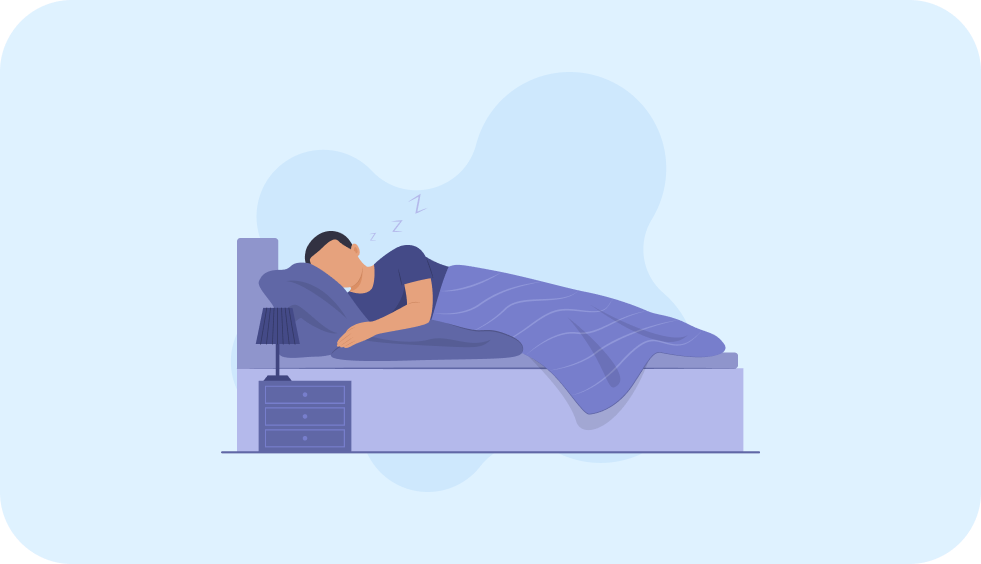
Now that you’re eliminating alcohol, your brain and body are already working toward readjusting. These sleep processes can heal within a matter of weeks.
In the meantime, this is also a critical time to work on your sleep hygiene. Proper sleep hygiene can help you fall asleep more quickly and give you a better night's rest as your brain recovers.
Augment your sleep with these tips:
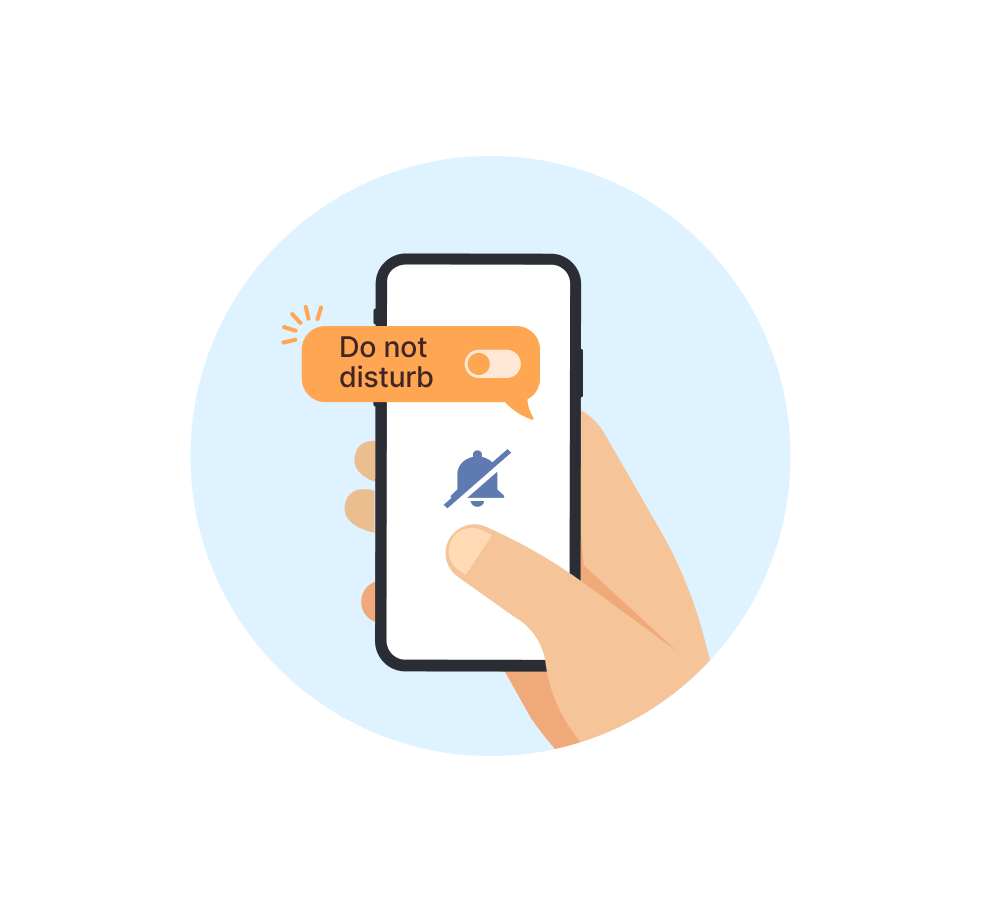

Reduce or eliminate screen time.

Wear blue-light-blocking glasses if you do use screens in the evening.

Develop an evening routine that signals to your brain that it's time to go to sleep.

Try a guided meditation.

Create a relaxing and inviting environment in your bedroom, limiting light.

Aim to sleep at the same time every day.
Turn on a white noise machine.
Enhance your room with familiar and relaxing scents.
Set the temperature to be cool, but not cold.
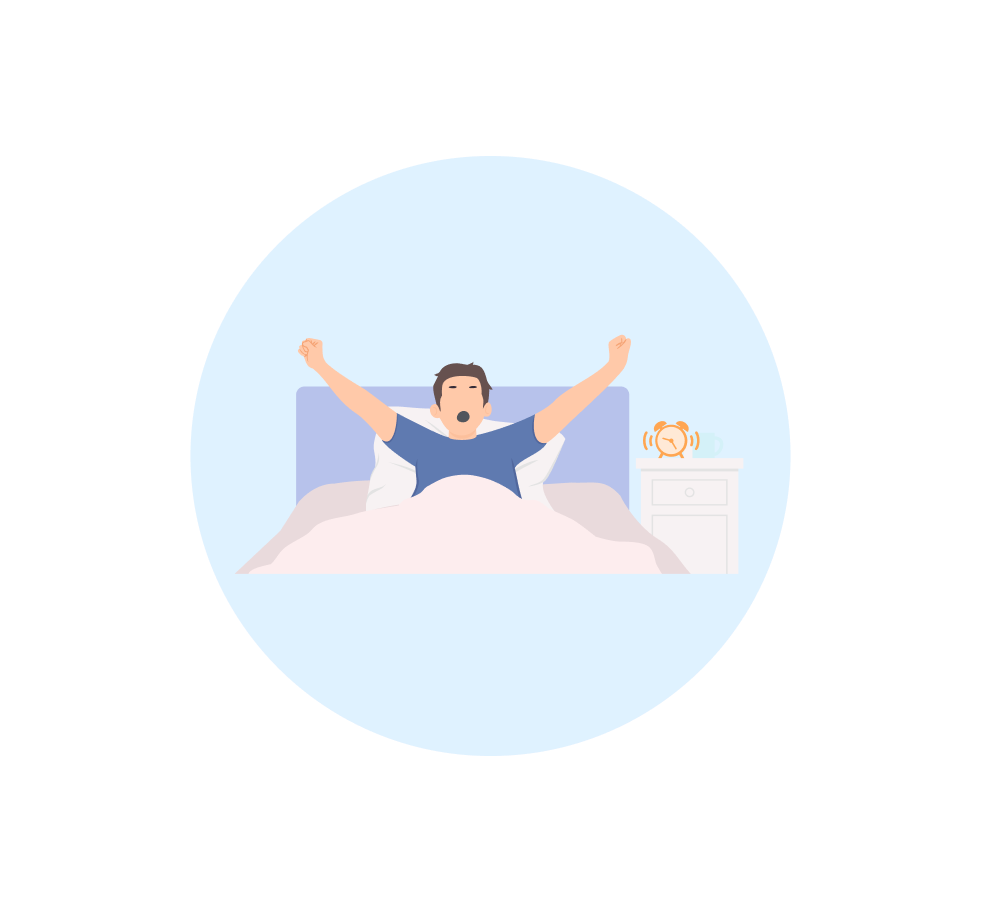
Wake up at the same time every day.
Exercise in the morning or afternoon (evening workouts may disrupt sleep).
Limit caffeine intake during the day, especially in the afternoon and evening.
As time goes by and you stick to your sober lifestyle, you'll notice positive improvements in your sleep. Soon enough, you’ll be feeling more energetic each and every day!


