
Alcohol is a depressant, so it slows down the central nervous system, acting as a sedative. This can sometimes make it easier to fall asleep initially. However, as the brain recognizes a depressant in the physical system, it releases wakeful stimulants such as adrenaline.
We might have noticed that we typically wake up at around 2 or 3 a.m. on days we drink. This is because as the sedative effects of alcohol begin to fade, the adrenaline takes control and wakes us up!
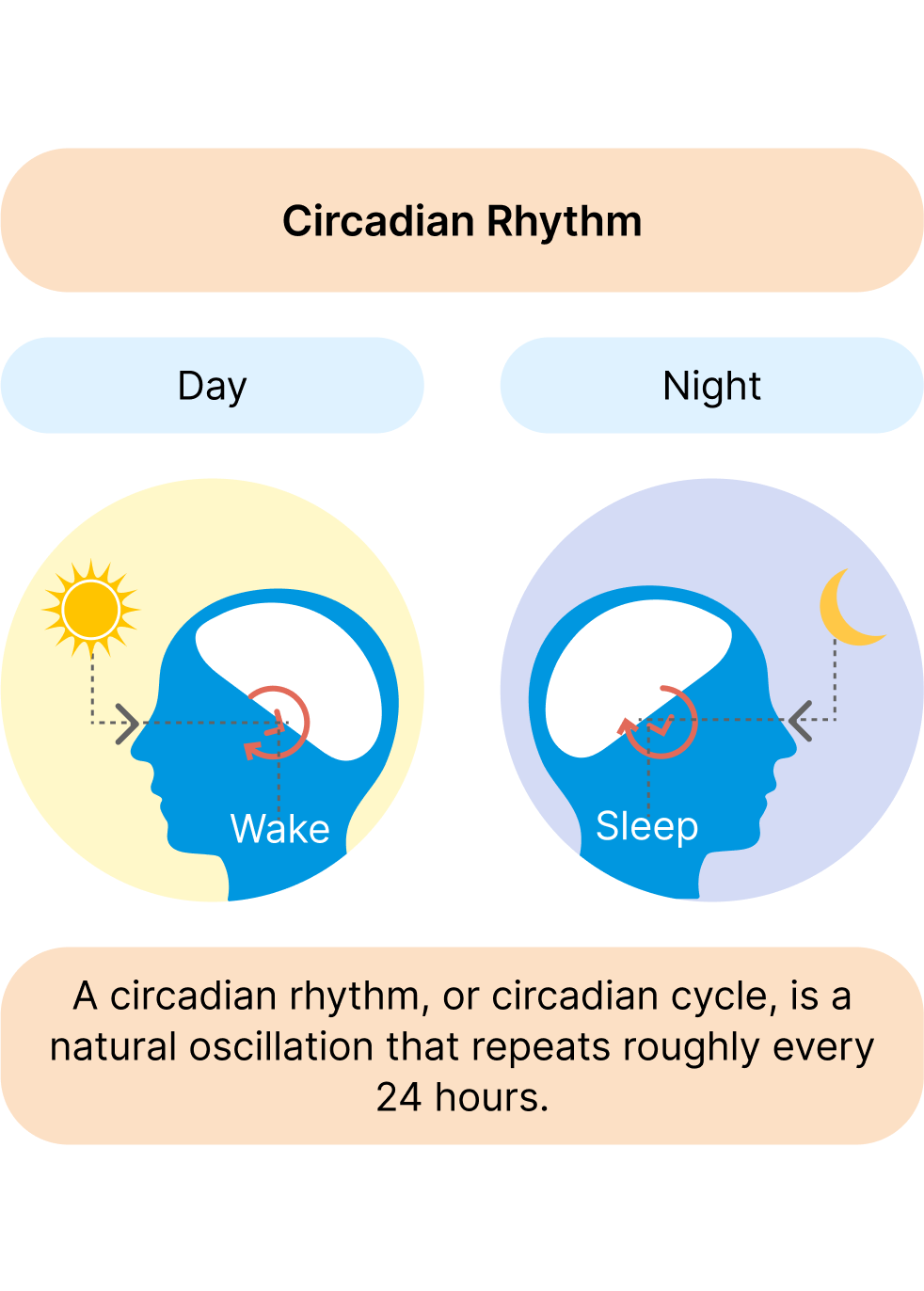
This process makes us much more prone to sleep disruptions during the night, shortening our overall sleep duration. It also causes issues with our circadian rhythm since as soon as we add alcohol into the mix, our bodies no longer naturally control when we feel awake and when we feel sleepy.


