A team of researchers and psychologists who specialize in behavioral health and neuroscience. This group collaborates to produce insightful and evidence-based content.
Certified recovery coach specialized in helping everyone redefine their relationship with alcohol. His approach in coaching focuses on habit formation and addressing the stress in our lives.
Recognized by Fortune and Fast Company as a top innovator shaping the future of health and known for his pivotal role in helping individuals change their relationship with alcohol.
January 28, 2024
·
19
Reframe Content Team
January 28, 2024
·
19
Crafting Cocktails With Less or No Alcohol
The low-alcohol and non-alcoholic cocktail scene is exploding with options that delight the palate.
Low-alcohol cocktails and mocktails offer a way to enjoy the taste of drinks with less (or no) buzz.
The Reframe app offers a variety of ways to reduce drinking and improve health and well-being.
What really makes a cocktail great? It's more than just a cute garnish or a heavy pour of booze. The real magic is in the flavor—the perfect balance of sweet, sour, and even bitter notes. This is where low alcohol cocktails truly shine. By dialing back the booze, you let the complex ingredients, from fresh herbs to interesting bitter alcohols, take center stage. These sophisticated low abv cocktails are all about the experience, not just the buzz. We'll explore some fantastic low alcohol cocktails recipes that prove a delicious drink is all about flavor.
Cocktails are very well-marketed (hello, James Bond!) and hold an enduring allure in culture and media. Recent trends in mixology have elevated cocktail-making to an art, with innovative flavors and new twists on classics. Luckily, for those of us trying to cut back, delicious mocktails and low-alcohol cocktails have also proliferated and mixology specialists are challenging the conventional perception of drinking. In doing so, they are paving the way for a more inclusive and health-conscious approach to socializing.
Let’s explore the rise of low-alcohol drinks within the field of mixology. We’ll check out the reasons behind its popularity, the essential ingredients for crafting delightful concoctions, and the science behind crafting tantalizing low-alcohol drink recipes.
Why Everyone's Talking About Low-Alcohol Cocktails
Mixology dates back to the mid-19th century and arose from a desire to shakeup traditional bartending. Whiskey was the primary drink of choice up until that point, but in 1850 the Sazerac became America’s first cocktail.
Today, mixology has evolved into both a science and an art by pushing traditional boundaries of alcohol-centric beverages by focusing on creativity, quality ingredients, and unique experiences. Mixology continues to evolve in response to drinkers’ desires. For those trying to cut back on alcohol, this creative boom lets us keep the flavor high and the alcohol by volume (ABV) low.
Thanks to the increasing social acceptance of sobriety, mindful drinking, and the rise of the sober-curious movement, there is a high demand for craft mocktails and alcohol-free spirits. It’s now easier than ever for non-drinkers to enjoy everything mixology has to offer.
This shift in focus has led mixologists to explore even more innovative ingredients and intricate flavor profiles and, by doing so, develop an entirely new conceptualization of the cocktail experience while still keeping the cute umbrellas.
Perfect for Pacing Yourself
One of the biggest challenges when you're trying to cut back is managing long social events. Whether it's a day party or a long dinner with friends, you might feel the pressure to have a drink in your hand. Low-alcohol cocktails are a fantastic solution for this. They let you enjoy the social ritual of drinking and savor complex flavors without getting too tipsy too fast. This makes them a great choice for extending an evening or when you just want something light and refreshing. By opting for drinks made with low-ABV ingredients like sherry or vermouth, or even a simple highball with lots of soda, you can easily pace yourself. It’s a simple way to practice a more mindful approach to drinking, allowing you to stay present and enjoy the moment without worrying about overdoing it.
Stocking Your Bar for Low-Alcohol Cocktails
Like we said earlier, mixology is both an art and a science. So what exactly goes into the technical side of mixing a good alcoholic drink (or mocktail)? Let’s dig deeper!
The Low-ABV Bottle Shop: Vermouth, Amaro, and More
Creating a delicious low-alcohol drink starts with choosing the right base. Instead of reaching for high-proof spirits like vodka or gin, the secret lies in using ingredients with a lower alcohol content that still pack a flavorful punch. This is where fortified wines and liqueurs like vermouth, sherry, and amaro shine. These low-ABV ingredients bring complex herbal, sweet, or bitter notes to a drink, creating a sophisticated taste without the high alcohol percentage. Using them means you can savor a well-crafted cocktail and stay present in the moment, enjoying the conversation and atmosphere for longer. It’s a simple switch that makes a huge difference in practicing mindful drinking while still appreciating the art of mixology.
Building Flavor, Not Just Buzz
Crafting a cocktail is more than mixing a random liqueur with a random refresher and expecting it to taste good. Don’t be afraid to try new things, but avoid doing too many experiments all at once. Here are a few small ways you can play:
Find a recipe you like and start tweaking small things. Just remember that the objective of mixology is to improve the combined flavors of ingredients, not to compete with them.
Pay attention to flavor profiles. Mixologists must know which ingredients are sweet, sour, bitter, savory, or salty. They also need to know the depth or strength of each one.
Apply the principles of flavor pairing. Think about how certain flavors work together to enhance or complement each other. For example, when creating cocktails and other mixed alcoholic drinks, mixologists often pair sweet and sour flavors together, as one balances out the other. Similarly, they may pair bitter flavors with sweet or savory ingredients to create a more complex flavor profile.
These principles are key to crafting balanced and delicious drinks, but it’s also important to carefully select premium quality ingredients. Less alcohol means the flavors have more room to shine! Let’s look at some items that play a pivotal role in attaining flavor.
Your Flavor Toolkit: Bitters, Syrups, and Sodas
To craft enticing low-ABV cocktails and mocktails, we need to be familiar with the ingredients that contribute the most flavor. Non-alcoholic heavy lifters — such as bitters, citrus, juice, sweeteners, and fresh fruits and herbs — offer a palette of flavors that pack a big punch.
Bitters are flavor extracts often made from botanicals like herbs, spices, barks, roots, flowers, and seeds. There are a huge variety of flavors out there. While bitters are typically extracted in high-proof alcohol, they are sold in small 1-3 ounce dropper bottles — it only takes a few drops of bitters to deliver a whole bunch of flavors. Due to their strong flavor they often taste, well, bitter. But when added to a drink, their flavor mellows out and delivers a subtle botanical backdrop.
Citrus includes oranges, lemons, limes, and grapefruit (among others). Citrus adds acidity and brightness, and the peel can be used as an aromatic garnish (more on that later).
Juices are often the flavor backbone of a drink. In fact, the strong flavor of juice is often used to mask the taste of alcohol in cocktails. Pineapple juice, cranberry juice, and orange juice are commonly used, and purees like mango and strawberry add a smoothie-like texture.
Sweeteners include honey, agave, maple, simple syrup (half sugar, half water), and flavored syrups like grenadine and sweetened lime juice. These enhance bright and fruity flavors in things like fruit smashes and spritzers.
Fresh fruit and herbs can be used as garnishes to complement the flavors of the beverage, or they can be the star of a show. A muddled cherry or blackberry can become the flavor base of a smash or spritzer, and mint can become the glue that holds a mojito (or virgin mojito) together.
Once we have our base components, it’s time to mix them all together and pick the perfect glass!
Does the Right Glass Really Matter?
The science of mixology relies on two major factors — the blend of flavors and the glassware used. Yes, the glassware! While it may seem odd, specific shapes and styles of glassware not only make for a great presentation, but they also enhance the flavor of what we’re drinking.
For example, the shape of the cocktail glass not only influences the look and feel of the drink, they also influence how we drink. People tend to drink more quickly from wide glasses as opposed to straight or narrow glasses. Furthermore, glasses are typically designed to enhance certain aspects of the drink. Glasses with stems prevent our hands from warming up the beverage, and tulip-shaped beer glasses are designed to keep the aroma of the hops trapped in the glass.
Don't Skip the Garnish
Attention to detail is paramount when creating a cocktail or mocktail. Once we’ve applied our knowledge of flavors and hardware, it’s time for the finale! Garnishes add the final visual and sensory touch that can elevate a drink.
Garnishes may serve two purposes: they can add a whiff of aroma, or set the mood with their looks. Adding mint to the top of a drink provides a wave of botanical freshness that could enhance the sharpness of a blueberry spritzer or muddle the sweetness of a virgin piña colada. But that piña colada may feel a whole lot more fun with a little umbrella poking out of the top!
Smell is Presentation is essent. To make a low- or no-alcohol drink feel extra special, a beautifully placed garnish can inspire us to be mindful and enjoy.
Taking the Alcohol Out (Without Losing Flavor)
We can reduce or eliminate alcohol from cocktails by taking inspiration from existing recipes. For instance, let’s think about the flavors that go into some classics:
Gin and tonic. This breezy summer sipper makes a great mocktail. Try a non-alcoholic gin or just a couple dashes of botanical bitters, a splash of soda, and some tonic with a lime garnish.
Moscow mule. Another option is a moscow mule, made of vodka, lime, and ginger beer. The zesty lime and spicy ginger pack a lot of flavor to cover up the boozy taste of alcohol. If you swap out the vodka for water or soda water, you may not even realize you’re sipping an alcohol-free drink.
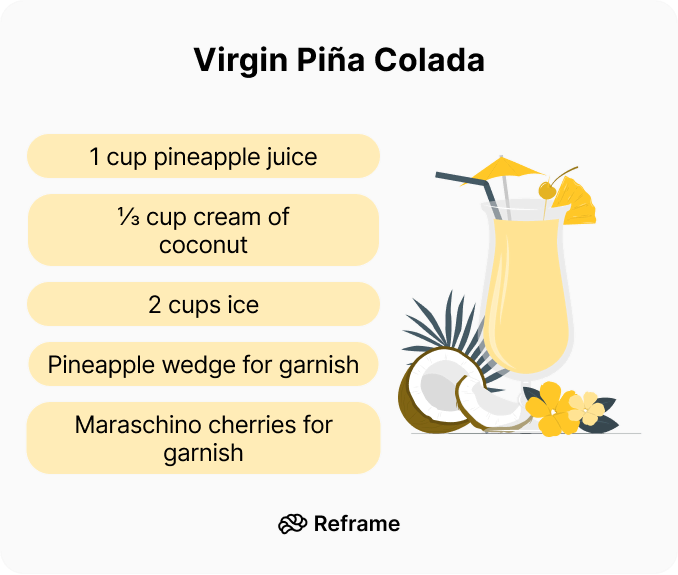
Piña colada. This tropical tiki classic translates perfectly to the mocktail world. Just leave out the rum and you’ll have a delicious pineapple-coconut delight perfect for when you get caught in the rain.
Most flavored alcohol has non-alcoholic counterparts. Oftentimes, the taste profile of a cocktail comes from the mixers and added flavors, not the alcohol itself. If you do want a little alcohol kick, consider reducing the liquor by half or ordering a single instead of a double.
Going low-alcohol has plenty of benefits, and no-alcohol offers even more. Let’s get the skinny on the health benefits waiting for us when we go low.
Popular Low-Alcohol Recipes to Try
Ready to put your new mixology knowledge to the test? The great news is that you don't have to invent something from scratch. Many classic cocktails are naturally low in alcohol, making them perfect for social sipping. They offer all the flavor and sophistication of their boozier cousins without the intense effects. Here are a few timeless recipes that are easy to make and even easier to enjoy responsibly.
The Americano
This classic Italian aperitif is a fantastic starting point. The Americano combines Campari, sweet vermouth, and a splash of soda water for a refreshingly bitter and complex flavor. Because it skips the hard liquor (like the gin in its cousin, the Negroni), it has about half the alcohol content of a typical cocktail. This makes it an ideal choice for a happy hour or dinner party where you want to enjoy a sophisticated drink and still feel clear-headed and present in the conversation. It’s a simple, elegant way to practice mindful drinking without feeling like you're missing out.
The Aperol Spritz
You’ve probably seen this vibrant, orange-hued drink lighting up patios everywhere, and for good reason. The Aperol Spritz is a bubbly and delightful mix of Aperol, prosecco, and soda water. Its light, citrusy profile makes it incredibly refreshing, especially on a warm day. If you want to lower the alcohol content even further, you can easily swap the prosecco for a non-alcoholic sparkling wine. This drink proves that you can have something festive and fun in your hand that looks and tastes amazing, all while keeping your wellness goals in check.
The Pimm's Cup
A British summertime staple, the Pimm's Cup is practically a fruit salad in a glass. This cocktail is built around Pimm's No. 1, a gin-based liqueur, which is then mixed with lemonade or ginger ale and loaded with fresh garnishes like cucumber, strawberries, orange slices, and mint. It’s light, fruity, and incredibly refreshing. Because the Pimm's itself has a lower ABV than straight gin and it's mixed with plenty of non-alcoholic ingredients, it's a perfect drink for pacing yourself during a long afternoon barbecue or social gathering. It’s all about enjoying the experience, not just the alcohol.
Alcohol misuse is a factor in more than 200 known diseases and conditions.
Alcohol misuse results in more than 3 million deaths every year worldwide, representing 5.3% of all deaths.
In young people aged 20-39 years, approximately 13.5% of all deaths are attributable to alcohol misuse.
There is a causal link between alcohol misuse and a range of mental and behavioral disorders.
If we do choose to drink, low-alcohol options allow us to mitigate these risks. They’re easier on our brain, our body, our mental health, and our pocketbook. And for those of us trying to lose weight, it’s crucial to keep low-alcohol options in our toolbox.
Ordering Low-ABV Drinks When You're Out
Making low-alcohol drinks at home is one thing, but navigating a bar menu can feel like a whole different challenge. The good news is that you don’t have to stick to seltzer water all night (unless you want to!). With a little know-how, you can confidently order delicious, complex drinks that align with your goals. Choosing low-alcohol options allows you to fully enjoy the social aspects of being out with friends while being kinder to your body and mind. This approach is central to a more mindful drinking experience, letting you savor the flavor and the moment without the fog the next day.
Look for "Highball" Style Drinks
When you’re scanning the menu, keep an eye out for "highball" style cocktails. These are your best friends when you’re looking for a low-ABV option. A highball is typically a simple drink made with a small amount of a base spirit and a larger proportion of a non-alcoholic mixer, like soda water or tonic, served in a tall glass over ice. Think of classics like a Gin and Tonic or a Vodka Soda. Because the non-alcoholic mixer makes up most of the volume, these drinks are naturally lower in alcohol content. They’re also incredibly refreshing and help you stay hydrated while you socialize, making them a smart and sophisticated choice for any occasion.
Be Mindful of Deceptively Strong Cocktails
On the flip side, it’s wise to be cautious with cocktails that taste more like fruit juice than alcohol. Tiki drinks, like a Mai Tai, are a perfect example of this. They can be particularly deceptive, with their sweet and fruity flavors easily hiding two, three, or even more ounces of hard alcohol. It’s easy to drink them quickly and not realize how much alcohol you’re actually consuming until it’s too late. If you’re unsure about a drink’s strength, don’t hesitate to ask the bartender what’s in it. Knowing what you’re drinking is a key part of managing your intake and ensuring you can accurately track your consumption with tools like a Blood Alcohol Content (BAC) calculator.
Counting Calories? What to Know About Low-Alcohol Drinks
Alcohol is full of empty calories that provide little to no nutritional value. Reducing or eliminating alcohol from our drinks makes for more health-friendly options without compromising on flavor.
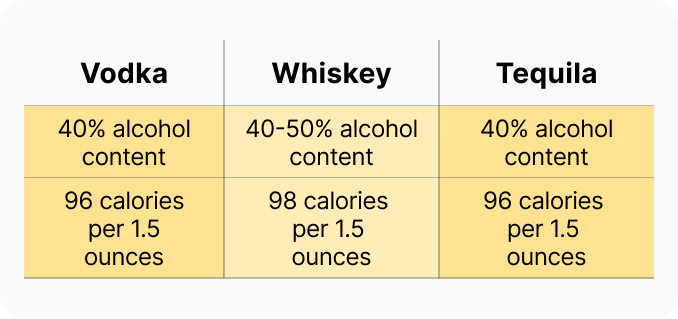
Let's compare the calorie content of three common spirits found in alcoholic drinks.
These measurements represent one standard serving of liquor. Although we may not think about it, many full-strength cocktails contain way more than this! Most well drinks and martinis contain at least 3 ounces of liquor, sometimes more.
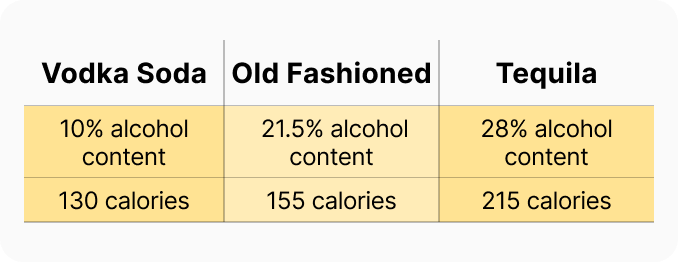
Once these liquors get mixed into our favorite drinks, the calories tend to go up — especially as alcohol content goes up. Strong flavors and sugary mixers are often used to mask the flavor of alcohol in mixed drinks. Let’s take a look at the calorie content once these liquors get mixed into popular and easy alcoholic drinks.
Calorie conscious sippers should focus on keeping the alcohol serving low and choosing low-calorie mixers. Then again, when alcohol isn’t in the mix, we have more room in our calorie budget for a second round!
Key Takeaways
The rise of low-alcohol mixology signals a significant shift in how we approach and enjoy cocktails. And with the rise of the sober-curious movement, there has been an explosion of no-proof spirits and low-proof alcohol options. Most of our favorite cocktails can be enjoyed with just a little less booze, and there is a whole world of craft mocktails to explore.
Crafting flavorful low-ABV cocktails is not about compromise; it's about embracing a new dimension of taste. When exploring the world of low-alcohol or alcohol-free cocktails, keep moderation in mind and remember that the benefits of mindful drinking extend beyond the glass.
How Your Body Processes Alcohol and Calories
When we think about calories, we usually think of food. But alcohol has calories, too — and our bodies handle them very differently. Your body sees alcohol as a toxin, so when you drink, your liver’s main job becomes getting it out of your system. This process takes priority over everything else, including metabolizing the nutrients from your food. As a result, any fats or carbohydrates you eat are more likely to be stored as fat while your body is busy processing the alcohol. This is why alcohol is often referred to as having “empty calories”; it provides energy but offers virtually no nutritional value, and it can disrupt your body's normal metabolic process.
Choosing Lighter Spirits and Mixers
Making a few simple swaps can dramatically change the health profile of your drink. Instead of high-proof spirits like vodka or gin, consider using a lower-ABV option like wine or a light beer as the base for a spritzer. You can also simply use less liquor. The real calorie culprits, however, are often the mixers. Syrups, sugary sodas, and many fruit juices can pack a surprising amount of sugar and calories into a single glass. To make your drink last longer and cut down on both alcohol and sugar, try adding non-alcoholic mixers like sparkling water, diet tonic, or a squeeze of fresh lime. This way, you can still enjoy a flavorful, refreshing drink without the extra baggage.
Smart Food Pairings When You Drink
What you eat when you drink matters just as much as what you’re sipping. Since your body is focused on processing alcohol, it’s a good idea to avoid foods high in fat and simple carbs, like pizza or fries. These are more easily converted to fat when your metabolism is otherwise occupied. Instead, opt for lean protein and vegetables. Think grilled chicken skewers, a fresh salad, or a shrimp cocktail. These foods provide sustained energy and nutrients without overloading your system. Making smarter food choices helps support your body and can prevent that sluggish feeling the next day, making your experience much more enjoyable overall. It's a simple way to practice mindful drinking and take care of your well-being.
Frequently Asked Questions
I want to order a low-alcohol drink at a bar but don't know what to ask for. Any simple tips? Absolutely. The easiest way is to look for drinks made with vermouth, sherry, or amaro as the main ingredient instead of gin or vodka. You can also ask for any "highball" style drink, like a Gin and Tonic, to be made with less alcohol—just ask for a "single" or a "light pour." Another great option is to ask for a wine spritzer, which is simply wine mixed with sparkling water. Bartenders are very used to these requests, so you can feel confident asking.
Are low-alcohol cocktails just watered-down versions of regular drinks? Not at all. A great low-alcohol cocktail isn't about subtracting booze; it's about building a more complex flavor profile. When you lower the alcohol, you create space for other ingredients to stand out. Think of the herbal notes in a good vermouth, the bright acidity of fresh citrus, or the subtle spice from a few dashes of bitters. The goal is to create a sophisticated and satisfying drink where the alcohol isn't the dominant flavor.
Besides the recipes you mentioned, what's an easy way to turn my favorite cocktail into a low-ABV version? A simple trick is to "split the base." This means you replace half of the main spirit with a lower-ABV alternative. For example, if your favorite drink calls for two ounces of gin, try using one ounce of gin and one ounce of a dry vermouth instead. You can also simply increase the amount of non-alcoholic mixers. Adding more soda water, tonic, or fresh juice will dilute the alcohol concentration while making your drink last longer.
Will switching to low-ABV drinks actually help me with my health goals? Choosing low-alcohol options is a fantastic step toward more mindful consumption. You'll naturally consume fewer calories and put less strain on your body, which is always a positive. It also helps you stay more present and in control during social situations, preventing you from drinking more than you intended. While it's not the same as abstaining completely, it's a practical way to enjoy the social ritual of drinking while being kinder to your body and mind.
What's the point of using bitters if they have a high alcohol content? This is a great question. While bitters are made with high-proof alcohol, they are used in incredibly small quantities—usually just two or three drops per drink. Their purpose is to add a concentrated burst of botanical flavor, not to contribute to the alcohol content. The amount of alcohol they add to a finished cocktail is so minimal that it's considered negligible, making them a perfect tool for adding complexity to low-ABV and even non-alcoholic drinks.
Mixology is the art and science of crafting drinks by blending different ingredients to produce sensational flavors.
2. How do mixologists pair flavor?
There are several ways that mixologists pair different flavors. Often, they will pair sweet and sour flavors, and at other times, they will pair bitter flavors with savory or sweet ones. Tasting, experimenting, and using existing recipes a guidelines can help mixologists determine good pairings.
3. Can mocktails taste as good as cocktails?
Yes! In fact, the mixer ingredients in cocktails are often used to mask the flavor of the alcohol, and most flavored alcohols have non-alcoholic counterparts. Likewise, there is a rise in zero-proof spirits thanks to the rising popularity of the sober-curious movement.
4. How can I enjoy my favorite cocktails without so much alcohol?
Consider splitting the difference: ask for less whiskey and extra bitters and water in your old-fashioned. Use half the regular gin in your gin and tonic and substitute soda water for the other half. Use a splash of rum in your piña colada instead of the full pour in your recipe. This gives you a taste with less buzz!
Making the Right Choices With Reframe’s Help
Although it isn’t a treatment for alcohol use disorder (AUD), the Reframe app can help you cut back on drinking gradually, with the science-backed knowledge to empower you 100% of the way. Our proven program has helped millions of people around the world drink less and live more. And we want to help you get there, too!
The Reframe app equips you with the knowledge and skills you need to not only survive drinking less, but to thrive while you navigate the journey. Our daily research-backed readings teach you the neuroscience of alcohol, and our in-app Toolkit provides the resources and activities you need to navigate each challenge.
You’ll meet millions of fellow Reframers in our 24/7 Forum chat and daily Zoom check-in meetings. Receive encouragement from people worldwide who know exactly what you’re going through! You’ll also have the opportunity to connect with our licensed Reframe coaches for more personalized guidance.
Plus, we’re always introducing new features to optimize your in-app experience. We recently launched our in-app chatbot, Melody, powered by the world’s most powerful AI technology. Melody is here to help as you adjust to a life with less (or no) alcohol.
And that’s not all! Every month, we launch fun challenges, like Dry/Damp January, Mental Health May, and Outdoorsy June. You won’t want to miss out on the chance to participate alongside fellow Reframers (or solo if that’s more your thing!).
The Reframe app is free for 7 days, so you don’t have anything to lose by trying it. Are you ready to feel empowered and discover life beyond alcohol? Then download our app through the App Store or Google Play today!
Reframe has helped over 2 millions people to build healthier drinking habits globally
At Reframe, we do science, not stigma. We base our articles on the latest peer-reviewed research in psychology, neuroscience, and behavioral science. We follow the Reframe Content Creation Guidelines, to ensure that we share accurate and actionable information with our readers. This aids them in making informed decisions on their wellness journey. Learn more
Updated Regularly
Our articles undergo frequent updates to present the newest scientific research and changes in expert consensus in an easily understandable and implementable manner.