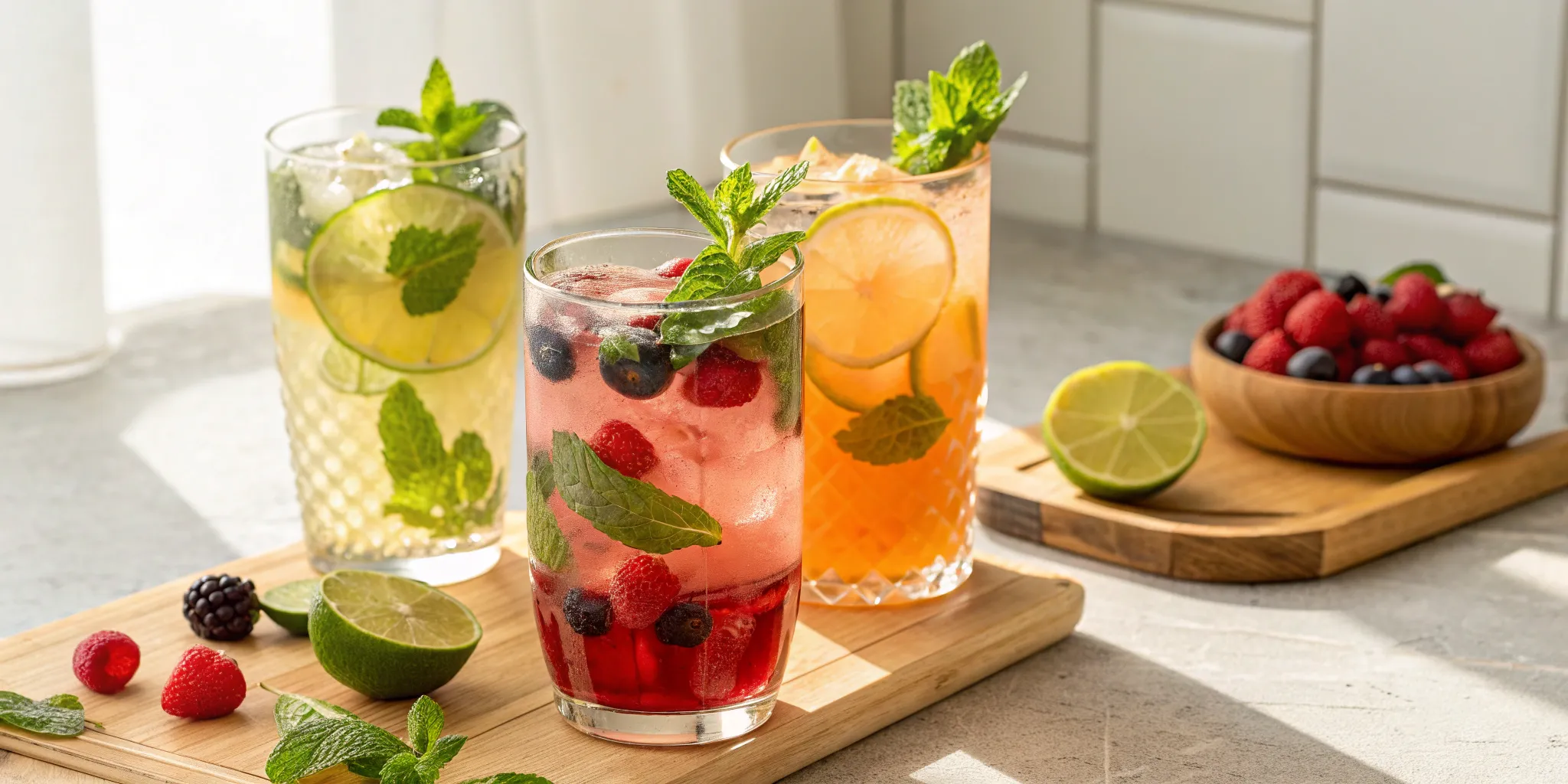
You're mindful about what you eat, but what about what you drink? It's easy to overlook the impact of alcohol calories, especially when some cocktails are light and refreshing while others pack as many calories as a dessert. This guide is your clear, no-nonsense look at cocktail calories. We'll break down the numbers in popular alcohol drinks, showing you which are lighter choices and which are the heavy hitters. You'll get simple, actionable swaps you can use at home or at the bar. This is your practical playbook for enjoying a drink without undoing your hard work.
Key Takeaways
- Focus on the mixers, not just the spirit: The alcohol in your drink sets a baseline of about 100 calories, but sugary additions like juice, regular soda, and syrups are what cause the calorie count to climb. This is the easiest place to make a change.
- Swap sugar for flavor: Ditch high-calorie mixers for seltzer or diet tonic, and replace bottled sour mixes with fresh-squeezed citrus. You can add complexity and taste without the sugar by using fresh herbs or muddled berries.
- Control your pour and your pace: At home, use a jigger to stick to a standard 1.5-ounce serving to avoid over-pouring. When you're out, slow your consumption and stay hydrated by having a glass of water between each alcoholic drink.
Decoding Your Drink: Where Do Cocktail Calories Hide?
When you’re trying to be more mindful of your health, it’s easy to focus on food and forget about the calories in your glass. Cocktails can be a sneaky source of sugar and calories, but understanding where they come from is the first step toward making lighter choices. The calories in any given cocktail come from two main sources: the alcohol itself and everything else you mix in with it. Let's break down how these components contribute to the final count.
How Many Calories Are in Alcohol Itself?
First, it’s important to know that alcohol itself has calories. Pure alcohol contains about seven calories per gram, which is more than carbohydrates or protein. This means that even a simple shot of liquor isn't calorie-free. Because of this, the calories can add up surprisingly fast. Having just a couple of standard cocktails can easily add 500 or more calories to your daily intake, which can impact your wellness goals over time. Understanding the effects of alcohol on your body, including its caloric load, is key to making more informed decisions about your drinking habits.
Which Spirits Have the Fewest Calories?
If you’re building a cocktail, the type of spirit you choose sets the baseline for its calorie count. Luckily, most common spirits are fairly consistent. A standard 1.5-ounce shot of 80-proof spirits like gin, vodka, rum, tequila, or whiskey generally contains around 100 calories. So, if you’re having a simple vodka soda, you can expect the drink to start at that 100-calorie mark. This consistency makes it easier to estimate the calories in your drink and choose a base that fits your goals. Think of the spirit as the foundation—from here, the mixers will determine if the calorie count stays low or climbs higher.
Are Your Mixers Adding Hidden Calories?
This is where the calorie count can really skyrocket. While the spirit provides a predictable base, the mixers are often loaded with hidden sugars and calories. Ingredients like regular soda, fruit juice, simple syrup, and creamy liqueurs can turn a 100-calorie drink into a 300-calorie dessert in a glass. Even seemingly innocent mixers like tonic water contain a surprising amount of sugar. Becoming aware of what’s in your mixers is a huge part of mindful drinking. When you start paying attention to these additions, you gain the power to modify your drinks and significantly reduce their calorie content without sacrificing flavor.
Why Your Pour Size Really Matters
Finally, let’s talk about portion size. It’s common for restaurants—and for us at home—to pour drinks that are much larger than a standard serving. A standard pour for a spirit is 1.5 ounces, but many modern cocktail glasses are designed to hold much more. A heavy-handed pour can easily double the amount of alcohol and, therefore, double the calories before you even add mixers. Being mindful of your pour size is a simple yet effective way to manage your intake. Using a jigger to measure your spirits can help you keep track and see how your choices add up, both in calories and cost, which you can track with a cost savings calculator.
Why Is It So Hard to Find Calorie Information?
If you’ve ever found yourself squinting at a bottle of wine or a can of hard seltzer looking for a nutrition label, you’re not alone. Many alcoholic drinks don't have calorie information on their labels, which makes it incredibly difficult to know what you’re actually drinking. Unlike food products, alcohol is regulated differently, and those familiar black-and-white nutrition facts panels aren’t always required. This lack of transparency can be frustrating when you’re trying to make healthier choices. Without clear information, it’s easy to underestimate the calories in your drink, which can quietly add up and work against your wellness goals. This is why learning to estimate the contents of your glass is such a valuable skill.
How Your Body Processes Alcohol Calories
It’s helpful to know that your body treats alcohol calories differently than it does calories from food. When you drink, your body recognizes alcohol as a toxin and prioritizes getting rid of it. This means your liver goes to work metabolizing the alcohol right away, putting the metabolism of other nutrients, like fats and carbohydrates, on the back burner. It’s also important to remember that most of the calories in a cocktail come from the alcohol itself, not just the sugary mixers. So, even if you skip the juice or syrup, the spirit still contributes a significant number of calories. Understanding this process can help you in making informed choices that align with how you want to feel.
How Many Calories Are in Your Favorite Cocktail?
Knowing the general calorie range of your favorite drinks can be a game-changer when you’re trying to be more mindful of your consumption. You don’t need to memorize exact numbers, but having a rough idea helps you make choices that align with your health goals. Some cocktails are surprisingly light, while others can contain as many calories as a small meal. The difference usually comes down to the type of alcohol, the mixers used, and, of course, the serving size. Let's break down some of the most common cocktails into a few simple categories so you can feel more confident the next time you're looking at a drink menu.
Your Guide to Lighter Sips (Under 150 Cals)
If you’re looking for a refreshing drink that won’t weigh you down, you have plenty of great options. These lighter cocktails are perfect for a casual happy hour or a warm afternoon. They typically rely on simple combinations of a spirit and a low-calorie mixer like soda water. Think classic, clean, and simple. Some of the most popular choices in this category include:
- Vodka soda: ~96 calories
- Rum and diet coke: ~96 calories
- Mimosa: ~87 calories
- Dry martini: ~125 calories
- Gin and tonic: ~137 calories
These drinks prove you don't have to skip the cocktail entirely to stick to a lower calorie count. Choosing one of these can be a simple step toward more mindful drinking.
The Middle Ground (150-250 Cals)
This category is home to many classic, spirit-forward cocktails. They often have a bit more complexity and sweetness than the lighter options, thanks to the addition of liqueurs, sugar, or fruit juice. While they have more calories, they can still easily fit into a balanced lifestyle. These are the drinks you’ll often find on craft cocktail menus, and they strike a nice balance between flavor and calorie content. Here are a few examples:
- Old Fashioned: ~150-200 calories
- Whiskey sour: ~155-180 calories
- Moscow mule: ~160-220 calories
- Cosmopolitan: ~145-220 calories
- Daiquiri: ~110-250 calories (varies widely based on preparation)
The Heavy Hitters (250+ Cals)
These are the rich, decadent, and often creamy or very sweet cocktails. Think of them as the dessert of the drink world. They get their high calorie counts from multiple spirits, sugary mixers, cream, or coconut milk. While delicious, their calorie and sugar content can add up quickly. A single Long Island Iced Tea, for example, can contain more calories than a cheeseburger. Being aware of these calorie-dense options helps you decide if it’s the right choice for you at the moment.
- Mai Tai: ~350 calories
- Chocolate martini: ~320-438 calories
- White Russian: ~425 calories
- Piña colada: ~490 calories
- Long Island iced tea: ~780 calories
What About Frozen Drink Calories?
Be extra mindful when it comes to frozen blended drinks like margaritas, daiquiris, and piña coladas. The process of blending them often requires a lot of extra sugar or pre-made syrup to achieve that slushy consistency and sweet taste. As a result, a frozen cocktail can have significantly more calories than its non-frozen counterpart. While they’re a tempting treat on a hot day, it’s helpful to remember that they are often among the most calorie-dense drinks you can order at a bar. If you’re craving one, consider it a special indulgence or ask if it can be made with less sugar.
Why Calorie Counts Can Vary So Much
Ever look up the calories in a margarita and find answers ranging from 200 to over 500? It’s confusing, but the variation comes down to two key things: the pour and the recipe. While a standard 1.5-ounce shot of 80-proof liquor like vodka or tequila consistently starts around 100 calories, not every drink is made with a standard pour. A heavy-handed bartender or a larger-than-average glass can easily double the amount of alcohol, doubling the base calories before a single mixer is even added. This is one of the simplest reasons why the same drink can have a different calorie count from one bar to the next.
The biggest variable, however, is the recipe itself. The mixers are where hidden sugars and calories can really pile up. A whiskey sour made with fresh lemon juice is a world apart from one made with a bottled, high-fructose sour mix. Ingredients like regular soda, fruit juice, simple syrup, and creamy liqueurs can quickly turn a straightforward drink into a dessert in a glass. This is why a Piña Colada or a Long Island Iced Tea can have such a massive calorie count—their recipes are often loaded with multiple sources of sugar, making them some of the most calorie-dense options available.
Calorie Counts for Other Popular Drinks
Cocktails aren't the only drinks where calories can add up. It’s just as important to understand the numbers behind other common choices like beer, wine, and seltzers. Knowing the general calorie range for these drinks can help you make informed decisions that align with your wellness goals, whether you're at a backyard barbecue or a happy hour with friends. Just like with cocktails, the key factors are often alcohol content and added sugars. Let's look at how your other favorite drinks stack up so you can feel confident in your choices.
Calories in Beer
Beer is a classic choice, but the calorie count can vary dramatically from one type to another. A very light beer might have as few as 60 calories, while most standard light beers hover around 100. A typical 12-ounce regular beer, like a Budweiser, contains about 150 calories, which is similar to a can of soda. Where you really see a jump is with stronger craft beers. An IPA, for example, can easily pack 200 to 300 calories per serving. This difference is primarily due to the higher alcohol content and carbohydrate levels in heavier beers. Understanding this range helps you see how a few simple swaps can make a big difference in your daily calorie intake.
Calories in Wine
Wine is often seen as a lighter option, and in many cases, it is. A standard 5-ounce glass of red or white wine typically contains about 120 calories. However, it's important to be mindful of pour sizes, as a common restaurant pour is often 6 ounces or more, bringing the calorie count closer to 140. If you're looking for an even lighter choice, opt for a wine with a lower alcohol content, which can have as few as 70 to 90 calories per glass. Just like with other drinks, the calories in wine come from both the alcohol and the residual sugar, so a sweeter dessert wine will have a higher count than a dry one. Paying attention to these details is a simple part of mindful drinking.
Calories in Hard Seltzers and Ciders
Hard seltzers have become incredibly popular, largely because they are marketed as a low-calorie alternative. Most brands have a calorie count similar to light beer—around 100 calories per 12-ounce can—with very little sugar. However, be sure to check the label, as some higher-alcohol seltzers can contain 50% more calories. On the other hand, hard ciders can be deceptively high in both calories and sugar. A 12-ounce serving of hard cider can contain up to 200 calories and as much as four teaspoons of sugar. This makes it a much heavier choice than a hard seltzer, putting it in the same category as some richer craft beers.
Calories in Liquor and Shots
When you're looking at straight spirits, the calorie count is quite consistent. A standard 1.5-ounce shot of 80-proof liquor—whether it's gin, vodka, rum, tequila, or whiskey—generally contains around 100 calories. An interesting thing to note is that these calories come entirely from the alcohol itself, as hard liquor contains no sugar. This reinforces the idea that when it comes to cocktails, the mixers are usually the primary source of added sugar and calories. Knowing the baseline for a shot can help you better estimate the total calories in a mixed drink and understand the impact of your choices on your body's blood alcohol content.
Simple Swaps for Lower-Calorie Cocktails
Enjoying a cocktail doesn’t have to be at odds with your wellness goals. The good news is you don’t need to stick to just water at social gatherings or give up your favorite drinks entirely. With a few simple adjustments, you can significantly lower the calorie and sugar content of most cocktails without sacrificing flavor. It’s all about being intentional with your choices and learning how to build a better drink from the ground up.
Think of it as a simple formula with four key components: the spirit, the mixer, the flavor, and the portion. By making a smart swap in just one of these areas, you can make a noticeable difference. For example, switching from regular cola to a diet version in a rum and coke, or using fresh lime juice instead of a sugary sour mix in a margarita, can cut out dozens of calories and grams of sugar.
These small changes empower you to stay in control of what you’re drinking. Whether you’re mixing a drink at home or ordering at a bar, knowing these simple tricks will help you make choices that align with your goals. Below, we’ll break down how to approach each component of your cocktail to create a lighter, more refreshing, and equally delicious version.
Start with a Lighter Spirit
The foundation of any cocktail is the spirit, and this is your first opportunity to make a smart choice. As a general rule, straight spirits like vodka, gin, tequila, rum, and whiskey are your best bet. A standard 1.5-ounce serving of an 80-proof spirit contains around 97 calories and virtually no sugar or carbs. The calories come directly from the alcohol itself.
Where you can run into trouble is with sweet liqueurs and cordials like triple sec, amaretto, or crème de menthe. These are often packed with added sugar, which can quickly increase the calorie count of your drink. When building a cocktail, try to use a pure spirit as your base. Understanding how alcohol content affects your body is also key to mindful drinking, and you can learn more with a Blood Alcohol Content (BAC) calculator.
Rethink Your Go-To Mixers
Mixers are often the biggest source of hidden calories and sugar in a cocktail. A single can of regular soda or tonic water can contain over 30 grams of sugar. The same goes for many fruit juices and pre-made sour mixes. Luckily, this is also the easiest area to make a healthy swap.
Instead of sugary sodas, opt for sparkling water, club soda, or seltzer. If you love tonic, look for diet or light versions, which have zero calories. For a splash of fruit flavor, use a small amount of 100% cranberry juice or a squeeze of fresh lime, lemon, or grapefruit. These simple changes can save you over 100 calories per drink and are a core principle of mindful drinking. Your goal is to complement the spirit, not drown it in sugar.
Add Flavor Without the Sugar
Flavor is what makes a cocktail interesting, but you don’t need sugary syrups to create a delicious drink. Fresh, natural ingredients are your best friends here. Try muddling fresh herbs like mint or basil in the bottom of your glass to release their essential oils and aromas. A few slices of cucumber or jalapeño can add a cool or spicy kick to a simple vodka soda.
Citrus is another powerhouse. Instead of pouring from a bottle of sour mix, use a squeeze of fresh lime or lemon. Running a citrus peel around the rim of your glass adds incredible fragrance without a single calorie. You can also experiment with a few muddled berries, like raspberries or blackberries, for a touch of natural sweetness and color. These additions make your drink feel more special and satisfying.
Get Smart About Serving Sizes
Sometimes, the simplest way to reduce calories is to simply drink less. Portion control is just as important for cocktails as it is for food. When you’re making a drink at home, use a jigger to measure your spirits. It’s easy to over-pour, and those extra splashes add up quickly. A standard serving of liquor is 1.5 ounces, so stick to that as your guide.
When you’re out, be mindful of the size of your drink. Many bars serve cocktails in oversized glasses. You can always ask for a "short" pour or order a single shot in a tall glass with extra club soda. This gives you a larger drink to sip on without the extra alcohol and calories. Tracking your drinks and seeing the benefits of cutting back can be incredibly motivating, and a cost savings calculator can show you the financial perks, too.
Your Guide to DIY Low-Calorie Cocktails
Becoming your own bartender is one of the best ways to take charge of what’s in your glass. When you make drinks at home, you have complete control over the ingredients, the portion sizes, and, ultimately, the calorie count. It’s easier than you think to craft delicious, lighter cocktails that align with your health goals. You don’t need a long list of fancy ingredients—just a few smart staples and simple techniques. Let’s get your home bar set up for success.
How to Stock a Healthier Home Bar
Building a healthier home bar starts with choosing the right foundation. When you’re shopping, opt for spirits like vodka, gin, or tequila over sugary liqueurs, which can pack in a surprising amount of sugar and calories. If you enjoy beer or wine, take a moment to check the labels for nutrition information—many brands now offer light or low-calorie versions that are just as satisfying. Having these lighter options on hand makes it simple to mix a drink without derailing your wellness goals. The key is to stock your bar with ingredients that work for you, not against you.
Easy Ways to Lighten Up Any Recipe
You don’t have to give up your favorite cocktails to cut back on calories. Often, a simple swap is all it takes. Instead of using sugary sodas or juices, reach for mixers like club soda, seltzer, or diet tonic water. These provide the fizz and volume you want without any added sugar. If a recipe calls for a sweet and sour mix or a pre-made powdered blend, try using fresh-squeezed citrus juice instead. A little fresh lime or lemon juice provides bright, authentic flavor for a fraction of the calories. These small changes are a key part of mindful drinking and can make a big difference over time.
How to Add Flavor, Not Calories
A low-calorie drink should never be a boring one. You can add incredible depth and flavor to your cocktails without relying on sugar. Fresh ingredients are your best friend here. Try muddling fresh mint leaves for a lighter mojito, or add a few slices of cucumber and a sprig of rosemary to a simple gin and soda. A splash of unsweetened cranberry juice or a few muddled berries can add color and a touch of natural sweetness. Experiment with different herbs, spices, and fruit combinations to find what you love. These additions make your drink feel special and flavorful while keeping the calorie count low.
Measure Your Pours, Track Your Progress
Free-pouring might look cool, but it’s one of the fastest ways to lose track of how much alcohol and how many calories you’re actually consuming. Using a jigger to measure your spirits ensures you’re sticking to a standard serving size. This simple habit helps you stay aware of your intake. If you’re focused on managing your health, it’s important to be aware of the calorie content in your drinks. Tracking what you drink, just like you might track your food or exercise, provides valuable insight and empowers you to make choices that feel good for your body and mind.
Beyond the Calories: Alcohol's Impact on Health
While understanding the calorie count in your cocktail is a fantastic step toward making more mindful choices, it’s really only one part of the story. The effects of alcohol on your body go far beyond what you can measure in calories. Think about how you feel the morning after a few drinks—even if they were low-calorie options. That grogginess, lack of energy, or slight dip in your mood isn’t just about sugar. It’s about how alcohol interacts with your brain, your sleep cycle, and your metabolism. A vodka soda might seem like a "guilt-free" choice from a calorie perspective, but it can still disrupt your sleep and leave you feeling less than your best the next day.
Considering these broader impacts isn’t about adding another layer of things to worry about. Instead, it’s about empowering yourself with a more complete picture of how alcohol affects your overall well-being. When you understand the full context, you can make decisions that are truly aligned with your health goals. It shifts the focus from a narrow view of "good" versus "bad" drinks to a more holistic approach centered on how you want to feel, both in the moment and tomorrow. This deeper understanding is the foundation of a healthier relationship with alcohol, one that prioritizes how you feel over just counting numbers.
The Link Between Alcohol and Overall Wellness
So, what are these other effects? One of the biggest is on your sleep. While a drink might make you feel drowsy and help you fall asleep faster, it significantly disrupts the quality of your rest later in the night. Alcohol suppresses REM sleep, which is crucial for memory, learning, and mood regulation. This is why you can sleep for a full eight hours and still wake up feeling exhausted. Another key area is your metabolism. Your body treats alcohol as a toxin and prioritizes metabolizing it over everything else. This means that the process of burning fat and other nutrients is put on hold, which can hinder your fitness and wellness goals over time.
Beyond the physical, alcohol has a direct impact on your mental state. The temporary feeling of relaxation it provides can be followed by a rebound effect of increased anxiety or low mood, sometimes called "hangxiety." This happens as your brain works to rebalance its chemistry after the alcohol leaves your system. Recognizing these connections is a powerful step in building healthier habits. When you start to see how your drinking choices affect your sleep, energy, and mood, you can make more intentional decisions that support your total well-being. Tools like the Reframe app are designed to help you explore these connections and find a balance that works for you.
How to Practice Mindful Drinking
Making healthier choices isn’t about memorizing the calorie count of every cocktail. It’s about building awareness so you can make decisions that feel good for you in the moment. Practicing mindful drinking means paying attention to what’s in your glass and how it makes you feel, allowing you to enjoy social events without straying from your wellness goals. It’s a simple shift in perspective that puts you back in control. By learning a few key strategies, you can confidently order drinks that align with your lifestyle, whether you’re at a happy hour or a special celebration.
How to Read a Bar Menu Like a Pro
A bar menu can feel overwhelming, but a few clues can help you spot the lighter options. Look for drinks with simple, fresh ingredients. Cocktails described with terms like “syrup,” “nectar,” “cream,” or multiple liqueurs are often packed with sugar and calories. On the other hand, drinks featuring soda water, fresh citrus juice, and a single spirit are usually a safer bet. Don't hesitate to ask the bartender what’s in a specific drink. Knowing that some cocktails can contain significantly more calories than others, especially those with sugary mixers, empowers you to make a more informed choice.
Making Smarter Choices When You're Out
Being mindful of your alcohol consumption can help you feel your best. When you’re out, remember that mixed drinks containing soda, juice, or cream often have a much higher calorie count. If you’re in the mood for a classic cocktail, consider how it’s prepared. A margarita made with fresh lime juice and a splash of agave is very different from one made with a pre-made, high-sugar mix. Choosing your drinks carefully doesn’t mean depriving yourself; it means opting for quality and flavor that you can truly savor without the extra sugar.
Tips for Healthy Social Drinking
Socializing and being mindful of your drink choices can absolutely go hand in hand. A great strategy is to alternate each alcoholic beverage with a glass of water or sparkling water with lime. This helps you stay hydrated and naturally slows your pace. When you do order a cocktail, opt for drinks made with fresh ingredients or spirits mixed with soda water. Practicing mindful drinking is also about shifting your focus. Tune into the conversation and the company you’re with, making the drink an accessory to the experience rather than the main event.
Helpful Apps and Tools for Tracking
If you like to have data at your fingertips, using an app can be a great way to stay aware of your intake. Tools can help you see how different drinks contribute to your daily calorie goals, which is especially helpful if you’re aiming to stick to just one cocktail during a night out. The Reframe app includes a personalized drink tracker that helps you monitor your consumption without judgment. Using a tool to track your progress can provide valuable insight and help you stay aligned with your goals for a healthier lifestyle.
Online Calorie Calculators
For a quick snapshot of your weekly alcohol calories, an online calculator can be a great starting point. You can use a tool like the calculator from the National Institutes of Health (NIH) to get a general idea of how many calories you’re consuming from drinks. When you use it, remember to be honest about your serving sizes. A heavy-handed pour at home or an oversized glass at a restaurant can contain much more than a standard drink, so it’s important to adjust your numbers for an accurate estimate. This can be a real eye-opener and a helpful first step in understanding how your drinking habits fit into your overall wellness picture.
Drink Tracking with Reframe
While online calculators are useful for a quick estimate, consistent tracking provides a clearer picture of your habits over time. The Reframe app offers a more holistic approach with its personalized drink tracker, which is designed to help you monitor your consumption in a supportive, judgment-free way. Instead of just counting calories, the app helps you see patterns and understand the context around your drinking. This insight is crucial for making lasting changes and practicing true mindful drinking. It’s more than just a counter; it’s a tool that works alongside educational programs and a supportive community to help you build healthier habits that stick.
Related Articles
Frequently Asked Questions
Besides the alcohol, what makes cocktails so high in calories? The biggest source of calories in most cocktails comes from the mixers. Ingredients like regular soda, fruit juice from concentrate, sweet and sour mix, and sugary liqueurs can add hundreds of calories to a single drink. Even something that sounds healthy, like tonic water, is often loaded with sugar.
Is one type of liquor better than another for a low-calorie drink? Not really. Most standard 80-proof spirits—like vodka, gin, tequila, rum, and whiskey—are very similar in calorie count, landing at around 100 calories for a 1.5-ounce serving. The choice of spirit isn't nearly as important as what you mix with it. Your best bet is to start with any of these base spirits and build from there with lighter additions.
What's the easiest way to order a lighter cocktail at a bar? The simplest approach is to order a drink that combines a spirit with a zero-calorie mixer. Think of classics like a vodka soda or a rum and diet coke, and ask for a lime or lemon wedge for flavor. If you want something like a margarita or whiskey sour, you can ask the bartender if they can make it with fresh citrus juice instead of a pre-made sour mix.
Why are frozen drinks like margaritas and daiquiris so high in calories? Frozen drinks typically get their high calorie count from the large amounts of sugar needed to create that sweet, slushy consistency. They are often made with pre-made syrups or mixes that are packed with sugar. A frozen margarita can easily have double the calories of one served on the rocks that's made with fresh lime juice.
If I want to make a healthier drink at home, what's the most impactful change I can make? The single most effective change you can make is to switch your mixers. Instead of using sugary sodas, juices, or syrups, reach for club soda, seltzer, or diet tonic water. You can add plenty of flavor without the sugar by using a generous squeeze of fresh lime, lemon, or grapefruit, or by muddling fresh herbs like mint.