

A Neuroscience-Based Approach to Your 30-Day Reset. Built on patterns from thousands of real users and peer-reviewed neuroscience research.
January doesn't have to be about pressure or perfection. This Thrive Guide is here to help you build small, sustainable habits—no resolutions required.Whether you're curious, cutting back, or going alcohol-free, there's something here for you."



Track Your Triggers
The Science: Triggers activate the mesolimbic dopamine pathway before you consciously recognize them. By tracking, you bring unconscious patterns into conscious awareness—moving processing from the amygdala (reactive) to the prefrontal cortex (deliberate).
What to track: Time, location, who you're with, emotional state (1-10), craving intensity (1-10), what happened just before. After 7 days, patterns will emerge you never noticed.

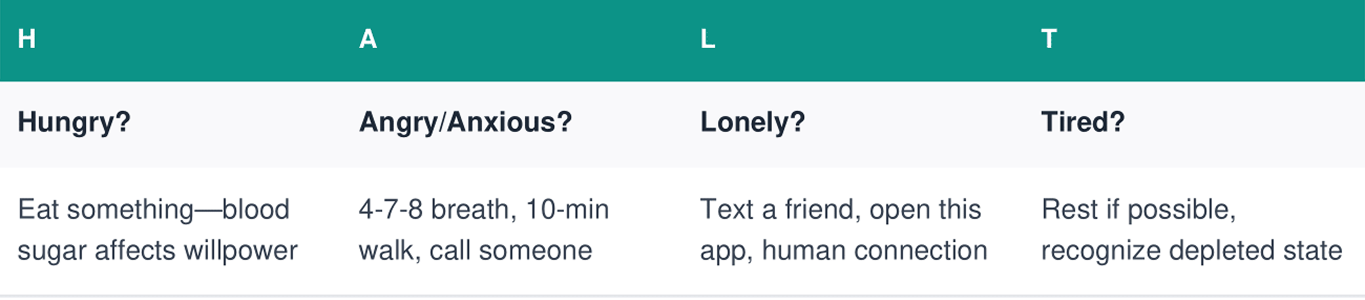
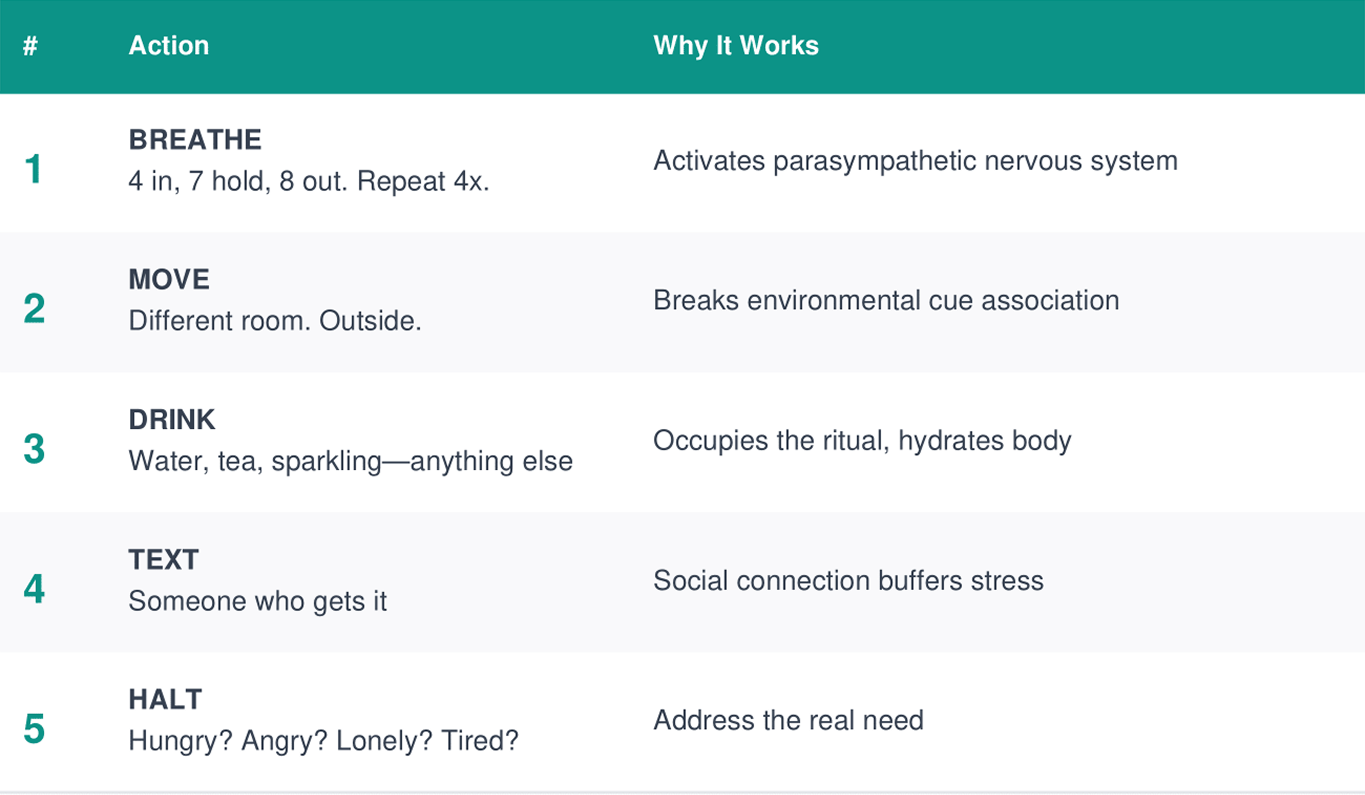
HALT Check
The Science: The brain can't easily distinguish between different types of distress signals. Hunger drops blood glucose, impairing prefrontal function. Anger/anxiety floods cortisol. Loneliness triggers the same neural circuits as physical pain. Fatigue compromises executive function by up to 50%.
Fix: Each HALT state has a specific solution: Eat something (not sugar). Move or breathe (anger). Connect with someone (loneliness). Rest or postpone the decision (tiredness). Address the actual need.

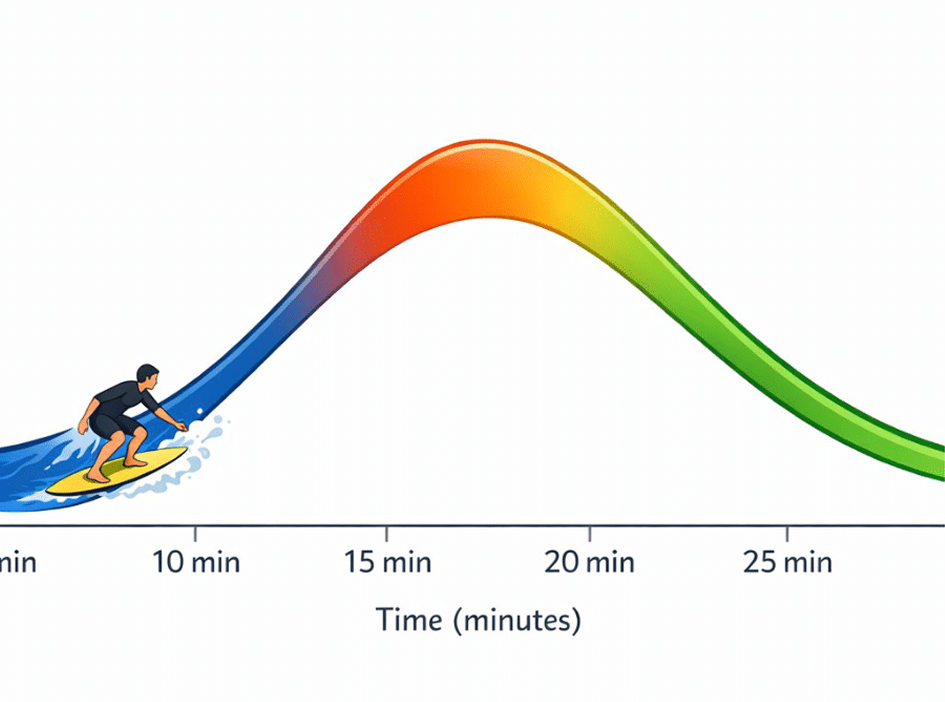
Ride the Wave
The Science: Cravings follow a neurochemical curve. The anticipatory dopamine surge peaks around 15-20 minutes, then must decline—the neurons literally can't sustain it. Fighting the craving extends it; observing it allows the natural arc.
The technique: Set a 20-minute timer. Rate intensity every 5 minutes. Notice the peak. Notice the decline. Each wave you ride weakens the next one through extinction learning.

Implement Alternatives
The Science: Neural pathways work on a cue → routine → reward loop. You can't delete the cue, but you can insert a different routine. This is called habit substitution, and it's far more effective than willpower alone because it works with your brain's habit architecture, not against it.
The key: The alternative must deliver some reward. Sparkling water in a wine glass. A walk at the time you'd normally pour a drink. A call to a friend when stress hits. Same cue, different routine, some reward.

Visualize Your Why
The Science: During craving, the prefrontal cortex (where your "why" lives) gets partially suppressed while the limbic system (where "want" lives) gets amplified. External reminders—photos, notes, saved screenshots—bypass this imbalance by putting your reasons in front of your eyes.
Make it vivid: Not just "health" but a specific image. Your child's face. A goal you're saving for. The morning energy you want. Vivid, emotional, personal. Put it where you'll see it during trigger moments.

Engineer Environment
The Science: Every decision depletes a finite resource (ego depletion). The most reliable way to avoid a craving is to never trigger it. Environmental design removes decisions entirely. This is why "just don't keep it in the house" works better than "I'll resist when I see it."
Engineering examples: Remove alcohol from home. Take a different route home. Unfollow drinking-heavy accounts. Tell the host ahead of time. Pre-order the NA drink. Stock alternatives visibly. The easiest craving to beat is the one that never happens.
Understanding what's happening in your brain doesn't just satisfy curiosity—it gives you superpowers. When you know why something is hard, you can predict it, prepare for it, and recognize that it's temporary.
The Dopamine Prediction Error

Why this helps you:
That awful feeling isn't weakness or failure. It's the Dopamine Prediction Error—a temporary mathematical correction as your brain recalculates expectations. Each time you resist, you're reducing future prediction errors. The discomfort is literally the sensation of rewiring.
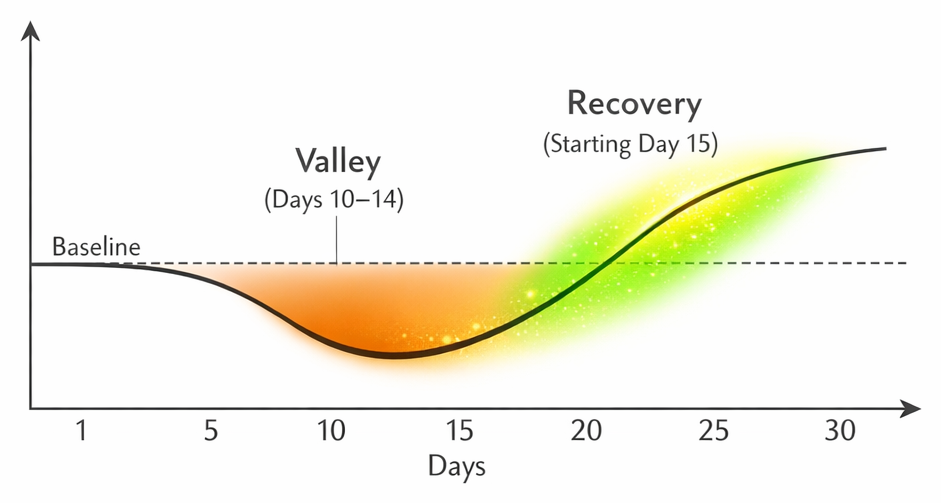
The Two-Week Trough & Receptor Down-regulation
Why this helps you:
You can predict the hardest days. Days 10-14 will likely be your toughest—not because you're failing, but because your receptors haven't caught up yet. Around Day 15-17, upregulation kicks in and receptors start recovering. This is why people report 'the shift' in Week 3. Mark Day 15 on your calendar. Help is coming.
Glutamate Rebound & GABA Suppression
Why this helps you:
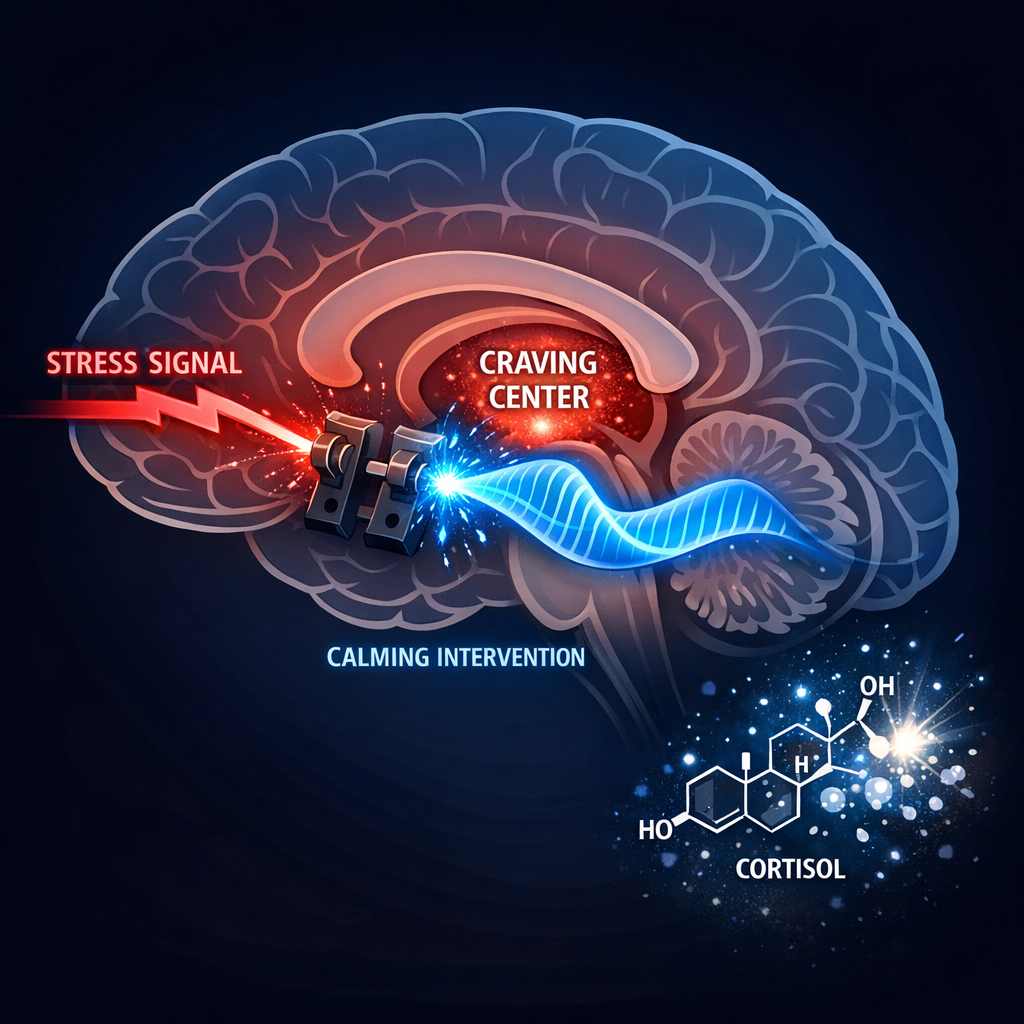
This anxiety is Glutamate Rebound — a neurochemical overcorrection, not your true baseline. It typically rebalances within 5-7 days. Don't make life decisions based on how you feel during this window. Don't assume this is 'how you'll feel without alcohol.' It's not.
BDNF & Neuroplasticity
Why this helps you:
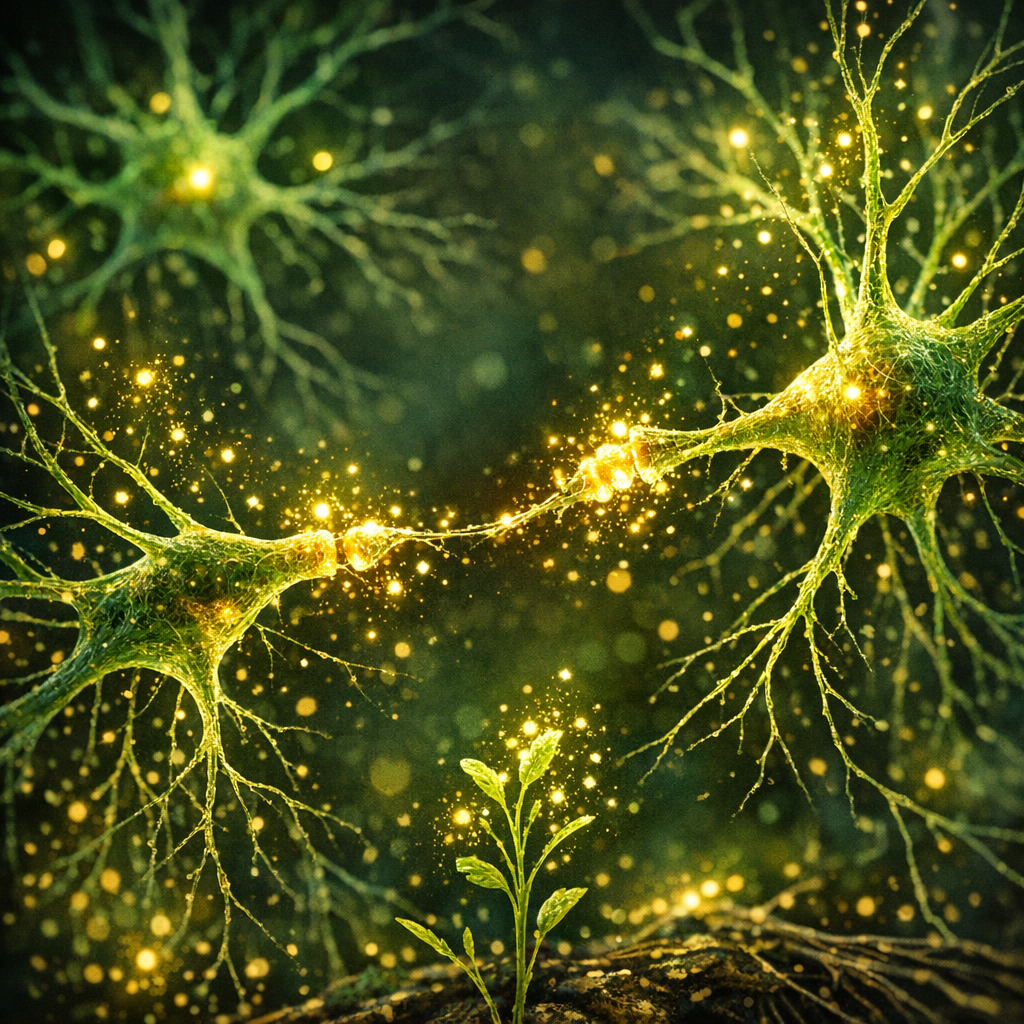
Elevated BDNF means you're in a neuroplasticity window right now. Your brain is unusually primed to form new habits and pathways. The new routines you build this month will literally wire in faster than usual. Use this window wisely — it's a biological advantage.
The Bright Lines Concept & Decision Fatigue
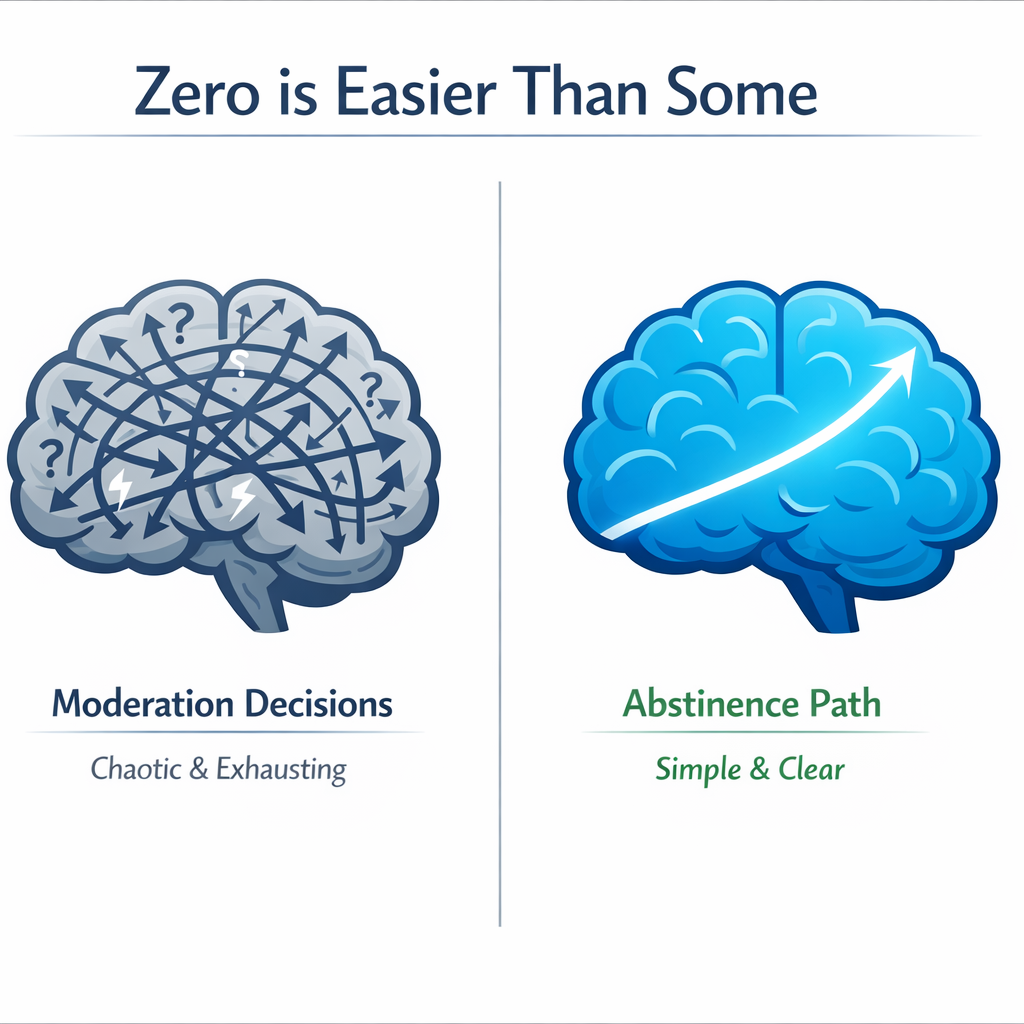
Why this helps you:
Every negotiation depletes willpower (what psychologists call ego depletion). By choosing zero, you eliminate hundreds of exhausting micro-decisions this month. You're not making it harder—you're making it cognitively simpler. The bright line protects you from your tired, stressed, end-of-day self when your prefrontal cortex is least able to resist.
Understanding what's happening in your brain doesn't just satisfy curiosity—it gives you superpowers. When you know why something is hard, you can predict it, prepare for it, and recognize that it's temporary. Let's turn neuroscience into your unfair advantage.
• Blood alcohol clears (6-24 hours)
• Glutamate begins surging (anxiety may increase)
• GABA activity drops (difficulty relaxing)
• Prefrontal cortex begins recovering (24-72 hours)
Survival Protocol:
Expect to feel off. Hydrate aggressively. Don't make major decisions. Use the HALT check frequently.
• Sleep architecture beginning to normalize
• REM rebound may produce vivid dreams
• Initial glutamate surge settling
• First dopamine prediction errors accumulating
Warning:
The honeymoon phase makes people underestimate what's coming. Day 7 (first weekend) often feels much harder than Days 4-5.
• Dopamine receptor density at its lowest point
• Peak extinction burst (neural protest)
• GABA receptors beginning upregulation
• New neural pathways forming (BDNF elevated)
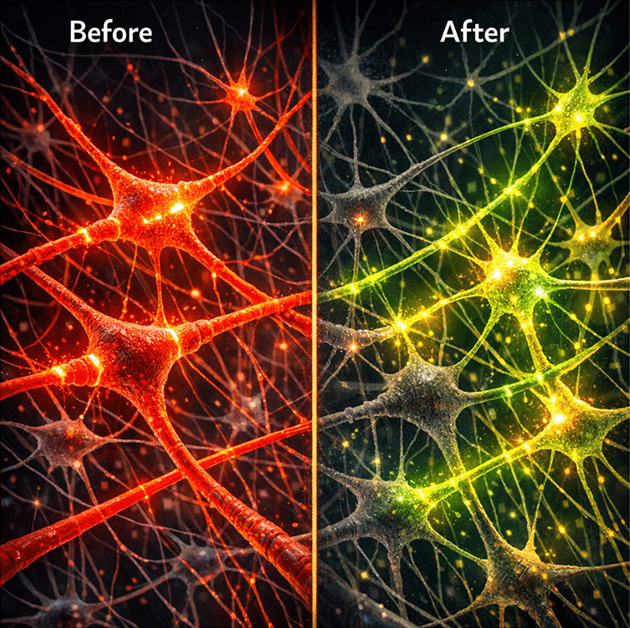
Critical insight:
Week 2 doesn't feel hard because you're failing. It feels hard because you're succeeding. The discomfort is the literal sensation of change.
• Dopamine receptor density recovering
• Prediction errors decreasing
• New neural pathways strengthening
• Prefrontal cortex function measurably improved
Key Takeaway:
This is the 'click' people describe. Your brain has updated its predictions enough that the anticipatory dopamine response is weakening.
• New default patterns establishing
• Dopamine system recalibrated
• Neural pathway changes becoming structural
• Cognitive function at improved baseline
Warning:
Week 4 can feel harder than Week 3—your brain sees the end and startsnegotiating. "You've basically done it, so..." Don't negotiate.
1. Acknowledge (0:00) — "I'm having a craving. This is neurochemistry."
2. Locate (0:30) — Where do you feel it? Chest? Stomach? Throat?
3. Rate (1:00) — On a scale of 1-10, how intense?
4. Breathe (1:30) — 4 counts in, 7 hold, 8 out. Three times.
5. Observe (5:00) — Watch the sensation without fighting it
6. Re-rate (10:00) — Where is it now?
7. Complete (20:00) — Note that it passed without you acting
• Eat a real meal (low blood sugar + social pressure = high risk)
• Decide your drink before you get there
• Prepare your one-sentence response
• Know your exit time
• Get an NA drink in your hand within 2 minutes
• Position yourself away from the bar
• Find your ally (someone who knows your goal)
• "I'm doing a dry month." — No elaboration needed
• "I'm on a health kick." — Universally respected
• "I'm driving." — Conversation ender

Social:
"If someone offers me a drink, then I'll say [your response] and order [specific alternative]."
Home:
"If it's Friday at 6pm, then I'll pour [specific NA drink] and start [specific activity]."
Emotional:
"If I feel the urge after bad news, then I'll call [specific person] first."
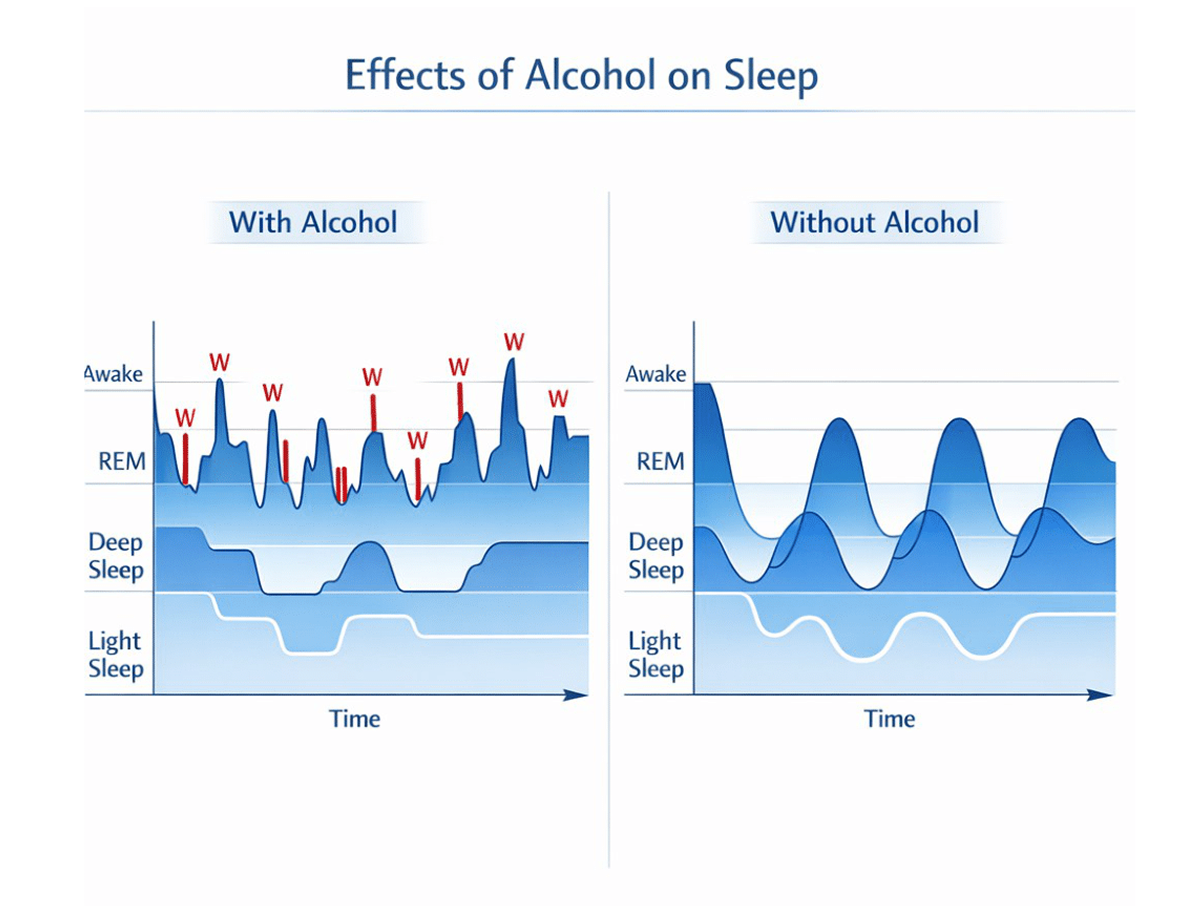
Alcohol destroys sleep architecture—it knocks you unconscious but prevents true restoration. Itsuppresses REM sleep and causes fragmented sleep in the second half of the night.
Days 1-3: Sleep may be worse initially.
Days 3-5: Sleep starts improving (expect vivid dreams—that's REM rebound).
Days 6+: Sleep quality you haven't experienced in years
Completing January isn't the end. It's a reset point.
After January 31st, wait 48 hours before your first drink. Not as a restriction—as an experiment.
Many people report their first drink after Dry January feels less rewarding than expected, almost anticlimactic. This information is valuable.
1. What benefits do I want to keep?
2. What surprised me most?
3. Which situations were hardest—and what does that tell me?
4. How do I want alcohol to fit (or not fit) going forward?
5. What new habits or alternatives have I discovered?
Option 1: Keep Going
Many people feel so good they extend. There's no rule that Dry January ends in January.
Option 2: Mindful Return
If you reintroduce alcohol, do it with intention. Specific limits, active choices, use the THRIVE framework.
Option 3: Week by Week
You don't have to decide on February 1st. The power is in conscious choice.

Cravings peak at 15-20 minutes. They cannot sustain peak intensity beyond that. Seta timer. Your only job is to wait.
Remember
• This craving will pass. They always do.
• This is neurochemistry, not character.
• One craving resisted = one more data point that you're stronger.
• The people who complete this month got through the next 20 minutes, repeatedly.
If You Already Slipped:
1. Stop now. One slip doesn't require a binge.
2. Don't decide anything tonight.
3. Tomorrow: journal what happened, tell someone, continue.
4. You're not starting over. You're continuing with more information.
This guide synthesizes findings from peer-reviewed neuroscience, behavioral psychology, and patterns from thousands of real Reframe users.
The community is your support. The next 30 days will change your relationship with alcohol—and your understanding of your own brain.
You've got this.