

How Your "Second Brain" Drives Cravings: And How to Reclaim Control.
A Neuroscience-Based Approach to Healing from the Inside Out.
Built on peer-reviewed research in the emerging field of the Microbiota-Gut-Brain Axis.

"The connection between your gut and brain is powerful, and so is your ability to strengthen it. This guide isn't about rules or restrictions. It's about giving your body what it needs to thrive. One meal, one choice, one day at a time. You've got this."




Diversify Your Microbiome
Eat 30+ different plant foods weekly. Variety feeds beneficial bacteria that manufacture calm.
The Science: Your gut contains approximately 100 trillion bacteria—collectively called the microbiome. These organisms aren't passive passengers; they actively communicate with your brain via the vagus nerve, immune signaling, and direct neurotransmitter production. Research shows that microbial diversity correlates strongly with mental health outcomes, while low diversity is associated with depression, anxiety, and addiction vulnerability.
Alcohol causes "dysbiosis"—killing beneficial bacteria while allowing inflammatory, alcohol-craving bacteria to flourish. Studies demonstrate that chronic alcohol exposure dramatically reduces Lactobacillus and Bifidobacterium species, the strains most associated with calm and emotional regulation.
What to do: Aim for 30 different plant foods per week. This sounds daunting but includes herbs, spices, nuts, seeds, and vegetables. Each plant fiber feeds different bacterial strains. Think of it as tending a garden—monoculture creates vulnerability; diversity creates resilience.

Interrupt the Inflammation Cycle
Remove gut irritants (alcohol, processed foods). Inflammation travels directly to your brain.
The Science: Alcohol damages the intestinal lining, creating "leaky gut" (intestinal permeability). When the gut barrier breaks down, bacterial toxins called lipopolysaccharides (LPS) escape into the bloodstream. Your immune system recognizes these as invaders and launches an inflammatory response.
Here's the critical connection: this systemic inflammation crosses the blood-brain barrier and triggers neuroinflammation. Research shows that elevated inflammatory markers directly correlate with depression, anxiety, and—crucially—increased alcohol cravings. You're not craving alcohol because you're weak; you're craving it because your inflamed brain is seeking the temporary anti-inflammatory effects of GABA activation.
What to do: The gut lining can begin healing within 72 hours of removing irritants. Prioritize: removing alcohol, reducing processed foods and sugar, adding bone broth or collagen, and incorporating L-Glutamine (the primary fuel for intestinal cells).

Generate GABA Naturally
Fermented foods contain bacteria that literally produce your brain's calming neurotransmitter.
The Science: GABA (gamma-aminobutyric acid) is your brain's primary inhibitory neurotransmitter—the chemical of calm. Alcohol artificially floods GABA receptors, which is why it feels relaxing. But here's what most people don't know: certain gut bacteria manufacture GABA directly.
Lactobacillus rhamnosus and Bifidobacterium longum have been shown to produce GABA in the gut, which then signals the brain via the vagus nerve. In animal studies, supplementing with these specific strains reduced anxiety-like behaviors and dampened the stress response—without any pharmaceutical intervention. Your gut bugs can literally manufacture your chill.
What to do: Incorporate fermented foods daily: kefir, kimchi, sauerkraut, miso, yogurt with live cultures. For targeted support, look for probiotic supplements specifically containing Lactobacillus and Bifidobacterium strains—sometimes called "psychobiotics" for their mood-regulating effects.

Engage the Vagus Nerve
Cold water, humming, slow breathing—manually flip the switch from stress to calm.
The Science: The vagus nerve is the longest cranial nerve, wandering from your brainstem through your neck, heart, lungs, and gut. It's the primary communication highway of the gut-brain axis. High "vagal tone" is associated with emotional resilience, calm, and the ability to recover quickly from stress. Low vagal tone correlates with anxiety, depression, and poor emotional regulation.
Alcohol acutely impairs vagal function—which is why you feel relaxed when drinking but dysregulated afterward. The good news: you can manually stimulate the vagus nerve through physical interventions, essentially flipping the switch from sympathetic (fight-or-flight) to parasympathetic (rest-and-digest) without any substance.
What to do: Practice the "Physiological Sigh" (two quick inhales through the nose, one long exhale through the mouth). Try cold water on the face or ending showers with 30 seconds of cold. Humming, chanting, or gargling vibrates the vagus nerve where it passes through the throat. These aren't wellness trends—they're targeted nervous system interventions.

Stabilize Blood Sugar
Protein + fiber at every meal. Cravings are often disguised hypoglycemia.
The Science: Your brain is an energy hog, consuming 20% of your glucose despite being only 2% of your body weight. When blood sugar drops, your brain panics. It can't distinguish between "I skipped lunch" and "I'm starving to death."This panic manifests as cravings for fast energy: sugar and alcohol (which metabolizes rapidly to glucose). Research shows that the 5-6 PM craving window isn't about habit alone—it's often driven by blood sugar instability after a day of erratic eating. Your "alcohol craving" may actually be your brain's desperate glucose-seeking behavior in disguise.
What to do: Protein and fiber at every meal slow glucose release. The most important meal may be a 4 PM "bridge snack"—nuts, cheese, vegetables with hummus—that prevents the blood sugar crash that triggers the 6 PM pour. Never arrive hungry to situations where alcohol is present.

Time Your Eating
Front-load calories. Your gut's circadian rhythm affects your brain's cravings.
The Science: Your gut has its own circadian rhythm, independent of your brain's sleep-wake cycle. Digestive enzymes, gut motility, and even microbial activity follow predictable daily patterns. Research in "chrononutrition" shows that when you eat affects not just weight and metabolism but mood and cravings.
Late-night eating disrupts gut circadian rhythms, which disrupts sleep quality, which impairs next-day prefrontal cortex function—the exact region responsible for impulse control. It's a cascade: disordered eating times → disrupted gut clock → poor sleep → weakened willpower → increased cravings.
What to do: Front-load calories—eat more earlier in the day, less later. Finish eating 3+ hours before bed. This supports both sleep quality and gut health, creating a virtuous cycle that reinforces your goals rather than undermining them.

Understanding what's happening below your diaphragm doesn't just satisfy curiosity—it explains why willpower so often fails and what to do instead.
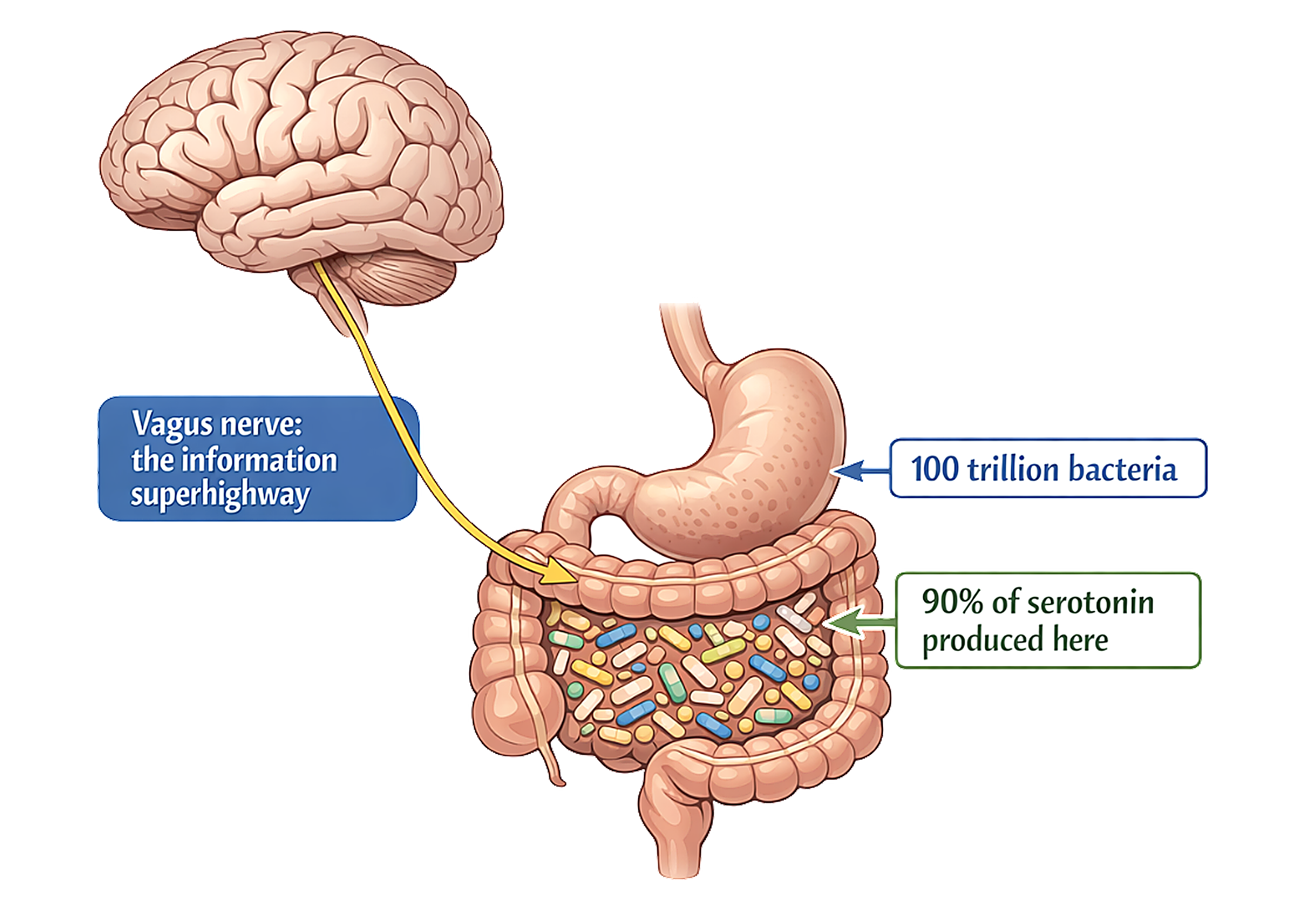
The Serotonin Surprise

Why this helps you:
That flat, joyless feeling in early recovery isn't your "true self without alcohol." It's a depleted gut struggling to manufacture mood chemicals. You're not broken—your production facility is under renovation. Feed the workers (bacteria), and production resumes.
Bacterial Hijacking
Why this helps you:
This externalizes the craving. It's not a character flaw or lack of willpower—it's a bacterial imbalance. Starve the alcohol-loving bacteria (by not drinking), feed the calm-promoting bacteria (with fiber and fermented foods), and the "voice" of craving weakens. You're not fighting yourself; you're changing the population.
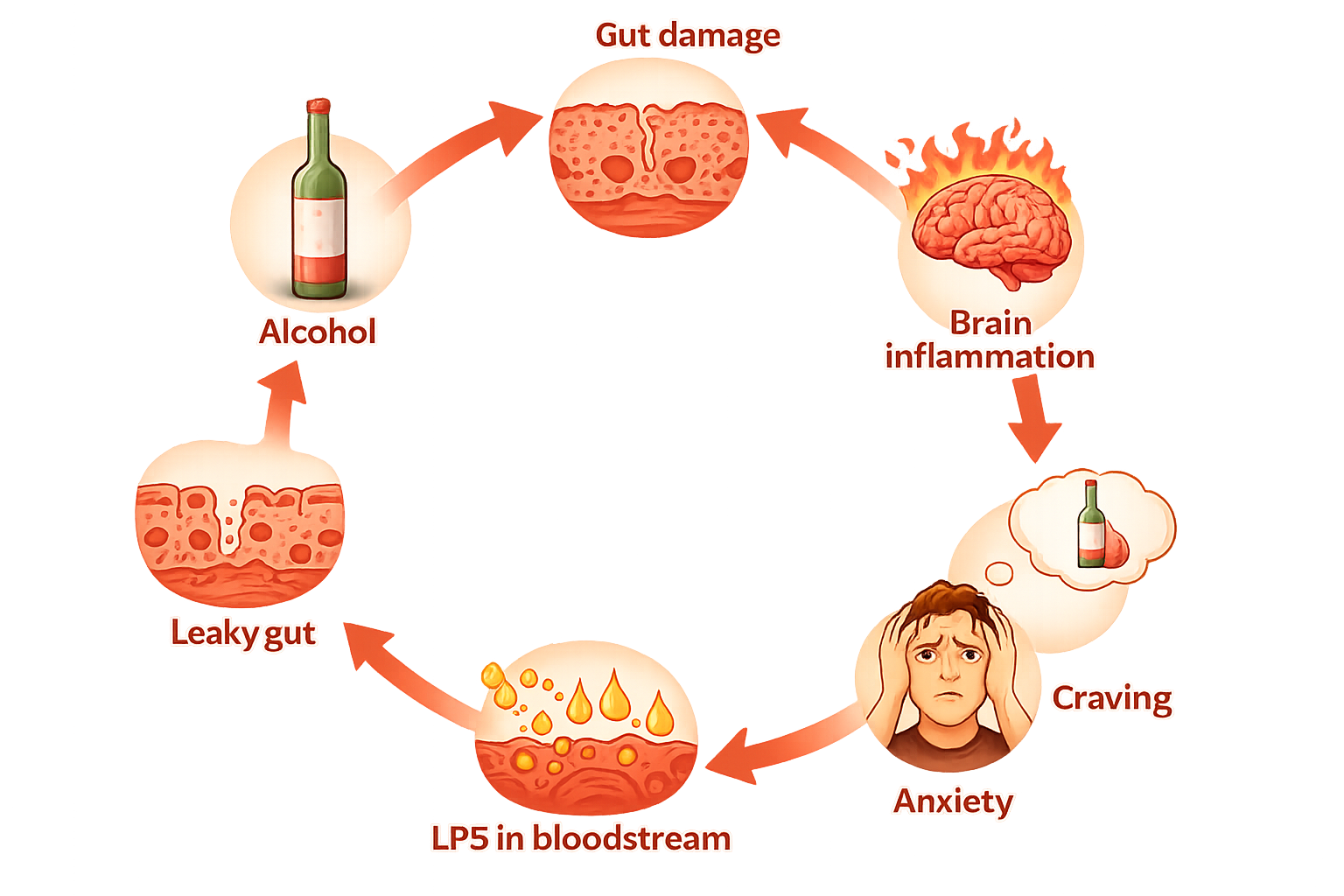
The Gut-Inflammation-Anxiety Loop
Why this helps you:
The anxiety spike in early sobriety isn't evidence that you "need" alcohol. It's evidence of how much damage alcohol was masking while simultaneously causing. The anxiety is the inflammation becoming visible. It will pass as the gut heals and inflammation clears. Don't make decisions based on Week 1 feelings.

Your gut heals faster than you think. Here's what's happening inside:
Upon waking:
1. Large glass of water with lemon (hydration + gentle liver support)
2. Fiber first: 1 tbsp ground flaxseed or chia seeds in water
3. Fermented food serving: 2 tbsp sauerkraut, small kefir, or miso soup
Why it works: Fiber reaches the colon where bacteria ferment it into short-chain fatty acids (SCFAs)—the primary fuel for intestinal cells and a key anti-inflammatory signal. Morning consumption maximizes fermentation time.
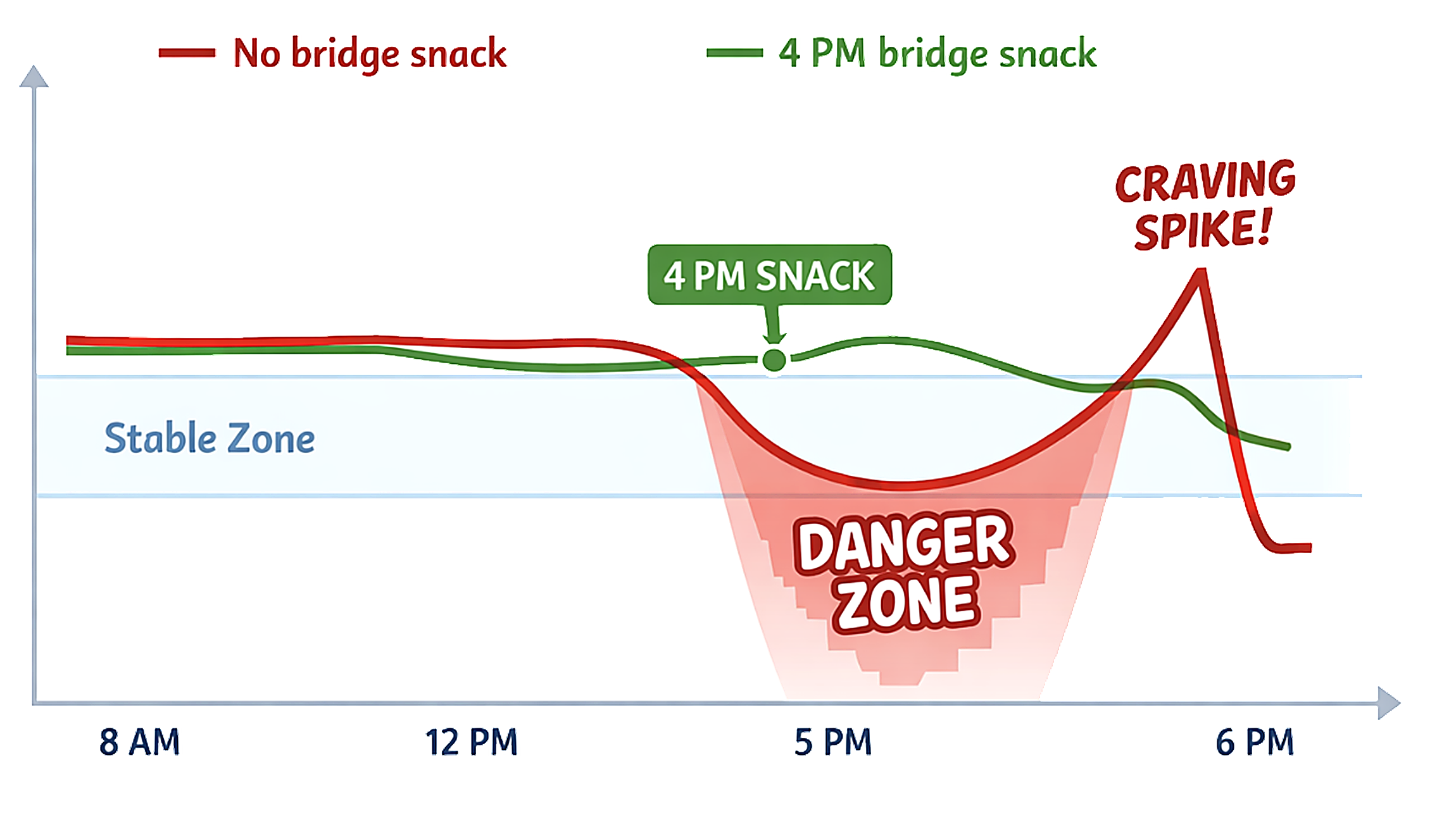
At 4:00 PM:
Why it works: This prevents the blood sugar crash that triggers the "I need a drink" signal. Your brain won't send panic signals for quick energy if it's not panicking. You're solving the actual problem (glucose instability) rather than the perceived problem (wanting alcohol).
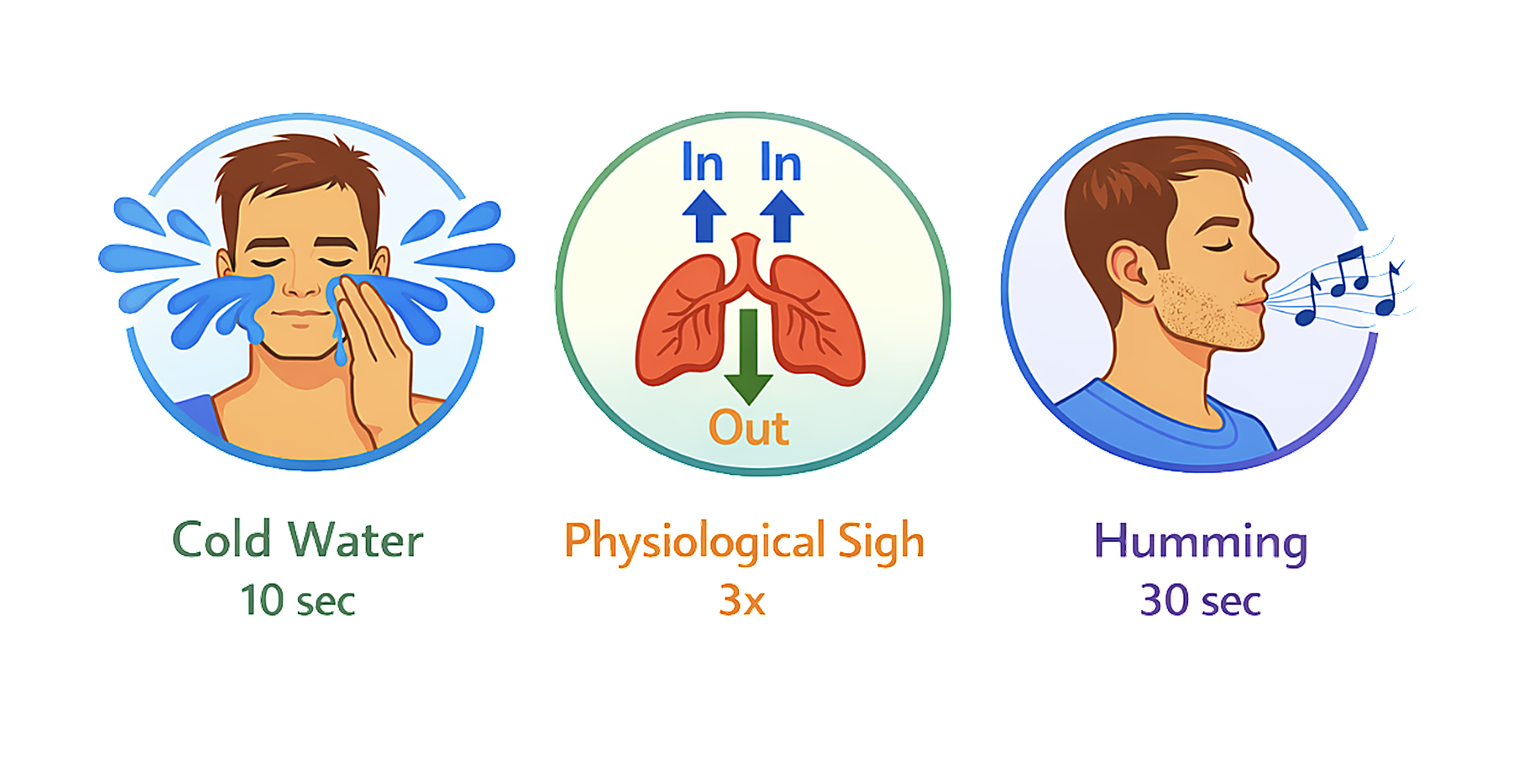
The 2-Minute Protocol:
Why it works: These aren't relaxation techniques—they're targeted vagal nerve stimulation. You're mechanically activating the same calming pathway that alcohol hijacks, without the neurochemical debt.
Emergency use:
Why it works: L-Glutamine serves two functions: it's the primary fuel for intestinal cells (supporting gut repair) and it can cross the blood-brain barrier where it converts to glucose or GABA depending on what the brain needs. Alcohol cravings are often masked hypoglycemia. L-Glutamine satisfies the brain's demand without the insulin spike of sugar or the neurochemical cascade of alcohol.
Daily protocol:
Why it works: Probiotics without prebiotics are like planting seeds without watering. The combination creates conditions for sustained bacterial colonization. These specific strains have demonstrated effects on anxiety, mood, and stress response in human trials.
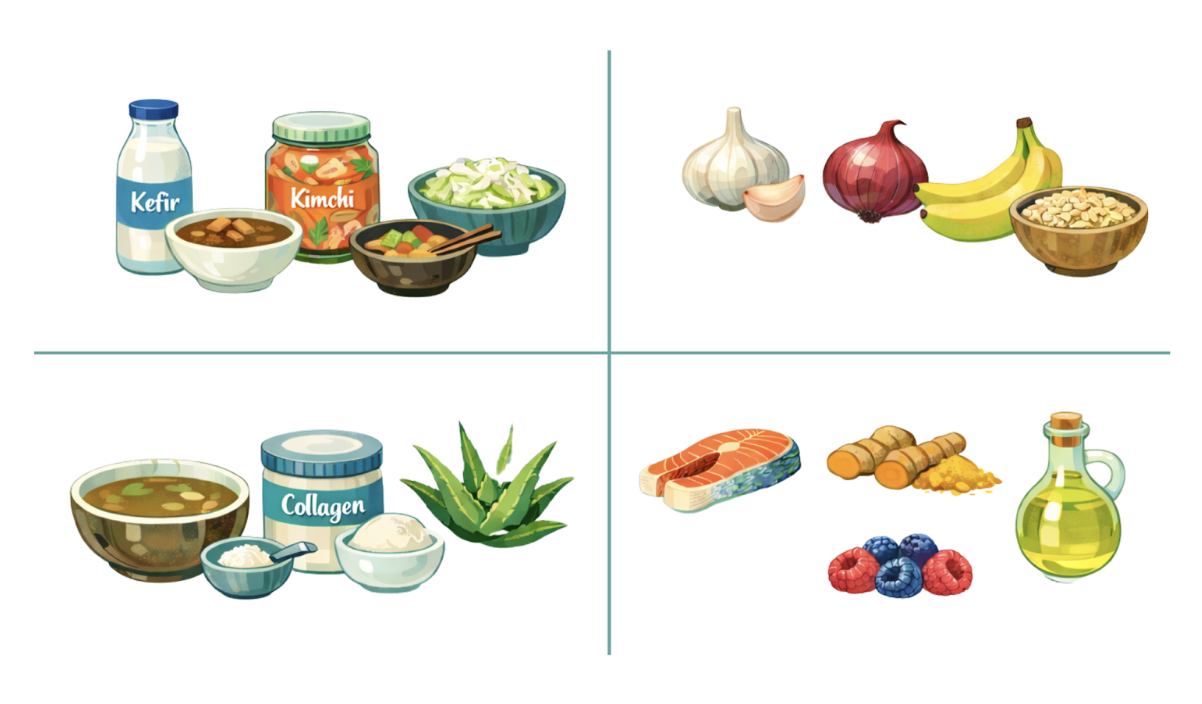
Fermented Foods (GABA producers):
- Kefir (more diverse strains than yogurt)
- Sauerkraut (unpasteurized, refrigerated section)
- KimchiMiso pasteKombucha (watch sugar content)
- Greek yogurt with live cultures
Prebiotic Fibers (bacterial food):
- Garlic, onions, leeks (FOS)Asparagus, artichokesBananas (especially slightly green)
- Oats (beta-glucan)Flaxseeds, chia seeds
- Chicory root, dandelion greens (inulin)
Gut-Lining Support:
- Bone broth (collagen, glutamine)
- Collagen peptides
- Aloe vera juice
- Slippery elm, marshmallow root
Anti-Inflammatory Support:
- Fatty fish (omega-3s)
- Turmeric (with black pepper for absorption)
- GingerGreen leafy vegetables
- Extra virgin olive oilBerries (polyphenols)
Gut barrier disruptors:
- Alcohol (obviously)
- Processed foods (emulsifiers damage gut lining)
- Artificial sweeteners (disrupt microbiome)
- Excessive sugar (feeds inflammatory bacteria)
- Industrial seed oils (pro-inflammatory)
Note:
This isn't about perfection or restriction. It's about understanding that every food choice shifts the bacterial balance slightly toward "craving" or toward "calm." Stack the deck in your favor.
Completing January isn't the end. It's a reset point.
Daily non-negotiables:
- Morning fiber
- One fermented food
- 4 PM bridge snack
- 30+ minute eating window before bed closes
- Weekly targets:30 different plant foods
- 2-3 servings fatty fish
- Bone broth or collagen 3-4x
- One new fermented food to try
Physical markers (track weekly):
- Bloating (1-10 scale)
- Digestion regularity
- Energy stability throughout day
- Skin clarity
Craving markers (track daily):
- Number of cravingsIntensity (1-10)
- Duration before passing
- Physical vs. emotional quality
Mood markers (track weekly):
- Baseline anxiety (1-10)
- Mood stability
- Sleep quality
- Mental clarity
Why tracking matters:
You're running an n=1 experiment on your own biology. Data reveals patterns invisible to intuition. Many people discover their cravings correlate more with meals skipped than with stress experienced.

That craving might not be what you think. Before you act, diagnose:
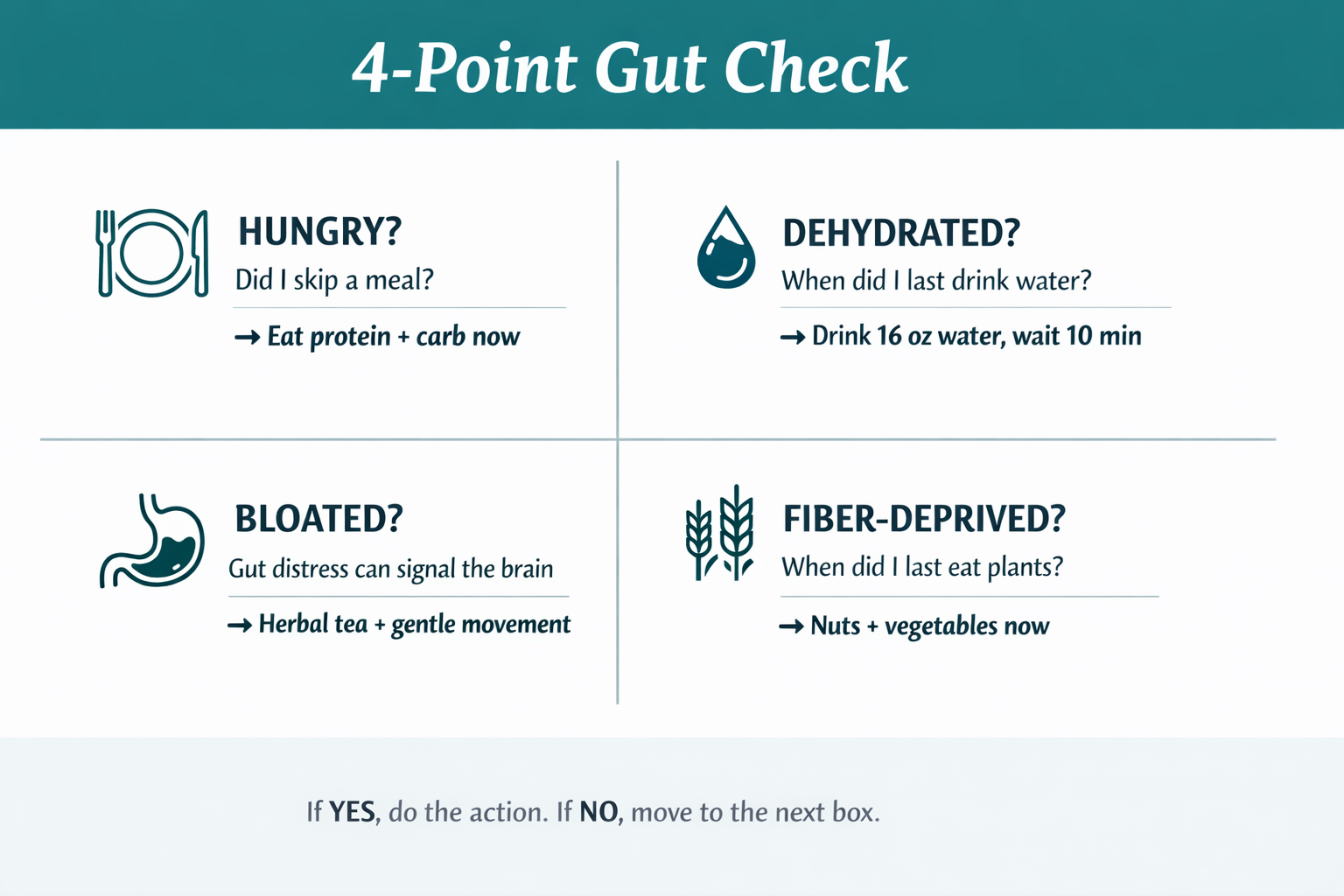
Question:
• Did I skip a meal today? -> If Yes -> Blood sugar craving
Action: Eat protein + complex carb NOW
• Am I dehydrated? -> If Yes -> Thirst masquerading as craving
Action: 16oz water, wait 10 min
• Am I constipated/bloated? -> If Yes -> Gut distress signaling brain
Action: Herbal tea, gentle movement
• When did I last eat fiber? -> If Yes -> Bacteria sending hunger signals
Action: Eat 30+ different plant foods weekly. Variety feeds beneficial bacteria that manufacture calm.

If the craving persists after addressing the above:
L-Glutamine — 1-2g in water (satisfies brain's glucose demand)
Vagal reset — Cold water on face + physiological sighs
Ride the wave — Set 20-minute timer, rate intensity every 5 min
DIGEST check — Which letter have I neglected today?
When the craving speaks, answer it:
• "This craving may be bacterial, not mine."
• "My gut is healing. This is temporary noise."
• "Feed the calm bacteria. Starve the craving bacteria."
• "The inflammation is clearing. I feel it because it's leaving."
Cryan, J. F., & Dinan, T. G. (2012). Mind-altering microorganisms: the impact of the gut microbiota on brain and behaviour. Nature Reviews Neuroscience, 13(10), 701-712.
Bravo, J. A., et al. (2011). Ingestion of Lactobacillus strain regulates emotional behavior and central GABA receptor expression in a mouse via the vagus nerve. Proceedings of the National Academy of Sciences, 108(38), 16050-16055.
Leclercq, S., et al. (2014). Intestinal permeability, gut-bacterial dysbiosis, and behavioral markers of alcohol-dependence severity. Proceedings of the National Academy of Sciences, 111(42), E4485-E4493.
Engen, P. A., et al. (2015). The Gastrointestinal Microbiome: Alcohol Effects on the Composition of Intestinal Microbiota. Alcohol Research: Current Reviews, 37(2), 223-236.
Yano, J. M., et al. (2015). Indigenous bacteria from the gut microbiota regulate host serotonin biosynthesis. Cell, 161(2), 264-276.
Bonaz, B., et al. (2018). The Vagus Nerve at the Interface of the Microbiota-Gut-Brain Axis. Frontiers in Neuroscience, 12, 49.
Gollwitzer, P. M., & Sheeran, P. (2006). Implementation intentions and goal achievement: A meta-analysis of effects and processes. Advances in Experimental Social Psychology, 38, 69-119.
The community is your support. The next 30 days will change your relationship with alcohol—and your understanding of your own brain.
You've got this.