

Find out how beer bellies affect your health and get practical tips on the best alcohol to drink when losing weight without giving up your social life.

Although it isn’t a treatment for alcohol use disorder (AUD), the Reframe app can help you cut back on drinking gradually, with the science-backed knowledge to empower you 100% of the way. Our proven program has helped millions of people around the world drink less and live more. And we want to help you get there, too!
The Reframe app equips you with the knowledge and skills you need to not only survive drinking less, but to thrive while you navigate the journey. Our daily research-backed readings teach you the neuroscience of alcohol, and our in-app Toolkit provides the resources and activities you need to navigate each challenge.
You’ll meet hundreds of fellow Reframers in our 24/7 Forum chat and daily Zoom check-in meetings. Receive encouragement from people worldwide who know exactly what you’re going through! You’ll also have the opportunity to connect with our licensed Reframe coaches for more personalized guidance.
Plus, we’re always introducing new features to optimize your in-app experience. We recently launched our in-app chatbot, Melody, powered by the world’s most powerful AI technology. Melody is here to help as you adjust to a life with less (or no) alcohol.
And that’s not all! Every month, we launch fun challenges, like Dry/Damp January, Mental Health May, and Outdoorsy June. You won’t want to miss out on the chance to participate alongside fellow Reframers (or solo if that’s more your thing!).
The Reframe app is free for 7 days, so you don’t have anything to lose by trying it. Are you ready to feel empowered and discover life beyond alcohol? Then download our app through the App Store or Google Play today!
Ever wonder why that stubborn fat around your middle—the dreaded beer belly—won't budge, no matter how well you eat or exercise? Your favorite happy hour drink might be the culprit. It's not just about the empty calories. Alcohol can mess with your metabolism, fire up your appetite, and even affect your hormones. But you don't have to give up drinking entirely to see results. We'll break down exactly how alcohol contributes to a beer gut and show you which alcohol to drink when losing weight so you can still enjoy a social life while working towards your goals.
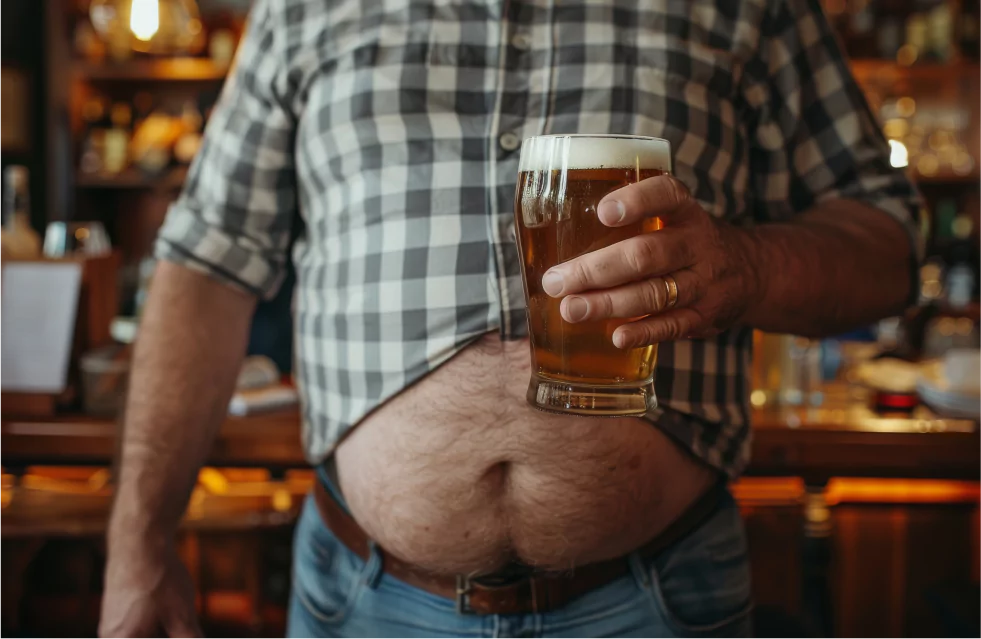
One of the primary reasons alcohol contributes to weight gain is its high caloric content. Unlike carbohydrates, proteins, and fats, which are essential nutrients, the calories in alcohol are considered "empty" because they provide no nutritional value.
If you're trying to be more mindful of your drinking, a great place to start is understanding what a "standard drink" actually is. In the US, it’s any drink with about 14 grams of pure alcohol, which works out to 100-150 calories—and that’s before you add any mixers. Think of a 12-ounce beer, a 5-ounce glass of wine, or a 1.5-ounce shot of liquor; they all count as one. Getting a handle on this is the first step to accurately tracking your consumption and realizing how quickly those calories can stack up during a night out.
What’s wild is how calorie-dense alcohol is. It packs 7 calories per gram, which is nearly as much as pure fat. This is a major reason it can quietly lead to weight gain. But the story doesn't end with calories. It’s also about how your body processes alcohol. Your system treats it as a toxin and prioritizes getting rid of it above everything else. That means it pauses burning fat and carbs to deal with the alcohol first. This metabolic hiccup makes it harder to burn fat, a crucial detail for anyone looking to manage their weight without giving up social drinks entirely.
Different types of alcoholic beverages contain varying amounts of calories. Here’s a breakdown:
For more detailed information on the caloric content of various alcoholic beverages, check out this comprehensive guide.
Alcohol has a significant impact on metabolism, which can lead to weight gain and the development of a "beer belly."
When you consume alcohol, your body prioritizes metabolizing it over other nutrients. This is because alcohol is toxic and the body wants to get rid of it quickly. As a result:
For a deeper understanding of how alcohol affects metabolism, read this article.
Alcohol can significantly affect your appetite and food choices, often leading to increased calorie intake.
Alcohol can stimulate appetite and make you feel hungrier than you actually are. This phenomenon is often referred to as "drunchies," a term used to describe the intense hunger that follows a night of drinking.
To learn more about drunchies and how to prevent them, visit this resource.
Beyond the immediate buzz, alcohol has some sneaky ways of impacting our choices, especially when it comes to food. Hangovers are a prime example. When you're dealing with fatigue, a headache, and nausea, your brain often seeks a quick fix. This is why greasy, high-calorie comfort foods suddenly seem like the only solution. The physical discomfort of a hangover can drain your motivation, making it easier to abandon healthy eating goals for whatever feels good in the moment.
Alcohol also throws your hormones out of whack, particularly the ones that manage hunger and fullness. It can disrupt the signals that tell your brain you’ve had enough to eat, which can lead to overeating. You might find yourself reaching for another slice of pizza or a second helping of fries, not because you're truly hungry, but because your body's internal communication system is temporarily offline. This hormonal interference makes it much harder to listen to your body’s natural cues.
Finally, alcohol directly impacts your willpower. It lowers your inhibitions by affecting the part of your brain responsible for decision-making and self-control. This is why you might find it so difficult to resist late-night cravings after a few drinks. The healthy habits you’ve worked hard to build can be easily sidelined. Becoming aware of these patterns is a key part of mindful drinking and helps you make choices that align with your long-term health goals.
Interestingly, alcohol can also suppress appetite in some cases, leading to irregular eating patterns. This can be particularly harmful as it may result in nutrient deficiencies and further metabolic disruption.
For more on how alcohol affects appetite, read this article.

A "beer belly" is not just a cosmetic issue; it has serious health implications.
Excess abdominal fat is linked to a higher risk of several chronic conditions, including:
Carrying excess weight, particularly in the form of a beer belly, can also affect mental health. It can lead to:
Preventing and managing a beer belly involves a combination of lifestyle changes, including dietary adjustments, exercise, and mindful drinking habits.
Losing a beer belly doesn't mean you have to quit drinking entirely. It's about making smarter, more conscious choices. Moderation is the goal, and you can start by being strategic about what and how you drink. Opt for drinks with fewer calories, like a vodka soda instead of a sugary cocktail. Your body prioritizes processing alcohol over anything else, so choosing simpler drinks can make a difference. Also, never drink on an empty stomach. Having a balanced meal beforehand can help manage the alcohol-induced appetite spike that leads to late-night, high-calorie food choices. By practicing mindful drinking, you can enjoy a social life without derailing your health goals. It's about being present and intentional with your consumption.
Regular physical activity is crucial for maintaining a healthy weight and preventing a beer belly.
Being mindful of your drinking habits can go a long way in preventing weight gain.

If you enjoy spirits, you’re in luck. Distilled spirits like vodka, gin, rum, and whiskey are some of the lowest-calorie alcoholic options available. A standard 1.5-ounce serving of an 80-proof spirit contains just under 100 calories and zero carbs. The key is what you mix them with. A simple vodka soda with a squeeze of lime or a gin and diet tonic are great choices that won't overload you with sugar and calories. This approach allows you to enjoy a classic cocktail without derailing your health goals, making it a cornerstone of mindful drinking practices.
You don't have to give up your favorite glass of wine or beer to manage your weight. For wine lovers, dry varieties are your best bet. A 5-ounce glass of a dry red or white, like a Cabernet Sauvignon or Pinot Grigio, typically has around 125 calories. If beer is more your style, consider switching to a light beer. Many popular brands offer light versions that contain about 100 calories per 12-ounce serving, which is a significant reduction from the 150-plus calories found in many regular craft brews. Making these small swaps can make a big difference over time.
The mixer you choose can turn a relatively low-calorie drink into a sugar bomb. Standard sodas, tonic water (which is surprisingly high in sugar), and fruit juices can add hundreds of empty calories to your cocktail. To keep your drink light, always opt for low-calorie or zero-calorie mixers. Club soda, seltzer, diet soda, or a simple splash of citrus are excellent alternatives that add flavor and fizz without the extra calories. Being conscious of your mixers is just as important as choosing the right spirit when you’re trying to make healthier choices.
Some drinks are best reserved for special occasions due to their high calorie and sugar content. Creamy, sweet, and frozen cocktails are often the biggest culprits. Think of drinks like Pina Coladas, which can pack up to 500 calories, or White Russians and sugary margaritas. These beverages are often made with heavy cream, sugary syrups, and pre-made mixes that are loaded with calories. Being aware of which drinks are particularly high in calories can help you make more informed decisions when you're out. You can always calculate the impact these drinks have not just on your waistline, but your wallet, too.
You can absolutely enjoy social events while staying true to your health goals. Before you even leave the house, have a balanced meal. Drinking on an empty stomach can ramp up your appetite and lead to less-than-ideal food choices later in the night. It's also helpful to plan ahead by deciding how many drinks you'll have and sticking to that number. When ordering, choose your drinks wisely. Simple combinations like vodka with soda water or a light beer are much better options than sugary cocktails. A great rule of thumb is to alternate every alcoholic beverage with a full glass of water. This simple habit keeps you hydrated, helps you pace yourself, and is a cornerstone of practicing mindful drinking.
A beer belly is primarily caused by the high caloric content of alcoholic beverages and the way alcohol affects metabolism and appetite, leading to increased fat storage around the abdomen.
Yes, any alcoholic beverage can contribute to a beer belly if consumed in excess, as they all contain calories and can disrupt metabolism and appetite.
Preventing a beer belly involves mindful drinking, regular exercise, and a balanced diet. Setting limits on alcohol consumption and making healthier food choices are key strategies.
Yes, a beer belly is associated with an increased risk of several chronic diseases, including heart disease, type 2 diabetes, and liver disease.
Yes, with lifestyle changes such as reducing alcohol consumption, eating a balanced diet, and engaging in regular physical activity, you can lose your beer belly.
Understanding the role of alcohol in weight gain and its broader health implications is essential for anyone looking to improve their relationship with alcohol and maintain a healthy lifestyle. By making informed choices, you can enjoy alcohol responsibly without compromising your health.
Ever wonder why that stubborn fat around your middle—the dreaded beer belly—won't budge, no matter how well you eat or exercise? Your favorite happy hour drink might be the culprit. It's not just about the empty calories. Alcohol can mess with your metabolism, fire up your appetite, and even affect your hormones. But you don't have to give up drinking entirely to see results. We'll break down exactly how alcohol contributes to a beer gut and show you which alcohol to drink when losing weight so you can still enjoy a social life while working towards your goals.
One of the primary reasons alcohol contributes to weight gain is its high caloric content. Unlike carbohydrates, proteins, and fats, which are essential nutrients, the calories in alcohol are considered "empty" because they provide no nutritional value.
If you're trying to be more mindful of your drinking, a great place to start is understanding what a "standard drink" actually is. In the US, it’s any drink with about 14 grams of pure alcohol, which works out to 100-150 calories—and that’s before you add any mixers. Think of a 12-ounce beer, a 5-ounce glass of wine, or a 1.5-ounce shot of liquor; they all count as one. Getting a handle on this is the first step to accurately tracking your consumption and realizing how quickly those calories can stack up during a night out.
What’s wild is how calorie-dense alcohol is. It packs 7 calories per gram, which is nearly as much as pure fat. This is a major reason it can quietly lead to weight gain. But the story doesn't end with calories. It’s also about how your body processes alcohol. Your system treats it as a toxin and prioritizes getting rid of it above everything else. That means it pauses burning fat and carbs to deal with the alcohol first. This metabolic hiccup makes it harder to burn fat, a crucial detail for anyone looking to manage their weight without giving up social drinks entirely.
Different types of alcoholic beverages contain varying amounts of calories. Here’s a breakdown:
For more detailed information on the caloric content of various alcoholic beverages, check out this comprehensive guide.
Alcohol has a significant impact on metabolism, which can lead to weight gain and the development of a "beer belly."
When you consume alcohol, your body prioritizes metabolizing it over other nutrients. This is because alcohol is toxic and the body wants to get rid of it quickly. As a result:
For a deeper understanding of how alcohol affects metabolism, read this article.
Alcohol can significantly affect your appetite and food choices, often leading to increased calorie intake.
Alcohol can stimulate appetite and make you feel hungrier than you actually are. This phenomenon is often referred to as "drunchies," a term used to describe the intense hunger that follows a night of drinking.
To learn more about drunchies and how to prevent them, visit this resource.
Beyond the immediate buzz, alcohol has some sneaky ways of impacting our choices, especially when it comes to food. Hangovers are a prime example. When you're dealing with fatigue, a headache, and nausea, your brain often seeks a quick fix. This is why greasy, high-calorie comfort foods suddenly seem like the only solution. The physical discomfort of a hangover can drain your motivation, making it easier to abandon healthy eating goals for whatever feels good in the moment.
Alcohol also throws your hormones out of whack, particularly the ones that manage hunger and fullness. It can disrupt the signals that tell your brain you’ve had enough to eat, which can lead to overeating. You might find yourself reaching for another slice of pizza or a second helping of fries, not because you're truly hungry, but because your body's internal communication system is temporarily offline. This hormonal interference makes it much harder to listen to your body’s natural cues.
Finally, alcohol directly impacts your willpower. It lowers your inhibitions by affecting the part of your brain responsible for decision-making and self-control. This is why you might find it so difficult to resist late-night cravings after a few drinks. The healthy habits you’ve worked hard to build can be easily sidelined. Becoming aware of these patterns is a key part of mindful drinking and helps you make choices that align with your long-term health goals.
Interestingly, alcohol can also suppress appetite in some cases, leading to irregular eating patterns. This can be particularly harmful as it may result in nutrient deficiencies and further metabolic disruption.
For more on how alcohol affects appetite, read this article.
A "beer belly" is not just a cosmetic issue; it has serious health implications.
Excess abdominal fat is linked to a higher risk of several chronic conditions, including:
Carrying excess weight, particularly in the form of a beer belly, can also affect mental health. It can lead to:
Preventing and managing a beer belly involves a combination of lifestyle changes, including dietary adjustments, exercise, and mindful drinking habits.
Losing a beer belly doesn't mean you have to quit drinking entirely. It's about making smarter, more conscious choices. Moderation is the goal, and you can start by being strategic about what and how you drink. Opt for drinks with fewer calories, like a vodka soda instead of a sugary cocktail. Your body prioritizes processing alcohol over anything else, so choosing simpler drinks can make a difference. Also, never drink on an empty stomach. Having a balanced meal beforehand can help manage the alcohol-induced appetite spike that leads to late-night, high-calorie food choices. By practicing mindful drinking, you can enjoy a social life without derailing your health goals. It's about being present and intentional with your consumption.
Regular physical activity is crucial for maintaining a healthy weight and preventing a beer belly.
Being mindful of your drinking habits can go a long way in preventing weight gain.
If you enjoy spirits, you’re in luck. Distilled spirits like vodka, gin, rum, and whiskey are some of the lowest-calorie alcoholic options available. A standard 1.5-ounce serving of an 80-proof spirit contains just under 100 calories and zero carbs. The key is what you mix them with. A simple vodka soda with a squeeze of lime or a gin and diet tonic are great choices that won't overload you with sugar and calories. This approach allows you to enjoy a classic cocktail without derailing your health goals, making it a cornerstone of mindful drinking practices.
You don't have to give up your favorite glass of wine or beer to manage your weight. For wine lovers, dry varieties are your best bet. A 5-ounce glass of a dry red or white, like a Cabernet Sauvignon or Pinot Grigio, typically has around 125 calories. If beer is more your style, consider switching to a light beer. Many popular brands offer light versions that contain about 100 calories per 12-ounce serving, which is a significant reduction from the 150-plus calories found in many regular craft brews. Making these small swaps can make a big difference over time.
The mixer you choose can turn a relatively low-calorie drink into a sugar bomb. Standard sodas, tonic water (which is surprisingly high in sugar), and fruit juices can add hundreds of empty calories to your cocktail. To keep your drink light, always opt for low-calorie or zero-calorie mixers. Club soda, seltzer, diet soda, or a simple splash of citrus are excellent alternatives that add flavor and fizz without the extra calories. Being conscious of your mixers is just as important as choosing the right spirit when you’re trying to make healthier choices.
Some drinks are best reserved for special occasions due to their high calorie and sugar content. Creamy, sweet, and frozen cocktails are often the biggest culprits. Think of drinks like Pina Coladas, which can pack up to 500 calories, or White Russians and sugary margaritas. These beverages are often made with heavy cream, sugary syrups, and pre-made mixes that are loaded with calories. Being aware of which drinks are particularly high in calories can help you make more informed decisions when you're out. You can always calculate the impact these drinks have not just on your waistline, but your wallet, too.
You can absolutely enjoy social events while staying true to your health goals. Before you even leave the house, have a balanced meal. Drinking on an empty stomach can ramp up your appetite and lead to less-than-ideal food choices later in the night. It's also helpful to plan ahead by deciding how many drinks you'll have and sticking to that number. When ordering, choose your drinks wisely. Simple combinations like vodka with soda water or a light beer are much better options than sugary cocktails. A great rule of thumb is to alternate every alcoholic beverage with a full glass of water. This simple habit keeps you hydrated, helps you pace yourself, and is a cornerstone of practicing mindful drinking.
A beer belly is primarily caused by the high caloric content of alcoholic beverages and the way alcohol affects metabolism and appetite, leading to increased fat storage around the abdomen.
Yes, any alcoholic beverage can contribute to a beer belly if consumed in excess, as they all contain calories and can disrupt metabolism and appetite.
Preventing a beer belly involves mindful drinking, regular exercise, and a balanced diet. Setting limits on alcohol consumption and making healthier food choices are key strategies.
Yes, a beer belly is associated with an increased risk of several chronic diseases, including heart disease, type 2 diabetes, and liver disease.
Yes, with lifestyle changes such as reducing alcohol consumption, eating a balanced diet, and engaging in regular physical activity, you can lose your beer belly.
Understanding the role of alcohol in weight gain and its broader health implications is essential for anyone looking to improve their relationship with alcohol and maintain a healthy lifestyle. By making informed choices, you can enjoy alcohol responsibly without compromising your health.

Can alcohol affect your cholesterol levels? Understand how alcohol impacts HDL and LDL cholesterol, and learn the benefits of moderating intake. Read more now!
Although it isn’t a treatment for alcohol use disorder (AUD), the Reframe app can help you cut back on drinking gradually, with the science-backed knowledge to empower you 100% of the way. Our proven program has helped millions of people around the world drink less and live more. And we want to help you get there, too!
The Reframe app equips you with the knowledge and skills you need to not only survive drinking less, but to thrive while you navigate the journey. Our daily research-backed readings teach you the neuroscience of alcohol, and our in-app Toolkit provides the resources and activities you need to navigate each challenge.
You’ll meet hundreds of fellow Reframers in our 24/7 Forum chat and daily Zoom check-in meetings. Receive encouragement from people worldwide who know exactly what you’re going through! You’ll also have the opportunity to connect with our licensed Reframe coaches for more personalized guidance.
Plus, we’re always introducing new features to optimize your in-app experience. We recently launched our in-app chatbot, Melody, powered by the world’s most powerful AI technology. Melody is here to help as you adjust to a life with less (or no) alcohol.
And that’s not all! Every month, we launch fun challenges, like Dry/Damp January, Mental Health May, and Outdoorsy June. You won’t want to miss out on the chance to participate alongside fellow Reframers (or solo if that’s more your thing!).
The Reframe app is free for 7 days, so you don’t have anything to lose by trying it. Are you ready to feel empowered and discover life beyond alcohol? Then download our app through the App Store or Google Play today!
High cholesterol is a significant health concern worldwide, contributing to increased risks of cardiovascular diseases, atherosclerosis, and other health complications. One question that often arises is: does alcohol raise cholesterol? Understanding the relationship between alcohol consumption and cholesterol levels is crucial for making informed lifestyle choices.

Cholesterol is a waxy substance found in your blood. Your body needs cholesterol to build healthy cells, but high levels of cholesterol can increase your risk of heart disease. Cholesterol is carried through your bloodstream by lipoproteins, which are classified into two main types:
The relationship between alcohol consumption and cholesterol levels is complex. According to Reframe App, moderate alcohol consumption might have some positive effects on cholesterol levels, but it also carries potential risks.
Moderate alcohol consumption has been associated with higher levels of HDL cholesterol. HDL cholesterol helps remove LDL cholesterol from the arteries, which can be beneficial for heart health. Some studies suggest that moderate alcohol intake might also reduce the risk of heart disease.
While moderate alcohol consumption might raise HDL levels, it can also increase triglycerides and LDL cholesterol in some individuals. High levels of triglycerides are a risk factor for heart disease. Additionally, excessive alcohol consumption can lead to other health issues, such as liver disease, high blood pressure, and increased risk of certain cancers.
High cholesterol is a silent condition that can lead to serious health complications if left unmanaged. Here are some of the primary health risks associated with high cholesterol:
High levels of LDL cholesterol can cause plaque buildup in the arteries, leading to a condition known as atherosclerosis. This buildup narrows the arteries and makes it harder for blood to flow through them, significantly increasing the risk of heart attacks and strokes.
Atherosclerosis is a condition in which the arteries become narrowed and hardened due to the buildup of plaque. This can lead to serious problems, including coronary artery disease, carotid artery disease, and peripheral artery disease.
In addition to cardiovascular diseases, high cholesterol can lead to other health complications such as:
Managing cholesterol levels often requires a combination of lifestyle changes and, in some cases, medication. Here are some effective strategies:
Quitting or moderating alcohol intake can have a positive effect on cholesterol levels. According to Reframe App, reducing alcohol consumption can lower triglycerides and improve overall heart health.
A diet rich in fruits, vegetables, whole grains, and lean proteins can help manage cholesterol levels. Foods high in omega-3 fatty acids, such as fish, can also be beneficial.
Physical activity can help raise HDL cholesterol and lower LDL cholesterol and triglycerides. Aim for at least 30 minutes of moderate exercise most days of the week.
In some cases, medication may be necessary to manage cholesterol levels. Statins are commonly prescribed to lower LDL cholesterol.
Moderate alcohol consumption can raise HDL ("good") cholesterol but might also increase LDL ("bad") cholesterol and triglycerides in some individuals.
High cholesterol can lead to cardiovascular diseases, atherosclerosis, angina, kidney disease, and peripheral artery disease.
Yes, quitting or moderating alcohol intake can lower triglycerides and improve overall cholesterol levels and heart health.
Moderating alcohol intake, eating a healthy diet, engaging in regular exercise, and taking prescribed medications can help manage cholesterol levels.
While moderate alcohol consumption might raise HDL cholesterol, it also carries potential risks and should be approached with caution.
Understanding the intricate relationship between alcohol and cholesterol is essential for making informed decisions about your health. By moderating alcohol intake and adopting a healthy lifestyle, you can effectively manage cholesterol levels and reduce the risk of serious health complications.
High cholesterol is a significant health concern worldwide, contributing to increased risks of cardiovascular diseases, atherosclerosis, and other health complications. One question that often arises is: does alcohol raise cholesterol? Understanding the relationship between alcohol consumption and cholesterol levels is crucial for making informed lifestyle choices.
Cholesterol is a waxy substance found in your blood. Your body needs cholesterol to build healthy cells, but high levels of cholesterol can increase your risk of heart disease. Cholesterol is carried through your bloodstream by lipoproteins, which are classified into two main types:
The relationship between alcohol consumption and cholesterol levels is complex. According to Reframe App, moderate alcohol consumption might have some positive effects on cholesterol levels, but it also carries potential risks.
Moderate alcohol consumption has been associated with higher levels of HDL cholesterol. HDL cholesterol helps remove LDL cholesterol from the arteries, which can be beneficial for heart health. Some studies suggest that moderate alcohol intake might also reduce the risk of heart disease.
While moderate alcohol consumption might raise HDL levels, it can also increase triglycerides and LDL cholesterol in some individuals. High levels of triglycerides are a risk factor for heart disease. Additionally, excessive alcohol consumption can lead to other health issues, such as liver disease, high blood pressure, and increased risk of certain cancers.
High cholesterol is a silent condition that can lead to serious health complications if left unmanaged. Here are some of the primary health risks associated with high cholesterol:
High levels of LDL cholesterol can cause plaque buildup in the arteries, leading to a condition known as atherosclerosis. This buildup narrows the arteries and makes it harder for blood to flow through them, significantly increasing the risk of heart attacks and strokes.
Atherosclerosis is a condition in which the arteries become narrowed and hardened due to the buildup of plaque. This can lead to serious problems, including coronary artery disease, carotid artery disease, and peripheral artery disease.
In addition to cardiovascular diseases, high cholesterol can lead to other health complications such as:
Managing cholesterol levels often requires a combination of lifestyle changes and, in some cases, medication. Here are some effective strategies:
Quitting or moderating alcohol intake can have a positive effect on cholesterol levels. According to Reframe App, reducing alcohol consumption can lower triglycerides and improve overall heart health.
A diet rich in fruits, vegetables, whole grains, and lean proteins can help manage cholesterol levels. Foods high in omega-3 fatty acids, such as fish, can also be beneficial.
Physical activity can help raise HDL cholesterol and lower LDL cholesterol and triglycerides. Aim for at least 30 minutes of moderate exercise most days of the week.
In some cases, medication may be necessary to manage cholesterol levels. Statins are commonly prescribed to lower LDL cholesterol.
Moderate alcohol consumption can raise HDL ("good") cholesterol but might also increase LDL ("bad") cholesterol and triglycerides in some individuals.
High cholesterol can lead to cardiovascular diseases, atherosclerosis, angina, kidney disease, and peripheral artery disease.
Yes, quitting or moderating alcohol intake can lower triglycerides and improve overall cholesterol levels and heart health.
Moderating alcohol intake, eating a healthy diet, engaging in regular exercise, and taking prescribed medications can help manage cholesterol levels.
While moderate alcohol consumption might raise HDL cholesterol, it also carries potential risks and should be approached with caution.
Understanding the intricate relationship between alcohol and cholesterol is essential for making informed decisions about your health. By moderating alcohol intake and adopting a healthy lifestyle, you can effectively manage cholesterol levels and reduce the risk of serious health complications.

Understand the potential downsides of Apple Cider Vinegar detox, including digestive issues, tooth enamel erosion, and medication interactions. Learn safe usage guidelines in this informative article.
Although it isn’t a treatment for alcohol use disorder (AUD), the Reframe app can help you cut back on drinking gradually, with the science-backed knowledge to empower you 100% of the way. Our proven program has helped millions of people around the world drink less and live more. And we want to help you get there, too!
The Reframe app equips you with the knowledge and skills you need to not only survive drinking less, but to thrive while you navigate the journey. Our daily research-backed readings teach you the neuroscience of alcohol, and our in-app Toolkit provides the resources and activities you need to navigate each challenge.
You’ll meet hundreds of fellow Reframers in our 24/7 Forum chat and daily Zoom check-in meetings. Receive encouragement from people worldwide who know exactly what you’re going through! You’ll also have the opportunity to connect with our licensed Reframe coaches for more personalized guidance.
Plus, we’re always introducing new features to optimize your in-app experience. We recently launched our in-app chatbot, Melody, powered by the world’s most powerful AI technology. Melody is here to help as you adjust to a life with less (or no) alcohol.
And that’s not all! Every month, we launch fun challenges, like Dry/Damp January, Mental Health May, and Outdoorsy June. You won’t want to miss out on the chance to participate alongside fellow Reframers (or solo if that’s more your thing!).
The Reframe app is free for 7 days, so you don’t have anything to lose by trying it. Are you ready to feel empowered and discover life beyond alcohol? Then download our app through the App Store or Google Play today!
Apple Cider Vinegar (ACV) has gained popularity as a natural remedy for various health issues, including detoxification and weight loss. However, while many tout its benefits, it's crucial to understand the potential downsides, particularly when it comes to digestive issues, tooth enamel erosion, and interactions with medications. This article delves into these concerns and provides guidelines for the safe use of ACV within the context of a detox regimen.

One of the most common digestive issues associated with an Apple Cider Vinegar Detox is acid reflux. ACV's high acidity can exacerbate symptoms of acid reflux and heartburn, leading to discomfort. For those already suffering from gastrointestinal issues, such as ulcers or GERD (Gastroesophageal Reflux Disease), ACV can aggravate these conditions.
ACV can also cause general gastrointestinal discomfort, including bloating, gas, and stomach cramps. This is often due to the vinegar's acidic nature disrupting the stomach's natural pH balance. Overconsumption can lead to nausea and even vomiting in some cases.
ACV is highly acidic, with a pH level ranging between 2 and 3. This level of acidity can erode tooth enamel, the protective outer layer of your teeth. Enamel erosion can lead to increased tooth sensitivity, discoloration, and a higher risk of cavities.
ACV has been shown to lower blood sugar levels, which can be beneficial for some but problematic for others, especially those on diabetes medications. Combining ACV with insulin or other blood sugar-lowering medications can cause blood sugar levels to drop too low, leading to hypoglycemia.
ACV can interact with diuretics, medications that help your body get rid of excess salt and water. Diuretics can lower potassium levels in the body, and since ACV can also reduce potassium levels, combining the two can lead to hypokalemia (low potassium levels), which can cause muscle cramps, weakness, and irregular heartbeats.
Digoxin is a medication used to treat heart conditions. It works by increasing the strength of your heart muscle contractions. However, it can also lower potassium levels. Since ACV can also reduce potassium levels, using them together can increase the risk of side effects from digoxin.
If you're new to ACV, start with a small amount, such as one teaspoon diluted in a large glass of water, and gradually increase the dosage as your body adjusts.
Pay attention to how your body responds to ACV. If you experience any adverse effects, such as gastrointestinal discomfort or changes in your health, reduce your intake or discontinue use.
Opt for organic, unfiltered ACV with "the mother," which contains beneficial enzymes and probiotics. Avoid ACV products with added sugars or artificial ingredients.
An ACV detox should complement a balanced diet rich in fruits, vegetables, lean proteins, and whole grains. Avoid relying solely on ACV for detoxification or weight loss.
Drink plenty of water throughout the day to help flush out toxins and support overall health during your detox.
Yes, but it should be taken in moderation. One to two tablespoons diluted in water per day is generally considered safe for most people. Always listen to your body and consult your healthcare provider if you have any concerns.
It is generally not recommended to drink ACV on an empty stomach, as it can cause gastrointestinal discomfort. It's best to consume it with or after a meal.
Dilute ACV with water, drink it through a straw, rinse your mouth with water afterward, and wait at least 30 minutes before brushing your teeth to minimize the risk of enamel erosion.
Yes, ACV can interact with certain medications, including diabetes medications, diuretics, and heart medications. Always consult your healthcare provider before starting an ACV detox if you are on medication.
Signs of overconsumption include gastrointestinal discomfort, such as acid reflux, bloating, and nausea, as well as potential changes in potassium levels and tooth enamel erosion.
By understanding the potential risks and following these guidelines, you can safely incorporate apple cider vinegar into your detox regimen and reap its benefits without compromising your health.
Apple Cider Vinegar (ACV) has gained popularity as a natural remedy for various health issues, including detoxification and weight loss. However, while many tout its benefits, it's crucial to understand the potential downsides, particularly when it comes to digestive issues, tooth enamel erosion, and interactions with medications. This article delves into these concerns and provides guidelines for the safe use of ACV within the context of a detox regimen.
One of the most common digestive issues associated with an Apple Cider Vinegar Detox is acid reflux. ACV's high acidity can exacerbate symptoms of acid reflux and heartburn, leading to discomfort. For those already suffering from gastrointestinal issues, such as ulcers or GERD (Gastroesophageal Reflux Disease), ACV can aggravate these conditions.
ACV can also cause general gastrointestinal discomfort, including bloating, gas, and stomach cramps. This is often due to the vinegar's acidic nature disrupting the stomach's natural pH balance. Overconsumption can lead to nausea and even vomiting in some cases.
ACV is highly acidic, with a pH level ranging between 2 and 3. This level of acidity can erode tooth enamel, the protective outer layer of your teeth. Enamel erosion can lead to increased tooth sensitivity, discoloration, and a higher risk of cavities.
ACV has been shown to lower blood sugar levels, which can be beneficial for some but problematic for others, especially those on diabetes medications. Combining ACV with insulin or other blood sugar-lowering medications can cause blood sugar levels to drop too low, leading to hypoglycemia.
ACV can interact with diuretics, medications that help your body get rid of excess salt and water. Diuretics can lower potassium levels in the body, and since ACV can also reduce potassium levels, combining the two can lead to hypokalemia (low potassium levels), which can cause muscle cramps, weakness, and irregular heartbeats.
Digoxin is a medication used to treat heart conditions. It works by increasing the strength of your heart muscle contractions. However, it can also lower potassium levels. Since ACV can also reduce potassium levels, using them together can increase the risk of side effects from digoxin.
If you're new to ACV, start with a small amount, such as one teaspoon diluted in a large glass of water, and gradually increase the dosage as your body adjusts.
Pay attention to how your body responds to ACV. If you experience any adverse effects, such as gastrointestinal discomfort or changes in your health, reduce your intake or discontinue use.
Opt for organic, unfiltered ACV with "the mother," which contains beneficial enzymes and probiotics. Avoid ACV products with added sugars or artificial ingredients.
An ACV detox should complement a balanced diet rich in fruits, vegetables, lean proteins, and whole grains. Avoid relying solely on ACV for detoxification or weight loss.
Drink plenty of water throughout the day to help flush out toxins and support overall health during your detox.
Yes, but it should be taken in moderation. One to two tablespoons diluted in water per day is generally considered safe for most people. Always listen to your body and consult your healthcare provider if you have any concerns.
It is generally not recommended to drink ACV on an empty stomach, as it can cause gastrointestinal discomfort. It's best to consume it with or after a meal.
Dilute ACV with water, drink it through a straw, rinse your mouth with water afterward, and wait at least 30 minutes before brushing your teeth to minimize the risk of enamel erosion.
Yes, ACV can interact with certain medications, including diabetes medications, diuretics, and heart medications. Always consult your healthcare provider before starting an ACV detox if you are on medication.
Signs of overconsumption include gastrointestinal discomfort, such as acid reflux, bloating, and nausea, as well as potential changes in potassium levels and tooth enamel erosion.
By understanding the potential risks and following these guidelines, you can safely incorporate apple cider vinegar into your detox regimen and reap its benefits without compromising your health.

Explore the physical and mental health benefits and risks of the "California sober" lifestyle, which combines abstaining from alcohol and hard drugs with moderate cannabis use.
Although it isn’t a treatment for alcohol use disorder (AUD), the Reframe app can help you cut back on drinking gradually, with the science-backed knowledge to empower you 100% of the way. Our proven program has helped millions of people around the world drink less and live more. And we want to help you get there, too!
The Reframe app equips you with the knowledge and skills you need to not only survive drinking less, but to thrive while you navigate the journey. Our daily research-backed readings teach you the neuroscience of alcohol, and our in-app Toolkit provides the resources and activities you need to navigate each challenge.
You’ll meet hundreds of fellow Reframers in our 24/7 Forum chat and daily Zoom check-in meetings. Receive encouragement from people worldwide who know exactly what you’re going through! You’ll also have the opportunity to connect with our licensed Reframe coaches for more personalized guidance.
Plus, we’re always introducing new features to optimize your in-app experience. We recently launched our in-app chatbot, Melody, powered by the world’s most powerful AI technology. Melody is here to help as you adjust to a life with less (or no) alcohol.
And that’s not all! Every month, we launch fun challenges, like Dry/Damp January, Mental Health May, and Outdoorsy June. You won’t want to miss out on the chance to participate alongside fellow Reframers (or solo if that’s more your thing!).
The Reframe app is free for 7 days, so you don’t have anything to lose by trying it. Are you ready to feel empowered and discover life beyond alcohol? Then download our app through the App Store or Google Play today!
The term "California sober" has gained traction in recent years as an alternative approach to traditional sobriety. It typically involves abstaining from alcohol and hard drugs while allowing the moderate use of cannabis or other substances deemed less harmful. This lifestyle choice is often seen as a middle ground between complete sobriety and unrestricted substance use. In this article, we'll explore the physical and mental health benefits and risks associated with being California sober, as well as its potential long-term effects.

Being California sober typically means abstaining from alcohol and hard drugs while allowing the moderate use of cannabis or other less harmful substances. It is seen as a middle ground between complete sobriety and unrestricted substance use.
While being California sober can offer certain health benefits, such as reduced alcohol-related health issues and improved mental clarity, it also carries risks, particularly if cannabis or other substances are misused. Traditional sobriety, which involves complete abstinence from all substances, is generally considered the safest option.
Yes, eliminating alcohol can contribute to weight loss, as alcohol is high in empty calories. However, it's important to maintain a balanced diet and exercise regularly for sustained weight management.
Yes, while cannabis can have relaxing effects for some, it can also induce anxiety, paranoia, and dependency in others, particularly at higher doses. It's important to use cannabis responsibly and be aware of its potential mental health effects.
It's important to find alternative social activities that don't revolve around alcohol and build a supportive community that respects your lifestyle choices. Engaging in hobbies, joining clubs or groups, and spending time with like-minded individuals can help maintain social connections.
By understanding the physical and mental health benefits and risks of being California sober, as well as its long-term effects, you can make an informed decision about whether this lifestyle is right for you. Remember, the key is to prioritize overall well-being and make choices that support a healthy and fulfilling life.
The term "California sober" has gained traction in recent years as an alternative approach to traditional sobriety. It typically involves abstaining from alcohol and hard drugs while allowing the moderate use of cannabis or other substances deemed less harmful. This lifestyle choice is often seen as a middle ground between complete sobriety and unrestricted substance use. In this article, we'll explore the physical and mental health benefits and risks associated with being California sober, as well as its potential long-term effects.
Being California sober typically means abstaining from alcohol and hard drugs while allowing the moderate use of cannabis or other less harmful substances. It is seen as a middle ground between complete sobriety and unrestricted substance use.
While being California sober can offer certain health benefits, such as reduced alcohol-related health issues and improved mental clarity, it also carries risks, particularly if cannabis or other substances are misused. Traditional sobriety, which involves complete abstinence from all substances, is generally considered the safest option.
Yes, eliminating alcohol can contribute to weight loss, as alcohol is high in empty calories. However, it's important to maintain a balanced diet and exercise regularly for sustained weight management.
Yes, while cannabis can have relaxing effects for some, it can also induce anxiety, paranoia, and dependency in others, particularly at higher doses. It's important to use cannabis responsibly and be aware of its potential mental health effects.
It's important to find alternative social activities that don't revolve around alcohol and build a supportive community that respects your lifestyle choices. Engaging in hobbies, joining clubs or groups, and spending time with like-minded individuals can help maintain social connections.
By understanding the physical and mental health benefits and risks of being California sober, as well as its long-term effects, you can make an informed decision about whether this lifestyle is right for you. Remember, the key is to prioritize overall well-being and make choices that support a healthy and fulfilling life.

Learn how does alcohol affect the waist and why beer bellies raise your risk for heart disease, diabetes, and liver issues. Get practical tips for better health.
Although it isn’t a treatment for alcohol use disorder (AUD), the Reframe app can help you cut back on drinking gradually, with the science-backed knowledge to empower you 100% of the way. Our proven program has helped millions of people around the world drink less and live more. And we want to help you get there, too!
The Reframe app equips you with the knowledge and skills you need to not only survive drinking less, but to thrive while you navigate the journey. Our daily research-backed readings teach you the neuroscience of alcohol, and our in-app Toolkit provides the resources and activities you need to navigate each challenge.
You’ll meet hundreds of fellow Reframers in our 24/7 Forum chat and daily Zoom check-in meetings. Receive encouragement from people worldwide who know exactly what you’re going through! You’ll also have the opportunity to connect with our licensed Reframe coaches for more personalized guidance.
Plus, we’re always introducing new features to optimize your in-app experience. We recently launched our in-app chatbot, Melody, powered by the world’s most powerful AI technology. Melody is here to help as you adjust to a life with less (or no) alcohol.
And that’s not all! Every month, we launch fun challenges, like Dry/Damp January, Mental Health May, and Outdoorsy June. You won’t want to miss out on the chance to participate alongside fellow Reframers (or solo if that’s more your thing!).
The Reframe app is free for 7 days, so you don’t have anything to lose by trying it. Are you ready to feel empowered and discover life beyond alcohol? Then download our app through the App Store or Google Play today!
That stubborn fat around your middle is often jokingly called a "beer belly," but the health risks are no laughing matter. So, what causes a beer belly anyway? While the calories in beer play a part, the real story is about how does alcohol affect the waist on a biological level. It messes with your hormones, slows your metabolism, and can lead to visceral fat storage. Understanding what causes a beer gut is the first step toward taking control. This isn't about guilt; it's about getting clear on the facts so you can make choices that feel good for your body.

A beer belly refers to the accumulation of visceral fat around the abdomen, primarily due to excessive calorie intake and sedentary lifestyle. While beer consumption is a common contributor, other factors such as poor diet, lack of exercise, and genetics also play a role. For a more detailed understanding, you can read What Is a Beer Belly? How To Get Rid Of It?.
It’s easy to forget that alcoholic drinks have calories, and often, a lot of them. Unlike the calories from a balanced meal, the ones from alcohol are considered "empty." This means they provide your body with energy but offer almost no nutritional value—no vitamins, minerals, or fiber. When you consume more calories than your body uses, it stores the excess as fat. Since alcohol is often enjoyed on top of regular meals, these extra calories can add up quickly. If you’re curious about the real impact, tracking your intake can be an eye-opening exercise, revealing how a few drinks a week contribute to your overall calorie count and, eventually, your waistline.
Think of "empty calories" as calories that don't pull their weight in your diet. They give your body a quick energy source but none of the essential nutrients it needs to thrive, like protein for muscle repair or fiber for healthy digestion. A standard can of beer contains around 150 calories, and a glass of wine is not far behind. Because your body isn't getting any real nutrition from these drinks, you don't feel full or satisfied. This makes it incredibly easy to consume a significant number of calories without realizing it, which is a major reason why regular drinking contributes to weight gain, especially the visceral fat that settles around your midsection.
If you're a fan of cocktails or mixed drinks, the calorie count can skyrocket. Mixers like soda, juice, and pre-made syrups are often packed with sugar, which means you're layering even more empty calories on top of the alcohol. A single margarita or piña colada can easily contain as many calories as a small meal, but without any of the nutrients that keep you feeling full. This combination of alcohol and sugar is a perfect recipe for weight gain. The high sugar content can also cause your blood sugar to spike and then crash, triggering cravings for more unhealthy foods and creating a cycle that makes managing your weight a challenge.
Beyond its calorie content, alcohol directly impacts how your body processes fat and regulates crucial hormones. When you drink, your body identifies alcohol as a toxin and makes getting rid of it the top priority. This means your liver, the primary organ for metabolizing both fat and alcohol, has to pause its fat-burning duties to focus on clearing the alcohol from your system. This metabolic disruption can lead to more fat being stored, particularly in the abdominal area. Understanding this process is key to seeing why even moderate drinking can interfere with your health and fitness goals, as it directly meddles with your body's natural fat-burning machinery.
When alcohol is in your system, your liver essentially drops everything to metabolize it. This critical task diverts it from other important jobs, like breaking down fat for energy. As a result, the fat you consume from food—or the fat your body already has—is more likely to be stored instead of used for fuel. This effect is especially pronounced in the belly area, which is why excessive alcohol consumption is so strongly linked to abdominal obesity. Your body is simply too preoccupied with processing the alcohol to manage fat effectively, which can lead to that characteristic "beer belly" shape over time.
Alcohol can also throw your hormones out of balance, which plays a significant role in where your body stores fat. Drinking can increase levels of cortisol, the body's main stress hormone. Chronically elevated cortisol is known to encourage fat storage right around the abdomen. It can also ramp up your appetite, making you crave high-fat, high-sugar "comfort foods." This creates a frustrating double whammy: your body is hormonally primed to store belly fat, and at the same time, you're craving the very foods that contribute to it. This hormonal shift makes it much harder to manage your weight, even if you're trying to eat well.
Drinking doesn't just affect you on a biological level; it also changes your behavior in ways that can lead to weight gain. Alcohol famously lowers inhibitions, which can make it much harder to stick to your healthy eating intentions. That late-night pizza or greasy breakfast the next morning doesn't just happen by chance—it's often a direct result of decisions made while under the influence. Furthermore, alcohol disrupts your sleep patterns, which has a domino effect on your appetite and energy levels the next day, making you more likely to reach for unhealthy snacks and skip a planned workout.
Ever noticed how you get the munchies after a couple of drinks? That's not just in your head. Research shows that alcohol can activate the same neural pathways in your brain that signal intense hunger. It can also cause a dip in your blood sugar, making you crave carb-heavy and greasy foods to bring those levels back up. This is why a night of drinking so often ends with a trip to a fast-food drive-thru. These extra calories, consumed when your judgment is impaired, can easily create a calorie surplus and contribute significantly to weight gain over time.
While a drink might make you feel drowsy at first, it actually wrecks the quality of your sleep later in the night. Alcohol is known to suppress REM sleep, the restorative stage that helps you feel rested. A night of poor sleep can throw the hormones that regulate your appetite—ghrelin (the "hunger" hormone) and leptin (the "fullness" hormone)—completely out of sync. This hormonal imbalance increases feelings of hunger while reducing feelings of satiety the next day. As a result, you're more likely to overeat and crave sugary, high-energy foods to fight off fatigue, creating a difficult cycle of drinking, poor sleep, and weight gain.
It’s a common question: are some types of alcohol "better" than others when it comes to your waistline? Some research suggests the answer is yes. One study found that higher consumption of beer and spirits was directly linked to a larger waist circumference, while wine was not. In fact, moderate wine drinkers in the study sometimes showed a smaller waist size. This could be due to beneficial compounds in wine, like antioxidants, or it could be related to different lifestyle habits among people who prefer wine over beer or liquor. This doesn't mean wine is a free pass, but it does suggest that your choice of beverage can make a difference. This is where mindful drinking comes in—being aware of these differences and making conscious choices that align with your health goals.
Visceral fat, the type of fat stored in the abdominal cavity, surrounds vital organs and is metabolically active, releasing inflammatory markers and hormones that can negatively impact heart health. This type of fat is more dangerous than subcutaneous fat, which is stored just under the skin.
Chronic inflammation caused by visceral fat contributes to the development of atherosclerosis, a condition where plaque builds up in the arteries, leading to cardiovascular diseases such as heart attacks and strokes. Reducing visceral fat through lifestyle changes can significantly lower these risks.
It’s easy to brush off a "beer belly," but that extra padding around your waist is more than just a cosmetic concern. It’s a sign of increased visceral fat, which is particularly risky because it surrounds your internal organs and actively releases substances that cause chronic inflammation. This inflammation can lead to serious issues like atherosclerosis (plaque buildup in your arteries), increasing your risk for heart attacks and strokes. Research has consistently shown a clear link between heavy drinking and an expanding waistline over time. Alcohol not only packs on empty calories but can also disrupt your hormones, encouraging your body to store fat right in your midsection. Understanding these risks is a crucial first step toward making more mindful choices about your health.
Visceral fat is a significant risk factor for insulin resistance, a condition where the body's cells do not respond effectively to insulin, leading to elevated blood sugar levels. Over time, this can develop into type 2 diabetes.
Excess abdominal fat interferes with the function of insulin, the hormone responsible for regulating blood sugar levels. The inflammatory markers released by visceral fat can impair the insulin signaling pathway, making it harder for the body to utilize glucose efficiently.
The liver is responsible for metabolizing alcohol and other substances in the body. Excess visceral fat can lead to non-alcoholic fatty liver disease (NAFLD), a condition characterized by the accumulation of fat in the liver cells, which can progress to liver inflammation and scarring (cirrhosis).
While NAFLD is not directly caused by alcohol, excessive alcohol consumption can exacerbate liver damage and lead to alcoholic liver disease. The combination of a beer belly and high alcohol intake significantly increases the risk of liver complications.
Metabolic syndrome is a cluster of conditions that occur together, increasing the risk of heart disease, stroke, and type 2 diabetes. These conditions include high blood pressure, high blood sugar, excess body fat around the waist, and abnormal cholesterol levels.
A beer belly is a strong indicator of metabolic syndrome. The presence of excess visceral fat is associated with most of the conditions that make up metabolic syndrome.
A beer belly is primarily caused by excessive calorie intake, particularly from alcohol, combined with a sedentary lifestyle. Genetics, poor diet, and lack of exercise also contribute to the accumulation of visceral fat.
Reducing a beer belly involves a combination of regular exercise, a healthy diet, and moderating alcohol consumption. Cardiovascular exercises and strength training are particularly effective in reducing visceral fat.
Yes, a beer belly is dangerous as it is associated with several health risks, including cardiovascular disease, type 2 diabetes, liver disease, and metabolic syndrome. Visceral fat is metabolically active and releases inflammatory markers that can negatively impact overall health.
Moderation is key. Limiting alcohol intake and balancing it with a healthy diet and regular exercise can help prevent the development of a beer belly. It's also important to be mindful of the total calorie intake from all sources.
Alcohol is high in empty calories and can lead to weight gain when consumed in excess. Additionally, alcohol consumption can increase appetite and lead to poor food choices, further contributing to the accumulation of visceral fat.
Understanding the health risks associated with beer bellies is crucial for taking proactive steps towards a healthier lifestyle. By addressing the underlying causes and making informed choices, you can significantly reduce the risk of serious health conditions and improve your overall well-being.
Knowing the risks is the first step, but taking action is what truly makes a difference. The good news is that reducing abdominal fat is entirely possible with consistent, mindful changes. It’s not about a quick fix or a drastic diet; it’s about building a healthier relationship with your body, your food, and your habits. Let's walk through some practical steps you can start taking today to shrink your waistline and improve your overall health for the long haul.
It’s a common myth that you can target fat loss in one specific area, like your stomach, by doing endless crunches. Unfortunately, our bodies don't work that way. The most effective strategy is to focus on reducing overall body fat. This involves a combination of regular exercise that gets your heart rate up and builds muscle. Think cardiovascular activities like brisk walking, running, or cycling, paired with strength training to build lean muscle mass, which helps your body burn more calories even at rest. A balanced approach to fitness is your best bet for shedding visceral fat and keeping it off.
Alcohol is a significant source of "empty calories," meaning it provides calories without much nutritional value. These calories can add up quickly and contribute to weight gain, especially around the midsection. Beyond the calories in the drink itself, alcohol can also lower your inhibitions and increase your appetite, making you more likely to reach for high-calorie, unhealthy foods. Adopting mindful drinking practices can make a huge difference. This means paying attention to how much you're drinking, choosing lower-calorie options, and ensuring you're not drinking on an empty stomach to avoid those late-night snack attacks.
You don't have to give up your social life to reduce your waistline. Moderation is key, and exploring the growing world of low-alcohol and alcohol-free beverages can be a game-changer. Many brands now offer delicious non-alcoholic beers, wines, and spirits that let you enjoy the ritual of having a drink without the extra calories and health risks. You could also try simple swaps, like alternating every alcoholic beverage with a glass of water or opting for a wine spritzer instead of a full glass. These small adjustments can significantly cut down your overall alcohol and calorie intake over time.
Making lasting lifestyle changes can feel overwhelming, but you don't have to do it alone. Understanding the triggers and patterns behind your habits is essential for creating new, healthier ones. This is where having the right support system comes in. The Reframe app is designed to help you do just that, using a neuroscience-based approach to help you change your relationship with alcohol. With tools for tracking your drinks, personalized daily goals, and access to a supportive community, you can get the guidance you need to make informed choices and build a lifestyle that supports your well-being from the inside out.
Is it just beer that causes a "beer belly," or do other drinks count too? While beer often gets the blame, any type of alcohol can contribute to belly fat. The issue comes down to excess calories, and all alcoholic drinks contain "empty" calories that offer no nutritional value. Cocktails with sugary mixers, wine, and spirits all add to your total calorie count. Your body also prioritizes processing alcohol over burning fat, which can lead to more fat storage around your midsection regardless of what you're drinking.
Why is fat around my middle considered more dangerous than fat on my hips or thighs? The fat that makes up a "beer belly" is often visceral fat, which is different from the fat just under your skin. Visceral fat is stored deep within your abdominal cavity, surrounding vital organs like your liver and intestines. This type of fat is metabolically active and can release inflammatory substances and hormones that interfere with your body's normal functions, significantly increasing your risk for heart disease and type 2 diabetes.
I eat pretty healthy and work out. Why am I still struggling with belly fat? This is a common frustration, and it often comes down to alcohol's unique effects on your body. Beyond just calories, alcohol disrupts your metabolism by forcing your liver to stop burning fat to process the alcohol first. It can also increase cortisol, a stress hormone that specifically encourages fat storage in the abdominal area. So even with a great diet and exercise routine, regular drinking can work against your efforts to maintain a flat stomach.
Will switching to "healthier" drinks like wine or light beer make a difference? Making smarter choices can certainly help, but it's not a magic bullet. Opting for a light beer or a wine spritzer over a high-calorie craft beer or sugary cocktail will reduce your calorie intake for that specific drink. However, the most important factor is the total amount of alcohol you consume. The goal is to reduce the overall burden on your body, so moderation and being mindful of your total consumption are more impactful than simply swapping one type of drink for another.
Besides cutting back on alcohol, what's the most effective thing I can do to reduce my waistline? The best approach is to focus on your overall health rather than trying to target just one spot. A combination of consistent cardiovascular exercise, like brisk walking or cycling, and strength training is key for reducing total body fat, which includes visceral fat. Also, pay close attention to your sleep quality, as poor sleep can disrupt the hormones that control your appetite and lead to weight gain. Combining these habits with more mindful drinking is the most effective path forward.
That stubborn fat around your middle is often jokingly called a "beer belly," but the health risks are no laughing matter. So, what causes a beer belly anyway? While the calories in beer play a part, the real story is about how does alcohol affect the waist on a biological level. It messes with your hormones, slows your metabolism, and can lead to visceral fat storage. Understanding what causes a beer gut is the first step toward taking control. This isn't about guilt; it's about getting clear on the facts so you can make choices that feel good for your body.
A beer belly refers to the accumulation of visceral fat around the abdomen, primarily due to excessive calorie intake and sedentary lifestyle. While beer consumption is a common contributor, other factors such as poor diet, lack of exercise, and genetics also play a role. For a more detailed understanding, you can read What Is a Beer Belly? How To Get Rid Of It?.
It’s easy to forget that alcoholic drinks have calories, and often, a lot of them. Unlike the calories from a balanced meal, the ones from alcohol are considered "empty." This means they provide your body with energy but offer almost no nutritional value—no vitamins, minerals, or fiber. When you consume more calories than your body uses, it stores the excess as fat. Since alcohol is often enjoyed on top of regular meals, these extra calories can add up quickly. If you’re curious about the real impact, tracking your intake can be an eye-opening exercise, revealing how a few drinks a week contribute to your overall calorie count and, eventually, your waistline.
Think of "empty calories" as calories that don't pull their weight in your diet. They give your body a quick energy source but none of the essential nutrients it needs to thrive, like protein for muscle repair or fiber for healthy digestion. A standard can of beer contains around 150 calories, and a glass of wine is not far behind. Because your body isn't getting any real nutrition from these drinks, you don't feel full or satisfied. This makes it incredibly easy to consume a significant number of calories without realizing it, which is a major reason why regular drinking contributes to weight gain, especially the visceral fat that settles around your midsection.
If you're a fan of cocktails or mixed drinks, the calorie count can skyrocket. Mixers like soda, juice, and pre-made syrups are often packed with sugar, which means you're layering even more empty calories on top of the alcohol. A single margarita or piña colada can easily contain as many calories as a small meal, but without any of the nutrients that keep you feeling full. This combination of alcohol and sugar is a perfect recipe for weight gain. The high sugar content can also cause your blood sugar to spike and then crash, triggering cravings for more unhealthy foods and creating a cycle that makes managing your weight a challenge.
Beyond its calorie content, alcohol directly impacts how your body processes fat and regulates crucial hormones. When you drink, your body identifies alcohol as a toxin and makes getting rid of it the top priority. This means your liver, the primary organ for metabolizing both fat and alcohol, has to pause its fat-burning duties to focus on clearing the alcohol from your system. This metabolic disruption can lead to more fat being stored, particularly in the abdominal area. Understanding this process is key to seeing why even moderate drinking can interfere with your health and fitness goals, as it directly meddles with your body's natural fat-burning machinery.
When alcohol is in your system, your liver essentially drops everything to metabolize it. This critical task diverts it from other important jobs, like breaking down fat for energy. As a result, the fat you consume from food—or the fat your body already has—is more likely to be stored instead of used for fuel. This effect is especially pronounced in the belly area, which is why excessive alcohol consumption is so strongly linked to abdominal obesity. Your body is simply too preoccupied with processing the alcohol to manage fat effectively, which can lead to that characteristic "beer belly" shape over time.
Alcohol can also throw your hormones out of balance, which plays a significant role in where your body stores fat. Drinking can increase levels of cortisol, the body's main stress hormone. Chronically elevated cortisol is known to encourage fat storage right around the abdomen. It can also ramp up your appetite, making you crave high-fat, high-sugar "comfort foods." This creates a frustrating double whammy: your body is hormonally primed to store belly fat, and at the same time, you're craving the very foods that contribute to it. This hormonal shift makes it much harder to manage your weight, even if you're trying to eat well.
Drinking doesn't just affect you on a biological level; it also changes your behavior in ways that can lead to weight gain. Alcohol famously lowers inhibitions, which can make it much harder to stick to your healthy eating intentions. That late-night pizza or greasy breakfast the next morning doesn't just happen by chance—it's often a direct result of decisions made while under the influence. Furthermore, alcohol disrupts your sleep patterns, which has a domino effect on your appetite and energy levels the next day, making you more likely to reach for unhealthy snacks and skip a planned workout.
Ever noticed how you get the munchies after a couple of drinks? That's not just in your head. Research shows that alcohol can activate the same neural pathways in your brain that signal intense hunger. It can also cause a dip in your blood sugar, making you crave carb-heavy and greasy foods to bring those levels back up. This is why a night of drinking so often ends with a trip to a fast-food drive-thru. These extra calories, consumed when your judgment is impaired, can easily create a calorie surplus and contribute significantly to weight gain over time.
While a drink might make you feel drowsy at first, it actually wrecks the quality of your sleep later in the night. Alcohol is known to suppress REM sleep, the restorative stage that helps you feel rested. A night of poor sleep can throw the hormones that regulate your appetite—ghrelin (the "hunger" hormone) and leptin (the "fullness" hormone)—completely out of sync. This hormonal imbalance increases feelings of hunger while reducing feelings of satiety the next day. As a result, you're more likely to overeat and crave sugary, high-energy foods to fight off fatigue, creating a difficult cycle of drinking, poor sleep, and weight gain.
It’s a common question: are some types of alcohol "better" than others when it comes to your waistline? Some research suggests the answer is yes. One study found that higher consumption of beer and spirits was directly linked to a larger waist circumference, while wine was not. In fact, moderate wine drinkers in the study sometimes showed a smaller waist size. This could be due to beneficial compounds in wine, like antioxidants, or it could be related to different lifestyle habits among people who prefer wine over beer or liquor. This doesn't mean wine is a free pass, but it does suggest that your choice of beverage can make a difference. This is where mindful drinking comes in—being aware of these differences and making conscious choices that align with your health goals.
Visceral fat, the type of fat stored in the abdominal cavity, surrounds vital organs and is metabolically active, releasing inflammatory markers and hormones that can negatively impact heart health. This type of fat is more dangerous than subcutaneous fat, which is stored just under the skin.
Chronic inflammation caused by visceral fat contributes to the development of atherosclerosis, a condition where plaque builds up in the arteries, leading to cardiovascular diseases such as heart attacks and strokes. Reducing visceral fat through lifestyle changes can significantly lower these risks.
It’s easy to brush off a "beer belly," but that extra padding around your waist is more than just a cosmetic concern. It’s a sign of increased visceral fat, which is particularly risky because it surrounds your internal organs and actively releases substances that cause chronic inflammation. This inflammation can lead to serious issues like atherosclerosis (plaque buildup in your arteries), increasing your risk for heart attacks and strokes. Research has consistently shown a clear link between heavy drinking and an expanding waistline over time. Alcohol not only packs on empty calories but can also disrupt your hormones, encouraging your body to store fat right in your midsection. Understanding these risks is a crucial first step toward making more mindful choices about your health.
Visceral fat is a significant risk factor for insulin resistance, a condition where the body's cells do not respond effectively to insulin, leading to elevated blood sugar levels. Over time, this can develop into type 2 diabetes.
Excess abdominal fat interferes with the function of insulin, the hormone responsible for regulating blood sugar levels. The inflammatory markers released by visceral fat can impair the insulin signaling pathway, making it harder for the body to utilize glucose efficiently.
The liver is responsible for metabolizing alcohol and other substances in the body. Excess visceral fat can lead to non-alcoholic fatty liver disease (NAFLD), a condition characterized by the accumulation of fat in the liver cells, which can progress to liver inflammation and scarring (cirrhosis).
While NAFLD is not directly caused by alcohol, excessive alcohol consumption can exacerbate liver damage and lead to alcoholic liver disease. The combination of a beer belly and high alcohol intake significantly increases the risk of liver complications.
Metabolic syndrome is a cluster of conditions that occur together, increasing the risk of heart disease, stroke, and type 2 diabetes. These conditions include high blood pressure, high blood sugar, excess body fat around the waist, and abnormal cholesterol levels.
A beer belly is a strong indicator of metabolic syndrome. The presence of excess visceral fat is associated with most of the conditions that make up metabolic syndrome.
A beer belly is primarily caused by excessive calorie intake, particularly from alcohol, combined with a sedentary lifestyle. Genetics, poor diet, and lack of exercise also contribute to the accumulation of visceral fat.
Reducing a beer belly involves a combination of regular exercise, a healthy diet, and moderating alcohol consumption. Cardiovascular exercises and strength training are particularly effective in reducing visceral fat.
Yes, a beer belly is dangerous as it is associated with several health risks, including cardiovascular disease, type 2 diabetes, liver disease, and metabolic syndrome. Visceral fat is metabolically active and releases inflammatory markers that can negatively impact overall health.
Moderation is key. Limiting alcohol intake and balancing it with a healthy diet and regular exercise can help prevent the development of a beer belly. It's also important to be mindful of the total calorie intake from all sources.
Alcohol is high in empty calories and can lead to weight gain when consumed in excess. Additionally, alcohol consumption can increase appetite and lead to poor food choices, further contributing to the accumulation of visceral fat.
Understanding the health risks associated with beer bellies is crucial for taking proactive steps towards a healthier lifestyle. By addressing the underlying causes and making informed choices, you can significantly reduce the risk of serious health conditions and improve your overall well-being.
Knowing the risks is the first step, but taking action is what truly makes a difference. The good news is that reducing abdominal fat is entirely possible with consistent, mindful changes. It’s not about a quick fix or a drastic diet; it’s about building a healthier relationship with your body, your food, and your habits. Let's walk through some practical steps you can start taking today to shrink your waistline and improve your overall health for the long haul.
It’s a common myth that you can target fat loss in one specific area, like your stomach, by doing endless crunches. Unfortunately, our bodies don't work that way. The most effective strategy is to focus on reducing overall body fat. This involves a combination of regular exercise that gets your heart rate up and builds muscle. Think cardiovascular activities like brisk walking, running, or cycling, paired with strength training to build lean muscle mass, which helps your body burn more calories even at rest. A balanced approach to fitness is your best bet for shedding visceral fat and keeping it off.
Alcohol is a significant source of "empty calories," meaning it provides calories without much nutritional value. These calories can add up quickly and contribute to weight gain, especially around the midsection. Beyond the calories in the drink itself, alcohol can also lower your inhibitions and increase your appetite, making you more likely to reach for high-calorie, unhealthy foods. Adopting mindful drinking practices can make a huge difference. This means paying attention to how much you're drinking, choosing lower-calorie options, and ensuring you're not drinking on an empty stomach to avoid those late-night snack attacks.
You don't have to give up your social life to reduce your waistline. Moderation is key, and exploring the growing world of low-alcohol and alcohol-free beverages can be a game-changer. Many brands now offer delicious non-alcoholic beers, wines, and spirits that let you enjoy the ritual of having a drink without the extra calories and health risks. You could also try simple swaps, like alternating every alcoholic beverage with a glass of water or opting for a wine spritzer instead of a full glass. These small adjustments can significantly cut down your overall alcohol and calorie intake over time.
Making lasting lifestyle changes can feel overwhelming, but you don't have to do it alone. Understanding the triggers and patterns behind your habits is essential for creating new, healthier ones. This is where having the right support system comes in. The Reframe app is designed to help you do just that, using a neuroscience-based approach to help you change your relationship with alcohol. With tools for tracking your drinks, personalized daily goals, and access to a supportive community, you can get the guidance you need to make informed choices and build a lifestyle that supports your well-being from the inside out.
Is it just beer that causes a "beer belly," or do other drinks count too? While beer often gets the blame, any type of alcohol can contribute to belly fat. The issue comes down to excess calories, and all alcoholic drinks contain "empty" calories that offer no nutritional value. Cocktails with sugary mixers, wine, and spirits all add to your total calorie count. Your body also prioritizes processing alcohol over burning fat, which can lead to more fat storage around your midsection regardless of what you're drinking.
Why is fat around my middle considered more dangerous than fat on my hips or thighs? The fat that makes up a "beer belly" is often visceral fat, which is different from the fat just under your skin. Visceral fat is stored deep within your abdominal cavity, surrounding vital organs like your liver and intestines. This type of fat is metabolically active and can release inflammatory substances and hormones that interfere with your body's normal functions, significantly increasing your risk for heart disease and type 2 diabetes.
I eat pretty healthy and work out. Why am I still struggling with belly fat? This is a common frustration, and it often comes down to alcohol's unique effects on your body. Beyond just calories, alcohol disrupts your metabolism by forcing your liver to stop burning fat to process the alcohol first. It can also increase cortisol, a stress hormone that specifically encourages fat storage in the abdominal area. So even with a great diet and exercise routine, regular drinking can work against your efforts to maintain a flat stomach.
Will switching to "healthier" drinks like wine or light beer make a difference? Making smarter choices can certainly help, but it's not a magic bullet. Opting for a light beer or a wine spritzer over a high-calorie craft beer or sugary cocktail will reduce your calorie intake for that specific drink. However, the most important factor is the total amount of alcohol you consume. The goal is to reduce the overall burden on your body, so moderation and being mindful of your total consumption are more impactful than simply swapping one type of drink for another.
Besides cutting back on alcohol, what's the most effective thing I can do to reduce my waistline? The best approach is to focus on your overall health rather than trying to target just one spot. A combination of consistent cardiovascular exercise, like brisk walking or cycling, and strength training is key for reducing total body fat, which includes visceral fat. Also, pay close attention to your sleep quality, as poor sleep can disrupt the hormones that control your appetite and lead to weight gain. Combining these habits with more mindful drinking is the most effective path forward.

Learn about the causes, symptoms, and diagnosis of alcohol-induced diarrhea. Discover when to seek medical advice and how to manage this common issue effectively.

Although it isn’t a treatment for alcohol use disorder (AUD), the Reframe app can help you cut back on drinking gradually, with the science-backed knowledge to empower you 100% of the way. Our proven program has helped millions of people around the world drink less and live more. And we want to help you get there, too!
The Reframe app equips you with the knowledge and skills you need to not only survive drinking less, but to thrive while you navigate the journey. Our daily research-backed readings teach you the neuroscience of alcohol, and our in-app Toolkit provides the resources and activities you need to navigate each challenge.
You’ll meet hundreds of fellow Reframers in our 24/7 Forum chat and daily Zoom check-in meetings. Receive encouragement from people worldwide who know exactly what you’re going through! You’ll also have the opportunity to connect with our licensed Reframe coaches for more personalized guidance.
Plus, we’re always introducing new features to optimize your in-app experience. We recently launched our in-app chatbot, Melody, powered by the world’s most powerful AI technology. Melody is here to help as you adjust to a life with less (or no) alcohol.
And that’s not all! Every month, we launch fun challenges, like Dry/Damp January, Mental Health May, and Outdoorsy June. You won’t want to miss out on the chance to participate alongside fellow Reframers (or solo if that’s more your thing!).
The Reframe app is free for 7 days, so you don’t have anything to lose by trying it. Are you ready to feel empowered and discover life beyond alcohol? Then download our app through the App Store or Google Play today!
Experiencing diarrhea after drinking alcohol is a common issue that many people face. While it can be an uncomfortable and embarrassing problem, understanding its causes, symptoms, and when to seek medical advice can help you manage it more effectively.
Diarrhea after drinking alcohol can be a distressing experience, often leading to discomfort and inconvenience. While occasional loose stools may not be a cause for alarm, persistent or severe symptoms could indicate a more serious underlying issue. This article explores the causes, symptoms, and diagnosis of alcohol-induced diarrhea, helping you to identify when it’s time to seek medical advice.

Alcohol-induced diarrhea can manifest in various ways, and recognizing these symptoms is the first step in addressing the problem. Here are some common signs to watch for:
One of the most apparent symptoms is the presence of loose or watery stools. This can occur shortly after consuming alcohol and may persist for several hours.
Alcohol can irritate the gastrointestinal tract, leading to abdominal pain and cramping. This discomfort can range from mild to severe, depending on the individual and the amount of alcohol consumed.
Alcohol-induced diarrhea often comes with an increased urgency and frequency of bowel movements. This can be particularly inconvenient and may disrupt daily activities.
In some cases, diarrhea after drinking may be accompanied by nausea and vomiting. This can further exacerbate dehydration and discomfort.
Bloating and excessive gas are common symptoms that can occur alongside diarrhea. These symptoms result from the digestive system’s reaction to alcohol.
It's essential to differentiate between alcohol-induced diarrhea and other gastrointestinal issues to ensure proper treatment and management. Here are some key points to consider:
Alcohol-induced diarrhea typically occurs shortly after drinking. If you notice a consistent pattern of diarrhea following alcohol consumption, it’s likely related to your drinking habits.
Consider other dietary factors that may contribute to your symptoms. Foods high in fat, caffeine, or artificial sweeteners can also cause diarrhea. Keeping a food diary can help identify potential triggers.
If you have a chronic gastrointestinal condition such as irritable bowel syndrome (IBS) or inflammatory bowel disease (IBD), alcohol can exacerbate these conditions. It’s crucial to differentiate between a flare-up of a chronic condition and alcohol-induced symptoms.
Alcohol intolerance or an allergic reaction to alcohol can also cause gastrointestinal symptoms, including diarrhea. Identifying whether you have an intolerance or allergy can help you manage your symptoms more effectively.
While occasional diarrhea after drinking may not be a cause for concern, there are situations where seeking medical advice is essential. Here’s when you should consult a healthcare professional:
If you experience persistent diarrhea that lasts for more than a few days, it’s important to seek medical advice. Chronic diarrhea can lead to dehydration and other complications.
Severe abdominal pain or cramping that doesn’t improve with over-the-counter medications warrants medical attention. This could indicate a more serious underlying issue.
The presence of blood in your stool is a red flag that requires immediate medical evaluation. This could be a sign of gastrointestinal bleeding or other serious conditions.
If you experience unexplained weight loss along with diarrhea, it’s essential to consult a healthcare professional. This could indicate malabsorption or other serious health issues.
Signs of dehydration, such as excessive thirst, dry mouth, dizziness, and reduced urine output, require prompt medical attention. Severe dehydration can be life-threatening if not addressed.
Understanding how to manage and prevent alcohol-induced diarrhea can significantly improve your quality of life. Here are some strategies to consider:
One of the most effective ways to prevent alcohol-induced diarrhea is to drink in moderation. Limiting your alcohol intake can reduce the likelihood of gastrointestinal irritation.
Staying hydrated is crucial, especially if you experience diarrhea after drinking. Drinking water before, during, and after alcohol consumption can help mitigate dehydration.
Being mindful of your dietary choices can also help. Avoiding fatty, spicy, and greasy foods while drinking can reduce the risk of diarrhea.
Mixing different types of alcohol can increase the likelihood of gastrointestinal upset. Stick to one type of drink to minimize the risk.
If you struggle with managing your alcohol consumption, seeking professional help can be beneficial. Programs and resources focused on building healthier drinking habits can provide the support you need.

Diarrhea after drinking alcohol is a common issue that can significantly impact your well-being. By understanding the symptoms, differentiating between alcohol-induced diarrhea and other gastrointestinal issues, and knowing when to seek medical advice, you can take proactive steps to manage and prevent this uncomfortable problem. Remember, moderation and mindful drinking habits are key to maintaining a healthy relationship with alcohol.
Alcohol can irritate the gastrointestinal tract, leading to increased motility and diarrhea. It can also disrupt the balance of gut bacteria and affect digestion.
Yes, alcohol intolerance can cause gastrointestinal symptoms, including diarrhea. Identifying whether you have an intolerance or allergy can help you manage your symptoms.
Preventing diarrhea after drinking involves moderation, staying hydrated, making mindful dietary choices, and avoiding mixing different types of alcohol.
You should see a doctor if you experience persistent symptoms, severe pain, blood in your stool, unexplained weight loss, or signs of dehydration.
Yes, some types of alcohol, such as beer and wine, may cause more gastrointestinal upset than others due to their ingredients and fermentation process.
Experiencing diarrhea after drinking alcohol is a common issue that many people face. While it can be an uncomfortable and embarrassing problem, understanding its causes, symptoms, and when to seek medical advice can help you manage it more effectively.
Diarrhea after drinking alcohol can be a distressing experience, often leading to discomfort and inconvenience. While occasional loose stools may not be a cause for alarm, persistent or severe symptoms could indicate a more serious underlying issue. This article explores the causes, symptoms, and diagnosis of alcohol-induced diarrhea, helping you to identify when it’s time to seek medical advice.
Alcohol-induced diarrhea can manifest in various ways, and recognizing these symptoms is the first step in addressing the problem. Here are some common signs to watch for:
One of the most apparent symptoms is the presence of loose or watery stools. This can occur shortly after consuming alcohol and may persist for several hours.
Alcohol can irritate the gastrointestinal tract, leading to abdominal pain and cramping. This discomfort can range from mild to severe, depending on the individual and the amount of alcohol consumed.
Alcohol-induced diarrhea often comes with an increased urgency and frequency of bowel movements. This can be particularly inconvenient and may disrupt daily activities.
In some cases, diarrhea after drinking may be accompanied by nausea and vomiting. This can further exacerbate dehydration and discomfort.
Bloating and excessive gas are common symptoms that can occur alongside diarrhea. These symptoms result from the digestive system’s reaction to alcohol.
It's essential to differentiate between alcohol-induced diarrhea and other gastrointestinal issues to ensure proper treatment and management. Here are some key points to consider:
Alcohol-induced diarrhea typically occurs shortly after drinking. If you notice a consistent pattern of diarrhea following alcohol consumption, it’s likely related to your drinking habits.
Consider other dietary factors that may contribute to your symptoms. Foods high in fat, caffeine, or artificial sweeteners can also cause diarrhea. Keeping a food diary can help identify potential triggers.
If you have a chronic gastrointestinal condition such as irritable bowel syndrome (IBS) or inflammatory bowel disease (IBD), alcohol can exacerbate these conditions. It’s crucial to differentiate between a flare-up of a chronic condition and alcohol-induced symptoms.
Alcohol intolerance or an allergic reaction to alcohol can also cause gastrointestinal symptoms, including diarrhea. Identifying whether you have an intolerance or allergy can help you manage your symptoms more effectively.
While occasional diarrhea after drinking may not be a cause for concern, there are situations where seeking medical advice is essential. Here’s when you should consult a healthcare professional:
If you experience persistent diarrhea that lasts for more than a few days, it’s important to seek medical advice. Chronic diarrhea can lead to dehydration and other complications.
Severe abdominal pain or cramping that doesn’t improve with over-the-counter medications warrants medical attention. This could indicate a more serious underlying issue.
The presence of blood in your stool is a red flag that requires immediate medical evaluation. This could be a sign of gastrointestinal bleeding or other serious conditions.
If you experience unexplained weight loss along with diarrhea, it’s essential to consult a healthcare professional. This could indicate malabsorption or other serious health issues.
Signs of dehydration, such as excessive thirst, dry mouth, dizziness, and reduced urine output, require prompt medical attention. Severe dehydration can be life-threatening if not addressed.
Understanding how to manage and prevent alcohol-induced diarrhea can significantly improve your quality of life. Here are some strategies to consider:
One of the most effective ways to prevent alcohol-induced diarrhea is to drink in moderation. Limiting your alcohol intake can reduce the likelihood of gastrointestinal irritation.
Staying hydrated is crucial, especially if you experience diarrhea after drinking. Drinking water before, during, and after alcohol consumption can help mitigate dehydration.
Being mindful of your dietary choices can also help. Avoiding fatty, spicy, and greasy foods while drinking can reduce the risk of diarrhea.
Mixing different types of alcohol can increase the likelihood of gastrointestinal upset. Stick to one type of drink to minimize the risk.
If you struggle with managing your alcohol consumption, seeking professional help can be beneficial. Programs and resources focused on building healthier drinking habits can provide the support you need.
Diarrhea after drinking alcohol is a common issue that can significantly impact your well-being. By understanding the symptoms, differentiating between alcohol-induced diarrhea and other gastrointestinal issues, and knowing when to seek medical advice, you can take proactive steps to manage and prevent this uncomfortable problem. Remember, moderation and mindful drinking habits are key to maintaining a healthy relationship with alcohol.
Alcohol can irritate the gastrointestinal tract, leading to increased motility and diarrhea. It can also disrupt the balance of gut bacteria and affect digestion.
Yes, alcohol intolerance can cause gastrointestinal symptoms, including diarrhea. Identifying whether you have an intolerance or allergy can help you manage your symptoms.
Preventing diarrhea after drinking involves moderation, staying hydrated, making mindful dietary choices, and avoiding mixing different types of alcohol.
You should see a doctor if you experience persistent symptoms, severe pain, blood in your stool, unexplained weight loss, or signs of dehydration.
Yes, some types of alcohol, such as beer and wine, may cause more gastrointestinal upset than others due to their ingredients and fermentation process.

Get practical tips to prevent alcohol shits and manage digestive issues after drinking. Learn how to enjoy alcohol without the unwanted bathroom trips.
Although it isn’t a treatment for alcohol use disorder (AUD), the Reframe app can help you cut back on drinking gradually, with the science-backed knowledge to empower you 100% of the way. Our proven program has helped millions of people around the world drink less and live more. And we want to help you get there, too!
The Reframe app equips you with the knowledge and skills you need to not only survive drinking less, but to thrive while you navigate the journey. Our daily research-backed readings teach you the neuroscience of alcohol, and our in-app Toolkit provides the resources and activities you need to navigate each challenge.
You’ll meet hundreds of fellow Reframers in our 24/7 Forum chat and daily Zoom check-in meetings. Receive encouragement from people worldwide who know exactly what you’re going through! You’ll also have the opportunity to connect with our licensed Reframe coaches for more personalized guidance.
Plus, we’re always introducing new features to optimize your in-app experience. We recently launched our in-app chatbot, Melody, powered by the world’s most powerful AI technology. Melody is here to help as you adjust to a life with less (or no) alcohol.
And that’s not all! Every month, we launch fun challenges, like Dry/Damp January, Mental Health May, and Outdoorsy June. You won’t want to miss out on the chance to participate alongside fellow Reframers (or solo if that’s more your thing!).
The Reframe app is free for 7 days, so you don’t have anything to lose by trying it. Are you ready to feel empowered and discover life beyond alcohol? Then download our app through the App Store or Google Play today!
Ever had a great night out, only to be woken up by an urgent trip to the bathroom? You're not alone. That dreaded morning-after digestive issue, often called the alcohol shits, is more common than you think. It can leave you wondering, can alcohol cause diarrhea? The answer is a big yes. Whether it's the infamous beer shits or a reaction to wine, your body is sending you a clear signal. We'll break down why this happens and give you simple tips on managing your drinks, food, and hydration to avoid that unpleasant aftermath.

Diarrhea after drinking alcohol is a common issue that many people experience. This condition can be attributed to several factors:
One of the main reasons you might find yourself running to the bathroom after a few drinks is that alcohol accelerates your digestive process. It increases the speed of muscle contractions in your large intestine, pushing everything through much faster than usual. This rapid movement doesn't give your gut enough time to do its job of absorbing water from your stool. As a result, you're left with loose, watery bowel movements. Think of it as your digestive system being put on fast-forward, without any time for the normal checks and balances. This is a direct physical reaction to the alcohol, and it’s a common culprit behind post-drinking digestive distress.
Beyond just speeding things up, alcohol has a laxative effect on your body. It triggers your intestines to secrete more water, which mixes with the stool that's already moving too quickly through your system. This influx of fluid is a double whammy, further loosening everything and contributing to diarrhea. It’s not just about irritation; alcohol actively changes the fluid balance in your gut. Understanding this can help you see why even a moderate amount of alcohol can cause such a significant reaction. Practicing mindful drinking can help you stay in tune with your body’s signals and avoid pushing it past its limit.
Alcohol doesn't just irritate your digestive tract; it also gets in the way of its primary function: absorbing nutrients. When you drink, your body's ability to absorb essential nutrients from food is impaired. Specifically, alcohol can disrupt the absorption of bile acids, which play a key role in digestion and are essential for breaking down fats. When these acids aren't absorbed properly, they can contribute to diarrhea. This means that not only are you dealing with an upset stomach, but your body is also missing out on the vital nutrients it needs to function at its best, creating a cycle that can leave you feeling drained and unwell.
You’ve probably noticed that drinking alcohol makes you urinate more frequently. That’s because it’s a diuretic, a substance that promotes fluid loss. Alcohol suppresses vasopressin, a hormone that helps your body retain water. This leads to dehydration, which throws your entire system out of whack, including your digestive tract. While severe dehydration can sometimes lead to constipation, the overall fluid imbalance and stress on your body can worsen diarrhea. Staying hydrated is crucial, but it's a challenge when alcohol is actively working against your body's ability to hold onto water. Keeping an eye on your consumption can help you avoid this dehydrating effect.
If you've ever wondered why your friend can have three beers without issue while one makes you run for the bathroom, you're not alone. The truth is, our bodies all react to alcohol differently. Several factors can make someone more susceptible to digestive upset after drinking. It often comes down to your unique physiology, pre-existing health conditions, and even your lifestyle habits. Understanding these factors can help you make more informed choices about your alcohol consumption and protect your gut health. It’s all about learning to listen to your body’s signals and recognizing what works for you and what doesn’t.
If you already live with a sensitive gut, alcohol can easily worsen your symptoms. People with conditions like celiac disease, gluten sensitivity, or a wheat allergy may find that beer, in particular, causes problems. For those with inflammatory bowel disease (IBD), such as Crohn's disease or ulcerative colitis, alcohol can aggravate inflammation and trigger a flare-up. Similarly, individuals with irritable bowel syndrome (IBS) often discover that certain types of alcohol act as a direct trigger for their symptoms, leading to cramping, bloating, and diarrhea. Essentially, if your digestive system is already compromised, alcohol can act as an irritant that disrupts its delicate balance.
For some, the issue isn't about how much they drink, but a genetic condition called alcohol intolerance. This means their body can't process alcohol efficiently, and even a small amount can cause an immediate, unpleasant reaction. Symptoms go beyond just diarrhea and often include facial flushing, hives, a stuffy nose, nausea, and headaches. It’s an inherited metabolic disorder that’s different from an allergy, but the physical response is the body’s way of saying it can’t handle the substance. If you consistently experience these symptoms after just one drink, it might be worth considering if you have an intolerance.
Your sleep schedule has a bigger impact on your digestion than you might think. A lack of consistent, quality sleep can make your entire system, including your gut, more sensitive to the effects of alcohol. When you're sleep-deprived, your body is already under stress, and adding alcohol to the mix can easily overwhelm your digestive tract. This is especially true for people who work night shifts or have irregular sleep patterns. A tired gut is less resilient and more likely to react with symptoms like diarrhea. Prioritizing rest can be a simple yet effective way to support your digestive health when you do choose to drink.
Not all alcoholic beverages are created equal when it comes to their impact on your digestive system. The ingredients, fermentation process, and what you mix your drinks with can all play a significant role in whether you experience diarrhea. Some drinks contain compounds that are known irritants or are harder for your body to break down, especially when your digestion is already sped up by alcohol. Paying attention to what’s in your glass can be just as important as how much you drink. If you’re trying to practice mindful drinking, understanding which beverages are more likely to cause trouble is a great first step toward feeling better.
Beer and malt liquor are common culprits behind alcohol-related diarrhea. These beverages are high in complex carbohydrates that your body might struggle to break down properly, especially when alcohol is already accelerating your digestive process. When these undigested carbs reach your colon, they can draw excess water into your bowels, leading to loose stools. For people with gluten sensitivity, most beers present an obvious problem. Even for those without a sensitivity, the combination of carbonation and carbohydrates can be a recipe for digestive distress, making beer a frequent trigger for an upset stomach.
While often seen as a lighter option, wine can also cause digestive issues for some people, particularly red wine. The main reason is a group of compounds called tannins, which are found in grape skins, seeds, and stems. Tannins contribute to the color and dry taste of red wine, but they can also be difficult for some people to digest. For those who are sensitive, tannins can trigger not only diarrhea but also nausea and headaches. If you notice that a glass of red wine consistently leads to an upset stomach, you might have a sensitivity to these compounds.
Mixing alcohol with caffeinated drinks like energy drinks or soda is a double threat to your digestive system. Alcohol itself is a gut irritant that speeds up motility. Caffeine is also a stimulant that has a similar effect, encouraging your bowels to move more quickly. When you combine the two, you’re essentially putting your digestive tract into overdrive. This combination can significantly increase the likelihood of diarrhea and also contributes to dehydration, as both substances are diuretics. Opting for non-caffeinated mixers like soda water or juice is a much gentler choice for your gut.
Moderation is key when it comes to preventing diarrhea after drinking. Here are some strategies to help you control your alcohol intake:
For more detailed strategies on moderating alcohol consumption, check out our article on Diarrhea After Drinking Alcohol: How to Stop It?.
If you're looking for a clear, science-backed benchmark for what “drinking in moderation” really means, the Centers for Disease Control and Prevention (CDC) has you covered. Their guidelines are simple: women should aim for no more than one drink per day, and men no more than two. Sticking to these limits is a great way to minimize health risks, including those uncomfortable digestive issues. When you drink excessively, alcohol can irritate the lining of your stomach and intestines, leading to inflammation and speeding up your digestive system. Following these recommendations helps give your body a break, reducing the chances of waking up with an upset stomach and helping you build more mindful drinking habits.
What you eat before and during drinking can significantly impact your digestive system. Here are some dietary adjustments to consider:
For more information on how food interacts with alcohol, read our article on What Is the Effect of Food When You Drink Alcohol?.
Staying hydrated is crucial when consuming alcohol. Here’s how you can maintain proper hydration and electrolyte balance:
For more tips on preventing dehydration and its effects, explore our article on Stop Dry Mouth After Drinking Alcohol: Science Backed Solutions.
If you do experience diarrhea after drinking, here are some steps you can take to manage it:
Alcohol can irritate the gastrointestinal tract, increase gut motility, and disrupt the balance of gut bacteria, all of which can lead to diarrhea.
You can prevent diarrhea by moderating your alcohol consumption, making dietary adjustments, and staying hydrated.
Consume a balanced meal rich in protein, fiber, and healthy fats. Avoid spicy, fatty, and sugary foods.
While it is relatively common, frequent diarrhea after drinking can indicate an underlying issue and may warrant a discussion with a healthcare professional.
Yes, certain types of alcohol, such as beer and sugary mixed drinks, can be more likely to cause diarrhea due to their ingredients and effects on the digestive system.
By implementing these strategies, you can enjoy alcohol responsibly and reduce the risk of experiencing diarrhea after drinking. Remember, moderation and mindfulness are key to maintaining a healthy relationship with alcohol.
The good news is that in most cases, alcohol-related diarrhea is temporary. Your body is pretty resilient, and once you stop drinking, your digestive system usually starts to calm down and return to its normal rhythm. For many people, the issue resolves itself within a few days of abstaining from alcohol. The most important step is to give your gut a break from the irritant — in this case, alcohol. This allows the inflammation to subside and your gut flora to begin rebalancing. Patience is key here; focus on rest and providing gentle care for your body while it recovers.
If you're looking for more immediate relief, over-the-counter anti-diarrheal medications can be helpful. Products containing loperamide, like Imodium, work by slowing down the movement of your gut, which can help reduce the frequency of bowel movements and make your stool less watery. Just be sure to use these medications exactly as directed on the packaging. While they can be effective for managing symptoms in the short term, remember that they don't address the root cause. It's still a good idea to avoid alcohol and focus on hydration while your system gets back on track.
If you smoke, you might want to think twice before lighting up while you're drinking. Both alcohol and nicotine are known to stimulate the digestive system. When you combine them, you're essentially giving your gut a double dose of stimulants, which can significantly speed up digestion and increase the likelihood of diarrhea. Smoking can irritate the gastrointestinal tract on its own, and when paired with alcohol, it can make a sensitive situation even worse. If you're prone to digestive upset after drinking, avoiding smoking during those times might make a noticeable difference in how you feel afterward.
While diarrhea is a common complaint, alcohol can throw your digestive system off in other ways, too. It doesn't always speed things up; sometimes, it can bring them to a grinding halt. Your body's reaction can depend on many factors, including what you drank, how much you drank, and your individual physiology. Understanding the different ways alcohol can impact your digestion can help you better identify what's happening with your body and how to respond. From constipation to surprising changes in your stool, alcohol's effects can be varied and unpredictable.
It might seem contradictory, but alcohol can also cause constipation. This happens primarily because alcohol is a diuretic, meaning it makes you urinate more frequently. This process can easily lead to dehydration if you aren't replenishing those fluids. Alcohol interferes with a hormone called vasopressin, which helps your body retain water. When vasopressin levels are suppressed, your kidneys send water straight to your bladder instead of reabsorbing it. As your body becomes dehydrated, your large intestine tries to compensate by absorbing more water from your stool, making it hard, dry, and difficult to pass.
Have you ever noticed a surprising color in the toilet bowl after a night of colorful cocktails? Don't panic just yet. The color of your stool is influenced by what you eat and drink, as well as by bile, a digestive fluid produced by your liver. Many alcoholic beverages, especially brightly colored mixers or liqueurs, contain artificial food coloring. When you consume these, the dyes can pass through your digestive system and temporarily change the color of your poop. While it can be startling, it's usually harmless and will resolve once the drink is out of your system.
Most of the time, digestive issues from alcohol are short-lived and not a cause for major concern. However, there are certain situations where it's important to seek medical advice. Your body often sends signals when something more serious is going on, and it's crucial to listen to them. If your symptoms are severe, persistent, or accompanied by other concerning signs, it's best to consult a healthcare professional to rule out any underlying conditions and get the appropriate care. Don't hesitate to reach out for help if you feel something isn't right.
A single day of discomfort is one thing, but if your diarrhea continues for more than two or three days, it's time to check in with a doctor. Persistent diarrhea can lead to significant fluid loss and dehydration, and it could also be a sign of a more serious issue that goes beyond a simple reaction to alcohol. A healthcare provider can help you determine the cause and recommend a course of treatment to get you feeling better and prevent any potential complications from prolonged symptoms. It's always better to be safe and get a professional opinion.
Pay close attention to other symptoms that might accompany diarrhea. If you develop a high fever — generally considered 102°F (39°C) or higher — or experience severe pain in your abdomen or rectum, you should seek medical attention promptly. These symptoms are not typical for a simple case of alcohol-induced diarrhea and could indicate an infection or a more serious condition like pancreatitis or a gastrointestinal issue that requires immediate care. Pain and fever are your body's alarm bells, so it's important not to ignore them.
The appearance of your stool can offer important clues about your health. If you notice that your stool is black and tarry or contains visible blood, you should contact a doctor right away. While some over-the-counter medications like Pepto-Bismol can cause harmless black stools, these changes can also signal bleeding in your gastrointestinal tract, which is a serious medical concern. Don't try to self-diagnose; let a professional determine the cause. Describing these changes to your doctor can help them make an accurate diagnosis and ensure you get the right treatment.
Dehydration can escalate quickly when you're experiencing diarrhea, and severe dehydration is a medical emergency. Be aware of the warning signs, which include extreme thirst, a very dry mouth, producing little to no urine, or having dark-colored urine. You might also feel unusually weak, dizzy, or lightheaded. If you experience any of these symptoms, it's crucial to seek immediate medical help. These are indicators that your body has lost a dangerous amount of fluid and electrolytes, and you may need professional medical intervention to rehydrate safely and effectively.
Ever had a great night out, only to be woken up by an urgent trip to the bathroom? You're not alone. That dreaded morning-after digestive issue, often called the alcohol shits, is more common than you think. It can leave you wondering, can alcohol cause diarrhea? The answer is a big yes. Whether it's the infamous beer shits or a reaction to wine, your body is sending you a clear signal. We'll break down why this happens and give you simple tips on managing your drinks, food, and hydration to avoid that unpleasant aftermath.
Diarrhea after drinking alcohol is a common issue that many people experience. This condition can be attributed to several factors:
One of the main reasons you might find yourself running to the bathroom after a few drinks is that alcohol accelerates your digestive process. It increases the speed of muscle contractions in your large intestine, pushing everything through much faster than usual. This rapid movement doesn't give your gut enough time to do its job of absorbing water from your stool. As a result, you're left with loose, watery bowel movements. Think of it as your digestive system being put on fast-forward, without any time for the normal checks and balances. This is a direct physical reaction to the alcohol, and it’s a common culprit behind post-drinking digestive distress.
Beyond just speeding things up, alcohol has a laxative effect on your body. It triggers your intestines to secrete more water, which mixes with the stool that's already moving too quickly through your system. This influx of fluid is a double whammy, further loosening everything and contributing to diarrhea. It’s not just about irritation; alcohol actively changes the fluid balance in your gut. Understanding this can help you see why even a moderate amount of alcohol can cause such a significant reaction. Practicing mindful drinking can help you stay in tune with your body’s signals and avoid pushing it past its limit.
Alcohol doesn't just irritate your digestive tract; it also gets in the way of its primary function: absorbing nutrients. When you drink, your body's ability to absorb essential nutrients from food is impaired. Specifically, alcohol can disrupt the absorption of bile acids, which play a key role in digestion and are essential for breaking down fats. When these acids aren't absorbed properly, they can contribute to diarrhea. This means that not only are you dealing with an upset stomach, but your body is also missing out on the vital nutrients it needs to function at its best, creating a cycle that can leave you feeling drained and unwell.
You’ve probably noticed that drinking alcohol makes you urinate more frequently. That’s because it’s a diuretic, a substance that promotes fluid loss. Alcohol suppresses vasopressin, a hormone that helps your body retain water. This leads to dehydration, which throws your entire system out of whack, including your digestive tract. While severe dehydration can sometimes lead to constipation, the overall fluid imbalance and stress on your body can worsen diarrhea. Staying hydrated is crucial, but it's a challenge when alcohol is actively working against your body's ability to hold onto water. Keeping an eye on your consumption can help you avoid this dehydrating effect.
If you've ever wondered why your friend can have three beers without issue while one makes you run for the bathroom, you're not alone. The truth is, our bodies all react to alcohol differently. Several factors can make someone more susceptible to digestive upset after drinking. It often comes down to your unique physiology, pre-existing health conditions, and even your lifestyle habits. Understanding these factors can help you make more informed choices about your alcohol consumption and protect your gut health. It’s all about learning to listen to your body’s signals and recognizing what works for you and what doesn’t.
If you already live with a sensitive gut, alcohol can easily worsen your symptoms. People with conditions like celiac disease, gluten sensitivity, or a wheat allergy may find that beer, in particular, causes problems. For those with inflammatory bowel disease (IBD), such as Crohn's disease or ulcerative colitis, alcohol can aggravate inflammation and trigger a flare-up. Similarly, individuals with irritable bowel syndrome (IBS) often discover that certain types of alcohol act as a direct trigger for their symptoms, leading to cramping, bloating, and diarrhea. Essentially, if your digestive system is already compromised, alcohol can act as an irritant that disrupts its delicate balance.
For some, the issue isn't about how much they drink, but a genetic condition called alcohol intolerance. This means their body can't process alcohol efficiently, and even a small amount can cause an immediate, unpleasant reaction. Symptoms go beyond just diarrhea and often include facial flushing, hives, a stuffy nose, nausea, and headaches. It’s an inherited metabolic disorder that’s different from an allergy, but the physical response is the body’s way of saying it can’t handle the substance. If you consistently experience these symptoms after just one drink, it might be worth considering if you have an intolerance.
Your sleep schedule has a bigger impact on your digestion than you might think. A lack of consistent, quality sleep can make your entire system, including your gut, more sensitive to the effects of alcohol. When you're sleep-deprived, your body is already under stress, and adding alcohol to the mix can easily overwhelm your digestive tract. This is especially true for people who work night shifts or have irregular sleep patterns. A tired gut is less resilient and more likely to react with symptoms like diarrhea. Prioritizing rest can be a simple yet effective way to support your digestive health when you do choose to drink.
Not all alcoholic beverages are created equal when it comes to their impact on your digestive system. The ingredients, fermentation process, and what you mix your drinks with can all play a significant role in whether you experience diarrhea. Some drinks contain compounds that are known irritants or are harder for your body to break down, especially when your digestion is already sped up by alcohol. Paying attention to what’s in your glass can be just as important as how much you drink. If you’re trying to practice mindful drinking, understanding which beverages are more likely to cause trouble is a great first step toward feeling better.
Beer and malt liquor are common culprits behind alcohol-related diarrhea. These beverages are high in complex carbohydrates that your body might struggle to break down properly, especially when alcohol is already accelerating your digestive process. When these undigested carbs reach your colon, they can draw excess water into your bowels, leading to loose stools. For people with gluten sensitivity, most beers present an obvious problem. Even for those without a sensitivity, the combination of carbonation and carbohydrates can be a recipe for digestive distress, making beer a frequent trigger for an upset stomach.
While often seen as a lighter option, wine can also cause digestive issues for some people, particularly red wine. The main reason is a group of compounds called tannins, which are found in grape skins, seeds, and stems. Tannins contribute to the color and dry taste of red wine, but they can also be difficult for some people to digest. For those who are sensitive, tannins can trigger not only diarrhea but also nausea and headaches. If you notice that a glass of red wine consistently leads to an upset stomach, you might have a sensitivity to these compounds.
Mixing alcohol with caffeinated drinks like energy drinks or soda is a double threat to your digestive system. Alcohol itself is a gut irritant that speeds up motility. Caffeine is also a stimulant that has a similar effect, encouraging your bowels to move more quickly. When you combine the two, you’re essentially putting your digestive tract into overdrive. This combination can significantly increase the likelihood of diarrhea and also contributes to dehydration, as both substances are diuretics. Opting for non-caffeinated mixers like soda water or juice is a much gentler choice for your gut.
Moderation is key when it comes to preventing diarrhea after drinking. Here are some strategies to help you control your alcohol intake:
For more detailed strategies on moderating alcohol consumption, check out our article on Diarrhea After Drinking Alcohol: How to Stop It?.
If you're looking for a clear, science-backed benchmark for what “drinking in moderation” really means, the Centers for Disease Control and Prevention (CDC) has you covered. Their guidelines are simple: women should aim for no more than one drink per day, and men no more than two. Sticking to these limits is a great way to minimize health risks, including those uncomfortable digestive issues. When you drink excessively, alcohol can irritate the lining of your stomach and intestines, leading to inflammation and speeding up your digestive system. Following these recommendations helps give your body a break, reducing the chances of waking up with an upset stomach and helping you build more mindful drinking habits.
What you eat before and during drinking can significantly impact your digestive system. Here are some dietary adjustments to consider:
For more information on how food interacts with alcohol, read our article on What Is the Effect of Food When You Drink Alcohol?.
Staying hydrated is crucial when consuming alcohol. Here’s how you can maintain proper hydration and electrolyte balance:
For more tips on preventing dehydration and its effects, explore our article on Stop Dry Mouth After Drinking Alcohol: Science Backed Solutions.
If you do experience diarrhea after drinking, here are some steps you can take to manage it:
Alcohol can irritate the gastrointestinal tract, increase gut motility, and disrupt the balance of gut bacteria, all of which can lead to diarrhea.
You can prevent diarrhea by moderating your alcohol consumption, making dietary adjustments, and staying hydrated.
Consume a balanced meal rich in protein, fiber, and healthy fats. Avoid spicy, fatty, and sugary foods.
While it is relatively common, frequent diarrhea after drinking can indicate an underlying issue and may warrant a discussion with a healthcare professional.
Yes, certain types of alcohol, such as beer and sugary mixed drinks, can be more likely to cause diarrhea due to their ingredients and effects on the digestive system.
By implementing these strategies, you can enjoy alcohol responsibly and reduce the risk of experiencing diarrhea after drinking. Remember, moderation and mindfulness are key to maintaining a healthy relationship with alcohol.
The good news is that in most cases, alcohol-related diarrhea is temporary. Your body is pretty resilient, and once you stop drinking, your digestive system usually starts to calm down and return to its normal rhythm. For many people, the issue resolves itself within a few days of abstaining from alcohol. The most important step is to give your gut a break from the irritant — in this case, alcohol. This allows the inflammation to subside and your gut flora to begin rebalancing. Patience is key here; focus on rest and providing gentle care for your body while it recovers.
If you're looking for more immediate relief, over-the-counter anti-diarrheal medications can be helpful. Products containing loperamide, like Imodium, work by slowing down the movement of your gut, which can help reduce the frequency of bowel movements and make your stool less watery. Just be sure to use these medications exactly as directed on the packaging. While they can be effective for managing symptoms in the short term, remember that they don't address the root cause. It's still a good idea to avoid alcohol and focus on hydration while your system gets back on track.
If you smoke, you might want to think twice before lighting up while you're drinking. Both alcohol and nicotine are known to stimulate the digestive system. When you combine them, you're essentially giving your gut a double dose of stimulants, which can significantly speed up digestion and increase the likelihood of diarrhea. Smoking can irritate the gastrointestinal tract on its own, and when paired with alcohol, it can make a sensitive situation even worse. If you're prone to digestive upset after drinking, avoiding smoking during those times might make a noticeable difference in how you feel afterward.
While diarrhea is a common complaint, alcohol can throw your digestive system off in other ways, too. It doesn't always speed things up; sometimes, it can bring them to a grinding halt. Your body's reaction can depend on many factors, including what you drank, how much you drank, and your individual physiology. Understanding the different ways alcohol can impact your digestion can help you better identify what's happening with your body and how to respond. From constipation to surprising changes in your stool, alcohol's effects can be varied and unpredictable.
It might seem contradictory, but alcohol can also cause constipation. This happens primarily because alcohol is a diuretic, meaning it makes you urinate more frequently. This process can easily lead to dehydration if you aren't replenishing those fluids. Alcohol interferes with a hormone called vasopressin, which helps your body retain water. When vasopressin levels are suppressed, your kidneys send water straight to your bladder instead of reabsorbing it. As your body becomes dehydrated, your large intestine tries to compensate by absorbing more water from your stool, making it hard, dry, and difficult to pass.
Have you ever noticed a surprising color in the toilet bowl after a night of colorful cocktails? Don't panic just yet. The color of your stool is influenced by what you eat and drink, as well as by bile, a digestive fluid produced by your liver. Many alcoholic beverages, especially brightly colored mixers or liqueurs, contain artificial food coloring. When you consume these, the dyes can pass through your digestive system and temporarily change the color of your poop. While it can be startling, it's usually harmless and will resolve once the drink is out of your system.
Most of the time, digestive issues from alcohol are short-lived and not a cause for major concern. However, there are certain situations where it's important to seek medical advice. Your body often sends signals when something more serious is going on, and it's crucial to listen to them. If your symptoms are severe, persistent, or accompanied by other concerning signs, it's best to consult a healthcare professional to rule out any underlying conditions and get the appropriate care. Don't hesitate to reach out for help if you feel something isn't right.
A single day of discomfort is one thing, but if your diarrhea continues for more than two or three days, it's time to check in with a doctor. Persistent diarrhea can lead to significant fluid loss and dehydration, and it could also be a sign of a more serious issue that goes beyond a simple reaction to alcohol. A healthcare provider can help you determine the cause and recommend a course of treatment to get you feeling better and prevent any potential complications from prolonged symptoms. It's always better to be safe and get a professional opinion.
Pay close attention to other symptoms that might accompany diarrhea. If you develop a high fever — generally considered 102°F (39°C) or higher — or experience severe pain in your abdomen or rectum, you should seek medical attention promptly. These symptoms are not typical for a simple case of alcohol-induced diarrhea and could indicate an infection or a more serious condition like pancreatitis or a gastrointestinal issue that requires immediate care. Pain and fever are your body's alarm bells, so it's important not to ignore them.
The appearance of your stool can offer important clues about your health. If you notice that your stool is black and tarry or contains visible blood, you should contact a doctor right away. While some over-the-counter medications like Pepto-Bismol can cause harmless black stools, these changes can also signal bleeding in your gastrointestinal tract, which is a serious medical concern. Don't try to self-diagnose; let a professional determine the cause. Describing these changes to your doctor can help them make an accurate diagnosis and ensure you get the right treatment.
Dehydration can escalate quickly when you're experiencing diarrhea, and severe dehydration is a medical emergency. Be aware of the warning signs, which include extreme thirst, a very dry mouth, producing little to no urine, or having dark-colored urine. You might also feel unusually weak, dizzy, or lightheaded. If you experience any of these symptoms, it's crucial to seek immediate medical help. These are indicators that your body has lost a dangerous amount of fluid and electrolytes, and you may need professional medical intervention to rehydrate safely and effectively.

Find out why does beer hurt my stomach, how chronic alcohol use leads to alcoholic gastritis, and which habits can make stomach pain and irritation worse.
Although it isn’t a treatment for alcohol use disorder (AUD), the Reframe app can help you cut back on drinking gradually, with the science-backed knowledge to empower you 100% of the way. Our proven program has helped millions of people around the world drink less and live more. And we want to help you get there, too!
The Reframe app equips you with the knowledge and skills you need to not only survive drinking less, but to thrive while you navigate the journey. Our daily research-backed readings teach you the neuroscience of alcohol, and our in-app Toolkit provides the resources and activities you need to navigate each challenge.
You’ll meet hundreds of fellow Reframers in our 24/7 Forum chat and daily Zoom check-in meetings. Receive encouragement from people worldwide who know exactly what you’re going through! You’ll also have the opportunity to connect with our licensed Reframe coaches for more personalized guidance.
Plus, we’re always introducing new features to optimize your in-app experience. We recently launched our in-app chatbot, Melody, powered by the world’s most powerful AI technology. Melody is here to help as you adjust to a life with less (or no) alcohol.
And that’s not all! Every month, we launch fun challenges, like Dry/Damp January, Mental Health May, and Outdoorsy June. You won’t want to miss out on the chance to participate alongside fellow Reframers (or solo if that’s more your thing!).
The Reframe app is free for 7 days, so you don’t have anything to lose by trying it. Are you ready to feel empowered and discover life beyond alcohol? Then download our app through the App Store or Google Play today!
It's a frustrating puzzle. A glass of wine goes down easy, but one beer makes your stomach churn. If you've ever asked, "why does beer hurt my stomach when other drinks don't?" you're not alone. That feeling like your insides hurt after drinking beer often points to a few key culprits, from carbonation to specific ingredients. This irritation can lead to a painful condition called alcoholic gastritis—inflammation of your stomach lining. We'll explore what makes beer so different and look at how other habits, like smoking, can make the problem even worse.

Alcoholic gastritis is an inflammation of the stomach lining caused by excessive alcohol consumption. The stomach lining, or mucosa, is a protective barrier that produces mucus and digestive juices. Chronic exposure to alcohol can erode this lining, leading to inflammation, pain, and other gastrointestinal issues.
Chronic alcohol consumption affects the stomach lining in several ways:
For more detailed information on how alcohol affects the stomach and digestion, refer to Alcohol's Effects on the Stomach and Digestion.
Ever notice how a couple of beers can leave your stomach feeling completely different than a glass of wine or a cocktail? You’re not imagining it. While any alcohol can irritate your digestive system, beer often comes with its own unique set of discomforts. This is because beer is a complex brew of ingredients, and its signature fizz can be a major culprit for that bloated, gassy feeling. Understanding why beer specifically might be causing you trouble is the first step toward making more informed choices and practicing mindful drinking. It’s not just about the alcohol content; it’s about everything else that comes with it, from carbonation to the grains used in the brewing process.
The most obvious difference between beer and many other alcoholic drinks is the bubbles. That carbonation is created by carbon dioxide gas, which is what gives beer its refreshing fizz. Unfortunately, all that gas has to go somewhere. When you drink beer, you’re also swallowing a lot of air, which can lead to a buildup of gas in your stomach and intestines. This can leave you feeling uncomfortably full and bloated. But it’s not just the fizz; alcohol itself can alter how your gut digests sugars and throw off the balance of your gut bacteria, creating even more gas. This combination is why beer often has a reputation for causing more bloating than other drinks.
If you find that beer consistently gives you stomach trouble while other alcohols don’t, the issue might not be the alcohol itself but one of the other ingredients in the brew. Beer is made from grains, yeast, and hops, and sometimes includes other additives. Any one of these components could be a potential trigger for digestive distress, especially if you have an underlying sensitivity or intolerance. Pinpointing the exact cause can be tricky, but recognizing that something in the beer is the problem is a great starting point for figuring out what to avoid.
Most beers are brewed from grains like barley, wheat, and rye, all of which contain gluten. For individuals with celiac disease or a non-celiac gluten sensitivity, drinking beer can trigger a range of uncomfortable symptoms, including stomach pain, cramping, bloating, and diarrhea. If you notice that your stomach only hurts after drinking beer but feels fine with naturally gluten-free options like wine, spirits, or hard ciders, it could be a sign of gluten intolerance. It’s a common reason why beer specifically can feel like the enemy, and it might be worth discussing this pattern with your doctor.
Yeast is a key player in the fermentation process that creates alcohol in beer, but it can sometimes cause issues in your digestive system. Your gut is home to a complex community of microorganisms, and introducing a large amount of brewer's yeast can disrupt this delicate balance. For some people, this can lead to an overgrowth of yeast in the gut, resulting in gas, bloating, and general discomfort. If you’re someone who is already prone to yeast-related issues, the active yeast cultures found in some beers, particularly unfiltered craft brews, could be a contributing factor to your stomach problems.
Beyond the main ingredients, beer can contain a variety of other potential irritants. Hops, the flowers that give many beers their characteristic bitter and aromatic flavors, can cause digestive upset for some. Certain beer styles, like milk stouts, are brewed with lactose (milk sugar), which can be a major problem if you’re lactose intolerant. Additionally, some beers contain additives like sulfites for preservation or other flavorings that might not agree with your system. Because beer recipes vary so widely, it’s helpful to be aware of these other common ingredients when trying to identify your triggers.
It’s easy to use the terms "allergy" and "intolerance" interchangeably, but they mean very different things when it comes to your body’s reaction to food and drink. An intolerance primarily affects your digestive system. It happens when your body has trouble breaking down a certain ingredient, leading to symptoms like gas, bloating, and stomach pain. An allergy, on the other hand, involves your immune system. Your body mistakenly identifies a substance as a threat and launches an attack, which can cause symptoms ranging from mild to life-threatening. Understanding the difference is key to managing your reaction safely.
While an intolerance is uncomfortable, a true allergy can be dangerous. An allergic reaction involves your immune system and can affect multiple parts of your body, not just your digestive tract. The signs of a true allergy to an ingredient in beer can include hives, skin rashes, itching, or swelling, particularly around the face, lips, or throat. You might also experience more severe gastrointestinal symptoms like intense stomach cramps, vomiting, or diarrhea, as well as dizziness or difficulty breathing. If you ever experience these symptoms after drinking beer, you should stop immediately and seek medical advice, as this could indicate a serious allergy.
While an upset stomach is an immediate and noticeable effect of drinking, alcohol’s impact on your digestive system runs much deeper. From your esophagus all the way down to your intestines, alcohol can interfere with normal digestive processes and cause both short-term discomfort and long-term damage. It affects muscle function, acid production, and the delicate balance of your gut microbiome. Understanding these broader effects is important, as they can influence your overall health far beyond a temporary stomachache. The amount of alcohol in your system, which you can estimate with a BAC calculator, directly correlates with the level of irritation and potential damage to your digestive tract.
That familiar burning sensation in your chest after drinking is often heartburn, a classic symptom of acid reflux. Alcohol is a common trigger for this because it relaxes the lower esophageal sphincter (LES), the muscular valve that separates your esophagus from your stomach. The job of the LES is to keep stomach acid from splashing back up into your esophagus. When alcohol causes it to relax, it can’t close properly, allowing harsh stomach acid to escape and irritate the sensitive lining of your esophagus. This can happen with any type of alcohol, and frequent episodes can lead to chronic issues.
Your gut is home to trillions of bacteria that are essential for healthy digestion and overall well-being. Alcohol can disrupt this delicate ecosystem, killing off beneficial bacteria and allowing harmful ones to flourish. This imbalance can lead to inflammation and digestive issues. Furthermore, alcohol can damage the lining of your intestines, leading to a condition sometimes called "leaky gut." This increases the permeability of the intestinal wall, allowing toxins and undigested particles to enter your bloodstream. This can trigger an inflammatory response throughout your body and is a common reason why heavy drinking often leads to diarrhea and other chronic digestive problems.
The digestive system is an intricate network of organs working together, and the harmful effects of chronic alcohol consumption aren't confined to the stomach and intestines. Two of the most critical organs involved in digestion and metabolism—the liver and the pancreas—are particularly vulnerable to alcohol-related damage. Over time, excessive drinking can lead to severe and sometimes irreversible harm to these vital organs, impacting your body's ability to process nutrients and filter toxins. These consequences underscore how alcohol's reach extends far beyond temporary digestive discomfort.
Your liver is your body's primary filtration system, and one of its main jobs is to process alcohol. When you drink, your liver works hard to break down the alcohol into less harmful substances. However, this process creates toxic byproducts that can damage liver cells, cause inflammation, and impair its function. With chronic heavy drinking, fat can begin to accumulate in the liver, leading to alcoholic fatty liver disease. This is the earliest stage of alcohol-related liver damage and can progress to more serious conditions like alcoholic hepatitis, fibrosis, and cirrhosis if drinking continues.
The pancreas plays a crucial role in digestion by producing enzymes that help break down the food you eat. Alcohol consumption can trigger this organ to become severely inflamed, a painful condition known as pancreatitis. The toxic byproducts created when your body metabolizes alcohol can directly damage pancreatic cells. This can also cause the powerful digestive enzymes it produces to activate while still inside the pancreas, leading the organ to essentially start digesting itself. Both acute and chronic pancreatitis are serious medical conditions strongly linked to heavy alcohol use and can cause severe pain and long-term complications.
While chronic alcohol consumption is a significant risk factor for alcoholic gastritis, other lifestyle factors can exacerbate the condition. Smoking and poor diet are two notable contributors.
Smoking is known to have several detrimental effects on the stomach lining:
The combination of smoking and chronic alcohol consumption significantly increases the risk of developing alcoholic gastritis and other gastrointestinal issues.
A poor diet can also exacerbate the effects of alcohol on the stomach lining:
Combining a poor diet with chronic alcohol consumption creates a perfect storm for developing alcoholic gastritis.
The symptoms of alcoholic gastritis can range from mild to severe and may include:
While mild stomach discomfort can sometimes be managed at home, certain symptoms are red flags that require immediate medical help. If you are vomiting blood or notice that your stool is dark, black, or tarry, it's crucial to go to an emergency room right away. These can be signs of serious internal bleeding that needs urgent attention. Other alarming symptoms include feeling extremely weak, dizzy, or losing a significant amount of weight without trying. Don't dismiss these signs. Getting a prompt medical evaluation is essential for your health and can prevent more severe complications, such as anemia or stomach ulcers, from developing down the line. Your health is the priority, so please listen to your body and seek professional care when it sends these serious signals.
Diagnosing alcoholic gastritis typically involves a combination of medical history, physical examination, and diagnostic tests such as endoscopy or blood tests. Treatment focuses on addressing the underlying cause and alleviating symptoms.
If your doctor suspects alcoholic gastritis, they’ll start by discussing your medical history and symptoms. From there, a few tests can help confirm the diagnosis. The most common is an endoscopy, where a doctor guides a thin, flexible tube with a tiny camera down your throat to get a direct look at your stomach lining. This allows them to see the extent of any inflammation or damage. They might also take a small tissue sample (a biopsy) to check for other issues. Additionally, blood tests may be ordered to check for anemia (a low red blood cell count, which can result from bleeding in the stomach) or signs of an infection.
Treatment for alcoholic gastritis focuses on giving your stomach lining a chance to heal. Your doctor may recommend medications that reduce stomach acid, such as proton pump inhibitors (PPIs) or H2 blockers, which help create a less acidic environment for healing. For quick but temporary relief from discomfort, over-the-counter antacids can be helpful. If tests reveal a bacterial infection, like H. pylori, which can sometimes accompany gastritis, a course of antibiotics will be prescribed. While these remedies manage the symptoms, long-term relief comes from addressing the root cause, which often involves making changes to your drinking habits and embracing a more mindful approach to alcohol.
For more insights into how alcohol affects gut health, check out The Connection Between Alcohol and Gut Health.
While stopping drinking is the most important step for healing alcoholic gastritis, other lifestyle changes can make a huge difference in your recovery. Think of them as support systems that help your body repair itself more effectively. By making a few other adjustments, you can soothe your stomach, reduce inflammation, and build a foundation for better overall digestive health. These changes work together to help you feel better, faster.
If you smoke, quitting can significantly speed up your stomach's healing process. Smoking reduces the protective mucus that lines your stomach, leaving it vulnerable to acid. It also hinders blood flow, which is essential for repairing damaged tissue. Cutting out cigarettes removes a major source of irritation, giving your stomach lining the break it needs to rebuild. It’s a challenging step, but one that pays off immensely for your digestive health and beyond.
A balanced diet provides the building blocks your body needs to repair the stomach lining. Focus on incorporating nutrient-dense foods while steering clear of things that can cause further irritation, like overly spicy, fatty, or highly processed meals. This isn't about a restrictive diet, but rather about making mindful choices that support your healing. Learning to practice mindful drinking can also translate into mindful eating, helping you become more aware of how different foods affect your body and comfort levels.
Staying well-hydrated is key for good digestion and maintaining the protective mucosal barrier in your stomach. Make water your go-to drink throughout the day. It can help dilute stomach acid and reduce discomfort. You might also want to limit carbonated beverages, as the fizz can sometimes lead to bloating and pressure, which is the last thing you need when your stomach is already feeling sensitive. Simple, consistent hydration is a small change with a big impact.
Finally, make sure to stay in touch with your healthcare provider. Regular check-ups allow them to monitor your progress and make sure your healing is on track. They can help you manage symptoms and address any complications before they become serious. Having a doctor in your corner provides professional guidance and peace of mind, ensuring you’re taking the best possible care of yourself during your recovery.
Preventing alcoholic gastritis involves making healthier lifestyle choices:
So, what does “drinking in moderation” actually mean? Health experts have established guidelines to define low-risk alcohol consumption. For instance, UK health officials suggest no more than 14 units a week, spread out over several days with some drink-free days mixed in. The purpose of these guidelines is to minimize health risks, especially since alcohol can directly harm your stomach lining by causing inflammation and slowing its ability to repair itself. Following these recommendations gives your stomach a better chance to stay healthy. It's a key part of mindful drinking, helping you make conscious choices about your consumption. Remember, even moderate drinking isn't entirely risk-free, but understanding these limits is a powerful first step in protecting your long-term well-being.
If left untreated, alcoholic gastritis can lead to more severe health issues:
Chronic alcohol consumption can severely impact the stomach lining, leading to alcoholic gastritis. When combined with other risk factors like smoking and poor diet, the risk and severity of this condition increase significantly. By understanding these interactions and adopting healthier habits, individuals can mitigate the risk of developing alcoholic gastritis and maintain better overall health.
Alcoholic gastritis is an inflammation of the stomach lining caused by excessive alcohol consumption. It can lead to symptoms like abdominal pain, nausea, vomiting, and indigestion.
Alcohol can erode the mucosal barrier, increase acid production, reduce blood flow, and trigger an inflammatory response, all of which contribute to damage to the stomach lining.
Yes, smoking and a poor diet can exacerbate the effects of alcohol on the stomach lining, increasing the risk and severity of alcoholic gastritis.
Symptoms include abdominal pain, nausea, vomiting, loss of appetite, bloating, gas, and indigestion.
Treatment involves medications to reduce acid production, lifestyle changes like quitting alcohol and smoking, and adopting a healthy diet.
Yes, if left untreated, it can lead to ulcers, bleeding, increased infection risk, and even stomach cancer.
It's a frustrating puzzle. A glass of wine goes down easy, but one beer makes your stomach churn. If you've ever asked, "why does beer hurt my stomach when other drinks don't?" you're not alone. That feeling like your insides hurt after drinking beer often points to a few key culprits, from carbonation to specific ingredients. This irritation can lead to a painful condition called alcoholic gastritis—inflammation of your stomach lining. We'll explore what makes beer so different and look at how other habits, like smoking, can make the problem even worse.
Alcoholic gastritis is an inflammation of the stomach lining caused by excessive alcohol consumption. The stomach lining, or mucosa, is a protective barrier that produces mucus and digestive juices. Chronic exposure to alcohol can erode this lining, leading to inflammation, pain, and other gastrointestinal issues.
Chronic alcohol consumption affects the stomach lining in several ways:
For more detailed information on how alcohol affects the stomach and digestion, refer to Alcohol's Effects on the Stomach and Digestion.
Ever notice how a couple of beers can leave your stomach feeling completely different than a glass of wine or a cocktail? You’re not imagining it. While any alcohol can irritate your digestive system, beer often comes with its own unique set of discomforts. This is because beer is a complex brew of ingredients, and its signature fizz can be a major culprit for that bloated, gassy feeling. Understanding why beer specifically might be causing you trouble is the first step toward making more informed choices and practicing mindful drinking. It’s not just about the alcohol content; it’s about everything else that comes with it, from carbonation to the grains used in the brewing process.
The most obvious difference between beer and many other alcoholic drinks is the bubbles. That carbonation is created by carbon dioxide gas, which is what gives beer its refreshing fizz. Unfortunately, all that gas has to go somewhere. When you drink beer, you’re also swallowing a lot of air, which can lead to a buildup of gas in your stomach and intestines. This can leave you feeling uncomfortably full and bloated. But it’s not just the fizz; alcohol itself can alter how your gut digests sugars and throw off the balance of your gut bacteria, creating even more gas. This combination is why beer often has a reputation for causing more bloating than other drinks.
If you find that beer consistently gives you stomach trouble while other alcohols don’t, the issue might not be the alcohol itself but one of the other ingredients in the brew. Beer is made from grains, yeast, and hops, and sometimes includes other additives. Any one of these components could be a potential trigger for digestive distress, especially if you have an underlying sensitivity or intolerance. Pinpointing the exact cause can be tricky, but recognizing that something in the beer is the problem is a great starting point for figuring out what to avoid.
Most beers are brewed from grains like barley, wheat, and rye, all of which contain gluten. For individuals with celiac disease or a non-celiac gluten sensitivity, drinking beer can trigger a range of uncomfortable symptoms, including stomach pain, cramping, bloating, and diarrhea. If you notice that your stomach only hurts after drinking beer but feels fine with naturally gluten-free options like wine, spirits, or hard ciders, it could be a sign of gluten intolerance. It’s a common reason why beer specifically can feel like the enemy, and it might be worth discussing this pattern with your doctor.
Yeast is a key player in the fermentation process that creates alcohol in beer, but it can sometimes cause issues in your digestive system. Your gut is home to a complex community of microorganisms, and introducing a large amount of brewer's yeast can disrupt this delicate balance. For some people, this can lead to an overgrowth of yeast in the gut, resulting in gas, bloating, and general discomfort. If you’re someone who is already prone to yeast-related issues, the active yeast cultures found in some beers, particularly unfiltered craft brews, could be a contributing factor to your stomach problems.
Beyond the main ingredients, beer can contain a variety of other potential irritants. Hops, the flowers that give many beers their characteristic bitter and aromatic flavors, can cause digestive upset for some. Certain beer styles, like milk stouts, are brewed with lactose (milk sugar), which can be a major problem if you’re lactose intolerant. Additionally, some beers contain additives like sulfites for preservation or other flavorings that might not agree with your system. Because beer recipes vary so widely, it’s helpful to be aware of these other common ingredients when trying to identify your triggers.
It’s easy to use the terms "allergy" and "intolerance" interchangeably, but they mean very different things when it comes to your body’s reaction to food and drink. An intolerance primarily affects your digestive system. It happens when your body has trouble breaking down a certain ingredient, leading to symptoms like gas, bloating, and stomach pain. An allergy, on the other hand, involves your immune system. Your body mistakenly identifies a substance as a threat and launches an attack, which can cause symptoms ranging from mild to life-threatening. Understanding the difference is key to managing your reaction safely.
While an intolerance is uncomfortable, a true allergy can be dangerous. An allergic reaction involves your immune system and can affect multiple parts of your body, not just your digestive tract. The signs of a true allergy to an ingredient in beer can include hives, skin rashes, itching, or swelling, particularly around the face, lips, or throat. You might also experience more severe gastrointestinal symptoms like intense stomach cramps, vomiting, or diarrhea, as well as dizziness or difficulty breathing. If you ever experience these symptoms after drinking beer, you should stop immediately and seek medical advice, as this could indicate a serious allergy.
While an upset stomach is an immediate and noticeable effect of drinking, alcohol’s impact on your digestive system runs much deeper. From your esophagus all the way down to your intestines, alcohol can interfere with normal digestive processes and cause both short-term discomfort and long-term damage. It affects muscle function, acid production, and the delicate balance of your gut microbiome. Understanding these broader effects is important, as they can influence your overall health far beyond a temporary stomachache. The amount of alcohol in your system, which you can estimate with a BAC calculator, directly correlates with the level of irritation and potential damage to your digestive tract.
That familiar burning sensation in your chest after drinking is often heartburn, a classic symptom of acid reflux. Alcohol is a common trigger for this because it relaxes the lower esophageal sphincter (LES), the muscular valve that separates your esophagus from your stomach. The job of the LES is to keep stomach acid from splashing back up into your esophagus. When alcohol causes it to relax, it can’t close properly, allowing harsh stomach acid to escape and irritate the sensitive lining of your esophagus. This can happen with any type of alcohol, and frequent episodes can lead to chronic issues.
Your gut is home to trillions of bacteria that are essential for healthy digestion and overall well-being. Alcohol can disrupt this delicate ecosystem, killing off beneficial bacteria and allowing harmful ones to flourish. This imbalance can lead to inflammation and digestive issues. Furthermore, alcohol can damage the lining of your intestines, leading to a condition sometimes called "leaky gut." This increases the permeability of the intestinal wall, allowing toxins and undigested particles to enter your bloodstream. This can trigger an inflammatory response throughout your body and is a common reason why heavy drinking often leads to diarrhea and other chronic digestive problems.
The digestive system is an intricate network of organs working together, and the harmful effects of chronic alcohol consumption aren't confined to the stomach and intestines. Two of the most critical organs involved in digestion and metabolism—the liver and the pancreas—are particularly vulnerable to alcohol-related damage. Over time, excessive drinking can lead to severe and sometimes irreversible harm to these vital organs, impacting your body's ability to process nutrients and filter toxins. These consequences underscore how alcohol's reach extends far beyond temporary digestive discomfort.
Your liver is your body's primary filtration system, and one of its main jobs is to process alcohol. When you drink, your liver works hard to break down the alcohol into less harmful substances. However, this process creates toxic byproducts that can damage liver cells, cause inflammation, and impair its function. With chronic heavy drinking, fat can begin to accumulate in the liver, leading to alcoholic fatty liver disease. This is the earliest stage of alcohol-related liver damage and can progress to more serious conditions like alcoholic hepatitis, fibrosis, and cirrhosis if drinking continues.
The pancreas plays a crucial role in digestion by producing enzymes that help break down the food you eat. Alcohol consumption can trigger this organ to become severely inflamed, a painful condition known as pancreatitis. The toxic byproducts created when your body metabolizes alcohol can directly damage pancreatic cells. This can also cause the powerful digestive enzymes it produces to activate while still inside the pancreas, leading the organ to essentially start digesting itself. Both acute and chronic pancreatitis are serious medical conditions strongly linked to heavy alcohol use and can cause severe pain and long-term complications.
While chronic alcohol consumption is a significant risk factor for alcoholic gastritis, other lifestyle factors can exacerbate the condition. Smoking and poor diet are two notable contributors.
Smoking is known to have several detrimental effects on the stomach lining:
The combination of smoking and chronic alcohol consumption significantly increases the risk of developing alcoholic gastritis and other gastrointestinal issues.
A poor diet can also exacerbate the effects of alcohol on the stomach lining:
Combining a poor diet with chronic alcohol consumption creates a perfect storm for developing alcoholic gastritis.
The symptoms of alcoholic gastritis can range from mild to severe and may include:
While mild stomach discomfort can sometimes be managed at home, certain symptoms are red flags that require immediate medical help. If you are vomiting blood or notice that your stool is dark, black, or tarry, it's crucial to go to an emergency room right away. These can be signs of serious internal bleeding that needs urgent attention. Other alarming symptoms include feeling extremely weak, dizzy, or losing a significant amount of weight without trying. Don't dismiss these signs. Getting a prompt medical evaluation is essential for your health and can prevent more severe complications, such as anemia or stomach ulcers, from developing down the line. Your health is the priority, so please listen to your body and seek professional care when it sends these serious signals.
Diagnosing alcoholic gastritis typically involves a combination of medical history, physical examination, and diagnostic tests such as endoscopy or blood tests. Treatment focuses on addressing the underlying cause and alleviating symptoms.
If your doctor suspects alcoholic gastritis, they’ll start by discussing your medical history and symptoms. From there, a few tests can help confirm the diagnosis. The most common is an endoscopy, where a doctor guides a thin, flexible tube with a tiny camera down your throat to get a direct look at your stomach lining. This allows them to see the extent of any inflammation or damage. They might also take a small tissue sample (a biopsy) to check for other issues. Additionally, blood tests may be ordered to check for anemia (a low red blood cell count, which can result from bleeding in the stomach) or signs of an infection.
Treatment for alcoholic gastritis focuses on giving your stomach lining a chance to heal. Your doctor may recommend medications that reduce stomach acid, such as proton pump inhibitors (PPIs) or H2 blockers, which help create a less acidic environment for healing. For quick but temporary relief from discomfort, over-the-counter antacids can be helpful. If tests reveal a bacterial infection, like H. pylori, which can sometimes accompany gastritis, a course of antibiotics will be prescribed. While these remedies manage the symptoms, long-term relief comes from addressing the root cause, which often involves making changes to your drinking habits and embracing a more mindful approach to alcohol.
For more insights into how alcohol affects gut health, check out The Connection Between Alcohol and Gut Health.
While stopping drinking is the most important step for healing alcoholic gastritis, other lifestyle changes can make a huge difference in your recovery. Think of them as support systems that help your body repair itself more effectively. By making a few other adjustments, you can soothe your stomach, reduce inflammation, and build a foundation for better overall digestive health. These changes work together to help you feel better, faster.
If you smoke, quitting can significantly speed up your stomach's healing process. Smoking reduces the protective mucus that lines your stomach, leaving it vulnerable to acid. It also hinders blood flow, which is essential for repairing damaged tissue. Cutting out cigarettes removes a major source of irritation, giving your stomach lining the break it needs to rebuild. It’s a challenging step, but one that pays off immensely for your digestive health and beyond.
A balanced diet provides the building blocks your body needs to repair the stomach lining. Focus on incorporating nutrient-dense foods while steering clear of things that can cause further irritation, like overly spicy, fatty, or highly processed meals. This isn't about a restrictive diet, but rather about making mindful choices that support your healing. Learning to practice mindful drinking can also translate into mindful eating, helping you become more aware of how different foods affect your body and comfort levels.
Staying well-hydrated is key for good digestion and maintaining the protective mucosal barrier in your stomach. Make water your go-to drink throughout the day. It can help dilute stomach acid and reduce discomfort. You might also want to limit carbonated beverages, as the fizz can sometimes lead to bloating and pressure, which is the last thing you need when your stomach is already feeling sensitive. Simple, consistent hydration is a small change with a big impact.
Finally, make sure to stay in touch with your healthcare provider. Regular check-ups allow them to monitor your progress and make sure your healing is on track. They can help you manage symptoms and address any complications before they become serious. Having a doctor in your corner provides professional guidance and peace of mind, ensuring you’re taking the best possible care of yourself during your recovery.
Preventing alcoholic gastritis involves making healthier lifestyle choices:
So, what does “drinking in moderation” actually mean? Health experts have established guidelines to define low-risk alcohol consumption. For instance, UK health officials suggest no more than 14 units a week, spread out over several days with some drink-free days mixed in. The purpose of these guidelines is to minimize health risks, especially since alcohol can directly harm your stomach lining by causing inflammation and slowing its ability to repair itself. Following these recommendations gives your stomach a better chance to stay healthy. It's a key part of mindful drinking, helping you make conscious choices about your consumption. Remember, even moderate drinking isn't entirely risk-free, but understanding these limits is a powerful first step in protecting your long-term well-being.
If left untreated, alcoholic gastritis can lead to more severe health issues:
Chronic alcohol consumption can severely impact the stomach lining, leading to alcoholic gastritis. When combined with other risk factors like smoking and poor diet, the risk and severity of this condition increase significantly. By understanding these interactions and adopting healthier habits, individuals can mitigate the risk of developing alcoholic gastritis and maintain better overall health.
Alcoholic gastritis is an inflammation of the stomach lining caused by excessive alcohol consumption. It can lead to symptoms like abdominal pain, nausea, vomiting, and indigestion.
Alcohol can erode the mucosal barrier, increase acid production, reduce blood flow, and trigger an inflammatory response, all of which contribute to damage to the stomach lining.
Yes, smoking and a poor diet can exacerbate the effects of alcohol on the stomach lining, increasing the risk and severity of alcoholic gastritis.
Symptoms include abdominal pain, nausea, vomiting, loss of appetite, bloating, gas, and indigestion.
Treatment involves medications to reduce acid production, lifestyle changes like quitting alcohol and smoking, and adopting a healthy diet.
Yes, if left untreated, it can lead to ulcers, bleeding, increased infection risk, and even stomach cancer.

**Signs Your Liver is Healing from Alcohol: Improved Appetite, Reduction in Nausea, and Better Digestion** Discover the signs your liver is healing from alcohol damage, including improved appetite, reduced nausea, and better digestion. Learn how to support your liver’s recovery process.
Although it isn’t a treatment for alcohol use disorder (AUD), the Reframe app can help you cut back on drinking gradually, with the science-backed knowledge to empower you 100% of the way. Our proven program has helped millions of people around the world drink less and live more. And we want to help you get there, too!
The Reframe app equips you with the knowledge and skills you need to not only survive drinking less, but to thrive while you navigate the journey. Our daily research-backed readings teach you the neuroscience of alcohol, and our in-app Toolkit provides the resources and activities you need to navigate each challenge.
You’ll meet hundreds of fellow Reframers in our 24/7 Forum chat and daily Zoom check-in meetings. Receive encouragement from people worldwide who know exactly what you’re going through! You’ll also have the opportunity to connect with our licensed Reframe coaches for more personalized guidance.
Plus, we’re always introducing new features to optimize your in-app experience. We recently launched our in-app chatbot, Melody, powered by the world’s most powerful AI technology. Melody is here to help as you adjust to a life with less (or no) alcohol.
And that’s not all! Every month, we launch fun challenges, like Dry/Damp January, Mental Health May, and Outdoorsy June. You won’t want to miss out on the chance to participate alongside fellow Reframers (or solo if that’s more your thing!).
The Reframe app is free for 7 days, so you don’t have anything to lose by trying it. Are you ready to feel empowered and discover life beyond alcohol? Then download our app through the App Store or Google Play today!
The liver is a vital organ that plays a crucial role in detoxifying the body, producing bile for digestion, and storing nutrients. Chronic alcohol consumption can severely damage the liver, leading to conditions like fatty liver, hepatitis, and cirrhosis. Fortunately, the liver has an incredible ability to heal itself if given the chance. In this article, we'll explore the signs your liver is healing from alcohol, focusing on improved appetite, reduction in nausea and vomiting, and better digestion and absorption of nutrients.

One of the first signs that your liver is healing from alcohol is an improvement in appetite. Chronic alcohol consumption can lead to liver inflammation and damage, resulting in a reduced appetite. This is often due to the liver's impaired ability to process nutrients and produce bile, which is essential for digestion.
Alcohol can disrupt the normal functioning of the liver, leading to a condition known as alcoholic liver disease (ALD). In ALD, the liver becomes inflamed and its ability to metabolize nutrients is compromised. This can result in a lack of appetite and malnutrition.
As you reduce or eliminate alcohol intake, your liver begins to repair itself. You may notice:
For more detailed information on how your liver can heal itself, you can read Can Your Liver Heal Itself? Signs and Symptoms of Recovery.
Nausea and vomiting are common symptoms of liver damage caused by excessive alcohol consumption. These symptoms occur because the liver is unable to efficiently process toxins, leading to an accumulation of harmful substances in the body.
When the liver is damaged, it struggles to filter out toxins from the bloodstream. This buildup of toxins can irritate the stomach lining and the gastrointestinal tract, causing nausea and vomiting. Additionally, alcohol itself is a gastric irritant, further exacerbating these symptoms.
As your liver starts to heal, you may notice a significant reduction in these uncomfortable symptoms:
For more insights on liver recovery, check out Liver Recovery From Alcohol: What To Expect.
A healthy liver is essential for proper digestion and nutrient absorption. The liver produces bile, which helps break down fats and absorb fat-soluble vitamins. When the liver is damaged by alcohol, its ability to produce bile is compromised, leading to digestive issues and malnutrition.
Chronic alcohol consumption can lead to liver inflammation and scarring, which impairs its ability to produce bile. This results in poor digestion, particularly of fats, and can lead to symptoms like bloating, diarrhea, and nutrient deficiencies.
As your liver heals, its ability to produce bile and process nutrients improves. You may notice:
For more information on liver-friendly foods that can aid in digestion and nutrient absorption, visit The Best Liver-Friendly Foods and What Foods Help Repair the Liver?.
While the liver has a remarkable ability to heal itself, there are several steps you can take to support this process:
The time it takes for the liver to heal depends on the extent of the damage and how long you have been consuming alcohol. Mild liver damage can start to improve within a few weeks of abstinence, while more severe damage may take months or even years to heal.
Early signs of liver healing include improved appetite, reduction in nausea and vomiting, better digestion, increased energy levels, and a general sense of well-being.
The liver can significantly heal itself if the damage is not too severe and if you abstain from alcohol. However, in cases of advanced liver disease like cirrhosis, the damage may be irreversible, although further damage can be prevented with lifestyle changes.
Foods that support liver recovery include leafy greens, cruciferous vegetables, citrus fruits, nuts, seeds, fatty fish, and whole grains. For more detailed information, visit What Foods Help Repair the Liver?.
You can support your liver's healing process by maintaining a balanced diet, staying hydrated, avoiding alcohol, exercising regularly, and incorporating liver-friendly foods and detox drinks into your routine.
By recognizing these signs and taking proactive steps to support liver health, you can significantly improve your overall well-being and pave the way for a healthier, alcohol-free life.
The liver is a vital organ that plays a crucial role in detoxifying the body, producing bile for digestion, and storing nutrients. Chronic alcohol consumption can severely damage the liver, leading to conditions like fatty liver, hepatitis, and cirrhosis. Fortunately, the liver has an incredible ability to heal itself if given the chance. In this article, we'll explore the signs your liver is healing from alcohol, focusing on improved appetite, reduction in nausea and vomiting, and better digestion and absorption of nutrients.
One of the first signs that your liver is healing from alcohol is an improvement in appetite. Chronic alcohol consumption can lead to liver inflammation and damage, resulting in a reduced appetite. This is often due to the liver's impaired ability to process nutrients and produce bile, which is essential for digestion.
Alcohol can disrupt the normal functioning of the liver, leading to a condition known as alcoholic liver disease (ALD). In ALD, the liver becomes inflamed and its ability to metabolize nutrients is compromised. This can result in a lack of appetite and malnutrition.
As you reduce or eliminate alcohol intake, your liver begins to repair itself. You may notice:
For more detailed information on how your liver can heal itself, you can read Can Your Liver Heal Itself? Signs and Symptoms of Recovery.
Nausea and vomiting are common symptoms of liver damage caused by excessive alcohol consumption. These symptoms occur because the liver is unable to efficiently process toxins, leading to an accumulation of harmful substances in the body.
When the liver is damaged, it struggles to filter out toxins from the bloodstream. This buildup of toxins can irritate the stomach lining and the gastrointestinal tract, causing nausea and vomiting. Additionally, alcohol itself is a gastric irritant, further exacerbating these symptoms.
As your liver starts to heal, you may notice a significant reduction in these uncomfortable symptoms:
For more insights on liver recovery, check out Liver Recovery From Alcohol: What To Expect.
A healthy liver is essential for proper digestion and nutrient absorption. The liver produces bile, which helps break down fats and absorb fat-soluble vitamins. When the liver is damaged by alcohol, its ability to produce bile is compromised, leading to digestive issues and malnutrition.
Chronic alcohol consumption can lead to liver inflammation and scarring, which impairs its ability to produce bile. This results in poor digestion, particularly of fats, and can lead to symptoms like bloating, diarrhea, and nutrient deficiencies.
As your liver heals, its ability to produce bile and process nutrients improves. You may notice:
For more information on liver-friendly foods that can aid in digestion and nutrient absorption, visit The Best Liver-Friendly Foods and What Foods Help Repair the Liver?.
While the liver has a remarkable ability to heal itself, there are several steps you can take to support this process:
The time it takes for the liver to heal depends on the extent of the damage and how long you have been consuming alcohol. Mild liver damage can start to improve within a few weeks of abstinence, while more severe damage may take months or even years to heal.
Early signs of liver healing include improved appetite, reduction in nausea and vomiting, better digestion, increased energy levels, and a general sense of well-being.
The liver can significantly heal itself if the damage is not too severe and if you abstain from alcohol. However, in cases of advanced liver disease like cirrhosis, the damage may be irreversible, although further damage can be prevented with lifestyle changes.
Foods that support liver recovery include leafy greens, cruciferous vegetables, citrus fruits, nuts, seeds, fatty fish, and whole grains. For more detailed information, visit What Foods Help Repair the Liver?.
You can support your liver's healing process by maintaining a balanced diet, staying hydrated, avoiding alcohol, exercising regularly, and incorporating liver-friendly foods and detox drinks into your routine.
By recognizing these signs and taking proactive steps to support liver health, you can significantly improve your overall well-being and pave the way for a healthier, alcohol-free life.
