A team of researchers and psychologists who specialize in behavioral health and neuroscience. This group collaborates to produce insightful and evidence-based content.
Certified recovery coach specialized in helping everyone redefine their relationship with alcohol. His approach in coaching focuses on habit formation and addressing the stress in our lives.
Recognized by Fortune and Fast Company as a top innovator shaping the future of health and known for his pivotal role in helping individuals change their relationship with alcohol.
June 22, 2023
·
24
Reframe Content Team
June 22, 2023
·
24
Nobody heads out for a birthday celebration or happy hour with friends expecting the night to end in the ER. But sometimes, one drink turns into too many, and we don't see the dangerous path we're on. This path can lead to a medical emergency and, in severe cases, permanent alcohol poisoning brain damage. The risk of long-term alcohol brain damage is real, and it happens more often than you might think. Understanding how to respond when someone has had too much is critical—and it could save a life.
What Does Alcohol Do to Your Brain?
Let’s start from the beginning — how does alcohol affect the brain? Alcohol, a central nervous system depressant, slows down brain function and alters its structure. Prolonged heavy drinking can lead to brain shrinkage, specifically impacting regions associated with cognition and learning, and impairing neurogenesis.
Moreover, alcohol interferes with the neurotransmitters, the chemicals that transmit signals within the brain and throughout the body. This disruption can lead to changes in mood, behavior, and bodily functions. So what does alcohol do to your brain? Let’s find out!
How Heavy Drinking Affects Brain Function
When we talk about heavy drinking, we’re discussing a pattern that directly exposes the brain to a toxin. According to the Better Health Channel, “Alcohol is poisonous to the brain. It can also change how the body uses nutrients, affect blood flow to the brain, and stop the brain from getting enough vitamin B1 (thiamine), which is very important.” This isn't just a minor issue; a thiamine deficiency can lead to severe and permanent brain disorders, such as Wernicke-Korsakoff syndrome, which impacts memory and coordination. Essentially, excessive alcohol consumption starves the brain of critical nutrients it needs to function and repair itself, leading to significant and lasting damage over time.
Other Ways Alcohol Harms the Brain
Beyond the slow-burn damage from nutrient deficiencies, alcohol poses immediate, life-threatening risks. An overdose can overwhelm the body’s systems, and as the National Institute on Alcohol Abuse and Alcoholism (NIAAA) states, “Alcohol overdose can lead to permanent brain damage or death.” This often happens because high levels of alcohol can suppress the central nervous system so much that breathing becomes dangerously slow or stops altogether. This lack of oxygen, known as hypoxia, can cause irreversible brain damage within minutes. Seizures during severe intoxication can also lead to oxygen deprivation, further compounding the harm to brain cells.
Long-Term Effects on Other Organs
While the brain is incredibly vulnerable, it’s not the only organ at risk from heavy alcohol use. The liver, which is responsible for metabolizing alcohol, can become fatty, inflamed (alcoholic hepatitis), and eventually scarred (cirrhosis), impairing its ability to function. The heart can weaken, leading to conditions like cardiomyopathy, where the heart muscle struggles to pump blood effectively. The pancreas is also at risk for pancreatitis, a painful and dangerous inflammation. As noted by Futures Recovery, “If the brain doesn't get enough oxygen during severe alcohol poisoning (for example, during seizures), it can cause permanent brain damage,” highlighting how a single event can have cascading effects throughout the body’s most critical systems.
Understanding the Risks of Alcohol Poisoning
It’s crucial to understand what alcohol poisoning actually is and how it happens. Sober.com defines it clearly: “Alcohol poisoning, also called alcohol overdose, is a very serious and sometimes deadly problem caused by drinking too much alcohol too quickly.” When you drink, your liver works to filter the alcohol out of your blood. However, it can only process about one standard drink per hour. If you drink faster than your liver can work, your blood alcohol concentration (BAC) rises. This is the point where the toxic effects of alcohol begin to overwhelm the brain’s control over basic life-support functions like breathing, heart rate, and temperature regulation.
What many people don’t realize is that your BAC can continue to rise even after you’ve stopped drinking. Alcohol in the stomach and intestines continues to enter the bloodstream, meaning a dangerous situation can become critical even after a person has passed out. This is why it’s never safe to just “let someone sleep it off.” Understanding your own limits and practicing mindful drinking by pacing yourself, staying hydrated, and eating food can help prevent your body from becoming overwhelmed. It’s about being aware of not just what you drink, but how you drink it.
What is Binge Drinking?
The most common path to alcohol poisoning is through binge drinking. This isn’t about having a few drinks over an entire evening; it’s about consuming a large amount in a very short period. Sober.com defines binge drinking as a pattern that brings a person’s BAC to 0.08% or higher, which typically happens after “4 or more drinks for women, or 5 or more for men, within 2 hours.” This rapid intake floods the system, giving the liver no chance to keep up. The result is a sharp spike in BAC that can quickly reach dangerous levels, leading to impaired judgment, loss of coordination, and, in severe cases, a complete shutdown of vital bodily functions.
Defining a Standard Drink
Part of the reason people accidentally binge drink is a misunderstanding of what constitutes a “standard” drink. The NIAAA clarifies that in the U.S., “one standard drink has 0.6 fluid ounces or 14 grams of pure alcohol.” This translates to 12 ounces of regular beer (at 5% ABV), 5 ounces of wine (at 12% ABV), or 1.5 ounces of distilled spirits (at 40% ABV, or 80 proof). Think about the drinks you’re often served—a heavy-handed pour of wine, a pint of high-gravity craft beer, or a mixed drink with multiple shots. These often contain far more than one standard drink, making it easy to lose track and consume a dangerous amount of alcohol much faster than you realize.
Key Risk Factors for an Overdose
While anyone can be at risk for alcohol poisoning, certain behaviors dramatically increase the danger. As Futures Recovery points out, “Binge drinking is the main cause. This means drinking a lot of alcohol in a short time.” This single factor—speed of consumption—is the most significant contributor. However, other elements play a role as well. Your body size and weight, whether you’ve eaten recently, your overall health, and your individual tolerance level all influence how quickly your BAC rises. Someone who rarely drinks may be at higher risk than a regular drinker, but even those with a high tolerance can easily cross the line into overdose territory during a binge.
Mixing Alcohol with Other Substances
Combining alcohol with other substances is one of the most dangerous things you can do. The Better Health Channel warns, “Mixing alcohol with other drugs (like opioids) is very dangerous and greatly increases the risk.” Alcohol is a central nervous system depressant, and when you mix it with other depressants—such as opioids, sedatives, or even some over-the-counter cold medications—you create a synergistic effect. This means the combined impact is far greater than the sum of its parts. This combination can severely slow breathing and heart rate, leading to respiratory failure, coma, and death. It’s a risk that is simply not worth taking.
Personal Risk Factors
Your personal biology and history also contribute to your risk. The Better Health Channel notes, “People who drink heavily for a long time are most at risk. However, even binge drinking can cause brain damage in just a few years.” Factors like age, gender, genetics, and pre-existing health conditions can affect how your body metabolizes alcohol. For example, women tend to have a higher BAC than men after consuming the same amount of alcohol. Understanding how these factors apply to you is key to making safer choices. Using a tool like a Blood Alcohol Content (BAC) calculator can provide a rough estimate, but it’s always wisest to err on the side of caution.
How to Spot an Alcohol Poisoning Emergency
How does alcohol poisoning fit into all this? Consuming alcohol faster than our liver can process it overloads our system, causing a rapid increase in our blood alcohol concentration (BAC). A BAC that’s too high can lead to alcohol poisoning.
BAC levels higher than 0.3% can potentially be life-threatening, causing breathing difficulties and seizures. The effects of alcohol on the brain during binge drinking can be fatal. Although you might not be thinking about brain damage from alcohol when you sit down at the bar, things can take a dark turn if you aren’t careful.
During an episode of alcohol poisoning, the high level of alcohol depresses the nervous system so much that it can't perform its regular functions, such as controlling heart rate and breathing. This acute stress can trigger inflammation and oxidative stress in the brain — the sudden spike can impair the brain's ability to function properly, leading to unconsciousness, respiratory failure, and even death.
For this reason, alcohol poisoning is not a mere hangover — it's a medical emergency! In the most severe cases, it can result in alcohol-related brain damage (ARBD), characterized by cognitive deficits, impaired executive function, and difficulty with balance.
Recognizing the Symptoms
Knowing the signs of alcohol poisoning can be the difference between life and death. It’s not just about being very drunk; it’s a serious medical state. According to the National Institute on Alcohol Abuse and Alcoholism (NIAAA), key symptoms include mental confusion, vomiting, and seizures. You might also notice someone has trouble staying conscious, very slow breathing (fewer than eight breaths a minute), a slow heart rate, or clammy skin. Another critical sign is a dulled gag reflex, which is dangerous because it can lead to choking on vomit. An extremely low body temperature, which can cause the skin to look pale or bluish, is also a major red flag.
What to Do in an Emergency
If you suspect someone has alcohol poisoning, treat it as the emergency it is. The most important step is to call 911 immediately. Don't wait for all the symptoms to appear or second-guess yourself. While you wait for medical help to arrive, try to keep the person awake and sitting up. If they must lie down, turn them onto their side to prevent them from choking if they vomit — this is known as the recovery position. Never leave them alone. Having someone there to monitor their breathing and consciousness can provide crucial information to the paramedics when they arrive.
What Not to Do
There are many myths about how to sober someone up, and trying them can make a dangerous situation even worse. The NIAAA warns against common but ineffective methods. Do not give the person coffee; caffeine can dehydrate them further. Do not put them in a cold shower, as this can increase the risk of hypothermia, especially since their body temperature may already be dangerously low. Trying to make them walk it off is also a bad idea, as it can lead to falls and injuries. None of these "remedies" will lower a person's BAC, and they can create additional complications for someone in a vulnerable state.
Why "Sleeping It Off" Is So Dangerous
One of the most dangerous mistakes you can make is assuming an unconscious person will simply "sleep it off." Even after someone stops drinking and passes out, their body continues to absorb alcohol from their stomach into their bloodstream. This means their BAC can keep rising to a fatal level. An unconscious person is also at high risk of choking on their own vomit because their gag reflex is suppressed. Never leave an unconscious person alone. Stay with them and get medical help right away.
The Science Behind an Overdose
So, what’s actually happening in the body during an overdose? Alcohol poisoning occurs when you drink a large amount of alcohol in a short period, overwhelming your liver's ability to process it. This causes your blood alcohol content (BAC) to spike to dangerous levels. Alcohol is a depressant, meaning it slows down brain functions. When your BAC gets too high, it can start to shut down the critical areas of your brain that control essential life-sustaining functions like breathing, heart rate, and body temperature. This isn't just a more intense version of being drunk; it's a life-threatening medical event that can cause permanent brain damage or death.
How Blood Alcohol Content (BAC) Rises
Understanding how BAC works is key to understanding the risk of an overdose. When you drink, alcohol is absorbed into your bloodstream through your stomach and small intestine. As the NIAAA explains, this process continues even after you’ve stopped drinking. This is why someone can seem fine one moment and be in serious trouble the next. Their BAC can continue to climb long after their last sip, especially if they drank a lot very quickly. If you're curious about how different factors affect your own BAC, you can use a Blood Alcohol Content (BAC) calculator to get a better sense of how your body processes alcohol.
The Stages of Alcohol Poisoning
Alcohol poisoning progresses through distinct stages as BAC levels rise. At a BAC of .11 to .15, the body often tries to expel the toxin, leading to vomiting. As the BAC climbs to between .17 and .30, a person may experience a blackout, where the brain temporarily stops recording memories. This is a sign of severe impairment. The most dangerous stage occurs when BAC reaches .31 or higher. At this point, the body’s vital functions can shut down, leading to a coma or even death. Recognizing these escalating signs is crucial for intervening before it’s too late.
How Medical Professionals Treat an Overdose
When someone is hospitalized for alcohol poisoning, they receive immediate medical care to manage their symptoms and prevent long-term damage. This isn't something that can be treated at home. Medical professionals will carefully monitor their vital signs, including their heart rate and breathing. They might provide oxygen through a mask or insert a tube to help with breathing. An IV is often used to deliver fluids, which helps prevent dehydration and flush toxins from the body. They may also administer vitamins and glucose to prevent other serious complications associated with alcohol poisoning. In some cases, they may even pump the stomach to remove any unabsorbed alcohol.
Can Alcohol Poisoning Cause Permanent Brain Damage?
If detected early, ARBD can be partially reversed with abstinence or a significant reduction in alcohol intake. Our brains are incredibly resilient: research has shown that after a period of abstinence, some damage can be reversed, and cognitive function can improve.
However, persistent episodes of alcohol poisoning can potentially cause brain damage to be permanent, eventually leading to Wernicke-Korsakoff syndrome, a severe form of ARBD.
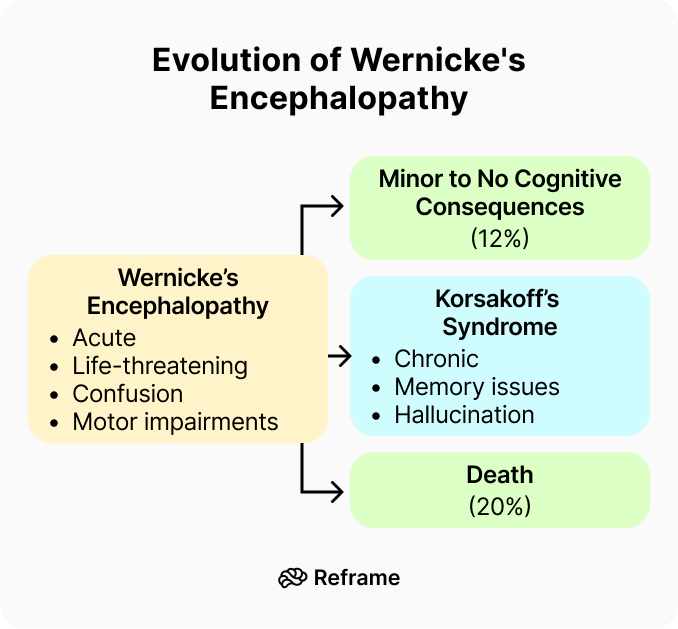
Wernicke-Korsakoff syndrome comprises two separate conditions: Wernicke's encephalopathy and Korsakoff's psychosis. Wernicke's encephalopathy is a short-term but severe condition caused by a lack of vitamin B1 (thiamine) commonly seen in heavy drinkers. It is characterized by mental confusion, oculomotor disturbances (problems with eye movements), and difficulty with muscle coordination. If left untreated, this condition can lead to irreversible brain damage and even death.
If not treated immediately, it can lead to Korsakoff's psychosis, a long-term condition marked by learning and memory problems. While people with this condition may be able to recall events from long ago, they often struggle with new information or recent memories. They might also experience hallucinations or make up events to fill in memory gaps, a phenomenon known as confabulation.
Unfortunately, there's no specific cure for WKS. However, thiamine can be administered to prevent further deterioration of the brain, and in some cases, it may reverse some of the symptoms of Wernicke's encephalopathy and brain damage from alcohol.
Understanding Alcohol-Related Brain Damage (ARBD)
Alcohol-related brain damage, or ARBD, isn't a single condition but an umbrella term for the harm that can happen to the brain from long-term heavy drinking. It’s a direct result of alcohol's toxic effects on brain cells, often worsened by the nutritional gaps that can come with heavy alcohol use. Unlike other forms of dementia, the progression of ARBD can often be stopped — and sometimes even partially reversed — if a person stops drinking and gets the right support. This potential for recovery is a powerful motivator and makes catching the signs early absolutely critical for protecting your long-term health.
Symptoms Beyond Memory Loss
When we think of brain damage, memory loss is usually the first thing that comes to mind. But with ARBD, the symptoms are much broader and can impact your entire life. It can affect your ability to think clearly, make sound decisions, and plan your day. According to the Alzheimer's Society, you might find it hard to focus on tasks, feel unusually irritable or sad, or struggle with balance and coordination. Forgetting recent conversations, having trouble with planning, and experiencing sudden mood swings are all common signs. It’s a condition that affects your cognitive and physical well-being, not just your ability to recall information.
Specific Brain Conditions Caused by Alcohol
As we touched on earlier, one of the most severe forms of ARBD is Wernicke-Korsakoff syndrome (WKS). This isn't just one disease, but two distinct stages that are linked. First comes Wernicke's encephalopathy, an acute condition caused by a severe deficiency of thiamine (vitamin B1). This can lead to confusion, vision problems, and a loss of muscle coordination. If it’s not treated right away with high-dose thiamine, it can progress to Korsakoff's syndrome, a chronic and more permanent condition defined by severe short-term memory loss and difficulty forming new memories.
Who Is at Risk for ARBD?
While any pattern of heavy, long-term drinking increases the risk of ARBD, some people are more vulnerable than others. It’s not just about how much you drink on a single occasion, but the cumulative effect of alcohol over months and years. Factors like your genetics, general health, and nutrition also play a significant role in how your body and brain respond to alcohol. Understanding the risk factors can help you recognize the warning signs in yourself or a loved one before the damage becomes more serious.
Prevalence and Statistics
The numbers might be higher than you think. Research suggests that about one in three people who are dependent on alcohol show some signs of ARBD. The risk starts to climb for anyone regularly drinking 25 or more units per week — that’s equivalent to about eight pints of strong beer or just over two bottles of wine spread across the week. Consistent drinking above these levels can begin to impact your thinking skills and memory over time. It’s a stark reminder that what might feel like a normal habit can have serious long-term consequences for your brain health.
Typical Age of Onset
One of the most surprising things about ARBD is the age at which it typically appears. While we often associate dementia with older age, ARBD usually develops in people between 40 and 60. This is significantly younger than the typical onset for conditions like Alzheimer's. It tends to affect more men than women, largely because, historically, men have had higher rates of heavy drinking. Recognizing that ARBD can affect people in the prime of their lives underscores the importance of addressing drinking habits early on to protect your future.
Healing Your Brain: Steps to Recovery
Let's be clear: not every person who enjoys an occasional drink is destined for brain damage. It's all about understanding our limits and forming habits that ensure we drink responsibly. Here are five ways to do just that:
Setting a limit. Decide ahead of time how many drinks you’ll have. For instance, you might say, "At this party, we'll only have two beers." This simple planning can help us stay within safe drinking limits.
Opting for lower-alcohol drinks. Some beverages, like certain beers or wines, have lower alcohol content than others. Choosing these reduces the amount of alcohol we consume per drink.
Sipping, not gulping. Taking our time to enjoy each drink gives our bodies more time to metabolize the alcohol, reducing the risk of overconsumption.
Eating beforehand. Consuming alcohol on a full stomach can slow down its absorption, giving our bodies more time to process it. So, maybe grab that slice of pizza before reaching for the wine.
Spacing out our drinks. Giving ourselves breaks between each drink can help keep our BAC down. We could use these breaks to hydrate with some water or to chat with friends.
We live in a world where alcohol is often at the heart of social events. We don’t want to miss out on the fun of socializing and spending time with people we love … but we need to look after our health and to make sure we're not veering into dangerous territory. Does alcohol cause brain damage? Yes, but with the right decisions, we can stay safe. No alcohol poisoning or potential brain damage for us! Armed with knowledge, and by practicing responsible drinking habits, we can be part of the fun while socializing safely.
The Importance of Medical Guidance
If you're worried about the impact alcohol is having on your brain, the first and most important step is to talk to a healthcare professional. While it can be scary to think about, there’s some good news. If it’s caught early, some alcohol-related brain damage can be reversed by stopping or significantly reducing your drinking. Our brains have an amazing capacity for healing; research shows that after a period of abstinence, some cognitive functions can improve. A doctor can help you create a safe plan to cut back and can also check for common nutritional deficiencies, like a lack of thiamine (vitamin B1), which can contribute to brain-related issues.
A Warning for Dependent Drinkers
For those who drink heavily and consistently, the stakes are higher. Repeated episodes of alcohol poisoning can lead to permanent brain damage and may result in severe conditions like Wernicke-Korsakoff syndrome. This is why professional medical advice is not just helpful—it's critical. If you have a physical dependence on alcohol, quitting abruptly without medical supervision can be dangerous and lead to severe withdrawal symptoms. A doctor can provide the support and resources needed to manage withdrawal safely, setting you on a path toward recovery without risking your health further. Please don't try to go it alone.
Practical Strategies for Managing ARBD
If you or a loved one is dealing with ARBD, recovery is centered on a few key strategies. The most critical action is to stop drinking alcohol, which halts further damage and gives the brain a chance to heal. Alongside this, nutrition plays a huge role. As mentioned, many heavy drinkers are deficient in thiamine, which can cause severe neurological problems like Wernicke's encephalopathy. A doctor will often recommend thiamine supplements and a balanced diet rich in vitamins and minerals. Engaging in cognitive exercises, staying physically active, and maintaining a structured daily routine can also support brain function and help rebuild neural pathways.
Building Healthier Habits for Brain Health
Protecting your brain doesn't have to be an all-or-nothing battle. It’s really about understanding your personal limits and creating habits that support responsible drinking. This shift in mindset is powerful because it puts you back in control. Instead of focusing on what you’re giving up, you can focus on what you’re gaining: better health, clearer thinking, and more energy. The key is to start small. You don’t have to overhaul your entire life overnight. Begin by simply becoming more aware of your patterns. How much are you really drinking in a week? How does it make you feel the next day?
Once you have a clearer picture, you can set realistic goals. Maybe it’s committing to two alcohol-free days a week or deciding you’ll have only one drink at your next social gathering. Tools and apps designed for habit change, like Reframe, can be incredibly helpful for tracking your progress and providing support when you need it. Exploring the world of non-alcoholic cocktails or finding new hobbies that don’t revolve around drinking can also make the process feel less like a sacrifice and more like an exciting new chapter. You can find answers to common questions about this process in our FAQ section.
How Mindful Drinking Can Help
A great way to build healthier habits is to practice mindful drinking. This just means being more present and intentional with your choices around alcohol. It’s about asking yourself *why* you want a drink instead of reaching for one automatically. A simple mindful technique is to always eat a meal before you drink. Having food in your stomach slows the absorption of alcohol, giving your body more time to process it. Other practices include sipping your drink slowly to savor it, alternating each alcoholic beverage with a glass of water, and pausing before you get a refill to check in with how you’re feeling.
Frequently Asked Questions
What’s the difference between being really drunk and having alcohol poisoning? Think of it this way: being drunk affects your coordination, judgment, and mood. Alcohol poisoning is a medical emergency where the amount of alcohol in your bloodstream is so high that it starts to shut down the parts of your brain that control basic life-support functions. If you see someone who is confused, vomiting, breathing very slowly, or can't be woken up, it's no longer about being drunk—it's a potential overdose that requires an immediate 911 call.
Can just one night of heavy drinking cause permanent brain damage? A single episode of severe alcohol poisoning can cause permanent brain damage, but not in the way you might think. The immediate danger comes from the body being deprived of oxygen, either from breathing that slows or stops, or from seizures. This lack of oxygen can harm brain cells. The more gradual brain damage, often called ARBD, typically develops from a pattern of heavy drinking over many years.
If someone passes out from drinking, isn't it best to just let them sleep it off? This is one of the most dangerous myths about alcohol. A person's blood alcohol level can continue to rise even after they've stopped drinking and passed out. This means they can go from being unconscious to having a fatal overdose while they're "sleeping." They are also at serious risk of choking if they vomit, as their gag reflex is suppressed. An unconscious person needs monitoring and immediate medical help.
Is brain damage from alcohol always permanent? Not always. The brain has a remarkable ability to heal. When someone stops drinking, especially if the damage is caught early, they can often see improvements in their cognitive function and memory. The key is to stop the exposure to alcohol to prevent further harm and give the brain a chance to recover. However, in very severe and long-term cases, such as Wernicke-Korsakoff syndrome, the damage can be lasting.
How do I know if I’m binge drinking if I don’t feel that drunk? Binge drinking is defined by the amount of alcohol consumed in a short time, not by how you feel. It's typically defined as having four or more drinks for women, or five or more for men, within about two hours. It's easy to hit this number without realizing it, especially since many cocktails, glasses of wine, or craft beers contain more than one "standard" serving of alcohol. It’s about the math, not the buzz.
Key Takeaways
Treat alcohol poisoning as a medical emergency: If someone is confused, vomiting, or has slow breathing after drinking, call 911 right away. Don't try home remedies or let them "sleep it off," as their condition can worsen even after they've stopped drinking.
Binge drinking is the fast track to brain damage: Drinking a lot in a short time is the primary cause of alcohol poisoning, which can starve the brain of oxygen and cause lasting harm. This isn't just a risk for long-term drinkers; a single dangerous episode can have permanent consequences.
You have the power to protect your brain: Simple habits like setting drink limits, eating before you drink, and pacing yourself can prevent a dangerous situation. Remember, the brain has a remarkable ability to heal, and reducing or stopping alcohol intake can often reverse damage and improve cognitive function.
The Reframe app is here for you! We've already helped hundreds of thousands of people just like you examine their drinking habits and develop healthier routines. We would love to do the same for you!
Everyone has a different story, and our goal is to help you understand how your relationship with alcohol has affected your life. Once you join our vibrant community, you'll receive daily Readings to help you deal with all kinds of stressors. You’ll also have 24/7 access to our Forum chat. We're an eclectic, lively bunch from all corners of the globe, all tackling similar questions and challenges.
Best of all, you can try the Reframe app for a full 7 days, completely free! There's absolutely no risk and so much potential benefit! Think about finally getting back the mental clarity, energy, and happiness you deserve. We're here to help, cheering you on to live your best life. See you soon in the app!
Reframe has helped over 2 millions people to build healthier drinking habits globally
At Reframe, we do science, not stigma. We base our articles on the latest peer-reviewed research in psychology, neuroscience, and behavioral science. We follow the Reframe Content Creation Guidelines, to ensure that we share accurate and actionable information with our readers. This aids them in making informed decisions on their wellness journey. Learn more
Updated Regularly
Our articles undergo frequent updates to present the newest scientific research and changes in expert consensus in an easily understandable and implementable manner.