A team of researchers and psychologists who specialize in behavioral health and neuroscience. This group collaborates to produce insightful and evidence-based content.
Certified recovery coach specialized in helping everyone redefine their relationship with alcohol. His approach in coaching focuses on habit formation and addressing the stress in our lives.
Recognized by Fortune and Fast Company as a top innovator shaping the future of health and known for his pivotal role in helping individuals change their relationship with alcohol.
July 1, 2023
·
24
Reframe Content Team
July 1, 2023
·
24
Deciding to change your relationship with alcohol is a huge first step. But what comes next? You might have heard about an 'alcoholic shot to stop drinking' and wondered if it’s for real. That shot is often Vivitrol, a form of Naltrexone. It's not a magic cure, but a tool that works in a very specific way. It helps by changing how your brain responds to alcohol, which is why understanding the naltrexone mechanism of action is so important. It demystifies the process and shows you how it can support your goals, even addressing concerns about drinking on Vivitrol.
For many of us seeking to overcome the challenge of alcohol misuse, it may feel like we're setting out to climb a towering, intimidating mountain. It's a grueling ascent, where the opposition isn't merely the substance we're striving to avoid, but also the deeply ingrained habits and brain chemistry that urge us to continue. But what if we had a trusty guide to help us navigate this formidable landscape? Well, we just might! In this blog post, we’ll discuss Vivitrol, a medication developed to aid us in this uphill battle against alcohol misuse.
What Is the Vivitrol Shot for Alcohol?
Vivitrol, scientifically known as Naltrexone, is a medication specifically designed to support those of us battling alcohol misuse. Unlike some other treatments that replace one addictive substance with another, Vivitrol stands out. This FDA-approved drug is an opioid antagonist. But what does this mean?
In simplest terms, an opioid antagonist is a substance that obstructs the opioid receptors in the brain. It's like a key that fits into a lock but doesn't turn it. It's there, it fits, but it doesn't activate the lock. By doing this, Vivitrol effectively blocks the euphoric effects and feelings of intoxication, allowing us to reduce our drinking or even halt it entirely.
For Alcohol Use: Dampening the Reward
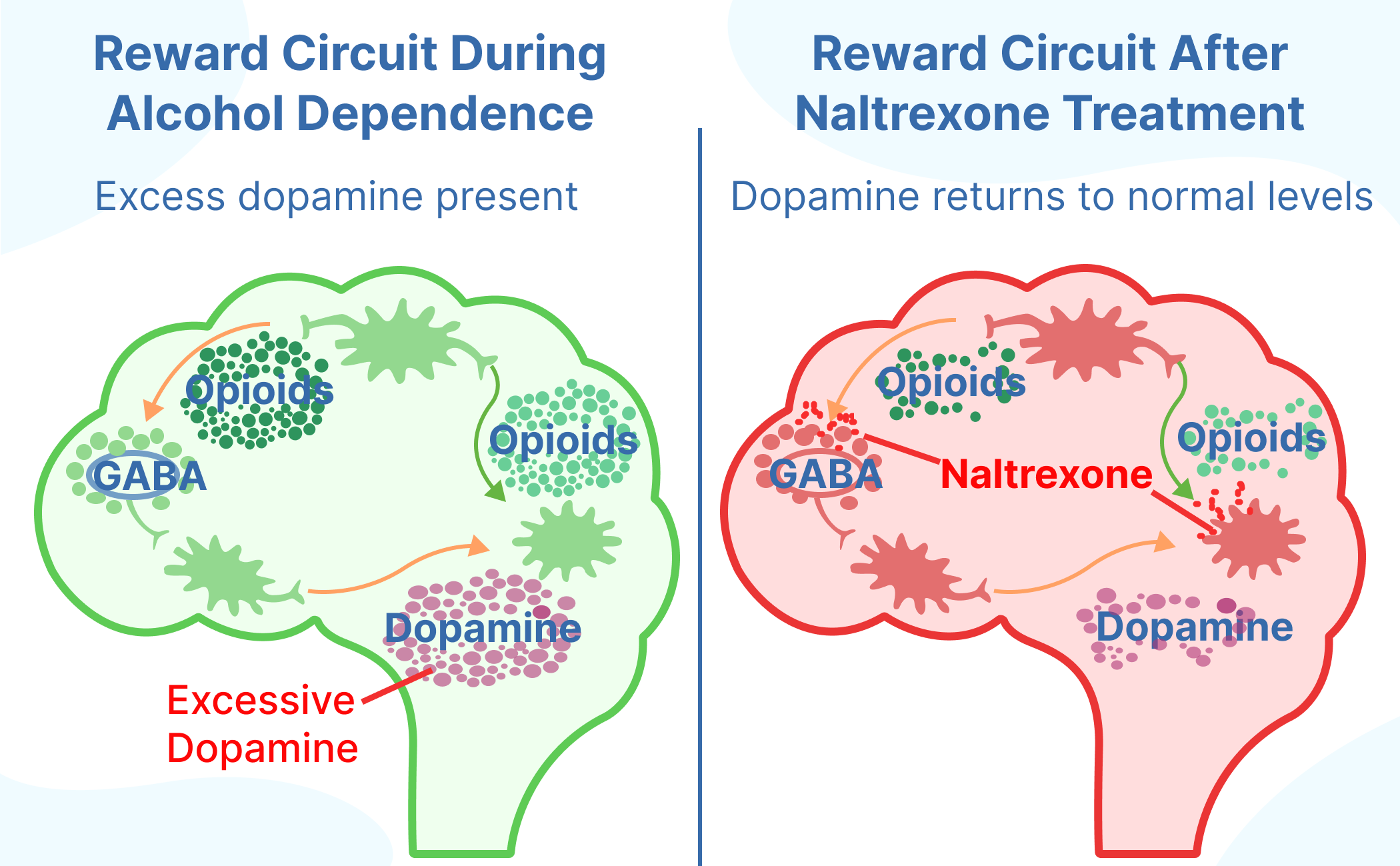
When you drink alcohol, your brain releases endorphins, which are natural chemicals that create feelings of pleasure. These endorphins bind to opioid receptors, essentially telling your brain, “Hey, this is good! Let’s do it again.” This process creates a powerful reward cycle that can make it difficult to cut back. Naltrexone works by getting to those receptors first. It blocks the endorphins from binding, which significantly dampens the rewarding feeling you get from drinking. Alcohol might not feel as enjoyable, which helps to break the psychological connection between drinking and pleasure. Over time, this can reduce cravings and support your goal of mindful drinking.
For Opioid Use: Blocking the Euphoria
Vivitrol’s role in treating opioid use disorder is more direct. As a pure opioid antagonist, it binds very strongly to the opioid receptors in the brain. By occupying these sites, it physically blocks opioids like heroin, morphine, or prescription painkillers from attaching. If a person uses opioids while on Vivitrol, they won’t experience the euphoric “high” that these substances typically produce. This mechanism not only reduces the incentive to use opioids but also serves as a crucial safety measure to prevent relapse. It’s important to know that a person must be completely free of opioids for 7 to 14 days before starting Vivitrol to avoid sudden withdrawal symptoms.
Detailed Pharmacology: Mu, Kappa, and Delta-Opioid Receptors
Let’s get a little more specific about how this works in the brain. Naltrexone has a strong attraction, or affinity, for several types of opioid receptors, but it primarily targets the mu-opioid receptors. These are the main receptors that both endorphins (from alcohol) and external opioids bind to in order to produce feelings of pleasure and euphoria. Naltrexone competitively binds to these receptors, meaning it competes with opioids and wins, effectively kicking them out or preventing them from docking in the first place. This powerful blocking action is what makes it so effective. Understanding this brain science is a key part of changing our relationship with alcohol, which is a core focus of the neuroscience-based programs in the Reframe app.
What Is Naltrexone Used For?
Naltrexone is a versatile medication with two primary, FDA-approved uses. It’s prescribed to help people manage both Alcohol Use Disorder (AUD) and Opioid Use Disorder (OUD). While these conditions are different, Naltrexone works by targeting the same reward pathways in the brain that both substances affect. It’s not a cure, but rather a powerful tool that can support recovery by changing how the brain responds to alcohol and opioids. By interrupting the cycle of craving and reward, it gives you the space to build healthier habits and coping mechanisms, which is a core part of changing your relationship with alcohol for good.
FDA-Approved for Alcohol Use Disorder (AUD)
For those of us looking to manage our drinking, Naltrexone can be a game-changer. It works by reducing cravings and stripping away the pleasurable "buzz" that often comes with alcohol. Here’s how: when you drink, your brain releases natural chemicals called endorphins, which create that warm, rewarding feeling. Naltrexone essentially steps in and blocks the receptors that these endorphins would normally attach to. Because the endorphins can't connect, the rewarding effects of alcohol are significantly dampened. This makes drinking less appealing and helps to break the powerful psychological link between alcohol and pleasure, making it easier to stick to your goals for mindful drinking.
FDA-Approved for Opioid Use Disorder (OUD)
Naltrexone is also a crucial tool in the treatment of Opioid Use Disorder. It functions as an opioid receptor antagonist, which means it binds to the opioid receptors in the brain and completely blocks the effects of drugs like heroin, fentanyl, or prescription painkillers. Think of it as a shield. If someone takes opioids while on Naltrexone, the medication prevents the drug from producing any euphoric or pain-relieving effects. This action not only removes the incentive for using opioids but also helps reduce cravings over time. It’s a non-addictive option that supports long-term recovery by neutralizing the drug's impact on the brain.
How Effective Is Vivitrol for Alcohol Cravings?
The effectiveness of Vivitrol is not mere conjecture; it's backed by solid scientific evidence. A study in Therapeutics and Clinical Risk Management supported Vivitrol’s ability to decrease heavy drinking among alcohol-dependent individuals. This medication also fostered abstinence and decreased the likelihood of relapse in two samples of alcohol-dependent subjects. This reduction is a significant stride forward for anyone seeking to overcome alcohol misuse.
Additional studies have shown that Vivitrol, combined with counseling, led to a significant reduction in heavy drinking days among participants compared to counseling alone. These findings demonstrate the crucial role that Vivitrol can play as part of a comprehensive treatment plan.
A Brief History and Development
Naltrexone isn't a newcomer in the medical world. Its story begins back in the 1960s, and it earned its official approval for medical use in the United States in 1984. Originally, scientists synthesized it to block the euphoric effects of opioids like morphine. This is a key piece of its history because it helps us understand its core function: it’s a blocker. It doesn't create a new feeling; it simply prevents an existing one. By occupying the brain's opioid receptors without activating them, it effectively puts up a roadblock against the rewarding sensations that can drive substance use. This foundational purpose is what makes it a useful tool for those of us looking to change our relationship with alcohol.
Forms and Dosing
When considering Naltrexone, it’s helpful to know that it comes in two primary forms: a daily pill or a monthly extended-release shot. The pill is typically prescribed for Alcohol Use Disorder (AUD), while the injectable version, known as Vivitrol, is used for both AUD and Opioid Use Disorder (OUD). The choice between a daily pill and a monthly shot often depends on your lifestyle, personal preference, and what you and your doctor decide is the best fit for your goals. Each option offers a different approach to incorporating the medication into your routine, allowing for a more personalized path as you explore mindful drinking and build healthier habits.
Oral Pills (Daily)
The oral version of naltrexone is a pill you take every day. The standard dose is 50 mg, but doctors often start patients on a lower dose, like 25 mg, to see how their body responds before increasing it to the full 50-100 mg daily amount. Taking a pill each day requires building a consistent routine, which can be a positive way to reinforce your commitment to your goals. For some, this daily action serves as a mindful check-in. However, it also means you have to remember to take it every day for it to be effective, which is an important factor to consider when discussing treatment options with a healthcare provider.
Injectable Shot (Monthly)
The other option is an extended-release injectable shot, which you might know by the brand name Vivitrol. This is a 380 mg dose that a healthcare professional administers into a muscle, usually in the gluteal area, just once every four weeks. The biggest advantage here is convenience. Once you receive the shot, you don’t have to think about it again for a whole month. This can free up mental space and help you focus on other aspects of your journey, like counseling or using tools within the Reframe app, without the daily reminder of medication. It’s a supportive measure that works quietly in the background.
How Vivitrol Works: The Naltrexone Mechanism of Action
Understanding how Vivitrol works to combat alcohol misuse takes us on a fascinating journey into the human brain, specifically the opioid system that is part of our brain's complex reward pathway. This system plays a pivotal role in our experiences of pleasure and satisfaction, and it’s one that substances like alcohol cleverly manipulate.
Consuming alcohol stimulates the brain's reward pathway, releasing chemicals that create feelings of pleasure and euphoria. This stimulation triggers our opioid receptors — key players in this pathway — which results in the sense of satisfaction that makes drinking so appealing. This pleasure-reward feedback loop can encourage repeated alcohol use, ultimately leading to misuse or dependence.
We’ve already discussed that Vivitrol is an opioid antagonist. What this means is that Vivitrol functions as a “blocker” or a “gatekeeper” to these opioid receptors. How exactly does this work?
When administered, Vivitrol attaches itself to the opioid receptors in the brain. This attachment creates a barrier, preventing substances like alcohol from accessing these receptors and triggering the release of pleasure-inducing chemicals. So, even if we consume alcohol, the expected rewarding effects are diminished or entirely absent because Vivitrol is blocking our brain’s access points.
This process can be likened to locking the doors to a much-desired party. Even though the music might still be playing (alcohol is still being consumed), we can no longer gain entry to experience the party (the rewarding effects of alcohol).
Effectiveness for Reducing Heavy Drinking
By blocking the rewarding effects of alcohol, Vivitrol helps break the cycle of craving and consumption. This isn’t just a theory; it’s supported by strong scientific evidence. For instance, research published in Therapeutics and Clinical Risk Management confirmed Vivitrol’s ability to significantly decrease heavy drinking days for people with alcohol dependence. The study also found that the medication helped people maintain abstinence and lowered the likelihood of relapse. For anyone looking to make a lasting change, these results show that Vivitrol can be a powerful tool in rewiring the brain’s response to alcohol and building a new, healthier relationship with it.
Comparing Naltrexone to Other Medications
Vivitrol is one of several FDA-approved medications for alcohol use disorder, alongside others like Acamprosate and Disulfiram, each working through different mechanisms. What makes Naltrexone stand out is its focus on reducing the "reward" of drinking. It’s not a magic bullet, though. Its greatest strength is revealed when it’s part of a complete support system. Studies consistently show that Vivitrol combined with counseling leads to a much greater reduction in heavy drinking days than counseling alone. This highlights a crucial point: medication can address the brain chemistry, but lasting change also involves developing new coping skills and behavioral patterns, which is where a comprehensive program can make all the difference.
Potential Side Effects of Naltrexone
While Vivitrol can be a game-changer for many, it’s important to go into any treatment with a full understanding of what to expect. Like any medication, Naltrexone comes with potential side effects. Being aware of them doesn't just prepare you; it empowers you to have informed conversations with your healthcare provider and to take the best possible care of yourself throughout the process. Remember, everyone's body reacts differently, and you may experience some, all, or none of these effects. The goal here is awareness, not alarm.
Common Side Effects
When starting Naltrexone, some people experience side effects that are generally mild and often fade as their body adjusts to the medication. These are the most frequently reported issues, and while they can be uncomfortable, they are typically not a cause for major concern. However, you should always keep your doctor in the loop about how you're feeling, especially if any of these side effects persist or become particularly bothersome. Open communication is key to ensuring your treatment plan is working for you, not against you.
Nausea, Headaches, and Dizziness
One of the most common physical adjustments to Naltrexone involves your digestive system and a general sense of unease. According to research, it's not unusual to experience an upset stomach, which can include nausea, cramps, or diarrhea. Headaches and dizziness are also on the list of common side effects. These symptoms can vary in intensity from person to person. For many, these feelings are temporary and resolve within the first few days or weeks of treatment as the body gets used to the medication.
Anxiety and Sleep Disturbances
Beyond the physical, Naltrexone can sometimes affect your mood and sleep patterns. Some individuals report feeling anxious or having trouble sleeping after starting the medication. The Mayo Clinic notes that these sleep disturbances can impact your overall sense of well-being during the initial phase of treatment. Since quality rest is so crucial when you’re making big life changes, it’s important to mention any new anxiety or insomnia to your doctor. They can help you find strategies to manage these effects while you continue your journey.
Serious Side Effects and Risks
While most side effects are mild, there are a few serious risks associated with Naltrexone that you absolutely need to be aware of. These are much less common, but their potential severity makes them critical to understand. This information is vital for your safety and helps ensure you and your support system—including your doctor—can monitor for any warning signs. If you experience any of these serious side effects, it's essential to seek medical attention immediately.
Depression and Suicidal Thoughts
The most significant risk to monitor is a change in your mental health. While Naltrexone is a tool to support recovery, it can, in some cases, lead to serious side effects like depression or, in rare instances, suicidal thoughts. It's crucial that you and your loved ones closely monitor your mood and mental state during treatment. Changing your relationship with alcohol is already an emotional journey, so it’s vital to distinguish between the typical ups and downs and a more serious shift in your mental health. Never hesitate to reach out to your doctor or a mental health professional if you notice any concerning changes.
Crucial Safety Warnings and Contraindications
While Vivitrol can be an incredibly helpful tool on the path to changing your relationship with alcohol, it’s not a one-size-fits-all solution. Like any powerful medication, it comes with a set of important safety rules and warnings that you absolutely need to know. Think of this as your personal safety briefing before starting treatment. Being informed allows you to have a productive conversation with your healthcare provider and make the best decisions for your well-being. It’s essential to understand that Vivitrol interacts with your body’s chemistry in a very specific way, and ignoring these guidelines can lead to serious, even life-threatening, consequences. Let’s walk through the most critical points so you can be a knowledgeable and empowered advocate for your own health.
Required Opioid-Free Period
This is perhaps the most critical rule of all: you must be completely free of all opioids for a minimum of 7 to 14 days before your first Vivitrol injection. This includes prescription painkillers (like oxycodone or hydrocodone), heroin, and even some medications used to treat opioid dependence (like methadone or buprenorphine). Your doctor will determine the exact length of time you need to wait. This isn't just a suggestion; it's a strict requirement to prevent a dangerous reaction. Following this guideline is non-negotiable for your safety and ensures that the medication can work as intended without causing immediate, severe problems.
Understanding Precipitated Withdrawal
So, what happens if you don’t wait long enough? Taking Vivitrol while opioids are still in your system can trigger a condition called precipitated withdrawal. Essentially, the naltrexone in Vivitrol immediately kicks all the opioid molecules off your brain's receptors, sending you into sudden and intense withdrawal. The symptoms can be incredibly severe — much more so than typical withdrawal — and often require hospitalization. According to the National Center for Biotechnology Information (NCBI), this reaction can be dangerous, so adhering to the opioid-free period is the only way to avoid it.
Risk of Overdose After Stopping Treatment
Vivitrol works by blocking the effects of opioids, but it also lowers your body's tolerance to them over time. If you stop receiving injections or miss a dose and then use opioids, your body will be far more sensitive than it was before you started treatment. Using the same amount of an opioid that you might have used in the past could now be enough to cause a fatal overdose. This reduced tolerance creates a very high-risk situation. It is crucial to be aware of this danger and to have a safety plan in place with your doctor if you decide to discontinue Vivitrol.
The Naloxone Challenge Test
Because the risk of precipitated withdrawal is so severe, your doctor will likely perform a "naloxone challenge test" before giving you your first dose of Vivitrol. This is a simple safety check to confirm that your system is clear of opioids. The doctor will give you a small, controlled dose of naloxone (a short-acting opioid blocker) and monitor you for any signs of withdrawal. If you have a reaction, it means there are still opioids in your system, and it is not safe to start Vivitrol. This test is a protective measure to ensure you can begin treatment safely.
Considerations for Surgery
If you are on Vivitrol and need to have surgery or any medical procedure that requires opioid pain relief, you must inform your medical team well in advance. Since Vivitrol blocks the effects of opioids, it will also block the pain-relieving medications used during and after surgery. To ensure you can receive proper pain management, your doctor may advise you to stop treatment ahead of time. The general recommendation is to stop oral naltrexone at least 72 hours before a procedure and to schedule surgery so it doesn't fall within 30 days of your last Vivitrol injection.
What to Expect When Using Vivitrol Long-Term
So, what's the impact of this blockage over time?
The absence of the pleasure-reward experience during alcohol consumption can significantly influence our drinking behavior. The usual satisfaction we derive from drinking is no longer present, which can result in a decreased desire to drink alcohol. This reduction can be a major stepping stone in the journey towards changing our relationship with alcohol.
It's important to note that Vivitrol doesn't cure alcohol dependence — there's more to overcoming alcohol misuse than just managing the physical cravings. But by disrupting the reward mechanism typically associated with alcohol consumption, Vivitrol can provide a supportive, effective tool in the overall treatment plan.
The workings of Vivitrol illustrate the fascinating interplay of brain chemistry and behavior. Understanding this can empower us on our journey towards overcoming alcohol misuse. But it's just one part of the larger picture of recovery, which also includes behavioral therapies, peer support, and lifestyle changes. Together, these components make up the holistic approach needed to address and manage alcohol misuse effectively.
Other and Off-Label Uses
While Naltrexone is primarily known for its FDA-approved roles in treating alcohol and opioid use disorders, its influence on the brain’s reward pathways has led researchers and doctors to explore its potential in other areas. These are often called “off-label” uses, meaning a doctor prescribes a drug for a condition other than what it was officially approved for. This practice is common and legal, often occurring when there's emerging evidence that a medication could be effective for other health issues. Naltrexone’s journey is a great example of how a single medication can have a wide range of applications, from managing chronic pain to addressing compulsive behaviors.
Low-Dose Naltrexone (LDN) for Inflammation
One of the most well-known off-label uses is Low-Dose Naltrexone, or LDN. When used in very small doses—typically between 1 and 4.5 milligrams per day—naltrexone appears to work quite differently than it does at the higher doses used for addiction treatment. Instead of primarily blocking opioid receptors, LDN is thought to have anti-inflammatory effects. Researchers believe it helps regulate the immune system by interacting with specialized cells in the central nervous system. This action can help reduce neuroinflammation, which is a factor in many chronic pain conditions. As a result, some doctors prescribe LDN to help manage symptoms of conditions like fibromyalgia, Crohn's disease, and multiple sclerosis.
Treating Behavioral Addictions
The same brain pathways that drive substance cravings also play a role in behavioral addictions. Because naltrexone works by dampening the rewarding feelings associated with certain actions, it shows promise for helping people manage compulsive behaviors that aren't related to substances. Research has explored its use for a range of issues, including gambling disorder, kleptomania (compulsive stealing), and compulsive sexual behaviors. By reducing the "high" or sense of satisfaction that comes from these activities, naltrexone may help weaken the urge to engage in them, giving individuals more control over their actions and providing a valuable tool alongside therapy and other support systems.
Vivitrol Controversies
Despite its benefits, Vivitrol (the injectable form of naltrexone) has faced some controversy, particularly regarding its approval for opioid use disorder. The pivotal study that led to its FDA approval was conducted in Russia, where other effective treatments like methadone and buprenorphine were illegal. In the study, Vivitrol was compared to a placebo rather than these established, life-saving medications. Critics argued this was an unfair comparison, as it didn't prove Vivitrol was better than the existing standard of care. Furthermore, some real-world data has suggested that while methadone and buprenorphine are proven to reduce the risk of fatal overdose, naltrexone may not be more effective than counseling alone in preventing overdose deaths.
Is Vivitrol the Right Choice for You?
While Vivitrol can be an effective ally in our quest for recovery, it isn't suitable for everyone. People with acute hepatitis or liver failure should steer clear of Vivitrol due to the potential for liver damage. Pregnant women should also avoid this medication unless the potential benefits outweigh the risks.
Moreover, anyone who has previously had an adverse reaction to Vivitrol or any of its components should not take this medication. Allergies to Naloxone (a compound similar to Naltrexone) can also indicate that Vivitrol may not be the best treatment option.
Vivitrol: The Takeaways
Our journey to overcome alcohol misuse may seem daunting, like that icy mountain peak. But with resources like Vivitrol at our disposal, we have a supportive companion that can make the climb less treacherous and more manageable.
Just like mountain climbing, the journey of recovery isn't marked by one grand leap but by numerous small, steady steps. Each step, no matter how small, is a victory, a testament to our resilience and capacity for change. They move us not just away from alcohol misuse, but toward a healthier, more fulfilling life.
As we undertake this journey, let's remember that change is possible, and that help is available. With the right tools, the right support, and the will to move forward, we can navigate this path and reach the peaks we aspire to.
Find Support for Your Recovery With Reframe
Although it isn’t a treatment for alcohol use disorder (AUD), the Reframe app can help you cut back on drinking gradually, with the science-backed knowledge to empower you 100% of the way. Our proven program has helped millions of people around the world drink less and live more. And we want to help you get there, too!
The Reframe app equips you with the knowledge and skills you need to not only survive drinking less, but to thrive while you navigate the journey. Our daily research-backed readings teach you the neuroscience of alcohol, and our in-app Toolkit provides the resources and activities you need to navigate each challenge.
You’ll meet millions of fellow Reframers in our 24/7 Forum chat and daily Zoom check-in meetings. Receive encouragement from people worldwide who know exactly what you’re going through! You’ll also have the opportunity to connect with our licensed Reframe coaches for more personalized guidance.
Plus, we’re always introducing new features to optimize your in-app experience. We recently launched our in-app chatbot, Melody, powered by the world’s most powerful AI technology. Melody is here to help as you adjust to a life with less (or no) alcohol.
And that’s not all! Every month, we launch fun challenges, like Dry/Damp January, Mental Health May, and Outdoorsy June. You won’t want to miss out on the chance to participate alongside fellow Reframers (or solo if that’s more your thing!).
The Reframe app is free for 7 days, so you don’t have anything to lose by trying it. Are you ready to feel empowered and discover life beyond alcohol? Then download our app through the App Store or Google Play today!
Frequently Asked Questions
What does it actually feel like to drink alcohol while on Vivitrol? Many people describe the experience as feeling "flat." Vivitrol doesn't prevent you from drinking, but it works by blocking the brain receptors that create feelings of pleasure and reward from alcohol. So, while you can still have a drink, you likely won't get that familiar warm buzz or sense of euphoria. The drink simply doesn't feel as satisfying, which helps to weaken the psychological pull and makes it easier to cut back over time.
Will Vivitrol make me sick if I drink, like other medications I've heard about? No, that’s a common misconception. Vivitrol works differently from medications like Disulfiram (Antabuse), which causes a severe physical reaction like nausea and vomiting if you drink. Vivitrol doesn't create a negative physical response. Instead, it neutralizes the positive one by taking away the rewarding effects of alcohol, which helps reduce your motivation to drink.
Is Vivitrol a substitute for therapy or a support program? Think of Vivitrol as a powerful tool in your toolkit, not the entire kit itself. It’s incredibly helpful for managing the chemical and craving aspects of changing your drinking habits. However, lasting change also involves developing new coping strategies, understanding your triggers, and building a supportive community. Combining the medication with counseling or a program like Reframe gives you a much stronger foundation for success.
How long do people typically stay on Vivitrol? There isn't a one-size-fits-all timeline, as the duration of treatment is a personal decision you'll make with your doctor. Many people use it for several months up to a year or more. The goal is to use the medication as a support while you actively build new, healthier habits and coping mechanisms. This way, you have a solid foundation in place if and when you decide to stop the treatment.
Why is the opioid-free period before starting Vivitrol so important? This is a critical safety measure that is non-negotiable. Vivitrol is a powerful opioid blocker. If you take it while opioids are still in your system, it will immediately strip them from your brain's receptors, triggering a sudden and severe withdrawal that can be dangerous and often requires hospitalization. Waiting for at least 7 to 14 days ensures your body is clear of opioids, allowing you to start the medication safely and without this intense reaction.
At Reframe, we do science, not stigma. We base our articles on the latest peer-reviewed research in psychology, neuroscience, and behavioral science. We follow the Reframe Content Creation Guidelines, to ensure that we share accurate and actionable information with our readers. This aids them in making informed decisions on their wellness journey. Learn more
Updated Regularly
Our articles undergo frequent updates to present the newest scientific research and changes in expert consensus in an easily understandable and implementable manner.