A team of researchers and psychologists who specialize in behavioral health and neuroscience. This group collaborates to produce insightful and evidence-based content.
Certified recovery coach specialized in helping everyone redefine their relationship with alcohol. His approach in coaching focuses on habit formation and addressing the stress in our lives.
Recognized by Fortune and Fast Company as a top innovator shaping the future of health and known for his pivotal role in helping individuals change their relationship with alcohol.
June 5, 2024
·
23
Reframe Content Team
June 5, 2024
·
23
Taking Vyvanse? Skip the “Vino”
Vyvanse is a stimulant medication prescribed for ADHD. While it has less addiction potential than other stimulants, it is not without risk and comes with some possibly serious cardiovascular side effects, among others.
We can avoid cardiovascular and gastrointestinal problems from escalating as well as keep potential dependency issues at bay by not drinking on Vyvanse.
Reframe can provide you with science-backed information about the interaction between stimulants and alcohol and help you avoid the risks as you start (or continue) your journey to quit or cut back alcohol consumption.
It’s Saturday night, and you’re ready for a glass of wine with dinner. But then you remember your morning Vyvanse. The question hits you: is mixing Vyvanse and alcohol actually safe? You might wonder, 'how long after taking Vyvanse can I drink alcohol?' or 'if I take Vyvanse in the morning can I drink at night?' These are critical questions. Combining a stimulant with a depressant sends your body confusing signals, masking how impaired you really are and putting your health at serious risk. Here’s what you need to know before you order that drink.
First Things First: What Is ADHD?
Attention deficit and hyperactivity disorder (ADHD) is a familiar term today, but what does it mean? In The Lightning Thief, Rick Riordan describes it as a superpower: “Taken together, it’s almost a sure sign. The letters float off the page when we read, right? That’s because your mind is hardwired for ancient Greek. And the ADHD — we’re impulsive, can’t sit still in the classroom. That’s your battlefield reflexes. In a real fight, they’d keep you alive. As for the attention problems, that’s because you see too much, Percy, not too little. Your senses are better than a regular mortal’s.”
While this way of seeing ADHD is refreshingly optimistic, the condition actually can be a burden. Those with ADHD daydream, unintentionally interrupt others when a sudden idea strikes, fidget with their hair or phone, and leave the laundry they’re folding half-done to reorganize the kitchen cupboards. You get the picture — ADHD can get in the way of living for children and adults alike.
From a neuroscience perspective, the problems with attention are the result of a communication glitch between the decision-making prefrontal cortex and the striatum, which is involved in attention. So, as we can see, the term “attention deficit” is a bit of a misnomer: there’s no “lack” of attention; we just focus on the “wrong” thing. The hyperactivity part, in turn, has more to do with differences in the dopamine-driven reward system that makes it difficult for people with ADHD to stay motivated without external stimulation.
The use of medication to treat the symptoms of ADHD remains somewhat controversial, but for many, medication has proved effective in easing the symptoms.
So, What Is Vyvanse?
Historically, the first line of medication treatment for ADHD comprise stimulants — drugs that speed up the nervous system, such as Adderall and Ritalin. While generally sanctioned by the medical community as a viable solution for some, a major source of concern with stimulants has been the risk of dependency. As a result, the FDA regulates them with gusto (and with good reason — there have been many cases of addiction, overdose, and even death caused by stimulants over the years).
Enter Vyvanse. Unlike other stimulants, Vyvanse is a prodrug, which means it only becomes active once it's gradually metabolized by the body. The result? It has the effects of other stimulants but potentially reduces abuse risk since it doesn’t provide the same energy boost that many find so enticing (and ultimately counterproductive).
Vyvanse as a Controlled Substance
Because it’s a powerful stimulant, Vyvanse is classified as a controlled substance. This simply means it has a high potential for misuse, so its distribution is carefully regulated to prevent dependency and other health issues. Mixing any stimulant with alcohol is generally considered a form of misuse, and doing so intentionally can put you at a higher risk of developing drinking problems. Since both substances affect the central nervous system, combining them can lead to unpredictable and dangerous outcomes. It’s a combination that masks the effects of both substances, potentially leading you to drink more than you normally would or not realize how impaired you are. This is why it's so important to take Vyvanse exactly as prescribed by your doctor and to be open about your alcohol consumption with them.
Other Medical Uses for Vyvanse
While it's most known for treating ADHD, Vyvanse is also prescribed for moderate to severe binge eating disorder (BED) in adults. This is a condition where someone frequently consumes unusually large amounts of food in a short period and feels a sense of being out of control during the episode. The way Vyvanse works on the brain's neurotransmitters, particularly dopamine and norepinephrine, can help regulate impulse control and reduce the compulsion to binge. Its slow-release “prodrug” nature is beneficial here, too, providing a steady effect rather than a sudden jolt, which helps manage the underlying urges associated with BED throughout the day. This shows how the medication can be a powerful tool for managing impulse control in different situations.
The Big Question: Can You Mix Vyvanse and Alcohol?
But what about drinking on Vyvanse? As it turns out, we’re better off opting out to avoid some unpleasant surprises. Let’s explore why mixing Vyvanse and alcohol isn’t a good idea.
1. Why Alcohol Can Intensify Vyvanse Side Effects
First of all, there’s the issue of side effects, many of which can be amped up by alcohol. According to Drugs.com, common Vyvanse side effects include the typical ones we would expect from stimulants:
Dry mouth. Alcohol can make Vyvanse-related dry mouth worse by causing dehydration. Yes, it’s a liquid, but it’s a sneaky one: booze suppresses vasopressin, a hormone that tells our kidneys to retain water. The result? We lose too much water and wake up parched the next morning.
Sleep problems. This is a big one when it comes to alcohol. While a glass or two of wine might make us doze off, don’t be fooled: the sleep we end up getting is likely to be disrupted by frequent bathroom trips as well as by a rebound surge of neurochemicals the brain releases to counteract the initial depressant effect. Plus, we end up missing out on the restorative REM stage of sleep. Together with insomnia caused by Vyvsnse, we are headed for one groggy morning.
Fast heart rate and jittery sensation. Arguably the biggest red flag when it comes to the Vyvanse–alcohol combo (at least on the physical side of things) is heart rate fluctuation. Alcohol can increase heart rate, cause arrhythmia, and even lead to serious heart disease.
Anxiety and irritability. Feeling on edge after taking Vyvanse? Alcohol could make it worse. In addition to causing next-day “hangxiety,” alcohol disrupts our neurotransmitter balance, making us more prone to bouts of sadness, angry outbursts, and mood swings.
Loss of appetite and weight loss. Like many other stimulants, Vyvanse puts food on our brain’s back burner — sometimes to the point that it becomes a problem. Meanwhile, alcohol tends to do the opposite (midnight dumplings or pizza, anyone?). Combine Vyvanse and undereating during the day with alcohol’s prompting to load up on greasy late-night snacks, and we’re headed for a bumpy night.
Gastrointestinal side effects. Vyvanse can cause nausea, vomiting, stomach pain, diarrhea, and constipation. Alcohol can lead to all of the above, so combining the two is asking for double the trouble.
As we can see, the side effects of Vyvanse and alcohol don’t mix well. But there are other reasons why it’s wise to avoid the combination.
Severe Health Dangers
Beyond just making the usual side effects worse, mixing Vyvanse and alcohol introduces some serious health dangers. Because Vyvanse is a stimulant, it can mask the depressant effects of alcohol, making you feel less intoxicated than you actually are. This is a huge problem because it can easily lead you to drink far more than you normally would, putting you at risk for alcohol poisoning. It creates a false sense of sobriety that can have severe consequences. Doctors strongly advise against this combination for a reason — it’s a dangerous gamble with your health.
This mixture also puts a ton of strain on your cardiovascular system. Think of it as sending conflicting signals to your body. The stimulant pushes your heart to work harder, while alcohol can also cause fluctuations in heart rate and blood pressure. Together, they can push your heart activity and blood pressure to unsafe levels. This combination greatly increases your risk of developing high blood pressure and experiencing irregular heartbeats, which are serious medical issues that shouldn’t be taken lightly.
Immediate Physical Side Effects
The consequences of drinking on Vyvanse aren’t just long-term risks; they can show up immediately and ruin your night. That stimulant effect that hides how drunk you feel also masks the sleepiness that alcohol typically causes. Without those natural cues from your body telling you to slow down, you might keep drinking well past your limit. This creates a much higher risk of acute alcohol poisoning, which can be fatal and requires immediate medical attention.
The impact on your mental state can be just as immediate. If you’re prone to anxiety or irritability, this combination can be particularly challenging. Alcohol is known to disrupt the balance of neurotransmitters in the brain, and when combined with a powerful stimulant like Vyvanse, it can intensify feelings of anxiety, agitation, or even depression. Instead of the relaxed buzz you might be hoping for, you could find yourself feeling on edge, emotionally volatile, and far from your best self.
2. What Happens When You Mix a Stimulant and a Depressant?
As a stimulant, Vyvanse increases neurotransmitter activity in the brain, which can boost energy and alertness. When we mix it with booze — a depressant — two not-so great things happen:
The combination is extra tough on the heart. We mentioned that cardiovascular side effects (such as increased heart rate) come with both Vyvanse and alcohol and could be troublesome when we mix the two substances together. There’s also extra strain from the conflicting effects, however. As a depressant, alcohol slows down the central nervous system and leads to an initial drop in blood pressure (after which we sometimes experience the rebound effect of high heart rate and blood pressure spikes).
The “masking effect” leads us to drink more. With Vyvanse giving us an extra boost of energy, the so-called “masking effect” makes it harder to tell how intoxicated we really are. This is the reason why mixing caffeine and booze is also a bad idea: the combination can lead us to overdo it, possibly to the point of heavy intoxication or even alcohol poisoning.
Our heart does a lot of work for us every second of our lives. Let’s give it the care it deserves (while also avoiding the pitfalls of the masking effect). The risk just isn’t worth it.
The Masking Effect and Overdose Risk
The combination of a stimulant and a depressant sends confusing signals to your body, especially your heart. Alcohol, a depressant, initially slows down your central nervous system. Vyvanse, a stimulant, does the opposite. This push-and-pull puts extra strain on your cardiovascular system. More insidiously, Vyvanse’s stimulating properties can create a “masking effect,” making it difficult to recognize how intoxicated you truly are. You might feel more alert and sober than you would otherwise, which can easily lead to drinking far more than intended. This significantly increases the risk of severe intoxication and even alcohol poisoning, a life-threatening emergency. It’s the same reason mixing energy drinks and alcohol is so risky — you simply can’t trust your body’s usual cues.
Mental Health Consequences
Many people who take Vyvanse also manage conditions like anxiety or depression. Unfortunately, adding alcohol to the mix can make things much worse. While you might reach for a drink to unwind, alcohol disrupts the delicate balance of neurotransmitters in your brain. This can intensify feelings of sadness, irritability, and mood swings, effectively canceling out the stability your medication aims to provide. It can also worsen the next-day “hangxiety” that many people experience after drinking. If you’re taking Vyvanse to improve your focus and emotional regulation, introducing a substance known to negatively impact mental health is counterproductive. It can create a difficult cycle where the side effects of alcohol worsen the very symptoms you’re trying to treat.
3. Understanding the Increased Risk of Dependency
One of the most serious risks of mixing Vyvanse and alcohol is the risk of dependency. While the risk is lower than it is in fast-acting drugs such as Adderall, Vyvanse still causes dopamine release. Since alcohol does the same — and since artificial dopamine boosts can cause unnatural spikes in feelings of reward and pleasure — we can find ourselves at risk of addiction and substance misuse.
Moreover, alcohol can lower inhibitions and impair judgment — a concern significant for those of us dealing with ADHD. The combination with Vyvanse might lead to increased impulsivity and poor decision making, resulting in risky behaviors.
The Dangers of Polysubstance Abuse
When we mix two or more substances, it's known as polysubstance abuse, and it comes with its own unique set of dangers. Combining a stimulant like Vyvanse with a depressant like alcohol is a recipe for trouble. The biggest danger is that Vyvanse can make you feel less drunk than you actually are. This masking effect can easily lead to drinking far more than intended, putting you at a serious risk for alcohol poisoning, which can be deadly. Beyond this immediate threat, regularly mixing these substances can lead to a dependency on both. Tackling a dual dependency is significantly more challenging and can create more severe health and mental health problems down the line. It's a dangerous combination that complicates recovery and puts your well-being in jeopardy.
4. The Connection Between ADHD and Alcohol Use
When it comes to ADHD symptoms, alcohol is counterproductive, to say the least. Anyone who has tried to have a focused conversation with a friend who’s had a few too many knows how it’s often a lost cause. Likewise, trying to get a tipsy group of people to go somewhere together can feel like herding cats: their attention spans get worse by the minute, and their ability to focus can seem virtually nonexistent.
By slowing down activity in the prefrontal cortex, alcohol gets in the way of our ability to think logically and stay focused. Moreover, it tends to lead to so-called “alcohol myopia” — a tendency to focus on the most salient (i.e., “juiciest”) aspect of a subject or scene while ignoring everything else. This tendency to hyperfocus on whatever grabs our attention is exactly what we’re already fighting against if we have ADHD. The whole point of taking medications such as Vyvanse is to put the prefrontal cortex back in the driver’s seat — and alcohol makes that harder.
Statistics on ADHD and Alcohol Consumption
The link between ADHD, stimulants, and alcohol isn't just a hunch — the numbers back it up. Research shows that almost half of college students who misused stimulants also drank alcohol with them in the past year. This combination significantly raises the stakes. People who mix stimulants like Vyvanse with alcohol are 2.4 times more likely to struggle with alcohol abuse. The risk compounds from there: they are also 4.7 times more likely to have a problem with both alcohol and another substance at the same time. These figures paint a clear picture of the heightened risks involved when these substances are combined, turning what might seem like a casual choice into a statistically significant gamble.
Long-Term Risks for Individuals with ADHD
Beyond the immediate effects, it's important to consider the long-term picture. Having ADHD as a child already increases the likelihood of developing an alcohol use disorder in adulthood. When you add a stimulant like Vyvanse to the mix, you create a situation where dependency on both substances becomes a real possibility. Treating a dual dependency is significantly more complex and can lead to more severe health and mental health challenges down the road. It’s a compounding risk that starts with what might seem like a harmless combination but can evolve into a much more serious issue over time, making it harder to manage both your ADHD and your relationship with alcohol.
5. Increased Likelihood of Risky Behaviors
We’ve touched on the "masking effect," where the stimulant properties of Vyvanse can hide the sedative effects of alcohol. This is one of the most immediate dangers of mixing the two. You might feel more alert and capable than you actually are, which makes it incredibly difficult to gauge your level of intoxication. This false sense of sobriety is a recipe for trouble. Not realizing how drunk you are can lead to dangerous actions like drunk driving, getting into fights, or making decisions you later regret. It’s easy to keep drinking past your limit because your body’s natural cues are being overridden by the medication, putting you at a much higher risk for alcohol poisoning and other immediate dangers.
For those with ADHD, this scenario is particularly concerning. Impulsivity is often a core component of the condition, and alcohol is known to lower inhibitions and impair judgment for everyone. When you combine the two, you’re essentially pouring fuel on the fire. The medication might help manage impulsivity on its own, but when mixed with alcohol, that benefit can be negated or even reversed. This can lead to an increase in poor decision-making and impulsive actions. The very behaviors you might be trying to manage with medication can become amplified, creating a cycle of risk that’s hard to break and can have serious legal, social, and personal consequences.
How Long After Taking Vyvanse Can You Drink Alcohol?
Perhaps you’re thinking, “How long after taking Vyvanse can I drink alcohol?” According to scientists and doctors, the best approach is to avoid alcohol completely while you’re on Vyvanse. You will eliminate the risk of adverse interactions and set yourself up for success when it comes to managing your symptoms.
That said, if you do choose to drink, healthcare providers advise waiting at least 14 hours, which is about how long Vyvanse is active. However, everyone is different, so give it a bit more time if you are still feeling the effects. And, most importantly, always ask your doctor if you have questions!
The 24-Hour Guideline
While the safest choice is always to avoid alcohol completely when taking medication, if you do decide to drink, timing is crucial. Most medical professionals recommend waiting at least 24 hours after your last dose of Vyvanse before consuming any alcohol. This waiting period gives the medication enough time to substantially clear from your system, which helps minimize the risk of dangerous interactions. Keep in mind that this is a general guideline; factors like your metabolism, dosage, and overall health can influence how long the drug remains active in your body. The most responsible step is always to have an open conversation with your doctor. They can provide personalized advice based on your specific health profile, ensuring you make the safest choice for yourself.
Be Aware of Hidden Alcohol
Even if you’re carefully following the 24-hour rule, it’s important to remember that alcohol can show up in unexpected places. Being mindful of this can help you avoid accidental consumption that could interact with your medication. For instance, alcohol is a common ingredient in many everyday items you might not suspect. Think about products like vanilla extract, certain cooking sauces, and even some desserts. Beyond the kitchen, you can also find it in household products like mouthwash and medications such as cough syrups or some antihistamines. While the amounts are often small, they can add up and potentially cause an unwanted reaction. Practicing mindful drinking also means being a mindful consumer in general, so get in the habit of checking labels if you’re trying to avoid alcohol.
Practical Ways to Prioritize Your Safety
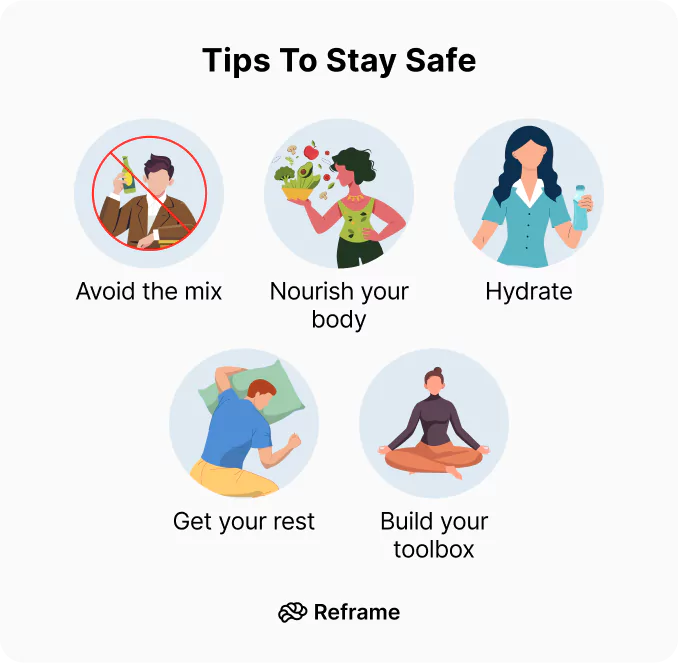
Finally, here are some tips to stay safe on Vyvanse,
Avoid the mix. Take a break from alcohol while you’re on Vyvanse — it’s not worth the risk!
Nourish your body. Even if you don’t feel as hungry as usual, make sure to fuel your body with enough proteins, whole grains, healthy fats, fruits, and vegetables. Your brain (as well as the rest of your body) needs the right nutrients to function at its best.
Hydrate. Water is just as important — keep a water bottle around throughout the day and add some electrolyte powder mix if you don’t like the taste.
Get your rest. Just like food, sleep is essential — even if it seems like you need less of it on Vyvanse. Aim for at least 7-9 hours a day, and make sure your sleep environment is free of distractions.
Build your toolbox. While medications like Vyvanse can work as long-term solutions for some peole, for others they cannot. In that case, it’s helpful to have on hand other reliable tools for managing ADHD. Many people find that behavioral therapy (such as CBT) can be a powerful asset, either as a stand-alone or add-on to pharmaceutical treatment. Mindfulness and meditation-based techniques can also work wonders when it comes to improving attention and focus.
With these tips, you can get the most out of your treatment while staying safe.
Know When to Call for Emergency Help
Despite our best intentions, emergencies can happen. The most significant danger of mixing Vyvanse and alcohol is that the stimulant can mask the effects of intoxication, making it easy to drink far more than intended. This combination places extreme stress on your cardiovascular system, as the stimulant speeds up your heart while the depressant tries to slow it down. It’s crucial to recognize the signs of a severe reaction. If you or someone you're with experiences chest pain, an irregular heartbeat, extreme confusion, difficulty breathing, or becomes unresponsive, call 911 immediately. Don't hesitate or try to wait it out — these symptoms indicate a medical emergency that requires urgent professional care.
Seeking Help for Co-Occurring Use
If you find yourself regularly mixing Vyvanse and alcohol despite the risks, it might be a sign to seek support. Recognizing that a change is needed is a huge first step, and you don’t have to go through it alone. When two substances are involved, it’s important to find a treatment approach that addresses both simultaneously. This ensures you get comprehensive care that covers all the bases, from physical safety to the psychological aspects of building new habits. The goal is to create a solid foundation for lasting change and well-being.
What Treatment for Polysubstance Abuse Involves
When someone is using both a stimulant like Vyvanse and a depressant like alcohol, it’s often referred to as polysubstance use. Effective treatment requires a plan that addresses both dependencies at the same time, as they can be intertwined. The process usually begins with ensuring physical safety and then moves on to building the mental and emotional skills needed for long-term recovery. This integrated approach gives you the best chance to understand the root causes of the behavior and develop healthier coping mechanisms for the future.
Medical Detox
Because mixing Vyvanse and alcohol can be so hard on the body, the first step is often a safe, medically supervised detox. This isn’t something to try at home. The combination can significantly increase health risks like high blood pressure and irregular heartbeats, and withdrawal can be complicated. In a medical setting, healthcare professionals can monitor your vital signs and manage withdrawal symptoms to keep you as safe and comfortable as possible. This process provides a secure starting point for your body to begin healing before you move on to the next phase of recovery.
Therapy and Support
Detox is just the beginning. Once your body is stable, the real work of building new habits begins. A comprehensive treatment program will include counseling and therapy to help you explore personal challenges, address any co-occurring mental health conditions, and learn new skills for recovery. Cognitive behavioral therapy (CBT) is often used to identify and change unhelpful thought patterns. This is also where building a strong support system becomes key. Connecting with others and using tools like the Reframe app can provide daily encouragement and resources to help you stay on track with your goals long after formal treatment ends.
Making an Informed Choice for Your Health
In the end, it’s all about balance and doing what’s best for your body and mind. Your doctor prescribes certain medications for a reason, so work with them to chart the best course of treatment and how to go about it. In the meantime, if you’re having trouble staying away from alcohol, Reframe is here to help!
Frequently Asked Questions
I took my Vyvanse in the morning. Is it safe to have a drink at night? This is such a common question, and it makes sense to ask. The safest and most straightforward answer is to avoid alcohol completely while you're taking Vyvanse. The medication is designed to work for a long time, often up to 14 hours. If you do decide to drink, the general advice is to wait at least 24 hours after your dose. This gives the medication time to clear your system, reducing the risk of a dangerous interaction.
What if I only have one drink? Is that still risky? It’s tempting to think that a single drink won’t cause any harm, but it’s still a gamble. The main issue is that Vyvanse can mask the effects of alcohol, so you might not feel the impact of that one drink like you normally would. This can make it harder to stop at just one and can still put unnecessary strain on your heart. Because the interaction is so unpredictable, even a small amount of alcohol isn't worth the risk.
Will drinking alcohol make my Vyvanse less effective for my ADHD? Yes, it absolutely can. Think of it this way: you take Vyvanse to improve your focus, manage impulsivity, and regulate your attention. Alcohol does the exact opposite. It impairs judgment and focus while lowering your inhibitions. When you drink, you're essentially counteracting the benefits of your medication, making it much harder to manage the very symptoms you're trying to treat.
What are the most immediate warning signs that I'm having a bad reaction? Knowing what to look for is critical for your safety. Because this combination puts so much stress on your cardiovascular system, the most urgent signs are related to your heart. If you experience chest pain, a racing or irregular heartbeat, or severe dizziness, it's a red flag. Other serious symptoms include extreme confusion, difficulty breathing, or becoming unresponsive. These are signs of a medical emergency, and you should call 911 immediately.
Besides the physical health risks, are there other reasons to avoid this combination? Definitely. The impact on your mental well-being is a major concern. If you experience anxiety or irritability as a side effect of Vyvanse, alcohol can make those feelings much worse. It disrupts the balance of chemicals in your brain, which can lead to mood swings and "hangxiety" the next day. It also impairs your judgment, and when combined with the impulsivity that can come with ADHD, it can lead to decisions and risky behaviors you wouldn't normally engage in.
Key Takeaways
Don't trust how you feel: Vyvanse is a stimulant that can make you feel less drunk than you actually are. This "masking effect" makes it easy to drink too much, putting you at a much higher risk for alcohol poisoning and making risky decisions.
It sends your body mixed signals: Combining a stimulant with a depressant puts significant stress on your heart. The mixture can also worsen anxiety and mood swings, undermining the stability your medication is meant to provide.
When in doubt, wait it out: The safest approach is to avoid alcohol completely while taking Vyvanse. If you do choose to drink, wait at least 14-24 hours after your dose and have an open conversation with your doctor about what's right for you.
It's generally not recommended to drink alcohol while taking Vyvanse due to potential interactions and increased risk of side effects. Alcohol can amplify Vyvanse's side effects, such as dry mouth, sleep disturbances, increased heart rate, anxiety, appetite suppression, and gastrointestinal issues.
2. Why is mixing Vyvanse and alcohol dangerous?
Mixing Vyvanse, a stimulant, with alcohol, a depressant, can put extra strain on the heart, lead to cardiovascular issues, increase the risk of dependency, impair judgment and decision making, exacerbate ADHD symptoms, and result in risky behaviors.
3. How long after taking Vyvanse can I drink alcohol?
It's best to avoid alcohol completely while taking Vyvanse. However, if you choose to drink, wait at least 14 hours after taking Vyvanse, as that's approximately how long it remains active in the body. Always consult your doctor for personalized advice.
4. How does alcohol affect ADHD symptoms?
Alcohol can worsen ADHD symptoms by impairing focus, attention, and logical thinking. It can also lead to hyperfocusing on immediate stimuli while ignoring important tasks, which contradicts the goals of ADHD management.
Keep Your Focus Sharp and Drink Less With Reframe!
Although it isn’t a treatment for alcohol use disorder (AUD), the Reframe app can help you cut back on drinking gradually with the science-backed knowledge to empower you 100% of the way. Our proven program has helped millions of people around the world drink less and live more. And we want to help you get there, too!
The Reframe app equips you with the knowledge and skills you need to not only survive drinking less, but to thrive while you navigate the journey. Our daily research-backed readings teach you the neuroscience of alcohol, and our in-app Toolkit provides the resources and activities you need to navigate each challenge.
You’ll meet millions of fellow Reframers in our 24/7 Forum chat and daily Zoom check-in meetings. Receive encouragement from people worldwide who know exactly what you’re going through! You’ll also have the opportunity to connect with our licensed Reframe coaches for more personalized guidance.
Plus, we’re always introducing new features to optimize your in-app experience. We recently launched our in-app chatbot, Melody, powered by the world’s most powerful AI technology. Melody is here to help as you adjust to a life with less (or no) alcohol.
And that’s not all! Every month, we launch fun challenges, like Dry/Damp January, Mental Health May, and Outdoorsy June. You won’t want to miss out on the chance to participate alongside fellow Reframers (or solo if that’s more your thing!).
The Reframe app is free for 7 days, so you don’t have anything to lose by trying it. Are you ready to feel empowered and discover life beyond alcohol? Then download our app today!
Reframe has helped over 2 millions people to build healthier drinking habits globally
At Reframe, we do science, not stigma. We base our articles on the latest peer-reviewed research in psychology, neuroscience, and behavioral science. We follow the Reframe Content Creation Guidelines, to ensure that we share accurate and actionable information with our readers. This aids them in making informed decisions on their wellness journey. Learn more
Updated Regularly
Our articles undergo frequent updates to present the newest scientific research and changes in expert consensus in an easily understandable and implementable manner.