A team of researchers and psychologists who specialize in behavioral health and neuroscience. This group collaborates to produce insightful and evidence-based content.
Certified recovery coach specialized in helping everyone redefine their relationship with alcohol. His approach in coaching focuses on habit formation and addressing the stress in our lives.
Recognized by Fortune and Fast Company as a top innovator shaping the future of health and known for his pivotal role in helping individuals change their relationship with alcohol.
June 17, 2024
·
22
Reframe Content Team
June 17, 2024
·
22
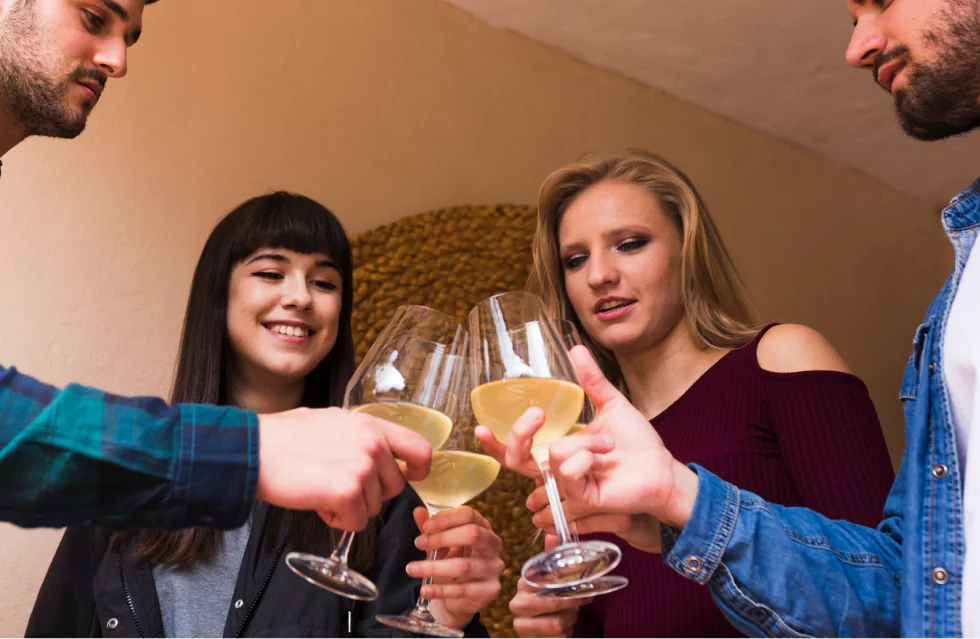
A wedding toast, a casual get-together, a festive holiday party. Social events and alcohol often feel inseparable. It’s easy to grab a drink just because everyone else is, without stopping to ask if you truly want one. But what if you could feel present and in control? Learning how to practice mindful drinking is about making conscious choices, not sacrifices. This guide gives you simple, actionable techniques to help you enjoy every sip. We'll cover everything from how to drink beer more intentionally to what are the top drinks for mindful social occasions, so you can socialize without compromising your well-being.
What is Mindful Drinking?
Mindful drinking is a practice that involves being fully present and conscious of your alcohol consumption. It is about making intentional choices about when and how much you drink, rather than falling into habitual or social patterns. By adopting mindful drinking techniques, you can develop a healthier relationship with alcohol, reduce your intake, and enhance your overall social experience.
A Deeper Look at the Practice
So, what does mindful drinking actually look like in the moment? It’s less about a strict set of rules and more about a gentle, consistent check-in with yourself. It’s about shifting from autopilot to active participation. Instead of reaching for a drink out of habit, you pause and ask yourself, “Why do I want this right now? Am I stressed, thirsty, or just following the crowd?” This simple pause is the foundation of the entire practice. It creates a space between a trigger and your response, giving you the power to make a choice that truly aligns with your goals for the evening and your overall well-being.
Paying Attention Before, During, and After
The practice can be broken down into three key phases. As psychologist Dr. Luke R. Allen explains, it involves "noticing how it tastes, smells, and feels, and also paying attention to your feelings and thoughts before, during, and after drinking." Before you take a sip, check in with your mood. During, savor the drink slowly. Notice its flavors and how your body is responding. Are you feeling more relaxed or more anxious? Afterward, reflect on the experience. Did that drink add to your enjoyment, or would you have been just as happy with a sparkling water? This continuous loop of awareness is what helps you build a more intentional relationship with alcohol.
Mindful Drinking vs. Quitting Completely
It’s important to clear up a common misconception: mindful drinking is not the same as quitting alcohol altogether. As Healthline notes, this approach is designed for people who want to cut back or change their habits, but not necessarily stop drinking completely. It’s a flexible, sustainable alternative to rigid, all-or-nothing challenges that can sometimes lead to feelings of failure. Instead of focusing on what you’re giving up, mindful drinking centers on what you’re gaining—more control, better health, and a clearer understanding of your own motivations and desires.
This approach empowers you to define your own version of a healthy relationship with alcohol. For some, that might mean enjoying one high-quality cocktail and savoring every sip. For others, it could mean alternating alcoholic drinks with non-alcoholic ones throughout the night. There's no universal right way to do it. The goal is to find a balance that feels good for you, which is why mindful drinking is such a powerful tool for long-term change. It’s about progress, not perfection, and it adapts to your life and your personal goals.
The Rise of the "Sober Curious" Movement
Mindful drinking is closely related to the growing "sober curious" movement. Both concepts encourage you to question your automatic impulses to drink. As the health organization Drinkaware puts it, the main goal is to "improve your physical and mental health by understanding and adapting your relationship with alcohol." It’s about stepping back from social pressures and cultural norms to ask whether drinking is genuinely serving you. This curiosity opens the door to exploring new ways of socializing and relaxing that don’t have to revolve around alcohol.
This shift in perspective often comes with some amazing benefits. People who practice mindful drinking frequently report better sleep, more energy, and improved mental clarity. There are financial perks, too. When you start drinking more intentionally, you naturally tend to drink less, which can lead to significant savings over time. If you’re curious about the financial impact, you can use a tool to calculate how much you could save by cutting back. Seeing the numbers can be a powerful motivator to stick with your new habits.
Challenging Cultural Norms Around Drinking
Let’s be honest: drinking is deeply embedded in our social fabric. From happy hours after work to champagne toasts at weddings, alcohol is often the default. This can create a kind of social pressure that leads to "drinking without thinking," as Healthline points out. We often don't stop to ask if a drink is something we truly want or if it will actually enhance our experience. Mindful drinking is a quiet rebellion against this autopilot behavior. It’s about reclaiming your right to choose what you consume, regardless of what everyone else is doing.
This doesn’t mean you have to become a hermit or avoid social situations. Instead, it’s about equipping yourself with the awareness to make conscious choices that feel right for you. It’s about understanding your personal limits and how alcohol truly affects your body and mind. Knowing your blood alcohol content (BAC) can provide valuable insight into how your body processes alcohol, helping you make more informed decisions. Ultimately, it’s about shifting the focus from an external expectation to an internal, personal choice that supports your health and happiness.
Why Practice Mindful Drinking?
Enhanced Awareness: Mindful drinking helps you become more aware of how alcohol affects your body and mind. This awareness can lead to more informed decisions about your drinking habits.
Improved Control: By practicing mindful drinking, you gain better control over your alcohol consumption, reducing the likelihood of overindulgence.
Healthier Social Interactions: Mindful drinking encourages you to focus on the social aspects of events rather than the alcohol, leading to more meaningful and enjoyable interactions.
Reduced Negative Consequences: By moderating your alcohol intake, you can avoid the negative physical and mental consequences of excessive drinking, such as hangovers and impaired judgment.
Know Your Motivation
Before you walk into your next social gathering, take a moment to check in with yourself. Understanding your personal "why" is the foundation of mindful drinking. What's driving your desire to be more intentional? Maybe you're tired of waking up with a hangover that ruins your Saturday. Perhaps you want to be more present and engaged in conversations with friends. Or maybe you're curious about the financial benefits and want to see how much you could save by cutting back. Your motivation could be tied to health goals, mental clarity, or simply wanting to savor the taste of a single, well-made drink instead of mindlessly consuming several. Whatever your reason, holding it clearly in your mind gives you a powerful anchor when you’re in a social setting.
Focus on the Gains, Not the Gaps
It’s easy to view drinking less as a form of deprivation, but that mindset misses the point entirely. Mindful drinking isn't about what you're losing; it's about everything you stand to gain. Think of it as an upgrade to your well-being. You’re gaining more energy for your morning workouts, deeper and more restorative sleep, and a stronger immune system. You’re gaining the confidence that comes from being in control of your choices and the clarity to have more meaningful social interactions. By shifting your focus from the absence of alcohol to the presence of these positive outcomes, you transform the experience from one of restriction to one of empowerment. This practice is about adding more life to your years, not just subtracting drinks from your night.
Specific Health and Wellness Benefits
The positive effects of reducing your alcohol intake ripple through your entire life, touching both your physical and mental health. On the physical side, you’re lowering your risk for long-term health issues like high blood pressure and liver disease. In the short term, you might notice clearer skin, easier weight management, and a significant improvement in your sleep quality. Mentally, the benefits are just as compelling. Many people experience a decrease in anxiety and a more stable, uplifted mood. When you track your progress, you can see these positive changes build on each other, creating a powerful cycle of wellness that reinforces your decision to drink more mindfully and intentionally.
Understanding Alcohol's Impact on Your Health
To fully appreciate the benefits of mindful drinking, it helps to understand what you’re being mindful about in the first place. Alcohol affects everyone differently, but there are common short-term and long-term health impacts to consider. Knowing the facts can empower you to make choices that align with your wellness goals. It’s not about fear, but about awareness. When you have a clear picture of how alcohol interacts with your body, you can approach social situations with confidence and intention, making decisions that you’ll feel good about long after the event is over.
Short-Term and Long-Term Health Risks
In the short term, drinking too much can lead to familiar effects like feeling lightheaded, slurred speech, and a lack of coordination. While these might seem temporary, they are signs that alcohol is impacting your central nervous system. Over time, consistent or heavy drinking can contribute to more serious, long-term health issues. This includes potential damage to vital organs like your brain, liver, and heart. It can also lead to high blood pressure and an increased risk for certain types of cancer. Recognizing these risks is a key step in building a more intentional relationship with alcohol and prioritizing your long-term health.
Official Low-Risk Drinking Guidelines
It can be helpful to have a benchmark when evaluating your own habits. Health organizations provide guidelines to help people understand what is considered lower-risk consumption. For example, the Centers for Disease Control and Prevention (CDC) suggests that to keep health risks low, men should have no more than two drinks a day, and women should have no more than one. It’s important to remember that these are not targets to aim for, but upper limits for reducing potential harm. Understanding how alcohol affects your body can help you personalize these guidelines to fit your own wellness journey and make choices that feel right for you.
Recent Trends in Alcohol Consumption
Culturally, we’re seeing a shift in drinking patterns. Studies show that Americans are generally drinking more than in the past, and episodes of binge drinking—defined as having four or five drinks within two hours—are also becoming more common. In response to this, a growing number of people are exploring more conscious approaches to alcohol. The rise of mindful drinking is a direct pushback against the pressure to overindulge. It represents a collective desire to build healthier drinking habits and find a balance that supports both social enjoyment and personal well-being, proving you don’t have to choose between the two.
How to Practice Mindful Drinking at Social Events
1. Set Your Intention Before You Go
Before attending a social event, set clear intentions about your alcohol consumption. Decide in advance how many drinks you will have and stick to that limit. Having a plan helps you stay in control and prevents impulsive drinking.
2. Order Your Drink First
When you arrive with a group, it’s easy to fall into a pattern and just order what everyone else is having. A simple way to stay on track with your goals is to be the first one to the bar or the first to speak up when the server arrives. Ordering your non-alcoholic drink or water first is a proactive move that sets the tone for your evening. This small action helps you avoid the passive decision-making that can happen in social settings. You’re not just avoiding peer pressure; you’re taking charge of your choices. This proactive approach not only reinforces your own intentions but can also subtly encourage others to think about their own drink choices without you having to say a word.
3. Practice Saying "No" Gracefully
The thought of turning down a drink can sometimes feel more stressful than it needs to be. Having a few simple, polite responses ready can make all the difference. You don’t owe anyone a lengthy explanation for your choices. A simple, “No thanks, I’m good for now,” or “I’m sticking with water tonight” is perfectly fine. The key is to feel confident in your decision. Remember, choosing not to drink is your call, and you don’t need to make excuses. Practicing these phrases beforehand can help them feel more natural in the moment, allowing you to feel more in control and less focused on what others might be thinking. It’s about honoring your well-being, one graceful "no" at a time.
2. Opt for Quality Over Quantity
When you do choose to drink, opt for high-quality beverages that you genuinely enjoy. Savor each sip and appreciate the flavors and aromas. This approach encourages you to drink more slowly and mindfully.
3. Alternate with a Non-Alcoholic Choice
To pace yourself, alternate alcoholic drinks with non-alcoholic alternatives. This not only reduces your overall alcohol intake but also keeps you hydrated. Try refreshing options like sparkling water with a splash of fruit juice, herbal teas, or mocktails.
4. Slow Down and Enjoy Every Sip
Instead of gulping down your drink, practice mindful sipping. Take small sips and savor the taste. Pay attention to the sensations in your mouth and the way the drink makes you feel. This technique helps you stay present and enjoy the experience without overindulging.
The 20-Minute Rule
One of the most practical mindful drinking techniques is the "20-Minute Rule." The idea is simple: after you finish a drink, wait a full 20 minutes before deciding if you want another one. This pause is crucial because it gives your brain and body time to catch up. Alcohol doesn't hit you instantly; it takes a while to feel the full effects and for your Blood Alcohol Content (BAC) to rise. That 20-minute window allows you to accurately assess how you're feeling, rather than ordering another drink based on an impulse. By building in this intentional delay, you can break the cycle of automatic refilling and make a more conscious choice. You might find that you were perfectly happy without another drink after all. This simple habit helps you stay in control, reduce your overall consumption, and truly tune into your body's signals during a social event.
5. Focus on the Conversation, Not the Drink
Shift your focus from drinking to engaging in meaningful conversations with others. Social events are an opportunity to connect with friends and family, so make the most of it. By staying engaged in conversations, you are less likely to drink out of boredom or habit.
Be Present and Put Your Phone Away
One of the most powerful things you can do at a social event is to tuck your phone away in your bag or pocket. This simple act helps you stay present and fully engage with your surroundings. When you aren't distracted by notifications, you can tune into the conversations and connect more genuinely with the people you're with. It also gives you a moment to check in with yourself. Notice your thoughts and feelings. Are you reaching for your drink because you're feeling anxious, or are you truly enjoying the taste and the company? This level of awareness is a cornerstone of mindful drinking, as it shifts your focus from a screen to the actual experience, allowing you to make more conscious and intentional choices about your consumption.
6. Find a Go-To Non-Alcoholic Ritual
Develop a non-alcoholic ritual that you can enjoy at social events. For example, you can create a signature mocktail or enjoy a special herbal tea. Having a go-to non-alcoholic option can make it easier to resist the temptation to drink alcohol.
7. Identify Your Personal Drinking Triggers
Identify the situations or emotions that trigger your desire to drink. Understanding your triggers can help you develop strategies to cope with them without resorting to alcohol. For instance, if you tend to drink when feeling anxious, practice deep breathing or mindfulness meditation to calm your nerves.
8. Have an Exit Strategy Ready
If you find yourself in a situation where you are tempted to drink more than planned, have an escape route. It could be as simple as stepping outside for some fresh air or leaving the event early. Having a plan in place can help you stay in control.
9. Be Flexible and Kind to Yourself
While it's important to have a plan, it's also essential to allow for flexibility. If you slip up and have more drinks than intended, don't be too hard on yourself. Acknowledge the slip-up, learn from it, and move forward with renewed commitment.
10. Reflect on How You Feel Afterwards
After the event, take some time to reflect on your experience. Consider how you felt, what worked well, and what you could improve next time. This reflection can help you continuously refine your mindful drinking practice.
By incorporating these mindful drinking techniques into your social events, you can enjoy the moment, connect with others, and maintain a healthier relationship with alcohol. Remember, the goal is not to eliminate alcohol completely but to consume it in a way that aligns with your values and well-being. Cheers to mindful drinking!
How to Practice Mindful Drinking at Home
While social events present their own unique challenges, our habits are often most deeply ingrained in our home environment. This is where we unwind after a long day, and for many, that routine involves pouring a drink. Practicing mindful drinking at home isn’t about restriction; it’s about creating a space that supports your wellness goals. It involves consciously shaping your surroundings and routines to encourage more intentional choices. By making small, deliberate changes to your home life, you can transform mindless habits into mindful moments, giving you greater control over why, when, and how much you drink in the comfort of your own space.
Adjust Your Home Environment
Your environment plays a huge role in shaping your behavior. If alcohol is front and center in your kitchen, it’s easy to reach for it without a second thought. A simple but effective step is to rearrange your space. Consider moving alcoholic beverages to a less visible spot, like a high cabinet or the back of the pantry. Instead, stock your fridge with enticing non-alcoholic options like flavored sparkling water, kombucha, or herbal iced teas. The goal is to make the mindful choice the easy choice. This shift helps you break the automatic connection between being home and having a drink, allowing you to change habits from reactive to intentional.
Use Smaller Glasses
It might sound overly simple, but the size of your glass can significantly influence how much you pour and drink. We often fill our glass to a certain level regardless of its actual volume. By switching to smaller glassware, you can naturally reduce your portion sizes without feeling deprived. A smaller glass filled to the brim can feel just as satisfying as a larger one that’s half-empty. This psychological trick helps you slow down your consumption and become more aware of the quantity you’re drinking over an evening. It’s a practical, easy-to-implement technique for better portion control that supports your mindful drinking goals.
Other Powerful Mindful Drinking Techniques
Beyond adjusting your physical environment, you can strengthen your mindful drinking practice by incorporating powerful mental and behavioral strategies. These techniques help you dig deeper into your relationship with alcohol, understand your motivations, and build resilience. They shift the focus from simply managing your intake to cultivating a more holistic sense of well-being. By integrating practices like planned breaks and gratitude, you create a positive feedback loop that reinforces your commitment and makes mindfulness a more natural part of your daily life, extending far beyond just your drinking habits.
Take a Planned Break from Alcohol
Sometimes, the best way to reset your habits is to take a step back completely. Committing to a planned break from alcohol—whether it’s for a week, a month, or longer—can do wonders for your perspective. Challenges like Dry January or Sober October are popular for a reason; they provide a structured timeframe to help you observe your cravings and patterns without the influence of alcohol. This period of abstinence can help reset your tolerance and reduce cravings, but more importantly, it gives you the mental clarity to assess how drinking truly affects your mood, sleep, and overall health. You might discover benefits you never expected.
Incorporate a Gratitude Practice
Mindfulness is all about being present and aware, and a gratitude practice is a perfect way to cultivate that mindset. Many people drink to cope with stress or negative thoughts, but gratitude helps rewire your brain to focus on the positive. Try spending a few minutes each day writing down three things you’re thankful for. This simple act can shift your focus away from what’s lacking and toward the abundance already in your life. Over time, this practice can help you build emotional resilience, making you less likely to turn to alcohol as a crutch and better equipped to handle challenges with a clear and appreciative mind.
Where to Find Additional Support
Embarking on a mindful drinking journey is a personal process, but that doesn’t mean you have to do it alone. Reaching out for support is a sign of strength and can provide you with the tools, community, and guidance needed to succeed. Whether you prefer a digital app, a national helpline, or a local support group, there are numerous resources available to help you navigate your path. Finding the right support system can make a significant difference, offering encouragement on tough days and celebrating your progress along the way.
Reframe: A Tool for Mindful Drinking
If you’re looking for a structured and supportive way to change your habits, an app like Reframe can be an incredible ally. Built on a foundation of neuroscience, Reframe is designed to help you understand the “why” behind your drinking. It’s more than just a drink tracker; it’s a comprehensive toolkit that offers daily readings, progress tracking, and access to a supportive community of peers and coaches. The program helps you become more aware of your actions and feelings around alcohol, which is the very essence of mindful drinking. It empowers you to build healthier coping mechanisms and make lasting changes that align with your well-being.
National Helplines and Support Groups
If you feel that your drinking is a significant concern, or if you just need someone to talk to, professional and peer support is readily available. Don’t hesitate to speak with your doctor about your goals and concerns. Additionally, confidential resources are just a phone call away. The SAMHSA National Helpline at 1-800-662-HELP (4357) offers free, 24/7 treatment referral and information. Peer support groups like Alcoholics Anonymous (AA) also provide a community-based network for people to share their experiences and support one another in their journey toward a healthier relationship with alcohol.
Frequently Asked Questions
Does mindful drinking mean I have to stop drinking alcohol completely? Not at all. Mindful drinking is about changing your relationship with alcohol, not necessarily ending it. The focus is on making conscious, intentional choices rather than drinking out of habit or social pressure. It’s a flexible approach for anyone who wants to cut back and feel more in control, allowing you to define what a healthy balance looks like for you.
I want to try this, but where’s the best place to start? A great first step is to set an intention before you go to a social event. Take just a minute to ask yourself what you want from the evening and decide on a drink limit that feels right for you. Having a clear plan in your mind before you walk in the door gives you a powerful anchor and makes it much easier to stick to your goals.
How can I say no to a drink at a party without making things weird? The key is to be simple, polite, and confident. You don’t owe anyone a detailed explanation. A straightforward, “No thanks, I’m good for now,” or “I’m sticking with sparkling water tonight” is usually all you need. Having a few go-to phrases ready can help you feel more prepared and less awkward in the moment.
What if I slip up and drink more than I planned? This journey is about progress, not perfection, so it’s important to be kind to yourself. If you have more than you intended, don’t view it as a failure. Instead, see it as a learning experience. Acknowledge what happened, reflect on what might have triggered it, and simply recommit to your goals for the next time.
Is mindful drinking just for social events, or can I practice it at home too? Mindful drinking is a practice for every part of your life, especially at home where many of our habits are formed. You can start by making small changes to your environment, like moving alcohol out of sight or using smaller glasses to help with portion control. Applying these techniques at home helps build a foundation for making more conscious choices everywhere.
Key Takeaways
Focus on intention, not deprivation: Mindful drinking is about shifting from automatic habits to conscious choices. Before you drink, pause and ask yourself why you want one to ensure the choice aligns with your well-being goals.
Create a simple social game plan: Decide on your drink limit before you go out. Tactics like alternating with water, waiting 20 minutes between drinks, and ordering first help you stay in control and focus on the conversation.
Build a supportive environment for yourself: Make mindful choices easier by stocking your home with great non-alcoholic options and using smaller glasses. Remember that tools and communities like the Reframe app can offer guidance on your journey.
Although it isn’t a treatment for alcohol use disorder (AUD), the Reframe app can help you cut back on drinking gradually with the science-backed knowledge to empower you 100% of the way. Our proven program has helped millions of people around the world drink less and live more. And we want to help you get there, too!
The Reframe app equips you with the knowledge and skills you need to not only survive drinking less, but to thrive while you navigate the journey. Our daily research-backed readings teach you the neuroscience of alcohol, and our in-app Toolkit provides the resources and activities you need to navigate each challenge.
You’ll meet millions of fellow Reframers in our 24/7 Forum chat and daily Zoom check-in meetings. Receive encouragement from people worldwide who know exactly what you’re going through! You’ll also have the opportunity to connect with our licensed Reframe coaches for more personalized guidance.
Plus, we’re always introducing new features to optimize your in-app experience. We recently launched our in-app chatbot, Melody, powered by the world’s most powerful AI technology. Melody is here to help as you adjust to a life with less (or no) alcohol.
And that’s not all! Every month, we launch fun challenges, like Dry/Damp January, Mental Health May, and Outdoorsy June. You won’t want to miss out on the chance to participate alongside fellow Reframers (or solo if that’s more your thing!).
The Reframe app is free for 7 days, so you don’t have anything to lose by trying it. Are you ready to feel empowered and discover life beyond alcohol? Then download our app today!
Reframe has helped over 2 millions people to build healthier drinking habits globally
At Reframe, we do science, not stigma. We base our articles on the latest peer-reviewed research in psychology, neuroscience, and behavioral science. We follow the Reframe Content Creation Guidelines, to ensure that we share accurate and actionable information with our readers. This aids them in making informed decisions on their wellness journey. Learn more
Updated Regularly
Our articles undergo frequent updates to present the newest scientific research and changes in expert consensus in an easily understandable and implementable manner.




.jpg)


