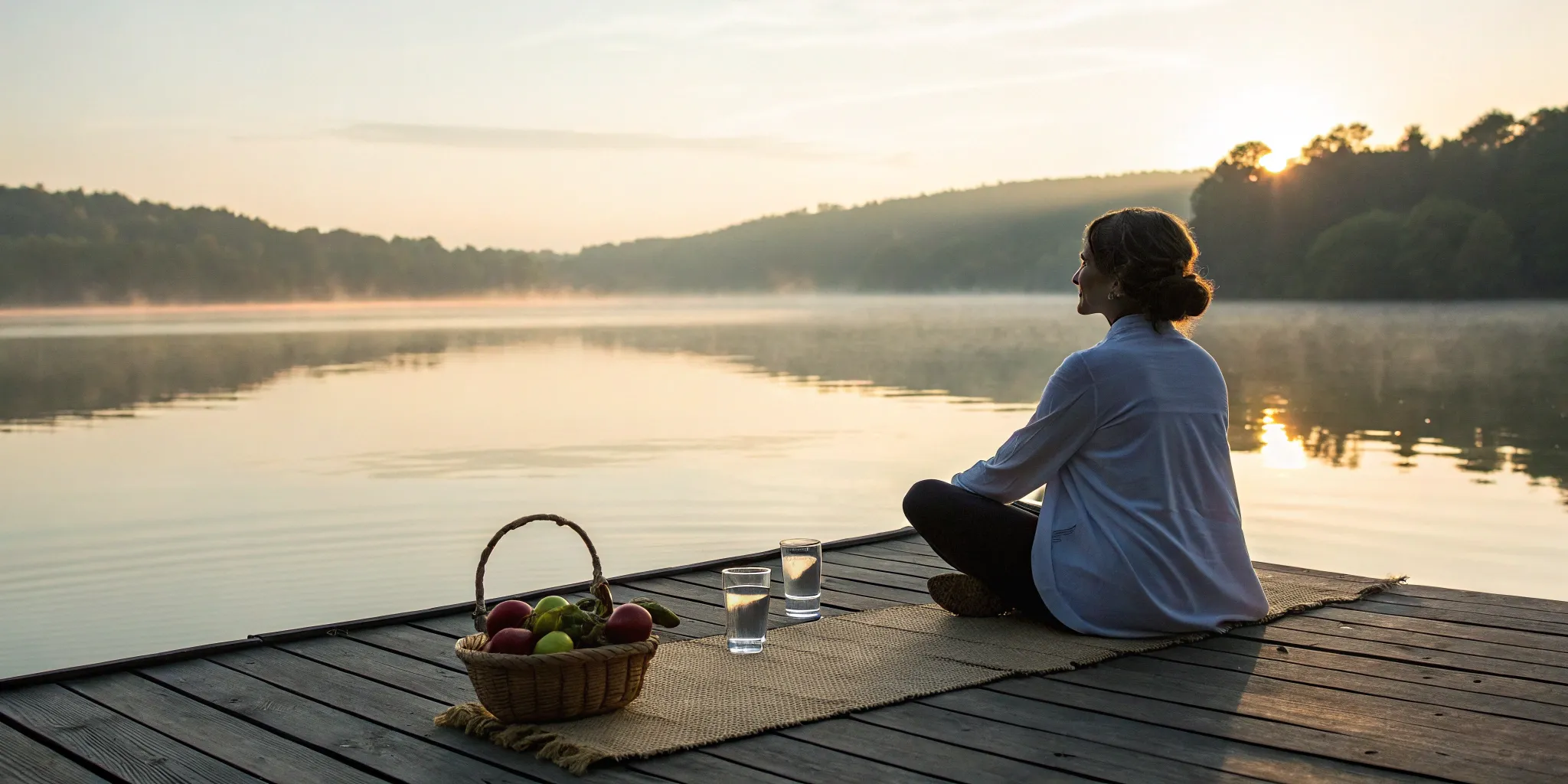
Have you ever had that quiet thought on a Sunday morning? The one that wonders if life could feel a little better, a little clearer, without the haze of last night’s drinks. You’re not alone. More and more people are exploring what it means to change their relationship with alcohol, and they’re discovering it’s not as daunting as it seems. This isn’t about hitting rock bottom; it’s about wanting to reach a higher potential. An alcohol-free lifestyle is a personal journey toward better health, sharper focus, and deeper connections. Ahead, we’ll walk through the practical steps to get started, from navigating social events to finding new ways to unwind.
Key Takeaways
- Define what an alcohol-free life means for you: Success isn't about following strict rules. It's about understanding your personal "why" and setting realistic goals, whether that means drinking more mindfully or not at all.
- Create a plan for challenging moments: Instead of relying on willpower, have a strategy for social events, cravings, and stress. This includes deciding what you'll drink, having an exit plan, and finding healthy coping mechanisms.
- Fill the space with things you love: An alcohol-free lifestyle is an opportunity to rediscover your interests and redirect your resources. Use the time, energy, and money you save to invest in new hobbies, experiences, and goals that genuinely fulfill you.
What Does an Alcohol-Free Lifestyle Look Like?
If you’re picturing a life of missing out, it’s time for a reframe. Choosing to live with less or no alcohol isn’t about deprivation; it’s about gaining more. An alcohol-free lifestyle can lead to better physical health, sharper mental clarity, and more stable emotions. It’s about being more present in your own life and discovering a deeper sense of well-being. This lifestyle looks different for everyone. For some, it’s waking up on a Saturday morning feeling refreshed and ready for a hike. For others, it’s having more patience with their kids or feeling more connected in their relationships. It’s about reclaiming your time, money, and energy for the things that truly matter to you. It’s not a one-size-fits-all plan but a personal journey toward a life that feels more authentic and fulfilling.
Finding Your "Why" for Going Alcohol-Free
Before you change what you do, it helps to understand why you’re doing it. Your personal motivations are the foundation of your commitment. For many, the reasons are tied to health—things like wanting more energy, better sleep, or a stronger immune system. Reducing your alcohol intake can lower your risk for serious health issues like cancer and liver disease. For others, the motivation is about improving relationships or saving money. Take a moment to think about what you hope to gain. Writing down your "why" can be a powerful anchor when you need a reminder of what you’re working toward.
It's Not All or Nothing: Different Paths to an Alcohol-Free Life
There’s no single right way to change your relationship with alcohol. Your journey is unique, and the goal is to find a path that feels right for you. For some, that might mean complete abstinence. For others, it could be a more flexible approach centered on mindful drinking, where you simply reduce your overall consumption. Social situations can feel tricky at first, but they get much easier with a bit of planning and practice. The key is to find a sustainable approach that aligns with your goals, not to force yourself into a box that doesn’t fit.
The Health Perks of an Alcohol-Free Lifestyle
When you decide to reduce or remove alcohol from your life, you’re giving your body and mind an incredible gift. The positive changes often start much sooner than you might expect, creating a ripple effect that touches every part of your well-being. It’s not just about what you’re giving up; it’s about what you’re gaining: more energy, clearer thoughts, and a deeper connection to yourself. Let’s look at some of the amazing ways your health can improve.
How Your Body Heals and Thrives
From the moment you stop drinking, your body gets to work on healing itself. One of the first organs to benefit is your liver, which starts to repair the damage caused by processing alcohol. Over time, this reduces your risk for serious conditions like fatty liver disease. But the benefits don’t stop there. Your heart health also improves as your blood pressure may lower, and your risk for heart disease and stroke decreases. You might also notice better sleep, healthier-looking skin, and a more stable weight. It’s a powerful reminder that your body begins to heal and show its gratitude almost immediately.
A Clearer Mind and Brighter Mood
Alcohol is a depressant, and it can have a significant impact on your mental state. By cutting back, you give your brain a chance to rebalance its chemistry, which often leads to a more stable and positive mood. Many people report that the persistent “brain fog” they didn’t even realize they had begins to lift, making way for sharper focus, better memory, and clearer decision-making. You may also experience a noticeable reduction in anxiety. Without alcohol affecting your emotional regulation, you can find yourself feeling calmer, more resilient, and better equipped to handle life’s ups and downs with a more balanced mood.
Lasting Benefits for Your Future Self
Choosing an alcohol-free lifestyle is an investment in your long-term health. The benefits you feel today compound over time, creating a healthier future. For instance, your risk for several types of cancer drops significantly the longer you go without alcohol. Beyond the internal changes, you’re setting yourself up for a life with more presence and intention. By practicing mindful drinking, you learn new ways to cope with stress, celebrate milestones, and connect with others that don’t rely on a substance. This shift empowers you to build a foundation of well-being that will support you for years to come, giving you more time, energy, and resources to dedicate to what truly matters.
What to Expect When You Go Alcohol-Free
Changing your relationship with alcohol is a journey. As you drink less, you’ll notice shifts in your body, mind, and social life. Some changes are great from day one (goodbye, hangovers!), while others take getting used to. Knowing what’s ahead can help you feel prepared and confident as you move forward. Here are some common experiences you can expect and how to handle them.
Handling Social Pressure
Social events can feel tricky when you’re not drinking. Suddenly, you notice how much our culture centers around alcohol. The key is to go in with a plan. You don’t owe anyone a lengthy explanation; a simple, “No thanks, I’m good,” is enough. If you prefer, you can say, “I’m taking a break from drinking.” Learning how to set personal boundaries is a powerful way to take control. Your true friends will respect your decision. Focus on connecting with people, not on what’s in your cup.
Working Through Cravings
Cravings are a completely normal part of this process as your brain rewires itself. When an urge hits, don’t panic. First, simply notice it without judgment—these feelings are temporary and will pass. It helps to have a few go-to strategies ready. You could try "urge surfing," a core part of mindful drinking where you ride the craving like a wave until it subsides. Or, distract yourself with something you enjoy, like putting on a great playlist or going for a quick walk. A tasty non-alcoholic drink can also satisfy the ritual of sipping on something.
Redefining Your Routine and Identity
Drinking can become woven into our daily routines and even our sense of self. Taking alcohol out of the equation is an opportunity to rediscover who you are without it. Start by swapping old habits for new ones. Instead of that 5 p.m. drink, try a 15-minute yoga session or listen to a podcast. Fill your time with hobbies that don’t revolve around alcohol, like joining a hiking group or picking up a paintbrush. You can even track your progress to see how much you're saving, which reinforces this positive new identity. It’s about making space for a more authentic you.
How to Successfully Go Alcohol-Free
Making a change to your relationship with alcohol is a big step, and it’s completely normal to wonder where to even begin. The good news is that you don’t need a grand, complicated plan. Success often comes from a few simple, consistent strategies that you can build on over time. It’s less about willpower and more about having the right tools in your corner.
Think of it as creating a personal roadmap. The journey is yours, but there are proven signposts that can guide you. We’ll focus on three key areas that make a huge difference: setting clear and realistic goals, building new routines that you actually enjoy, and challenging the unhelpful stories you might be telling yourself about alcohol. By breaking it down this way, you can create a sustainable path forward that feels empowering, not restrictive. This isn’t about taking something away; it’s about adding more clarity, health, and joy to your life.
Set Goals You Can Actually Stick To
If the idea of quitting alcohol cold turkey feels overwhelming, don’t worry—that’s not your only option. The most effective approach is one you can maintain. As experts at Columbia Psychiatry note, "Setting realistic and achievable goals, such as defining a number of drinks per week or committing to alcohol-free days, provides a measurable framework for success."
Start small. Maybe your goal is to have three alcohol-free days this week. Or perhaps you want to try a “dry month” to reset. The practice of mindful drinking is also a great starting point, focusing on awareness and intention rather than strict rules. Whatever you choose, make it specific and measurable. This way, you can track your progress and celebrate your wins along the way, building momentum for the long haul.
Build New, Healthy Habits
Often, drinking is less about the alcohol itself and more about the routine it’s attached to. That post-work glass of wine might be your signal to unwind, or weekend beers might be your way to connect with friends. To build a new lifestyle, you need to create new rituals to fill those gaps. It’s helpful to explore hobbies and interests that don't center around alcohol.
Instead of heading straight for the wine fridge after work, could you go for a walk, listen to a podcast, or make a cup of herbal tea? Instead of meeting friends at a bar, could you suggest a coffee date, a hike, or a trip to a museum? By consciously creating new, healthy habits, you’re not just avoiding alcohol—you’re actively building a richer, more fulfilling life.
Challenge Negative Self-Talk
One of the biggest hurdles to going alcohol-free is the fear that your life will become boring. There’s a common misconception that a sober lifestyle means a “dull and uneventful existence.” It’s time to challenge that narrative. The idea that you can’t have fun without drinking is one of the most persistent myths about sobriety.
When you catch yourself thinking, “This party won’t be fun without a drink,” pause and question it. Is it really the alcohol that makes an event enjoyable, or is it the company, the music, and the atmosphere? Try reframing your thoughts from a place of empowerment. Instead of “I can’t drink,” think, “I’m choosing to wake up with a clear head tomorrow.” This small mental shift changes the focus from deprivation to positive choice.
How to Socialize Without Alcohol
One of the biggest questions that comes up when you change your relationship with alcohol is, "But what about my social life?" It’s a valid concern. So many of our gatherings, from happy hours and holiday parties to casual weekend barbecues, seem to center around drinking. It can feel like you have to choose between your social connections and your personal goals. But here’s the truth: socializing without alcohol isn’t about missing out. It’s about showing up for your life, and for your friends, in a new, more present way. It’s an opportunity to build deeper connections that aren’t just based on a shared activity, but on genuine conversation and shared experiences.
Navigating these situations just takes a little planning to feel confident and comfortable. It’s about shifting your mindset from what you’re “giving up” to what you’re gaining—clearer memories, more meaningful chats, and waking up feeling great. With the right strategies in your back pocket, you can not only survive any social event but actually enjoy it more than you did before. This isn't about hiding or avoiding your life; it's about creating a social life that truly supports your well-being.
Your Game Plan for Parties and Events
Walking into a party can feel like a test when you’re not drinking. The best way to pass with flying colors is to have a plan before you even walk out the door. Think of it as your social game plan. Start by knowing your own limits. If you’re feeling tired or stressed, maybe a huge party isn’t the best idea. It’s okay to politely decline or decide to just stop by for a little while.
Having an exit strategy is also a great tool. Drive yourself so you can leave whenever you want, or have a friend you can text when you’re ready to go. You can also try arriving a little later and leaving a bit earlier to miss the peak drinking times. The goal is to put yourself in a position where you feel in control of the situation, not the other way around. This preparation helps you focus on the real reason you’re there: to connect with people.
Set Boundaries With Friends and Family
Setting boundaries is an act of self-respect, and it’s essential when you’re changing your drinking habits. Your friends and family might be used to you drinking with them, and your new choice could bring up questions. Remember, you don’t owe anyone a detailed explanation. A simple, "No thanks, I'm not drinking tonight," is a complete sentence. If someone pushes, you can have a brief follow-up ready, like "I'm taking a break for my health" or "I just feel better when I don't."
It’s also helpful to let your close friends know how they can support you. You could say, "I'd really appreciate it if we could hang out somewhere that doesn't revolve around drinking next time." True friends will respect your decision. This journey is about practicing mindful drinking and making intentional choices that align with your well-being, and the people who care about you will want to support that.
What to Drink and What to Say
Having something in your hand can make you feel more comfortable in a social setting. Before you go out, decide on your go-to non-alcoholic drink. It could be a club soda with lime, a fun mocktail, or an iced tea. This simple step prevents that awkward moment when someone asks what you want to drink and you’re not sure what to say. Many bars and restaurants now have fantastic non-alcoholic options, so don't be afraid to ask.
As for what to say, keep it simple and direct. Most people are not as focused on your beverage choice as you think. If you’re asked why you’re not drinking, you can deflect with humor or change the subject. You can also suggest activities that don't center on alcohol, like going for a hike, trying a new coffee shop, or checking out a local market. Shifting the focus of your social life can open up a whole new world of connection and fun.
Find the Right Support for Your Journey
Changing your relationship with alcohol is a personal journey, but it’s not one you have to walk alone. In fact, building a strong support system is one of the most effective things you can do for yourself. Having people and resources to lean on can make all the difference when you’re handling challenges and celebrating milestones. Support can look like a vibrant online community, a trusted medical professional, or a close friend who’s got your back. Let’s explore how you can find the right mix of support for you.
Find Your People: Online Groups and Tools
Connecting with others who get what you’re going through is incredibly powerful. It reminds you that you aren’t the only one rethinking your habits. Look for online communities or local groups that host alcohol-free events and activities. These spaces offer a chance to build new friendships centered on shared interests, not just drinking. Apps like Reframe provide access to a built-in community where you can share experiences, ask for advice, and cheer each other on in a private, judgment-free zone. Finding your people makes the journey feel less isolating and a lot more fun.
When to Consider Professional Support
While community support is amazing, sometimes you need a different kind of help. If you’ve been drinking heavily for a long time, it’s important to talk with a professional before making a big change. Quitting suddenly can be dangerous, and a medical professional can help you create a plan to reduce your intake safely. A doctor or therapist can provide guidance, help you understand the root of your habits, and offer tools to manage withdrawal symptoms or underlying health concerns. Don’t hesitate to seek professional help; it’s a sign of strength, not weakness.
The Power of an Accountability Partner
An accountability partner is someone you trust to check in with you on your journey. This could be a close friend, a family member, or someone you met in a support group. The key is to choose someone who is supportive and non-judgmental. You can be honest with them about your goals, your struggles, and your wins. This person can be your go-to for a quick pep talk before a tricky social event or someone to celebrate a milestone with. Having one person who truly understands your "why" can help you stay on track when your motivation dips.
Make Your Alcohol-Free Lifestyle Stick
Changing your relationship with alcohol is a huge accomplishment. The next step is making sure these positive changes become a permanent part of your life. This is where you move from simply not drinking to building a vibrant, fulfilling lifestyle that doesn't revolve around alcohol. It’s about creating new routines, finding healthier ways to cope with life’s ups and downs, and celebrating how far you’ve come. This phase is less about restriction and more about expansion—adding new sources of joy and connection to your world.
Making your new habits stick requires intention. It means consciously replacing old patterns with new ones that serve you better. Think of it as an opportunity to reconnect with yourself and discover what truly brings you joy and peace. Instead of focusing on what you’re giving up, you can shift your attention to all the new experiences you’re gaining. By exploring new hobbies, learning to manage stress without a drink, and acknowledging your progress, you create a strong foundation for lasting change. This isn't about willpower alone; it's about building a life you genuinely love, one that supports your well-being from the inside out.
Discover New Hobbies and Fun Activities
When alcohol is no longer part of your routine, you might find you have more free time and energy than you expected. This is the perfect chance to fill that space with activities that genuinely light you up. What have you always wanted to try? Maybe it’s a pottery class, a hiking club, or learning a new language. Exploring new hobbies helps you create social connections and find joy in activities that don’t center on drinking.
Start by making a list of things that spark your curiosity. It doesn’t have to be a grand, life-altering pursuit. Even small things, like visiting a new coffee shop or picking up a book, can help you build a new routine. This journey is a great opportunity to practice mindful drinking and living by being more intentional with how you spend your time.
Manage Stress Without a Drink
For many of us, reaching for a drink is a default response to a stressful day. Learning new ways to manage stress is crucial for making your alcohol-free lifestyle stick. The goal is to build a toolkit of healthy coping mechanisms you can turn to when you feel overwhelmed. This might include things like going for a run, practicing deep breathing exercises, journaling, or calling a friend to talk things through.
It’s also important to set personal boundaries to protect your peace. Learning to say "no" to plans that feel draining or situations that might trigger you is a powerful form of self-care. It allows you to stay in control and confident in your choices. Finding what works for you might take some trial and error, but it’s a skill that will benefit every area of your life.
Track Your Progress and Celebrate Your Wins
Acknowledging your progress is a powerful motivator. Every day, week, and month you stick to your goals is a victory worth celebrating. This journey is transformative, and recognizing your milestones reinforces the positive changes you’re making. Don’t wait for the one-year mark to feel proud of yourself. Celebrate one week, 30 days, or simply getting through a tough social event without drinking.
You can track your journey in a journal or use a tool to see your progress in real-time. The Sober Days Counting and Cost Savings Calculator can show you tangible results, like how much money you’ve saved and how many alcohol-free days you’ve accumulated. These small celebrations build momentum and remind you that you’re capable of creating lasting, positive change in your life.
The Financial Upside of an Alcohol-Free Life
When we talk about cutting back on alcohol, the conversation usually centers on health—better sleep, clearer skin, and more energy. And while those benefits are incredible, there’s another major perk that often gets overlooked: the positive impact on your wallet. Taking a break from drinking isn't just an investment in your well-being; it's a direct path to financial freedom and a great way to fund the life you really want.
Think about it. The money you spend on drinks, whether at a bar or from the store, adds up quickly. But the costs don't stop there. There are also the related expenses, like pricey cocktails at dinner, late-night food orders, and rideshares home. These can easily double the cost of a night out. When you step back from drinking, you’re not just saving money; you’re reclaiming resources. You get to decide where that money goes, putting it toward things that truly add value and joy to your life. It’s a powerful shift that can help you reach your financial goals faster than you ever thought possible, all while feeling your best.
See How Much You Can Save
The actual cost of drinking can be a real eye-opener. The average American spends around $1,500 a year on alcohol, and for many, that number is much higher. If you’re curious about your own spending, using an alcohol spend calculator can give you a personalized look at how much you could save. It’s often more than just the price of a six-pack or a bottle of wine.
Consider the ripple effect of a night out: the cover charge at the bar, the expensive appetizers you wouldn't have ordered otherwise, and the cab ride home. These "hidden" costs can easily double or triple what you intended to spend. Over time, you also reduce the risk of long-term expenses, like potential medical bills. Every dollar you don't spend on alcohol is a dollar you can put toward your future.
Put Your Money Toward What Matters
Once you start seeing that extra cash in your bank account, the fun part begins: deciding what to do with it. This is your opportunity to invest in yourself and the life you want to build. That money could become your travel fund for a dream vacation, seed money for a new hobby you’ve always wanted to try, or a healthy addition to your savings account. It’s about redirecting your resources toward experiences and goals that bring you genuine fulfillment.
This shift is a core part of mindful drinking—making intentional choices that align with your values. Instead of spending impulsively on another round, you can consciously put that money toward a pottery class, a weekend getaway, or paying down debt. This newfound financial flexibility doesn't just reduce stress; it empowers you to create a richer, more meaningful life on your own terms.
Related Articles
Frequently Asked Questions
Do I have to quit alcohol completely to see benefits? Not at all. This journey is about finding what works for you, and it doesn't have to be an all-or-nothing decision. Many people find that simply reducing their intake through mindful drinking leads to significant improvements in their health and well-being. Even cutting back by a few drinks a week can result in better sleep, more energy, and a clearer mind. The goal is progress, not perfection.
How soon will I start to feel better after cutting back on alcohol? You might be surprised by how quickly your body responds. Some of the first benefits, like waking up without a hangover and enjoying more restful sleep, can happen within the first few days. Over the next few weeks, you may notice your skin looking brighter, your mood feeling more stable, and your thoughts becoming clearer. Every person is different, but the positive changes often begin much sooner than you’d expect.
What should I do if I have a drink after deciding not to? First, be kind to yourself. Changing a habit is a process, and having a drink doesn't erase all the progress you've made. Instead of viewing it as a failure, treat it as a learning opportunity. Ask yourself what led to that moment without judgment. Then, simply get back to your plan tomorrow. One drink doesn't define your journey or your commitment to your well-being.
Will I lose my friends if I stop drinking? This is a common fear, but you'll likely find that your true friendships are built on much more than just sharing a drink. It can feel awkward at first, but being direct and confident in your choice sets the tone. You might even inspire others. This is also a great chance to suggest new activities that don't revolve around alcohol, helping you connect with your friends in different and more meaningful ways.
What's the best way to deal with cravings when they pop up? Cravings are a normal part of the process, and having a plan makes them much easier to handle. When a craving hits, try to pause and notice the feeling without acting on it immediately—it will pass. It helps to have a go-to non-alcoholic drink you enjoy, like a sparkling water with lime or a flavorful tea. Distracting yourself with a quick walk, a good song, or a call to a friend can also work wonders.