A team of researchers and psychologists who specialize in behavioral health and neuroscience. This group collaborates to produce insightful and evidence-based content.
Certified recovery coach specialized in helping everyone redefine their relationship with alcohol. His approach in coaching focuses on habit formation and addressing the stress in our lives.
Recognized by Fortune and Fast Company as a top innovator shaping the future of health and known for his pivotal role in helping individuals change their relationship with alcohol.
August 21, 2024
·
11
Reframe Content Team
August 21, 2024
·
11
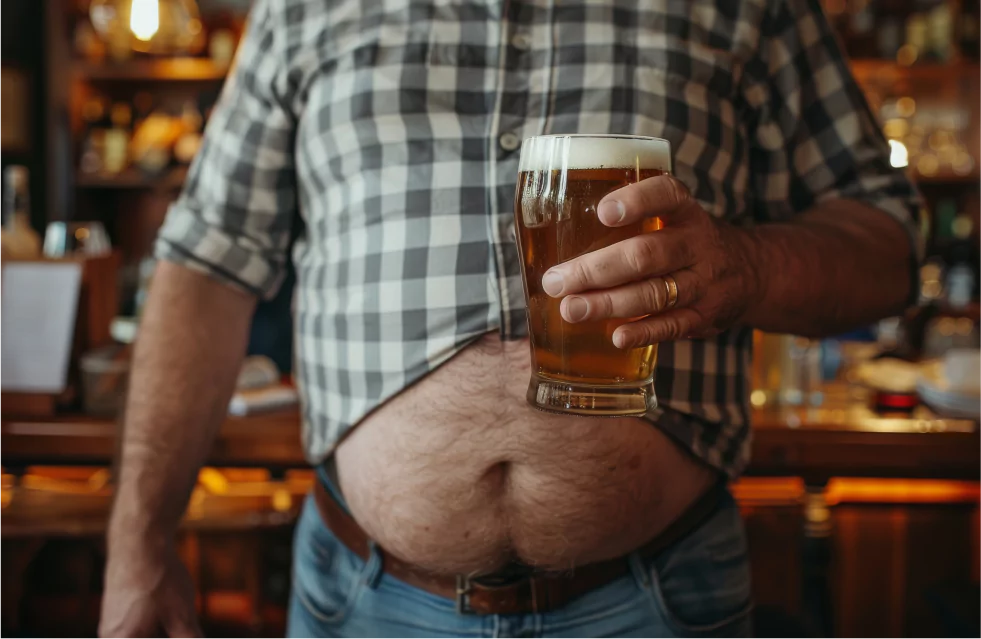
Ever wonder why that stubborn fat around your middle—the dreaded beer belly—won't budge, no matter how well you eat or exercise? Your favorite happy hour drink might be the culprit. It's not just about the empty calories. Alcohol can mess with your metabolism, fire up your appetite, and even affect your hormones. But you don't have to give up drinking entirely to see results. We'll break down exactly how alcohol contributes to a beer gut and show you which alcohol to drink when losing weight so you can still enjoy a social life while working towards your goals.
Key Takeaways
Caloric Content: Alcoholic beverages are high in calories, which can contribute significantly to weight gain.
Metabolism Impact: Alcohol affects metabolism, making it harder for the body to burn fat.
Appetite and Food Choices: Alcohol can increase appetite and lead to poor food choices, further contributing to weight gain.
Counting Calories? Here's What's in Your Drink
One of the primary reasons alcohol contributes to weight gain is its high caloric content. Unlike carbohydrates, proteins, and fats, which are essential nutrients, the calories in alcohol are considered "empty" because they provide no nutritional value.
Understanding "Standard Drinks" and Alcohol's Calorie Density
If you're trying to be more mindful of your drinking, a great place to start is understanding what a "standard drink" actually is. In the US, it’s any drink with about 14 grams of pure alcohol, which works out to 100-150 calories—and that’s before you add any mixers. Think of a 12-ounce beer, a 5-ounce glass of wine, or a 1.5-ounce shot of liquor; they all count as one. Getting a handle on this is the first step to accurately tracking your consumption and realizing how quickly those calories can stack up during a night out.
What’s wild is how calorie-dense alcohol is. It packs 7 calories per gram, which is nearly as much as pure fat. This is a major reason it can quietly lead to weight gain. But the story doesn't end with calories. It’s also about how your body processes alcohol. Your system treats it as a toxin and prioritizes getting rid of it above everything else. That means it pauses burning fat and carbs to deal with the alcohol first. This metabolic hiccup makes it harder to burn fat, a crucial detail for anyone looking to manage their weight without giving up social drinks entirely.
A Quick Guide to Calories in Beer, Wine, and Spirits
Different types of alcoholic beverages contain varying amounts of calories. Here’s a breakdown:
Beer: A standard 12-ounce beer contains about 150 calories, but craft beers and IPAs can contain significantly more.
Wine: A 5-ounce glass of wine contains about 120-125 calories.
Cocktails: Mixed drinks can be calorie bombs, especially those containing sugary mixers. For example, a pina colada can have up to 500 calories.
For more detailed information on the caloric content of various alcoholic beverages, check out this comprehensive guide.
What Alcohol Really Does to Your Metabolism
Alcohol has a significant impact on metabolism, which can lead to weight gain and the development of a "beer belly."
Why Your Body Burns Alcohol Before Fat
When you consume alcohol, your body prioritizes metabolizing it over other nutrients. This is because alcohol is toxic and the body wants to get rid of it quickly. As a result:
Fat Burning Slows Down: The body stops burning fat and carbohydrates for energy, leading to fat storage.
Nutrient Absorption: Alcohol can interfere with the absorption of essential nutrients, further disrupting metabolism.
For a deeper understanding of how alcohol affects metabolism, read this article.
Does Drinking Actually Make You Hungrier?
Alcohol can significantly affect your appetite and food choices, often leading to increased calorie intake.
Why You Crave Fries After a Few Drinks
Alcohol can stimulate appetite and make you feel hungrier than you actually are. This phenomenon is often referred to as "drunchies," a term used to describe the intense hunger that follows a night of drinking.
Increased Cravings: Alcohol can increase cravings for high-fat and high-sugar foods.
Poor Food Choices: When under the influence, people are more likely to make poor food choices, opting for unhealthy snacks and meals.
To learn more about drunchies and how to prevent them, visit this resource.
The Hidden Effects: Hangovers, Hormones, and Willpower
Beyond the immediate buzz, alcohol has some sneaky ways of impacting our choices, especially when it comes to food. Hangovers are a prime example. When you're dealing with fatigue, a headache, and nausea, your brain often seeks a quick fix. This is why greasy, high-calorie comfort foods suddenly seem like the only solution. The physical discomfort of a hangover can drain your motivation, making it easier to abandon healthy eating goals for whatever feels good in the moment.
Alcohol also throws your hormones out of whack, particularly the ones that manage hunger and fullness. It can disrupt the signals that tell your brain you’ve had enough to eat, which can lead to overeating. You might find yourself reaching for another slice of pizza or a second helping of fries, not because you're truly hungry, but because your body's internal communication system is temporarily offline. This hormonal interference makes it much harder to listen to your body’s natural cues.
Finally, alcohol directly impacts your willpower. It lowers your inhibitions by affecting the part of your brain responsible for decision-making and self-control. This is why you might find it so difficult to resist late-night cravings after a few drinks. The healthy habits you’ve worked hard to build can be easily sidelined. Becoming aware of these patterns is a key part of mindful drinking and helps you make choices that align with your long-term health goals.
Can Alcohol Sometimes Curb Your Appetite?
Interestingly, alcohol can also suppress appetite in some cases, leading to irregular eating patterns. This can be particularly harmful as it may result in nutrient deficiencies and further metabolic disruption.
For more on how alcohol affects appetite, read this article.
Is a "Beer Belly" Really That Bad for You?
A "beer belly" is not just a cosmetic issue; it has serious health implications.
The Link Between Belly Fat and Your Health
Excess abdominal fat is linked to a higher risk of several chronic conditions, including:
Heart Disease: Excess fat around the abdomen increases the risk of cardiovascular diseases.
Type 2 Diabetes: Abdominal obesity is a significant risk factor for insulin resistance and type 2 diabetes.
Liver Disease: Excessive alcohol consumption can lead to fatty liver disease, cirrhosis, and other liver-related issues.
How a "Beer Gut" Can Affect Your Mood
Carrying excess weight, particularly in the form of a beer belly, can also affect mental health. It can lead to:
Low Self-Esteem: Body image issues can result in lower self-esteem and confidence.
Depression and Anxiety: There is a strong correlation between obesity and mental health disorders like depression and anxiety.
How to Lose a Beer Belly (Without Giving Up Alcohol)
Preventing and managing a beer belly involves a combination of lifestyle changes, including dietary adjustments, exercise, and mindful drinking habits.
Expert Guidelines on Mindful Moderation
Losing a beer belly doesn't mean you have to quit drinking entirely. It's about making smarter, more conscious choices. Moderation is the goal, and you can start by being strategic about what and how you drink. Opt for drinks with fewer calories, like a vodka soda instead of a sugary cocktail. Your body prioritizes processing alcohol over anything else, so choosing simpler drinks can make a difference. Also, never drink on an empty stomach. Having a balanced meal beforehand can help manage the alcohol-induced appetite spike that leads to late-night, high-calorie food choices. By practicing mindful drinking, you can enjoy a social life without derailing your health goals. It's about being present and intentional with your consumption.
Smarter Food Choices for a Flatter Stomach
Caloric Awareness: Be mindful of the caloric content of both food and alcoholic beverages.
Balanced Diet: Focus on a balanced diet rich in fruits, vegetables, lean proteins, and whole grains.
Limit Sugary Mixers: When drinking, opt for low-calorie mixers like soda water or diet tonic.
The Best Workouts to Target Belly Fat
Regular physical activity is crucial for maintaining a healthy weight and preventing a beer belly.
Cardio Exercises: Engage in cardiovascular exercises like running, cycling, or swimming to burn calories.
Strength Training: Incorporate strength training to build muscle mass, which can increase your metabolic rate.
Choosing the Best Alcohol to Drink When Losing Weight
Being mindful of your drinking habits can go a long way in preventing weight gain.
Set Limits: Establish limits on how much you drink in one sitting and stick to them.
Drink Water: Alternate alcoholic drinks with water to stay hydrated and reduce overall alcohol consumption.
Plan Ahead: If you know you’ll be drinking, plan your meals and snacks to avoid unhealthy food choices.
Best Low-Calorie Spirits and Cocktails
If you enjoy spirits, you’re in luck. Distilled spirits like vodka, gin, rum, and whiskey are some of the lowest-calorie alcoholic options available. A standard 1.5-ounce serving of an 80-proof spirit contains just under 100 calories and zero carbs. The key is what you mix them with. A simple vodka soda with a squeeze of lime or a gin and diet tonic are great choices that won't overload you with sugar and calories. This approach allows you to enjoy a classic cocktail without derailing your health goals, making it a cornerstone of mindful drinking practices.
Smarter Choices for Wine and Beer Drinkers
You don't have to give up your favorite glass of wine or beer to manage your weight. For wine lovers, dry varieties are your best bet. A 5-ounce glass of a dry red or white, like a Cabernet Sauvignon or Pinot Grigio, typically has around 125 calories. If beer is more your style, consider switching to a light beer. Many popular brands offer light versions that contain about 100 calories per 12-ounce serving, which is a significant reduction from the 150-plus calories found in many regular craft brews. Making these small swaps can make a big difference over time.
The Importance of Low-Calorie Mixers
The mixer you choose can turn a relatively low-calorie drink into a sugar bomb. Standard sodas, tonic water (which is surprisingly high in sugar), and fruit juices can add hundreds of empty calories to your cocktail. To keep your drink light, always opt for low-calorie or zero-calorie mixers. Club soda, seltzer, diet soda, or a simple splash of citrus are excellent alternatives that add flavor and fizz without the extra calories. Being conscious of your mixers is just as important as choosing the right spirit when you’re trying to make healthier choices.
High-Calorie Drinks to Limit or Avoid
Some drinks are best reserved for special occasions due to their high calorie and sugar content. Creamy, sweet, and frozen cocktails are often the biggest culprits. Think of drinks like Pina Coladas, which can pack up to 500 calories, or White Russians and sugary margaritas. These beverages are often made with heavy cream, sugary syrups, and pre-made mixes that are loaded with calories. Being aware of which drinks are particularly high in calories can help you make more informed decisions when you're out. You can always calculate the impact these drinks have not just on your waistline, but your wallet, too.
Practical Tips for Smarter Social Drinking
You can absolutely enjoy social events while staying true to your health goals. Before you even leave the house, have a balanced meal. Drinking on an empty stomach can ramp up your appetite and lead to less-than-ideal food choices later in the night. It's also helpful to plan ahead by deciding how many drinks you'll have and sticking to that number. When ordering, choose your drinks wisely. Simple combinations like vodka with soda water or a light beer are much better options than sugary cocktails. A great rule of thumb is to alternate every alcoholic beverage with a full glass of water. This simple habit keeps you hydrated, helps you pace yourself, and is a cornerstone of practicing mindful drinking.
FAQs About Beer Bellies
What causes a beer belly?
A beer belly is primarily caused by the high caloric content of alcoholic beverages and the way alcohol affects metabolism and appetite, leading to increased fat storage around the abdomen.
Can you get a beer belly from drinking wine or cocktails?
Yes, any alcoholic beverage can contribute to a beer belly if consumed in excess, as they all contain calories and can disrupt metabolism and appetite.
How can I prevent a beer belly?
Preventing a beer belly involves mindful drinking, regular exercise, and a balanced diet. Setting limits on alcohol consumption and making healthier food choices are key strategies.
Is a beer belly dangerous?
Yes, a beer belly is associated with an increased risk of several chronic diseases, including heart disease, type 2 diabetes, and liver disease.
Can I lose my beer belly?
Yes, with lifestyle changes such as reducing alcohol consumption, eating a balanced diet, and engaging in regular physical activity, you can lose your beer belly.
Understanding the role of alcohol in weight gain and its broader health implications is essential for anyone looking to improve their relationship with alcohol and maintain a healthy lifestyle. By making informed choices, you can enjoy alcohol responsibly without compromising your health.
Although it isn’t a treatment for alcohol use disorder (AUD), the Reframe app can help you cut back on drinking gradually, with the science-backed knowledge to empower you 100% of the way. Our proven program has helped millions of people around the world drink less and live more. And we want to help you get there, too!
The Reframe app equips you with the knowledge and skills you need to not only survive drinking less, but to thrive while you navigate the journey. Our daily research-backed readings teach you the neuroscience of alcohol, and our in-app Toolkit provides the resources and activities you need to navigate each challenge.
You’ll meet hundreds of fellow Reframers in our 24/7 Forum chat and daily Zoom check-in meetings. Receive encouragement from people worldwide who know exactly what you’re going through! You’ll also have the opportunity to connect with our licensed Reframe coaches for more personalized guidance.
Plus, we’re always introducing new features to optimize your in-app experience. We recently launched our in-app chatbot, Melody, powered by the world’s most powerful AI technology. Melody is here to help as you adjust to a life with less (or no) alcohol.
And that’s not all! Every month, we launch fun challenges, like Dry/Damp January, Mental Health May, and Outdoorsy June. You won’t want to miss out on the chance to participate alongside fellow Reframers (or solo if that’s more your thing!).
The Reframe app is free for 7 days, so you don’t have anything to lose by trying it. Are you ready to feel empowered and discover life beyond alcohol? Then download our app through the App Store or Google Play today!
Reframe has helped over 2 millions people to build healthier drinking habits globally
At Reframe, we do science, not stigma. We base our articles on the latest peer-reviewed research in psychology, neuroscience, and behavioral science. We follow the Reframe Content Creation Guidelines, to ensure that we share accurate and actionable information with our readers. This aids them in making informed decisions on their wellness journey. Learn more
Updated Regularly
Our articles undergo frequent updates to present the newest scientific research and changes in expert consensus in an easily understandable and implementable manner.