Can You Drink Alcohol on Ativan (Lorazepam)? What to Know
Published:
2026-09-09
·
Read time:
10 min read
Last Updated:
2026-09-09
Written by
Reframe Content Team
A team of researchers and psychologists who specialize in behavioral health and neuroscience. This group collaborates to produce insightful and evidence-based content.
Certified recovery coach specialized in helping everyone redefine their relationship with alcohol. His approach in coaching focuses on habit formation and addressing the stress in our lives.
Recognized by Fortune and Fast Company as a top innovator shaping the future of health and known for his pivotal role in helping individuals change their relationship with alcohol.
September 9, 2026
·
10 min read
Reframe Content Team
September 9, 2026
·
10 min read
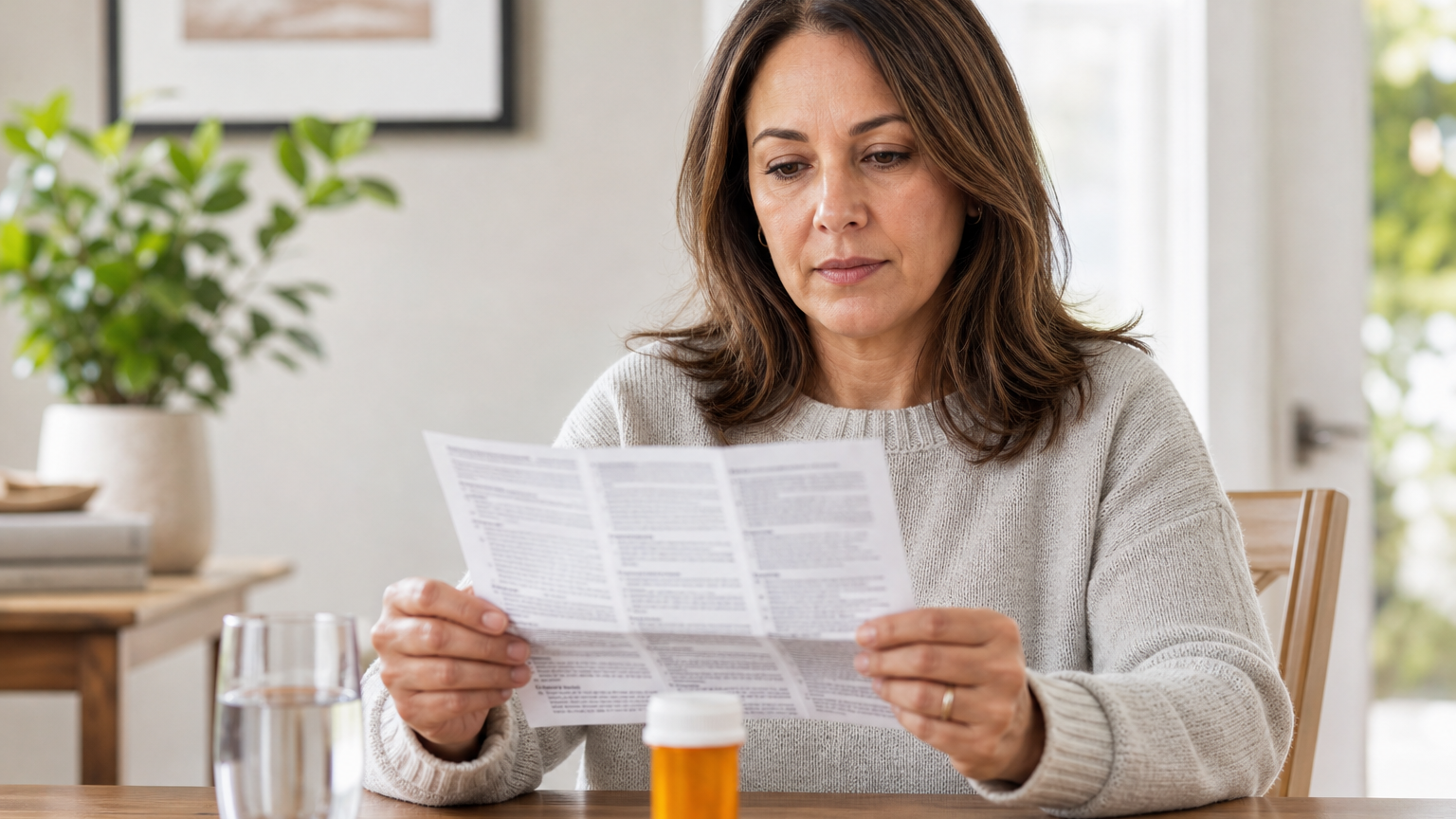
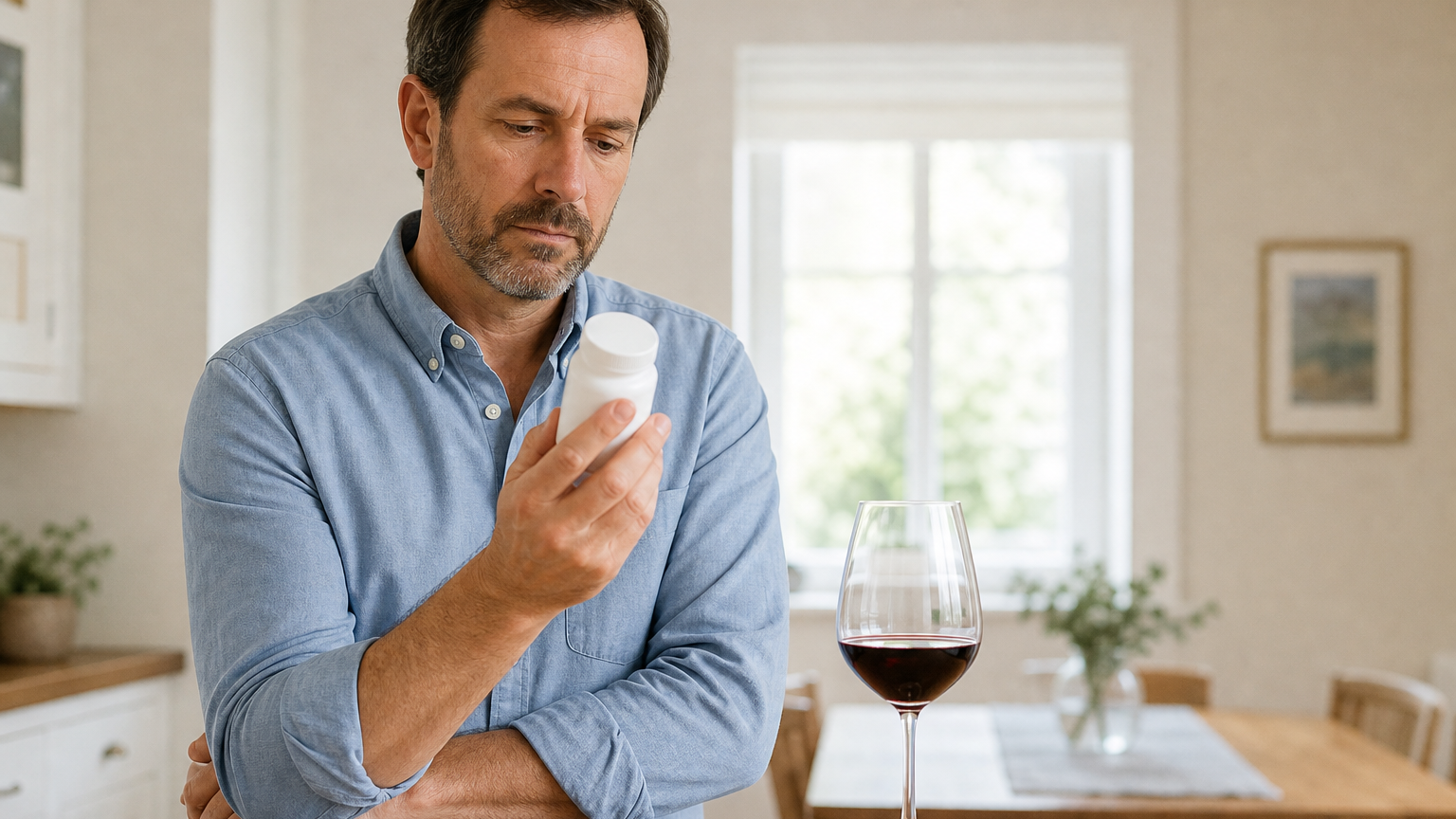
No, you should not drink alcohol while taking Ativan (lorazepam). Both are central nervous system depressants, and combining them multiplies the sedative effect in a way that can slow your breathing and heart rate to dangerous levels, cause severe drowsiness or blackout, and in the worst cases lead to respiratory depression. Because both act on the same GABA pathways, they build cross-tolerance, meaning over time it can take more of each to feel an effect, which quietly raises the risk. If alcohol keeps showing up around your medication, Reframe can help you understand the pattern and build steadier habits alongside your prescriber's guidance.
The Short Answer on Ativan and Alcohol
No, you should not drink alcohol while taking Ativan (lorazepam). Both are central nervous system depressants that act on the same GABA pathways, so combining them multiplies the sedative effect in a way that can slow your breathing and heart rate to dangerous levels, cause severe drowsiness or blackout, and in the worst cases lead to respiratory depression. Because they lean on the same brain chemistry, they also build cross-tolerance over time, which quietly raises the risk. If alcohol keeps showing up around your medication, Reframe can help you understand the pattern and build steadier habits alongside your prescriber's guidance.
Let's talk honestly about a combination that comes up a lot and gets brushed off a lot. Maybe you take Ativan for panic attacks and there's a wedding coming up. Maybe you had a stressful week, took your evening dose, and now there's a glass of wine in front of you. This is not a lecture, and it is not about willpower or judgment. It is about two substances that happen to work on the same part of your brain, and what happens when they stack. Understanding the actual mechanism makes the guidance land differently than a blanket "don't," so that is where we're going to start.
What is Ativan (lorazepam) and how does it work?
Ativan is the brand name for lorazepam, a benzodiazepine that clinicians commonly prescribe for short-term relief of acute anxiety, panic, and situations that call for quick sedation. According to StatPearls, lorazepam is FDA-approved for short-term relief of anxiety symptoms, anxiety-related insomnia, and pre-anesthetic sedation, and it works by enhancing the calming neurotransmitter GABA in the brain. That is the whole job: turn down overactive nerve signaling so the panic or the racing thoughts ease off.
GABA is your brain's main "slow down" signal. When lorazepam boosts it, the felt result is that anxiety loosens its grip, muscles relax, and you feel calmer or drowsier. This is exactly why it works so well for a panic attack, and it is also the first clue about why alcohol is a problem, because alcohol nudges the same system in the same direction.
One detail that matters more than people expect is how long lorazepam sticks around. StatPearls lists an elimination half-life of about 14 hours (roughly 10 to 20 hours in common pharmacokinetic terms), which puts it in the intermediate range. That is longer than a shorter-acting benzodiazepine like alprazolam and shorter than a long-acting one, but the practical takeaway is simple: meaningful amounts of the drug can still be circulating in your body many hours after you took it. A dose from the afternoon is not gone by dinner. That lingering presence is a big part of why timing does not rescue you here, something we'll come back to.
How does alcohol interact with Ativan?
Alcohol interacts with Ativan because it is also a central nervous system depressant that pushes on the same GABA machinery lorazepam does. When two substances quiet the brain through overlapping pathways, their effects don't just sit side by side, they compound. A peer-reviewed review in Alcohol Research & Health describes this as a pharmacodynamic interaction, in which alcohol enhances a medication's central nervous system effects, particularly sedation, and it lists benzodiazepines among the drug classes involved.
The practical version of "pharmacodynamic interaction" is this: one drink on top of your dose can hit like two or three drinks would on their own. Sources describe the combined sedation as additive and sometimes more than additive, meaning the drowsiness, slowed breathing, low blood pressure, and clumsy coordination can be worse than you'd predict from adding them up. We won't put a precise multiplier on it, because the literature doesn't quantify one cleanly, but the direction is not in dispute.
Here is where lorazepam's intermediate half-life comes back into play. Because the drug is still meaningfully present in your body hours after your last dose, "I took it this morning, I'll drink tonight" does not neatly clear the interaction. If you're unsure whether your drinking has crept into a pattern worth looking at, an honest self-check like the Am I Drinking Too Much? quiz can be a low-stakes place to start. The point isn't to alarm you, it's that the window where the two overlap is wider than most people assume.
What are the dangers of mixing lorazepam and alcohol?
The dangers of mixing lorazepam and alcohol run from unpleasant to life-threatening, and the most serious one is respiratory depression, where breathing slows down or stops. A clinical overview from Drugs.com names benzodiazepines specifically and lists respiratory depression, injuries from falls or accidents, serious memory problems, and death among the risks of combining these drugs with alcohol. That is the honest top of the list, and it is worth sitting with for a second before the more common outcomes.
Below the worst case, the everyday risks still stack up fast. The National Institute on Alcohol Abuse and Alcoholism notes that mixing alcohol with medicines can cause drowsiness, fainting, loss of coordination, and difficulties breathing, among other dangers. On lorazepam, that translates to extreme sedation, memory blackouts you won't be able to reconstruct later, and judgment and motor control impaired enough to make a fall or a car accident far more likely. This is also why driving or operating anything that needs focus is off the table after drinking on this medication.
Risk is not evenly distributed, either. The danger climbs for older adults, for people with liver or lung conditions, and for anyone who has been drinking heavily. And it rises sharply if other depressants enter the mix. Opioids, sleep aids, and muscle relaxers all press the same brakes, and stacking three CNS depressants is where overdose risk becomes very real. If you take multiple prescriptions, that is a conversation to have with a pharmacist rather than a math problem to solve on your own.
What is benzodiazepine and alcohol cross-tolerance?
Cross-tolerance is the quiet part of this interaction, and it is where the benzodiazepine alcohol interaction gets genuinely sneaky. Because alcohol and lorazepam both act on the brain's GABA system, the brain's adaptations to one can partly carry over to the other. A review of GABA-A receptors in alcohol use disorder describes how chronic alcohol use down-regulates certain GABA-A receptor subtypes, producing tolerance and cross-tolerance to benzodiazepines and other GABAergic sedatives, and links related receptor adaptations to a heightened alcohol withdrawal syndrome.
What this means in real life is uncomfortable. Cross-tolerance can make you feel less affected than you actually are. Your body's danger signals for sedation, the drowsiness and the wooziness that normally tell you to stop, get muffled, so "I didn't feel that drunk" becomes a completely unreliable safety gauge on lorazepam. You can be far more impaired, and far closer to dangerous CNS and respiratory depression, than the way you feel would suggest. That gap between how impaired you are and how impaired you feel is exactly where accidents happen.
Cross-tolerance also ties into overlapping withdrawal risks, and this is the part that deserves care. StatPearls on withdrawal syndromes explains that both benzodiazepines and alcohol act on GABA receptors, and that withdrawal from either can be life-threatening. In other words, the same brain chemistry that links these two substances also links their withdrawal syndromes, which is a strong argument for keeping any changes to either one under medical oversight rather than freelancing.
What should you do if you already drank while taking Ativan?
If you've already had a drink while taking Ativan, take a breath: a single small amount is often not an emergency, but the next moves matter. Do not drink more, and do not take an extra dose of your medication to "balance it out" or to catch up on anxiety relief. Both of those push you deeper into the exact stacking effect you want to avoid. The goal for the next few hours is to stop adding to the load and to watch yourself, or the person you're with, closely.
Know the red flags, because they are the whole point of paying attention. Severe drowsiness that tips toward not being able to stay awake, confusion, slowed or shallow breathing, bluish lips or fingertips, or unresponsiveness are all signs that this has moved from "sleepy" to "dangerous." If breathing is affected or the person cannot be woken, call emergency services or poison control immediately. This is not a wait-and-see situation once breathing is involved.
In the meantime, do not drive or operate anything that requires focus, even if you feel more alert than you probably are (remember the cross-tolerance gap). And when things have settled, tell your prescriber honestly what happened. Providers can only adjust your guidance if they have the real picture, and no one is keeping score. If you want a clearer sense of your own patterns before that conversation, the What Type of Drinker Are You? quiz can help you put words to it.
When is combining lorazepam and alcohol a medical emergency?
Combining lorazepam and alcohol becomes a medical emergency the moment breathing is compromised or someone can't be roused. Very slow or stopped breathing, blue-tinged lips, and unresponsiveness are signs of possible overdose or respiratory depression, and they mean calling 911, not waiting it out. This is a medical decision, not a self-help one, so when in doubt, loop in emergency care rather than trying to gauge severity from the couch.
A separate but related safety point is worth stating plainly: never start, stop, or change a benzodiazepine dose on your own. It can be tempting to think skipping a dose is a safe workaround so you can drink, but abrupt changes carry their own serious risk. A clinical review of benzodiazepine withdrawal describes withdrawal seizures occurring when the medication is stopped abruptly, most often in long-term or high-dose users, with severity ranging from a single seizure to, in the worst cases, coma and death. That is not meant to frighten you off treatment. It is the reason dose changes belong with your prescriber, who can taper safely if that's the right call.
If you're noticing that alcohol keeps circling your anxiety medication, that tension is genuinely worth naming with your provider, and it is not a failure to bring it up. A clinician can help you plan for a specific event, adjust your regimen safely, or explore whether a different approach fits your life better. Alongside that medical relationship, tools like Reframe's mindful drinking program can help you understand the habits and triggers underneath the pattern, and you can download Reframe if you want that support in your pocket. The medical piece and the habit piece work best together, not in competition.
Summary FAQs
1. Can you drink any alcohol at all while taking Ativan?
The medical guidance is to avoid alcohol entirely while taking Ativan (lorazepam). Both are central nervous system depressants that act on the same GABA pathways, so even a modest amount can produce more sedation, impairment, and slowed breathing than you would expect. If you are unsure about a specific situation, ask your prescriber or pharmacist rather than guessing.
2. How long after taking lorazepam can I drink alcohol?
Lorazepam has an intermediate half-life of roughly 10 to 20 hours, so meaningful amounts can remain in your body long after your last dose. Spacing a drink a few hours after your pill does not reliably remove the interaction. Because timing does not make the combination safe, the safest approach is not to drink while lorazepam is in your system, and to confirm your personal situation with your clinician.
3. What happens if you mix lorazepam and alcohol?
Mixing them multiplies sedation, so you may feel intensely drowsy, dizzy, confused, or uncoordinated, and you may black out and not remember events. The most serious risk is respiratory depression, where breathing slows or stops. Older adults and people combining other depressants like opioids or sleep aids face even higher danger.
4. What is cross-tolerance between benzodiazepines and alcohol?
Cross-tolerance happens because both alcohol and benzodiazepines like lorazepam act on the brain's GABA system, so tolerance to one can partly carry over to the other. This can make you feel less affected than you actually are, which tempts higher intake and quietly raises the risk of dangerous CNS and respiratory depression. It also means the two share overlapping withdrawal risks that should be managed with medical oversight.
5. What should I do if I accidentally drank while on Ativan?
A single small drink is often not an emergency, but do not drink more and do not take an extra dose to compensate. Watch closely for severe drowsiness, confusion, slowed or shallow breathing, bluish lips, or an inability to stay awake, and call emergency services immediately if any of those appear. Avoid driving, and let your prescriber know so they can guide you going forward.
6. Is it safe to skip my Ativan dose so I can drink?
Skipping or changing your dose on your own is not a safe workaround and can trigger benzodiazepine withdrawal, which may include anxiety, insomnia, and in serious cases seizures. Never start, stop, or adjust a benzodiazepine without your prescriber's guidance. If alcohol and your anxiety medication feel like they are in conflict, that is a conversation to have with your clinician rather than a reason to interrupt treatment.
Rethinking Alcohol Around Your Anxiety Meds? Reframe Can Help!
Although it isn't a treatment for alcohol use disorder (AUD), the Reframe app can help you cut back on drinking gradually with the science-backed knowledge to empower you 100% of the way. Our proven program has helped millions of people around the world drink less and live more. And we want to help you get there, too!
The Reframe app equips you with the knowledge and skills you need to not only survive drinking less, but to thrive while you navigate the journey. Our daily research-backed readings teach you the neuroscience of alcohol, and our in-app Toolkit provides the resources and activities you need to navigate each challenge.
You'll meet millions of fellow Reframers in our 24/7 Forum chat and daily Zoom check-in meetings. Receive encouragement from people worldwide who know exactly what you're going through! You'll also have the opportunity to connect with our licensed Reframe coaches for more personalized guidance.
Plus, we're always introducing new features to optimize your in-app experience. We recently launched our in-app chatbot, Melody, powered by the world's most powerful AI technology. Melody is here to help as you adjust to a life with less (or no) alcohol.
And that's not all! Every month, we launch fun challenges, like Dry/Damp January, Mental Health May, and Outdoorsy June. You won't want to miss out on the chance to participate alongside fellow Reframers (or solo if that's more your thing!).
The Reframe app is free for 7 days, so you don't have anything to lose by trying it. Are you ready to feel empowered and discover life beyond alcohol? Then download our app through the App Store or Google Play today!
Reframe has helped over 2 millions people to build healthier drinking habits globally
At Reframe, we do science, not stigma. We base our articles on the latest peer-reviewed research in psychology, neuroscience, and behavioral science. We follow the Reframe Content Creation Guidelines, to ensure that we share accurate and actionable information with our readers. This aids them in making informed decisions on their wellness journey. Learn more
Updated Regularly
Our articles undergo frequent updates to present the newest scientific research and changes in expert consensus in an easily understandable and implementable manner.
Ghiasi, N., Bhansali, R. K., & Marwaha, R. (2024). Lorazepam. In StatPearls. StatPearls Publishing. https://www.ncbi.nlm.nih.gov/books/NBK532890/
Weathermon, R., & Crabb, D. W. (1999). Alcohol and medication interactions. Alcohol Research & Health, 23(1), 40–54. https://www.ncbi.nlm.nih.gov/pmc/articles/PMC6761694/
Drugs.com. (2026). Drug and alcohol interactions – What should you avoid? https://www.drugs.com/article/medications-and-alcohol.html
National Institute on Alcohol Abuse and Alcoholism. Harmful interactions: Mixing alcohol with medicines. U.S. Department of Health and Human Services. https://www.niaaa.nih.gov/sites/default/files/publications/Harmful_Interactions.pdf
Olsen, R. W., & Liang, J. (2017). Role of GABA-A receptors in alcohol use disorders suggested by chronic intermittent ethanol (CIE) rodent model. Molecular Brain, 10, 45. https://www.ncbi.nlm.nih.gov/pmc/articles/PMC5605989/
Authored review. (2011). Benzodiazepine withdrawal seizures and management. Journal of the Oklahoma State Medical Association, 104(2), 60–62. https://pubmed.ncbi.nlm.nih.gov/21815323/
Newman, W. J., et al. (2024). Withdrawal syndromes. In StatPearls. StatPearls Publishing. https://www.ncbi.nlm.nih.gov/books/NBK459239/