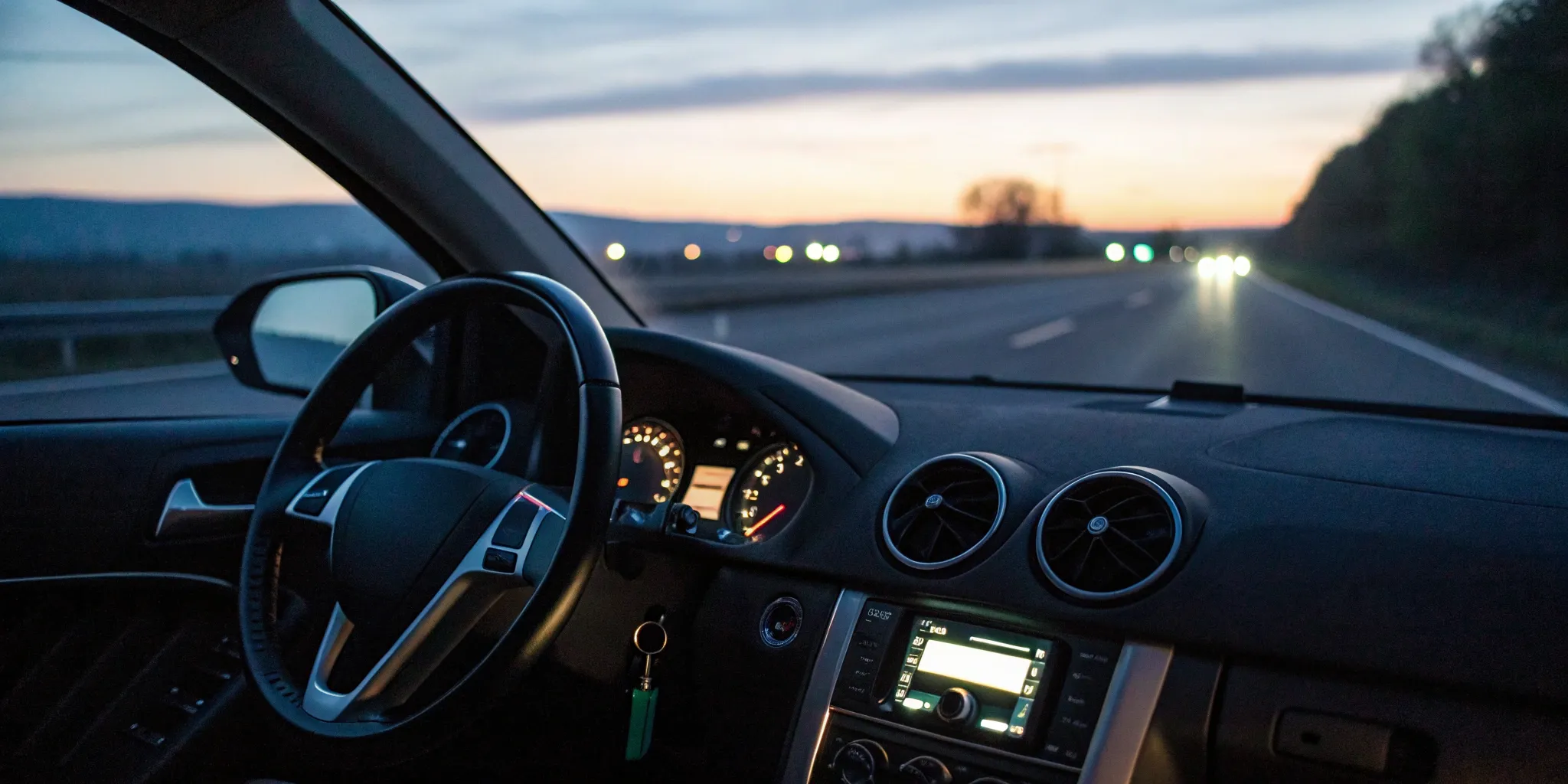
Car breathalyzers, or ignition interlock devices (IIDs), are more than just a consequence of a DUI. They're increasingly recognized as valuable tools for promoting responsible alcohol consumption and preventing drunk driving. This guide explores the world of car breathalyzers, covering everything from their functionality and legal implications to user experiences and expert opinions. Whether you're mandated to use one or considering voluntary installation, understanding how these devices work, the costs involved, and the various brands available can empower you to make informed decisions. We'll also delve into the legal landscape surrounding car breathalyzers, recent legislation changes, and the potential for wider use. Join us as we demystify car breathalyzers and their role in creating safer roads for everyone.
Key Takeaways
- Car breathalyzers (ignition interlock devices or IIDs) effectively prevent drunk driving. They measure your blood alcohol content (BAC) and stop your car from starting if it's too high. Understanding device types, features, and costs helps you make informed choices.
- Laws around car breathalyzers vary by state and are subject to change. Stay informed about your state's rules on IIDs to avoid penalties. Know the consequences of not following regulations and the potential benefits of using an IID voluntarily.
- Safe driving means making responsible choices about alcohol. Consider alternatives like personal breathalyzers, ride-sharing, and designated drivers. Combining these with alcohol education empowers you to make safe decisions and contribute to safer roads.
What Are Car Breathalyzers and How Do They Work?
Definition and Purpose
Car breathalyzers, more formally known as ignition interlock devices (IIDs), are in-car devices that prevent a vehicle from starting if the driver has been drinking. Think of it as a breathalyzer test built right into your car’s ignition system. Before you can start the engine, you must blow into a connected tube. The IID then measures your blood alcohol content (BAC). If your BAC is above a pre-set limit, typically around 0.02%, the car won't start. These devices are often mandated by courts after a DUI or DWI, but some individuals voluntarily install them for added safety and accountability. IIDs offer a way to regain driving privileges while ensuring responsible behavior. For those interested in exploring healthier drinking habits, Reframe's mindful drinking resources offer valuable tools and information.
Components and Testing Process
Most modern IIDs use a fuel cell to measure the amount of alcohol present in your breath. This fuel cell creates a small electrical current when it comes into contact with alcohol. The strength of the current corresponds directly to the concentration of alcohol in your breath sample. After providing a breath sample, the IID analyzes the results and either allows the car to start or prevents ignition. Many states also require random retests while driving to ensure continued sobriety. The device logs all breath tests and results, creating a record that can be reviewed by the relevant authorities. Some IIDs even include cameras to verify the driver's identity. These devices require regular calibration, typically every 30 to 90 days depending on state regulations, to maintain accuracy. For more information on alcohol and its effects, check out Reframe's Blood Alcohol Content (BAC) Calculator. You can also explore Reframe's sober day counter and cost savings calculator to track your progress and see the financial benefits of reducing alcohol consumption.
Best Car Breathalyzer Brands and Features
If you’re required to install an ignition interlock device (IID), or considering voluntary use, it’s helpful to understand the leading brands and their features. Here’s a look at some of the most recognized names in the car breathalyzer market:
Intoxalock
Intoxalock is a widely recognized brand known for its user-friendly car breathalyzer devices, or IIDs. These devices prevent a vehicle from starting if the driver's blood alcohol content (BrAC) is above a preset limit. Intoxalock offers comprehensive customer support and has a reputation for a straightforward interface, making the process easier for those mandated to use an IID.
Smart Start
Smart Start is another popular choice for IIDs. Known for reliable technology and ease of use, Smart Start devices are a common requirement for individuals convicted of drunk driving. Their focus on user-friendliness aims to simplify the experience and ensure compliance.
Draeger
Draeger stands out for its presence in both professional and personal breathalyzer markets. They offer a range of high-quality breath alcohol testing devices known for accuracy and reliability. While Draeger also provides IIDs, they are a respected name in broader breathalyzer technology, useful for various applications.
LifeSafer
LifeSafer focuses on providing user-friendly ignition interlock devices with features designed to meet state regulations. They emphasize customer service and support throughout the installation and monitoring process, helping users adjust to using an IID. LifeSafer’s commitment to compliance makes them a reliable option.
Alcohol Detection Systems
Alcohol Detection Systems (ADS) offers a variety of ignition interlock devices equipped with advanced technology to ensure accurate readings and compliance. They prioritize safety and reliability in their products, aiming to provide effective solutions for preventing drunk driving.
Car Breathalyzer Pricing and Installation
If you’re facing a DUI charge or considering voluntary installation, understanding car breathalyzer costs is essential. This section breaks down the expenses associated with these devices.
Average Costs and Fees
Car breathalyzers, also known as ignition interlock devices (IIDs), aren’t purchased outright—you lease them. As of 2015, installation typically cost between $70 and $150, with ongoing monthly fees between $60 and $90. These costs can vary based on your state and provider. Getting personalized quotes from a few different providers in your area is always a good idea. Check with your local Department of Motor Vehicles (DMV) for a list of approved providers in your state.
Factors Affecting Price
Several factors influence the total price of a car breathalyzer. The device's sensitivity and any additional features, like GPS tracking or real-time reporting, can affect the cost. Advanced models with newer technology may come with a higher price tag. The installation process itself, which usually takes a couple of hours, also contributes to the overall cost.
Hidden Expenses
Beyond the initial setup and monthly fees, factor in potential hidden expenses. Regular calibration is required, usually every 30 to 90 days, depending on state regulations. This involves a trip to a service center and may come with additional fees. There are also penalties for tampering with or disabling the device, which can result in hefty fines and legal trouble. Ask your provider about all potential costs upfront.
Car Breathalyzer Legal Requirements and Regulations
If you’re facing a DUI charge or considering a car breathalyzer, understanding the legalities is crucial. Regulations vary, and staying informed can save you headaches down the road.
State-Specific Mandates
Judges can order the use of ignition interlock devices (IIDs), or car breathalyzers, for drunk driving offenses. These state-specific regulations often mandate IIDs for repeat offenders, and sometimes even first-time offenders, depending on their blood alcohol content (BAC). Check your state’s DMV for specific requirements in your situation.
Consequences of Non-Compliance
Not complying with a court-ordered IID has serious consequences, including license suspension, extended IID requirements, fines, and even jail time. There are also penalties for tampering with the device. Take IID requirements seriously and follow all regulations.
Recent Legislation Changes
New federal legislation requires all new vehicles sold in the US from 2026 onward to include passive alcohol detection systems. These systems will continuously monitor the driver’s BAC and prevent the car from starting if it's above the legal limit. This technology aims to significantly reduce alcohol-related accidents. Similar state-level laws are also being introduced, so stay informed about changes in your area.
Choosing the Right Car Breathalyzer
Finding the right car breathalyzer involves several key considerations. It's not just about meeting legal requirements, but also ensuring the device is reliable, user-friendly, and compatible with your vehicle. Making an informed decision can save you time, money, and potential headaches down the road.
Accuracy and Reliability
A breathalyzer's accuracy is paramount. Look for devices that use fuel cell technology, as these are generally more accurate and less susceptible to interference from other substances. Consider the device's sensitivity and range. A wider range might be necessary if you're required to maintain a very low BAC. Check if the device has been tested and certified to meet industry standards. The price often reflects the device's sensitivity and features. Understanding [how BAC is measured] and factors that can influence results, like mouth alcohol, is also crucial.
Ease of Use and Design
A complicated breathalyzer can be frustrating, especially if you need to test yourself before starting your car, as may become standard practice. Look for a device with a clear, easy-to-read display and simple instructions. A compact and portable design is also a plus. Consider features like a quick warm-up time and automatic shut-off. Some devices offer data logging and GPS tracking, which can be helpful for monitoring progress and compliance.
Customer Support and Warranty
Reliable customer support and a solid warranty are essential. A reputable company will offer clear instructions, troubleshooting assistance, and prompt responses to your questions. A good warranty will protect your investment and provide peace of mind. Having reliable customer support enhances this sense of responsibility for your alcohol consumption.
Vehicle Compatibility
Not all breathalyzers are compatible with all vehicles. Some devices are designed for specific makes and models, while others are more universal. If you're unsure about compatibility, consult with the manufacturer or a qualified installer. In-car breathalyzer technology is still evolving, with governments exploring different methods like breath and skin sensors. Understanding the difference between personal breathalyzers and ignition interlocks, is also important for choosing the right device.
Debunking Car Breathalyzer Myths
Let's clear up some common misconceptions about car breathalyzers. These devices are more than just tools for law enforcement, and understanding how they work—and the implications of using or refusing them—is crucial for responsible decision-making.
Accuracy and Reliability Misconceptions
One frequent misunderstanding is that breathalyzers are solely for determining blood alcohol content (BAC) during DUI stops. In reality, many people use personal breathalyzers to monitor their BAC and make informed choices about driving. It's important to remember that various factors can influence [breathalyzer results], including mouth alcohol and proper device calibration. Understanding how BAC is measured and the potential for variations helps ensure you're using the device effectively. For those curious about their spending habits related to alcohol, Reframe offers an Alcohol Spend Calculator to provide further insights.
Legal Implications of Refusal
Another myth is that refusing a breathalyzer test has no legal consequences. This is simply not true. In many places, refusal can lead to automatic penalties, such as license suspension. Knowing the legal ramifications of refusal in your area is essential, as it can significantly impact your driving record and future privileges. If you're looking for information on calculating Blood Alcohol Content (BAC) or tracking sober days and cost savings, Reframe provides helpful resources like a BAC Calculator and a Sober Days Counting and Cost Savings Calculator.
Who Needs a Car Breathalyzer?
While court-mandated use is common, many individuals choose to use a car breathalyzer voluntarily. This proactive approach demonstrates a commitment to responsible driving and can even lead to reduced sentences or other benefits in legal situations. Personal breathalyzers empower people to take control of their alcohol consumption and make informed decisions about driving. They offer a practical way to stay safe and avoid the risks associated with impaired driving. For those interested in exploring mindful drinking practices, Reframe offers resources on Mindful Drinking and has a comprehensive FAQ section for additional information.
Maintaining Your Car Breathalyzer
Keeping your car breathalyzer in top working order is essential for accurate readings and reliable performance. Just like any other piece of tech, regular maintenance will ensure it stays effective and helps you stay safe.
Calibration and Cleaning
Calibration is key for breathalyzer accuracy. Think of it like tuning a musical instrument—regular calibration keeps the device’s readings reliable, correcting any minor deviations. Most manufacturers recommend calibrating your breathalyzer at least once a year, or more often with frequent use.
Cleaning your breathalyzer is just as important. Dust, moisture, and other contaminants can interfere with its performance. Use a soft, dry cloth to clean the exterior and replace the mouthpiece regularly. This simple step maintains hygiene and ensures accurate readings.
Troubleshooting
Occasionally, your car breathalyzer might give inconsistent readings or have trouble starting. Common issues include a low battery, faulty connections, or the need for recalibration. Your user manual is your best friend here—it should provide specific troubleshooting steps for your particular model. If you find yourself frequently troubleshooting, it might be time for professional servicing or a replacement.
When to Seek Professional Help
If you’re experiencing persistent problems, like repeated inaccurate readings or a complete failure to function, it’s time to call in the pros. A qualified technician can diagnose and repair any underlying issues, ensuring your device remains reliable. Regular maintenance and timely professional assistance can significantly extend the lifespan of your breathalyzer and enhance its effectiveness.
Car Breathalyzers and Road Safety
Car breathalyzers, also known as ignition interlock devices (IIDs), play a crucial role in enhancing road safety. These devices prevent a vehicle from starting if the driver's blood alcohol content (BAC) exceeds a preset limit. Let's explore the impact of car breathalyzers on road safety through effectiveness statistics, user behavioral changes, and the potential for wider use.
Effectiveness Statistics
Studies consistently demonstrate the effectiveness of car breathalyzers in reducing alcohol-impaired driving incidents. Research indicates that IIDs have significantly decreased alcohol-related fatalities and injuries. These devices empower individuals to make responsible choices about driving after consuming alcohol, helping prevent tragic accidents.
User Behavioral Changes
The presence of a car breathalyzer can lead to positive behavioral changes in drivers. Knowing that their ability to drive is contingent on a clear breathalyzer test encourages individuals to plan ahead and avoid driving under the influence. Car breathalyzers promote accountability and responsible driving habits, helping individuals avoid legal issues and maintain a clean driving record.
Potential for Wider Use
The potential for wider use of car breathalyzers is substantial. As technology advances and costs decrease, the accessibility of these devices increases. Experts suggest that expanding the use of car breathalyzers to all drivers, not just those with DUI convictions, could significantly reduce alcohol-related accidents. This proactive approach could save lives and create a more responsible driving culture. Furthermore, integrating car breathalyzers with other safety technologies could further enhance their effectiveness in preventing accidents.
Car Breathalyzer Alternatives
While car breathalyzers offer a way to prevent driving under the influence, several alternatives can help you make responsible choices about alcohol and driving. These options empower you to prioritize safety and avoid the risks associated with impaired driving.
Personal Breathalyzers
Personal breathalyzers give you a convenient way to monitor your blood alcohol content (BAC) before getting behind the wheel. Having this information lets you make informed decisions about whether or not it's safe to drive. Many affordable and reliable personal breathalyzers are available, offering a practical tool for responsible alcohol consumption. Consider using Reframe’s Blood Alcohol Content (BAC) calculator to estimate your BAC and understand how different factors influence it.
Ride-Sharing Services
Ride-sharing services like Uber and Lyft offer a safe and easy alternative to driving under the influence. With a few taps on your phone, you can request a ride and avoid the potential dangers of drunk driving. These services have become increasingly popular and have significantly contributed to reducing alcohol-related accidents. They provide a convenient and responsible option for getting home safely after a night out.
Designated Driver Programs
The concept of a designated driver is simple but effective: one person in a group abstains from alcohol for the evening and is responsible for driving everyone home safely. Many bars and restaurants actively support designated driver programs, sometimes offering incentives like free non-alcoholic drinks. This initiative promotes responsible drinking and helps prevent drunk driving incidents. If you’re looking to change your drinking habits, explore Reframe’s resources on mindful drinking for helpful tips and strategies. You can also use Reframe's sober day and cost savings calculator to track your progress and see how much money you're saving.
Alcohol Education Initiatives
Alcohol education initiatives aim to raise public awareness about the dangers of drunk driving and encourage responsible alcohol consumption. These programs often provide information about the effects of alcohol on driving ability, legal consequences of DUI, and strategies for making safe choices. Education plays a vital role in changing behaviors and creating a culture of safety around alcohol and driving. Check out Reframe’s FAQ for more information on responsible alcohol consumption and its benefits. Reframe also offers an alcohol spend calculator to help you gain a clearer picture of your spending habits.
Car Breathalyzer User Experiences and Expert Opinions
Understanding both user experiences and expert opinions surrounding car breathalyzers offers a comprehensive view of their role in promoting responsible driving habits. Let's explore what people are saying about using these devices and what professionals in the field have observed.
Customer Reviews and Testimonials
Many people required to use a car breathalyzer initially see it as an inconvenience. Over time, however, users often report a shift in perspective, viewing the device as a tool that encourages responsible choices rather than a punishment. Some share stories about how having a breathalyzer installed has helped them avoid risky situations and maintain sobriety. This personal accountability can be empowering, fostering a sense of control over their drinking and driving behaviors. As one user noted, a car breathalyzer can “demonstrate your commitment to responsible driving and avoid running afoul of the law.” Some courts may even offer reduced sentences or other benefits to those who voluntarily use a car breathalyzer, further motivating individuals to embrace the technology.
Insights from Law Enforcement and Legal Professionals
Law enforcement and legal professionals recognize the positive impact of car breathalyzers in deterring drunk driving and creating safer roads. The availability of personal breathalyzers has “empowered individuals to take responsibility for their own alcohol consumption and make informed decisions about whether it is safe to drive.” This proactive approach can prevent accidents before they happen. By integrating a car breathalyzer into their driving habits, people not only avoid DUI accidents but also support responsible conduct. Experts also highlight the breathalyzer's value as a reliable tool for law enforcement in identifying drunk drivers, contributing to safer roads and communities. This combined effort between individual responsibility and effective law enforcement tools creates a multi-layered approach to combating drunk driving.
Related Articles
Frequently Asked Questions
What is the difference between an ignition interlock device (IID) and a personal breathalyzer?
An IID is installed in your vehicle and prevents it from starting if your blood alcohol content (BAC) is above a certain limit. A personal breathalyzer is a portable device you can use to check your BAC anytime, anywhere. IIDs are often court-mandated after a DUI, while personal breathalyzers are used voluntarily.
Are car breathalyzers expensive?
Car breathalyzers, or IIDs, are typically leased, not purchased. There are installation fees and monthly fees, which vary by state and provider. Additional costs include calibration and potential penalties for violations. It's best to get quotes from several providers to compare pricing.
Can I install a car breathalyzer myself?
No, you cannot install an IID yourself. State-certified technicians must install and maintain the devices. This ensures proper installation and compliance with regulations. Contact your state's DMV or an approved provider for installation information.
How do I choose the right car breathalyzer?
Consider factors like accuracy, ease of use, customer support, and vehicle compatibility. Look for devices with fuel cell technology for better accuracy. A user-friendly interface and reliable customer support are also important. Ensure the device is compatible with your specific vehicle.
What happens if I fail a breathalyzer test with an IID installed?
If you blow above the pre-set limit, the car won't start. The failed test will be logged. Repeated failures or attempts to tamper with the device can lead to further penalties, including license suspension or revocation. It's crucial to comply with the IID requirements to avoid legal consequences.