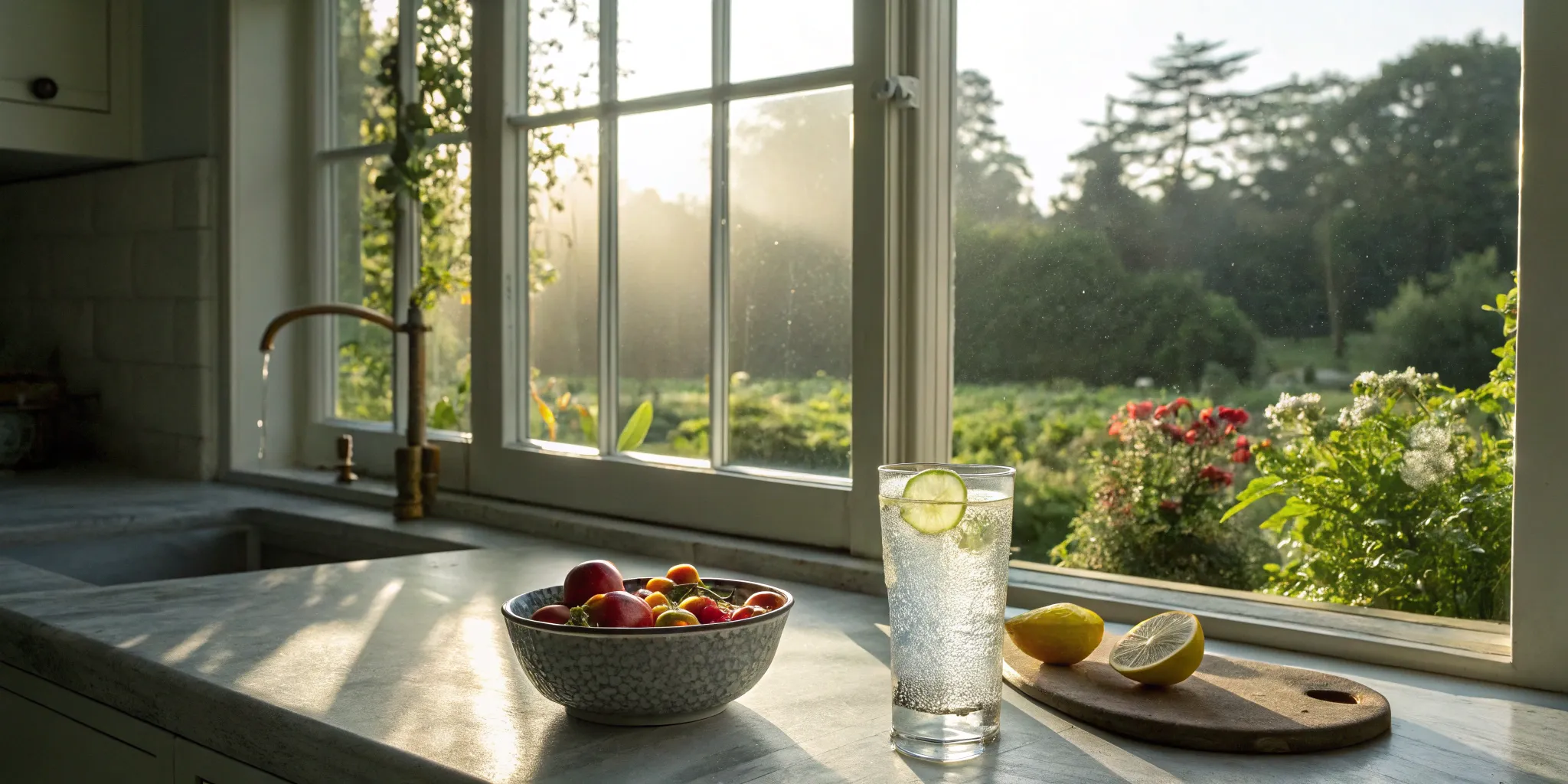
When people talk about the advantages of drinking less, they usually mention better sleep and a happier liver. And while those are definitely major perks, they're just the beginning of the story. The most surprising changes often happen outside of your physical health. Reducing your alcohol intake can quietly transform your finances, deepen your relationships, and even improve your performance at work in ways you might not expect. The drinking less alcohol health benefits extend far beyond the scale or your morning energy levels. It's about gaining more time, money, and mental space to invest in what truly matters to you. Let's explore the full picture—from the immediate physical wins to the unexpected life upgrades that come with making this positive change.
Key Takeaways
- Your body and mind respond almost immediately: You can expect better sleep, a more stable mood, and improved mental clarity shortly after cutting back, while also lowering your long-term risk for chronic health conditions.
- A practical plan is more effective than willpower alone: Lasting change comes from having a strategy. Set specific goals, find non-alcoholic drinks you genuinely enjoy, and connect with a supportive community to stay motivated.
- The benefits go far beyond physical health: Drinking less can have a surprising positive effect on your finances, deepen your relationships by helping you be more present, and free up your energy for new hobbies and personal growth.
What Happens When You Drink Less Alcohol?
If you're thinking about cutting back on alcohol, you might be wondering what changes you can actually expect. The good news is that the benefits start showing up faster than you might think, touching nearly every part of your life. From the way you feel when you wake up to your overall sense of well-being, reducing your alcohol intake is a powerful act of self-care. Let’s look at some of the positive shifts you can look forward to.
Get Better Sleep and More Energy
It’s a common belief that a glass of wine before bed is the perfect way to unwind and drift off. While alcohol can make you feel drowsy initially, it actually disrupts your natural sleep cycle later in the night. It particularly interferes with REM sleep, the restorative stage where your brain processes emotions and memories. This is why you can sleep for eight hours after drinking and still wake up feeling exhausted and foggy. When you drink less alcohol, you give your body a chance to get the deep, uninterrupted rest it needs. You’ll likely find yourself waking up feeling genuinely refreshed, with more energy and mental clarity to take on your day.
Improve Your Mood and Mental Clarity
Alcohol is a depressant, and its effects on your mood can linger long after the initial buzz wears off. It can disrupt the delicate balance of neurotransmitters in your brain, sometimes leading to feelings of anxiety or lowness the next day—a feeling often called "hangxiety." By reducing your intake, you give your brain chemistry a chance to rebalance. Many people find that they feel more emotionally stable, positive, and clear-headed. This newfound mental clarity can make it easier to handle stress and engage more fully in activities you love, creating a positive feedback loop for your overall mental well-being.
Feel Better Physically
Beyond sleep and mood, your entire body will thank you for cutting back on alcohol. Drinking can be tough on your digestive system, contribute to high blood pressure, and put a strain on your liver. When you reduce your consumption, you might notice immediate physical improvements. Issues like acid reflux and stomach irritation can subside. Over time, you’re also supporting your long-term health by lowering your blood pressure and reducing fat buildup in your liver. Think of it as lifting a burden off your body, allowing it to function more efficiently and heal. These physical benefits are a powerful reminder of how resilient your body truly is.
Manage Your Weight and See Clearer Skin
Did you know that alcoholic drinks can be packed with calories? A couple of craft beers or cocktails can have as many calories as a small meal, but without the nutrients. These are often called "empty calories" because they don't fill you up. Simply cutting back on alcohol can be an effective way to manage your weight without making drastic changes to your diet. At the same time, you might notice a visible difference in your skin. Alcohol is dehydrating, which can leave your skin looking dull and tired. It can also trigger inflammatory conditions like rosacea. By drinking less, you stay better hydrated, which can lead to a clearer, more radiant complexion.
How Drinking Less Shapes Your Future Health
While the immediate perks of drinking less are fantastic, the real magic happens down the road. The choices you make today about alcohol are a direct investment in your future self, setting the stage for long-term wellness. Cutting back isn't just about feeling better tomorrow; it's about building a healthier, more resilient body for all the years to come. Think of it as one of the most powerful forms of self-care you can practice, with benefits that compound over time.
Lower Your Risk of Chronic Disease
Making a change in your drinking habits is a proactive step toward protecting your long-term health. When you reduce your alcohol intake, you give your body a chance to regulate itself more effectively. This can lead to lower blood pressure and blood sugar, which are key factors in preventing chronic conditions. According to Ireland's Health Service Executive, drinking less also results in fewer digestive problems and less liver fat. It’s a simple change that can have a profound effect, helping you manage your health and reduce the likelihood of developing serious issues later in life.
Support Your Heart and Liver
Your heart and liver work incredibly hard, and alcohol adds a significant strain on both. Your liver, which processes everything you consume, can become fatty and damaged from excessive drinking. Your heart can also be affected, with alcohol contributing to high blood pressure and other cardiovascular problems. The good news is that both organs have a remarkable capacity for healing. The Centers for Disease Control and Prevention (CDC) notes that drinking less significantly reduces your risk for heart and liver disease. By cutting back, you’re giving these vital organs the break they need to repair and function at their best.
Strengthen Your Immune System
If you find yourself catching every cold that goes around, your drinking habits might be playing a role. Alcohol can suppress your immune system, making it harder for your body to fight off infections. When you drink less, you allow your body’s natural defenses to get stronger. As noted by Drinkaware, cutting down on alcohol can strengthen your immune system over the long term. This means fewer sick days and a greater sense of overall resilience, allowing you to feel your best and stay active in your daily life without being sidelined by illness.
Reduce Your Cancer Risk
This can be a tough topic, but it’s an important one. Research has established a clear link between alcohol consumption and an increased risk for certain types of cancer. According to the Mayo Clinic, even moderate drinking can increase the risk of developing cancers of the breast and colon. While we can’t control every risk factor, choosing to drink less is a tangible and powerful way to be proactive about cancer prevention. It’s one of the most meaningful changes you can make for your future health, giving you more control over your well-being.
The Mental Perks of Cutting Back
The connection between what we drink and how we feel is powerful. While alcohol is often used to unwind or cope with stress, it can quietly disrupt our mental and emotional equilibrium. Reducing your intake isn't about deprivation; it's about giving your mind the space it needs to function at its best. When you drink less, you create an opportunity for greater mental clarity, emotional stability, and a more profound sense of well-being.
Ease Feelings of Anxiety and Depression
It’s a common cycle: you feel anxious, so you have a drink to calm your nerves. But that temporary relief can lead to a rebound effect, leaving you more anxious than before. Alcohol alters the chemistry in your brain, and relying on it can worsen feelings of both anxiety and depression over time. When you cut back, you give your brain a chance to rebalance. Many people find that this leads to better moods and a more stable emotional state. You’ll likely feel more positive and energetic, freeing up mental space to focus on activities that genuinely bring you joy and fulfillment.
Sharpen Your Cognitive Function
If you’ve ever experienced brain fog or forgetfulness after a night of drinking, you know how alcohol can impact your thinking. Over time, heavy alcohol use can contribute to more significant cognitive challenges, including memory issues and learning difficulties. Reducing your alcohol consumption can feel like lifting a mental weight. You may notice your thoughts become clearer, your focus sharpens, and your memory improves. This renewed mental clarity makes it easier to solve problems, learn new things, and feel more present and engaged in your daily life. It’s a direct investment in your brain’s long-term health and performance.
Build Emotional Resilience
Life will always have its challenges, and how we respond to them defines our resilience. Using alcohol as a primary coping mechanism can prevent us from developing healthier ways to manage stress and difficult emotions. By drinking less, you create the space to build true emotional strength. You learn to sit with your feelings, understand their source, and find constructive ways to respond. Even small reductions in your alcohol intake can make a big difference, helping you feel more in control and less reactive. This shift empowers you to handle life’s ups and downs with greater confidence and grace.
Enjoy More Restful Sleep
A drink before bed might make you feel sleepy, but it ultimately sabotages your sleep quality. Alcohol disrupts sleep patterns, particularly the deep, restorative REM stage that is crucial for mental restoration and memory consolidation. This is why you can sleep for eight hours and still wake up feeling exhausted and groggy. When you reduce your alcohol intake, you allow your body to fall into a natural, healing sleep cycle. The result is waking up feeling genuinely rested, with more energy and better concentration to carry you through your day. This is one of the first and most rewarding benefits people notice.
Your Guide to Drinking Less
Deciding to change your relationship with alcohol is a powerful first step. But what comes next? Having a plan can make all the difference between wanting to drink less and actually doing it. It’s not about willpower alone; it’s about building new habits and having the right tools to support you. Think of it as creating a personal roadmap for your journey. The following strategies are practical, proven, and designed to help you feel more in control. By focusing on clear goals, finding new favorites, and building a support system, you can make changes that feel good and stick for the long run.
Set Clear Goals and Track Your Progress
Saying you want to “drink less” is a great start, but getting specific makes your goal real and measurable. What does “less” look like for you? Maybe it’s switching to one drink instead of two during the week, or having three alcohol-free days. Whatever it is, write it down. Tracking your progress is a fantastic motivator. It’s not about judging yourself; it’s about celebrating small wins and seeing how far you’ve come. Using a tool to keep a running tally of your alcohol-free days or the money you’ve saved can provide a tangible reminder of your success. This visual proof reinforces your commitment and shows you the positive impact you’re making every single day.
Find Great Alcohol-Free Drinks
Cutting back on alcohol doesn’t mean you’re stuck with water while everyone else has a fun beverage. The world of alcohol-free drinks has completely transformed. You can now find delicious non-alcoholic beers, wines, spirits, and ready-to-drink cocktails that taste just as complex and satisfying as their alcoholic counterparts. Exploring these options can be a fun adventure in itself. Having a go-to NA drink makes social situations easier and gives you something to look forward to at the end of a long day. It’s about adding new, enjoyable rituals to your life, not just taking something away. This approach is a core part of mindful drinking and helps you stay on track without feeling deprived.
Build a Supportive Community
Making a change is so much easier when you don’t have to do it alone. Sharing your goals with trusted friends or family can create a built-in support system. But there’s also incredible power in connecting with people who are on the exact same path. Finding a community, whether online or in person, provides a space for encouragement, accountability, and shared understanding. You can swap tips, celebrate milestones, and get support on tough days from people who truly get it. The Reframe app has a thriving community where members connect and cheer each other on, reminding you that you’re part of a larger movement of people creating healthier lives.
Practice Mindful Drinking
Mindful drinking is simply about bringing more awareness to your habits. It means pausing to ask yourself why you want a drink instead of reaching for one on autopilot. Are you thirsty, stressed, bored, or just celebrating? By checking in with yourself, you can make a conscious choice that aligns with your goals. When you do choose to have a drink, practice savoring it. Pay attention to the taste, smell, and how it feels. This simple shift can help you drink less overall and enjoy what you do drink more fully. It puts you back in the driver's seat, turning a mindless habit into an intentional decision.
Manage Triggers and Cravings
Triggers are the people, places, or feelings that spark an automatic urge to drink. A stressful work email, Friday night with friends, or even just walking past a certain bar can all be triggers. The first step is to identify yours. Once you know what they are, you can make a plan to manage them. This might mean finding a new route home from work or having a non-alcoholic drink ready before you log onto a virtual happy hour. For cravings, create a go-to list of alternative activities. A five-minute walk, a quick meditation, or texting a friend can often be enough to ride the wave of a craving until it passes.
The Unexpected Benefits of Drinking Less
When we think about the advantages of drinking less, our minds usually go straight to physical health—better sleep, clearer skin, and a happier liver. While those are fantastic reasons to cut back, the positive changes often ripple out into other areas of your life in ways you might not expect. Reducing your alcohol intake can reshape your finances, deepen your connections with others, and even open up new doors for personal and professional growth. It’s not just about what you’re losing (hangovers and empty calories), but what you stand to gain in every part of your life.
Save Money
It’s easy to overlook how much those weekly drinks add up, but the numbers can be surprising. Whether it’s a few craft beers, a bottle of wine with dinner, or cocktails with friends, the costs accumulate quickly. In fact, many people spend hundreds of dollars a month on alcohol without realizing it. Imagine what you could do with that extra cash—pay down debt, save for a vacation, or invest in a hobby you’ve always wanted to try. If you’re curious to see your own numbers, using an alcohol spend calculator can be a real eye-opener and a powerful motivator.
Strengthen Your Relationships
Alcohol can sometimes create a subtle distance between you and the people you care about most. Drinking less allows you to be more present and engaged in your conversations and shared experiences. With a clearer head, you can connect on a deeper level, leading to more meaningful interactions and fewer misunderstandings or arguments. This shift can help you build stronger, more authentic bonds with your partner, family, and friends. You’re not just spending time together; you’re creating quality time that nurtures your most important relationships.
Discover New Opportunities for Growth
When you reduce your alcohol consumption, you often find yourself with more energy and mental clarity. This newfound vitality can inspire you to explore new interests and rediscover old passions. Instead of spending your evenings or weekends recovering, you have more time for activities that truly fulfill you. You might pick up a new language, join a hiking group, or finally start that creative project you’ve been putting off. Mindful drinking isn't about restriction; it's about creating space for personal growth and a more vibrant, engaged life.
Improve Your Performance at Work
Hangovers and groggy mornings can take a toll on your focus and productivity. By cutting back on alcohol, you’ll likely notice a significant improvement in your performance at work. Waking up feeling refreshed and clear-headed allows you to tackle your day with more energy and precision. You’ll find it easier to concentrate during meetings, solve complex problems, and stay motivated throughout the week. This enhanced cognitive function and overall well-being can make you a more effective and reliable team member, paving the way for new professional opportunities.
Related Articles
Frequently Asked Questions
How soon can I expect to feel better after cutting back? Many people are surprised by how quickly they notice positive changes. Better sleep is often one of the very first things to improve, sometimes within just a few days. You might find yourself waking up with more energy and less brain fog. Other benefits, like clearer skin and a more stable mood, can follow within a couple of weeks as your body rehydrates and your brain chemistry begins to rebalance.
Do I have to stop drinking completely to get these benefits? Not at all. This journey is about progress, not perfection. Even small, consistent reductions can make a significant difference in your physical and mental well-being. The goal is to build a healthier relationship with alcohol that works for you, whether that means having a few alcohol-free days a week or simply cutting back on the amount you drink in one sitting. It’s about making intentional choices, not adhering to a strict rulebook.
I use alcohol to de-stress after a long day. What are some real alternatives? This is a really common habit, and finding a new ritual is key. The idea is to replace the automatic action of pouring a drink with another activity that signals to your brain it's time to unwind. This could be something as simple as making a special cup of herbal tea, listening to a specific playlist, going for a short walk to create a break between your work day and your evening, or doing a five-minute guided meditation. The goal is to find a new, healthy cue for relaxation.
How can I handle social events where everyone else is drinking? Navigating social situations can feel tricky at first, but having a plan makes it much easier. A great strategy is to decide what you’ll drink before you even arrive—maybe a seltzer with lime or a non-alcoholic beer. Having a drink in your hand often prevents people from asking if you want one. If someone does ask, a simple, "I'm good for now, thanks!" is usually all you need to say. Remember, you're there to connect with people, not just to drink.
What's the first step you recommend for someone who feels overwhelmed by this change? If you're feeling overwhelmed, start with curiosity instead of pressure. For one week, simply pay attention to your habits without trying to change anything. Notice when you drink, why you drink, and how you feel before, during, and after. This simple act of observation gives you valuable information and helps you identify one small, manageable area to focus on first, like swapping one drink a week for an alternative you enjoy.