How to Practice Mindful Drinking: A Beginner's Guide
Published:
2024-07-03
·
Read time:
17
Last Updated:
2026-01-23
Written by
Reframe Content Team
A team of researchers and psychologists who specialize in behavioral health and neuroscience. This group collaborates to produce insightful and evidence-based content.
Certified recovery coach specialized in helping everyone redefine their relationship with alcohol. His approach in coaching focuses on habit formation and addressing the stress in our lives.
Recognized by Fortune and Fast Company as a top innovator shaping the future of health and known for his pivotal role in helping individuals change their relationship with alcohol.
July 3, 2024
·
17
Reframe Content Team
July 3, 2024
·
17
When we decide to build healthier habits, we often focus on one thing at a time. Maybe you’re trying to cut back on alcohol, or perhaps you’re working on your relationship with food. But what if these two goals weren't separate challenges, but deeply connected parts of the same journey? Understanding how to practice mindful drinking becomes so much more effective when you also apply that same awareness to your plate. This isn't about adding another rule to your list. It’s about seeing how tuning into your body’s cues can strengthen your ability to make intentional choices about alcohol, leading to a more balanced sense of well-being.
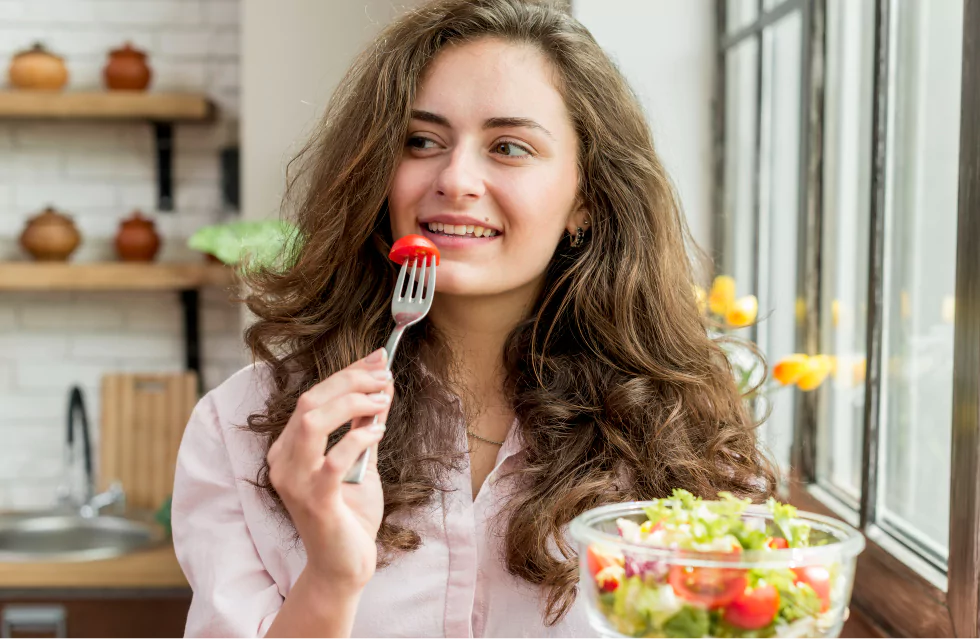
Mindful eating involves paying full attention to the experience of eating and drinking, both inside and outside the body. It means being aware of the colors, smells, textures, flavors, temperatures, and even the sounds of our food. It also means being aware of the body and mind while eating, such as recognizing hunger and fullness cues, and understanding the emotional triggers that lead to eating.
Mindful drinking, as discussed in The Benefits of Mindful Drinking, involves being conscious of the drinking habits and making intentional decisions about alcohol consumption. This practice includes acknowledging the impact of alcohol on mental and physical health and understanding both the positive and negative influences. It encourages drinking in moderation with a full understanding of the consequences of overdrinking.
The Mindset Behind Mindful Drinking
Why Mindful Drinking is Gaining Popularity
Mindful drinking is becoming more common because it offers a flexible, judgment-free approach to changing your habits. It’s not about quitting alcohol cold turkey, but rather about becoming more aware of why you drink, how much you drink, and how it truly makes you feel. For many people who want to cut back but aren't ready to stop completely, this practice provides a sustainable middle ground. It shifts the focus from rigid rules to genuine curiosity, empowering you to make conscious choices that align with your health and wellness goals. This approach resonates because it’s about personal insight, not external pressure.
Are You Sober Curious?
If you've ever questioned your relationship with alcohol, you might be sober curious. This mindset is all about examining your drinking patterns with an inquisitive and honest lens. It involves pausing to ask yourself questions like, “Do I actually want this drink, or am I just on autopilot?” or “How will this second glass of wine affect my morning tomorrow?” Being sober curious doesn’t require a commitment to total sobriety; instead, it’s about gathering information. By understanding your personal triggers and motivations, you can make more informed decisions that serve your well-being, one sip at a time.
It’s About Progress, Not Perfection
One of the most freeing aspects of mindful drinking is that it releases you from the pressure of perfection. This isn't a pass-fail test. Instead, it's a long-term practice of building self-awareness. Some days will be easier than others, and that’s completely okay. The goal is to remain flexible and compassionate with yourself, which ultimately gives you a greater sense of control over your choices. Tools like the Reframe app are designed to support this journey, offering guidance and community without demanding an all-or-nothing approach. It’s about celebrating small wins and learning from every experience, not about achieving a flawless record.
Why Mindful Eating and Drinking Go Hand-in-Hand
Tune Into Your Body's Cues
Both mindful eating and drinking require a heightened sense of awareness. When practiced together, they can reinforce each other. For instance, by paying attention to what and how much we eat, we can better understand our body's responses to alcohol. This awareness can help in recognizing when our drinking habits are influenced by what we eat and vice versa.
Find Your Body's Natural Balance
Mindful eating encourages the consumption of nutrient-dense foods that support overall health. When combined with mindful drinking, which promotes moderation in alcohol intake, the result is a balanced approach to physical well-being. Eating well can mitigate some of the negative effects of alcohol, such as dehydration and nutrient depletion.
Manage Your Emotions, Not Just Your Plate
Many people use alcohol to cope with emotions. Mindful eating can help manage these emotions by fostering a healthier relationship with food. By recognizing emotional eating triggers, we can develop healthier coping mechanisms that do not rely on alcohol. This synergy is particularly beneficial in reducing stress and anxiety, which are common triggers for excessive drinking.
Understanding Low-Risk Drinking Guidelines
How Many People Want to Drink Less?
If you've ever thought about cutting back on alcohol, you're in good company. It turns out that nearly half of all adults who drink want to reduce their consumption but not necessarily quit altogether. This desire for moderation is becoming more common, with studies showing that almost 40% of drinkers have considered trying mindful drinking. The interesting part is that while so many people want to make a change, very few actively seek out traditional support systems. This tells us that there's a huge group of people looking for a different path—one that focuses on awareness and intentionality rather than an all-or-nothing approach. It’s about building healthier habits that fit your life, not completely overhauling it overnight.
Expert Guidelines for Low-Risk Drinking
When you start thinking about your own habits, it helps to have a benchmark. Health experts define low-risk drinking as consuming 14 or fewer standard drinks per week for men and 7 or fewer for women. It's important to see these numbers not as rigid rules, but as guidelines to help you assess your own patterns. This isn't about judging yourself; it's about gaining clarity. Mindful drinking is the practice of being aware of how much you drink and, more importantly, how it makes you feel. Understanding these guidelines can be the first step in making more conscious choices that align with your personal wellness goals and help you track your progress toward a healthier relationship with alcohol.
How to Start Eating and Drinking Mindfully Today
Start with a Clear Intention
Before eating or drinking, set an intention. For example, decide to enjoy a meal slowly and with full attention. Similarly, set a limit for alcohol consumption and stick to it. This practice, highlighted in How To Practice Mindful Drinking, helps in making conscious decisions and avoiding overindulgence.
Ask Yourself: Do I Really Want This Drink?
Before you pour that next glass, take a moment to pause and check in with yourself. Ask the simple but powerful question: “Do I really want this right now?” Sometimes we drink out of habit, social pressure, or just because it’s there. Mindful drinking is about understanding your “why.” Are you reaching for a drink to genuinely enhance an experience, or are you just going through the motions? Consider how it will make you feel—not just in the moment, but physically and mentally later on. This small pause creates space between impulse and action, giving you the power to make a choice that truly aligns with your well-being goals instead of operating on autopilot.
Press Pause and Slow Down
Take your time with each bite and sip. Chew your food thoroughly and savor each flavor. When drinking, take small sips and notice the taste and effect of the alcohol on your body. Slowing down can prevent overeating and overdrinking by giving your body time to signal fullness and satisfaction.
Savor the Experience
Going beyond just slowing down, savoring is about fully engaging your senses with what's in front of you. Instead of just tasting your drink, really notice its complexities. What does it smell like? What are the different flavor notes you can pick out? Pay attention to the temperature and the feel of the glass in your hand. This level of focus helps you appreciate the drink more deeply, making one glass feel more satisfying than three you might have had on autopilot. By paying attention to the taste, smell, and sensation of the drink, you're making a conscious choice to be present. This simple shift can transform your relationship with both food and alcohol, turning mindless consumption into a mindful, enjoyable experience.
Listen to Your Body
Pay attention to hunger and fullness cues. Eat when you are hungry and stop when you are full. Similarly, drink water along with alcohol to stay hydrated and listen to your body's signals to stop drinking when you feel satisfied.
Set the Scene for a Mindful Meal
Both eating and drinking mindfully are enhanced by a pleasant environment. Set the table, avoid distractions like TV or smartphones, and focus on the experience. This practice can make meals and drinks more enjoyable and satisfying.
Check In With Yourself After You Eat
After eating or drinking, take a moment to reflect on how you feel. Notice any physical sensations, emotions, or thoughts that arise. This reflection can help in understanding the effects of different foods and drinks on your body and mind, and guide future choices.
Track Your Drinks to Identify Patterns
Monitoring your alcohol intake is a simple but powerful way to build awareness around your habits. When you start tracking what you drink, you move from autopilot to a more conscious state, allowing you to see patterns you might have otherwise missed. Do you tend to drink more on certain days of the week, with specific people, or in response to particular emotions like stress or boredom? Keeping a log helps you connect the dots. You can use a tool like the Reframe app to easily track your drinks, or simply jot down notes in a journal. The goal isn’t to judge yourself, but to gather information. This data becomes your personal guide, helping you understand your triggers and make intentional decisions that align with your health goals.
How to Drink Mindfully in Social Situations
Plan Ahead Before You Go Out
Heading out for the night feels less stressful when you have a game plan. Before you leave, decide what a successful, mindful night looks like for you. This could mean setting a specific drink limit and having a go-to non-alcoholic option ready for when you reach it. Think of it less as a rule and more as a personal goal that empowers you. Knowing your plan makes it easier to politely decline another round and stick to the choices that make you feel your best. This simple act of mindful drinking puts you in the driver's seat of your evening.
Pace Yourself with Water and Food
One of the most effective ways to stay mindful is to slow things down. Instead of going from one alcoholic drink to the next, try alternating with a glass of water. This simple trick keeps you hydrated, gives your body time to process the alcohol, and helps you stay present and aware of how you're feeling. Having a meal before you start drinking also makes a huge difference, as it helps slow the absorption of alcohol. Pacing yourself isn't about deprivation; it's about savoring the experience and respecting your body's limits, which can help you better understand your blood alcohol content.
Suggest Activities That Don't Revolve Around Drinking
Sometimes the best way to drink mindfully is to change the scenery. If your social circle's default activity is meeting at a bar, be the one to suggest something new. Propose a group hike, a board game night, a trip to a new exhibit, or grabbing coffee instead of cocktails. You might be surprised how many of your friends are open to activities that don't center on alcohol. Shifting the focus from drinking to a shared experience can lead to deeper connections and more memorable moments. It helps redefine socializing on your own terms, creating fun that aligns with your wellness goals.
The Real-Life Benefits of This Practice
Feel Better in Your Body
Mindful eating and drinking can lead to improved physical health by promoting balanced nutrition and moderate alcohol consumption. This combination can reduce the risk of chronic diseases, improve digestion, and enhance overall well-being.
Improve Sleep, Skin Health, and Focus
The positive changes you'll feel aren't just about digestion or weight. When you practice mindful drinking, you might notice you sleep more deeply and wake up feeling genuinely rested. That's because even small amounts of alcohol can disrupt your natural sleep cycles. You'll likely see a difference in the mirror, too. Since alcohol is dehydrating, drinking less can lead to clearer, more hydrated skin. Beyond the physical, many people report a significant improvement in mental clarity. By being more intentional with your alcohol consumption, you can better understand how it affects your body and mind, leading to sharper focus and more consistent energy throughout the day.
Calm Your Mind and Reduce Stress
By managing stress and emotional triggers through mindful eating, and reducing alcohol intake through mindful drinking, mental health can significantly improve. This approach can lead to reduced anxiety, better mood regulation, and enhanced cognitive function.
Improve Your Relationship with Food
Practicing mindfulness in eating and drinking can improve relationships by reducing conflict and increasing presence in social interactions. Being fully present during meals and social gatherings can strengthen connections with others and create more meaningful experiences.
Build Confidence and Save Money
When you practice mindful drinking, you're not just cutting back; you're building self-awareness. This practice is about making conscious choices rather than letting habits run the show. By thinking about why and how much you drink, you gain control, which is a huge confidence builder. The goal isn't necessarily to quit alcohol entirely, but to enjoy it more intentionally, reducing negative side effects like hangovers and anxiety. Tracking your drinks is a simple yet powerful first step in this process. Plus, there's a clear financial upside. Drinking less means spending less on alcohol, Ubers, and late-night food. You might be surprised to see how much you can save over time.
Support Your Long-Term Health
Mindful drinking is one of the best things you can do for your long-term physical and mental health. When you're more aware of your consumption, you're less likely to drink in excess, which directly lowers your risk for health issues like liver disease and high blood pressure. The benefits don't stop there. Cutting back on alcohol can lead to better sleep, less anxiety, easier weight management, and even clearer skin. It’s a practice that helps you understand how alcohol personally affects your body and mind, empowering you to make choices that align with your wellness goals for years to come.
Find More Joy in Every Meal
Mindful eating and drinking can lead to greater satisfaction with food and drink experiences. By savoring each bite and sip, you can enjoy the flavors more fully and feel more content with smaller quantities.
When to Seek Additional Support
Mindful practices are incredible tools for self-awareness and change, but it's also important to recognize when you might need a little extra backup. Reaching out for help isn't a sign that you've failed; it's a sign that you're deeply committed to your well-being. If you feel like your habits are deeply tangled with your emotions, or if you’re struggling to make progress on your own, bringing in a professional or joining a community can make all the difference. It’s about adding more tools to your toolkit and building a stronger support system to help you on your path.
Talking to a Doctor or Therapist
If you notice that strong emotions consistently trigger your desire to eat or drink, speaking with a doctor or therapist can be a game-changing step. They can help you explore the "why" behind your habits in a safe, confidential space. While mindful eating can help you consume less food without feeling deprived, a professional can help you address any underlying emotional issues that mindfulness alone might not resolve. Think of it as getting a personalized roadmap to understand your own patterns, helping you develop coping strategies that are tailored specifically to you and your experiences.
Finding a Support Group
There is incredible power in knowing you’re not alone. Connecting with others who share similar goals and challenges can provide a unique sense of validation and encouragement. Support groups, whether in-person or online, offer a space to share experiences, exchange tips, and hold each other accountable. As one resource notes, mindfulness helps reduce stress and promote overall well-being, and sharing that journey with others can amplify those benefits. This is why community is a cornerstone of the Reframe app—having a built-in network of peers who just *get it* can be a powerful motivator to keep moving forward.
Your Next Steps Toward Mindful Living
Integrating mindful eating with mindful drinking can create a powerful synergy that enhances overall well-being. By paying attention to both what and how we consume, we can build healthier habits, improve physical and mental health, and enjoy more satisfying and meaningful experiences. Start today by setting intentions, slowing down, listening to your body, creating a pleasant environment, and reflecting on your experiences. This holistic approach can lead to a more balanced and fulfilling life.
Frequently Asked Questions
Is mindful drinking just another way of saying I have to quit alcohol? Not at all. Mindful drinking is about changing your relationship with alcohol, not necessarily ending it. The focus is on awareness and intention. Instead of drinking on autopilot, you learn to pause and check in with yourself, making conscious choices about when, why, and how much you drink. For some, this might lead to drinking less, while for others, it simply means enjoying the drinks they do have more fully and without the negative side effects.
I'm focused on my drinking right now. Do I really need to practice mindful eating too? You can absolutely start with just one, but they work so well together because they build the same core skill: listening to your body. When you start paying attention to your hunger and fullness cues with food, you get better at recognizing your body’s signals related to alcohol, like when you’re feeling the effects or when you’ve had enough. Think of it as cross-training for your self-awareness.
What's the most important first step if I feel overwhelmed by all these tips? If you're feeling overwhelmed, just pick one small thing to focus on. A great place to start is simply tracking your drinks for a week without any pressure to change anything. The goal isn't to judge yourself, but to gather information. This simple act of observation can reveal patterns you never noticed and is often the most powerful step in moving from mindless habits to mindful choices.
How do I handle social pressure from friends who expect me to drink like I used to? This is a common concern, and it helps to have a simple plan. You don't need to make a big announcement. Often, just holding a club soda with lime is enough to prevent questions. If someone does offer you a drink you don't want, a simple, "I'm good for now, thanks!" usually works. Remember, you're in control of your choices, and setting this boundary is a way of showing respect for your own well-being.
What if I slip up and have more than I intended? Does that mean I've failed? This is a practice, not a pass-fail test. Having more than you planned doesn't mean you've failed; it means you have a new piece of information. Instead of beating yourself up, get curious. What was the situation? How were you feeling? Use that experience as a learning moment. The goal is progress and self-compassion, not perfection. Every day is a new opportunity to check in with yourself and make a choice that feels right.
Key Takeaways
Practice listening to your body with both food and alcohol: The skills are transferable. Tuning into your hunger and fullness cues makes it easier to recognize how alcohol truly affects you and make choices that feel good long-term.
Get curious about your habits instead of creating rigid rules: Mindful drinking is about asking why you're reaching for a drink, which empowers you to make intentional choices without the pressure of perfection or an all-or-nothing mindset.
Small, practical actions lead to big changes: You can start today by planning ahead for social events, alternating alcoholic drinks with water, or tracking your intake to identify personal patterns and triggers.
Although it isn’t a treatment for alcohol use disorder (AUD), the Reframe app can help you cut back on drinking gradually, with the science-backed knowledge to empower you 100% of the way. Our proven program has helped millions of people around the world drink less and live more. And we want to help you get there, too!
The Reframe app equips you with the knowledge and skills you need to not only survive drinking less, but to thrive while you navigate the journey. Our daily research-backed readings teach you the neuroscience of alcohol, and our in-app Toolkit provides the resources and activities you need to navigate each challenge.
You’ll meet hundreds of fellow Reframers in our 24/7 Forum chat and daily Zoom check-in meetings. Receive encouragement from people worldwide who know exactly what you’re going through! You’ll also have the opportunity to connect with our licensed Reframe coaches for more personalized guidance.
Plus, we’re always introducing new features to optimize your in-app experience. We recently launched our in-app chatbot, Melody, powered by the world’s most powerful AI technology. Melody is here to help as you adjust to a life with less (or no) alcohol.
And that’s not all! Every month, we launch fun challenges, like Dry/Damp January, Mental Health May, and Outdoorsy June. You won’t want to miss out on the chance to participate alongside fellow Reframers (or solo if that’s more your thing!).
The Reframe app is free for 7 days, so you don’t have anything to lose by trying it. Are you ready to feel empowered and discover life beyond alcohol? Then download our app through the App Store or Google Play today!
Reframe has helped over 2 millions people to build healthier drinking habits globally
At Reframe, we do science, not stigma. We base our articles on the latest peer-reviewed research in psychology, neuroscience, and behavioral science. We follow the Reframe Content Creation Guidelines, to ensure that we share accurate and actionable information with our readers. This aids them in making informed decisions on their wellness journey. Learn more
Updated Regularly
Our articles undergo frequent updates to present the newest scientific research and changes in expert consensus in an easily understandable and implementable manner.