The 8 Most Dangerous Drinking Days of the Year, Explained
Published:
2026-09-17
·
Read time:
14 min read
Last Updated:
2026-09-18
Written by
Reframe Content Team
A team of researchers and psychologists who specialize in behavioral health and neuroscience. This group collaborates to produce insightful and evidence-based content.
Certified recovery coach specialized in helping everyone redefine their relationship with alcohol. His approach in coaching focuses on habit formation and addressing the stress in our lives.
Recognized by Fortune and Fast Company as a top innovator shaping the future of health and known for his pivotal role in helping individuals change their relationship with alcohol.
September 17, 2026
·
14 min read
Reframe Content Team
September 17, 2026
·
14 min read
The most dangerous drinking days in the United States cluster around eight dates: New Year's Eve and New Year's Day, Super Bowl Sunday, St. Patrick's Day, Cinco de Mayo, the Fourth of July, Halloween, Blackout Wednesday (the night before Thanksgiving), and Christmas Eve through Christmas Day. What makes them risky is not the holiday itself but a repeatable pattern: long open-ended drinking windows, group pacing, day drinking that starts early, and more impaired drivers on the road at once, which is why crash fatalities, ER visits, and alcohol poisoning calls all rise on these dates. The good news is that predictable risk is plannable risk, and a single decision made in advance (a ride booked, a drink count set, an exit time) does more than willpower on the night. Reframe helps you build that plan before the date arrives instead of improvising in the middle of it.
Which Days Carry the Most Drinking Risk?
The most dangerous drinking days of the year in the United States cluster around eight dates: New Year's Eve and New Year's Day, Super Bowl Sunday, St. Patrick's Day, Cinco de Mayo, the Fourth of July, Halloween, Blackout Wednesday (the night before Thanksgiving), and Christmas Eve through Christmas Day. What makes them risky is not the holiday itself but a repeatable pattern: long open-ended drinking windows, group pacing, day drinking that starts early, and more impaired drivers on the road at once. Federal safety campaign materials do include dedicated impaired-driving topics for the Super Bowl, St. Patrick's Day, the Fourth of July, Halloween, Thanksgiving, and the winter holidays, rather than treating those dates as ordinary nights. The good news is that predictable risk is plannable risk, and a single decision made in advance (a ride booked, a drink count set, an exit time) does more than willpower on the night. Reframe helps you build that plan before the date arrives instead of improvising in the middle of it.
We want to be clear up front about what this post is not. It is not a list of holidays you should skip, and it is not an argument that celebrating is reckless. Plenty of people have a great Fourth of July, a great St. Patrick's Day, and a completely uneventful New Year's Eve.
The useful thing about holiday drinking is that the day doesn't sneak up on you. You know Super Bowl Sunday is coming. You know Christmas Eve is coming. Unlike a random Tuesday that turns into four drinks for no obvious reason, these dates are on the calendar months ahead, which means every one of them can be handled with a decision you make while sober. Below, we walk through the eight dates, what actually drives the risk on each one, and one concrete move that changes the outcome.
What Makes a Drinking Day Genuinely Dangerous?
A dangerous drinking day is not simply a day when people drink more. It is a day when four things stack: the drinking window stretches long, the group sets the pace instead of the individual, drinking starts before anyone has eaten a real meal, and a lot of impaired drivers end up on the road within the same couple of hours. Volume matters, but density and timing matter more.
The Four Risk Mechanisms
A long window. A normal evening out runs two or three hours. A tailgate, a family Christmas, or a Fourth of July cookout can run eight or more. Even modest pacing across eight hours adds up to a number most people would never choose on purpose, partly because nobody is counting from hour one.
Group pacing. When drinks arrive in rounds, your intake is set by whoever in the group drinks fastest. This is the mechanism behind most "I only meant to have two" nights, and it has nothing to do with willpower.
Simultaneous departure. This is the one nobody plans for. Parties end at the same time, bars close at the same time, and fireworks finish at the same time, which puts a concentrated wave of impaired drivers on the road in a narrow window.
Why the Same Drinks Hit Harder on Holidays
There is also an "amateur night" effect worth naming without judgment. On these dates, a lot of people who normally have a glass of wine on Saturday are drinking at the pace of people who drink every night. Low tolerance plus group pacing plus an eight-hour window is a very different experience than the same eight drinks would be for a regular heavy drinker, and it is a big part of why emergency departments and crash data light up on specific calendar days.
None of this means the holiday is the problem. It means you can look at any date on this list, identify which of the four mechanisms is going to be in play, and pull one lever in advance. If you are not sure where your own patterns sit, the What Type of Drinker Are You? quiz is a quick way to find out which mechanism tends to get you.
1. Why Is New Year's Eve the Riskiest Drinking Night for Most People?
New Year's Eve is the clearest example of the after-midnight risk window in the entire year. Rather than being dangerous because of raw volume, it concentrates almost every mechanism at once and then pushes the peak into the worst possible hours. December as a whole is a heavy month for impaired driving, and NHTSA reports that in December 2023 alone, 1,038 people died in alcohol-impaired-driving crashes, with the share of drunk drivers in fatal crashes rising to 47% between midnight and 2:59 a.m.
Look at the structure of the night and the pattern makes sense. The drinking window often runs six to ten hours. There is a mandatory toast at the exact moment most people would otherwise be winding down, which resets pacing right when tolerance is lowest. And then everyone leaves within the same forty-five minutes.
There is a second, quieter risk: the next morning. Alcohol clears slowly, and a late heavy night can leave you impaired well into New Year's Day, which is part of why that morning shows elevated crash risk rather than a clean slate.
One tactic: book the ride home before you leave the house, and set a hard departure time instead of an open-ended "whenever." A car booked at 6 p.m. is a decision made by a sober version of you. If New Year's Day tends to be rough, our guide to handling a New Year's Day hangover covers the recovery side.
2. Why Does Super Bowl Sunday Spike Alcohol Risk?
Super Bowl Sunday earns its place on this list for structural reasons rather than dramatic ones, and it is widely treated as an impaired-driving risk date by safety campaigns. We are not going to quote a beer-volume statistic here, because the ones floating around online are hard to verify.
The mechanism is unusually clean. You get five to seven hours of continuous, seated, cue-dense drinking. Every commercial break is a refill prompt. The food comes out before kickoff and is mostly gone by halftime, so the back half of the game is drinking on an increasingly empty stomach. Nobody tracks a count because the game, not the clock, is what everyone is watching.
Then there is the emotional accelerator. A blowout, a bad call, or your team losing changes drinking intent mid-event in a way that a dinner party never does. Plenty of people drink to a plan through the third quarter and abandon it in the fourth.
One tactic: use a quarter rule. One alcohol-free drink between every quarter, and decide your total number before kickoff. Four quarters gives you four natural, socially invisible pacing breaks, and the structure does the work so you are not negotiating with yourself in real time.
3. Why Is St. Patrick's Day One of the Worst Days for Drunk Driving?
St. Patrick's Day is consistently among the highest-risk holidays for alcohol-impaired driving, and like New Year's Eve, the danger concentrates overnight. Using 2023 holiday data, NHTSA reports that 41% of drivers in fatal crashes between midnight and 2:59 a.m. on St. Patrick's Day were drunk, compared with 32% across the broader overnight window. Drivers aged 21 to 34 made up the largest share of impaired drivers in those fatal crashes.
What makes the day distinct is the format. Drinking often starts at brunch, which means the window is already ten hours long before the evening even begins. Bar crawls move the group between venues, and every move resets the round. And between green beer, pints of varying sizes, and shots handed to you, the standard-drink count becomes genuinely unknowable. If you have ever wondered how your count got away from you, our breakdown of how much alcohol is actually in your drink is worth ten minutes.
One tactic: decide your last venue in advance. A crawl with no endpoint is the actual risk, because the decision to stop never gets made by anyone. Naming the final bar turns an open-ended night into a night with a finish line.
4. Is Cinco de Mayo Actually a High-Risk Drinking Holiday?
Cinco de Mayo belongs on any honest list of the riskiest drinking holidays, and it is probably the most underestimated date here. Federal safety campaigns treat May 5 as an impaired-driving risk date, and MADD, citing NHTSA, reports that historically about one-third of all crashes on May 5 involve a drunk driver, with 47 people killed in drunk driving crashes during Cinco de Mayo in 2019. Those are 2019 figures, not current-year ones, and we are flagging that rather than presenting them as this year's numbers.
Two mechanisms drive the day. First, drink format: a single restaurant margarita or a pitcher-poured glass can hold well more than one standard drink, so the count you carry in your head is almost always lower than the count in your bloodstream. Second, heat and sun. Patio day drinking in May means hours outdoors, and warm-weather drinking tends to hit differently, something we get into in why alcohol hits harder in heat.
One tactic: order by the standard glass rather than the pitcher, and put a glass of water between rounds when you are in the sun. If you would rather sit this one out entirely, there are genuinely good ways to celebrate Cinco de Mayo sober.
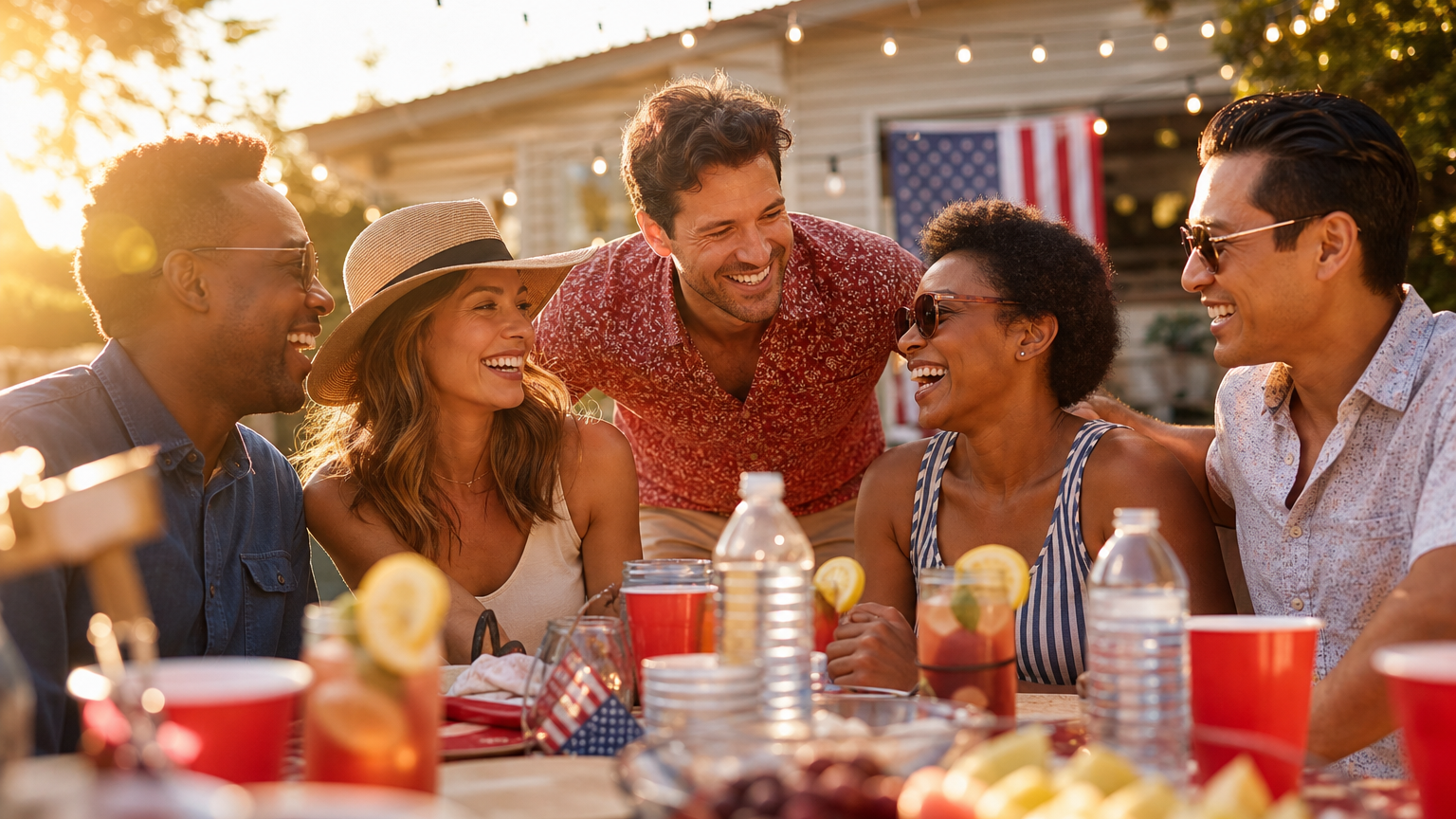
5. Why Is the Fourth of July the Deadliest Summer Drinking Day?
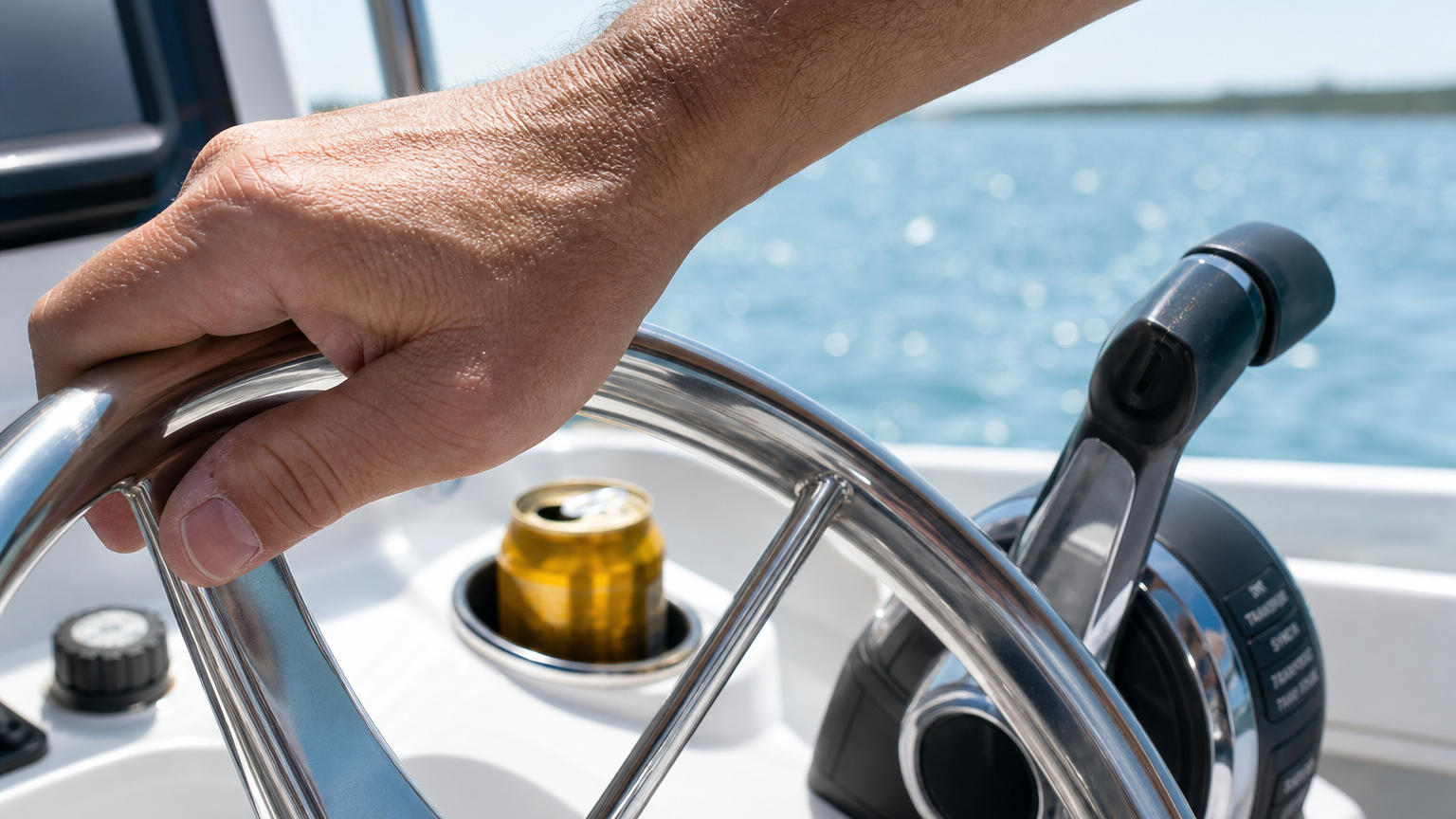
The structure is the most extended on this list. It is often a multi-day window, not a single evening. Drinking is outdoors and all-day, which erases the usual time cues. And the Fourth uniquely mixes alcohol with a long list of physical hazards: boats, pools, lakes, grills, and fireworks. Impairment on the water carries its own legal exposure too, which we cover in our piece on boating under the influence. We are not going to throw drowning statistics at you, because the common-sense version is enough: water plus alcohol plus an eight-hour window is a bad combination, and everyone already knows it.
One tactic: name a designated sober person for anything involving water, a boat, or fireworks, and do it before the day starts rather than in the moment when nobody wants the job. For more on the whole weekend, see our Fourth of July drinking breakdown.
6. How Does Halloween Become a Dangerous Drinking Night?
The mechanism is specific to the night. Costume parties often serve punch of unknown strength, which makes counting standard drinks essentially impossible. Residential streets are full of walkers, many of them children, in the dark, in costumes that were not designed for visibility. And adults are drinking in exactly those neighborhoods.
There is one more variable: Halloween drifts across the week. When October 31 lands midweek, the parties spread over the preceding weekend too, so the risk stretches across several nights instead of concentrating in one.
One tactic: pick your role before the night starts. If you are drinking, you are not the person driving through residential streets, full stop. If you are walking, plan lit routes and crosswalks rather than cutting through dark blocks.
7. What Is Blackout Wednesday and Where Does It Fit in the Year?
Blackout Wednesday, the night before Thanksgiving, is one of the biggest bar nights of the year in many American cities, and federal safety messaging around the Thanksgiving holiday reflects that. The mechanics are easy to see: no work the next day, hometown friends back in town at once, and a "nothing counts tonight" framing that removes the usual brakes.
We are keeping this section short on purpose, because we have covered the day in depth elsewhere. For the full breakdown, including the social dynamics and a practical game plan, read our dedicated guide to safer drinking on Blackout Wednesday.
One tactic: treat it as a normal Wednesday night with an end time. It sits at the front of a four-day holiday window, so whatever happens Wednesday shapes Thursday, Friday, and the weekend that follows.
8. Why Are Christmas Eve and Christmas Day Riskier Than People Expect?
The mechanism here is different from the bar-night dates. Christmas drinking is multi-day, largely at home, and emotionally loaded. Family stress, grief, and loneliness all push people toward drinking for relief rather than pleasure, and relief drinking rarely stops at a predetermined number. On top of that is the home-pour problem: nobody measures at home, and a generous glass of wine can hold well more than one standard drink, which means self-reported counts over the holidays run systematically low.
One tactic: pour with a measuring cup exactly once, look at what one standard glass actually looks like in your own glassware, and then build one alcohol-free day into the holiday block. Our guide to reducing drinking while still having holiday fun has more on making that stick.
How Do You Build a Plan for a High-Risk Drinking Day?
A plan for one of these eight dates takes about five minutes and beats any amount of in-the-moment resolve. The whole idea is to move decisions from the middle of the night (when you are tired, social, and several drinks in) to the afternoon before, when you are none of those things.
A 24-Hour Pre-Holiday Checklist
Decide the number, in standard drinks. Not "a couple of glasses." A specific count, defined in standard drinks, because glasses and pours vary wildly and cans of seltzer are not all the same strength.
Handle transportation first. This is the single highest-leverage decision on every date on this list. Book the ride, arrange the driver, or plan to stay over. Do it before you have had anything at all.
Pick a pacing structure. Zebra striping (alternating alcoholic and alcohol-free drinks), one drink per hour, or water between every round. Any structure beats monitoring how you feel, because how you feel lags behind your actual blood alcohol level by a long way.
Eat before, not during. Food arriving late is one of the most common mechanisms on this whole list, and eating first is one of the cheapest interventions available.
Pre-write two lines. One refusal line ("I'm good with this one, thanks") and one exit line ("I've got an early morning, I'm heading out at eleven"). Having them ready means you are not composing social scripts while impaired. If saying no is the sticking point, we have a whole piece on how to say no to alcohol.
Track the night. Logging as you go does two things: it keeps the count honest in the moment, and it gives you a record so next year's version of this holiday starts from data instead of vibes. Reframe's mindful drinking program is built around exactly that loop, and if you are unsure whether your holiday drinking is part of a bigger pattern, the Am I Drinking Too Much? quiz takes a couple of minutes.
What to Do the Morning After
Assume you may still be impaired. Alcohol clears slowly, roughly on the order of one standard drink an hour for many people, so a heavy midnight-to-2 a.m. stretch can leave you over the limit at breakfast. If you drank heavily late, take driving off the table for the morning rather than guessing from how alert you feel. Then hydrate, eat, and get the day back on track without turning it into a referendum on your character. One rough night is a data point, not a verdict.
When Is Holiday Drinking a Medical Emergency Rather Than a Bad Night?
So: do not let someone sleep it off if you cannot wake them. Turn an unconscious person onto their side, stay with them, and call for help. That is the whole protocol, and it is not an overreaction.
Cardiac symptoms deserve the same seriousness. Chest pain, fainting, shortness of breath, or a racing irregular heartbeat after heavy drinking warrants urgent care rather than a wait-and-see night. Timing can be deceptive here: StatPearls notes that holiday heart syndrome frequently shows up in emergency departments 12 to 36 hours after a drinking binge ends, so symptoms can arrive a full day after the party. Cleveland Clinic's guidance is to go to the emergency room for palpitations with chest pain and shortness of breath, and not to drive yourself. We also have a reader-friendly overview of holiday heart syndrome and how to lower the risk.
One last thing, and it matters. If you have been drinking heavily every day and you are thinking about stopping abruptly before a holiday, talk to a clinician first. Unsupervised withdrawal from daily heavy drinking can be genuinely dangerous, and a doctor can help you taper or detox safely. That is a medical decision, not a willpower decision, and getting support for it is the opposite of weakness. When you are ready to work on the longer pattern, you can download Reframe and start with the next date on the calendar rather than the whole year at once.
Summary FAQs
1. What is the biggest drinking day of the year in the US?
New Year's Eve is the most consistently dangerous drinking night of the year for alcohol-involved crash deaths, with risk peaking in the hours just after midnight. By raw volume consumed, Super Bowl Sunday and the Fourth of July also rank near the top. The night before Thanksgiving is the biggest bar night in many cities, which makes it a separate kind of high-risk date.
2. Which holiday has the most drunk driving deaths?
New Year's Day and the Fourth of July period consistently record the highest shares of alcohol-impaired driving fatalities in US crash data, with St. Patrick's Day close behind. The common factor is a long drinking window that ends with a large number of people driving home at roughly the same time. Booking transportation before you start drinking removes most of that exposure.
3. Why do people drink more on holidays?
Holidays remove the usual guardrails: there is no work the next morning, the drinking window stretches across most of a day, everyone around you is drinking at a group pace, and social scripts treat refusing a drink as breaking the mood. Stress, family dynamics, and grief also push people toward drinking for relief rather than enjoyment. Recognizing which of these is driving your holiday is more useful than trying to white-knuckle the day.
4. Is day drinking more dangerous than night drinking?
Day drinking tends to be riskier because it extends the total window, often starts before you have eaten much, and happens in settings like tailgates, patios, boats, and pools where heat, sun, and water add their own hazards. It also makes it harder to notice how many hours you have been drinking. Alternating with water and eating a real meal before you start both help meaningfully.
5. How can I still enjoy a holiday without binge drinking?
Decide your drink count in standard drinks before you arrive, lock in your ride home in advance, set a departure time, and use a pacing structure like one alcohol-free drink between every alcoholic one. Having one prepared refusal line means you are not negotiating in the moment. Most people find the holiday itself stays intact; it is the unplanned last two hours that cause the damage.
6. Can you still be over the legal limit the morning after a holiday?
Yes. The body clears roughly one standard drink per hour, so a heavy New Year's Eve or Christmas Eve can leave you above the legal limit well into the next morning. This is why New Year's Day morning shows elevated crash risk. If you drank heavily late, plan to not drive at all the following morning rather than guessing by how you feel.
7. What are the signs of alcohol poisoning at a holiday party?
Call 911 if someone is confused or cannot be woken, is vomiting while unresponsive, has a seizure, is breathing slowly or irregularly, or has pale, blue-tinged, or cold skin. Do not let them sleep it off, because blood alcohol keeps rising after the last drink. Turn them onto their side and stay with them until help arrives.
Want a Plan for the Year's Biggest Drinking Days? Reframe Can Help!
Although it isn't a treatment for alcohol use disorder (AUD), the Reframe app can help you cut back on drinking gradually with the science-backed knowledge to empower you 100% of the way. Our proven program has helped millions of people around the world drink less and live more. And we want to help you get there, too!
The Reframe app equips you with the knowledge and skills you need to not only survive drinking less, but to thrive while you navigate the journey. Our daily research-backed readings teach you the neuroscience of alcohol, and our in-app Toolkit provides the resources and activities you need to navigate each challenge.
You'll meet millions of fellow Reframers in our 24/7 Forum chat and daily Zoom check-in meetings. Receive encouragement from people worldwide who know exactly what you're going through! You'll also have the opportunity to connect with our licensed Reframe coaches for more personalized guidance.
Plus, we're always introducing new features to optimize your in-app experience. We recently launched our in-app chatbot, Melody, powered by the world's most powerful AI technology. Melody is here to help as you adjust to a life with less (or no) alcohol.
And that's not all! Every month, we launch fun challenges, like Dry/Damp January, Mental Health May, and Outdoorsy June. You won't want to miss out on the chance to participate alongside fellow Reframers (or solo if that's more your thing!).
The Reframe app is free for 7 days, so you don't have anything to lose by trying it. Are you ready to feel empowered and discover life beyond alcohol? Then download our app through the App Store or Google Play today!
Reframe has helped over 2 millions people to build healthier drinking habits globally
At Reframe, we do science, not stigma. We base our articles on the latest peer-reviewed research in psychology, neuroscience, and behavioral science. We follow the Reframe Content Creation Guidelines, to ensure that we share accurate and actionable information with our readers. This aids them in making informed decisions on their wellness journey. Learn more
Updated Regularly
Our articles undergo frequent updates to present the newest scientific research and changes in expert consensus in an easily understandable and implementable manner.
Mothers Against Drunk Driving. Designate a non-drinking driver before heading out for Cinco de Mayo. https://madd.org/press-release/designate-a-non-drinking-driver-before-heading-out-for-cinco-de-mayo/
National Institute on Alcohol Abuse and Alcoholism. The truth about holiday spirits. National Institutes of Health. https://www.niaaa.nih.gov/publications/brochures-and-fact-sheets/truth-about-holiday-spirits
National Institute on Alcohol Abuse and Alcoholism. Alcohol metabolism. National Institutes of Health. https://www.niaaa.nih.gov/publications/alcohol-metabolism
National Highway Traffic Safety Administration. Winter holidays: Buzzed driving is drunk driving. Traffic Safety Marketing. https://www.trafficsafetymarketing.gov/safety-topics/drunk-driving/buzzed-driving-drunk-driving/winter-holidays
National Highway Traffic Safety Administration. St. Patrick's Day: Buzzed driving is drunk driving. Traffic Safety Marketing. https://www.trafficsafetymarketing.gov/safety-topics/drunk-driving/buzzed-driving-drunk-driving/st-patricks-day
National Highway Traffic Safety Administration. Halloween: Buzzed driving is drunk driving. Traffic Safety Marketing. https://www.trafficsafetymarketing.gov/safety-topics/drunk-driving/buzzed-driving-drunk-driving/halloween
National Highway Traffic Safety Administration. Fourth of July: Buzzed driving is drunk driving. Traffic Safety Marketing. https://www.trafficsafetymarketing.gov/safety-topics/drunk-driving/buzzed-driving-drunk-driving/fourth-july
National Institute on Alcohol Abuse and Alcoholism. Understanding the dangers of alcohol overdose. National Institutes of Health. https://www.niaaa.nih.gov/publications/brochures-and-fact-sheets/understanding-dangers-of-alcohol-overdose