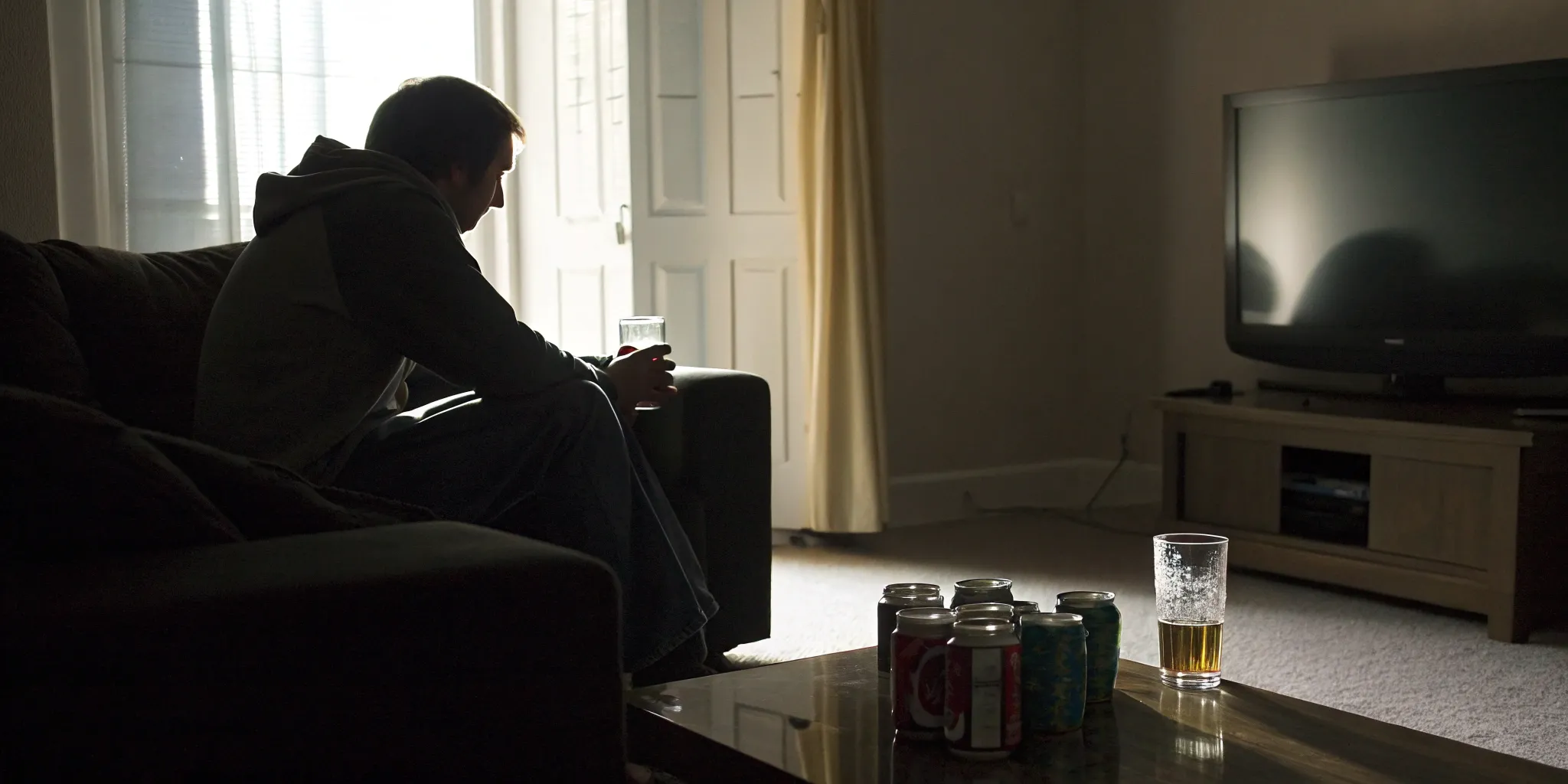
You might be the person who has it all together from Monday to Friday. You’re productive at work, you hit the gym, and you stay on top of your responsibilities. Then the weekend arrives, and the "work hard, play hard" mentality takes over, often leading to heavy drinking as a way to completely switch off. This "weekend warrior" cycle is incredibly common, but it creates a sharp contrast between your disciplined weekday self and your weekend habits. This pattern, known as weekend binge drinking, can make it difficult to see that a problem is developing. This article is for anyone who feels that disconnect. We’ll explore this mindset, the hidden health risks, and how to find a better balance without sacrificing your need to relax and recharge.
Key Takeaways
- Frequency Isn't the Full Story: Heavy drinking concentrated on the weekends can be just as taxing on your body and brain as a daily habit. It's the pattern of intense consumption, not just the days you drink, that creates health risks and can lead to dependency.
- Identify Your Weekend Script: Our weekend habits are often automatic. Pinpoint your specific triggers—whether it's social pressure, stress relief, or boredom—to understand the "why" behind your drinking and start rewriting your routine.
- Create a Plan Before Friday Hits: Don't leave your weekend to chance. Make a conscious plan by setting your limits in advance, filling your schedule with enjoyable alcohol-free activities, and tracking your habits to gain awareness and stay in control.
What is weekend binge drinking?
The phrase "weekend binge drinking" might bring to mind images of college parties, but the reality is much broader and more common. It describes a pattern where someone’s drinking is concentrated over a few days—typically Friday and Saturday—often to excess. It’s not about having a single glass of wine with dinner; it’s about consuming multiple drinks in a short period, a pattern that can easily become a habit.
For many, this cycle feels normal. The weekend is seen as a reward for a long workweek, a time to de-stress and let loose. However, when this "reward" consistently involves heavy drinking, it can blur the line between a casual habit and a more serious dependency. This pattern can be particularly tricky because it’s easy to justify. You might think, "I don't drink during the week, so I don't have a problem." But heavy drinking, even if it’s confined to one or two nights a week, carries significant risks for your physical and mental health. It’s a behavior that deserves a closer look, not with judgment, but with curiosity about its impact on your life and well-being.
What counts as binge drinking?
The term "binge drinking" has a specific definition. According to the National Institute on Alcohol Abuse and Alcoholism (NIAAA), it involves drinking enough to raise your blood alcohol content (BAC) to 0.08% or higher. For most women, this typically means consuming four or more drinks in about two hours; for men, it's five or more.
It’s important to understand what counts as a "drink": a 12-ounce beer, a 5-ounce glass of wine, or a 1.5-ounce shot of spirits. The key factors are the quantity and the speed of consumption. Having several drinks spread out over an entire evening is very different from having the same number in just a couple of hours. This rapid intake is what overwhelms your body’s ability to process alcohol, leading to intoxication and its associated risks.
Why weekends can be a trigger
Weekends are practically designed to be a trigger for drinking. After a stressful week of work, deadlines, and responsibilities, the weekend often feels like a pressure release valve. Social calendars fill up with events like happy hours, dinners, and parties where alcohol is not just present but often central to the activity. This combination of wanting to unwind and being in social settings where everyone else is drinking creates a powerful pull.
Beyond social pressure, many people use alcohol to cope with negative emotions that have built up over the week, like stress, anxiety, or even boredom. The weekend provides the time and opportunity to use drinking as an escape. Over time, this can create a strong psychological association where the weekend and heavy drinking become inseparable. Exploring mindful drinking can be a great first step toward breaking this cycle.
It’s easy to draw a line in the sand between someone who drinks every day and someone who only drinks on the weekend. For many, Friday and Saturday nights are a designated time to let loose, socialize, and de-stress from the workweek. This pattern can feel normal, even earned. But when "letting loose" consistently involves drinking heavily in a short amount of time, it enters a different territory.
The primary difference isn't just about the days of the week you drink; it's about the pattern of consumption and the mindset that drives it. While daily drinking involves a consistent, habitual intake, weekend binge drinking is characterized by intense, concentrated episodes. This "all or nothing" approach carries its own set of risks that are often overlooked because the behavior is confined to just a couple of days. Understanding these distinctions is the first step toward seeing your habits more clearly.
Weekend binges vs. daily drinking
Daily drinking often involves having one or two drinks consistently, while weekend drinking can mean consuming many drinks in a single sitting. The National Institute on Alcohol Abuse and Alcoholism defines binge drinking as a pattern that brings your blood alcohol concentration to 0.08% or higher. For women, this typically means four or more drinks in about two hours; for men, it's five or more.
The main difference is intensity over frequency. Someone might not touch alcohol from Monday to Thursday, but then drink heavily on Friday night. Because there are sober days in between, it’s easy to dismiss it as not being a "real" problem. However, this cycle of heavy drinking, even if it's not daily, can still be incredibly taxing on your body and mind.
Understanding the "weekend warrior" mindset
The "weekend warrior" is often someone who is productive and responsible during the week. You might excel at your job, maintain your fitness routine, and manage your household, only to use alcohol as a total release on the weekends. This contrast can make it difficult to recognize that a problem is developing. You might tell yourself, "I don't drink every day, so I'm fine."
This mindset overlooks a crucial point: it’s not just about how often you drink, but how alcohol affects your actions and life. If your weekends are consumed by drinking and recovering, if you make choices you regret, or if your health is suffering, the pattern is harmful regardless of what you do from Monday to Friday. This cycle can still lead to dependency and serious health issues down the road.
What are the health risks of weekend binge drinking?
It’s a common belief: if you stick to drinking only on the weekends, you’re in the clear. But when Friday night leads to heavy drinking, that pattern can carry its own set of health risks. Concentrating alcohol consumption into one or two days can put significant strain on your body and mind, sometimes in ways you might not expect. Let's look at what that really means for your health, both right away and down the road.
Short-term physical effects
The immediate effects of binge drinking are often the most visible. One night of drinking too much can dramatically increase your risk of accidental injuries from falls or car crashes. It also clouds your judgment, which can put you in unsafe situations. A dangerously high blood alcohol content (BAC) can lead to alcohol poisoning, a medical emergency where essential body functions like breathing are suppressed. While you might just be planning a fun night out, binge drinking can quickly turn a celebratory evening into a hazardous one.
Long-term health consequences
You might think your body has all week to recover, but repeated weekend binges take a toll. This pattern of excessive drinking can lead to serious chronic health problems, including liver disease, heart problems, and even certain types of cancer. Each binge puts your organs under stress, and over months and years, that stress accumulates. It also increases your risk of developing an Alcohol Use Disorder. Consistently drinking heavily, even if it’s confined to the weekend, creates long-term health issues that extend far beyond a Sunday morning hangover. Adopting a more mindful drinking approach can help reduce these risks.
The impact on your mental health
The connection between alcohol and mental well-being is complex. Many of us drink to unwind from a stressful week, but binge drinking can actually make anxiety and depression worse. Alcohol disrupts the delicate balance of chemicals in your brain, and the "rebound" effect after a binge can leave you feeling more anxious or down than before. Over time, relying on alcohol to cope can create a difficult cycle where you drink to feel better, only to find your mental health suffering as a result. This can weaken your natural ability to manage stress and contribute to persistent feelings of unease.
What are the warning signs of weekend binge drinking?
It can be tricky to spot when weekend drinking crosses the line from a fun social activity to a potential problem. The signs often build up slowly, making them easy to dismiss as just "letting off steam." But paying attention to certain patterns in your behavior, physical health, and emotional state can give you a clearer picture of your relationship with alcohol. Recognizing these signs isn't about labeling yourself; it's about gaining awareness so you can make choices that align with the life you want to live.
Behavioral signs to watch for
Take a moment to think about your habits. Do your weekend plans consistently revolve around drinking? A key sign is when casual drinking starts to feel more like a dependency. This might look like drinking alone more often or finding yourself reaching for alcohol specifically to cope with stress, sadness, or boredom. You might also notice that you drink more than you intended, even after promising yourself you’d cut back. Another behavioral flag is becoming defensive or irritable if a friend or family member brings up how much you’re drinking. These actions can signal that alcohol is taking up more space in your life than you realize. Practicing mindful drinking can help you become more aware of these patterns as they happen.
Physical symptoms you might notice
Your body often sends the first signals that weekend binge drinking is taking a toll. Waking up on Saturday or Sunday morning with no memory of the night before is a serious red flag known as a blackout. Even if you don't experience blackouts, frequent and intense hangovers that ruin your days off are a clear sign your body is struggling. Over time, heavy weekend drinking can contribute to more significant health issues, including high blood pressure, digestive problems, and liver damage. You might also notice persistent fatigue, poor sleep quality, and a general feeling of being run-down, even after the weekend is over. Understanding your blood alcohol content can help you visualize the physical stress you're putting on your body.
Social and emotional changes
Alcohol can also change how you interact with the world and how you feel inside. Do you act like a completely different person when you drink? If your personality shifts dramatically—perhaps you become more aggressive, emotional, or reckless—it’s a sign that alcohol is having a powerful effect on you. You might also find yourself using alcohol to numb difficult emotions, only to feel a wave of guilt or anxiety the next day. This cycle can be exhausting. Socially, you may start to pull away from friends or activities that don’t involve drinking, or notice that your relationships are becoming strained because of your weekend habits.
Why do we binge drink on weekends?
The transition from a busy workweek to the freedom of the weekend can feel like a switch flips. For many, that switch is tied to alcohol. Understanding the underlying reasons why weekends often become a trigger for binge drinking is the first step toward changing the pattern. It’s rarely about just one thing; usually, it’s a mix of social expectations, stress relief, and some common misunderstandings about what "problem drinking" actually looks like.
Social pressure and cultural norms
From bottomless mimosas at brunch to happy hour on Friday, our culture often frames the weekend as a two-day party. When everyone around you is drinking, it’s easy to feel like you should be, too. This pressure isn’t always spoken; it’s in the environment, the invitations, and the social media posts. What starts as casual drinking to fit in can slowly become a habit that feels hard to break.
This is how casual weekend drinking can sometimes mask a more significant issue. The line between social drinking and dependency can get blurry when heavy drinking is normalized every weekend. Practicing mindful drinking can help you stay present and make choices that feel right for you, even when you’re surrounded by others who are drinking heavily.
A way to relieve stress and escape
After a long week of deadlines and responsibilities, the urge to decompress is strong. Many people turn to alcohol as a quick way to shed stress and escape from negative emotions. If you’ve had a tough week, a few drinks can feel like a reward or a way to finally shut off your work brain. It’s a common coping mechanism, but it’s often a temporary one.
While alcohol might offer a short-term sense of relief, it can create a cycle where you rely on it to manage your feelings. Instead of processing stress, you’re just postponing it. This can lead to increased anxiety or feelings of guilt the next day, making the start of the new week even harder. Finding healthier ways to unwind—like exercise, a hobby, or talking with a friend—can provide lasting stress relief without the negative side effects.
Common myths about weekend drinking
One of the biggest myths is that if you only drink on the weekends, you don’t have a problem. This belief makes it easy to dismiss heavy drinking as just "letting off steam." But the frequency of your drinking is only one part of the picture; the quantity matters just as much. Binge drinking, even if it’s confined to Friday and Saturday nights, can still lead to serious health consequences and increase your risk of developing alcohol dependence.
Heavy weekend drinking can cause everything from blackouts to long-term liver damage. It’s important to understand how much alcohol you’re actually consuming and what that means for your body. Knowing your Blood Alcohol Content (BAC) can give you a clearer picture of the physical impact. The idea that weekend drinking is harmless is a dangerous misconception that prevents many people from re-evaluating their habits.
How does weekend binge drinking affect your brain and body?
It’s easy to think of weekend drinking as a harmless reset button, something that doesn’t count because you’re “good” all week. But your body and brain don’t operate on a five-day workweek. The effects of heavy weekend drinking are cumulative and can have a significant impact on your health, even if you’re sober from Monday to Friday. From disrupting your sleep to altering your brain chemistry, this pattern can take a bigger toll than you might realize. Let's look at what’s really happening inside when you go all out on the weekends.
Changes to your brain and tolerance
When you repeatedly drink heavily, your brain starts to adapt. This isn't just about feeling fuzzy the next day; it's about long-term structural changes. According to the National Institute on Alcohol Abuse and Alcoholism, this pattern can affect the parts of your brain responsible for decision-making and impulse control. This makes it harder to stick to your goals, whether it's drinking less or just getting things done. Over time, your tolerance also increases, meaning you need more alcohol to get the same feeling. This can create a cycle where you’re drinking more and more, increasing the risk of developing an unhealthy relationship with alcohol.
The impact on your sleep and recovery
Ever wonder why you feel so exhausted on Monday, even after "relaxing" all weekend? Alcohol is often the culprit. While a few drinks might make you feel sleepy at first, heavy drinking seriously disrupts your sleep patterns, especially the restorative REM stage. This leads to poor recovery and that all-too-familiar feeling of being drained and anxious. Your body is working overtime to process the alcohol, which can lead to other issues like elevated blood pressure and an overworked liver. Instead of recharging you for the week ahead, a weekend of binge drinking can leave you starting from a deficit.
Memory loss and blackouts
Blackouts are one of the more alarming consequences of drinking too much, too quickly. It’s not about passing out; it’s about your brain’s inability to form new memories while your blood alcohol content is high. You might be walking, talking, and interacting, but your brain isn't recording any of it. If you’ve ever woken up with gaps in your memory from the night before, you’ve experienced this. When this happens regularly, it can have lasting effects on your memory and cognitive function. It’s a clear sign that your weekend habits are putting a serious strain on your brain.
What triggers weekend binge drinking?
Understanding what prompts you to drink more on weekends is the first step toward making a change. Triggers are the specific cues—people, places, feelings, or times of day—that spark the urge to drink. For many of us, the weekend is packed with them. It’s not just about willpower; it’s about recognizing the patterns that have become ingrained in our routines. By identifying your personal triggers, you can start to anticipate them and create a plan to respond differently, putting you back in control of your choices and your health.
Social and environmental cues
The most obvious triggers are often right in front of us. The clock hitting 5 p.m. on a Friday, a text from a friend about happy hour, or simply walking past your favorite bar can all signal that it’s time to drink. These environmental cues are powerful because they’re tied to our routines and social lives. When casual weekend drinking starts to feel automatic, it can become a problem. It’s less about how much you drink and more about how alcohol begins to affect your actions and your life. Heavy weekend drinking can lead to serious issues like blackouts and long-term health damage. Learning to practice mindful drinking can help you become more aware of these external pressures and make conscious choices instead of falling into old habits.
Emotional and stress-related triggers
Sometimes, the trigger isn’t external but comes from within. After a long and stressful week, it’s tempting to use alcohol to unwind, de-stress, or escape from feelings of anxiety or boredom. You might feel like you "deserve" it. Using alcohol to cope with emotions is a common but risky pattern. If you find yourself drinking to manage your feelings or notice that you act very differently when you’re drunk, it could be a sign that your weekend habit is becoming a crutch. Drinking alone or using alcohol to numb difficult emotions are key indicators that your relationship with alcohol may need a closer look. Understanding your Blood Alcohol Content (BAC) can also provide a concrete look at how these emotionally-driven drinking sessions are impacting your body.
How to change your weekend drinking habits
Recognizing that you want to change your weekend drinking habits is a huge first step. The good news is that you don’t have to overhaul your entire life overnight. Making small, intentional shifts can lead to big results. Instead of relying on willpower alone, you can create a new weekend script for yourself—one that feels just as relaxing and fun, but leaves you feeling healthier and more clear-headed.
The key is to be proactive rather than reactive. When you go into the weekend without a game plan, it’s easy to fall back on old routines. By creating a plan, finding new sources of joy, and staying mindful of your choices, you can take back control of your weekends. Let’s walk through a few practical strategies you can start using right away to build a weekend you won’t want to escape from.
Plan ahead for a better weekend
Heading into a weekend without a plan can make it easy to fall back into old habits. A little preparation goes a long way in setting yourself up for success. Before Friday rolls around, take a moment to think about your goals. Do you want to stick to a certain number of drinks, or maybe try a completely alcohol-free weekend? Deciding on your limit beforehand removes the guesswork when you’re in a social situation.
If you’re going out, decide what you’ll drink—and how many—before you even leave the house. You can also try alternating alcoholic drinks with water or a fun mocktail. If you’re staying in, stock your fridge with appealing non-alcoholic options so you’re not tempted out of boredom. This isn’t about restriction; it’s about making a conscious choice that aligns with your well-being and practicing mindful drinking.
Discover alcohol-free weekend activities
A major reason we drink on weekends is that it’s become our default activity. Breaking that cycle means finding new things to do that you genuinely enjoy. Think about what truly helps you relax and recharge. Is it spending time in nature, getting lost in a creative project, or moving your body? Make a list of alcohol-free activities you’ve been wanting to try.
This could be anything from a morning hike or a bike ride to visiting a new coffee shop, trying a pottery class, or hosting a board game night. When you fill your weekend with engaging activities, drinking often becomes an afterthought. You might also notice some extra cash in your wallet, which is a great motivator. You can use an alcohol spend calculator to see how much you could save by swapping a few drinks for a new hobby.
Try mindful drinking and tracking
If you’re not sure where to start, simply paying closer attention to your current habits can be incredibly insightful. That’s where tracking comes in. Using an app like Reframe to log your drinks helps you see your patterns clearly without judgment. You might realize you drink more when you’re stressed or with certain friends. This awareness is the foundation for making meaningful changes.
The Reframe app offers personalized drink tracking, neuroscience-based courses to help you understand your triggers, and a supportive community to cheer you on. It’s a powerful toolkit for anyone looking to reduce their alcohol intake. By tracking your drinking habits, you’re not just counting drinks—you’re gathering the information you need to build healthier coping skills and create a lifestyle that feels good both in the moment and the morning after.
When is it time to seek support?
It can be tough to know when your weekend drinking habits have crossed a line from casual fun to something more concerning. The line is different for everyone, but the key is how alcohol affects your life, not just how much you drink. If you’re starting to question your relationship with alcohol, that’s a sign worth paying attention to. Recognizing that you might need a little help is a huge step, and it’s a sign of strength, not weakness. It shows you're in tune with yourself and committed to your well-being.
The good news is that there are so many ways to find support, whether you’re looking to cut back, practice mindful drinking, or stop altogether. You don’t have to figure it all out on your own. Exploring your options and finding what works for you is the most important part of the process. It's not about fitting into a specific box or label; it's about finding a path that feels right for you. Remember, the goal is to build a life that feels good, and sometimes that means leaning on others for guidance and encouragement. Taking that first step can feel intimidating, but it's the most powerful one you can make.
Signs you might need more help
If your weekend drinking is causing problems in your relationships, at work, or with your health, it might be time to take a closer look. Ask yourself if any of these feel familiar: Do you often drink alone or use alcohol to manage your feelings? Have you found yourself doing things while drinking that you later regret? Maybe you’ve tried to set limits for yourself, like having only two drinks, but find you can’t stick to them. These can all be signs that your drinking habits are becoming a problem. It’s not about labeling yourself; it’s about honestly assessing the impact alcohol has on your life and well-being.
Resources for getting support
If you think you might have a drinking problem, reaching out to a medical professional or an addiction specialist is a great first step. They can offer personalized guidance and help you understand your options. Support groups like Alcoholics Anonymous (AA) provide a community of people who understand what you’re going through. For immediate, confidential help, you can also call the Substance Abuse and Mental Health Services Administration's (SAMHSA) National Helpline at 1-800-662-HELP (4357) to find treatment options near you. And of course, apps like Reframe offer a supportive community and tools right on your phone to help you build healthier habits on your own terms.