A team of researchers and psychologists who specialize in behavioral health and neuroscience. This group collaborates to produce insightful and evidence-based content.
Certified recovery coach specialized in helping everyone redefine their relationship with alcohol. His approach in coaching focuses on habit formation and addressing the stress in our lives.
Recognized by Fortune and Fast Company as a top innovator shaping the future of health and known for his pivotal role in helping individuals change their relationship with alcohol.
July 20, 2023
·
16
Reframe Content Team
July 20, 2023
·
16
You’re at a party, glass in hand, enjoying the moment. It's easy to sip a beer or wine without a second thought. But have you ever wondered what alcohol is made of? Beyond the clever marketing and rustic labels, there's a fascinating science at play. Understanding the alcohol manufacturing process, from raw ingredients to the final pour, is key. Knowing exactly how alcohol is made empowers you to make more informed choices about what you're drinking. We'll pull back the curtain on how your favorite drink gets from the field to your glass.
Let's explore the science behind its composition, the reasons for its widespread acceptance, and ways we can imbibe it more mindfully.
So, Is Alcohol Actually a Drug?
Yes, alcohol is a drug. It’s considered to be a depressant that slows down the central nervous system while altering mood, cognition, and behavior. Regular or excessive drinking can lead to dependence and other serious health issues.
What the World Health Organization Says
The World Health Organization (WHO) offers a clear perspective on this, classifying alcohol as a "psychoactive substance." This isn't just medical jargon; it means that alcohol directly impacts our mental processes, altering our mood, thoughts, and even how we perceive the world around us. This classification puts it in the same category as other substances known for their mind-altering effects. It's a powerful reminder that while a glass of wine might feel like a simple way to unwind, we're consuming something that has a profound effect on our brain chemistry. Understanding this helps us approach drinking with more awareness and intention.
Beyond the immediate effects on our minds, the WHO also points to serious long-term health risks. They emphasize that consistent, heavy drinking is linked to a higher risk of developing several types of cancer and other chronic diseases. This isn't meant to be a scare tactic, but rather a crucial piece of the puzzle when we consider our relationship with alcohol. Being informed about the full picture of what alcohol is and how it affects our bodies empowers us to make choices that align with our health goals. It’s about having all the facts so we can engage with alcohol mindfully, if we choose to engage with it at all.
How Is Alcohol Actually Made?
To understand alcohol, we must take a deep dive into ethanol. Ethanol is a potent compound of carbon, hydrogen, and oxygen atoms. This compound is what we commonly refer to as “alcohol.” The adaptability of ethanol is a double-edged sword; while it can seamlessly blend with a multitude of flavors to create the vast array of alcoholic beverages, it also serves as the primary agent of alcohol's adverse effects.
So, how does ethanol become the glass of wine or beer that we frequently hold in our hands? The answer lies in a natural, age-old process known as fermentation.
How Fermentation Creates Alcohol
How is alcohol made? All alcoholic beverages start with fermentation. Fermentation involves microorganisms like yeasts or bacteria digesting sugars — primarily glucose, fructose, and maltose. These sugars are typically derived from fruits like grapes or grains such as barley or corn. Under the right conditions, the microorganisms begin to metabolize the sugars. This biochemical reaction transforms sugar into ethanol and carbon dioxide, leading to what we identify as alcohol. This process of alcohol fermentation has been utilized for thousands of years to make wine, beer, and spirits.
Why Sugar Source Defines Your Drink's Flavor
The sugars that yield from alcohol fermentation shape the flavor of the final product, often distracting from the potential harm caused by the ethanol itself. Sugars derived from fruits, such as grapes, form the backbone of wines, and grains contribute to a wide array of beer flavors.
Furthermore, many drinks come with a lot of added sugar, which masks the potentially hazardous effects of ethanol into a seemingly harmless, enjoyable beverage. Alcohol’s deceptive appeal to our taste buds can lead our brains to crave more alcohol, potentially leading to a cycle of dependence. The extra sugar intake can lead to a host of health issues, such as Type 2 diabetes, heart disease, and even dental problems.
Specific Ingredients for Common Drinks
So, how do those different sugar sources turn into the drinks we know? It all comes down to the base ingredient and the specific process it goes through. The primary ingredient must contain sugar or starch for fermentation to work its magic. Here are a few of the most common starting points:
Grapes: The foundation of wine, grapes are crushed for their sugary juice, which is then fermented.
Barley: This grain is essential for making beer and many types of whiskey.
Sugarcane: When processed, sugarcane creates molasses, the key ingredient for rum.
Corn: A staple grain in the United States, corn is commonly used to make bourbon and vodka.
Each type of alcohol undergoes a unique manufacturing process that creates its distinct character and flavor profile. For wine, the journey begins with crushing grapes, followed by fermentation where yeast converts the sugars into alcohol. The wine is then pressed, clarified, and aged before it’s finally bottled. Beer production starts with malting grains like barley, which are then mashed to create a sugary liquid. This liquid is boiled with hops, cooled, and fermented before it’s matured and carbonated. Spirits like tequila, rum, and vodka are made by distilling already fermented liquids to create a much more concentrated alcoholic beverage. Finally, cider is produced in a way that’s similar to wine, but it uses fermented apples instead of grapes, resulting in a crisp and often lower-alcohol drink.
The Role of Distillation and Aging
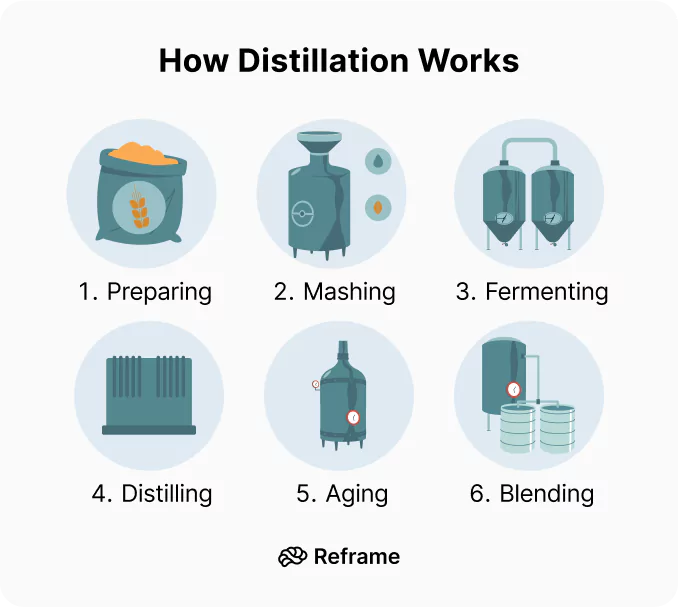
While fermentation is the starting point for all alcoholic drinks, some beverages go through extra steps to increase their strength and develop more complex flavors. For spirits like whiskey, vodka, and gin, these next stages are distillation and aging. These processes are what separate a lower-alcohol-content beer or wine from a much more potent spirit. Understanding these steps can give you a clearer picture of what’s actually in your glass and how it gets its powerful effects, which is a key part of practicing mindful drinking.
Separating and Concentrating Alcohol
After fermentation, the resulting liquid has a relatively low alcohol content. To create spirits, this alcohol needs to be concentrated. This is done through a process called distillation, which essentially separates and removes water to make the final product much stronger. The fermented liquid is heated in a still, and because alcohol has a lower boiling point than water, it turns into vapor first. This vapor is collected and cooled, condensing back into a liquid with a much higher concentration of ethanol. This is how clear spirits like vodka and gin are made, and it’s the first step for aged spirits like whiskey and rum.
Developing Flavor Through Maturation
While distillation creates a potent spirit, the flavor is often neutral or harsh at first. The final character of many spirits comes from aging, also known as maturation. This is where the distilled liquid is stored in wooden barrels—often oak—for a period that can range from a few years to several decades. During this time, the spirit interacts with the wood, which imparts distinct flavors, aromas, and colors. This aging process is what gives whiskey its amber hue and notes of vanilla and caramel, and it allows the flavors in wine and some beers to mellow and deepen over time.
From Craft to Commercial: How Alcohol is Produced
The journey from raw ingredients to a bottled beverage is a complex industrial process, especially when produced on a commercial scale. While we might picture small, artisanal operations, the reality for most of the alcohol we consume involves large-scale manufacturing facilities, precise chemical monitoring, and a team of specialists. Companies like BevSource specialize in helping beverage creators navigate this intricate world, from initial recipe formulation to navigating the complex legal requirements. This industrial approach ensures consistency and safety but also highlights that alcohol is a mass-produced consumer product, not just a simple fermented drink made in a rustic barrel.
Industrial Fermentation and Distillation
On an industrial scale, fermentation doesn't happen in small vats. Instead, a yeast starter is added to massive, temperature-controlled tanks filled with the sugar source, whether it's grain mash for whiskey or grape juice for wine. Technicians carefully monitor this process to ensure the yeast converts sugar to ethanol efficiently. For distilled spirits, this fermented liquid then moves to enormous industrial stills. The entire operation is a highly controlled chemical process designed for maximum efficiency and output, a far cry from the romanticized image of a craft distiller tinkering with a small copper pot still.
Non-Beverage Uses for Alcohol
The primary ingredient in alcoholic drinks, ethanol, is a versatile and powerful chemical with many industrial applications beyond beverages. In its purest form, known as absolute alcohol, it's a key component in medicines, where it acts as a solvent or antiseptic. It's also found in many beauty products, from perfumes to creams. Because of its combustible nature, ethanol is used as a biofuel to power vehicles, offering a renewable alternative to fossil fuels. Its effectiveness as a solvent also makes it essential for producing paints, varnishes, and cleaning agents, which underscores its potent chemical properties.
Regulation and Quality Control in Alcohol Production
Because alcohol is a controlled substance with significant health implications, its production is heavily regulated. From the initial sourcing of raw materials to the final label on the bottle, every step is subject to strict government oversight and rigorous quality control measures. This ensures that the product is safe for consumption and that consumers are accurately informed about what they’re drinking. These regulations cover everything from the percentage of alcohol to the ingredients used, and failure to comply can result in hefty fines and legal trouble for producers.
Government Licensing and Oversight
Before an alcoholic beverage can be sold, it must gain approval from government bodies like the Alcohol and Tobacco Tax and Trade Bureau (TTB) in the United States. Producers have to navigate a mountain of paperwork to get the necessary licenses and formula approvals. This oversight ensures that products meet legal standards for safety and labeling. For example, the TTB verifies the alcohol by volume (ABV) listed on the bottle and ensures that no unapproved additives are used. This strict regulatory framework is in place to protect consumers and maintain standards across the industry.
The Importance of Quality Control
Quality control is a critical part of the alcohol manufacturing process, happening at every single stage. It begins with testing the raw materials, like grains and fruits, to ensure they are free of contaminants. During fermentation, technicians perform chemical and microbiological analyses to monitor the yeast's health and prevent spoilage. After distillation and aging, the final product is tested for consistency in flavor, color, and alcohol content. This constant checking ensures that every bottle that leaves the factory is safe and meets the brand's quality standards, reinforcing the industrial nature of beverage production.
Safety Risks in Manufacturing
Producing alcohol on an industrial scale comes with significant safety risks, primarily because alcohol vapors are highly flammable. A single spark in an area with concentrated vapors could lead to a serious fire or explosion. Because of this, manufacturing facilities must be equipped with robust safety systems. This includes advanced ventilation to prevent vapor buildup, specialized leak detectors, and comprehensive fire suppression systems. Workers must also follow strict safety protocols to manage these hazards, highlighting the volatile nature of the substance being produced.
Alcohol's Role in Culture, Then and Now
Interestingly, the omnipresence of alcohol isn't a recent phenomenon. Alcohol fermentation is a naturally occurring process that was not invented by humans at all, but archeological evidence in China shows that people have been making alcoholic beverages since at least 7,000 BCE. It has been an integral part of human cultures for millennia. Research has revealed that alcohol served multifaceted roles in ancient societies, from being a crucial component in religious rituals and medicinal practices to a staple in diets.
Over the centuries, alcohol’s use evolved and integrated into the fabric of different cultures, becoming a catalyst for social bonding, celebrations, and a conversation facilitator. Its deep-rooted societal acceptance helps explain its widespread prevalence today.
When Does Drinking Cross the Line?
Despite alcohol's sociocultural roles, the contemporary trend of excessive consumption poses severe public health challenges. The World Health Organization's 2018 report suggests a grim picture, attributing over 3 million global deaths to harmful alcohol use annually. Factors like aggressive marketing strategies, societal pressures, and increasing stress levels have propelled the shift from regulated, social drinking to uncontrolled consumption patterns.
How Alcohol Impacts Your Health
Overindulgence in alcohol can have wide-ranging effects on our health. It can interfere with the brain's communication pathways, leading to mood alterations, cognitive impairments, and coordination challenges. Prolonged excessive drinking can inflict damage on various organs.
Liver. The liver is in charge of breaking down alcohol and bears the brunt of the burden. Over time, excessive drinking can lead to inflammation of the liver, causing fatty liver disease and eventually cirrhosis.
Heart. The heart isn’t safe from alcohol’s effects, either. Drinking can cause blood pressure fluctuations while raising our heart rate and increasing the chances of heart disease in the long term.
Pancreas. The pancreas can be damaged by alcohol misuse. Drinking can cause inflammation of the pancreas, leading to pancreatitis.
From the very first sip, alcohol begins to act as a depressant, slowing down your central nervous system. This is why you might initially feel a wave of relaxation or a drop in your inhibitions. However, this effect comes from alcohol interfering with your brain's delicate communication pathways. This interference can quickly lead to less desirable outcomes, such as noticeable mood swings, difficulty thinking clearly, and impaired coordination. These are all direct signs that alcohol is altering your brain's normal function. Recognizing these immediate impacts is a crucial first step toward understanding your own patterns and making more mindful choices about your consumption.
Understanding Low-Risk Drinking Guidelines
So, what does a healthier relationship with alcohol actually look like in practice? Health organizations have established low-risk drinking guidelines to help minimize potential harm. A common recommendation is to consume no more than 14 units of alcohol per week, making sure to spread them out over three or more days. This approach helps you avoid binge drinking, which puts significant strain on your body. It’s also incredibly beneficial to incorporate several drink-free days each week to give your body and mind time to rest and recover. Following these guidelines isn’t about restriction; it’s about empowering you to enjoy social occasions without compromising your long-term health.
Practical Ways to Drink More Mindfully
With these alarming implications, it becomes paramount to foster a more mindful approach towards alcohol consumption. Here’s how:
Monitor your intake. Keep track of how much alcohol you're consuming. Understand standard drink sizes and recommended limits.
Explore non-alcoholic alternatives. Be open to opting for non-alcoholic drinks, whether at social events or while relaxing at home.
Incorporate 'dry' days. Declare certain days of the week alcohol-free to break the cycle of daily drinking.
Sip slowly. Enjoy your drink by sipping it slowly. Savoring the flavor can reduce the speed and quantity of consumption.
Exercise your right to refuse. If you're not in the mood to drink, it's perfectly okay to say “no.” Your choices should be respected.
Understanding the science behind alcohol's creation and its impact on our health can empower us to make more informed choices about our drinking habits. While alcohol has seamlessly integrated into societal practices, its allure shouldn't overshadow the importance of balance and moderation. By choosing to drink mindfully, we can enjoy the pleasurable aspects of our favorite drinks without compromising our well-being.
So, as we raise our next glass, let it be a toast to wiser choices, healthier practices, and the joy that stems not merely from the drink in our hand but from the shared laughter, stories, and friendships that truly make our lives richer.
Frequently Asked Questions
What's the main difference between how beer, wine, and spirits are made? Think of it in steps. Both beer and wine are created through fermentation. Wine typically uses the natural sugars from grapes, while beer uses sugars from grains like barley. Spirits, such as vodka or whiskey, take it a step further. They start with a fermented liquid and then go through distillation, a process that removes water to create a much more concentrated and potent form of alcohol.
Why does alcohol sometimes make me feel energetic if it's a depressant? This is a common experience, and it comes down to brain chemistry. When you first have a drink, your brain releases a rush of dopamine, which can make you feel happy, social, and energetic. However, this initial lift is temporary. As you continue to drink, alcohol's true nature as a depressant takes over, slowing down your central nervous system, which leads to impaired coordination, slower reaction times, and a tired feeling.
Are drinks with more "natural" ingredients, like wine from grapes, healthier than others? While the source of the sugar—whether it's grapes for wine or potatoes for vodka—defines the drink's flavor, the main component affecting your health is the ethanol itself. All alcoholic beverages contain ethanol, which is the psychoactive substance that impacts your body. A drink isn't necessarily "healthier" just because its ingredients sound more natural; the risks are associated with the alcohol content, not whether it came from a fruit or a grain.
Does aging spirits in barrels change anything besides the flavor? The aging process is all about developing a deeper flavor, aroma, and color. When a spirit like whiskey sits in an oak barrel, it interacts with the wood, which mellows out the harshness and adds notes of vanilla, caramel, or spice. This maturation process does not, however, make the alcohol any safer or less potent. It's purely a technique for enhancing the taste, not for altering the fundamental effects of the ethanol.
If fermentation is a natural process, why is alcohol classified as a drug? Many substances that occur naturally have powerful effects on our bodies, and alcohol is one of them. Fermentation naturally produces ethanol, which is a psychoactive substance. This means it directly alters your brain function, mood, and perception. It's this ability to change how your central nervous system works that places alcohol in the category of a drug, regardless of its natural origins.
Key Takeaways
Alcohol is created through fermentation: Every alcoholic drink starts with this natural process, where yeast converts sugar from ingredients like grapes, barley, or corn into the ethanol that affects your body.
Flavor can mask the effects: The appealing taste of wine, beer, or spirits comes from the original sugar source, but it can also obscure the fact that ethanol is a psychoactive drug that directly impacts your brain and health.
Knowledge empowers mindful choices: Understanding how alcohol is manufactured—from fermentation to distillation and aging—helps you see it as a controlled, industrial product, making it easier to be intentional about your consumption habits.
Take Control of Your Drinking Habits With Reframe!
Although it isn’t a treatment for alcohol use disorder (AUD), the Reframe app can help you cut back on drinking gradually, with the science-backed knowledge to empower you 100% of the way. Our proven program has helped millions of people around the world drink less and live more. And we want to help you get there, too!
The Reframe app equips you with the knowledge and skills you need to not only survive drinking less, but to thrive while you navigate the journey. Our daily research-backed readings teach you the neuroscience of alcohol, and our in-app Toolkit provides the resources and activities you need to navigate each challenge.
You’ll meet millions of fellow Reframers in our 24/7 Forum chat and daily Zoom check-in meetings. Receive encouragement from people worldwide who know exactly what you’re going through! You’ll also have the opportunity to connect with our licensed Reframe coaches for more personalized guidance.
Plus, we’re always introducing new features to optimize your in-app experience. We recently launched our in-app chatbot, Melody, powered by the world’s most powerful AI technology. Melody is here to help as you adjust to a life with less (or no) alcohol.
And that’s not all! Every month, we launch fun challenges, like Dry/Damp January, Mental Health May, and Outdoorsy June. You won’t want to miss out on the chance to participate alongside fellow Reframers (or solo if that’s more your thing!).
The Reframe app is free for 7 days, so you don’t have anything to lose by trying it. Are you ready to feel empowered and discover life beyond alcohol? Then download our app through the App Store or Google Play today!
Reframe has helped over 2 millions people to build healthier drinking habits globally
At Reframe, we do science, not stigma. We base our articles on the latest peer-reviewed research in psychology, neuroscience, and behavioral science. We follow the Reframe Content Creation Guidelines, to ensure that we share accurate and actionable information with our readers. This aids them in making informed decisions on their wellness journey. Learn more
Updated Regularly
Our articles undergo frequent updates to present the newest scientific research and changes in expert consensus in an easily understandable and implementable manner.