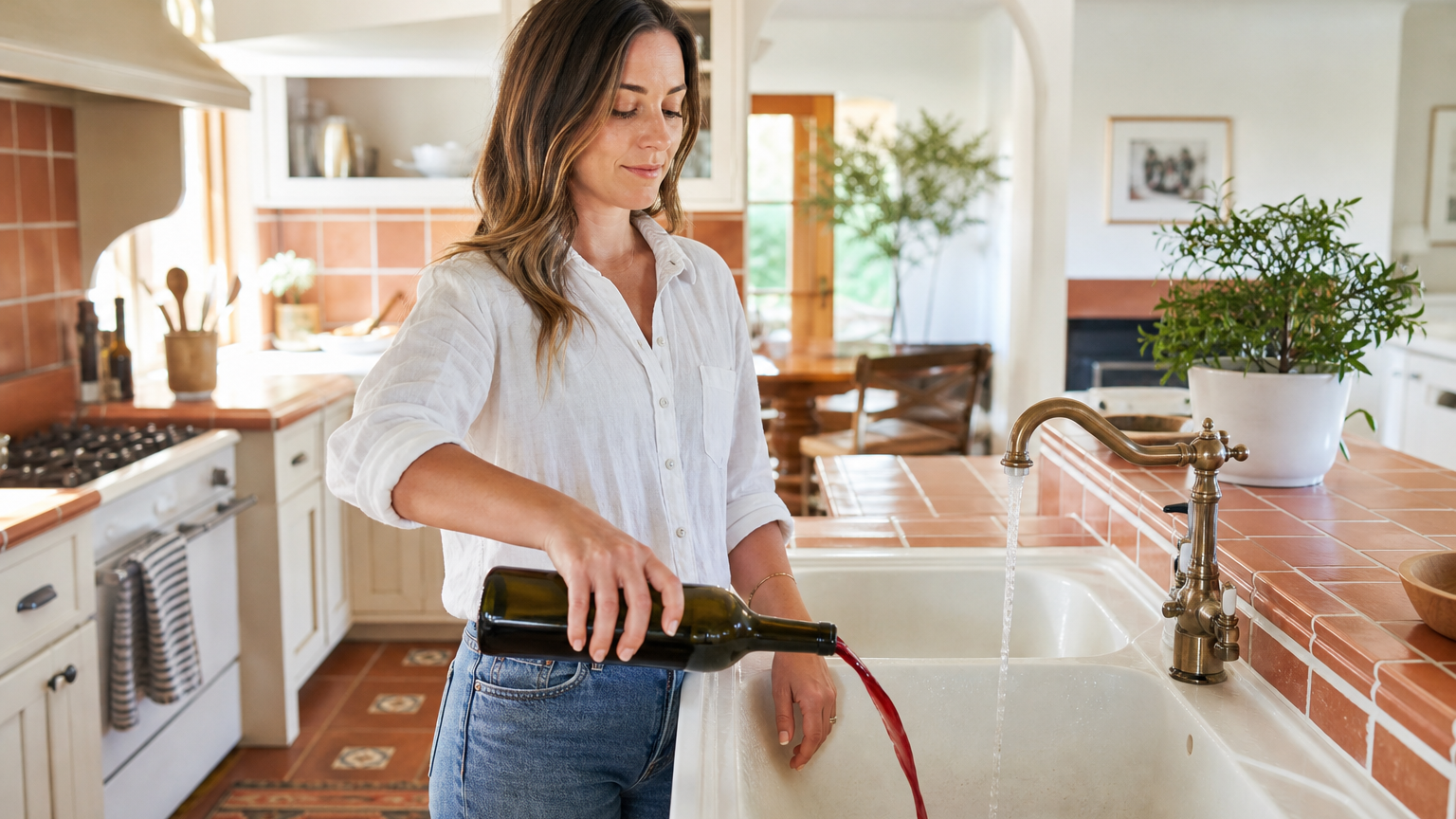
What to Do With Alcohol in the House When You Quit Drinking
Published:
2026-06-17
·
Read time:
11 min read
Last Updated:
2026-06-17
Written by
Reframe Content Team
A team of researchers and psychologists who specialize in behavioral health and neuroscience. This group collaborates to produce insightful and evidence-based content.
Certified recovery coach specialized in helping everyone redefine their relationship with alcohol. His approach in coaching focuses on habit formation and addressing the stress in our lives.
Recognized by Fortune and Fast Company as a top innovator shaping the future of health and known for his pivotal role in helping individuals change their relationship with alcohol.
June 17, 2026
·
11 min read
Reframe Content Team
June 17, 2026
·
11 min read
When you decide to quit drinking, the most cue-protective move is to physically remove alcohol from the spaces you spend the most time in, because visible bottles act as environmental triggers that keep cravings alive. Pour out opened bottles down the drain, and for unopened or expensive alcohol you can return it, regift it, donate it where legal, or store it offsite if a housemate still drinks. Reducing in-home cues is one of the most reliable ways to lower craving frequency, and Reframe's program helps you reshape the rest of your environment so quitting feels less like white-knuckling.
The Short Answer on Clearing Alcohol From Your Home
When you decide to quit drinking, the most cue-protective move is to physically remove alcohol from the spaces where you spend the most time, because visible bottles act as environmental triggers that keep cravings alive. Pour opened bottles down the drain, and for unopened or expensive alcohol you can return it, regift it, donate it where legal, or store it offsite if a housemate still drinks. Reducing in-home cues is one of the most reliable ways to lower how often cravings show up.
Let's be honest about something most quit-drinking advice skips over: the bottles already in your kitchen don't disappear the moment you make a decision. There's the half-finished wine in the door of the fridge, the bottle of something expensive a relative gave you two birthdays ago, the case of beer a friend left after a barbecue. Figuring out what to do with alcohol when you quit drinking is one of the first concrete tasks of early sobriety, and how you handle it genuinely matters. This guide walks through every category, from the open bottle you can pour out tonight to the sentimental gift you're not ready to part with, with the science on why a cleared-out home makes the whole thing easier. If you want a partner in reshaping the rest of your environment, Reframe is built for exactly that kind of work.
Should you throw out the alcohol in your fridge when you quit drinking?
For most people quitting, the answer is yes: clearing alcohol from the fridge and home removes a constant visual trigger that fuels cravings. Your fridge door and kitchen counter are some of the highest-traffic spots in the house, so a bottle parked there gets seen dozens of times a day, and every glance is a small nudge toward drinking.
This isn't just willpower folklore. Research on people in alcohol treatment found that exposure to alcohol-related cues reliably triggers both physical reactivity and craving, through a learned response your brain built up over time. The visible bottle is the cue, and the craving is the conditioned answer. Worth noting: that particular study did not show that everyday cue exposure predicts relapse, so we won't overstate it. What it does show clearly is that seeing alcohol makes you want it more, which is reason enough to get it out of sight.
Why visible alcohol keeps cravings alive
The federal government's own guidance leans the same direction. NIAAA describes external triggers like people, places, and things tied to drinking as "tempting situations" and notes that the best strategy for them is often to avoid taking the chance of an urge in the first place. A bottle in your fridge is about as external and avoidable a trigger as it gets. The reassuring part is that urges lose strength with practice, so the cleared-out fridge does the heavy lifting precisely when you need it most, in those first raw weeks.
The clinical literature backs this up as a named technique. Stimulus-control methods are a recognized part of relapse prevention, and a common application is removing alcohol from the home, including supplies kept "for guests," especially during early abstinence. It's a simple move with an outsized payoff. If you want to understand your own patterns before you start, our piece on how to identify drinking triggers pairs well with a physical clear-out.
Making the clear-out a fresh-start moment
There's a nice psychological bonus here too. Doing the clear-out as a deliberate act, pouring things out, bagging up bottles for recycling, wiping down the empty shelf, can mark a real line in the sand. It turns an abstract decision into something your hands actually did. Plenty of people describe this moment as the point where quitting stopped feeling theoretical. The one big exception is a shared home, where you may not control all the alcohol; in that case you relocate your own and negotiate the rest, which we cover further down.
How do you dispose of opened alcohol responsibly?
Pour opened beer, wine, and spirits down the kitchen or bathroom sink with the tap running to dilute it. Once you've decided to stop, there's no practical reason to keep a half-finished bottle around, and the dilution-and-drain method handles ordinary household amounts cleanly.
For typical leftover quantities, this is straightforward. Home-disposal guidance suggests diluting unwanted liquor with three to five times as much water and pouring it down the drain where local rules allow, while checking with your local water-treatment or waste authority first. That last part matters more than people expect, because municipal rules do vary, so a quick check beats an assumption.
A few practical notes. Rinse out glass bottles and aluminum cans and recycle them according to your local recycling program. If you're on a septic system, go easy: avoid dumping large volumes all at once, and either space it out over a few days or dilute heavily, since septic systems rely on a delicate balance of bacteria. And if you happen to have an unusually large quantity to get rid of, many areas route bigger amounts to a household hazardous waste facility rather than the sink. For everyday kitchen quantities, though, running water and a few minutes is genuinely all it takes.
What should you do with unopened or expensive alcohol you do not want?
You do not have to pour out unopened or pricey alcohol. You have real options: return it, regift it, donate it where legal, sell it (rarely), or store it offsite. Destroying value you paid for can feel like its own little obstacle, so it's good to know you don't have to.
Returning alcohol to the store
Many stores accept returns of unopened, unexpired alcohol with a receipt, especially for recent purchases. Policies vary by retailer and by state, and some jurisdictions restrict alcohol returns outright, so call ahead rather than showing up hopeful. When it works, a return is the cleanest option because it puts the money back in your pocket and the bottle entirely out of your life.
Regifting and donating
A sealed bottle makes a perfectly good host gift or a present for a friend who drinks, and clinician-reviewed guidance on stopping drinking explicitly suggests giving alcohol away to a friend or family member if throwing it out feels too hard. Donating is another route, sometimes to charity auctions or raffles, but here's the catch: donating alcohol is legal in some areas and restricted in others, so check your local laws before you assume a charity can even accept it. Reselling is heavily regulated and usually not legal without a license, so treat that as a genuine last resort rather than a plan.
When storing offsite makes sense
If you have a bottle that's expensive or sentimental and you're not ready to part with it, stashing it at a trusted friend's or family member's place keeps it out of your daily sightline without destroying its value. This is a nice middle path for the collector's bottle of something or the gift you'll want to hand off later. Out of your home means out of your everyday cue environment, which is the whole point. Reducing those cues is one piece of a bigger picture; if you want help with the rest, Reframe's mindful drinking program is designed to rebuild the habits around the empty space.
What should you do with gifted alcohol or bottles already in your home?
You are allowed to remove or rehome any alcohol in your house, including gifts, without guilt. A present is yours once it's given, which means what you do with it is entirely your call, and a bottle you won't drink helps no one sitting in your cabinet.
For sentimental or expensive gifted bottles, the kindest move is often to pass them to someone who will genuinely enjoy them. That preserves the gesture behind the gift, the giver wanted to give you something nice, and someone still gets the nice thing, while getting it out of your space. If a bottle is too meaningful to hand off just yet, keeping it sealed and stored offsite is a legitimate option. You don't have to choose between drinking it and destroying it.
Scripts for declining or returning alcohol gifts
Future gifts are easier to handle with a short, warm script ready to go. You don't owe anyone a long explanation. Something like: "Thank you so much, that's really thoughtful. I'm not drinking right now, so why don't you enjoy this one, or I'll pass it along to someone who will?" Thank the giver, mention you're not drinking, and either redirect the bottle to them or offer to rehome it. Most people respond well to a friendly, low-drama redirect, and over time friends and family usually adjust and stop bringing alcohol altogether. If saying no to alcohol in general feels hard, our guide on how to say no to alcohol has more scripts you can borrow. And when you're choosing what to bring sober friends instead, the roundup of thoughtful gifts for a friend in recovery is a handy reference.
What should you do with your wine glasses, barware, and drinking accessories?
Barware is a much weaker trigger than alcohol itself, so there's no need to throw it all out unless seeing it genuinely bothers you. A wine glass isn't a bottle; it's a container, and most people find an empty glass carries far less pull than a full one.
In fact, keeping nice glassware can support your new alcohol-free rituals rather than undermine them. The evening pour is partly about the ceremony, the stem of the glass, the sound of liquid, the moment of sitting down, so repurposing those same glasses for mocktails, sparkling water, or a fancy non-alcoholic drink lets the comforting habit loop stay intact without the alcohol. Our list of mocktails you can make at home gives you something worth pouring into them.
That said, let your own reaction be the guide. If a particular set of shot glasses or a specific decanter carries strong drinking associations and tugs at you every time you see it, pack it away or donate it. Keep what feels neutral, remove what feels charged, and don't feel obligated to perform a full purge for its own sake. This is one area where there's no science to obey, just your honest read on what helps.
Should you keep alcohol available for guests who drink?
Keeping alcohol for guests is a personal choice, not an obligation, and many people protect early sobriety by keeping a fully alcohol-free home. You don't owe visitors a stocked bar, and in the first weeks and months, fewer cues at home is generally the safer bet.
The clinical guidance leans this way. Stimulus control is a recognized relapse-prevention technique, and a common application is clearing out alcohol supplies, including those kept "for guests," because a bottle is a cue whether or not you bought it for yourself. If you do choose to host people who drink, you can store their alcohol out of sight, offer genuinely good non-alcoholic options so guests feel taken care of, and have them take any leftovers home rather than leaving the surplus with you. Setting up a sober-friendly home environment is the natural companion to clearing things out; one removes the cues, the other builds something better in their place. You can always revisit the keep-it-for-guests decision later, once your cravings have settled and your new habits feel solid. Early on, though, protecting your own goal comes first.
How do you handle a partner or housemate who still drinks?
You usually cannot and should not try to force a shared home dry, so the realistic move is to negotiate placement and visibility instead of demanding a purge. Your housemate's drinking is theirs to manage; your craving environment is yours to shape, and there's a workable overlap between the two.
Start by asking for alcohol to be stored in one designated, out-of-sight spot, a particular cabinet or the garage fridge, rather than the fridge door, the counter, or wherever it currently lives in your eyeline. Be specific about what actually helps you: not seeing it, not being offered a drink, not having it sitting on the table at shared meals in the early weeks. Frame it as a request for support, not a demand that they change who they are. Most people who care about you will happily move a few bottles if they understand it genuinely makes your day easier. Living with a drinker while you quit is hard, and our piece on living with a heavy drinker digs deeper into the dynamics.
Crucially, don't lean on the household alone to carry you. Pair the environmental changes with your own craving tools, so that when you do encounter alcohol, at home, at a friend's place, anywhere, you have something to reach for besides willpower. Our guide on how to stop alcohol cravings covers techniques that travel with you. If you're still figuring out where your drinking sits, the Am I Drinking Too Much? quiz is a quick, no-pressure starting point, and when you're ready for daily support, you can download Reframe and build the rest of the toolkit from there.
Summary FAQs
1. What should I do with alcohol glasses when quitting drinking?
You do not have to get rid of your wine glasses or barware unless seeing them triggers you, because glassware is a much weaker cue than the alcohol itself. Many people repurpose nice glasses for mocktails, sparkling water, or other alcohol-free drinks so the comforting ritual stays without the alcohol. Donate or pack away any pieces that feel strongly tied to drinking, and keep the rest.
2. What should I do with alcohol in my home or with gift alcohol?
You are free to remove or rehome any alcohol in your house, including gifts, without feeling guilty about it. Pour out opened bottles, and return, regift, donate, or store unopened ones offsite. For sentimental or expensive gifted bottles, passing them to a friend who will enjoy them preserves the gesture while getting them out of your space.
3. What should I do with alcohol I've purchased but don't want?
You have several options besides pouring it out: many stores accept returns of unopened, unexpired alcohol with a receipt, and you can regift sealed bottles or bring them as a host gift. Donating is legal in some areas but restricted in others, so check local law first, and reselling usually requires a license. If you are not ready to part with an expensive bottle, store it at a friend or family member's home.
4. Should I throw out the alcohol in my fridge when I quit drinking?
For most people quitting, yes, clearing alcohol from the fridge and home is worth it because visible bottles act as constant environmental cues that keep cravings alive. The fridge and counter are high-traffic spots you see many times a day, so alcohol there does the most cue damage. The main exception is a shared home, where you can relocate your own alcohol and negotiate the rest rather than purging everything.
5. Should I keep alcohol available for guests who drink?
Keeping alcohol for guests is a personal choice, not an obligation, and many people protect early sobriety by keeping a fully alcohol-free home. In the first weeks and months, fewer cues at home is generally the safer bet. If you do host drinkers, store their alcohol out of sight, offer good non-alcoholic options, and have guests take any leftovers home with them.
6. Is it safe to pour alcohol down the drain?
Generally, yes, small household quantities of beer, wine, and spirits can be poured down the kitchen or bathroom sink with the tap running to dilute them, where your local rules allow it. Rinse and recycle the glass bottles and cans according to your local recycling rules. If you are on a septic system, avoid dumping large amounts at once and space it out or dilute heavily instead, and check with your local waste authority if you are unsure.
7. How do I tell people I don't want alcohol gifts anymore?
A short, warm script works best: thank the giver, mention that you are not drinking right now, and either suggest they enjoy it themselves or let them know you will pass it along. You do not owe anyone a long explanation, and most people respond well to a friendly, low-drama redirect. Over time, friends and family usually adjust and stop bringing alcohol altogether.
Clearing Alcohol Out of Your Life? Reframe Has Your Back!
Although it isn't a treatment for alcohol use disorder (AUD), the Reframe app can help you cut back on drinking gradually with the science-backed knowledge to empower you 100% of the way. Our proven program has helped millions of people around the world drink less and live more. And we want to help you get there, too!
The Reframe app equips you with the knowledge and skills you need to not only survive drinking less, but to thrive while you navigate the journey. Our daily research-backed readings teach you the neuroscience of alcohol, and our in-app Toolkit provides the resources and activities you need to navigate each challenge.
You'll meet millions of fellow Reframers in our 24/7 Forum chat and daily Zoom check-in meetings. Receive encouragement from people worldwide who know exactly what you're going through! You'll also have the opportunity to connect with our licensed Reframe coaches for more personalized guidance.
Plus, we're always introducing new features to optimize your in-app experience. We recently launched our in-app chatbot, Melody, powered by the world's most powerful AI technology. Melody is here to help as you adjust to a life with less (or no) alcohol.
And that's not all! Every month, we launch fun challenges, like Dry/Damp January, Mental Health May, and Outdoorsy June. You won't want to miss out on the chance to participate alongside fellow Reframers (or solo if that's more your thing!).
The Reframe app is free for 7 days, so you don't have anything to lose by trying it. Are you ready to feel empowered and discover life beyond alcohol? Then download our app through the App Store or Google Play today!
Reframe has helped over 2 millions people to build healthier drinking habits globally
At Reframe, we do science, not stigma. We base our articles on the latest peer-reviewed research in psychology, neuroscience, and behavioral science. We follow the Reframe Content Creation Guidelines, to ensure that we share accurate and actionable information with our readers. This aids them in making informed decisions on their wellness journey. Learn more
Updated Regularly
Our articles undergo frequent updates to present the newest scientific research and changes in expert consensus in an easily understandable and implementable manner.
Witteman, J., Post, H., Tarvainen, M., de Bruijn, A., Perna, E. D. S. F., Ramaekers, J. G., & Wiers, R. W. (2015). Cue reactivity and its relation to craving and relapse in alcohol dependence: A combined laboratory and field study. Psychopharmacology, 232(20), 3685–3696. https://doi.org/10.1007/s00213-015-4027-6
National Institute on Alcohol Abuse and Alcoholism. (n.d.). How to stop alcohol cravings. Rethinking Drinking. Retrieved 2026, from https://rethinkingdrinking.niaaa.nih.gov/tools/worksheets-more/how-stop-alcohol-cravings
Larimer, M. E., Palmer, R. S., & Marlatt, G. A. (1999). Relapse prevention: An overview of Marlatt's cognitive-behavioral model. Alcohol Research & Health, 23(2), 151–160.
Earth911. (2025). How to dispose of liquor and denatured alcohol safely. https://earth911.com/home-garden/how-to-dispose-of-liquor-and-denatured-alcohol-safely/