Can You Drink Alcohol Before a Vaccine? What the Evidence Says
Published:
2026-08-31
·
Read time:
9 min read
Last Updated:
2026-09-01
Written by
Reframe Content Team
A team of researchers and psychologists who specialize in behavioral health and neuroscience. This group collaborates to produce insightful and evidence-based content.
Certified recovery coach specialized in helping everyone redefine their relationship with alcohol. His approach in coaching focuses on habit formation and addressing the stress in our lives.
Recognized by Fortune and Fast Company as a top innovator shaping the future of health and known for his pivotal role in helping individuals change their relationship with alcohol.
August 31, 2026
·
9 min read
Reframe Content Team
August 31, 2026
·
9 min read
One or two drinks the night before a vaccine is very unlikely to blunt how well the shot works, but heavy or binge drinking around the time of vaccination can temporarily suppress the immune response your body needs to build protection. The bigger real-world issue is confusion: alcohol can worsen or mimic normal post-shot side effects like headache, fatigue, and nausea, making a routine reaction feel much worse. If you have a shot coming up, going easy on alcohol for a day or two on either side is a small, sensible move, and Reframe can help you notice when "just a couple" tends to become more.
Drinking Alcohol Before a Vaccine: What Actually Matters
One or two drinks the night before a vaccine is very unlikely to blunt how well the shot works, but heavy or binge drinking around the time of vaccination can temporarily suppress the immune response your body needs to build protection. The bigger real-world issue is confusion: alcohol can worsen or mimic normal post-shot side effects like headache, fatigue, and nausea, making a routine reaction feel much worse. If you have a shot coming up, going easy on alcohol for a day or two on either side is a small, sensible move.
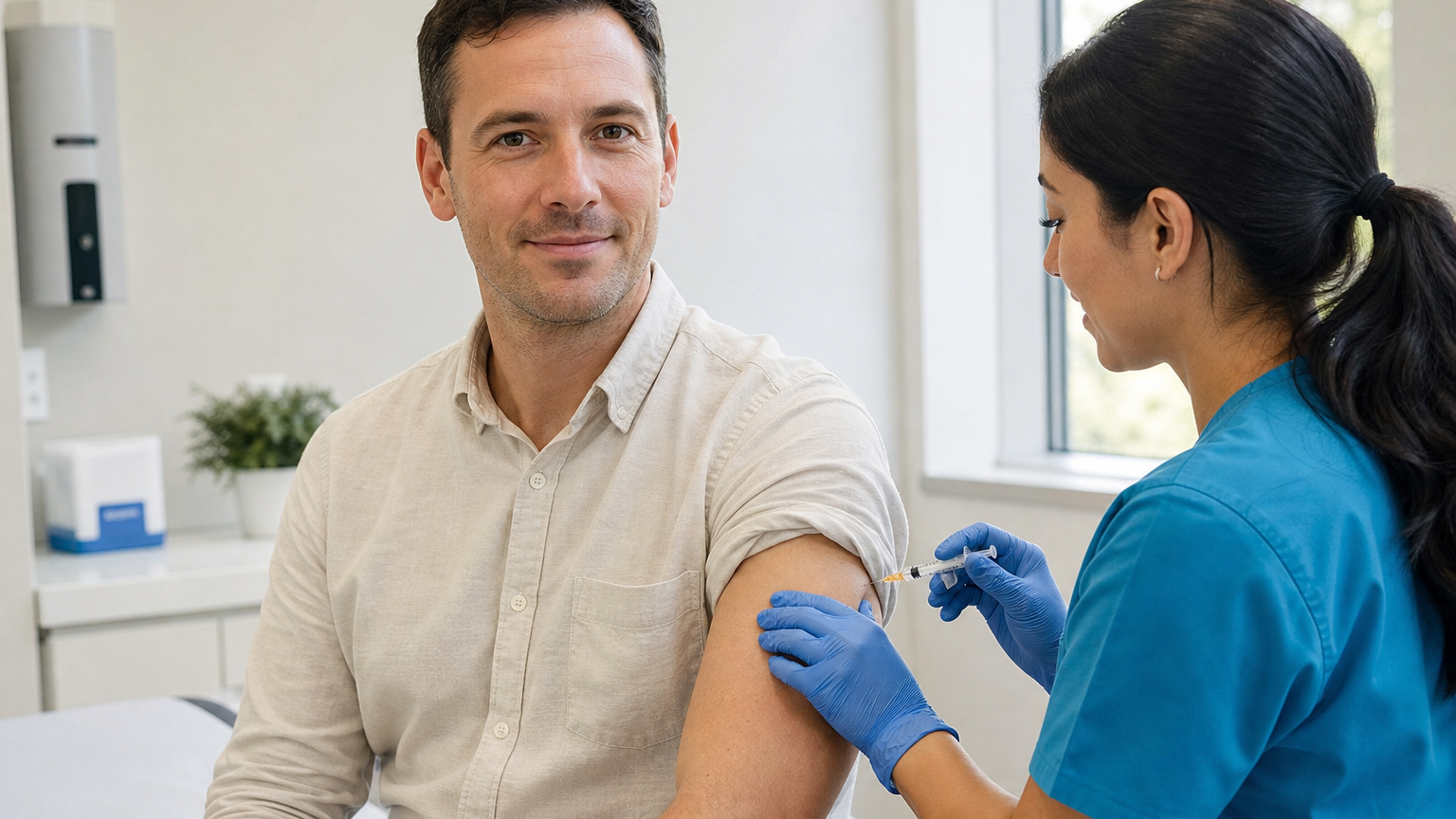
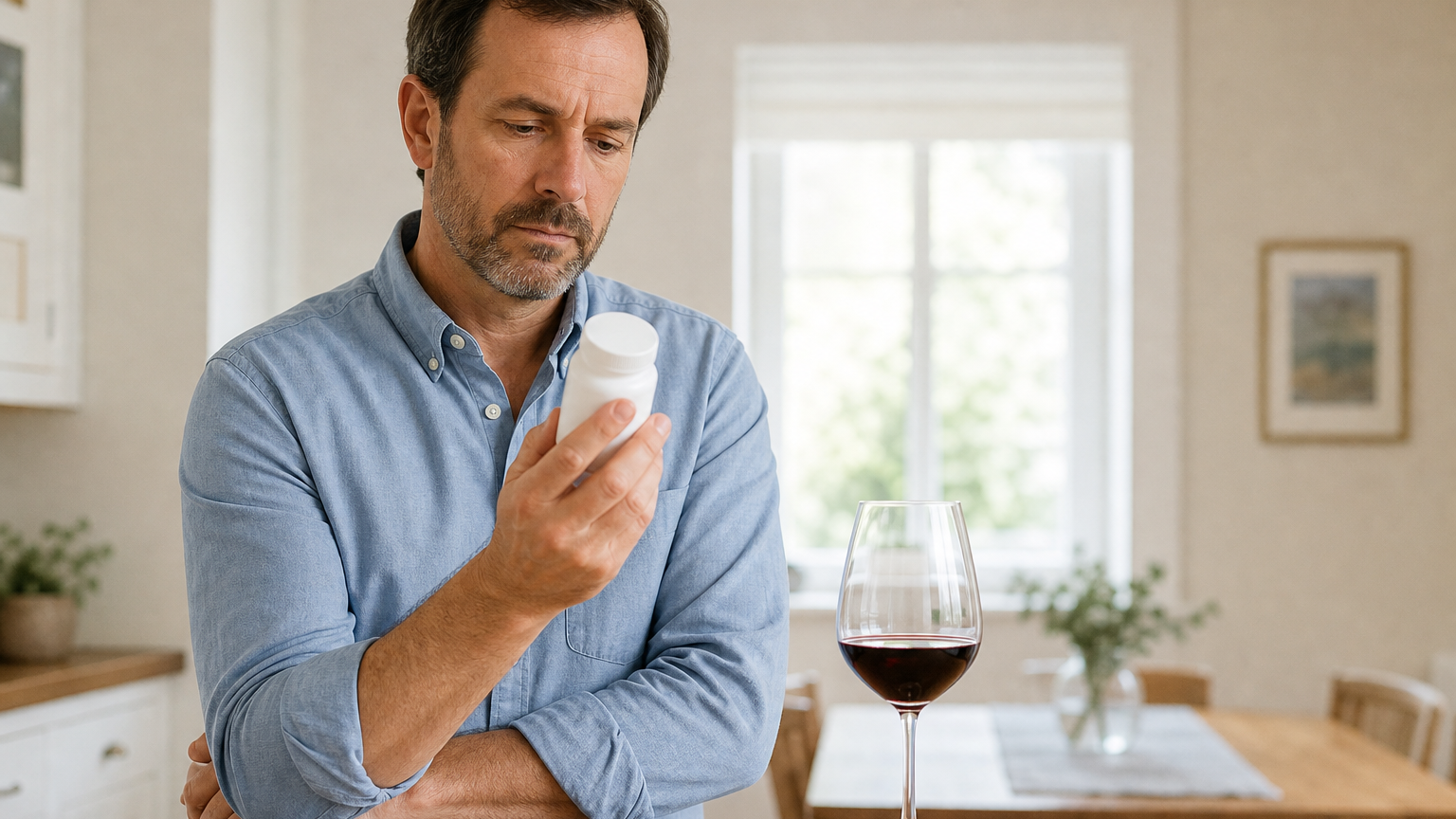
Here's a scenario that plays out constantly. You've got a flu shot booked for tomorrow morning, and tonight there's a birthday dinner with a couple of glasses of wine on the table. Somewhere in the back of your head a question surfaces: is this going to mess with the vaccine? It's a good question, and the honest answer is more nuanced than a flat "don't drink" warning. The evidence points less toward "one drink ruins the shot" and more toward "your pattern of drinking matters, and alcohol can make a normal vaccine reaction feel like a truck hit you." Let's walk through what's actually known, where the science is thin, and how to think about timing without turning it into a whole ordeal. This is one of the more common questions we field at Reframe, and it deserves a straight answer rather than a scare.
Does drinking alcohol before a vaccine lower how well it works?
For a healthy adult, a single drink or two the night before a shot is not something the evidence flags as a real threat to how well the vaccine works. There's no human trial showing that a couple of drinks measurably changes vaccine efficacy, and the biology backs up why: your body builds protection over days and weeks, not in the few hours a drink is in your system.
Antibody formation is a slow build. After a vaccine, your immune system spends the following days to weeks manufacturing the antibodies and memory cells that give you protection. Against that timeline, one evening of moderate drinking is a small blip, not a wrecking ball. The concern in the research isn't the fact of having a drink at all; it's dose and pattern. Occasional, moderate drinking sits in a very different category than sustained heavy use.
It's worth naming that a lot of the "avoid alcohol before your vaccine" guidance floating around is precautionary rather than evidence of harm from moderate use. Being cautious is reasonable, and we're not knocking it. But "play it safe" and "one drink will sabotage your immunity" are two very different claims, and only the first one is well supported. If you're trying to get an honest read on your own patterns, Reframe's What Type of Drinker Are You? quiz is a low-stakes place to start.
What does the actual immune-response evidence say about acute alcohol?
Zoom in on the immune-response research and a fairly consistent picture emerges: acute heavy drinking can temporarily dampen immune function, while moderate intake mostly doesn't move the needle much in the short term. The strongest signals for real harm point at chronic and binge patterns, not at a single pre-shot drink.
Acute heavy drinking, the binge kind, can briefly suppress the activity of immune cells and the inflammatory signaling your body uses to mount a defense. That's the mechanism behind NIAAA's point that a heavy session can slow infection-fighting for a day. Moderate, occasional intake is a different story; in most studies it has minimal measured effect on short-term immunity. The human vaccine-response evidence for moderate drinkers is genuinely mixed and inconsistent, which is exactly why a measured "the picture isn't fully settled, so a light buffer is sensible" stance beats overclaiming in either direction.
Put together, the evidence is arguably stronger for alcohol impairing recovery from an active infection than for tanking a specific vaccine dose. And crucially, none of it supports refusing or delaying a vaccine because you happened to have a drink. If your goal is protection, getting the shot matters far more than whether you had wine the night before.
Is it the vaccine side effect or the alcohol? Why they get confused
Here's the part that trips people up most, and it has nothing to do with efficacy. The morning after a shot, you might feel achy, tired, headachy, and a little queasy, and genuinely not know whether that's the vaccine doing its job or last night's drinks catching up with you. The symptoms overlap almost perfectly, which is why untangling them is so useful.
That amplification is the practical reason to go easy. When you separate the two, you also make it easier to judge whether a reaction is the expected, harmless kind or something genuinely unusual that's worth reporting. A little clarity goes a long way when you're trying to decide whether to push through your day or call someone.
How should you time alcohol around a scheduled shot?
The practical takeaway is refreshingly simple: aim for a light-touch buffer of roughly 24 hours before and after the vaccine, and skip binge drinking on either side. You don't need to white-knuckle a two-week dry spell. The window that actually matters is short.
Think of the buffer less as a rule and more as a way to give yourself the best possible morning-after. Going light for about a day on each side covers the period NIAAA flags for a heavy session's temporary drag on infection-fighting, and it keeps you from confusing a hangover with a vaccine reaction. The single most worthwhile thing to avoid is a binge; that's the pattern the evidence consistently associates with real immune costs.
Hydration and food do a lot of quiet work here. Because alcohol is dehydrating, staying well hydrated and eating properly means that if a side effect does show up, it isn't compounded by the thirst and headache that dehydration brings. A glass of water between drinks, a real meal, and a decent night's sleep are unglamorous but genuinely effective. If you're curious about how your usual intake stacks up in calories along the way, Reframe's alcohol calorie calculator can be a useful reality check.
And if you already had a drink and then got the shot? This is not a reason for alarm, and it's not a sign the vaccine won't take. Drink some water, eat something, and carry on. Panicking retroactively about a glass of wine helps no one, and the protection you signed up for is still being built.
When is this a medical question rather than a self-help one?
Most of what we've covered is general information for healthy adults, not personalized medical advice. Your clinician or pharmacist knows your history, your medications, and your risk factors in a way an article never can, so on anything high-stakes they're the right call, not the internet.
Some situations genuinely warrant a direct conversation with a provider. If you're immunocompromised, pregnant, or taking medications that interact with alcohol or affect your immune system, ask your pharmacist or clinician about your specific case before assuming the general guidance applies to you. That's not us hedging; it's that "healthy adult" advice can quietly stop fitting once other variables enter the picture, and a professional can help you sort it out safely.
Separately, severe or unusual symptoms after a vaccine deserve medical attention regardless of whether alcohol was involved. If something feels genuinely wrong rather than the expected sore-arm-and-fatigue kind of wrong, contact a healthcare provider and don't let "maybe it's just a hangover" delay you. And to say it plainly one more time: never skip or delay a vaccine your provider recommended just because you had a drink. The shot is the thing that protects you.
One last, gentler point. If cutting back around a health event turns out to be harder than you expected, that's not a failure; it's useful information worth acting on. Noticing when "just a couple" reliably becomes more is exactly the kind of pattern that Reframe's mindful drinking program is built to help with, and if you're wondering where you stand, the Am I Drinking Too Much? quiz is a private, quick starting point. You can also download Reframe if you'd rather just start tracking today.
Summary FAQs
1. Can I drink the night before getting a vaccine?
One or two drinks the night before a vaccine is very unlikely to affect how well it works for a healthy adult. The main downside is that alcohol can worsen or mimic next-day side effects like headache and fatigue. If you can, keep it light and stay hydrated so a normal post-shot reaction is not compounded.
2. Does alcohol reduce vaccine effectiveness?
Moderate, occasional drinking has not been shown to meaningfully reduce vaccine effectiveness. The concern in the research is chronic heavy drinking, which can weaken the immune and antibody responses your body relies on. A single drink around the time of a shot is not something the evidence flags as a real problem.
3. Will drinking make vaccine side effects worse?
It can feel that way. Alcohol is dehydrating and produces symptoms, headache, fatigue, and nausea, that overlap heavily with normal vaccine reactions. Drinking around your shot can make a routine reaction feel much worse and make it harder to tell what is causing what.
4. How long should I avoid alcohol before and after a vaccine?
There is no official abstinence requirement, but a practical approach is to go light for about 24 hours before and after the shot and to skip binge drinking on either side. That short buffer reduces the chance of amplified side effects and covers the period that matters most. You do not need to avoid alcohol for weeks.
5. I already drank and then got my vaccine. Should I worry?
Having had a drink before or after your vaccine is not a cause for alarm and is not a reason to think the shot won't work. Stay hydrated, eat something, and watch for normal side effects. If you develop severe or unusual symptoms, contact a healthcare provider regardless of whether you drank.
6. Is it safe to drink after getting a flu shot or COVID vaccine?
For most healthy adults, a light amount of alcohol after a routine vaccine is not dangerous, though it may make side effects feel worse and can add to dehydration. Heavy drinking right after is the pattern worth avoiding. If you are immunocompromised, pregnant, or on medications, ask your pharmacist or clinician about your specific situation.
Wondering How Alcohol Fits Around Your Health? Reframe Can Help!
Although it isn't a treatment for alcohol use disorder (AUD), the Reframe app can help you cut back on drinking gradually with the science-backed knowledge to empower you 100% of the way. Our proven program has helped millions of people around the world drink less and live more. And we want to help you get there, too!
The Reframe app equips you with the knowledge and skills you need to not only survive drinking less, but to thrive while you navigate the journey. Our daily research-backed readings teach you the neuroscience of alcohol, and our in-app Toolkit provides the resources and activities you need to navigate each challenge.
You'll meet millions of fellow Reframers in our 24/7 Forum chat and daily Zoom check-in meetings. Receive encouragement from people worldwide who know exactly what you're going through! You'll also have the opportunity to connect with our licensed Reframe coaches for more personalized guidance.
Plus, we're always introducing new features to optimize your in-app experience. We recently launched our in-app chatbot, Melody, powered by the world's most powerful AI technology. Melody is here to help as you adjust to a life with less (or no) alcohol.
And that's not all! Every month, we launch fun challenges, like Dry/Damp January, Mental Health May, and Outdoorsy June. You won't want to miss out on the chance to participate alongside fellow Reframers (or solo if that's more your thing!).
The Reframe app is free for 7 days, so you don't have anything to lose by trying it. Are you ready to feel empowered and discover life beyond alcohol? Then download our app through the App Store or Google Play today!
Reframe has helped over 2 millions people to build healthier drinking habits globally
At Reframe, we do science, not stigma. We base our articles on the latest peer-reviewed research in psychology, neuroscience, and behavioral science. We follow the Reframe Content Creation Guidelines, to ensure that we share accurate and actionable information with our readers. This aids them in making informed decisions on their wellness journey. Learn more
Updated Regularly
Our articles undergo frequent updates to present the newest scientific research and changes in expert consensus in an easily understandable and implementable manner.
National Institute on Alcohol Abuse and Alcoholism. (n.d.). Alcohol's effects on the body. U.S. Department of Health and Human Services. Retrieved August 31, 2026, from https://www.niaaa.nih.gov/alcohols-effects-health/alcohols-effects-body
Messaoudi, I., Asquith, M., Engelmann, F., Park, B., Brown, M., Rau, A., Shaw, J., & Grant, K. A. (2013). Moderate alcohol consumption enhances vaccine-induced responses in rhesus macaques. Vaccine, 32(1), 54–61. https://pubmed.ncbi.nlm.nih.gov/24200973/
Centers for Disease Control and Prevention. (2024). Influenza (flu) vaccine safety. U.S. Department of Health and Human Services. https://www.cdc.gov/vaccine-safety/vaccines/flu.html
National Institute on Alcohol Abuse and Alcoholism. (2023). Hangovers. U.S. Department of Health and Human Services. https://www.niaaa.nih.gov/publications/brochures-and-fact-sheets/hangovers