Think of a hangover as a clear message from your body. It’s not just a punishment for having a good time; it’s a signal that your system is overwhelmed and needs support. Learning to listen to these signals is the key to changing your relationship with alcohol for the better. This guide is designed to help you do just that. We’ll explore practical strategies for immediate hangover recovery, but more importantly, we’ll show you how to use these experiences to build healthier, more mindful habits. It’s about moving from a cycle of regret to a place of control, where you can enjoy yourself without sacrificing your well-being.
- Focus on the recovery basics: The fastest way to feel better is to tackle the main causes. Sip water or electrolyte drinks to rehydrate, eat simple carbs like toast to restore blood sugar, and give your body the rest it needs to heal.
- Plan ahead to prevent the pain: The best way to handle a hangover is to avoid it. Eat a solid meal beforehand, alternate every alcoholic drink with a glass of water, and decide on your limit before you start drinking to stay in control.
- Use hangovers as a catalyst for change: If you're tired of the cycle, it's a sign to re-evaluate your habits. Start by tracking your drinks to understand your patterns and practice mindful drinking to make more conscious, healthier choices long-term.
What's Actually Happening When You Have a Hangover?
That pounding headache, queasy stomach, and overwhelming fatigue—a hangover is your body’s loud and clear signal that you’ve had too much to drink. It’s more than just feeling tired or dehydrated; it’s a complex reaction to alcohol's effects on your system. Hangovers typically begin when your blood alcohol level starts to drop and are often at their worst when the alcohol is completely gone. Understanding what’s going on inside your body is the first step toward feeling better and making more mindful choices in the future.
Why Hangovers Happen
A hangover is caused by a combination of factors. As your body processes alcohol, it creates a toxic compound called acetaldehyde, which contributes to inflammation in your liver, pancreas, brain, and other organs. Alcohol also disrupts your sleep cycle, preventing the deep, restorative sleep you need to feel refreshed. This is why you can feel exhausted even after a full night in bed. On top of that, alcohol messes with hormones that regulate your body’s internal clock, leading to a feeling similar to jet lag. It also makes you urinate more, which can lead to dehydration and an electrolyte imbalance, causing headaches, dizziness, and thirst.
Know the Common Symptoms
Hangovers can feel different for everyone, but they usually involve a mix of physical and mental symptoms. You might experience a throbbing headache, muscle aches, nausea, or an upset stomach. Many people also become sensitive to light and sound. It’s also common to feel incredibly tired, weak, or dizzy. Mentally, you might feel anxious, irritable, or have trouble concentrating. The severity of your symptoms often depends on how much you drank, how hydrated you were, and your overall health. Recognizing these signs is just your body communicating its need for rest and recovery.
How Long Does a Hangover Last?
Unfortunately, there’s no instant cure for a hangover. The only real remedy is time. For most people, symptoms start to improve within 24 hours as your body works to rehydrate, restore its nutrient levels, and process any remaining alcohol byproducts. While some studies suggest the average hangover lasts around five to six hours, this can vary widely from person to person. The best thing you can do is support your body’s recovery process by drinking plenty of water and getting as much rest as possible. Learning to practice mindful drinking can also help you avoid them altogether.
How to Feel Better, Faster
Waking up with a hangover is never fun, and you're probably looking for the fastest way to feel human again. While there's no instant cure, you can take several practical steps to ease the symptoms and help your body recover. The key is to be gentle with yourself and focus on replenishing what the alcohol has depleted. Think of it as a simple recovery checklist: hydrate, eat smart, rest up, and be careful with any medications. Let's walk through exactly what you can do to get back on your feet.
Rehydrate the Right Way
Alcohol is a diuretic, which is a fancy way of saying it makes you use the restroom more often, leading to dehydration. That dehydration is a major cause of your headache, dizziness, and fatigue. Start sipping water as soon as you wake up—even small amounts can make a difference. If you're feeling particularly drained, a sports drink or an electrolyte powder can help replenish lost salts and minerals faster than water alone, getting you back in balance.
Eat Foods That Help You Recover
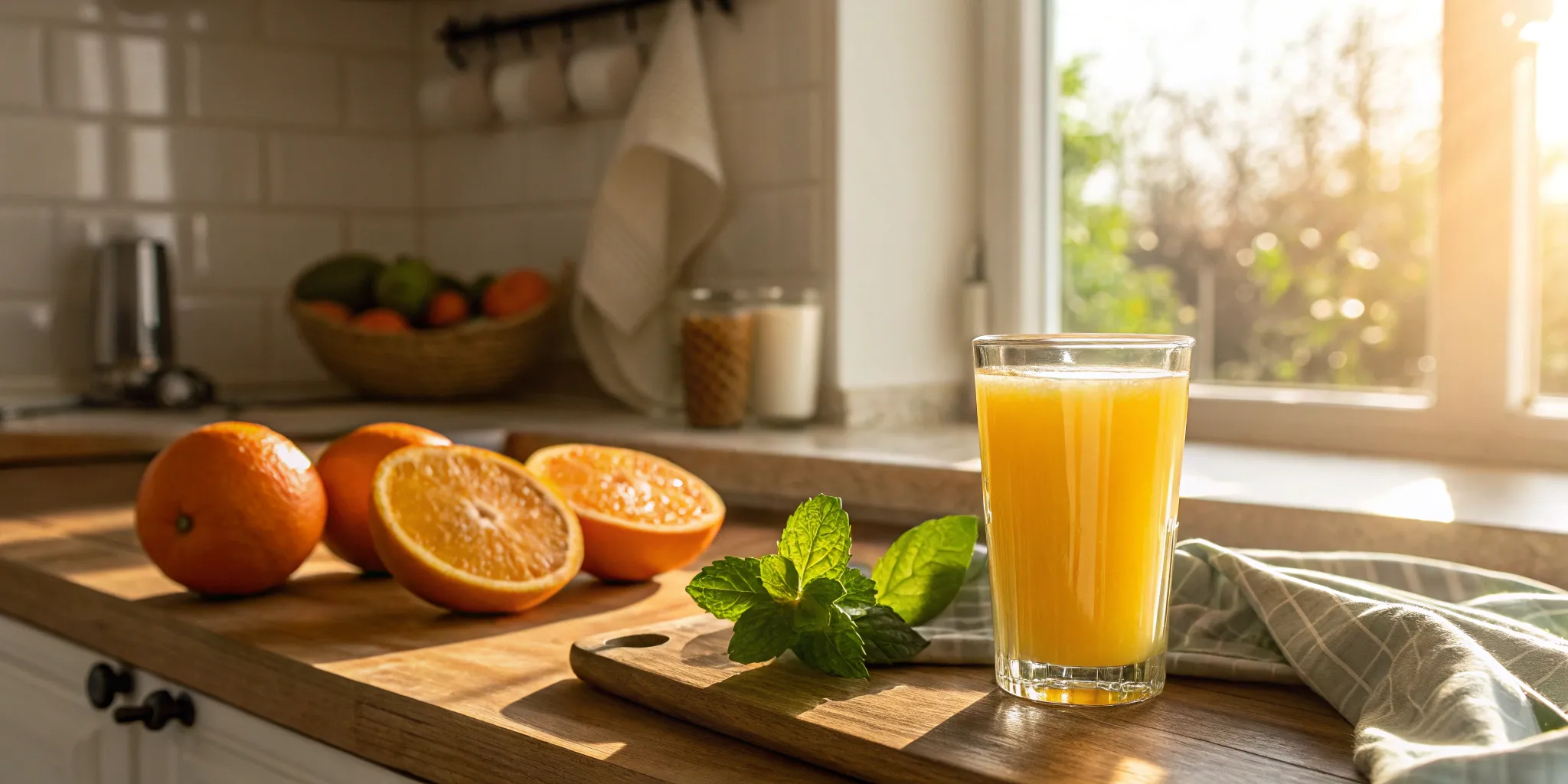
Alcohol can cause your blood sugar to drop, leaving you feeling tired and weak. A greasy breakfast might sound tempting, but it can irritate your stomach further. Instead, opt for simple, bland foods that are easy to digest. Think toast, crackers, or a banana. These carbs will help bring your blood sugar levels back to normal without overwhelming your system. A small glass of juice can also give you a quick sugar lift to combat that sluggish feeling and start your recovery.
Prioritize Rest and Recovery
Honestly, the most effective hangover remedy is time. Your body needs a chance to process the alcohol and heal, and the only way to do that is to rest. If you can, go back to sleep or at least spend the day relaxing on the couch. Pushing through a busy day will likely only make you feel worse and prolong the discomfort. Giving yourself permission to rest allows your body to focus its energy on recovery. Think of it as hitting the reset button—sometimes, a little extra sleep is all you need.
Choose the Right Pain Reliever
If a pounding headache is your main complaint, an over-the-counter pain reliever can help. Nonsteroidal anti-inflammatory drugs (NSAIDs) like aspirin or ibuprofen are good choices for muscle aches and headaches. Just be mindful that they can sometimes irritate a stomach that's already sensitive from alcohol. One important rule: avoid acetaminophen (Tylenol). When your body is still processing alcohol, acetaminophen can cause serious damage to your liver, so it's best to steer clear.
Try These Natural Remedies
Beyond the basics, a few other things might help. Some research suggests that foods rich in zinc and B vitamins can lead to less severe hangovers. Consider having some eggs, oatmeal, or nuts. You can also try sipping on some ginger tea to help calm your stomach. These aren't magic bullets, but they support your body's natural recovery process. Focusing on mindful drinking in the future can also help you avoid feeling this way again.
Smart Ways to Prevent a Hangover
The best way to deal with a hangover is to avoid getting one in the first place. While that might sound obvious, it’s easy to get caught up in the moment and forget about the morning after. Being proactive is about making conscious choices that support your well-being, not about depriving yourself of a good time. A little planning can make a world of difference in how you feel the next day.
Think of it as setting yourself up for success. Instead of waking up with regret, a pounding head, and a promise to “never drink again,” you can wake up feeling refreshed and clear. These strategies aren’t about strict rules; they’re about being more mindful of how you drink and listening to your body’s signals. By incorporating a few simple habits into your routine, you can enjoy social events without sacrificing your physical and mental health.
What to Do Before You Drink
Let’s start with the most straightforward tip: the only guaranteed way to prevent a hangover is to not drink alcohol. But if you do choose to drink, a little prep work goes a long way. Never drink on an empty stomach. Eating a balanced meal with carbohydrates, protein, and fat before your first drink helps slow the absorption of alcohol into your bloodstream. This gives your body more time to process it and can prevent your blood alcohol level from spiking too quickly. Think of it as building a solid foundation for your evening.
Tips for While You're Drinking
Pacing is everything. When you’re out, try to sip your drink slowly instead of gulping it down. A great rule of thumb is to alternate every alcoholic beverage with a full glass of water. This simple habit does two things: it keeps you hydrated and it naturally slows down your overall alcohol consumption. You’ll be surprised at how much this can reduce the intensity of a potential hangover. Having some snacks throughout the evening can also help continue to slow alcohol absorption.
Choose Your Drinks Wisely
Not all drinks are created equal when it comes to hangovers. Darker-colored liquors and wines—like whiskey, bourbon, and red wine—contain higher levels of compounds called congeners. These are natural byproducts of the fermentation process and are known to contribute to more severe hangover symptoms for some people. Lighter-colored drinks like vodka, gin, and white wine have fewer congeners. While switching to a clearer spirit isn't a magic bullet, it can often make for a gentler morning after.
Set Your Personal Limits
One of the most powerful things you can do is decide on your limit before you even take your first sip. It’s much easier to stick to a plan you made with a clear head than to try and make good decisions after a few drinks. This is a core principle of mindful drinking. While general health guidelines suggest no more than one drink per day for women and two for men, your personal limit might be different. Pay attention to how you feel and honor what your body is telling you.
Stay Hydrated Throughout
We mentioned alternating drinks with water, but hydration deserves its own spotlight because it’s that important. Alcohol is a diuretic, which means it makes you urinate more frequently and can lead to dehydration—a major cause of hangover symptoms like headaches, fatigue, and dizziness. Keep sipping water all evening long, and make sure to have a big glass before you go to bed. You can also use a Blood Alcohol Content (BAC) calculator to better understand how alcohol is affecting your body in real time.
When to Seek Medical Help
Most of us know the regret of a morning-after headache, but it's important to recognize when symptoms point to something more serious. While time and rest are usually the best remedies, certain signs mean it’s time to get professional medical advice. Knowing the difference can help you take care of yourself and others. Your health is the top priority, so let’s walk through the warning signs, the difference between a hangover and withdrawal, and when it’s time to reach out for support.
Know the Warning Signs
A hangover does more than just make you feel tired and queasy; it can seriously impair your judgment and coordination. When you're hungover, it’s harder to think clearly, make sound decisions, and control your movements. This can lead to dangerous situations, like driving while hungover, which puts you and others at risk. Even if your blood alcohol content is back to zero, the lingering effects of alcohol can make simple tasks hazardous. If you find that hangovers are consistently interfering with your daily responsibilities or leading you to take risks you normally wouldn't, it might be a signal to re-evaluate your drinking habits.
Recognize Severe Symptoms
It’s crucial to know the signs of alcohol poisoning, which is a medical emergency. A hangover can make you feel awful, but alcohol poisoning can be life-threatening. If you or someone else has been drinking and shows any of the following symptoms, you need to call 911 immediately.
Look for these critical signs:
- Slow or irregular breathing (fewer than eight breaths per minute)
- Confusion or difficulty staying conscious
- Cold, clammy, or pale/bluish skin
- Severe vomiting
- Seizures
Don't wait to see if the person gets better on their own. Alcohol poisoning requires immediate medical attention. Acting quickly can save a life, so never hesitate to make the call if you suspect someone is in danger.
Hangover vs. Alcohol Withdrawal: Know the Difference
While a hangover feels like your body is punishing you for a night of overindulgence, it’s essentially a mild, short-term form of withdrawal. However, for individuals who drink heavily and frequently, true alcohol withdrawal can occur, and it’s a much more serious condition. A hangover typically resolves within 24 hours. Alcohol withdrawal, on the other hand, happens when someone who is physically dependent on alcohol suddenly stops or reduces their intake. Symptoms can range from anxiety and shakiness to more severe effects. If you drink regularly and find that you feel restless or anxious when you don't drink, it’s worth exploring your relationship with alcohol more deeply through practices like mindful drinking.
Where to Find Professional Support
If you find that hangovers are a regular part of your life and are causing problems with your work, relationships, or general well-being, it may be time to talk to a professional. A doctor can offer guidance and support tailored to your specific situation. There’s no shame in asking for help; it’s a sign of strength and a commitment to your health. Help is available, and you don’t have to figure it out alone. Resources are designed to support you in making positive changes. You can find answers to common questions and learn more about how to start your journey on our FAQ page.
Create Healthier Drinking Habits
Waking up without a hangover is a great feeling, but what if you could build habits that support your well-being all the time, not just the morning after? Moving beyond simply preventing hangovers and toward a healthier relationship with alcohol is about making intentional choices that align with your long-term goals. It’s not about perfection; it’s about progress. By focusing on small, sustainable changes, you can take control of your drinking habits and improve your physical and mental health. Here are some practical, effective strategies to get you started.
Practice Mindful Drinking
Mindful drinking is the practice of being fully present with your drink. Instead of downing a cocktail without thinking, you pay attention to the taste, the aroma, and how it makes your body feel. This awareness helps you slow down and recognize your body’s cues, so you can decide if you truly want another. It’s about shifting from automatic habits to conscious choices. A great first step is to simply pause before you take a sip and ask yourself, “Why am I having this drink?” This simple question can help you understand your motivations and make more intentional decisions about your consumption. You can learn more about mindful drinking and how it can transform your relationship with alcohol.
Use Tools to Track Your Progress
It’s hard to change what you don’t measure. Tracking your drinks is a powerful way to get an honest look at your consumption patterns. When you see how many drinks you have in a week or how much you’re spending, it can be a real eye-opener. You can use a simple journal or an app to log each drink, note how you felt, and track your progress toward your goals. This data isn’t meant to make you feel guilty; it’s meant to empower you with information. Seeing your progress over time can be incredibly motivating and help you celebrate your wins along the way. Tools like an alcohol spend calculator can also put your habits into a financial perspective.
Set Healthy Boundaries
Setting clear limits for yourself before you’re in a social situation is one of the most effective ways to stay in control. Decide ahead of time how many drinks you plan to have, and then stick to it. It can also be helpful to set a time limit, like deciding you won’t have any alcohol after 10 p.m. To make it easier, try alternating each alcoholic beverage with a glass of water or a fun mocktail. This keeps you hydrated and slows your pace. Don’t be afraid to communicate your boundaries to friends. A simple, “I’m taking it easy tonight” is usually all you need to say.
Find Fun Alternatives to Drinking
So many social activities seem to revolve around alcohol, but they don’t have to. As more people become aware of the effects of alcohol, the interest in fun, alcohol-free activities is growing. Challenge yourself to find new hobbies or social outlets that aren’t centered on drinking. You could plan a hike with friends, join a pottery class, host a board game night, or explore the world of craft mocktails. When you focus on the activity itself rather than the drinks, you open yourself up to new experiences and deeper connections. The goal is to add more joy and fulfillment to your life, and you might be surprised at how much fun you can have without alcohol.
Build Your Support System
Making changes is always easier when you have people in your corner. Sharing your goals with a trusted friend, partner, or family member can create a powerful sense of accountability. Let them know you’re trying to build healthier habits and ask for their support. This could mean they help you stick to your limits or join you in trying alcohol-free activities. Remember, you’re not alone in this. Many people are re-evaluating their relationship with alcohol. Connecting with a community of like-minded individuals, whether online or in person, can provide encouragement, share tips, and remind you that you have a whole team cheering you on.
Need Relief Right Now?
When you're in the middle of a hangover, you just want to feel better. While time is the only true cure, there are practical steps you can take to ease your symptoms and support your body's recovery. Forget the myths and questionable "cures." These simple, science-backed tips can help you get through the day with more comfort.
Quick Hydration Tips
Alcohol is a diuretic, which can lead to dehydration—a major cause of headaches and fatigue. Your first priority is to rehydrate. Start sipping fluids like water, sports drinks, or broth throughout the day. The goal is to keep drinking until your urine is a pale, clear yellow. This simple act of rehydrating your body is one of the most effective things you can do to start feeling human again.
What to Eat for Fast Relief
That shaky, weak feeling might be from low blood sugar, which contributes to fatigue and headaches. Instead of a big, greasy meal, reach for simple carbohydrates that are easy to digest, like toast, crackers, or a banana. These foods can gently raise your blood sugar without overwhelming your system. Getting something in your stomach gives your body the fuel it needs to recover.
Find Immediate Relief
For pounding headaches and body aches, an over-the-counter pain reliever can help. Go for nonsteroidal anti-inflammatory drugs (NSAIDs) like ibuprofen or aspirin. If you're dealing with nausea, an antacid can help settle your stomach. One crucial note: avoid acetaminophen (Tylenol). When alcohol is in your system, your liver is already working overtime, and combining it with acetaminophen can risk serious liver damage. Stick to safer options.
What to Avoid When You're Hungover
Sometimes, what you don't do is just as important. First, resist the urge to have another drink. The "hair of the dog" is a myth that just postpones the inevitable and prolongs the hangover cycle. It's also critical to avoid acetaminophen (Tylenol). Instead of reaching for old habits, see this as an opportunity to practice mindful drinking and listen to what your body truly needs—rest, hydration, and gentle nutrition.
Helpful Resources and Tools
If you’re tired of the hangover cycle, you have the power to make a change. Building healthier habits starts with understanding your current ones, and thankfully, there are some fantastic tools and resources available to guide you. Instead of just reacting to hangovers, you can take proactive steps to prevent them and improve your overall well-being. From insightful apps to professional guidance, here’s a look at some resources that can support you on your journey.
Apps That Can Help
Using an app to track your alcohol consumption can be a real eye-opener. It’s a private, convenient way to see your patterns clearly and make more informed decisions about your drinking. Apps like Reframe are designed to do more than just count drinks; they offer neuroscience-backed programs to help you change your relationship with alcohol. With features like personalized tracking, educational courses, and a supportive community, you get a comprehensive toolkit right in your pocket. It’s about understanding your habits so you can build healthier ones that stick.
Ways to Track Your Habits
Tracking isn’t just about logging what you drink—it’s about discovering your “why.” Do you tend to drink more on weekends? After a stressful day at work? Seeing these patterns laid out can help you identify your triggers and find new ways to cope. You can also track the positive changes you’re making. For example, using a cost savings calculator can show you how much money you’re saving by cutting back, which is a great motivator. This kind of insight turns abstract goals into tangible progress you can see and feel good about.
Find Professional Support
If you find that frequent hangovers are getting in the way of your life—affecting your work, school, or relationships—it’s a good idea to talk to a doctor. Reaching out for professional support is a sign of strength, not weakness. A healthcare provider can offer personalized advice and help you figure out the best path forward for your health. According to the Mayo Clinic, discussing your concerns with a professional is an important step toward creating healthier drinking habits and ensuring your well-being in the long run.
Learn More About Mindful Drinking
Mindful drinking is all about being more intentional with your choices. It’s not necessarily about quitting alcohol entirely, but rather about slowing down, paying attention, and savoring the experience. When you practice mindful drinking, you become more aware of how much you’re consuming and why. This simple shift in perspective can help you naturally reduce your intake, enjoy your drinks more, and avoid the unpleasant after-effects. It’s an empowering approach that puts you back in control of your habits and helps you feel your best.
Related Articles
Is the "hair of the dog" a real hangover cure? While having another drink might temporarily numb your symptoms, it's really just delaying the inevitable. A hangover begins when your blood alcohol level drops, so drinking again only postpones the recovery process. Your body still needs to process the alcohol from the night before, and adding more just puts extra strain on your system. The best path to feeling better is to focus on hydration and rest, not more alcohol.
What are the best things to eat to prevent or help a hangover? Eating a balanced meal before you start drinking is one of the most effective things you can do. Including protein, fat, and carbohydrates helps slow down alcohol absorption. If you wake up feeling unwell, stick to simple, easy-to-digest foods. Things like toast, bananas, or crackers can help stabilize your blood sugar without upsetting your stomach further. A greasy meal might sound appealing, but it can often make nausea worse.
Why do hangovers seem to get worse as you get older? It's not just your imagination; hangovers can feel more intense as we age. This happens for a few reasons. Your body's composition changes over time, which can affect how you metabolize alcohol. Additionally, the liver enzymes that break down alcohol may become less efficient. This means toxic byproducts can linger in your system longer, leading to more severe symptoms like headaches and fatigue.
Is a hangover just a case of being really dehydrated? Dehydration is a major player in why you feel so bad during a hangover, causing headaches and dizziness, but it's not the whole story. A hangover is a full-body response. Alcohol causes inflammation, disrupts your sleep cycle so you don't get restorative rest, and irritates your stomach lining. That's why you can still feel awful even after drinking plenty of water.
How can I tell if it's a bad hangover or something more serious? A hangover can make you feel terrible, but alcohol poisoning is a medical emergency that requires immediate help. If someone is confused, has slow or irregular breathing, has cold or bluish skin, or is having seizures, call 911 right away. Also, if you drink regularly and experience shakiness or severe anxiety when you stop, you might be experiencing withdrawal, which is different from a typical hangover and is a good reason to speak with a doctor.