A team of researchers and psychologists who specialize in behavioral health and neuroscience. This group collaborates to produce insightful and evidence-based content.
Certified recovery coach specialized in helping everyone redefine their relationship with alcohol. His approach in coaching focuses on habit formation and addressing the stress in our lives.
Recognized by Fortune and Fast Company as a top innovator shaping the future of health and known for his pivotal role in helping individuals change their relationship with alcohol.
July 11, 2024
·
19
Reframe Content Team
July 11, 2024
·
19
New Gel Makes Alcohol Metabolism Less Toxic
Scientists have developed a protein-based gel that triggers alcohol metabolism in the gut, bypassing its breakdown in the liver and the toxic metabolites that cause hangovers.
While the new gel can help you feel better after drinking too much, the best (and healthiest) “cure” for hangovers is prevention.
Reframe can provide you science-backed information about hangovers while helping you start your alcohol journey with the support of a thriving global community.
We have a simple fix for most things. Going to the beach? Slather on sunscreen. Touch a questionable doorknob? Grab the hand sanitizer. But what about after a few drinks? We've all felt the pain of acetaldehyde and hangovers. This happens when your liver can't keep up, causing a toxic buildup. But what if you could stop it before it starts? A new type of alcohol neutralizer, sometimes in the form of a drink or gel, acts as an acetaldehyde neutralizer, tackling the problem in your gut, not your liver. It’s a whole new way to think about drinking smarter.
We’ve all been there — the headache, shaky hands, and pit-of-the-stomach anxiety mixed with nausea. It’s all an unpleasant reminder of having too many margaritas (or beers — hangovers don’t discriminate) the night before.
Hangover cures are a dime a dozen, ranging from the plausible (but less-than-effective) to the downright bizarre. Ever heard of rubbing lemons under your armpits, drinking pickle juice, or (gulp!) eating a canary?
Out of all the hangover cure inventors out there, ancient Romans take the prize. According to Gizmodo, ancient wine enthusiasts would try to counteract the effects through “feather of the bird” instead of “hair of the dog” by (brace yourself!) “deep-frying a canary and scarfing it down.”
That said, the Namibians aren’t too far behind: after a night of partying, they would drink “Buffalo Milk.” And no, it’s not milk that comes from buffalos. Instead, the questionable concoction is “just clotted cream (from cows), dark rum, spiced rum, cream liqueur, and whole cream” — not that far off from whatever caused the hangover to begin with. Plus, “in addition to a belly full of booze and dairy, Buffalo Milk adds a sugar crash to the blend of bad feelings.”
How Your Body Breaks Down Alcohol
Why are many hangover cures such flops? The answer boils down to a few key factors that stem from the way our body breaks down alcohol. For a deeper look, check out “What Exactly Happens During a Hangover?” but for now, here’s the gist:
Acetaldehyde buildup. This one is the main culprit. The liver uses two enzymes (proteins that get chemical reactions going) to break down booze. The first — alcohol dehydrogenase (ADH) — converts ethanol into acetaldehyde, a compound more toxic than alcohol itself. The second — aldehyde dehydrogenase (ALDH) — picks up the slack and turns acetaldehyde into harmless acetic acid, which gets excreted by the body through urine.
However, since the liver can only do so much at a time, if we keep those drinks coming, acetaldehyde builds up, making itself known through all those pesky hangover symptoms.
Dehydration. Alcohol suppresses vasopressin — a hormone that tells the kidneys to hold on to water. The result? Incessant trips to the bathroom throughout the night and dehydration the morning after.
Some of the hangover “cures” do have a bit of science in them (the idea of pickle juice, for example, is to replenish lost electrolytes). However, most don’t actually prevent the morning-after woes or do much to mitigate the situation.
The Impact of Alcohol: A Sobering Look at the Stats
So, what makes this new gel different from downing a greasy breakfast or chugging pickle juice? It targets the root cause of the problem: that nasty compound called acetaldehyde. As we covered, when your liver breaks down alcohol, it first turns it into this toxic substance. The main reason you feel so terrible after a night of drinking is this acetaldehyde buildup in your gut. Your liver works hard to convert it into harmless acetic acid, but it can only process so much at once. This new gel essentially gives your liver a helping hand before it even has to start working overtime.
Instead of waiting for alcohol to hit the liver, the gel gets to work breaking it down in the gastrointestinal tract. It’s made from whey proteins, which are cooked for several hours to form a gel. Then, with the help of iron, glucose, and a sprinkle of gold particles (fancy, right?), it triggers a reaction that converts alcohol directly into acetic acid. This process sidesteps the creation of toxic acetaldehyde, preventing it from entering the bloodstream and causing all that morning-after misery. It’s a proactive approach rather than a reactive one.
The results from early tests are pretty compelling. In a study on mice, the gel proved to be highly effective. After just 30 minutes, the mice given the gel had blood alcohol levels that were 40% lower than the control group. Five hours later, their levels were down by more than 55%. This significant reduction shows the gel’s potential to not only prevent hangovers but also reduce the harmful effects of alcohol on the body. While it’s still in the early stages of development, it’s an exciting step toward a smarter way to approach mindful drinking.
How Does This Alcohol Neutralizer Work?
With the new wonder gel, alcohol might have finally met its match! Instead of downing pickle juice or munching on canaries, we can now go straight to the root of the problem by taking acetaldehyde out of the picture. Meant to be consumed right after alcohol consumption, and designed to neutralize alcohol, it eliminates the need for the enzyme tag team altogether. Instead of relying on alcohol dehydrogenase and aldehyde dehydrogenase, we now have their synthetic cousin that’s able to convert alcohol into acetic acid directly.
What's Inside? The Key Ingredients
Led by scientist Jiaqi Su, the team took some plain old whey proteins and boiled them into long fibers. Next, they added salt and water to get the fibers to literally “gel together.”
In theory, the fibers were up to the task of converting alcohol into acetic acid directly. However, the scientists needed to give them a bit of help to get the reaction going. Thinking creatively, they put the proteins in an iron bath and added a bit of glucose and a dash of gold to the mix.
Before anyone gets confused, no, the gold wasn’t there for decoration. Instead, the reaction of glucose and gold nanoparticles produced hydrogen peroxide, which acted as a catalyst for the digestion process.
Shifting Alcohol Digestion From Liver to Gut
The researchers added this “magic mix” of iron, glucose, and gold to their gel. The idea behind this process was to trigger alcohol metabolism early, rerouting it to the gut and saving the liver the trouble.
As team member Raffaele Mezzenga explains, “The gel shifts the breakdown of alcohol from the liver to the digestive tract. In contrast to when alcohol is metabolized in the liver, no harmful acetaldehyde is produced as an intermediate product.”
At least that’s the theory behind the invention. But did it actually work in practice?
What Does the Research Say?
To test the new gel, the scientists had to bring in some animal assistants. But don’t worry, nobody was eating them. Instead, the researchers threw an equivalent of a rager for a few lab mice by feeding them alcohol. Once nice and buzzed, the mice were given the alcohol neutralizer.
As it turned out, in this case (unlike in the case of the ancient Roman canaries), thinking outside the box paid off.
The new gel did the trick: a cascade of reactions turned alcohol into acetic acid. Within half an hour, the alcohol levels of the mice dropped by 40%, and after five hours by more than 55%. And there were some extra perks: the mice had less acetaldehyde buildup, less liver damage, and a healthier blood composition overall.
Surprisingly, the benefits continued! Mice that were sent on a 10-day alcohol binge ended up faring much better if their drinks came with a side of the neutralizing gel. Their livers were spared much of the toxic effects and were able to metabolize fats better than their less lucky counterparts.
How Does This Compare to Other "Hangover Cures"?
How does the new gel compare to other hangover cures? Unlike most other morning-after remedies (and prevention techniques), it goes straight for the source of the unpleasant symptoms — acetaldehyde buildup. In this way, it’s ahead of the rest.
Common Myths and Ineffective Methods
Most traditional hangover remedies fall short because they only address the symptoms, not the cause. A greasy breakfast, a strong cup of coffee, or even the infamous “hair of the dog” might make you feel momentarily better, but they don’t do anything about the underlying issues. The core problem, as the National Institute on Alcohol Abuse and Alcoholism (NIAAA) explains, is the buildup of acetaldehyde, a toxic compound your liver produces when it metabolizes alcohol. Methods like drinking coffee just mask the fatigue, while adding more alcohol only postpones the inevitable crash and puts more strain on your liver. These quick fixes don't help your body process the toxins, which is why you still feel rough hours later.
Exploring Other Alcohol Neutralizing Products
The Swiss gel is an exciting development, but it’s not the only player in the game. As more people embrace mindful drinking and seek ways to enjoy social events without the negative consequences, a new market of science-backed products has emerged. These aren't your grandpa's folk remedies; they are sophisticated formulas designed to work with your body's chemistry. Instead of just chasing symptoms with painkillers and caffeine, these products aim to intervene in the metabolic process itself. They represent a shift toward proactive wellness, giving you more control over how alcohol affects your body.
From probiotic pills that break down alcohol in your gut to supplements that support your liver's natural detoxification pathways, the options are growing. Each product takes a slightly different approach to tackling the same fundamental problem: reducing the toxic load that alcohol places on your system. Unlike the Swiss gel, which creates a new pathway for alcohol digestion, many of these alternatives focus on enhancing or protecting your body's existing processes. Let's look at a few of the most common types of products you might find.
Probiotic-Based Solutions
One of the most innovative approaches involves using probiotics to do the heavy lifting. The idea is to introduce beneficial bacteria into your gut that can break down alcohol before it even has a chance to be absorbed into your bloodstream. This preemptive strike reduces the amount of alcohol and subsequent acetaldehyde your liver has to deal with. A prime example is a pill called Myrkl, which, according to The Conversation, uses a specific blend of probiotics to metabolize alcohol into harmless water and carbon dioxide right in the intestine. It’s a fascinating strategy that essentially outsources the first stage of detoxification to your gut microbiome.
Pills and Drinks
These probiotic solutions are typically packaged for convenience, often as a pill or capsule to be taken before you start drinking. This format makes it easy to incorporate into your routine without much fuss. Some companies are also developing probiotic-rich beverages with similar goals, offering a functional drink that you can consume as part of your night out. The key is that they are designed for proactive use, working to mitigate alcohol's effects from the very first sip rather than trying to clean up the aftermath the next morning.
Liver-Supporting Supplements
Another category of products focuses on supporting the liver, which bears the primary responsibility for processing alcohol. Instead of neutralizing alcohol in the gut, these supplements aim to fortify the liver and enhance its natural detoxification capabilities. They often contain ingredients like dihydromyricetin (DHM), milk thistle, and N-acetylcysteine (NAC), which are thought to help the liver produce the enzymes needed to break down alcohol and acetaldehyde more efficiently. This approach is less about rerouting the process and more about making the existing machinery run better. The Swiss gel, in contrast, shifts the breakdown of alcohol from the liver to the digestive tract, offering a completely different way to reduce the organ's burden.
Blood Alcohol Reducing Beverages
Perhaps the most ambitious claim made by some of these new products is their ability to actively lower your blood alcohol content (BAC). A lower BAC means less impairment and a reduced toxic effect on your brain and body. While many products have made this claim over the years, new technologies are showing measurable results. For instance, research on the new Swiss gel found it produced a 40% drop in blood alcohol levels within just half an hour. This is a significant finding, as it suggests the gel doesn't just prevent a hangover but also helps you sober up faster. Having a tool that can directly and quickly lower your BAC could be a game-changer for personal safety and next-day recovery. If you're curious about your own levels, you can use a Blood Alcohol Content (BAC) calculator to get an estimate.
Safety First: What You Need to Know
However, the gel is by no means a “magic bullet” and comes with some serious limitations.
It only works if alcohol is still in the GI tract. The gel is meant to be consumed at the same time or shortly after alcohol consumption. Once alcohol is in our bloodstream, the damage is done — the liver is already involved, and it’s too late for the shortcut to take effect.
It’s not a green flag to keep the drinks flowing. Drinking too much is still dangerous. For one thing, we still get the cognitive impairment that comes from alcohol’s effect on the brain. We also still experience other harmful effects such as the damage it does to our GI tract, for example. Plus, we still get the dopamine hit, which means there’s potential for dependence.
As Mezzenga sums up, “It’s healthier not to drink alcohol at all … However, the gel could be of particular interest to people who don’t want to give up alcohol completely, but don’t want to put a strain on their bodies and aren’t actively seeking the effects of alcohol.”
Practical Tips for Safer Drinking
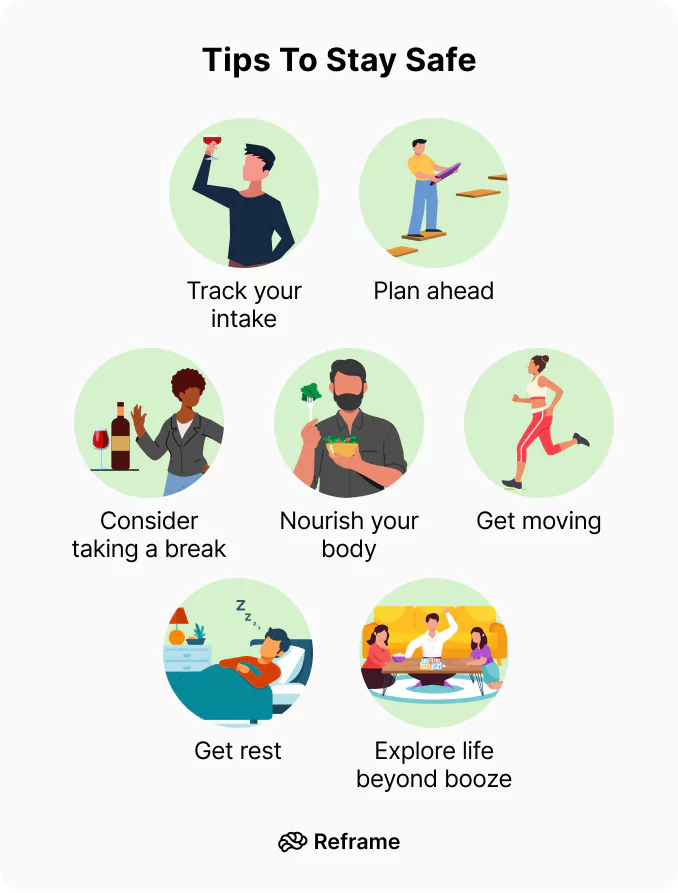
Gel or no gel, it’s important to stay safe when alcohol is in the picture. Here are a few tips for the journey:
Track your intake. It’s important to have a clear picture of the situation. If hangovers have become a regular thing, it may be time to get tracking and see how much you’re actually consuming. It might be more than you think! (Those bottomless mimosas add up, and a “wine glass” at a restaurant can be close to half a bottle.)
Plan ahead. Instead of planning on how to avoid a hangover, it’s always better to plan on a drink limit when you set out. Try to stick to it, and use an accountability buddy if that helps. Either way, you want to be in the driver’s seat when it comes to making decisions about booze.
Consider cutting back or taking a break. If you’re finding yourself breaking the limit you set over and over again (or reaching for that gel a bit too often), consider cutting back. Don’t look at reducing alcohol or taking a break from it altogether as a limitation — instead, think of it as an experiment or an exploration of the fun that’s out there beyond booze.
Nourish your body. Alcohol depletes our body of electrolytes, fluids, and vital nutrients (which don’t get absorbed as efficiently when booze is in the picture). Make sure to eat well every day, and be especially careful about eating before you drink. (And we’re not talking chips and pretzels here — your body needs high-quality fuel provided by whole grains, healthy fats, lean meats, and plenty of fruits and vegetables.)
Get moving. Exercise works wonders for keeping cravings at bay and giving you a natural mood boost by releasing endorphins and dopamine. No alcohol (and no gel) required! And even if you do end up overdoing it and wake up to a hangover the next day, try to incorporate some movement. Trekking to the gym might be asking too much, but any movement counts — and if you break a sweat, that’s even better!
Get rest. Alcohol is notorious for messing with sleep. While you might doze off initially, chances are you’ll wake up feeling groggy, even if you stayed in bed until noon. Why? Booze disrupts our natural sleep cycle, sending us straight into deep sleep and skimping on the most restorative REM stages.
Explore life beyond booze. Most importantly, remember that there’s so much more to life than booze, hangovers, and neutralizing gels. Explore alcohol-free activities (such as hiking, meditation, continuing education classes, audio books, escape rooms, trivia nights, and anything else your mind fancies). Who knows, you might end up finding some new favorites and wish you’d done so sooner! Stay in the mindset of curiosity and exploration throughout the process. It’s all about adding fun to your life — not deprivation.
And remember, Reframe is here for you! Our thriving community of global users is here to support you every step of the way.
The Role of Time and Rest
While new inventions are exciting, sometimes the oldest tricks in the book are the most reliable. When it comes to recovering from a night of drinking, nothing beats giving your body time and rest. Sleep is your body’s ultimate recovery tool. It’s not just about closing your eyes and waiting for the headache to pass; it’s an active process where your body works hard to repair itself. While you’re sleeping, your liver gets a chance to catch up on metabolizing the remaining alcohol without being bombarded by more. As experts point out, sleep allows time to pass while the body rests and helps restore its ability to clear alcohol from your system. So, if you’ve had too much, the best thing you can do is clear your schedule, draw the blinds, and let your body do its thing.
Hydration is Key
We’ve all heard it before, but it bears repeating: hydration is non-negotiable. Alcohol is a diuretic, meaning it makes you pee more and can lead to dehydration, which is a major cause of those classic hangover symptoms like headaches, dizziness, and fatigue. Drinking plenty of water helps counteract this by replenishing lost fluids. But it does more than just that. Water is essential for helping your body flush out toxins more efficiently. It supports circulation and speeds up the process of eliminating alcohol's byproducts through your system. A good rule of thumb is to alternate each alcoholic drink with a glass of water and have another big glass before you go to bed. Your future self will thank you.
The Goal: Better Mornings
Having tools — such as the alcohol neutralizer gel — to use when the situation calls for it is helpful. But it’s not the end of the story. In We Are the Luckiest: The Surprising Magic of a Sober Life, Laura McKowen writes: “My drinking — and whatever it is you do to feel better — was born of a natural impulse to soothe, to connect, to feel love. And although alcohol hadn’t actually delivered those things, it was absolutely yoked to them in my mind. In my heart and body too. It was just what I knew.”
Let’s continue exploring what makes us feel better — truly better, long after the drinks have been served, consumed, and (maybe) neutralized with gel. There’s so much to discover!
Frequently Asked Questions
How is this new gel different from typical hangover remedies like coffee or a big breakfast? Most traditional hangover cures are reactive; they try to manage the symptoms after the damage is done. For instance, coffee masks fatigue and water helps with dehydration. This gel is proactive. It works inside your gut to prevent the formation of acetaldehyde, the toxic compound primarily responsible for making you feel terrible. It tackles the root cause before it becomes a problem, rather than just trying to clean up the aftermath.
So, does this mean I can drink as much as I want without consequences? Definitely not. While the gel can reduce some of alcohol's physical toll and lower your blood alcohol content, it's not a magic shield. It doesn't stop alcohol from impairing your judgment, coordination, or decision-making. The goal of tools like this should be to support more mindful drinking habits, not to enable drinking more heavily. True well-being comes from staying in control of your consumption.
What’s the science behind how it works, in simple terms? Think of it as giving your body a shortcut. Normally, your liver breaks down alcohol in a two-step process, which creates that toxic acetaldehyde along the way. This gel essentially hijacks that process. It uses a framework of whey proteins combined with iron and other catalysts to convert alcohol directly into harmless acetic acid within your digestive tract. This bypasses the liver's usual method and prevents a buildup of the stuff that causes hangovers.
Are there other products that try to do the same thing? Yes, this is a growing field as more people become interested in mindful drinking. You can find other products that aim to lessen alcohol's negative effects, though they often work differently. Some use specific probiotics to help break down alcohol in the gut, while others are supplements designed to support and protect your liver's natural detoxification pathways. The Swiss gel is unique because it creates a new pathway for alcohol metabolism altogether.
When will this alcohol-neutralizing gel be available to buy? This technology is still very new and in the early stages of development. The exciting results so far have come from studies on mice, which is a crucial first step. However, it will still need to go through extensive human trials and regulatory approval before it can be made available to the public. For now, it’s a promising innovation to keep an eye on for the future.
Key Takeaways
Understand the New Science of Hangovers: Emerging products work by breaking down alcohol in your gut before it ever reaches your liver. This approach prevents the buildup of acetaldehyde, the toxic compound that's the real reason you feel so rough the next day.
Treat Neutralizers as a Tool, Not a Cure-All: While an alcohol neutralizer can reduce physical harm and lower your BAC, it doesn't eliminate alcohol's impact on your brain or the risk of dependence. Think of it as a helpful tool for mindful drinking, not an excuse to overdo it.
Focus on Mindful Habits for Lasting Results: The most effective way to avoid hangovers is to build healthier habits from the start. Prioritizing hydration, setting limits before you go out, and getting enough rest will always be more powerful than any morning-after fix.
1. What’s this new alcohol neutralizer developed by Swiss researchers?
Swiss scientists have created an innovative gel that acts as an alcohol neutralizer. This gel is designed to tackle the root cause of hangovers by converting alcohol directly into a less harmful substance, thereby bypassing the usual liver process and reducing unpleasant hangover symptoms.
2. How does the alcohol neutralizer work?
The new gel works by transforming alcohol into acetic acid directly in the digestive tract instead of in the liver, using a combination of iron, glucose, and gold nanoparticles. This helps prevent the buildup of acetaldehyde, a toxic compound that contributes to hangover symptoms.
3. What makes this gel different from traditional hangover cures?
Unlike traditional hangover remedies that often only address symptoms, there’s a direct target of this gel — alcohol itself. It works by reducing its conversion into acetaldehyde, which is mainly responsible for hangover symptoms. This approach is more proactive and can potentially mitigate hangover effects more effectively.
4. Are there any limitations to the effectiveness of the gel meant to neutralize alcohol?
Yes, the new gel needs to be used while alcohol is still in the gastrointestinal tract. Once alcohol reaches the bloodstream, the gel is less effective because the liver has already started processing the alcohol.
5. Is the alcohol neutralizer available for public use?
Currently, the new gel is still in the experimental stage and has been tested only in lab settings, such as on mice. Further research and trials are needed before it can be considered safe and effective for human use.
Avoid Hangovers Altogether With Reframe!
Although it isn’t a treatment for alcohol use disorder (AUD), the Reframe app can help you cut back on drinking gradually with the science-backed knowledge to empower you 100% of the way. Our proven program has helped millions of people around the world drink less and live more. And we want to help you get there, too!
The Reframe app equips you with the knowledge and skills you need to not only survive drinking less, but to thrive while you navigate the journey. Our daily research-backed readings teach you the neuroscience of alcohol, and our in-app Toolkit provides the resources and activities you need to navigate each challenge.
You’ll meet millions of fellow Reframers in our 24/7 Forum chat and daily Zoom check-in meetings. Receive encouragement from people worldwide who know exactly what you’re going through! You’ll also have the opportunity to connect with our licensed Reframe coaches for more personalized guidance.
Plus, we’re always introducing new features to optimize your in-app experience. We recently launched our in-app chatbot, Melody, powered by the world’s most powerful AI technology. Melody is here to help as you adjust to a life with less (or no) alcohol.
And that’s not all! Every month, we launch fun challenges, like Dry/Damp January, Mental Health May, and Outdoorsy June. You won’t want to miss out on the chance to participate alongside fellow Reframers (or solo if that’s more your thing!).
The Reframe app is free for 7 days, so you don’t have anything to lose by trying it. Are you ready to feel empowered and discover life beyond alcohol? Then download our app today!
Reframe has helped over 2 millions people to build healthier drinking habits globally
At Reframe, we do science, not stigma. We base our articles on the latest peer-reviewed research in psychology, neuroscience, and behavioral science. We follow the Reframe Content Creation Guidelines, to ensure that we share accurate and actionable information with our readers. This aids them in making informed decisions on their wellness journey. Learn more
Updated Regularly
Our articles undergo frequent updates to present the newest scientific research and changes in expert consensus in an easily understandable and implementable manner.