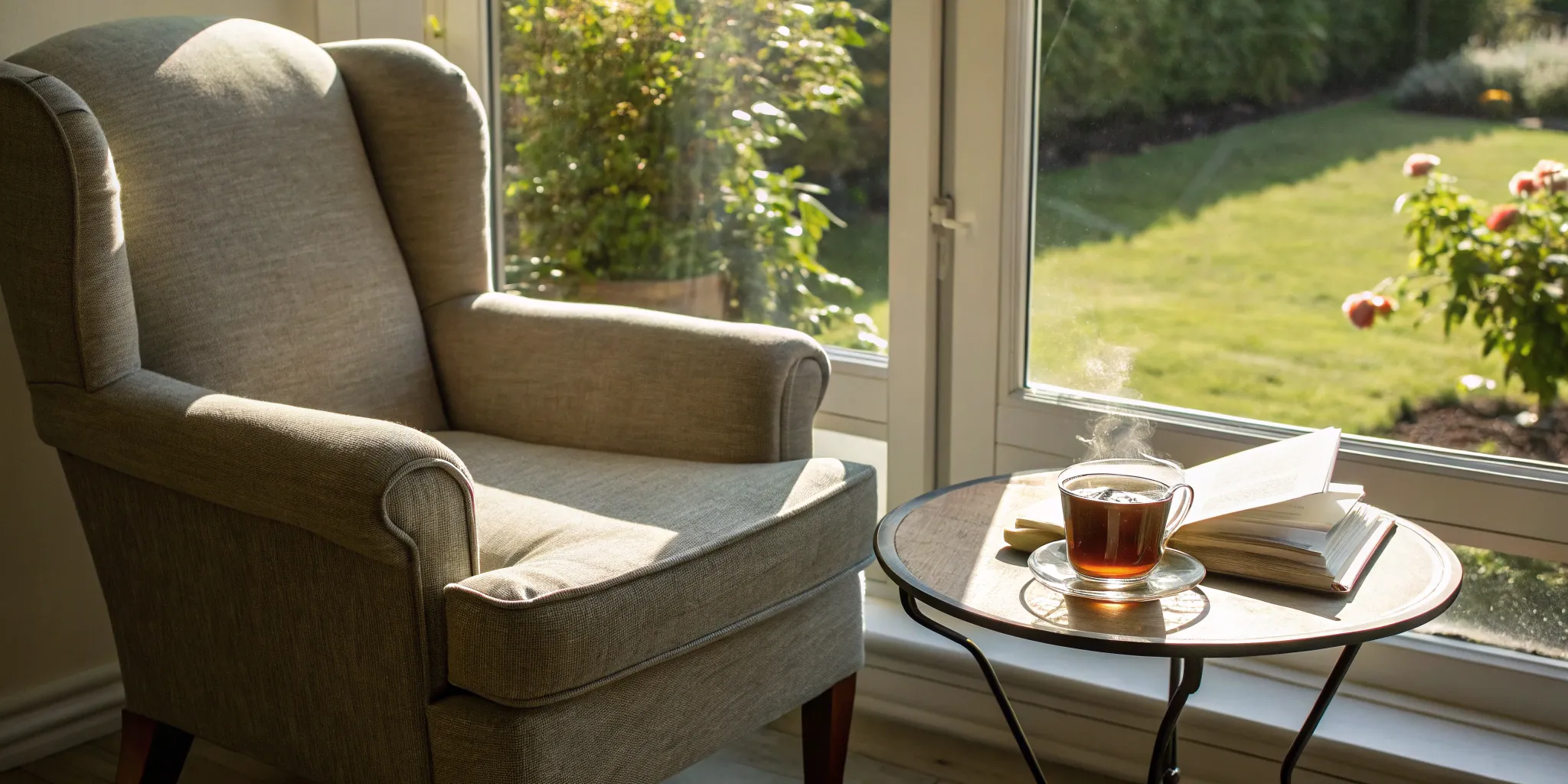
When we think about drinking less, it’s easy to focus on what we’re giving up. But what about everything you stand to gain? We’re talking about deeper sleep, more energy for the things you love, a clearer mind, and even a healthier bank account. Changing your drinking habits is an incredible act of self-investment that pays dividends in every area of your life. This guide is focused on those positive outcomes. We’ll provide a clear, actionable plan for how to stop drinking, not as an act of deprivation, but as a way to build a more vibrant, fulfilling life. Let’s explore the steps you can take to feel your best.
Key Takeaways
- Understand Your Patterns Before You Act: The first step isn’t to stop, it’s to observe. Get clear on your personal triggers—the times, places, or feelings that make you reach for a drink—so you can set small, realistic goals that build momentum.
- Create a Proactive Plan for Tough Moments: Don’t wait for a craving or social pressure to hit. Decide in advance how you’ll handle these situations with a toolkit of healthy distractions, stress-relief activities, and a simple, polite way to say “no.”
- Build Your Support System and Embrace Imperfection: You don’t have to do this alone. Lean on friends, professionals, or communities like Reframe for encouragement, and remember that a slip-up is a learning opportunity, not a failure. Progress is the goal, not perfection.
Is It Time to Stop Drinking? Here Are the Signs
Asking yourself if it’s time to change your relationship with alcohol is a huge step. It’s a quiet question that can feel heavy, but just by being here, you’re showing incredible self-awareness. There’s no single, definitive answer that fits everyone, but there are common signs that suggest your drinking habits might be costing you more than you realize. Think of this as a gentle check-in with yourself. By looking honestly at how alcohol shows up in your body, your behaviors, and your daily life, you can get a clearer picture of its true impact and decide what’s next for you.
Physical Warning Signs
Your body is great at sending signals, and it’s important to listen to them. A key physical sign is developing a higher tolerance, where you need more alcohol to get the same effect you used to. You might also notice that hangovers are more frequent or severe, or that you experience mild withdrawal symptoms like shakiness, anxiety, or nausea when you haven't had a drink. According to health experts at Mount Sinai, a major red flag is when your body feels like it needs alcohol to function normally. This can also show up as disrupted sleep, unwanted weight changes, or skin issues. These are all ways your body is telling you it’s struggling to keep up.
Behavioral Red Flags
Sometimes the most telling signs are in our actions. Do you find yourself drinking more than you planned to, or for longer periods? Maybe you’ve tried to cut back before but found it too difficult. A common behavioral flag is spending a lot of time thinking about drinking—when you’ll have your next one, how you’ll get it, and how you’ll recover from it. You might also find yourself drinking to cope with stress or avoiding situations where alcohol isn’t available. It’s a common misconception that you should be able to “just stop.” The reality is that changing your habits often requires support and a new set of tools, not just willpower.
The Impact on Your Relationships and Responsibilities
Take a moment to think about how alcohol affects your life outside of your own head and body. Has it created tension with your partner, family, or friends? Maybe you’ve missed work, skipped out on family commitments, or found it harder to keep up with your responsibilities at home because of drinking or its after-effects. When drinking starts to take priority over hobbies, relationships, and obligations you once cared about, it’s a clear sign that something is out of balance. This is a common experience, as alcohol use can cause significant harm in our personal lives and make it difficult to show up as the person you want to be.
Your First Steps to Quit Drinking
Deciding you want to change your relationship with alcohol is a huge first step, and you should feel proud for even getting to this point. The path forward can feel a little blurry, but you don’t have to figure it all out at once. The key is to start with a few foundational actions that set you up for success. Think of this as building a solid base before you start constructing the rest of the house. It’s about getting clear on where you are right now and where you want to go, so you can move forward with intention instead of just willpower.
Before you jump into creating new routines or finding new hobbies, it’s important to take a moment to prepare. This initial phase involves four simple but powerful steps: understanding your current habits, setting realistic goals, getting professional guidance, and creating a supportive environment at home. By focusing on these actions first, you make the entire process feel more manageable and less overwhelming. Each step builds on the last, giving you the clarity and confidence to move forward. This isn't about a dramatic, overnight transformation; it's about thoughtful preparation that makes lasting change possible.
Take Stock of Your Current Habits
Before you can change a habit, you have to understand it. This is where a little self-reflection comes in. For the next week, try keeping a journal about your drinking. Note when you drink, how much you drink, and what’s going on at the time. Are you stressed after work? Feeling awkward at a party? Bored on a Tuesday night? These are your triggers. Getting honest with yourself about the why behind your drinking isn't about judgment; it’s about gathering the data you need to make an effective plan. This awareness is your starting line.
Set Clear, Achievable Goals
The idea of quitting drinking forever can feel massive and intimidating. So, let’s not start there. Instead, focus on small, achievable goals that feel doable for you. Maybe your goal is to have three alcohol-free days this week, or to swap your evening glass of wine for tea. The point is to aim for progress, not perfection. Celebrating these small wins builds momentum and proves to yourself that you can do this. This approach is central to mindful drinking, which focuses on intention and awareness rather than all-or-nothing rules.
Talk to a Healthcare Professional
You don’t have to do this alone, and a doctor can be a valuable member of your support team. It’s always a good idea to check in with a healthcare professional before making a big change to your drinking habits. They can help you understand your personal health situation and decide on the safest approach for you, whether that’s cutting back gradually or stopping completely. This is especially important if you’ve been drinking heavily, as they can help you prepare for and manage potential withdrawal symptoms. Think of it as a strategic consultation to get the best advice for your journey.
Clear Alcohol From Your Home
One of the most practical things you can do right away is to create an environment that supports your new goal. That means removing the temptation. Go through your home and get rid of any alcohol you have—pour it out, give it away, whatever you need to do. If you live with others, have an open conversation and ask them to support you by keeping alcohol out of shared spaces for a while. Making your home a safe, alcohol-free zone removes a major hurdle and makes it that much easier to stick to your plan when a craving hits.
Practical Ways to Reduce Your Drinking
Once you’ve set your goals, it’s time to put them into action. Changing your relationship with alcohol doesn’t happen overnight; it’s built on small, practical steps that you take every day. These strategies are designed to help you build momentum and feel more in control of your choices, making the process feel manageable and empowering. Think of these as tools you can add to your toolkit, ready to use whenever you need them.
Track Your Habits With an App Like Reframe
Awareness is the first step toward meaningful change. When you start tracking how much you drink, you move from guessing to knowing. This isn't about judgment; it's about gathering data so you can understand your patterns. What situations or feelings lead you to pour a drink? Answering that question is powerful. Using a tool like Reframe can make this process feel less like guesswork. Developed with input from medical experts, its neuroscience-based program helps you understand the "why" behind your habits, empowering you to change your relationship with alcohol, whether you want to cut back or stop completely.
Schedule Alcohol-Free Days
If you’re used to drinking daily, the idea of an alcohol-free week can feel daunting. So, start smaller. Pick two or three specific days each week where you commit to not drinking. Mark them on your calendar to make it feel official. This simple act breaks the cycle of habitual drinking and proves that you don’t need alcohol to get through the day. You can even try a full week or month to see how you feel physically and mentally. Tracking these days can also show you tangible benefits, like how much money you're saving with a cost savings calculator.
Swap Drinking for Healthier Activities
Often, drinking is a way to fill a space in our day—whether that space is caused by boredom, stress, or the simple need for a ritual to mark the end of a long day. The key is to find something positive to fill that space instead. Think about activities that make you feel proud, relaxed, or happy. Maybe it’s rediscovering an old hobby like painting, going for a hike, or trying a new fitness class. By building a life filled with fulfilling activities, you create a world where alcohol plays a much smaller role. You’re not just removing something; you’re adding something better.
Learn How to Politely Say "No"
Social pressure can be one of the biggest hurdles when you’re trying to reduce your drinking. Feeling prepared can make all the difference. You don’t owe anyone a long explanation for your choices. Practice a few simple, polite ways to decline a drink so you feel confident in the moment. A simple, “No thanks, I’m good for now,” or “I’ll just have a sparkling water, thanks!” works perfectly. Remember, you don’t have to drink just because others are. Your well-being is the priority, and a polite but firm "no" is a powerful way to honor your goals.
How to Handle Cravings and Triggers
Let’s be real: cravings and triggers are a completely normal part of changing your relationship with alcohol. They aren’t a sign of weakness; they’re a sign that your brain is adapting to a new routine. The key isn’t to pretend they won’t happen, but to have a solid game plan for when they do. Think of it like building a toolkit—the more tools you have, the more confident and prepared you’ll feel when a challenging moment arises.
Instead of being caught off guard, you can learn to see these moments as opportunities to practice new coping skills. It starts with understanding what sets you off—your personal triggers. From there, you can create a proactive plan, find healthy ways to redirect your attention, and use simple mindfulness techniques to ride out the urge without giving in. These strategies empower you to respond thoughtfully instead of reacting automatically. By preparing for these moments, you take back control and prove to yourself that you can handle anything that comes your way.
Pinpoint Your Personal Triggers
A trigger is anything that sparks an urge to drink. It could be a specific time of day (hello, 5 p.m.!), a feeling like stress or boredom, a certain place, or even being around particular people. The first step is to become a detective in your own life. When a craving hits, take a moment to pause and ask yourself: What’s happening right now? What am I feeling? Getting curious helps you understand the “why” behind the urge.
Maybe you realize you reach for a drink when you feel lonely, or perhaps it’s the sound of a bottle opening on a TV show. By identifying these patterns, you can begin to untangle the habit. This practice of mindful drinking helps you separate the craving from the action, giving you a crucial moment of choice.
Make a Plan for When Cravings Hit
Once you know your triggers, you can prepare for them. Having a plan in place before a craving strikes is one of the most effective ways to stay on track. This isn’t about willpower; it’s about strategy. Your plan can be simple. If you know that a stressful work meeting is a trigger, decide ahead of time that you’ll go for a walk immediately after instead of pouring a drink.
Create a short list of actions you can take the second an urge appears. This could include calling a supportive friend, texting someone in your Reframe community, or having a go-to activity ready. The goal is to have a few reliable “if-then” scenarios prepared: If I feel a craving after work, then I will change into my workout clothes and go to the gym. Being prepared helps you stay calm and feel in control.
Use Healthy Distraction Techniques
Cravings feel powerful, but they are often surprisingly short-lived. One of the best ways to get through them is to simply distract yourself. The goal is to shift your brain’s focus onto something else until the intensity of the urge fades. It helps to have a list of go-to distractions ready so you don’t have to come up with ideas in the moment.
Your list can include anything you enjoy. Try physical activities like going for a walk, doing a few stretches, or tackling a quick chore. Or, engage your mind with a new hobby, like playing an instrument, sketching, or listening to a fascinating podcast. Even something as simple as making a cup of tea or organizing a junk drawer can be enough to redirect your attention and let the craving pass.
Try Mindfulness and Breathing Exercises
Sometimes, you can’t distract yourself, and you just have to sit with the discomfort of a craving. This is where mindfulness comes in. Instead of fighting the urge, you can learn to observe it without judgment. Acknowledge the feeling by saying to yourself, “This is a craving. It’s uncomfortable, but it’s temporary, and it will pass.” This simple act of recognition can strip the craving of its power.
Pairing this with a simple breathing exercise can be incredibly grounding. Try box breathing: inhale slowly for four counts, hold your breath for four counts, exhale for four counts, and hold again for four counts. Repeat this a few times. This technique calms your nervous system and gives you a focal point other than the craving. It’s a discreet and powerful tool you can use anywhere, anytime.
How to Manage Withdrawal Symptoms Safely
If you’ve been drinking heavily or for a long time, the thought of withdrawal can be intimidating. It’s one of the biggest hurdles people face when they decide to make a change. But understanding what to expect and how to handle it safely can make the process feel much more manageable. Your safety is the number one priority, and this is one area where you absolutely shouldn’t go it alone.
Alcohol withdrawal happens because your brain and body have adapted to the constant presence of alcohol. When you suddenly remove it, your system has to readjust, which can cause a range of physical and psychological symptoms. The severity of these symptoms depends on several factors, including how much and how often you were drinking. For some, withdrawal might feel like a bad hangover, but for others, it can be a serious medical issue. Knowing the signs, understanding the timeline, and recognizing when to call in a professional will empower you to take this step with confidence and care. This isn't about scaring you; it's about preparing you so you can move forward safely and successfully.
What Are Common Withdrawal Symptoms?
When your body starts to detox from alcohol, you might experience a few uncomfortable symptoms. Think of it as your system recalibrating. Common signs include feeling anxious or shaky, breaking out in a sweat, or dealing with nausea and headaches. These symptoms can range from mild to quite intense, and they’re a normal part of the process for many people. The key is to be prepared for them. Knowing what might come up helps you recognize it for what it is: a temporary response to a positive change you’re making for your health.
When You Should Seek Medical Help
This is incredibly important: if you have a history of heavy, long-term drinking, you should not try to stop on your own without medical guidance. Severe alcohol withdrawal can be dangerous. If you experience symptoms like hallucinations, seizures, a high fever, or severe confusion, you need to seek medical help immediately. The safest first step is to talk to a doctor or an alcohol counselor before you quit. They can help you create a plan to reduce your drinking safely, which might include medical supervision to keep you comfortable and secure.
A Timeline of What to Expect
While everyone’s experience is unique, withdrawal symptoms often follow a general timeline. They typically begin within 6 to 12 hours after your last drink. For most people, symptoms tend to peak around the 24 to 72-hour mark—this is often the most challenging period. After that, the most intense symptoms usually start to fade, though some milder ones can linger for several days or even weeks. Remember, this is just a guide. Your personal timeline will depend on your own drinking patterns and physiology, so be patient and gentle with yourself as your body adjusts.
How to Build Your Support System
Making a big life change is tough, but you don’t have to do it alone. Building a support system is one of the most powerful steps you can take. Think of it as assembling your personal team of cheerleaders, coaches, and confidantes. These are the people and resources that will have your back when you’re celebrating a win or facing a tough day. Having this network in place makes the journey feel less isolating and gives you the strength to keep moving forward. Whether it’s a professional, a group of peers, or your closest friends, leaning on others is a sign of strength, not weakness.
Explore Therapy and Counseling
Working with a therapist can be a game-changer. A professional who specializes in habit change or addiction can provide a safe space to explore the why behind your drinking. They can help you identify triggers, develop new coping mechanisms, and address any underlying issues like anxiety or stress that might be contributing to your habits. This kind of personalized, one-on-one guidance is invaluable for creating a strategy that’s tailored specifically to you and your life. It’s an investment in understanding yourself on a deeper level.
There is incredible power in connecting with people who just get it. Support groups, whether in-person like Alcoholics Anonymous (AA) or online, offer a community of people who understand the challenges you’re facing because they’ve been there, too. Sharing experiences and hearing others’ stories can make you feel less alone and more understood. If you’re not sure where to start, your doctor or a counselor can often refer you to local programs that provide peer support and resources.
Use Online Tools and Apps Like Reframe
Your phone can be a powerful ally. Apps like Reframe put a complete support system right in your pocket, offering tools and resources you can access anytime, anywhere. The core of Reframe’s approach is a neuroscience-backed program developed by medical and mental health experts to help you make lasting changes. With features like drink tracking, educational courses, and a supportive community, it provides daily reinforcement and practical strategies to help you build healthier habits on your own terms.
Talk to Your Family and Friends
Don’t forget about the people who already know and love you. Letting your close friends and family in on your goals can transform your personal relationships into a source of strength. Be open about your decision and let them know how they can best support you—whether that’s planning alcohol-free activities together or just being someone you can call on a tough day. As experts from Harvard Health suggest, simply telling people you need their help can create a powerful circle of encouragement and accountability.
What Happens to Your Body When You Stop Drinking?
Deciding to drink less is one of the best things you can do for your health. The positive changes start happening faster than you might think, affecting everything from your sleep quality to your bank account. Your body has an amazing capacity to heal, and reducing alcohol gives it the chance to do just that. You’ll likely feel the difference in your energy levels, mood, and overall well-being. Let’s look at the benefits you can expect, both right away and in the long run.
The Immediate Benefits You'll Notice
Within the first week of cutting back, you’ll probably notice significant improvements. One of the first is your sleep. While alcohol might make you feel drowsy, it disrupts your sleep cycle, preventing deep, restorative rest. Without it, you’ll likely wake up feeling more refreshed and energized. Your body also gets to work flushing out toxins and healing your organs, especially your liver. You may also notice you’re more hydrated, leading to clearer skin and fewer headaches. These early wins are great motivation to keep going.
Long-Term Improvements to Your Health
The longer you stick with it, the more profound the health benefits become. Over time, reducing alcohol intake can lead to a healthier heart, a happier digestive system, and a stronger immune system. Many people lose weight without other major changes, simply by cutting the empty calories from alcoholic drinks. Beyond the physical, your mental health can improve, too. You’ll have more energy to invest in relationships and hobbies that bring you genuine joy. This shift toward mindful drinking creates space for a healthier, more fulfilling lifestyle.
Changes to Your Wallet and Lifestyle
The benefits of drinking less extend far beyond your physical health. Think about how much you spend on alcohol each week—it adds up. Putting that money aside can make a real difference in your budget, allowing you to save for something meaningful or reduce financial stress. You can use an alcohol spend calculator to see exactly how much you could save. Beyond the financial perks, you’ll reclaim a lot of time. Instead of spending evenings drinking or mornings recovering, you’ll have more energy for new activities and quality time with people you care about.
How to Create New Habits to Replace Drinking
Changing your relationship with alcohol isn’t just about taking something away; it’s about adding fulfilling new experiences to your life. When you stop focusing on what you’re not doing, you create space to build a routine that truly serves your well-being. This is your chance to rediscover what makes you feel happy, relaxed, and proud.
Establish a Healthy Daily Routine
A consistent daily routine can be a powerful anchor when you’re making a big life change. It provides structure and predictability, which helps reduce the decision fatigue that can lead you back to old habits. Start small. This could mean waking up and going to bed at the same time, scheduling 20 minutes for a morning walk, or planning your meals for the week. Creating a simple, calming evening ritual—like drinking herbal tea and reading a book—can be especially helpful for replacing the habit of an evening drink. This structure isn’t about rigidity; it’s about creating a stable foundation from which you can grow.
Find New Ways to Relieve Stress
If you’ve used alcohol to unwind, it’s essential to find new, healthier ways to manage stress. This is a core principle of mindful drinking, where you learn to observe your feelings without immediately reacting with an old habit. Make a list of activities that help you feel calm and centered. Your new go-to stress relievers could be anything from a brisk walk or a yoga class to journaling, listening to a podcast, or calling a friend. The key is to have a toolkit of options ready so that when stress hits, you have a positive, constructive way to respond instead of reaching for a drink.
Discover Hobbies and Interests You Love
Quitting or cutting back on drinking frees up a surprising amount of time, energy, and money. This is a perfect opportunity to pour that energy into activities you genuinely enjoy. Think about what you loved to do before drinking took up more space in your life, or explore something completely new. You could join a local hiking group, sign up for a pottery class, start a garden, or volunteer for a cause you care about. Filling your time with engaging hobbies not only prevents boredom but also helps you build a new identity and find joy in activities that don’t involve alcohol.
How to Overcome Common Roadblocks
Changing your relationship with alcohol is a process, and it’s completely normal to hit a few bumps along the way. The key is not to let these challenges derail you. Instead, think of them as opportunities to learn more about yourself and strengthen your resolve. Having a plan for common roadblocks—like social events or a stressful day—can make all the difference in staying on track toward your goals.
Handle Social Pressure to Drink
Navigating social situations can feel tricky when you’re cutting back. Remember, you don’t owe anyone an explanation for your choices. A simple, "No thanks, I'm good for now," is often enough. It can help to practice saying 'no' politely but firmly so it feels more natural in the moment. If you’re going to a party, you can bring your own nonalcoholic drinks or offer to be the designated driver. It’s also okay to be selective about the events you attend, especially early on. Surround yourself with people who respect your decision and make you feel supported, not pressured.
Manage Stress and Emotions Without Alcohol
Many of us reach for a drink to unwind after a tough day, but there are healthier ways to cope with stress and difficult emotions. The goal is to find new, fulfilling activities to replace the habit of drinking. This could be anything that makes you feel good—going for a hike, picking up a paintbrush, listening to a podcast, or trying a new exercise class. Building a toolkit of stress-relieving techniques gives you productive outlets for your feelings. Exploring mindful drinking can also help you become more aware of your emotional triggers and make more intentional choices.
What to Do If You Slip Up (Without the Guilt)
A slip-up doesn’t mean you’ve failed. In fact, most people who successfully change their drinking habits have a few setbacks along the way. The most important thing is to not let one off-day turn into a week of old habits. Instead of getting discouraged, view it as a learning experience. What triggered the slip? What can you do differently next time? Acknowledge what happened, forgive yourself, and get right back to your plan. This journey isn't about perfection; it's about progress and showing yourself compassion as you move forward.
Find Your Go-To Nonalcoholic Drinks
Having exciting alternatives on hand can make skipping an alcoholic beverage much easier. Explore the world of mocktails, high-quality sparkling waters, kombucha, or craft sodas. You might be surprised by how many delicious options are out there. When you’re out with friends, don’t be shy about ordering a non-alcoholic beer or asking the bartender to whip up a creative mocktail. Making your alternative drink feel like a special treat can shift your mindset from one of deprivation to one of discovery. You can even challenge yourself to a 7-day break to find your new favorite go-to.
How to Stay Committed to Your Goal
Making a change is one thing; sticking with it is another. Commitment isn’t about having perfect, unwavering willpower. It’s about building a strong foundation and having the right tools to see you through the challenging moments. Staying connected to your original motivation, celebrating your wins, and planning ahead are the keys to making your new habits last.
Stay Motivated Through Tough Times
Your motivation will naturally have its ups and downs. That’s why it’s so important to know your “why.” Before you get too far into your journey, take some time to write down all the reasons you want to change your relationship with alcohol. Maybe you want to wake up feeling refreshed, be more present for your family, or save money for a big goal. Get specific. Keep this list somewhere you can see it easily—on your phone, a note on your mirror, or in a journal. When you’re having a tough day, this list will be your anchor, reminding you why the effort is worth it. This practice is a core part of mindful drinking and helps you stay intentional.
Celebrate Your Milestones and Progress
Changing your habits is a marathon, not a sprint, and it’s rarely a straight line. Many people try several times before they find what works for them, so if you have a setback, don’t let it derail you. The most important thing is to keep going. One of the best ways to stay on track is by celebrating your progress. Acknowledge every milestone, no matter how small. Did you make it through your first weekend without a drink? Celebrate it. Did you handle a social situation gracefully? That’s a win. You can start tracking your progress by noting your alcohol-free days or the money you’ve saved. Seeing how far you’ve come is a powerful motivator to keep moving forward.
Plan for Your Long-Term Success
Lasting change is built on proactive choices, not just reactive ones. Cravings are a normal part of the process, so it helps to have a plan in place before they hit. Think about what you’ll do when an urge strikes. Will you call a supportive friend, go for a walk, or practice a breathing exercise? Knowing your next move takes the guesswork out of a difficult moment. It’s also helpful to make small lifestyle shifts that support your goals. This could mean finding new hobbies that don’t revolve around alcohol or keeping your home a substance-free space. By creating an environment that aligns with your goals, you set yourself up for success. The Reframe app is designed to help you build these new routines and coping strategies.
Related Articles
Frequently Asked Questions
Do I have to quit drinking forever, or is it okay to just cut back? This is entirely up to you, and there’s no single right answer. The goal is to create a relationship with alcohol that genuinely works for your life and well-being. For some, that means stopping completely. For many others, it means practicing mindful drinking—being more intentional about when, why, and how much you drink. The important thing is to be honest with yourself about your goals and to focus on progress, not on a rigid, all-or-nothing rulebook.
What's the best way to tell my friends I'm not drinking without making it a big deal? Confidence and simplicity are your best friends here. You don’t owe anyone a detailed explanation. A simple, “No thanks, I’m not drinking tonight,” usually does the trick. If someone presses, you can say you’re taking a break for health reasons or just say, “I’ll have a sparkling water for now.” Keeping it brief and changing the subject shows that it’s not up for debate. The less of a big deal you make it, the less of one it will be for others.
I slipped up and had a drink. Does that mean I've failed? Absolutely not. A slip-up is not a failure; it’s a data point. Changing a long-standing habit is a process, and almost everyone hits a bump in the road. The most important thing is how you respond. Instead of letting guilt take over, get curious. What led to the slip? What can you learn from it? Acknowledge it, show yourself some compassion, and get right back to your plan tomorrow. This journey is about progress, not perfection.
How do I know if I need professional help or if I can do this on my own? If you’ve been a heavy, long-term drinker, it is always safest to speak with a doctor before you make any big changes. They can help you manage withdrawal symptoms safely, which can be dangerous to handle alone. Beyond that, seeking professional help from a therapist or counselor is a sign of strength. If you feel like your drinking is tied to deeper issues like anxiety, or if you’ve tried to cut back on your own and find yourself struggling, getting expert guidance can provide you with the tools and support to make lasting change.
The idea of finding new hobbies feels overwhelming. Where do I even start? It’s easy to feel paralyzed by choice, so start small and take the pressure off. You don’t need to commit to a new passion project overnight. Think back to something you enjoyed as a kid or before your drinking habits changed. Could you pick that up again in a low-stakes way? You could also start by simply adding a new, healthy activity to your routine, like a 15-minute walk after dinner or listening to a new podcast. The goal is to gently introduce positive activities that fill the space alcohol once occupied.