Social events can make tracking your drinks feel like a guessing game. Between a bartender’s heavy pour and a mystery punch at a party, it’s easy to lose count and drink more than you intended. The solution isn’t to stay home; it’s to feel prepared. Understanding what a “standard drink” really is gives you a universal measurement for alcohol, no matter the situation. This knowledge, combined with a quick and easy standard drink calculator, gives you the confidence to navigate any social setting without derailing your personal goals. It’s about being empowered, not deprived, so you can focus on enjoying the moment.
Key Takeaways
- A "Drink" Is a Measurement, Not a Glass: A standard drink is a consistent measure of pure alcohol (14 grams in the U.S.), not just one can or glass. This is why a strong craft beer or a generous pour of wine can easily count as two or more drinks.
- Master the Simple Math of Mindful Drinking: You only need two numbers from the label to get an accurate count: the drink's volume and its Alcohol by Volume (ABV). Plugging these into a calculator removes the guesswork.
- Use Tracking for Clarity, Not Judgment: Understanding your true intake empowers you to make intentional choices that align with your health goals. This knowledge helps you set realistic limits and feel more in control in social situations.
What Is a "Standard" Drink, Really?
Have you ever tried to track your drinks for the week and thought, "Wait, does that giant glass of wine I poured myself count as one or two?" You’re not alone. The term "standard drink" can feel a bit vague, but it’s actually a specific measurement designed to clear up this exact confusion. It’s not about the size of your glass or can; it’s about the amount of pure alcohol inside.
Understanding this concept is the first step toward making more informed choices about your consumption. Think of it like a nutritional label for alcohol. Just as you’d look at calories or sugar content, knowing the number of standard drinks helps you get a clear picture of what you’re actually putting into your body. It moves you from guessing to knowing, which is a powerful shift when you’re working on building healthier habits. Once you get the hang of it, you’ll be able to quickly size up a drink and understand its real impact.
Defining a Single Drink
So, what exactly is the magic number? In the United States, a "standard drink" contains about 14 grams (or 0.6 fluid ounces) of pure alcohol. This is the amount you’ll typically find in a 12-ounce regular beer (at 5% alcohol by volume, or ABV), a 5-ounce glass of wine (at 12% ABV), or a 1.5-ounce shot of distilled spirits like vodka or whiskey (at 40% ABV).
The key here is the combination of volume and alcohol percentage. A drink with a higher ABV will reach that 14-gram mark with a much smaller serving size. The National Institute on Alcohol Abuse and Alcoholism (NIAAA) provides these guidelines to help create a consistent way to measure alcohol intake, which is essential for understanding health recommendations and your own drinking patterns.
Why a Drink Isn't the Same Everywhere
To add another layer to the mix, it’s helpful to know that the definition of a standard drink isn’t universal. If you travel or look up health information from other countries, you might find different measurements. For example, a standard drink in the United Kingdom contains only 8 grams of pure alcohol, while in Canada, it’s about 17 grams.
This variation is important to remember because it shows that "one drink" is a culturally defined measure, not a fixed rule of nature. It also highlights why it’s so useful to focus on the pure alcohol content rather than just counting glasses or bottles. When you’re building your awareness, stick to the guidelines for your country to keep your tracking consistent and meaningful for your personal health goals.
Common Myths About Pour Sizes
One of the biggest hurdles in tracking drinks is the "bartender's pour"—whether that bartender is at your local spot or is you in your own kitchen. A single mixed drink or a generous glass of wine can easily contain two or even three standard drinks. That craft IPA with a 9% ABV? A 12-ounce can is closer to one and a half standard drinks than one.
This is where mindful drinking becomes a game-changer. It’s easy to assume one can or one glass equals one serving, but pre-mixed cocktails and high-ABV beers often pack more alcohol than you’d expect. By learning to look past the container and consider the alcohol content, you can get a much more accurate count and avoid unintentionally drinking more than you planned.
How to Calculate a Standard Drink
Figuring out how much you’re actually drinking can feel like a guessing game, especially when a "glass of wine" at a restaurant is much larger than the one you pour at home. But there’s a straightforward way to get clarity. Calculating a standard drink is a simple skill that helps you understand your alcohol intake on a consistent, measurable level. It’s not about complex math; it’s about having the right information to make choices that feel good to you. Once you know what to look for, you’ll be able to quickly size up any beverage, from a craft beer to a cocktail.
The Simple Math Behind It
At its core, the concept of a standard drink is designed to create a universal measurement for alcohol. In the United States, a standard drink is any beverage that contains about 14 grams (or 0.6 fluid ounces) of pure alcohol. This is the key number that helps us compare different types of drinks. Whether you have a light beer or a shot of whiskey, the goal is to figure out how many 14-gram units of alcohol are in your glass. Thinking in these terms, rather than just the number of glasses or bottles, gives you a much more accurate picture of your consumption and is a foundational step toward mindful drinking.
What You Need: ABV and Volume
To calculate a standard drink, you only need two pieces of information, which you can find right on the can or bottle. First is the volume of the drink—how much liquid is in the container, usually measured in ounces (oz) or milliliters (mL). The second is the Alcohol by Volume (ABV), which tells you what percentage of the liquid is pure alcohol. For example, a beer might have a 5% ABV, meaning 5% of that liquid is alcohol. With just these two numbers, you have everything you need to understand the true alcohol content of your drink and see how it measures up to a standard serving.
How to Read an Alcohol Label
Finding the ABV and volume on a label is usually pretty simple. The volume is often displayed prominently on the front of the container (e.g., 12 fl oz or 750 mL). The ABV is typically listed in fine print on the side or back, often written as "alc/vol" or just a percentage. For spirits like vodka or rum, you might see a "proof" number instead. The rule for proof is easy: just divide it by two to get the ABV. For example, an 80-proof vodka has an ABV of 40%. Getting comfortable with spotting these numbers is the first step to making more informed decisions.
Comparing Different Types of Drinks
This is where the concept really clicks. Because different drinks have different ABVs, a "standard" serving size varies for each one. According to the National Institute on Alcohol Abuse and Alcoholism, several common drinks all contain that same 14 grams of pure alcohol. This is why a 12-ounce can of regular beer (at 5% ABV) is considered one standard drink, just like a 5-ounce glass of wine (at 12% ABV) or a 1.5-ounce shot of spirits (at 40% ABV). Understanding what a standard drink is helps you see that a small, strong drink can have the same impact as a much larger, less concentrated one.
Standard Drink Sizes at a Glance
It’s one thing to know the formula for a standard drink, but it’s another to eyeball it in the real world. When you’re out with friends or pouring a drink at home, you don’t always have a measuring cup handy. That’s why it helps to have a mental picture of what one standard drink looks like for your beverage of choice.
Think of this as your cheat sheet. Having these common sizes in mind makes it so much easier to track your intake accurately without getting bogged down in calculations for every single sip. Let’s break down the most common types of alcoholic beverages so you can feel more confident about your choices.
Beer and Hard Seltzers
For many people, beer is the easiest drink to track. A standard 12-ounce can or bottle of regular beer with about 5% alcohol by volume (ABV) is exactly one standard drink. Simple, right? Where it gets a little more complex is with craft beers, IPAs, or malt liquors, which often have a higher alcohol content. If you’re drinking something stronger, like a hard seltzer or malt liquor around 7% ABV, one standard drink is a smaller portion—closer to 8 or 10 ounces. So, that tall 16-ounce can of craft beer could easily be 1.5 standard drinks or more.
Wine and Fortified Wines
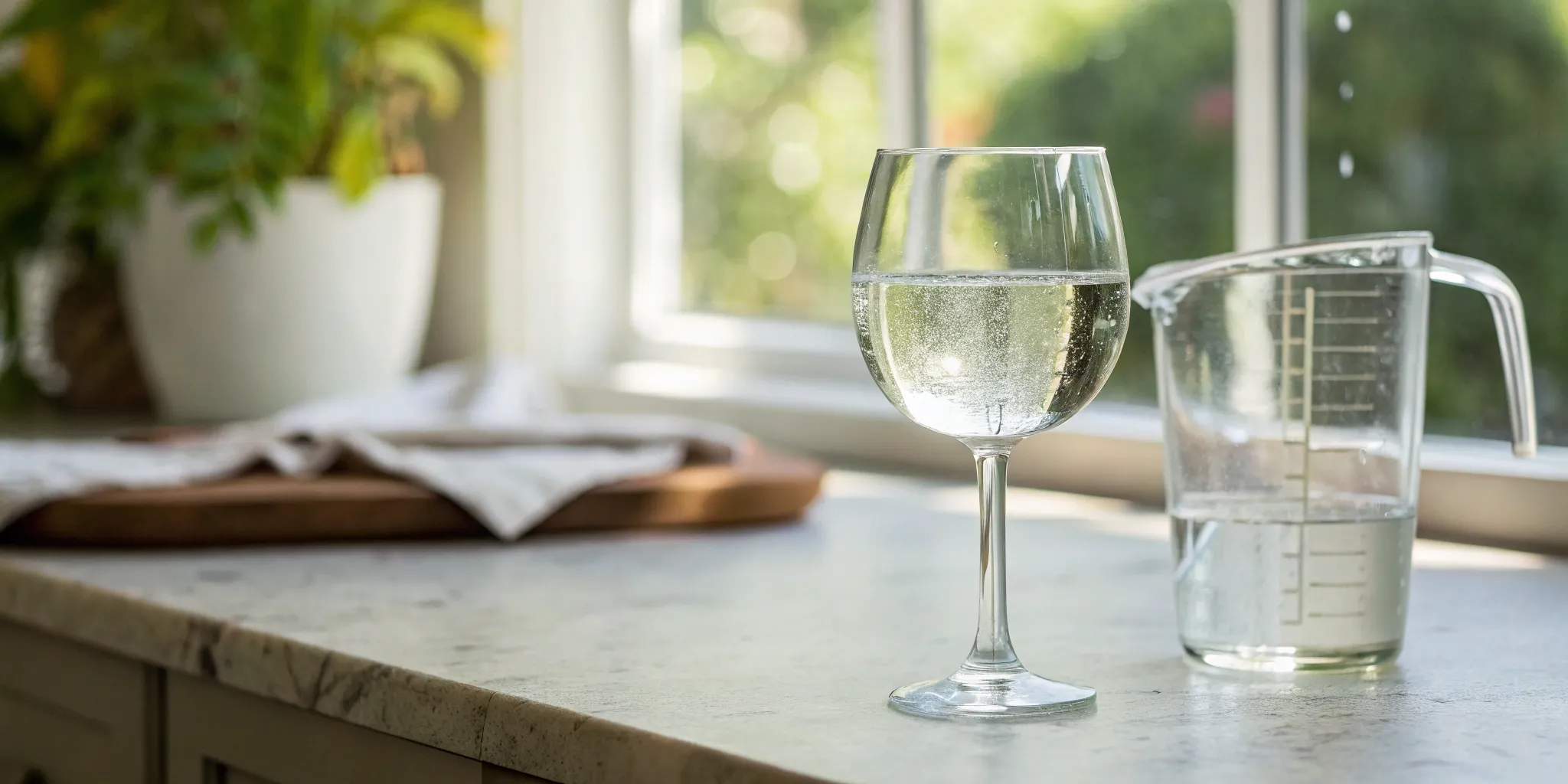
A standard drink of wine is a 5-ounce pour of table wine that’s around 12% ABV. This is where many of us get tripped up, because a typical restaurant pour is often 6 to 9 ounces, which means one "glass" can actually be 1.5 or nearly 2 standard drinks. At home, try measuring 5 ounces of water into your favorite wine glass to see what it looks like. For fortified wines like sherry or port, which have a higher alcohol content (around 17% ABV), a standard serving is even smaller, just 3 to 4 ounces. It’s a small detail that makes a big difference in your daily count.
Spirits and Liqueurs
When it comes to hard liquor, a standard drink is a 1.5-ounce shot of 80-proof spirits (40% ABV). This applies to gin, rum, tequila, vodka, and whiskey. This is the amount you’d typically get from a standard jigger measurement. If you’re pouring at home without one, it’s very easy to over-pour. For cordials or liqueurs, which are often sweeter and have a lower ABV (around 24%), a standard drink is a bit larger, between 2 and 3 ounces. Keeping these measurements in mind is key, especially if you’re mixing your own drinks.
Cocktails and Mixed Drinks
Cocktails are often the trickiest to track because they can contain multiple shots of different spirits, liqueurs, and mixers. A single mixed drink can easily contain two, three, or even more standard drinks. For example, a classic Long Island Iced Tea can pack four or more standard drinks into one glass. When you order a cocktail, don’t hesitate to ask the bartender what’s in it. If you’re at home, measure your ingredients so you know exactly what you’re drinking. Using a tool like a Blood Alcohol Content (BAC) calculator can also help you understand how different drinks might affect you.
How to Use a Standard Drink Calculator
A standard drink calculator is a straightforward tool that helps you see exactly how much alcohol is in your drink. It cuts through the confusion of different glass sizes, beer strengths, and cocktail recipes to give you a clear, consistent number. Think of it as a translator, turning vague serving sizes into a simple, standard unit. Using one is a simple way to practice mindful drinking and become more aware of your habits. Let’s walk through how to use one effectively.
Key Features to Look For
A good calculator does one thing well: it tells you how many "standard drinks" are in any given beverage. In the U.S., a standard drink contains 14 grams of pure alcohol. The best calculators are simple and don’t require you to do any math yourself. They should have clear fields where you can enter the drink’s volume (in ounces or milliliters) and its Alcohol by Volume (ABV) percentage. Many also include handy presets for common drinks, like a can of beer or a glass of wine, which makes the process even faster. The goal is to get a quick, accurate count without any guesswork.
A Simple Step-by-Step Guide
Using a standard drink calculator is easier than you think. You just need two pieces of information, which you can usually find right on the bottle, can, or menu.
- Find the volume. This is how much liquid is in the container, like 12 oz for a can of beer or 750 ml for a bottle of wine.
- Find the Alcohol by Volume (ABV). This percentage tells you how strong the drink is.
- Enter the numbers. Plug the volume and ABV into the calculator.
The tool will instantly tell you how many standard drinks you’re holding. Many online tools, like the one from the National Institute on Alcohol Abuse and Alcoholism, let you choose from common drink types to simplify the process.
Tips for Getting an Accurate Count
To get the most out of a standard drink calculator, honesty is key. Be realistic about your pour sizes, especially at home. If you’re having a cocktail, remember to account for every type of alcohol added. It’s also wise to remember that these calculators are educational tools designed to build awareness, not to provide medical advice. Your personal health and lifestyle are unique, so it’s always a good idea to talk with your doctor about what’s right for you. And as a general rule, never drink and drive or perform other dangerous activities.
Helpful Apps for Tracking on the Go
While a web-based calculator is great for a one-time check, using an app makes tracking a seamless part of your routine. Dedicated apps help you log drinks easily, monitor your progress over time, and see how your habits connect to your overall well-being. Instead of just calculating a single drink, an app can show you patterns over days, weeks, and months. This bigger picture is incredibly valuable for making lasting changes. Apps like Reframe integrate tracking with educational programs and community support, giving you a complete toolkit for building healthier habits right in your pocket.
Why Tracking Standard Drinks Matters for Your Health
When you decide to build a healthier relationship with alcohol, knowledge is your most powerful tool. Understanding what a "standard drink" is—and how many you're actually consuming—is a foundational step. It’s not about strict rules or judgment; it’s about clarity. Think of it as turning a fuzzy picture into a high-definition one. When you can clearly see your habits, you can make intentional choices that align with your health and wellness goals. This simple practice of tracking can be the difference between feeling stuck and feeling empowered on your journey.
Know How Much You're Really Drinking
Let's be honest: a "drink" isn't always just one drink. That generous pour of wine from a friend or that high-alcohol craft IPA might contain significantly more alcohol than you think. According to the National Institute on Alcohol Abuse and Alcoholism (NIAAA), knowing the number of standard drinks you consume helps you understand how much alcohol you are consuming and make informed decisions. Without this awareness, it’s easy to underestimate your intake, which can leave you wondering why you feel a certain way the next day. Tracking standard drinks removes the guesswork and gives you an accurate picture of your consumption, putting you in control.
The Benefits of Tracking Your Intake
Tracking your drinks is an act of self-awareness that puts you back in the driver's seat. When you know exactly how many standard drinks are in your glass, you can make smart choices that serve your goals. This isn't about restriction; it's about intention. The data you gather helps you connect the dots between your intake and its effects on your sleep, energy, and mood. This practice is a core part of mindful drinking, allowing you to be more present and deliberate with your choices rather than operating on autopilot. It’s a simple shift that can lead to profound changes in your well-being.
How to Set Your Personal Limits
Once you have a clear picture of your habits, you can start setting meaningful goals. While the Dietary Guidelines for Americans suggest moderate drinking is up to one drink per day for women and up to two for men, these are just general reference points. Your personal limits should be based on your unique health goals and how you want to feel. Maybe your goal is to have more energy in the mornings or to improve your sleep. By tracking your intake, you can see how different amounts of alcohol affect you personally and adjust your limits to support the life you want to live.
Make More Informed Choices
Understanding standard drinks empowers you to make better choices in the moment. It’s crucial to check the alcohol by volume (ABV) on the label, as it can make a huge difference. For example, the NIAAA points out that a 12-ounce craft beer with 10% ABV is equivalent to two standard drinks, not one. Getting into the habit of checking the ABV helps you stay within your personal limits, even when trying new things. This knowledge also helps you better understand your Blood Alcohol Content (BAC) and how different drinks might affect you, giving you the confidence to navigate any social situation with intention.
How to Handle Drinks in Social Situations
Social events can feel like a minefield when you’re trying to be more mindful of your drinking. Between generous pours from bartenders and mystery punches at parties, it’s easy to lose track. But you don’t have to stay home to stay on track. Going into these situations with a clear plan can make all the difference. It’s about feeling prepared and empowered, not deprived. With a few simple strategies, you can enjoy yourself, connect with friends, and stick to your personal goals without feeling stressed or out of place.
Navigating Restaurant and Bar Pours
When you’re out, you’re not the one doing the pouring, which can make tracking tricky. A glass of wine at a restaurant can sometimes be the equivalent of two standard drinks. To make informed choices, it helps to understand what goes into your glass. While you can’t always see the bottle’s label, don’t be afraid to ask your server about the alcohol by volume (ABV) or stick to bottled beer or canned seltzers where the information is clearly listed. Knowing the strength and volume of your drink is the first step to accurately gauging how much alcohol you’re consuming and staying within your limits.
Guidelines for Parties and Gatherings
Parties often come with large-format drinks like punch bowls, pitchers of margaritas, or self-serve bars. These can be tricky because it’s nearly impossible to know the exact alcohol content in a single serving. A good rule of thumb is to be cautious with mixed drinks you didn’t make yourself. To stay in control, you could offer to bring a fun non-alcoholic beverage to share or stick to drinks you can pour. Knowing how many standard drinks are in a container helps you make smart choices, ensuring you can relax and have a good time without accidentally overdoing it.
Simple Strategies for Social Events
A great social event is about the people, not just the drinks. If you’re hosting, you can create a more welcoming atmosphere by putting people first. Try offering a few exciting non-alcoholic options that are just as appealing as the alcoholic ones—think sparkling ciders, flavored seltzers with fresh garnishes, or a craft mocktail. As a guest, you can bring your own favorite NA beverage to sip on and share. This simple shift helps ensure everyone feels included, no matter what they’re drinking. It takes the focus off alcohol and puts it back on connection and conversation.
Practical Tips for Mindful Drinking
Being mindful is about awareness, not restriction. A simple but effective strategy is to start any social event with a non-alcoholic drink, like water or soda. This helps you hydrate and gives you time to settle in before deciding if you want an alcoholic beverage. It’s also a great way to pace yourself throughout the event. Ultimately, mindful drinking is about making conscious choices that align with your personal health and lifestyle. By planning ahead and having a few go-to strategies, you can confidently handle any social situation and feel great about your decisions.
Your Toolkit for Smarter Drinking
Making a change in your drinking habits starts with awareness. It’s tough to make informed choices when you’re not entirely sure what you’re choosing. That’s where having the right resources comes in. Think of it as building a personal toolkit—a collection of simple, effective aids that help you understand your habits and support your goals. You don’t need to become a mathematician or a nutritionist overnight. You just need access to clear information that cuts through the confusion of pour sizes and alcohol percentages.
From handy digital calculators that do the math for you to apps that track your progress, these tools are designed to make your journey toward mindful drinking feel less like a chore and more like an empowering act of self-care. They provide the data and insights you need to see the full picture of your consumption. This section will walk you through some of the best resources available, so you can equip yourself with everything you need to feel confident and in control, whether you’re at home or out with friends.
Digital Tools That Make Tracking Easy
Let’s be honest—doing mental math after a long day is the last thing anyone wants to do. That’s why online standard drink calculators are so fantastic. These simple tools take all the guesswork out of figuring out your intake. A good standard drink calculator helps you figure out how many "standard drinks" are in any alcoholic beverage, from a craft beer to a glass of wine. You just plug in the volume and the alcohol by volume (ABV), and it gives you a clear, straightforward answer. It’s a quick and private way to check in with yourself and stay aligned with your personal health goals without any fuss.
Helpful App Features to Look For
When you’re ready to move beyond a one-off calculation, a tracking app can be a game-changer. The best apps make logging your drinks incredibly simple. Look for features that let you pick from a list of common drinks and sizes, so you don’t have to enter the same information over and over. A great app will also let you type in your own numbers for unique drinks, including the alcohol content and volume. This flexibility, as highlighted by the NIAAA’s calculator, is key to accurate tracking. An app like Reframe puts these tools right in your pocket, making it easy to build a consistent habit of awareness.
Quick Visual Guides and Resources
Sometimes, a picture is worth a thousand words—or at least a thousand calculations. Visual guides can be incredibly helpful for getting a quick sense of what a standard drink looks like for different types of alcohol. Many health organizations offer printable charts or infographics that show standard pour sizes for beer, wine, and spirits. These are great for sticking on your fridge as a daily reminder. You can also find resources that cater to different regions, like a tool that helps you figure out Canadian standard drinks. Having these visual aids handy can make it much easier to eyeball your drinks accurately, especially in social settings.
Understanding National Health Guidelines
Tracking your drinks is one thing, but understanding what those numbers mean for your health is another. That’s why familiarizing yourself with national health guidelines is a crucial step. For example, the Dietary Guidelines for Americans suggest that moderate drinking means up to one drink per day for women and up to two drinks per day for men. Knowing these benchmarks provides valuable context for your own habits. It’s not about rigid rules, but about having a reference point to help you define what a healthy relationship with alcohol looks like for you. This information empowers you to set realistic and meaningful personal limits.
How to Build Healthier Drinking Habits
Changing your relationship with alcohol is a personal journey, and it starts with small, intentional steps. It’s not about a sudden, drastic overhaul but about building awareness and making conscious choices that feel right for you. By understanding your patterns and setting clear intentions, you can create lasting habits that support your overall well-being.
The key is to equip yourself with the right strategies and support system. This involves learning the science behind mindful drinking, setting achievable goals, planning for social situations, and knowing where to turn for encouragement. Think of it as building a toolkit for a healthier lifestyle. Each tool helps you handle different situations with confidence, allowing you to feel more in control of your choices. Whether your goal is to cut back a little or simply be more mindful, these practical approaches can help you get there.
Science-Backed Ways to Make a Change
Knowledge is a powerful first step. One of the most effective ways to make a change is to simply understand what you’re drinking. A heavy-handed pour of wine or a high-ABV craft beer contains more alcohol than you might think. Getting familiar with U.S. standard drink sizes helps you accurately track your intake instead of just counting "drinks." This simple awareness can be eye-opening and empowers you to make more informed decisions without judgment. When you know exactly how much alcohol is in your glass, you’re better equipped to stay within the limits you set for yourself.
Set Goals You Can Stick To
Vague goals like “drink less” are hard to measure. Instead, try setting specific, realistic targets. For example, the Dietary Guidelines for Americans define moderate drinking as up to one drink per day for women and up to two for men. This could be a great starting point, but your personal goal should fit your life. Maybe you want to have three alcohol-free days per week or stick to a certain number of drinks on a night out. Start with a small, achievable goal to build momentum. You can always adjust as you go. The most important thing is to set a clear intention that you can track and feel good about.
How to Plan Alcohol-Free Days
Planning ahead is your secret weapon for success, especially in social settings. If you’re going to an event where you know you’ll be tempted to drink, try starting with a non-alcoholic beverage like sparkling water or a mocktail. This simple trick helps you pace yourself and shifts the focus away from alcohol. It’s also helpful to have a plan for your alcohol-free days at home. Stock your fridge with appealing alternatives you genuinely enjoy, or plan an activity you love that doesn’t involve drinking, like a hike or a movie night. By creating positive routines, you make the choice not to drink an easy one.
Where to Find Support on Your Journey
You don’t have to do this alone. Sharing your goals with a trusted friend or family member can provide a powerful layer of accountability and encouragement. Support can also come from finding new social circles that align with your goals, like joining a local fitness class, a book club, or a hiking group. Digital communities are another fantastic resource. The Reframe app offers a built-in supportive community where you can connect with thousands of people on the same path. Sharing experiences and tips with others who understand what you’re going through can make all the difference.
Related Articles
Frequently Asked Questions
Why is a "standard drink" a better measurement than just counting my glasses or cans? Counting your glasses can be misleading because not all drinks are created equal. A heavy-handed pour of wine, a pint of strong craft beer, and a standard can of light beer all have very different amounts of pure alcohol. Using the "standard drink" measurement gives you a consistent and accurate way to understand your actual intake, much like using a nutritional label to understand calories. It moves you from guessing to knowing.
How can I figure out the number of standard drinks in a cocktail? Cocktails can be the trickiest to track, but it’s definitely possible. The key is to think about the individual ingredients. A single cocktail often contains multiple types of alcohol, so you need to add up the standard drinks for each shot of spirits or liqueur. When you're out, you can ask the bartender what goes into your drink. If you're mixing at home, measure each component to get a clear and accurate count.
I pour my own wine at home. How can I be sure I'm only having one standard drink? This is a common challenge, as it’s so easy to over-pour without realizing it. A great way to get a feel for a proper serving is to measure 5 ounces of water into your favorite wine glass. Take a good look at where the water line is. This simple visual exercise helps you recalibrate your "autopilot" pour and makes it much easier to serve yourself a true standard drink without needing a measuring cup every time.
Does tracking my drinks mean I have a problem with alcohol? Not at all. Tracking is simply an act of awareness. Think of it the same way you might track your steps, your sleep, or your spending. It’s about gathering information so you can make intentional choices that align with your personal wellness goals. This practice is a tool for mindfulness, not a label, and it puts you in a powerful position to understand your own habits.
I've started tracking, but what's the point if I don't have a specific goal? The initial point of tracking is to build awareness. For the first week or two, your only goal might be to get a clear and honest picture of your current habits without any judgment. Once you have that baseline, you can see how your drinking connects to your energy levels, sleep quality, and mood. That information will help you decide what, if anything, you want to change.