

Learn how mindfulness practices can support lasting sobriety by managing cravings and stress. Discover actionable techniques and tips to integrate mindfulness into your daily life.

Although it isn’t a treatment for alcohol use disorder (AUD), the Reframe app can help you cut back on drinking gradually, with the science-backed knowledge to empower you 100% of the way. Our proven program has helped millions of people around the world drink less and live more. And we want to help you get there, too!
The Reframe app equips you with the knowledge and skills you need to not only survive drinking less, but to thrive while you navigate the journey. Our daily research-backed readings teach you the neuroscience of alcohol, and our in-app Toolkit provides the resources and activities you need to navigate each challenge.
You’ll meet hundreds of fellow Reframers in our 24/7 Forum chat and daily Zoom check-in meetings. Receive encouragement from people worldwide who know exactly what you’re going through! You’ll also have the opportunity to connect with our licensed Reframe coaches for more personalized guidance.
Plus, we’re always introducing new features to optimize your in-app experience. We recently launched our in-app chatbot, Melody, powered by the world’s most powerful AI technology. Melody is here to help as you adjust to a life with less (or no) alcohol.
And that’s not all! Every month, we launch fun challenges, like Dry/Damp January, Mental Health May, and Outdoorsy June. You won’t want to miss out on the chance to participate alongside fellow Reframers (or solo if that’s more your thing!).
The Reframe app is free for 7 days, so you don’t have anything to lose by trying it. Are you ready to feel empowered and discover life beyond alcohol? Then download our app through the App Store or Google Play today!
Sobriety isn't just about quitting alcohol; it's about reclaiming control over your life. One of the most effective tools to help you achieve this is mindfulness. By being fully present in each moment, you can manage cravings and handle emotional turbulence more effectively. In this guide, we'll dive into mindfulness practices that support long-term sobriety and show you how to integrate them into your daily routine.

Mindfulness is a powerful tool for anyone on the journey to sobriety. At its core, mindfulness is about being fully present and aware of your thoughts, feelings, and surroundings without passing judgment. This state of awareness can help you manage cravings and emotional challenges that often accompany recovery.
Mindfulness is the practice of paying attention to the present moment intentionally and without judgment. It's about observing your thoughts and feelings as they arise, rather than getting caught up in them or trying to change them. This practice helps create a sense of calm and clarity, which can be incredibly beneficial for those working towards sobriety.
For individuals in recovery, mindfulness can be a game-changer. When cravings hit or emotions run high, mindfulness offers a way to step back and observe these experiences without reacting impulsively. By staying present, you can recognize triggers before they escalate into actions that might jeopardize your sobriety. Moreover, mindfulness helps in building emotional resilience by allowing you to process difficult emotions constructively.
Maintaining long-term sobriety requires more than just abstaining from alcohol; it involves managing stress, emotions, and self-awareness effectively. Here’s why mindfulness is crucial:
Mindfulness enhances your ability to recognize and manage emotions effectively. When you're mindful, you're more attuned to your emotional state and better equipped to handle it without resorting to old habits like drinking. This emotional regulation is vital for preventing relapse.
Stress is a common trigger for relapse. Mindfulness practices like meditation or mindful breathing can significantly reduce stress levels by promoting relaxation and calmness. By incorporating these practices into your daily routine, you create a buffer against the stresses that could otherwise lead you back to alcohol.
Self-awareness is another critical component of long-term recovery. Mindfulness helps enhance this awareness by encouraging you to observe your thoughts and feelings without judgment. This heightened self-awareness allows you to understand your triggers better and develop healthier coping mechanisms.

There are several mindfulness techniques that can support sobriety:
Regular meditation practice can help you stay present and manage cravings more effectively. By focusing on your breath or a specific mantra, meditation trains your mind to return to the present moment whenever it starts wandering into stressful or tempting territory.
Mindful breathing exercises are simple yet powerful tools for reducing anxiety and promoting calmness. By paying attention to each inhale and exhale, you ground yourself in the present moment, making it easier to navigate through cravings or emotional upheavals.
Activities like yoga or tai chi integrate mindfulness into physical movement, aiding in stress relief and emotional balance. These practices not only improve physical well-being but also enhance mental clarity by encouraging a mindful approach to movement.
Incorporating these techniques into your daily routine can provide substantial support on your path toward lasting sobriety.
Incorporating mindfulness into your daily life can be a game-changer in your sobriety journey. Here are some practical tips to get you started.
Starting your day with mindfulness sets a positive tone. A short meditation or mindful breathing exercise can help you feel centered and ready to face the day. Try sitting quietly for five minutes, focusing on your breath, and letting go of any thoughts that arise. This simple practice can make a big difference in how you handle stress throughout the day.
Mindful eating involves paying full attention to the experience of eating and drinking, both inside and outside the body. It means noticing the colors, smells, textures, flavors, temperatures, and even the sounds (crunch!) of our food. This practice not only enhances the eating experience but also promotes healthier habits by encouraging you to listen to your body's hunger and fullness cues.
Ending your day with mindfulness helps you process your experiences and emotions. Spend a few minutes reflecting on what went well during the day, what challenges you faced, and how you felt about them. Journaling can be a helpful tool here. This practice not only aids in emotional regulation but also sets a peaceful tone for sleep.

A supportive community is crucial for maintaining mindfulness practices and sobriety. Here's why:
Being part of a community provides encouragement and accountability. Sharing experiences with others who understand your journey can make you feel less alone and more motivated to stay on track.
Reframe offers several community features designed to support your mindfulness practice and sobriety journey. These include forums where you can share experiences and tips with others, as well as group sessions led by experts who provide guidance and support.
There are many tools and resources available to help you integrate mindfulness into your life.
Apps like Headspace or Calm offer guided meditations tailored for various needs, including stress reduction, improved focus, or better sleep.
Books like "The Miracle of Mindfulness" by Thich Nhat Hanh or online courses from platforms like Coursera can provide in-depth knowledge about mindfulness techniques.
Reframe offers personalized drink tracking, evidence-based behavior change programs, and other resources designed specifically for those looking to reduce their alcohol consumption through mindful practices.
By incorporating these practices into your daily routine, connecting with supportive communities, and utilizing available tools and resources, you'll be well on your way to achieving lasting sobriety through mindfulness.
Starting a mindfulness practice can feel overwhelming, but it doesn't have to be. Here are some simple steps to help you get started on your journey toward mindful sobriety.
Begin with short, manageable practices. You don't need to meditate for an hour right away. Try starting with just five minutes of mindful breathing. Sit comfortably, close your eyes, and focus on your breath. Notice the sensation of air entering and leaving your nostrils. If your mind wanders, gently bring it back to your breath.
Consistency is key in building any new habit. Aim to practice mindfulness at the same time each day. Whether it's a quick session in the morning or a few moments of reflection before bed, regular practice will help you make mindfulness a natural part of your routine.
There are numerous tools and resources available to support your mindfulness practice. Apps like Headspace and Calm offer guided meditations and exercises tailored for beginners. Additionally, Reframe provides personalized drink tracking and evidence-based behavior change programs that integrate mindfulness techniques into their approach.
By starting small, staying consistent, and utilizing available resources, you can seamlessly incorporate mindfulness into your daily life and support your journey toward lasting sobriety.

Mindfulness offers a powerful toolkit for anyone on the path to sobriety. By staying present and aware, you can manage cravings, navigate emotional challenges, and build a resilient foundation for long-term recovery. Incorporating mindfulness into your daily life doesn't have to be complicated. Start with small, consistent practices like morning meditation or mindful breathing, and gradually expand your routine.
Remember, you're not alone in this journey. Leveraging the support of communities like Reframe can provide encouragement and accountability, making it easier to stay committed. Utilize available resources such as mindfulness apps, books, and Reframe’s personalized tools to enhance your practice.
Ultimately, mindfulness is about creating a healthier relationship with yourself and your experiences. As you integrate these practices into your life, you'll find greater peace, clarity, and control—essential ingredients for lasting sobriety. Take that first step today; your future self will thank you.
What is mindfulness and how does it help with sobriety?
Mindfulness is the practice of being fully present and aware of your thoughts and feelings without judgment. For those in recovery, this practice helps manage cravings and emotional challenges by allowing you to observe your experiences without reacting impulsively.
Why is mindfulness important for long-term sobriety?
Mindfulness plays a crucial role in long-term sobriety by enhancing emotional regulation, reducing stress, and increasing self-awareness. These benefits help prevent relapse by making you more attuned to your triggers and better equipped to handle them constructively.
What are some effective mindfulness techniques for supporting sobriety?
Effective techniques include meditation, mindful breathing, and mindful movement like yoga or tai chi. These practices help you stay present, manage cravings, reduce anxiety, and promote emotional balance.
How can I incorporate mindfulness into my daily routine?
You can integrate mindfulness into your daily life through simple practices like starting your day with a short meditation or mindful breathing exercise, practicing mindful eating during meals, and ending the day with evening reflection or journaling.
How does a supportive community contribute to mindfulness and sobriety?
A supportive community provides encouragement and accountability. Sharing experiences with others who understand your journey can make you feel less alone and more motivated. Reframe offers community features such as forums and group sessions to support both mindfulness practices and your sobriety journey.
Sobriety isn't just about quitting alcohol; it's about reclaiming control over your life. One of the most effective tools to help you achieve this is mindfulness. By being fully present in each moment, you can manage cravings and handle emotional turbulence more effectively. In this guide, we'll dive into mindfulness practices that support long-term sobriety and show you how to integrate them into your daily routine.
Mindfulness is a powerful tool for anyone on the journey to sobriety. At its core, mindfulness is about being fully present and aware of your thoughts, feelings, and surroundings without passing judgment. This state of awareness can help you manage cravings and emotional challenges that often accompany recovery.
Mindfulness is the practice of paying attention to the present moment intentionally and without judgment. It's about observing your thoughts and feelings as they arise, rather than getting caught up in them or trying to change them. This practice helps create a sense of calm and clarity, which can be incredibly beneficial for those working towards sobriety.
For individuals in recovery, mindfulness can be a game-changer. When cravings hit or emotions run high, mindfulness offers a way to step back and observe these experiences without reacting impulsively. By staying present, you can recognize triggers before they escalate into actions that might jeopardize your sobriety. Moreover, mindfulness helps in building emotional resilience by allowing you to process difficult emotions constructively.
Maintaining long-term sobriety requires more than just abstaining from alcohol; it involves managing stress, emotions, and self-awareness effectively. Here’s why mindfulness is crucial:
Mindfulness enhances your ability to recognize and manage emotions effectively. When you're mindful, you're more attuned to your emotional state and better equipped to handle it without resorting to old habits like drinking. This emotional regulation is vital for preventing relapse.
Stress is a common trigger for relapse. Mindfulness practices like meditation or mindful breathing can significantly reduce stress levels by promoting relaxation and calmness. By incorporating these practices into your daily routine, you create a buffer against the stresses that could otherwise lead you back to alcohol.
Self-awareness is another critical component of long-term recovery. Mindfulness helps enhance this awareness by encouraging you to observe your thoughts and feelings without judgment. This heightened self-awareness allows you to understand your triggers better and develop healthier coping mechanisms.
There are several mindfulness techniques that can support sobriety:
Regular meditation practice can help you stay present and manage cravings more effectively. By focusing on your breath or a specific mantra, meditation trains your mind to return to the present moment whenever it starts wandering into stressful or tempting territory.
Mindful breathing exercises are simple yet powerful tools for reducing anxiety and promoting calmness. By paying attention to each inhale and exhale, you ground yourself in the present moment, making it easier to navigate through cravings or emotional upheavals.
Activities like yoga or tai chi integrate mindfulness into physical movement, aiding in stress relief and emotional balance. These practices not only improve physical well-being but also enhance mental clarity by encouraging a mindful approach to movement.
Incorporating these techniques into your daily routine can provide substantial support on your path toward lasting sobriety.
Incorporating mindfulness into your daily life can be a game-changer in your sobriety journey. Here are some practical tips to get you started.
Starting your day with mindfulness sets a positive tone. A short meditation or mindful breathing exercise can help you feel centered and ready to face the day. Try sitting quietly for five minutes, focusing on your breath, and letting go of any thoughts that arise. This simple practice can make a big difference in how you handle stress throughout the day.
Mindful eating involves paying full attention to the experience of eating and drinking, both inside and outside the body. It means noticing the colors, smells, textures, flavors, temperatures, and even the sounds (crunch!) of our food. This practice not only enhances the eating experience but also promotes healthier habits by encouraging you to listen to your body's hunger and fullness cues.
Ending your day with mindfulness helps you process your experiences and emotions. Spend a few minutes reflecting on what went well during the day, what challenges you faced, and how you felt about them. Journaling can be a helpful tool here. This practice not only aids in emotional regulation but also sets a peaceful tone for sleep.
A supportive community is crucial for maintaining mindfulness practices and sobriety. Here's why:
Being part of a community provides encouragement and accountability. Sharing experiences with others who understand your journey can make you feel less alone and more motivated to stay on track.
Reframe offers several community features designed to support your mindfulness practice and sobriety journey. These include forums where you can share experiences and tips with others, as well as group sessions led by experts who provide guidance and support.
There are many tools and resources available to help you integrate mindfulness into your life.
Apps like Headspace or Calm offer guided meditations tailored for various needs, including stress reduction, improved focus, or better sleep.
Books like "The Miracle of Mindfulness" by Thich Nhat Hanh or online courses from platforms like Coursera can provide in-depth knowledge about mindfulness techniques.
Reframe offers personalized drink tracking, evidence-based behavior change programs, and other resources designed specifically for those looking to reduce their alcohol consumption through mindful practices.
By incorporating these practices into your daily routine, connecting with supportive communities, and utilizing available tools and resources, you'll be well on your way to achieving lasting sobriety through mindfulness.
Starting a mindfulness practice can feel overwhelming, but it doesn't have to be. Here are some simple steps to help you get started on your journey toward mindful sobriety.
Begin with short, manageable practices. You don't need to meditate for an hour right away. Try starting with just five minutes of mindful breathing. Sit comfortably, close your eyes, and focus on your breath. Notice the sensation of air entering and leaving your nostrils. If your mind wanders, gently bring it back to your breath.
Consistency is key in building any new habit. Aim to practice mindfulness at the same time each day. Whether it's a quick session in the morning or a few moments of reflection before bed, regular practice will help you make mindfulness a natural part of your routine.
There are numerous tools and resources available to support your mindfulness practice. Apps like Headspace and Calm offer guided meditations and exercises tailored for beginners. Additionally, Reframe provides personalized drink tracking and evidence-based behavior change programs that integrate mindfulness techniques into their approach.
By starting small, staying consistent, and utilizing available resources, you can seamlessly incorporate mindfulness into your daily life and support your journey toward lasting sobriety.
Mindfulness offers a powerful toolkit for anyone on the path to sobriety. By staying present and aware, you can manage cravings, navigate emotional challenges, and build a resilient foundation for long-term recovery. Incorporating mindfulness into your daily life doesn't have to be complicated. Start with small, consistent practices like morning meditation or mindful breathing, and gradually expand your routine.
Remember, you're not alone in this journey. Leveraging the support of communities like Reframe can provide encouragement and accountability, making it easier to stay committed. Utilize available resources such as mindfulness apps, books, and Reframe’s personalized tools to enhance your practice.
Ultimately, mindfulness is about creating a healthier relationship with yourself and your experiences. As you integrate these practices into your life, you'll find greater peace, clarity, and control—essential ingredients for lasting sobriety. Take that first step today; your future self will thank you.
What is mindfulness and how does it help with sobriety?
Mindfulness is the practice of being fully present and aware of your thoughts and feelings without judgment. For those in recovery, this practice helps manage cravings and emotional challenges by allowing you to observe your experiences without reacting impulsively.
Why is mindfulness important for long-term sobriety?
Mindfulness plays a crucial role in long-term sobriety by enhancing emotional regulation, reducing stress, and increasing self-awareness. These benefits help prevent relapse by making you more attuned to your triggers and better equipped to handle them constructively.
What are some effective mindfulness techniques for supporting sobriety?
Effective techniques include meditation, mindful breathing, and mindful movement like yoga or tai chi. These practices help you stay present, manage cravings, reduce anxiety, and promote emotional balance.
How can I incorporate mindfulness into my daily routine?
You can integrate mindfulness into your daily life through simple practices like starting your day with a short meditation or mindful breathing exercise, practicing mindful eating during meals, and ending the day with evening reflection or journaling.
How does a supportive community contribute to mindfulness and sobriety?
A supportive community provides encouragement and accountability. Sharing experiences with others who understand your journey can make you feel less alone and more motivated. Reframe offers community features such as forums and group sessions to support both mindfulness practices and your sobriety journey.

Discover the symptoms and impacts of alcoholic gastritis, a condition marked by stomach lining inflammation due to excessive alcohol consumption. Learn about key signs like abdominal pain, nausea, and loss of appetite.
Although it isn’t a treatment for alcohol use disorder (AUD), the Reframe app can help you cut back on drinking gradually, with the science-backed knowledge to empower you 100% of the way. Our proven program has helped millions of people around the world drink less and live more. And we want to help you get there, too!
The Reframe app equips you with the knowledge and skills you need to not only survive drinking less, but to thrive while you navigate the journey. Our daily research-backed readings teach you the neuroscience of alcohol, and our in-app Toolkit provides the resources and activities you need to navigate each challenge.
You’ll meet hundreds of fellow Reframers in our 24/7 Forum chat and daily Zoom check-in meetings. Receive encouragement from people worldwide who know exactly what you’re going through! You’ll also have the opportunity to connect with our licensed Reframe coaches for more personalized guidance.
Plus, we’re always introducing new features to optimize your in-app experience. We recently launched our in-app chatbot, Melody, powered by the world’s most powerful AI technology. Melody is here to help as you adjust to a life with less (or no) alcohol.
And that’s not all! Every month, we launch fun challenges, like Dry/Damp January, Mental Health May, and Outdoorsy June. You won’t want to miss out on the chance to participate alongside fellow Reframers (or solo if that’s more your thing!).
The Reframe app is free for 7 days, so you don’t have anything to lose by trying it. Are you ready to feel empowered and discover life beyond alcohol? Then download our app through the App Store or Google Play today!
Alcoholic gastritis is a condition that arises from the inflammation of the stomach lining due to excessive alcohol consumption. This inflammation can lead to a range of uncomfortable and potentially serious symptoms. In this article, we'll explore the key symptoms of alcoholic gastritis, including abdominal pain and discomfort, nausea and vomiting, loss of appetite, bloating and gas, and possible bleeding in severe cases.

Alcoholic gastritis is the inflammation of the stomach lining caused by excessive alcohol consumption. The stomach lining, or mucosa, is a protective barrier that shields the stomach from the acidic environment needed for digestion. When this lining becomes inflamed, it can lead to a variety of symptoms that disrupt daily life and overall well-being.
One of the most common symptoms of alcoholic gastritis is abdominal pain and discomfort. This pain is usually felt in the upper stomach area and can vary in intensity from mild to severe. The discomfort is often described as a burning sensation, which can be particularly intense after consuming alcohol or certain foods.
The pain arises because alcohol irritates the stomach lining, causing inflammation and sometimes even erosion. This irritation can lead to a persistent and uncomfortable sensation that may interfere with daily activities and quality of life.
Nausea and vomiting are also frequent symptoms of alcoholic gastritis. The inflammation of the stomach lining disrupts normal digestive processes, leading to feelings of nausea. This can be particularly pronounced after consuming alcohol or eating a meal.
In severe cases, the nausea can lead to vomiting, which further irritates the stomach lining and exacerbates the inflammation. This cycle of nausea and vomiting can be debilitating and may require medical intervention if it becomes severe or persistent.
Another significant symptom of alcoholic gastritis is a loss of appetite. The constant discomfort and pain in the stomach can make eating unappealing. Additionally, the nausea associated with the condition can further reduce the desire to eat.
This loss of appetite can have serious implications for overall health. Malnutrition and weight loss can occur if the condition persists, leading to further health complications. It is essential to address the underlying cause of the gastritis to restore a healthy appetite and nutritional balance.
Bloating and gas are common symptoms associated with alcoholic gastritis. The inflammation of the stomach lining can interfere with normal digestion, leading to the accumulation of gas in the stomach and intestines. This can cause a feeling of fullness and discomfort, often accompanied by belching or passing gas.
Bloating can be particularly uncomfortable and may worsen after eating or drinking. Managing this symptom involves addressing the underlying inflammation and making dietary adjustments to reduce gas-producing foods and beverages.
In severe cases of alcoholic gastritis, the inflammation and erosion of the stomach lining can lead to bleeding. This is a serious complication that requires immediate medical attention. Symptoms of bleeding may include:
Bleeding can lead to significant blood loss and may require hospitalization for treatment. It is crucial to seek medical help if any of these symptoms occur.
Managing alcoholic gastritis involves a combination of lifestyle changes, dietary adjustments, and medical treatments. Here are some steps to consider:
The most crucial step in managing alcoholic gastritis is to reduce or eliminate alcohol consumption. Continuing to drink alcohol will only exacerbate the inflammation and prolong the symptoms. Seeking support from friends, family, or professional resources can be beneficial in reducing alcohol intake.
Making dietary changes can help alleviate the symptoms of alcoholic gastritis. Avoiding spicy, acidic, and fatty foods can reduce irritation of the stomach lining. Eating smaller, more frequent meals can also help manage symptoms and improve digestion.
Certain medications can help manage the symptoms of alcoholic gastritis. Antacids, proton pump inhibitors, and H2 blockers can reduce stomach acid and promote healing of the stomach lining. It is essential to consult with a healthcare provider before starting any medication.
Staying hydrated is crucial, especially if nausea and vomiting are present. Drinking plenty of water and avoiding caffeinated and carbonated beverages can help maintain hydration and support overall health.
Stress can exacerbate the symptoms of alcoholic gastritis. Practicing stress-reducing techniques such as mindfulness, meditation, and exercise can contribute to overall well-being and symptom management.
Alcoholic gastritis is caused by excessive alcohol consumption, which irritates and inflames the stomach lining.
A healthcare provider can diagnose alcoholic gastritis through a combination of medical history, physical examination, and diagnostic tests such as endoscopy or imaging studies.
Yes, with proper management and lifestyle changes, alcoholic gastritis can be treated and symptoms can be alleviated. Reducing or eliminating alcohol consumption is key to recovery.
Avoiding spicy, acidic, and fatty foods can help reduce irritation of the stomach lining. It is also advisable to avoid caffeine and carbonated beverages.
You should seek medical help if you experience severe symptoms such as vomiting blood, black tarry stools, or severe abdominal pain. These could be signs of serious complications that require immediate attention.
Understanding the symptoms and impacts of alcoholic gastritis is essential for managing this condition and improving overall health. By making informed lifestyle choices and seeking appropriate medical care, it is possible to alleviate symptoms and promote healing of the stomach lining.
Alcoholic gastritis is a condition that arises from the inflammation of the stomach lining due to excessive alcohol consumption. This inflammation can lead to a range of uncomfortable and potentially serious symptoms. In this article, we'll explore the key symptoms of alcoholic gastritis, including abdominal pain and discomfort, nausea and vomiting, loss of appetite, bloating and gas, and possible bleeding in severe cases.
Alcoholic gastritis is the inflammation of the stomach lining caused by excessive alcohol consumption. The stomach lining, or mucosa, is a protective barrier that shields the stomach from the acidic environment needed for digestion. When this lining becomes inflamed, it can lead to a variety of symptoms that disrupt daily life and overall well-being.
One of the most common symptoms of alcoholic gastritis is abdominal pain and discomfort. This pain is usually felt in the upper stomach area and can vary in intensity from mild to severe. The discomfort is often described as a burning sensation, which can be particularly intense after consuming alcohol or certain foods.
The pain arises because alcohol irritates the stomach lining, causing inflammation and sometimes even erosion. This irritation can lead to a persistent and uncomfortable sensation that may interfere with daily activities and quality of life.
Nausea and vomiting are also frequent symptoms of alcoholic gastritis. The inflammation of the stomach lining disrupts normal digestive processes, leading to feelings of nausea. This can be particularly pronounced after consuming alcohol or eating a meal.
In severe cases, the nausea can lead to vomiting, which further irritates the stomach lining and exacerbates the inflammation. This cycle of nausea and vomiting can be debilitating and may require medical intervention if it becomes severe or persistent.
Another significant symptom of alcoholic gastritis is a loss of appetite. The constant discomfort and pain in the stomach can make eating unappealing. Additionally, the nausea associated with the condition can further reduce the desire to eat.
This loss of appetite can have serious implications for overall health. Malnutrition and weight loss can occur if the condition persists, leading to further health complications. It is essential to address the underlying cause of the gastritis to restore a healthy appetite and nutritional balance.
Bloating and gas are common symptoms associated with alcoholic gastritis. The inflammation of the stomach lining can interfere with normal digestion, leading to the accumulation of gas in the stomach and intestines. This can cause a feeling of fullness and discomfort, often accompanied by belching or passing gas.
Bloating can be particularly uncomfortable and may worsen after eating or drinking. Managing this symptom involves addressing the underlying inflammation and making dietary adjustments to reduce gas-producing foods and beverages.
In severe cases of alcoholic gastritis, the inflammation and erosion of the stomach lining can lead to bleeding. This is a serious complication that requires immediate medical attention. Symptoms of bleeding may include:
Bleeding can lead to significant blood loss and may require hospitalization for treatment. It is crucial to seek medical help if any of these symptoms occur.
Managing alcoholic gastritis involves a combination of lifestyle changes, dietary adjustments, and medical treatments. Here are some steps to consider:
The most crucial step in managing alcoholic gastritis is to reduce or eliminate alcohol consumption. Continuing to drink alcohol will only exacerbate the inflammation and prolong the symptoms. Seeking support from friends, family, or professional resources can be beneficial in reducing alcohol intake.
Making dietary changes can help alleviate the symptoms of alcoholic gastritis. Avoiding spicy, acidic, and fatty foods can reduce irritation of the stomach lining. Eating smaller, more frequent meals can also help manage symptoms and improve digestion.
Certain medications can help manage the symptoms of alcoholic gastritis. Antacids, proton pump inhibitors, and H2 blockers can reduce stomach acid and promote healing of the stomach lining. It is essential to consult with a healthcare provider before starting any medication.
Staying hydrated is crucial, especially if nausea and vomiting are present. Drinking plenty of water and avoiding caffeinated and carbonated beverages can help maintain hydration and support overall health.
Stress can exacerbate the symptoms of alcoholic gastritis. Practicing stress-reducing techniques such as mindfulness, meditation, and exercise can contribute to overall well-being and symptom management.
Alcoholic gastritis is caused by excessive alcohol consumption, which irritates and inflames the stomach lining.
A healthcare provider can diagnose alcoholic gastritis through a combination of medical history, physical examination, and diagnostic tests such as endoscopy or imaging studies.
Yes, with proper management and lifestyle changes, alcoholic gastritis can be treated and symptoms can be alleviated. Reducing or eliminating alcohol consumption is key to recovery.
Avoiding spicy, acidic, and fatty foods can help reduce irritation of the stomach lining. It is also advisable to avoid caffeine and carbonated beverages.
You should seek medical help if you experience severe symptoms such as vomiting blood, black tarry stools, or severe abdominal pain. These could be signs of serious complications that require immediate attention.
Understanding the symptoms and impacts of alcoholic gastritis is essential for managing this condition and improving overall health. By making informed lifestyle choices and seeking appropriate medical care, it is possible to alleviate symptoms and promote healing of the stomach lining.
Feeling uncomfortable after a drink? This article explores how alcohol impacts digestion, types more likely to cause diarrhea, and how diet and health conditions contribute. Learn preventative measures for a better experience.
Although it isn’t a treatment for alcohol use disorder (AUD), the Reframe app can help you cut back on drinking gradually, with the science-backed knowledge to empower you 100% of the way. Our proven program has helped millions of people around the world drink less and live more. And we want to help you get there, too!
The Reframe app equips you with the knowledge and skills you need to not only survive drinking less, but to thrive while you navigate the journey. Our daily research-backed readings teach you the neuroscience of alcohol, and our in-app Toolkit provides the resources and activities you need to navigate each challenge.
You’ll meet hundreds of fellow Reframers in our 24/7 Forum chat and daily Zoom check-in meetings. Receive encouragement from people worldwide who know exactly what you’re going through! You’ll also have the opportunity to connect with our licensed Reframe coaches for more personalized guidance.
Plus, we’re always introducing new features to optimize your in-app experience. We recently launched our in-app chatbot, Melody, powered by the world’s most powerful AI technology. Melody is here to help as you adjust to a life with less (or no) alcohol.
And that’s not all! Every month, we launch fun challenges, like Dry/Damp January, Mental Health May, and Outdoorsy June. You won’t want to miss out on the chance to participate alongside fellow Reframers (or solo if that’s more your thing!).
The Reframe app is free for 7 days, so you don’t have anything to lose by trying it. Are you ready to feel empowered and discover life beyond alcohol? Then download our app through the App Store or Google Play today!
Experiencing diarrhea after drinking alcohol is a common issue that many people face but often feel too embarrassed to discuss. This article delves into how alcohol affects the digestive system, types of alcohol that are more likely to cause diarrhea, and other contributing factors such as diet and health conditions.

Alcohol has a profound impact on the digestive system. When consumed, it can disrupt the normal functioning of this system in several ways:
Not all alcoholic beverages are created equal when it comes to their potential to cause digestive distress. Here are some types that are more likely to lead to diarrhea:
Several other factors can contribute to the likelihood of experiencing diarrhea after drinking alcohol. These include:
For more details on how food interacts with alcohol, you can read what is the effect of food when you drink alcohol.
If you experience diarrhea after drinking, there are several steps you can take to prevent and manage this condition:
Alcohol can irritate the stomach lining, speed up digestion, and disrupt the balance of gut bacteria, all of which can lead to diarrhea.
Yes, beer, wine, and sugary mixed drinks are more likely to cause diarrhea due to their ingredients and the way they interact with the digestive system.
Absolutely. High-fat, spicy, and dairy-heavy foods can exacerbate the effects of alcohol on the digestive system, increasing the likelihood of diarrhea.
Conditions like irritable bowel syndrome (IBS), alcohol intolerance, celiac disease, and gastritis can all increase the likelihood of experiencing diarrhea after drinking.
Moderate your alcohol intake, choose your drinks wisely, stay hydrated, eat smart, listen to your body, and consult a doctor if you have underlying health conditions.
Understanding the relationship between alcohol and digestive health is crucial for making informed decisions about your drinking habits. By being mindful of the types of alcohol you consume, your diet, and any underlying health conditions, you can reduce the likelihood of experiencing diarrhea after drinking.
Experiencing diarrhea after drinking alcohol is a common issue that many people face but often feel too embarrassed to discuss. This article delves into how alcohol affects the digestive system, types of alcohol that are more likely to cause diarrhea, and other contributing factors such as diet and health conditions.
Alcohol has a profound impact on the digestive system. When consumed, it can disrupt the normal functioning of this system in several ways:
Not all alcoholic beverages are created equal when it comes to their potential to cause digestive distress. Here are some types that are more likely to lead to diarrhea:
Several other factors can contribute to the likelihood of experiencing diarrhea after drinking alcohol. These include:
For more details on how food interacts with alcohol, you can read what is the effect of food when you drink alcohol.
If you experience diarrhea after drinking, there are several steps you can take to prevent and manage this condition:
Alcohol can irritate the stomach lining, speed up digestion, and disrupt the balance of gut bacteria, all of which can lead to diarrhea.
Yes, beer, wine, and sugary mixed drinks are more likely to cause diarrhea due to their ingredients and the way they interact with the digestive system.
Absolutely. High-fat, spicy, and dairy-heavy foods can exacerbate the effects of alcohol on the digestive system, increasing the likelihood of diarrhea.
Conditions like irritable bowel syndrome (IBS), alcohol intolerance, celiac disease, and gastritis can all increase the likelihood of experiencing diarrhea after drinking.
Moderate your alcohol intake, choose your drinks wisely, stay hydrated, eat smart, listen to your body, and consult a doctor if you have underlying health conditions.
Understanding the relationship between alcohol and digestive health is crucial for making informed decisions about your drinking habits. By being mindful of the types of alcohol you consume, your diet, and any underlying health conditions, you can reduce the likelihood of experiencing diarrhea after drinking.

Find practical tips and real strategies to build motivation to stop drinking, set achievable goals, and celebrate your progress every step of the way.
Although it isn’t a treatment for alcohol use disorder (AUD), the Reframe app can help you cut back on drinking gradually, with the science-backed knowledge to empower you 100% of the way. Our proven program has helped millions of people around the world drink less and live more. And we want to help you get there, too!
The Reframe app equips you with the knowledge and skills you need to not only survive drinking less, but to thrive while you navigate the journey. Our daily research-backed readings teach you the neuroscience of alcohol, and our in-app Toolkit provides the resources and activities you need to navigate each challenge.
You’ll meet hundreds of fellow Reframers in our 24/7 Forum chat and daily Zoom check-in meetings. Receive encouragement from people worldwide who know exactly what you’re going through! You’ll also have the opportunity to connect with our licensed Reframe coaches for more personalized guidance.
Plus, we’re always introducing new features to optimize your in-app experience. We recently launched our in-app chatbot, Melody, powered by the world’s most powerful AI technology. Melody is here to help as you adjust to a life with less (or no) alcohol.
And that’s not all! Every month, we launch fun challenges, like Dry/Damp January, Mental Health May, and Outdoorsy June. You won’t want to miss out on the chance to participate alongside fellow Reframers (or solo if that’s more your thing!).
The Reframe app is free for 7 days, so you don’t have anything to lose by trying it. Are you ready to feel empowered and discover life beyond alcohol? Then download our app through the App Store or Google Play today!
Deciding to quit drinking is a huge first step. But what happens when that initial resolve fades? Relying on willpower alone can feel like an uphill battle. The secret isn't just having the desire—it's about building a solid foundation of motivation to stop drinking that carries you through the tough moments. This is where having a clear plan comes in. We'll walk through practical strategies for setting meaningful goals, from small daily wins to bigger, long-term ambitions. You'll learn how to build a lasting motivation to quit drinking and track your progress, one step at a time.

Quitting drinking is not just about stopping alcohol consumption; it's about making a lasting change in your life. Setting realistic and meaningful goals is essential to keep yourself motivated and on track. Whether you are aiming for complete sobriety or simply reducing your alcohol intake, having a clear plan can make all the difference. This article will guide you through the process of setting both short-term and long-term goals and provide tips on how to stay motivated.
The first step in setting realistic goals for quitting drinking is to understand why you want to quit. Your motivation will serve as the foundation for your journey and help you stay committed during challenging times. Here are some questions to consider:
Writing down your motivations and keeping them visible can serve as a constant reminder of why you started this journey. For more insights on how to keep your motivation strong, check out How Does Mindful Drinking Help To Quit Drinking.
If you've ever tried to cut back on drinking and found it surprisingly difficult, you're not alone. It’s easy to think it’s just a matter of willpower, but there’s so much more going on behind the scenes, specifically in your brain. Alcohol directly interacts with your brain's chemistry, creating powerful patterns that can be tough to break. Understanding these neurological processes is a crucial first step toward changing your relationship with alcohol for good. It’s not about being weak; it’s about understanding the science of how habits are formed and how you can thoughtfully work to change them through practices like mindful drinking.
Your brain is wired to seek out and repeat experiences that feel good. This is known as the reward system, and it’s designed to help us survive by encouraging behaviors like eating and socializing. Alcohol hijacks this system, creating a cycle that can be challenging to step out of. It does this in a uniquely powerful way by creating what scientists call a "dual reinforcement effect." This one-two punch is a major reason why drinking can become such an ingrained habit, as it simultaneously adds pleasure while subtracting discomfort, making it a go-to solution for a wide range of situations and feelings.
So, what exactly is this dual effect? First, alcohol triggers the release of dopamine and other feel-good chemicals in your brain, creating a sense of pleasure and reward. This is the positive reinforcement part—your brain learns that drinking equals feeling good. At the same time, alcohol dampens the activity in the parts of your brain that manage stress and anxiety. This is the negative reinforcement part—your brain learns that drinking takes away bad feelings. This combination makes alcohol a particularly effective, albeit temporary, tool for managing your mood, which reinforces the desire to drink again and again.
When you first start drinking, you might do it primarily for the pleasant buzz and social lubrication—the pleasure-seeking part. However, with repeated, heavy use, your brain begins to adapt. The reward system becomes less sensitive to alcohol, meaning you need more of it to get the same good feeling. Simultaneously, your brain's stress systems become overactive when you're not drinking. This creates a significant shift in motivation. Instead of drinking to feel good, you start drinking to avoid feeling bad—to quiet the anxiety, irritability, and general discomfort of withdrawal. This is the switch from pleasure-seeking to relief-seeking.
This shift from pleasure to relief is part of a three-stage cycle that can strengthen over time. This cycle isn't a life sentence; it's a pattern that can be recognized and interrupted. Understanding these stages can help you identify your own triggers and behaviors, giving you the power to make a change. The Reframe app is built on this very idea, offering tools and courses grounded in neuroscience to help you break free from this loop and build healthier habits that stick. Let's walk through what this cycle looks like so you can see where you might fit in.
This is the stage where you’re actively drinking. The alcohol activates your brain's reward system, creating a powerful association between drinking and pleasure. Your brain starts linking the act of drinking with everything around it—the people you're with, the place you're at, or even the time of day. These become cues, or triggers, that can spark a desire to drink in the future. This is how the habit begins to form, as your brain learns to anticipate the reward associated with these specific situations, making the urge to drink feel almost automatic over time.
Once the effects of alcohol wear off, you enter the withdrawal stage. This doesn't necessarily mean severe, medically dangerous withdrawal symptoms. It can be as subtle as feeling irritable, anxious, or just "off" the next day. During this phase, your brain's reward system activity drops below normal levels, while your stress systems go into overdrive. This creates a state of emotional discomfort that your brain wants to fix. The quickest and most familiar solution it knows? More alcohol. This creates a powerful motivation to drink again, not for pleasure, but simply for relief from these negative feelings.
In this final stage, your brain becomes preoccupied with the thought of drinking again. This is where cravings come in. When you encounter a trigger—like driving past your favorite bar or getting a stressful email from your boss—your brain anticipates the relief that alcohol can provide. This anticipation can feel overwhelming, making it difficult to focus on anything else. The craving is your brain's way of pushing you back toward Stage 1 to complete the cycle. Recognizing these moments of preoccupation is a key part of learning to manage cravings and choose a different response.
Reading about brain chemistry and addiction cycles can feel a bit daunting, but here’s the most important takeaway: your brain is incredibly resilient. The changes that occur from alcohol use are not necessarily permanent. Neuroplasticity, your brain's ability to reorganize and form new connections, means that healing is possible. With time away from alcohol, your brain can begin to recover. Reward and stress systems can start to rebalance, and you can even track your progress as your mind and body heal. This process takes time and consistency, but every day you choose a new path, you are helping your brain build stronger, healthier pathways.
It's also important to understand why drinking during adolescence carries extra risk. The teenage brain is still under construction, particularly the prefrontal cortex, which is responsible for decision-making and impulse control. At the same time, their reward system is fully developed and highly sensitive. This combination makes adolescents more prone to risky behaviors and more susceptible to forming strong, lasting habits around substances like alcohol. Early exposure can set patterns that are more difficult to change later in life, highlighting the importance of education and support for young people.
Short-term goals are essential for building momentum and keeping yourself motivated. These goals should be specific, measurable, achievable, relevant, and time-bound (SMART). Here are some examples of short-term goals:
Tracking your progress with a journal or an app can help you stay accountable. The Reframe app offers personalized drink tracking and evidence-based behavior change programs to support your journey.
Instead of making a vague promise to “cut back,” try setting a clear, specific goal for what low-risk drinking looks like for you. Health experts often suggest aiming for no more than 14 units of alcohol per week, spread out over several days. This gives you a concrete number to work with. For example, your goal could be, “I will have no more than two drinks on Friday and Saturday nights, and I won’t drink during the week.” This approach is much more effective than simply hoping you’ll drink less. It provides a clear structure and makes it easier to measure your success, which is a huge part of staying motivated. Understanding how alcohol affects your body at different levels can also be a powerful motivator for sticking to your limits. You can use a Blood Alcohol Content (BAC) calculator to get a better sense of how different amounts of alcohol impact you personally.
A simple yet powerful goal is to increase the number of days each week that you don’t drink at all. This strategy helps break the cycle of habitual drinking, whether it’s a glass of wine with dinner every night or a beer after work. Start by picking one or two days a week to be completely alcohol-free. You might be surprised to find that you feel more rested and have more energy on the mornings after. As you get comfortable, you can gradually add more alcohol-free days to your routine. This isn’t about perfection; it’s about progress. Tracking your sober days can be incredibly rewarding, as you watch the number grow over time. Using a tool like the Reframe app can help you visualize your progress and see how much money you’re saving, turning your efforts into tangible achievements.
Binge drinking, often defined as consuming more than six units for women or eight for men in one sitting, can derail your progress and pose significant health risks. A key part of changing your habits is recognizing and avoiding these high-consumption situations. One of the best ways to do this is to practice mindful drinking. Before you go out, set a clear limit for yourself and stick to it. You can also try alternating alcoholic drinks with water or another non-alcoholic option to slow your pace. Being aware of your triggers for binge drinking—whether it’s a specific social setting or emotional state—is the first step toward creating a plan to manage them. This isn’t about depriving yourself, but rather about taking control of your consumption so you can enjoy social events without compromising your health and goals.
Long-term goals provide a vision for your future and help you stay focused on the bigger picture. These goals should align with your overall motivation for quitting drinking. Examples of long-term goals include:
It's important to break down long-term goals into smaller, manageable steps. This approach makes them less overwhelming and more achievable. For a detailed timeline of what to expect when you stop drinking, visit What to Expect When You Stop Drinking: A Detailed Timeline.
Monitoring your progress is crucial for staying motivated. Here are some methods to track your progress:
Celebrating small victories along the way can boost your confidence and reinforce positive behavior. Remember, progress is not always linear, and setbacks are a part of the journey. The key is to stay committed and keep moving forward.
Using a habit tracker or an app can be a game-changer when you’re trying to change your relationship with alcohol. It takes the guesswork out of monitoring your habits and provides a clear, objective look at your consumption patterns. Instead of relying on memory, you have concrete data to work with, which helps you stay honest with yourself and accountable to your goals. An app designed for mindful drinking, like Reframe, offers a structured approach with tools specifically created to support you. It provides daily check-ins, educational content, and a supportive community, turning your phone into a powerful ally on your journey toward a healthier lifestyle.
There's something incredibly satisfying and motivating about seeing your efforts laid out in front of you. Research shows that keeping track of your drinking and progress can significantly improve your chances of success. When you log your drinks (or non-drinks), you create a visual record of your achievements. This data isn't just numbers; it represents your hard work and commitment. Apps like Reframe help you visualize these wins, whether it's a growing streak of alcohol-free days or the amount of money you've saved. Seeing these tangible benefits, like your sober day count grow, reinforces your positive choices and gives you the encouragement needed to keep going, especially on tough days.
Having a strong support system can make a significant difference in your journey to quit drinking. Here are some ways to seek support:
For more information on coping with cravings and seeking support, read Alcohol Cravings: Causes and How To Cope.
While sharing your goals with friends and family is a fantastic step, some situations require professional medical guidance. If you’ve been drinking heavily or for a long time, it’s crucial to speak with a doctor before you make a big change. They can help you create a plan that is both effective and safe for your specific circumstances. According to Drinkaware, "If you feel sick or have withdrawal symptoms when you cut back, talk to a doctor right away. This could mean you are dependent on alcohol and need professional help to cut down safely." A medical professional isn't there to judge; they are a key resource to ensure your health and safety are the top priority as you begin this new chapter.
Cutting back on alcohol can sometimes trigger withdrawal, which is your body’s reaction to the absence of a substance it has grown accustomed to. This process can be more than just uncomfortable—it can be dangerous. The National Institute on Alcohol Abuse and Alcoholism (NIAAA) notes that during withdrawal, people can experience a severe negative emotional state that includes sadness, irritability, and sleep problems, which is a major reason people relapse. For some, withdrawal can also involve serious physical symptoms like tremors, high blood pressure, or even seizures. This is why medical supervision is so important; a doctor can help you manage these symptoms safely and make the process much more bearable.
Beyond your primary doctor, a wide range of professional support systems are available to help you succeed. Finding the right kind of help is a personal process, and what works for one person might not be the best fit for another. The goal is to build a toolkit of resources that make you feel understood and empowered. As experts at Ria Health suggest, "Counseling, support groups, and even medicine to help with cravings can make the journey easier." Exploring different options, from therapy to peer communities, allows you to create a customized support network that addresses your unique needs and helps you build a foundation for lasting change.
Working with a therapist can provide you with strategies to understand your triggers and develop healthier coping mechanisms. Several therapeutic approaches have proven effective for changing drinking habits. The NIAAA highlights that therapies like cognitive behavioral therapy (CBT), motivational enhancement, and mindfulness can help normalize brain activity and strengthen self-control. CBT, for example, helps you identify and change the negative thought patterns that lead to drinking. Many of these techniques are integrated into programs like Reframe, which uses neuroscience-based methods to help you build new habits and practice mindful drinking.
There is incredible power in connecting with people who truly get what you’re going through. Peer support groups offer a space free of judgment where you can share your experiences, celebrate wins, and get advice from others on the same path. Well-known groups like Alcoholics Anonymous (AA) and SMART Recovery have helped millions. In addition, online communities provide accessible and anonymous support right from your phone. The Reframe app, for instance, has a thriving community forum where members encourage each other 24/7. Feeling like you're part of a team can combat feelings of isolation and keep you motivated when things get tough.
For some people, medication can be a valuable tool for managing cravings and withdrawal symptoms, making it easier to focus on the psychological aspects of quitting. It’s important to know that these are not a "magic pill," but rather a support to be used alongside other strategies like therapy and lifestyle changes. According to the NIAAA, "Three non-addictive medications are approved to treat AUD: Acamprosate, Naltrexone, and Disulfiram." If you find that cravings are consistently derailing your efforts, talking to your doctor about whether medication could be a helpful addition to your plan is a proactive and powerful step to take.
When you speak with your doctor, they can determine if you are a good candidate for medication to treat Alcohol Use Disorder (AUD). Each of the three FDA-approved options works differently. For example, the NIAAA explains that "Acamprosate helps reduce the emotional discomfort (anxiety, irritability) that can trigger relapse during withdrawal." Naltrexone works by blocking the euphoric effects of alcohol, making it less rewarding to drink, while Disulfiram creates an unpleasant physical reaction to alcohol. A doctor can explain the benefits and potential side effects of each, helping you make an informed decision about what’s right for your journey.
Understanding what triggers your desire to drink is essential for developing strategies to avoid or cope with those situations. Common triggers include:
Identifying and managing triggers can help you stay on track and avoid relapse.
Knowing your triggers is one thing, but having a toolkit of strategies to manage them is what builds lasting momentum. Motivation isn't a finite resource you either have or you don't; it's something you can actively cultivate with the right habits and mindset shifts. Beyond just identifying what makes you want to drink, you can set up your life to make your goals easier to achieve. The following tips are practical, actionable steps you can take to strengthen your resolve and keep your "why" at the forefront of your mind, especially on days when your commitment feels tested.
One of the most effective ways to support your goal is to create an environment that makes success feel effortless. Start by removing all alcohol from your home. When you don't have easy access to it, you eliminate the path of least resistance and give yourself valuable time to pause and reconsider when a craving strikes. This isn't about willpower alone; it's about smart environmental design. Replace the beer in your fridge or the wine on your counter with exciting alternatives you genuinely enjoy, like flavored sparkling water, kombucha, or ingredients for creative mocktails. Making your home a safe, alcohol-free space reduces decision fatigue and reinforces your commitment on a daily basis.
The conversation you have with yourself has a powerful impact on your actions. Shifting your internal monologue from one of criticism to one of encouragement can fundamentally change your experience. Instead of focusing on what you're "giving up," frame it around what you're gaining: clarity, health, and presence. Try using positive affirmations to start your day or to turn to during a tough moment. Simple phrases like, "I am capable of handling my emotions without alcohol," or, "I am proud of the healthy choices I'm making," can rewire your thought patterns over time. This practice helps build self-compassion and reinforces the belief that you have the strength to achieve your goals.
Changing your relationship with alcohol can sometimes feel isolating, but it's important to remember you are not alone. Millions of people are on a similar path, and their stories can provide incredible inspiration and validation. Seek out podcasts, books, or articles by people who have successfully cut back or quit drinking. Hearing about their challenges and triumphs can offer new perspectives and practical advice that resonates with your own experience. This is also where community becomes invaluable. Connecting with others, like in the supportive environment within the Reframe app, allows you to share your journey and learn from peers who truly understand what you're going through.
Walking into a potentially triggering situation without a plan can leave you feeling vulnerable. Being proactive is key to feeling confident and in control. Before heading to a party or dinner, think through your strategy. This could mean deciding what you'll drink ahead of time—maybe you'll order a club soda with lime or bring your favorite non-alcoholic beer. It can also be helpful to rehearse a simple, polite "no, thanks" so you're not caught off guard. Practicing mindful drinking techniques also involves having an exit strategy if you start to feel uncomfortable. A simple plan empowers you to navigate social events while honoring your commitment to yourself.
Acknowledging and celebrating your progress is crucial for maintaining motivation. Here are some ways to celebrate your achievements:
Celebrating progress reinforces positive behavior and keeps you motivated to continue your journey.
Focus on your personal reasons for quitting and keep them visible. Create a structured plan, track your progress, and seek support from friends, family, or support groups.
Quitting alcohol can lead to improved mental clarity, better physical health, enhanced relationships, and overall well-being. For more details, visit What to Expect When You Stop Drinking: A Detailed Timeline.
Set specific, measurable, achievable, relevant, and time-bound (SMART) goals. Start with short-term goals to build momentum and gradually work towards long-term objectives.
Create a plan, track your progress, recognize and manage triggers, seek support, and celebrate your achievements. For more strategies, read 7 Best Strategies To Overcome Procrastination.
Identify your triggers, find healthy alternatives to manage stress and emotions, and seek support from friends, family, or support groups. For more tips, check out Alcohol Cravings: Causes and How To Cope.
Quitting drinking is a significant step towards improving your health and well-being. By understanding your motivation, setting realistic goals, tracking your progress, and seeking support, you can successfully navigate your journey to sobriety. Remember, the journey may have its ups and downs, but staying committed and celebrating your progress will help you achieve lasting change.
By following these tips and strategies, you can set yourself up for success and achieve your goal of quitting drinking. Remember, every step forward is a step towards a healthier and happier life.
Deciding to quit drinking is a huge first step. But what happens when that initial resolve fades? Relying on willpower alone can feel like an uphill battle. The secret isn't just having the desire—it's about building a solid foundation of motivation to stop drinking that carries you through the tough moments. This is where having a clear plan comes in. We'll walk through practical strategies for setting meaningful goals, from small daily wins to bigger, long-term ambitions. You'll learn how to build a lasting motivation to quit drinking and track your progress, one step at a time.
Quitting drinking is not just about stopping alcohol consumption; it's about making a lasting change in your life. Setting realistic and meaningful goals is essential to keep yourself motivated and on track. Whether you are aiming for complete sobriety or simply reducing your alcohol intake, having a clear plan can make all the difference. This article will guide you through the process of setting both short-term and long-term goals and provide tips on how to stay motivated.
The first step in setting realistic goals for quitting drinking is to understand why you want to quit. Your motivation will serve as the foundation for your journey and help you stay committed during challenging times. Here are some questions to consider:
Writing down your motivations and keeping them visible can serve as a constant reminder of why you started this journey. For more insights on how to keep your motivation strong, check out How Does Mindful Drinking Help To Quit Drinking.
If you've ever tried to cut back on drinking and found it surprisingly difficult, you're not alone. It’s easy to think it’s just a matter of willpower, but there’s so much more going on behind the scenes, specifically in your brain. Alcohol directly interacts with your brain's chemistry, creating powerful patterns that can be tough to break. Understanding these neurological processes is a crucial first step toward changing your relationship with alcohol for good. It’s not about being weak; it’s about understanding the science of how habits are formed and how you can thoughtfully work to change them through practices like mindful drinking.
Your brain is wired to seek out and repeat experiences that feel good. This is known as the reward system, and it’s designed to help us survive by encouraging behaviors like eating and socializing. Alcohol hijacks this system, creating a cycle that can be challenging to step out of. It does this in a uniquely powerful way by creating what scientists call a "dual reinforcement effect." This one-two punch is a major reason why drinking can become such an ingrained habit, as it simultaneously adds pleasure while subtracting discomfort, making it a go-to solution for a wide range of situations and feelings.
So, what exactly is this dual effect? First, alcohol triggers the release of dopamine and other feel-good chemicals in your brain, creating a sense of pleasure and reward. This is the positive reinforcement part—your brain learns that drinking equals feeling good. At the same time, alcohol dampens the activity in the parts of your brain that manage stress and anxiety. This is the negative reinforcement part—your brain learns that drinking takes away bad feelings. This combination makes alcohol a particularly effective, albeit temporary, tool for managing your mood, which reinforces the desire to drink again and again.
When you first start drinking, you might do it primarily for the pleasant buzz and social lubrication—the pleasure-seeking part. However, with repeated, heavy use, your brain begins to adapt. The reward system becomes less sensitive to alcohol, meaning you need more of it to get the same good feeling. Simultaneously, your brain's stress systems become overactive when you're not drinking. This creates a significant shift in motivation. Instead of drinking to feel good, you start drinking to avoid feeling bad—to quiet the anxiety, irritability, and general discomfort of withdrawal. This is the switch from pleasure-seeking to relief-seeking.
This shift from pleasure to relief is part of a three-stage cycle that can strengthen over time. This cycle isn't a life sentence; it's a pattern that can be recognized and interrupted. Understanding these stages can help you identify your own triggers and behaviors, giving you the power to make a change. The Reframe app is built on this very idea, offering tools and courses grounded in neuroscience to help you break free from this loop and build healthier habits that stick. Let's walk through what this cycle looks like so you can see where you might fit in.
This is the stage where you’re actively drinking. The alcohol activates your brain's reward system, creating a powerful association between drinking and pleasure. Your brain starts linking the act of drinking with everything around it—the people you're with, the place you're at, or even the time of day. These become cues, or triggers, that can spark a desire to drink in the future. This is how the habit begins to form, as your brain learns to anticipate the reward associated with these specific situations, making the urge to drink feel almost automatic over time.
Once the effects of alcohol wear off, you enter the withdrawal stage. This doesn't necessarily mean severe, medically dangerous withdrawal symptoms. It can be as subtle as feeling irritable, anxious, or just "off" the next day. During this phase, your brain's reward system activity drops below normal levels, while your stress systems go into overdrive. This creates a state of emotional discomfort that your brain wants to fix. The quickest and most familiar solution it knows? More alcohol. This creates a powerful motivation to drink again, not for pleasure, but simply for relief from these negative feelings.
In this final stage, your brain becomes preoccupied with the thought of drinking again. This is where cravings come in. When you encounter a trigger—like driving past your favorite bar or getting a stressful email from your boss—your brain anticipates the relief that alcohol can provide. This anticipation can feel overwhelming, making it difficult to focus on anything else. The craving is your brain's way of pushing you back toward Stage 1 to complete the cycle. Recognizing these moments of preoccupation is a key part of learning to manage cravings and choose a different response.
Reading about brain chemistry and addiction cycles can feel a bit daunting, but here’s the most important takeaway: your brain is incredibly resilient. The changes that occur from alcohol use are not necessarily permanent. Neuroplasticity, your brain's ability to reorganize and form new connections, means that healing is possible. With time away from alcohol, your brain can begin to recover. Reward and stress systems can start to rebalance, and you can even track your progress as your mind and body heal. This process takes time and consistency, but every day you choose a new path, you are helping your brain build stronger, healthier pathways.
It's also important to understand why drinking during adolescence carries extra risk. The teenage brain is still under construction, particularly the prefrontal cortex, which is responsible for decision-making and impulse control. At the same time, their reward system is fully developed and highly sensitive. This combination makes adolescents more prone to risky behaviors and more susceptible to forming strong, lasting habits around substances like alcohol. Early exposure can set patterns that are more difficult to change later in life, highlighting the importance of education and support for young people.
Short-term goals are essential for building momentum and keeping yourself motivated. These goals should be specific, measurable, achievable, relevant, and time-bound (SMART). Here are some examples of short-term goals:
Tracking your progress with a journal or an app can help you stay accountable. The Reframe app offers personalized drink tracking and evidence-based behavior change programs to support your journey.
Instead of making a vague promise to “cut back,” try setting a clear, specific goal for what low-risk drinking looks like for you. Health experts often suggest aiming for no more than 14 units of alcohol per week, spread out over several days. This gives you a concrete number to work with. For example, your goal could be, “I will have no more than two drinks on Friday and Saturday nights, and I won’t drink during the week.” This approach is much more effective than simply hoping you’ll drink less. It provides a clear structure and makes it easier to measure your success, which is a huge part of staying motivated. Understanding how alcohol affects your body at different levels can also be a powerful motivator for sticking to your limits. You can use a Blood Alcohol Content (BAC) calculator to get a better sense of how different amounts of alcohol impact you personally.
A simple yet powerful goal is to increase the number of days each week that you don’t drink at all. This strategy helps break the cycle of habitual drinking, whether it’s a glass of wine with dinner every night or a beer after work. Start by picking one or two days a week to be completely alcohol-free. You might be surprised to find that you feel more rested and have more energy on the mornings after. As you get comfortable, you can gradually add more alcohol-free days to your routine. This isn’t about perfection; it’s about progress. Tracking your sober days can be incredibly rewarding, as you watch the number grow over time. Using a tool like the Reframe app can help you visualize your progress and see how much money you’re saving, turning your efforts into tangible achievements.
Binge drinking, often defined as consuming more than six units for women or eight for men in one sitting, can derail your progress and pose significant health risks. A key part of changing your habits is recognizing and avoiding these high-consumption situations. One of the best ways to do this is to practice mindful drinking. Before you go out, set a clear limit for yourself and stick to it. You can also try alternating alcoholic drinks with water or another non-alcoholic option to slow your pace. Being aware of your triggers for binge drinking—whether it’s a specific social setting or emotional state—is the first step toward creating a plan to manage them. This isn’t about depriving yourself, but rather about taking control of your consumption so you can enjoy social events without compromising your health and goals.
Long-term goals provide a vision for your future and help you stay focused on the bigger picture. These goals should align with your overall motivation for quitting drinking. Examples of long-term goals include:
It's important to break down long-term goals into smaller, manageable steps. This approach makes them less overwhelming and more achievable. For a detailed timeline of what to expect when you stop drinking, visit What to Expect When You Stop Drinking: A Detailed Timeline.
Monitoring your progress is crucial for staying motivated. Here are some methods to track your progress:
Celebrating small victories along the way can boost your confidence and reinforce positive behavior. Remember, progress is not always linear, and setbacks are a part of the journey. The key is to stay committed and keep moving forward.
Using a habit tracker or an app can be a game-changer when you’re trying to change your relationship with alcohol. It takes the guesswork out of monitoring your habits and provides a clear, objective look at your consumption patterns. Instead of relying on memory, you have concrete data to work with, which helps you stay honest with yourself and accountable to your goals. An app designed for mindful drinking, like Reframe, offers a structured approach with tools specifically created to support you. It provides daily check-ins, educational content, and a supportive community, turning your phone into a powerful ally on your journey toward a healthier lifestyle.
There's something incredibly satisfying and motivating about seeing your efforts laid out in front of you. Research shows that keeping track of your drinking and progress can significantly improve your chances of success. When you log your drinks (or non-drinks), you create a visual record of your achievements. This data isn't just numbers; it represents your hard work and commitment. Apps like Reframe help you visualize these wins, whether it's a growing streak of alcohol-free days or the amount of money you've saved. Seeing these tangible benefits, like your sober day count grow, reinforces your positive choices and gives you the encouragement needed to keep going, especially on tough days.
Having a strong support system can make a significant difference in your journey to quit drinking. Here are some ways to seek support:
For more information on coping with cravings and seeking support, read Alcohol Cravings: Causes and How To Cope.
While sharing your goals with friends and family is a fantastic step, some situations require professional medical guidance. If you’ve been drinking heavily or for a long time, it’s crucial to speak with a doctor before you make a big change. They can help you create a plan that is both effective and safe for your specific circumstances. According to Drinkaware, "If you feel sick or have withdrawal symptoms when you cut back, talk to a doctor right away. This could mean you are dependent on alcohol and need professional help to cut down safely." A medical professional isn't there to judge; they are a key resource to ensure your health and safety are the top priority as you begin this new chapter.
Cutting back on alcohol can sometimes trigger withdrawal, which is your body’s reaction to the absence of a substance it has grown accustomed to. This process can be more than just uncomfortable—it can be dangerous. The National Institute on Alcohol Abuse and Alcoholism (NIAAA) notes that during withdrawal, people can experience a severe negative emotional state that includes sadness, irritability, and sleep problems, which is a major reason people relapse. For some, withdrawal can also involve serious physical symptoms like tremors, high blood pressure, or even seizures. This is why medical supervision is so important; a doctor can help you manage these symptoms safely and make the process much more bearable.
Beyond your primary doctor, a wide range of professional support systems are available to help you succeed. Finding the right kind of help is a personal process, and what works for one person might not be the best fit for another. The goal is to build a toolkit of resources that make you feel understood and empowered. As experts at Ria Health suggest, "Counseling, support groups, and even medicine to help with cravings can make the journey easier." Exploring different options, from therapy to peer communities, allows you to create a customized support network that addresses your unique needs and helps you build a foundation for lasting change.
Working with a therapist can provide you with strategies to understand your triggers and develop healthier coping mechanisms. Several therapeutic approaches have proven effective for changing drinking habits. The NIAAA highlights that therapies like cognitive behavioral therapy (CBT), motivational enhancement, and mindfulness can help normalize brain activity and strengthen self-control. CBT, for example, helps you identify and change the negative thought patterns that lead to drinking. Many of these techniques are integrated into programs like Reframe, which uses neuroscience-based methods to help you build new habits and practice mindful drinking.
There is incredible power in connecting with people who truly get what you’re going through. Peer support groups offer a space free of judgment where you can share your experiences, celebrate wins, and get advice from others on the same path. Well-known groups like Alcoholics Anonymous (AA) and SMART Recovery have helped millions. In addition, online communities provide accessible and anonymous support right from your phone. The Reframe app, for instance, has a thriving community forum where members encourage each other 24/7. Feeling like you're part of a team can combat feelings of isolation and keep you motivated when things get tough.
For some people, medication can be a valuable tool for managing cravings and withdrawal symptoms, making it easier to focus on the psychological aspects of quitting. It’s important to know that these are not a "magic pill," but rather a support to be used alongside other strategies like therapy and lifestyle changes. According to the NIAAA, "Three non-addictive medications are approved to treat AUD: Acamprosate, Naltrexone, and Disulfiram." If you find that cravings are consistently derailing your efforts, talking to your doctor about whether medication could be a helpful addition to your plan is a proactive and powerful step to take.
When you speak with your doctor, they can determine if you are a good candidate for medication to treat Alcohol Use Disorder (AUD). Each of the three FDA-approved options works differently. For example, the NIAAA explains that "Acamprosate helps reduce the emotional discomfort (anxiety, irritability) that can trigger relapse during withdrawal." Naltrexone works by blocking the euphoric effects of alcohol, making it less rewarding to drink, while Disulfiram creates an unpleasant physical reaction to alcohol. A doctor can explain the benefits and potential side effects of each, helping you make an informed decision about what’s right for your journey.
Understanding what triggers your desire to drink is essential for developing strategies to avoid or cope with those situations. Common triggers include:
Identifying and managing triggers can help you stay on track and avoid relapse.
Knowing your triggers is one thing, but having a toolkit of strategies to manage them is what builds lasting momentum. Motivation isn't a finite resource you either have or you don't; it's something you can actively cultivate with the right habits and mindset shifts. Beyond just identifying what makes you want to drink, you can set up your life to make your goals easier to achieve. The following tips are practical, actionable steps you can take to strengthen your resolve and keep your "why" at the forefront of your mind, especially on days when your commitment feels tested.
One of the most effective ways to support your goal is to create an environment that makes success feel effortless. Start by removing all alcohol from your home. When you don't have easy access to it, you eliminate the path of least resistance and give yourself valuable time to pause and reconsider when a craving strikes. This isn't about willpower alone; it's about smart environmental design. Replace the beer in your fridge or the wine on your counter with exciting alternatives you genuinely enjoy, like flavored sparkling water, kombucha, or ingredients for creative mocktails. Making your home a safe, alcohol-free space reduces decision fatigue and reinforces your commitment on a daily basis.
The conversation you have with yourself has a powerful impact on your actions. Shifting your internal monologue from one of criticism to one of encouragement can fundamentally change your experience. Instead of focusing on what you're "giving up," frame it around what you're gaining: clarity, health, and presence. Try using positive affirmations to start your day or to turn to during a tough moment. Simple phrases like, "I am capable of handling my emotions without alcohol," or, "I am proud of the healthy choices I'm making," can rewire your thought patterns over time. This practice helps build self-compassion and reinforces the belief that you have the strength to achieve your goals.
Changing your relationship with alcohol can sometimes feel isolating, but it's important to remember you are not alone. Millions of people are on a similar path, and their stories can provide incredible inspiration and validation. Seek out podcasts, books, or articles by people who have successfully cut back or quit drinking. Hearing about their challenges and triumphs can offer new perspectives and practical advice that resonates with your own experience. This is also where community becomes invaluable. Connecting with others, like in the supportive environment within the Reframe app, allows you to share your journey and learn from peers who truly understand what you're going through.
Walking into a potentially triggering situation without a plan can leave you feeling vulnerable. Being proactive is key to feeling confident and in control. Before heading to a party or dinner, think through your strategy. This could mean deciding what you'll drink ahead of time—maybe you'll order a club soda with lime or bring your favorite non-alcoholic beer. It can also be helpful to rehearse a simple, polite "no, thanks" so you're not caught off guard. Practicing mindful drinking techniques also involves having an exit strategy if you start to feel uncomfortable. A simple plan empowers you to navigate social events while honoring your commitment to yourself.
Acknowledging and celebrating your progress is crucial for maintaining motivation. Here are some ways to celebrate your achievements:
Celebrating progress reinforces positive behavior and keeps you motivated to continue your journey.
Focus on your personal reasons for quitting and keep them visible. Create a structured plan, track your progress, and seek support from friends, family, or support groups.
Quitting alcohol can lead to improved mental clarity, better physical health, enhanced relationships, and overall well-being. For more details, visit What to Expect When You Stop Drinking: A Detailed Timeline.
Set specific, measurable, achievable, relevant, and time-bound (SMART) goals. Start with short-term goals to build momentum and gradually work towards long-term objectives.
Create a plan, track your progress, recognize and manage triggers, seek support, and celebrate your achievements. For more strategies, read 7 Best Strategies To Overcome Procrastination.
Identify your triggers, find healthy alternatives to manage stress and emotions, and seek support from friends, family, or support groups. For more tips, check out Alcohol Cravings: Causes and How To Cope.
Quitting drinking is a significant step towards improving your health and well-being. By understanding your motivation, setting realistic goals, tracking your progress, and seeking support, you can successfully navigate your journey to sobriety. Remember, the journey may have its ups and downs, but staying committed and celebrating your progress will help you achieve lasting change.
By following these tips and strategies, you can set yourself up for success and achieve your goal of quitting drinking. Remember, every step forward is a step towards a healthier and happier life.

Learn how to set realistic goals to stop drinking and get step-by-step tips on how to use Reframe app for daily support and lasting habit change.
Although it isn’t a treatment for alcohol use disorder (AUD), the Reframe app can help you cut back on drinking gradually, with the science-backed knowledge to empower you 100% of the way. Our proven program has helped millions of people around the world drink less and live more. And we want to help you get there, too!
The Reframe app equips you with the knowledge and skills you need to not only survive drinking less, but to thrive while you navigate the journey. Our daily research-backed readings teach you the neuroscience of alcohol, and our in-app Toolkit provides the resources and activities you need to navigate each challenge.
You’ll meet hundreds of fellow Reframers in our 24/7 Forum chat and daily Zoom check-in meetings. Receive encouragement from people worldwide who know exactly what you’re going through! You’ll also have the opportunity to connect with our licensed Reframe coaches for more personalized guidance.
Plus, we’re always introducing new features to optimize your in-app experience. We recently launched our in-app chatbot, Melody, powered by the world’s most powerful AI technology. Melody is here to help as you adjust to a life with less (or no) alcohol.
And that’s not all! Every month, we launch fun challenges, like Dry/Damp January, Mental Health May, and Outdoorsy June. You won’t want to miss out on the chance to participate alongside fellow Reframers (or solo if that’s more your thing!).
The Reframe app is free for 7 days, so you don’t have anything to lose by trying it. Are you ready to feel empowered and discover life beyond alcohol? Then download our app through the App Store or Google Play today!
Thinking about cutting back on alcohol is one thing. Actually doing it is another. But what if the key isn't just willpower, but a smarter plan? Goal setting is a powerful tool for transforming your drinking habits, whether you're exploring new tips for sober curious living or feel like you need a total reset. By creating specific, achievable targets, you build real momentum toward improved well-being. This guide will show you exactly how to create that plan and, more importantly, how to use the Reframe app as your daily companion on the journey.
When you're ready to change your relationship with alcohol, you need a tool that’s built for the job. The Reframe app is designed to help you drink less or stop completely, using methods developed by medical and mental health experts. It’s not about shame or strict rules; it’s a science-backed program that offers support right from your phone. Think of it as a guide that helps you understand your own patterns and build healthier ones. The goal is to empower you with knowledge and practical skills, creating a positive path forward that feels sustainable and tailored just for you.
So, how does it actually work? Reframe is built on the principles of neuroscience, which is just a way of saying it helps you understand how your brain works so you can make it work for you. The app teaches you about the brain science behind cravings, habits, and decision-making. By learning why you reach for a drink, you can start to form new neural pathways and responses. This science-based approach helps you move beyond simple willpower and gives you a toolkit to manage triggers and build habits that align with your long-term well-being.
Getting started is simple. You’ll answer a few questions about your current drinking habits, your goals, and what typically triggers you to drink. From there, the app creates a personalized 160-day program. Each day, you receive readings, activities, and tools that teach you about alcohol's effects and guide you toward your goals. This structured approach breaks the process down into small, manageable steps, making it easier to stay on track. It’s a practical way to learn about mindful drinking and apply those lessons to your daily life, one day at a time.

Setting goals is a game-changer when it comes to altering your drinking habits. It's not just about saying, "I'll drink less." It's about creating a roadmap that guides you toward a healthier lifestyle. Clear and well-defined goals provide direction and motivation, making the journey to reduce alcohol consumption more structured and achievable.
Goals act as a compass in behavior change, helping you maintain focus and consistency. When you set specific objectives, you're more likely to stick with them because they give you something concrete to aim for. For instance, studies have shown that setting daily abstinence or moderation goals significantly reduces alcohol consumption. This structured approach not only helps keep your efforts on track but also allows for better self-monitoring and adjustment of strategies as needed.
The benefits of setting goals are numerous:
The SMART framework is an effective tool for setting goals that are Specific, Measurable, Achievable, Realistic, and Time-based. This method ensures that your objectives are clear-cut and attainable, making it easier to track progress and stay committed.
Specificity is key. Rather than vague intentions like "drink less," set quantifiable targets such as reducing the number of drinks per week from ten to five. This clarity helps you focus efforts on tangible outcomes. According to Reframe, defining measurable goals prevents procrastination by providing clear checkpoints along your journey.
While ambition is admirable, it's crucial that your goals remain within reach given your personal circumstances. Setting overly ambitious targets can lead to frustration if they're not met. Instead, aim for challenging yet realistic objectives that push you forward without overwhelming you.
Deadlines create urgency and help keep momentum going. Assigning specific time frames — like aiming for one alcohol-free month — gives structure to your plan while allowing room for reflection upon completion periods.
Understanding what prompts drinking can significantly aid in setting effective sobriety goals by enabling proactive management strategies against these triggers.
Common triggers include stressors like work pressure or emotional upheavals; social scenarios where drinking is prevalent; or even environmental cues such as bars or parties (source).
To combat these triggers effectively:
When a craving hits, having a plan is everything. Instead of white-knuckling it, you can turn to a resource designed to help you through that exact moment. The Reframe app includes a comprehensive toolkit filled with practical exercises to redirect your attention and manage urges effectively. You can engage with interactive games designed to distract your mind, follow guided meditations that calm your nervous system, or use journaling prompts to explore the feelings behind the craving. Think of it as your personal, on-demand support system, ready to help you build new coping mechanisms whenever you need them most.
Sometimes you just need to talk it out, but a friend or therapist isn't always available at a moment's notice. That’s where Melody, Reframe’s AI chatbot, comes in. Melody provides real-time, non-judgmental support whenever you need it, day or night. You can ask questions about what you’re experiencing or get immediate suggestions for coping skills tailored to your situation. Having this instant guidance can make all the difference in navigating a difficult moment, empowering you with the tools to stay on track with your goals without feeling alone.
Embarking on the journey to reduce alcohol consumption is a courageous step, and having a solid support system can make all the difference. Engaging friends, family, and professionals not only provides encouragement but also accountability and guidance.
Getting your loved ones involved in your sobriety journey can be incredibly beneficial. They play a critical role in offering emotional support and understanding. To effectively engage them, start by having an open conversation about your goals. Explain what you’re trying to achieve and why it matters to you. This transparency can foster empathy and encouragement.
Setting boundaries is also important. Let your friends and family know how they can help, whether it’s by avoiding alcohol around you or checking in regularly on your progress. Building a supportive network isn’t just about seeking help; it’s about mutual growth and understanding. For more tips on navigating social situations while staying sober, check out this guide.
While support from friends and family is invaluable, there’s a unique strength that comes from connecting with people who are on the exact same journey. Finding a community that understands your challenges and celebrates your wins can provide a powerful sense of belonging and motivation that keeps you going on tough days. This is where specialized platforms can offer a level of support that goes beyond your immediate social circle, providing a safe space to share your experiences without fear of judgment. It’s about finding your people — those who truly get what you’re going through because they’re going through it too.
Sometimes you just need to talk to someone who gets it, without any filter. The Reframe app offers a 24/7 private community where you can connect with others anonymously, share your successes, and find encouragement whenever you need it. It’s a judgment-free zone filled with people who understand the ups and downs of changing your relationship with alcohol. The community also features specialized groups for different life experiences, like parents or members of the LGBTQIA+ community, ensuring you can find peers who relate to your specific circumstances and build genuine connections.
For moments when you need more direct, face-to-face interaction, forums might not be enough. That’s why Reframe also hosts daily live, coach-led meetings on Zoom. These sessions offer a structured environment where you can connect with others in real-time and receive guidance from trained professionals. It’s an opportunity to ask questions, share your progress, and learn new coping strategies in a supportive group setting. This blend of peer connection and expert guidance provides a robust support system to help you stay on track with your goals and feel less alone in your journey.
In addition to personal relationships, professional support is invaluable in achieving sobriety goals. Engaging with therapists or joining support groups like Alcoholics Anonymous (AA) can provide structured guidance tailored to your needs. Professional programs offer recovery management strategies that have been shown to improve long-term sobriety rates (Psychology Today).
Apps like Reframe can complement these efforts by offering personalized drink tracking and behavior change programs based on neuroscience principles. By integrating these resources into your routine, you create a comprehensive support system that enhances your chances of success.
Sometimes, you need a little extra backup from someone who really gets it. That’s where professional coaching can be a game-changer. If you're looking for dedicated support, Reframe connects you with licensed coaches who can offer more personalized guidance on your journey. This one-on-one attention means you get advice and strategies tailored specifically to your life, your triggers, and your goals. It adds a powerful layer of accountability, helping you stay motivated when things get tough and providing a dedicated space to work through challenges with an expert.
Reframe offers a couple of different options so you can find what fits your needs and budget. You can opt for unlimited messaging with a coach for more consistent, on-the-go support. If you prefer face-to-face interaction, you can also sign up for live video sessions. This direct connection can be incredibly valuable for digging deeper into your habits and building a strong rapport with your coach. It’s an investment in yourself that provides a structured, supportive partnership to help you achieve lasting change.
Keeping track of your progress not only helps maintain motivation but also reinforces positive behavior change.
There are various tools available for monitoring progress effectively. Journals are a classic method for reflecting on daily achievements and challenges faced along the way. Apps like Reframe offer digital solutions with features such as drink tracking, which allows you to visualize reductions over time (Reframe's Sober Days Counting).
Consistency is your best friend when building new habits. The Reframe app makes this easier with daily check-ins that help you stay mindful of your journey. Each day, the app prompts you to log your drinks and rate your mood, stress, and energy levels. This simple act of tracking does more than just create a record; it helps you connect the dots between your feelings and your drinking habits. Over time, you'll start to see patterns and identify your personal triggers. The app uses this information to tailor your program, offering personalized guidance when you need it most. For more details on how this works, you can explore the FAQ.
Changing your relationship with alcohol isn't just about willpower; it's about understanding the science behind your habits. Reframe is built on this idea, offering a 160-day educational program to guide you. Each day, you’ll get a new reading that explores the neuroscience of alcohol and its effects on your brain and body. This knowledge is empowering, as it helps you understand *why* you feel cravings and how to manage them. Beyond the daily lessons, you can access in-depth courses on specific topics and join monthly challenges to put what you've learned into practice. It’s a structured way to build a foundation for lasting change through mindful drinking.
Celebrating milestones is crucial in reinforcing the hard work you've put into achieving your goals. Whether it’s marking each month of sobriety or reaching a specific reduction target, take time to acknowledge these victories—big or small—and reward yourself accordingly.
Setbacks are part of any journey toward change; how you handle them determines future success.
When setbacks occur—which they inevitably will—take them as learning opportunities rather than failures. Reflect on what triggered the slip-up without self-judgment; then adjust strategies if needed so similar situations don’t derail future efforts again.
To keep motivation high throughout this process requires visualizing success regularly while rewarding incremental achievements along the way—whether through tangible rewards or simply acknowledging personal growth made thus far!
Choosing the right tools can make a world of difference in your journey to drink less. While self-reflection and goal-setting are foundational, sometimes you need a structured program to guide you. That's where an app like Reframe comes in. It’s designed to provide daily support, education, and community right from your phone. But is it the right choice for your specific needs? Let's look at who benefits most from the app and when other forms of support might be more appropriate.
Reframe is designed for anyone who wants to change their relationship with alcohol, whether that means cutting back or quitting completely. If you're looking for a science-backed approach to build healthier habits, this app is for you. Developed with insights from medical and mental health experts, it uses neuroscience to help you understand your cravings and develop new responses. It’s ideal for individuals who want to practice mindful drinking and are ready to engage with a daily program that includes tracking, educational courses, and a supportive community to keep them motivated.
It's important to be clear: Reframe is a powerful tool for habit change, but it is not a substitute for medical treatment. If you believe you have a severe Alcohol Use Disorder (AUD) or experience physical withdrawal symptoms when you stop drinking, you should seek professional medical help immediately. Reframe can be an excellent complement to therapy or other clinical programs, but it isn't designed to replace detox, rehab, or intensive medical care. Your safety is the top priority, so always consult a healthcare professional to determine the right level of support for your situation.
Once you've decided that an app is a good fit for your goals, the next step is to look at the practical details. Cost, user reviews, and how it compares to other options are all important factors in making an informed choice. We'll break down Reframe's subscription model, what current users are saying about their success, and how it stacks up against other popular apps on the market so you can find the perfect tool for your journey.
Reframe makes it easy to see if the program works for you without any initial commitment. You can start with a 7-day free trial to explore all of its features, including the daily program, community forums, and tracking tools. After the trial period, you can continue with a subscription, which costs $13.99 per month or $79.99 for an entire year. This trial period is a great way to get a feel for the app's structure and community to decide if it aligns with your personal goals before you invest.
The results speak for themselves. According to user data, an impressive 91% of Reframe members report a significant reduction in their alcohol consumption within three months of using the app. This high success rate highlights the effectiveness of its neuroscience-based approach. User reviews often praise the supportive community and the daily, bite-sized lessons that make changing habits feel manageable rather than overwhelming. Seeing tangible results from so many others can be a powerful motivator as you work toward your own goals. You can find more details on the FAQ page.
The world of wellness apps is vast, and it helps to know your options. While many apps can help you track your habits, they differ in their approach, features, and cost. Here’s a quick look at how Reframe compares to a few other popular choices in the space.
Sunnyside primarily uses a text-message-based system for coaching and tracking, which some users might find convenient. It also comes in at a slightly lower price point. However, Reframe offers a more comprehensive, in-app experience with a wider array of features, including in-depth educational courses, a built-in community forum, live coaching sessions, and tools grounded in cognitive behavioral therapy. If you're looking for an all-in-one platform, Reframe provides a more robust toolkit.
I Am Sober is a well-known app that offers a free version and allows users to track multiple addictions, not just alcohol. Its main focus is on tracking sober time and building community pledges. Reframe, on the other hand, is specialized specifically for alcohol habit change. Its core strength lies in its structured, 160-day educational program that teaches you the neuroscience behind your habits, giving you the knowledge and tools to make lasting changes.
Try Dry is a completely free app that’s great for basic tracking of your alcohol-free days, money saved, and calories avoided. It’s a simple and straightforward tool for monitoring your progress. However, it lacks the deeper support features that many people find crucial for success, such as live coaching, peer support groups, and a guided educational curriculum. Reframe offers these integrated features to provide a more holistic support system for changing your drinking habits.
When you're working on personal goals related to your health, privacy is paramount. You can feel secure knowing that Reframe is HIPAA-compliant, which means it follows strict federal standards to keep your personal health information protected and confidential. The app is readily available for download on both iOS and Android devices, making it accessible to nearly all smartphone users who are ready to start their journey toward a healthier relationship with alcohol.
Setting goals to stop drinking is a powerful step toward a healthier, more fulfilling life. By employing the SMART framework, identifying and managing triggers, and building a robust support system, you're not just aiming for sobriety—you're crafting a life that aligns with your values and aspirations. Remember, progress is personal, and every small victory counts. Whether you're celebrating a week without alcohol or simply recognizing the courage it takes to start this journey, each step forward is significant.
The path to reducing alcohol consumption is unique for everyone and can be challenging at times. However, with the right tools and support—like those offered by Reframe—you’re equipped to navigate these challenges effectively. Keep tracking your progress, celebrate each milestone, and most importantly, be kind to yourself along the way. Setbacks may happen, but they are opportunities for growth rather than defeat.
As you continue on this journey toward change, remember that you're not alone. Lean on your community of friends, family, and professionals who are there to support you. With dedication and perseverance, reaching your sobriety goals is not just possible—it's within your grasp. Here's to embracing change with confidence and creating a future that reflects the best version of yourself!
Can I use Reframe if I just want to drink less, not quit entirely? Absolutely. Reframe is designed for anyone looking to change their relationship with alcohol, and that looks different for everyone. The program helps you set personalized goals that align with what you want to achieve, whether that’s complete sobriety or simply practicing mindful drinking and cutting back. It’s all about building awareness and healthier habits that fit your life.
I've tried setting goals before without success. How is this approach any different? That’s a common experience, and it’s usually because willpower alone isn’t a sustainable strategy. This approach is different because it combines clear, achievable goal-setting with a deeper understanding of your own habits. Instead of just saying "I'll drink less," you'll identify your specific triggers and build a toolkit of coping strategies. Paired with the support from the Reframe community, you have a complete plan, not just a resolution.
What makes the Reframe app more effective than just tracking my drinks in a journal? While journaling is a great tool, Reframe offers a more comprehensive system. It goes beyond simple tracking by providing a structured, 160-day educational program based on neuroscience to help you understand the why behind your cravings. It also includes an on-demand toolkit with exercises for managing urges, access to coaching, and a supportive peer community, giving you multiple layers of support right when you need them.
I'm nervous about sharing my journey. How private is the Reframe community? Your privacy is a top priority. The community forums within the app are anonymous, so you can share your experiences, ask for advice, and connect with others without revealing your identity. It’s designed to be a safe, judgment-free space. The entire app is also HIPAA-compliant, meaning your personal data is protected by strict privacy standards.
What happens after the 160-day program is over? The 160-day program is designed to give you a strong foundation of knowledge and a new set of habits. After you complete it, you don't just get cut off. You retain access to all of the app's features, including the drink tracker, the community forums, the toolkit, and all the educational content. You can continue to use these resources to maintain your progress and stay connected for as long as you like.
Thinking about cutting back on alcohol is one thing. Actually doing it is another. But what if the key isn't just willpower, but a smarter plan? Goal setting is a powerful tool for transforming your drinking habits, whether you're exploring new tips for sober curious living or feel like you need a total reset. By creating specific, achievable targets, you build real momentum toward improved well-being. This guide will show you exactly how to create that plan and, more importantly, how to use the Reframe app as your daily companion on the journey.
When you're ready to change your relationship with alcohol, you need a tool that’s built for the job. The Reframe app is designed to help you drink less or stop completely, using methods developed by medical and mental health experts. It’s not about shame or strict rules; it’s a science-backed program that offers support right from your phone. Think of it as a guide that helps you understand your own patterns and build healthier ones. The goal is to empower you with knowledge and practical skills, creating a positive path forward that feels sustainable and tailored just for you.
So, how does it actually work? Reframe is built on the principles of neuroscience, which is just a way of saying it helps you understand how your brain works so you can make it work for you. The app teaches you about the brain science behind cravings, habits, and decision-making. By learning why you reach for a drink, you can start to form new neural pathways and responses. This science-based approach helps you move beyond simple willpower and gives you a toolkit to manage triggers and build habits that align with your long-term well-being.
Getting started is simple. You’ll answer a few questions about your current drinking habits, your goals, and what typically triggers you to drink. From there, the app creates a personalized 160-day program. Each day, you receive readings, activities, and tools that teach you about alcohol's effects and guide you toward your goals. This structured approach breaks the process down into small, manageable steps, making it easier to stay on track. It’s a practical way to learn about mindful drinking and apply those lessons to your daily life, one day at a time.
Setting goals is a game-changer when it comes to altering your drinking habits. It's not just about saying, "I'll drink less." It's about creating a roadmap that guides you toward a healthier lifestyle. Clear and well-defined goals provide direction and motivation, making the journey to reduce alcohol consumption more structured and achievable.
Goals act as a compass in behavior change, helping you maintain focus and consistency. When you set specific objectives, you're more likely to stick with them because they give you something concrete to aim for. For instance, studies have shown that setting daily abstinence or moderation goals significantly reduces alcohol consumption. This structured approach not only helps keep your efforts on track but also allows for better self-monitoring and adjustment of strategies as needed.
The benefits of setting goals are numerous:
The SMART framework is an effective tool for setting goals that are Specific, Measurable, Achievable, Realistic, and Time-based. This method ensures that your objectives are clear-cut and attainable, making it easier to track progress and stay committed.
Specificity is key. Rather than vague intentions like "drink less," set quantifiable targets such as reducing the number of drinks per week from ten to five. This clarity helps you focus efforts on tangible outcomes. According to Reframe, defining measurable goals prevents procrastination by providing clear checkpoints along your journey.
While ambition is admirable, it's crucial that your goals remain within reach given your personal circumstances. Setting overly ambitious targets can lead to frustration if they're not met. Instead, aim for challenging yet realistic objectives that push you forward without overwhelming you.
Deadlines create urgency and help keep momentum going. Assigning specific time frames — like aiming for one alcohol-free month — gives structure to your plan while allowing room for reflection upon completion periods.
Understanding what prompts drinking can significantly aid in setting effective sobriety goals by enabling proactive management strategies against these triggers.
Common triggers include stressors like work pressure or emotional upheavals; social scenarios where drinking is prevalent; or even environmental cues such as bars or parties (source).
To combat these triggers effectively:
When a craving hits, having a plan is everything. Instead of white-knuckling it, you can turn to a resource designed to help you through that exact moment. The Reframe app includes a comprehensive toolkit filled with practical exercises to redirect your attention and manage urges effectively. You can engage with interactive games designed to distract your mind, follow guided meditations that calm your nervous system, or use journaling prompts to explore the feelings behind the craving. Think of it as your personal, on-demand support system, ready to help you build new coping mechanisms whenever you need them most.
Sometimes you just need to talk it out, but a friend or therapist isn't always available at a moment's notice. That’s where Melody, Reframe’s AI chatbot, comes in. Melody provides real-time, non-judgmental support whenever you need it, day or night. You can ask questions about what you’re experiencing or get immediate suggestions for coping skills tailored to your situation. Having this instant guidance can make all the difference in navigating a difficult moment, empowering you with the tools to stay on track with your goals without feeling alone.
Embarking on the journey to reduce alcohol consumption is a courageous step, and having a solid support system can make all the difference. Engaging friends, family, and professionals not only provides encouragement but also accountability and guidance.
Getting your loved ones involved in your sobriety journey can be incredibly beneficial. They play a critical role in offering emotional support and understanding. To effectively engage them, start by having an open conversation about your goals. Explain what you’re trying to achieve and why it matters to you. This transparency can foster empathy and encouragement.
Setting boundaries is also important. Let your friends and family know how they can help, whether it’s by avoiding alcohol around you or checking in regularly on your progress. Building a supportive network isn’t just about seeking help; it’s about mutual growth and understanding. For more tips on navigating social situations while staying sober, check out this guide.
While support from friends and family is invaluable, there’s a unique strength that comes from connecting with people who are on the exact same journey. Finding a community that understands your challenges and celebrates your wins can provide a powerful sense of belonging and motivation that keeps you going on tough days. This is where specialized platforms can offer a level of support that goes beyond your immediate social circle, providing a safe space to share your experiences without fear of judgment. It’s about finding your people — those who truly get what you’re going through because they’re going through it too.
Sometimes you just need to talk to someone who gets it, without any filter. The Reframe app offers a 24/7 private community where you can connect with others anonymously, share your successes, and find encouragement whenever you need it. It’s a judgment-free zone filled with people who understand the ups and downs of changing your relationship with alcohol. The community also features specialized groups for different life experiences, like parents or members of the LGBTQIA+ community, ensuring you can find peers who relate to your specific circumstances and build genuine connections.
For moments when you need more direct, face-to-face interaction, forums might not be enough. That’s why Reframe also hosts daily live, coach-led meetings on Zoom. These sessions offer a structured environment where you can connect with others in real-time and receive guidance from trained professionals. It’s an opportunity to ask questions, share your progress, and learn new coping strategies in a supportive group setting. This blend of peer connection and expert guidance provides a robust support system to help you stay on track with your goals and feel less alone in your journey.
In addition to personal relationships, professional support is invaluable in achieving sobriety goals. Engaging with therapists or joining support groups like Alcoholics Anonymous (AA) can provide structured guidance tailored to your needs. Professional programs offer recovery management strategies that have been shown to improve long-term sobriety rates (Psychology Today).
Apps like Reframe can complement these efforts by offering personalized drink tracking and behavior change programs based on neuroscience principles. By integrating these resources into your routine, you create a comprehensive support system that enhances your chances of success.
Sometimes, you need a little extra backup from someone who really gets it. That’s where professional coaching can be a game-changer. If you're looking for dedicated support, Reframe connects you with licensed coaches who can offer more personalized guidance on your journey. This one-on-one attention means you get advice and strategies tailored specifically to your life, your triggers, and your goals. It adds a powerful layer of accountability, helping you stay motivated when things get tough and providing a dedicated space to work through challenges with an expert.
Reframe offers a couple of different options so you can find what fits your needs and budget. You can opt for unlimited messaging with a coach for more consistent, on-the-go support. If you prefer face-to-face interaction, you can also sign up for live video sessions. This direct connection can be incredibly valuable for digging deeper into your habits and building a strong rapport with your coach. It’s an investment in yourself that provides a structured, supportive partnership to help you achieve lasting change.
Keeping track of your progress not only helps maintain motivation but also reinforces positive behavior change.
There are various tools available for monitoring progress effectively. Journals are a classic method for reflecting on daily achievements and challenges faced along the way. Apps like Reframe offer digital solutions with features such as drink tracking, which allows you to visualize reductions over time (Reframe's Sober Days Counting).
Consistency is your best friend when building new habits. The Reframe app makes this easier with daily check-ins that help you stay mindful of your journey. Each day, the app prompts you to log your drinks and rate your mood, stress, and energy levels. This simple act of tracking does more than just create a record; it helps you connect the dots between your feelings and your drinking habits. Over time, you'll start to see patterns and identify your personal triggers. The app uses this information to tailor your program, offering personalized guidance when you need it most. For more details on how this works, you can explore the FAQ.
Changing your relationship with alcohol isn't just about willpower; it's about understanding the science behind your habits. Reframe is built on this idea, offering a 160-day educational program to guide you. Each day, you’ll get a new reading that explores the neuroscience of alcohol and its effects on your brain and body. This knowledge is empowering, as it helps you understand *why* you feel cravings and how to manage them. Beyond the daily lessons, you can access in-depth courses on specific topics and join monthly challenges to put what you've learned into practice. It’s a structured way to build a foundation for lasting change through mindful drinking.
Celebrating milestones is crucial in reinforcing the hard work you've put into achieving your goals. Whether it’s marking each month of sobriety or reaching a specific reduction target, take time to acknowledge these victories—big or small—and reward yourself accordingly.
Setbacks are part of any journey toward change; how you handle them determines future success.
When setbacks occur—which they inevitably will—take them as learning opportunities rather than failures. Reflect on what triggered the slip-up without self-judgment; then adjust strategies if needed so similar situations don’t derail future efforts again.
To keep motivation high throughout this process requires visualizing success regularly while rewarding incremental achievements along the way—whether through tangible rewards or simply acknowledging personal growth made thus far!
Choosing the right tools can make a world of difference in your journey to drink less. While self-reflection and goal-setting are foundational, sometimes you need a structured program to guide you. That's where an app like Reframe comes in. It’s designed to provide daily support, education, and community right from your phone. But is it the right choice for your specific needs? Let's look at who benefits most from the app and when other forms of support might be more appropriate.
Reframe is designed for anyone who wants to change their relationship with alcohol, whether that means cutting back or quitting completely. If you're looking for a science-backed approach to build healthier habits, this app is for you. Developed with insights from medical and mental health experts, it uses neuroscience to help you understand your cravings and develop new responses. It’s ideal for individuals who want to practice mindful drinking and are ready to engage with a daily program that includes tracking, educational courses, and a supportive community to keep them motivated.
It's important to be clear: Reframe is a powerful tool for habit change, but it is not a substitute for medical treatment. If you believe you have a severe Alcohol Use Disorder (AUD) or experience physical withdrawal symptoms when you stop drinking, you should seek professional medical help immediately. Reframe can be an excellent complement to therapy or other clinical programs, but it isn't designed to replace detox, rehab, or intensive medical care. Your safety is the top priority, so always consult a healthcare professional to determine the right level of support for your situation.
Once you've decided that an app is a good fit for your goals, the next step is to look at the practical details. Cost, user reviews, and how it compares to other options are all important factors in making an informed choice. We'll break down Reframe's subscription model, what current users are saying about their success, and how it stacks up against other popular apps on the market so you can find the perfect tool for your journey.
Reframe makes it easy to see if the program works for you without any initial commitment. You can start with a 7-day free trial to explore all of its features, including the daily program, community forums, and tracking tools. After the trial period, you can continue with a subscription, which costs $13.99 per month or $79.99 for an entire year. This trial period is a great way to get a feel for the app's structure and community to decide if it aligns with your personal goals before you invest.
The results speak for themselves. According to user data, an impressive 91% of Reframe members report a significant reduction in their alcohol consumption within three months of using the app. This high success rate highlights the effectiveness of its neuroscience-based approach. User reviews often praise the supportive community and the daily, bite-sized lessons that make changing habits feel manageable rather than overwhelming. Seeing tangible results from so many others can be a powerful motivator as you work toward your own goals. You can find more details on the FAQ page.
The world of wellness apps is vast, and it helps to know your options. While many apps can help you track your habits, they differ in their approach, features, and cost. Here’s a quick look at how Reframe compares to a few other popular choices in the space.
Sunnyside primarily uses a text-message-based system for coaching and tracking, which some users might find convenient. It also comes in at a slightly lower price point. However, Reframe offers a more comprehensive, in-app experience with a wider array of features, including in-depth educational courses, a built-in community forum, live coaching sessions, and tools grounded in cognitive behavioral therapy. If you're looking for an all-in-one platform, Reframe provides a more robust toolkit.
I Am Sober is a well-known app that offers a free version and allows users to track multiple addictions, not just alcohol. Its main focus is on tracking sober time and building community pledges. Reframe, on the other hand, is specialized specifically for alcohol habit change. Its core strength lies in its structured, 160-day educational program that teaches you the neuroscience behind your habits, giving you the knowledge and tools to make lasting changes.
Try Dry is a completely free app that’s great for basic tracking of your alcohol-free days, money saved, and calories avoided. It’s a simple and straightforward tool for monitoring your progress. However, it lacks the deeper support features that many people find crucial for success, such as live coaching, peer support groups, and a guided educational curriculum. Reframe offers these integrated features to provide a more holistic support system for changing your drinking habits.
When you're working on personal goals related to your health, privacy is paramount. You can feel secure knowing that Reframe is HIPAA-compliant, which means it follows strict federal standards to keep your personal health information protected and confidential. The app is readily available for download on both iOS and Android devices, making it accessible to nearly all smartphone users who are ready to start their journey toward a healthier relationship with alcohol.
Setting goals to stop drinking is a powerful step toward a healthier, more fulfilling life. By employing the SMART framework, identifying and managing triggers, and building a robust support system, you're not just aiming for sobriety—you're crafting a life that aligns with your values and aspirations. Remember, progress is personal, and every small victory counts. Whether you're celebrating a week without alcohol or simply recognizing the courage it takes to start this journey, each step forward is significant.
The path to reducing alcohol consumption is unique for everyone and can be challenging at times. However, with the right tools and support—like those offered by Reframe—you’re equipped to navigate these challenges effectively. Keep tracking your progress, celebrate each milestone, and most importantly, be kind to yourself along the way. Setbacks may happen, but they are opportunities for growth rather than defeat.
As you continue on this journey toward change, remember that you're not alone. Lean on your community of friends, family, and professionals who are there to support you. With dedication and perseverance, reaching your sobriety goals is not just possible—it's within your grasp. Here's to embracing change with confidence and creating a future that reflects the best version of yourself!
Can I use Reframe if I just want to drink less, not quit entirely? Absolutely. Reframe is designed for anyone looking to change their relationship with alcohol, and that looks different for everyone. The program helps you set personalized goals that align with what you want to achieve, whether that’s complete sobriety or simply practicing mindful drinking and cutting back. It’s all about building awareness and healthier habits that fit your life.
I've tried setting goals before without success. How is this approach any different? That’s a common experience, and it’s usually because willpower alone isn’t a sustainable strategy. This approach is different because it combines clear, achievable goal-setting with a deeper understanding of your own habits. Instead of just saying "I'll drink less," you'll identify your specific triggers and build a toolkit of coping strategies. Paired with the support from the Reframe community, you have a complete plan, not just a resolution.
What makes the Reframe app more effective than just tracking my drinks in a journal? While journaling is a great tool, Reframe offers a more comprehensive system. It goes beyond simple tracking by providing a structured, 160-day educational program based on neuroscience to help you understand the why behind your cravings. It also includes an on-demand toolkit with exercises for managing urges, access to coaching, and a supportive peer community, giving you multiple layers of support right when you need them.
I'm nervous about sharing my journey. How private is the Reframe community? Your privacy is a top priority. The community forums within the app are anonymous, so you can share your experiences, ask for advice, and connect with others without revealing your identity. It’s designed to be a safe, judgment-free space. The entire app is also HIPAA-compliant, meaning your personal data is protected by strict privacy standards.
What happens after the 160-day program is over? The 160-day program is designed to give you a strong foundation of knowledge and a new set of habits. After you complete it, you don't just get cut off. You retain access to all of the app's features, including the drink tracker, the community forums, the toolkit, and all the educational content. You can continue to use these resources to maintain your progress and stay connected for as long as you like.

A sober bar gives you the same feeling without the consequences. Check out the most popular non-alcoholic drinks in America and where to find them in our latest blog.
Although it isn’t a treatment for alcohol use disorder (AUD), the Reframe app can help you cut back on drinking gradually, with the science-backed knowledge to empower you 100% of the way. Our proven program has helped millions of people around the world drink less and live more. And we want to help you get there, too!
The Reframe app equips you with the knowledge and skills you need to not only survive drinking less, but to thrive while you navigate the journey. Our daily research-backed readings teach you the neuroscience of alcohol, and our in-app Toolkit provides the resources and activities you need to navigate each challenge.
You’ll meet hundreds of fellow Reframers in our 24/7 Forum chat and daily Zoom check-in meetings. Receive encouragement from people worldwide who know exactly what you’re going through! You’ll also have the opportunity to connect with our licensed Reframe coaches for more personalized guidance.
Plus, we’re always introducing new features to optimize your in-app experience. We recently launched our in-app chatbot, Melody, powered by the world’s most powerful AI technology. Melody is here to help as you adjust to a life with less (or no) alcohol.
And that’s not all! Every month, we launch fun challenges, like Dry/Damp January, Mental Health May, and Outdoorsy June. You won’t want to miss out on the chance to participate alongside fellow Reframers (or solo if that’s more your thing!).
The Reframe app is free for 7 days, so you don’t have anything to lose by trying it. Are you ready to feel empowered and discover life beyond alcohol? Then download our app through the App Store or Google Play today!
Have you ever found yourself at a party where the only non-alcoholic drink offered was water or soda? Maybe it got you wondering if there were a better way to enjoy the night. Don’t worry, you're not alone. With a rise in popularity of the “sober curious” movement and an increased focus on health and wellness, sober bars are on the rise.
They’re transforming how we think about nightlife and socializing, offering creative alternatives and vibrant atmospheres that go beyond the usual options. Let’s explore the top non-alcoholic bars across the United States, where you can enjoy the connection of sharing a drink and engaging in lively conversations without the haze of alcohol.

Sober bars are more than bars that don’t serve alcohol. They are establishments that offer a fresh take on socializing and nightlife, providing a space to connect and unwind without the pressure to drink. Whether we’re cutting back on alcohol or just curious, these non-alcoholic bars create a welcoming environment where we can have fun while making mindful choices.
With the rise of the “sober curious” movement, more people are seeking out spaces that prioritize wellness and mindful socializing. Sober bars have stepped up to meet this demand, offering unique takes on nightlife that cater to wellness and social connection. But what makes a standout sober bar? Let’s explore some of the most popular non-alcoholic bars in America to find out.


Standout sober bars offer more than just great drinks — they’re carving out a new social scene, creating spaces for connection and community. Here are some of the top non-alcoholic bars that are making waves across the country:
The flagship bar is located in Venice, CA, but The New Bar also has opened locations in West Hollywood and San Francisco. The New Bar is known for its stylish and inviting atmosphere, while it provides a rotating tasting menu that changes daily. Each location also features a wide selection of non-alcoholic spirits, beers, and wine for every taste.
But it's more than a non-alcoholic bar and bottle store. As host to various community events, The New Bar has become a hub for the sober curious community in LA. Events include happy hour, candle-painting, tastings, trivia nights, yoga, and more, making it a great place to connect with others. By offering a diverse range of events and alcohol-free options, The New Bar offers a fresh take on the social scene without the need for alcohol.
Sans Bar was the first non-alcoholic bar in North America, founded in 2017 by renowned mental health advocate and substance abuse counselor Chris Marshall. He aimed to create an inclusive space for everyone and show that socializing can be vibrant and fun without alcohol.
The 100% non-alcoholic bar features unique cocktails such as the “Alright Alright Alright” which contains zero-proof rum, sweet potato simple syrup, and ATB New Orleans bitters, or their take on the classics such as the “Sangarita” with zero-proof tequila, agave, and lime juice. They also have sugar-free options, non-alcoholic beers and wines, and even an all-you-can-drink option.
Located in Downtown Austin, Sans Bar is a great place to embrace the vibrant nightlife of the city without the consequences of alcohol. But Sans Bar has become even more than a sober bar. They’ve partnered with wellness company Swift Fit Events to host experiences such as sound baths, workout classes, and community events that bring people together and celebrate health and wellness.
Listen Bar is a pop-up sober bar that started in NYC and has now gone global with its first event in Lisbon. Lorelei Bandrovschi, the founder of Listen Bar, was dared by a friend years ago to spend a month without drinking. She loved it and set upon a new mission to rewrite nightlife beyond alcohol.
The pop-up, zero-proof bar features a menu of sophisticated drinks, a crew of musician bartenders, and a following of drinkers and non-drinkers. The bartenders curate playlists and even feature special guests to DJ at tier pop-ups. Their unique alcohol-free menu is created by high-profile mixologists and even categorized by nutritional preferences for a thoughtful and inclusive approach. Listen Bar hosts a trendy nightlife experience where music, creativity, and community take center stage.
Ocean Beach Cafe, part sober bar, part cafe, was born after a seasoned bartender, Joshua James, embarked on a transformative journey to take a year off drinking. Motivated by a desire to live without hangovers, Joshua created a unique destination in the heart of San Francisco, offering a contemporary twist to zero-proof beverages. They not only serve creative non-alcoholic mocktails, but also a range of non-alcoholic wines, Kava products, herbal elixirs, locally roasted coffee, and even a standout brunch menu.
The cafe/bar features a chill, laid-back atmosphere with an outdoor patio that overlooks Ocean Beach. Not only is Ocean Beach Cafe a cool spot to get good food and drinks, but it’s also a great place to meet other people in the community without feeling tempted to drink. Meet like-minded individuals at mocktail tastings, sports watch parties, mocktail making, and much more.
The Other Side is a cafe by day and a sober bar by night. The first sober bar in Illinois, founded by New Directions Addiction Recovery Services (NDARS), aims to support the recovery process at all stages by “keeping sobriety as enjoyable as possible.” It’s a place where people in the community can enjoy a stigma-free get-together.
The cafe/bar focuses on three main aspects: a great menu, a meeting space, and a welcoming community, making a visit to The Other Side not just a stop for non-alcoholic drinks. The cafe also features brunch bites such as breakfast sandwiches and specialty lattes, as well as seasonal kombuchas and unique mocktails like a “Blood Orange Bull” and “Chile Sunrise.” And the best part, the money goes straight back into the recovery community to host events such as support group meetings, youth events, and trivia nights.
While The Other Side has great food and noteworthy mocktails, it’s also a great place to meet like-minded individuals who may be curious about going booze-free or on their journey to developing a healthier, alcohol-free lifestyle.
After realizing that a casual relationship with alcohol was no longer serving her, Elizabeth Casgoine, the founder of Absence of Proof, went sober and noticed that there was a lack of nightlife options in NYC that didn’t center around alcohol.
There’s no official storefront, but Absence of Proof offers one-of-kind public events, caters private events, and features an online store with premium non-alcoholic beverages, barware, and more delivered right to your door. What sets them apart is their mission to not preach a particular lifestyle but to focus on promoting wellness and building a community for the sober curious by elevating the standards of non-alcoholic events.
Some standout events of the past include activities such as a cold plunge, supper club, holiday card making, bouquet arranging, breathwork, karaoke, and much more. Absence of Proof is redefining nightlife in NYC by offering unique alcohol-free experiences that foster connection and well-being, making it a standout destination for anyone looking to enjoy a social event without the pressure to drink.
While it’s a sober bar, Kava Culture doesn’t take a traditional route to non-alcoholic drinks. It features Kava, which is a drink made from the Piper mythsticum plant. Kava has been used for hundreds of years as a ceremonial drink in the Pacific Islands and is known for its mood-boosting and relaxing qualities. Some people draw similarities between the effects of Kava and alcohol, but Kava isn’t associated with the dreaded aftermath of a hangover.
Kava Culture aims to create a space where people can connect while still respecting their health, plants, and the planet. Their unique menu features a wide range of kava creations from “Mango Bango” to “Churro Cha Cha.” You can even build your own elixir. Kava Culture has multiple locations throughout Florida, Ohio, Pennsylvania, and Texas, bringing Kava to more people around the country and providing a booze-free space to connect with others.
The Sober Social is an elegant speakeasy that offers visitors in downtown Atlanta an elevated, alcohol-free nightlife experience. They’re known for their cozy, yet refined atmosphere and wide range of drinks, all alcohol-free.
The drink menu features carefully curated mocktails such as the “Social Butterfly” with passion fruit lemon drop, bitters, and fresh lemon, to non-alcoholic wines, beers, and Kava cocktails. If you’re not looking for non-alcoholic alternatives, The Sober Social is still a unique place to hang out. Grab a baked treat, sip on some quality tea or coffee, and even get a Turkish Coffee Fortune Reading!
The Volstead was founded in 2022 and focuses on sustainability, community, wellness, and social investment. Aside from its wide range of zero-proof libations, the Volstead also features a 100% full-service vegan restaurant.
Their two-level bar offers a vibrant, yet inviting place to socialize with friends while enjoying good food and drinks. Seasonal ingredients are featured in their zero-proof cocktails such as the “Peach Gimlet” and “Mezcarita,” as well as their plant-based offerings such as the vegan charcuterie and “Earthen quiche.”
Best of all, The Volstead focuses on supporting the community by employing those in recovery or returning from incarceration. They pride themselves on paying their staff a livable wage and doing their part in promoting long-term ecosystem sustainability.
The Honey Elixir Bar isn’t exactly a sober bar, but it’s still worth mentioning. Denver’s one fully sober bar shut its doors in 2023, but Honey Elixir Bar still has a lot to offer in its place. There’s no shortage of non-alcoholic menu options available. Honey Elixir Bar stands out for its bold and exciting mocktail menu that’s a hit for drinkers and non-drinkers alike.
For those who are looking for a lively place to gather with friends, Honey Elixir Bar is the place to be with options for everyone. Some of their non-alcoholic drink options or “potions” include “Mai Chai,” “Chocolit,” “Scarlet Rizz,” and more. Their diverse menu features artisanal spirits, organic herbs, fresh juices, and raw honey, creating a delicious, inclusive, and memorable experience for all to enjoy.
No matter your drinking preference, any one of these sober bar options provides a unique and memorable experience that honors your health and well-being.
While more and more mocktail bars are popping up, there might not be one near you. Luckily, we’ve got other options:
When it comes to sober bars, they’re fun to explore and can help us align our actions with our goals.
As the “sober curious” movement continues to thrive, these top sober bar options are proving that a great night out or a gathering with friends doesn’t require alcohol. While a vacation, celebration, or outing doesn’t need to be centered around a replacement for drinking, it can offer a unique yet inclusive experience. To explore other ideas, check out “How To Enjoy an Alcohol-Free Vacation: A Case for Sober Tourism.” Whether we’re looking to sip, socialize, or simply try out a new kind of nightlife, these non-alcoholic venues set a new standard for fun and mindful social experiences.
Have you ever found yourself at a party where the only non-alcoholic drink offered was water or soda? Maybe it got you wondering if there were a better way to enjoy the night. Don’t worry, you're not alone. With a rise in popularity of the “sober curious” movement and an increased focus on health and wellness, sober bars are on the rise.
They’re transforming how we think about nightlife and socializing, offering creative alternatives and vibrant atmospheres that go beyond the usual options. Let’s explore the top non-alcoholic bars across the United States, where you can enjoy the connection of sharing a drink and engaging in lively conversations without the haze of alcohol.
Sober bars are more than bars that don’t serve alcohol. They are establishments that offer a fresh take on socializing and nightlife, providing a space to connect and unwind without the pressure to drink. Whether we’re cutting back on alcohol or just curious, these non-alcoholic bars create a welcoming environment where we can have fun while making mindful choices.
With the rise of the “sober curious” movement, more people are seeking out spaces that prioritize wellness and mindful socializing. Sober bars have stepped up to meet this demand, offering unique takes on nightlife that cater to wellness and social connection. But what makes a standout sober bar? Let’s explore some of the most popular non-alcoholic bars in America to find out.
Standout sober bars offer more than just great drinks — they’re carving out a new social scene, creating spaces for connection and community. Here are some of the top non-alcoholic bars that are making waves across the country:
The flagship bar is located in Venice, CA, but The New Bar also has opened locations in West Hollywood and San Francisco. The New Bar is known for its stylish and inviting atmosphere, while it provides a rotating tasting menu that changes daily. Each location also features a wide selection of non-alcoholic spirits, beers, and wine for every taste.
But it's more than a non-alcoholic bar and bottle store. As host to various community events, The New Bar has become a hub for the sober curious community in LA. Events include happy hour, candle-painting, tastings, trivia nights, yoga, and more, making it a great place to connect with others. By offering a diverse range of events and alcohol-free options, The New Bar offers a fresh take on the social scene without the need for alcohol.
Sans Bar was the first non-alcoholic bar in North America, founded in 2017 by renowned mental health advocate and substance abuse counselor Chris Marshall. He aimed to create an inclusive space for everyone and show that socializing can be vibrant and fun without alcohol.
The 100% non-alcoholic bar features unique cocktails such as the “Alright Alright Alright” which contains zero-proof rum, sweet potato simple syrup, and ATB New Orleans bitters, or their take on the classics such as the “Sangarita” with zero-proof tequila, agave, and lime juice. They also have sugar-free options, non-alcoholic beers and wines, and even an all-you-can-drink option.
Located in Downtown Austin, Sans Bar is a great place to embrace the vibrant nightlife of the city without the consequences of alcohol. But Sans Bar has become even more than a sober bar. They’ve partnered with wellness company Swift Fit Events to host experiences such as sound baths, workout classes, and community events that bring people together and celebrate health and wellness.
Listen Bar is a pop-up sober bar that started in NYC and has now gone global with its first event in Lisbon. Lorelei Bandrovschi, the founder of Listen Bar, was dared by a friend years ago to spend a month without drinking. She loved it and set upon a new mission to rewrite nightlife beyond alcohol.
The pop-up, zero-proof bar features a menu of sophisticated drinks, a crew of musician bartenders, and a following of drinkers and non-drinkers. The bartenders curate playlists and even feature special guests to DJ at tier pop-ups. Their unique alcohol-free menu is created by high-profile mixologists and even categorized by nutritional preferences for a thoughtful and inclusive approach. Listen Bar hosts a trendy nightlife experience where music, creativity, and community take center stage.
Ocean Beach Cafe, part sober bar, part cafe, was born after a seasoned bartender, Joshua James, embarked on a transformative journey to take a year off drinking. Motivated by a desire to live without hangovers, Joshua created a unique destination in the heart of San Francisco, offering a contemporary twist to zero-proof beverages. They not only serve creative non-alcoholic mocktails, but also a range of non-alcoholic wines, Kava products, herbal elixirs, locally roasted coffee, and even a standout brunch menu.
The cafe/bar features a chill, laid-back atmosphere with an outdoor patio that overlooks Ocean Beach. Not only is Ocean Beach Cafe a cool spot to get good food and drinks, but it’s also a great place to meet other people in the community without feeling tempted to drink. Meet like-minded individuals at mocktail tastings, sports watch parties, mocktail making, and much more.
The Other Side is a cafe by day and a sober bar by night. The first sober bar in Illinois, founded by New Directions Addiction Recovery Services (NDARS), aims to support the recovery process at all stages by “keeping sobriety as enjoyable as possible.” It’s a place where people in the community can enjoy a stigma-free get-together.
The cafe/bar focuses on three main aspects: a great menu, a meeting space, and a welcoming community, making a visit to The Other Side not just a stop for non-alcoholic drinks. The cafe also features brunch bites such as breakfast sandwiches and specialty lattes, as well as seasonal kombuchas and unique mocktails like a “Blood Orange Bull” and “Chile Sunrise.” And the best part, the money goes straight back into the recovery community to host events such as support group meetings, youth events, and trivia nights.
While The Other Side has great food and noteworthy mocktails, it’s also a great place to meet like-minded individuals who may be curious about going booze-free or on their journey to developing a healthier, alcohol-free lifestyle.
After realizing that a casual relationship with alcohol was no longer serving her, Elizabeth Casgoine, the founder of Absence of Proof, went sober and noticed that there was a lack of nightlife options in NYC that didn’t center around alcohol.
There’s no official storefront, but Absence of Proof offers one-of-kind public events, caters private events, and features an online store with premium non-alcoholic beverages, barware, and more delivered right to your door. What sets them apart is their mission to not preach a particular lifestyle but to focus on promoting wellness and building a community for the sober curious by elevating the standards of non-alcoholic events.
Some standout events of the past include activities such as a cold plunge, supper club, holiday card making, bouquet arranging, breathwork, karaoke, and much more. Absence of Proof is redefining nightlife in NYC by offering unique alcohol-free experiences that foster connection and well-being, making it a standout destination for anyone looking to enjoy a social event without the pressure to drink.
While it’s a sober bar, Kava Culture doesn’t take a traditional route to non-alcoholic drinks. It features Kava, which is a drink made from the Piper mythsticum plant. Kava has been used for hundreds of years as a ceremonial drink in the Pacific Islands and is known for its mood-boosting and relaxing qualities. Some people draw similarities between the effects of Kava and alcohol, but Kava isn’t associated with the dreaded aftermath of a hangover.
Kava Culture aims to create a space where people can connect while still respecting their health, plants, and the planet. Their unique menu features a wide range of kava creations from “Mango Bango” to “Churro Cha Cha.” You can even build your own elixir. Kava Culture has multiple locations throughout Florida, Ohio, Pennsylvania, and Texas, bringing Kava to more people around the country and providing a booze-free space to connect with others.
The Sober Social is an elegant speakeasy that offers visitors in downtown Atlanta an elevated, alcohol-free nightlife experience. They’re known for their cozy, yet refined atmosphere and wide range of drinks, all alcohol-free.
The drink menu features carefully curated mocktails such as the “Social Butterfly” with passion fruit lemon drop, bitters, and fresh lemon, to non-alcoholic wines, beers, and Kava cocktails. If you’re not looking for non-alcoholic alternatives, The Sober Social is still a unique place to hang out. Grab a baked treat, sip on some quality tea or coffee, and even get a Turkish Coffee Fortune Reading!
The Volstead was founded in 2022 and focuses on sustainability, community, wellness, and social investment. Aside from its wide range of zero-proof libations, the Volstead also features a 100% full-service vegan restaurant.
Their two-level bar offers a vibrant, yet inviting place to socialize with friends while enjoying good food and drinks. Seasonal ingredients are featured in their zero-proof cocktails such as the “Peach Gimlet” and “Mezcarita,” as well as their plant-based offerings such as the vegan charcuterie and “Earthen quiche.”
Best of all, The Volstead focuses on supporting the community by employing those in recovery or returning from incarceration. They pride themselves on paying their staff a livable wage and doing their part in promoting long-term ecosystem sustainability.
The Honey Elixir Bar isn’t exactly a sober bar, but it’s still worth mentioning. Denver’s one fully sober bar shut its doors in 2023, but Honey Elixir Bar still has a lot to offer in its place. There’s no shortage of non-alcoholic menu options available. Honey Elixir Bar stands out for its bold and exciting mocktail menu that’s a hit for drinkers and non-drinkers alike.
For those who are looking for a lively place to gather with friends, Honey Elixir Bar is the place to be with options for everyone. Some of their non-alcoholic drink options or “potions” include “Mai Chai,” “Chocolit,” “Scarlet Rizz,” and more. Their diverse menu features artisanal spirits, organic herbs, fresh juices, and raw honey, creating a delicious, inclusive, and memorable experience for all to enjoy.
No matter your drinking preference, any one of these sober bar options provides a unique and memorable experience that honors your health and well-being.
While more and more mocktail bars are popping up, there might not be one near you. Luckily, we’ve got other options:
When it comes to sober bars, they’re fun to explore and can help us align our actions with our goals.
As the “sober curious” movement continues to thrive, these top sober bar options are proving that a great night out or a gathering with friends doesn’t require alcohol. While a vacation, celebration, or outing doesn’t need to be centered around a replacement for drinking, it can offer a unique yet inclusive experience. To explore other ideas, check out “How To Enjoy an Alcohol-Free Vacation: A Case for Sober Tourism.” Whether we’re looking to sip, socialize, or simply try out a new kind of nightlife, these non-alcoholic venues set a new standard for fun and mindful social experiences.

Find out how reading personal development books can support recovery and help you build new habits after an (inurl:post) atomic decision to change.
Although it isn’t a treatment for alcohol use disorder (AUD), the Reframe app can help you cut back on drinking gradually, with the science-backed knowledge to empower you 100% of the way. Our proven program has helped millions of people around the world drink less and live more. And we want to help you get there, too!
The Reframe app equips you with the knowledge and skills you need to not only survive drinking less, but to thrive while you navigate the journey. Our daily research-backed readings teach you the neuroscience of alcohol, and our in-app Toolkit provides the resources and activities you need to navigate each challenge.
You’ll meet hundreds of fellow Reframers in our 24/7 Forum chat and daily Zoom check-in meetings. Receive encouragement from people worldwide who know exactly what you’re going through! You’ll also have the opportunity to connect with our licensed Reframe coaches for more personalized guidance.
Plus, we’re always introducing new features to optimize your in-app experience. We recently launched our in-app chatbot, Melody, powered by the world’s most powerful AI technology. Melody is here to help as you adjust to a life with less (or no) alcohol.
And that’s not all! Every month, we launch fun challenges, like Dry/Damp January, Mental Health May, and Outdoorsy June. You won’t want to miss out on the chance to participate alongside fellow Reframers (or solo if that’s more your thing!).
The Reframe app is free for 7 days, so you don’t have anything to lose by trying it. Are you ready to feel empowered and discover life beyond alcohol? Then download our app through the App Store or Google Play today!
Remember that Friends episode where Chandler grabs a self-help book to quit smoking? While the show plays it for laughs, there’s a real truth there. Making a big decision like that is a personal, (inurl:post) atomic event that reshapes your entire world. You’re suddenly in the "post-event" phase, figuring out new routines and new ways to cope. It’s a huge step, but you don’t have to do it alone. The right story can be your guide, and some of the best books for life improvement are the perfect place to start, especially when looking for alcohol self help books.
In recovery from alcohol use disorder (AUD), personal development books can be like having a wise mentor by our side, offering guidance, inspiration, and a fresh perspective on life. Let’s dive into how the right reads can become powerful tools, and we’ll pass along our recommendations for those that support lasting recovery.

Personal development books are books that offer insights, strategies, and inspiration to help us grow and improve various aspects of our lives. These books cover a wide range of topics, from building self-confidence and enhancing emotional intelligence to setting goals and cultivating resilience. Instead of just telling a story, personal development books are designed to empower readers to take control of their personal growth and make positive changes that lead to a more fulfilling and purposeful life.
In the context of recovery from AUD, personal development books can be powerful tools. While they aren’t magical solutions, they do provide practical advice on overcoming challenges, reshaping our mindset, fostering self-awareness, and building the inner strength needed to maintain sobriety. By focusing on self-improvement, these books support our recovery by encouraging ongoing personal growth and helping us create a life that aligns with our values and aspirations. Let’s take a closer look at the specific benefits.
Self-help books can’t do the work for us, but they can inspire and guide our journey. Here are some key benefits:
Now that we understand all that we have to look forward to, let’s get into some recommendations to help your reading and personal development journey take off.
The best personal growth books can be different for all of us, but here are some popular options we can explore to get started:
As with everything, some books may resonate with you while others don’t. But the important thing is that we give it a chance. Who knows? The right book is like your personal guide that can make all the difference in overcoming AUD. But what else can support our path to a healthier, more vibrant future?
Implementing healthy habits is more than just reading about them, although that can be a critical first step. Here are some strategies to use what we learn from personal development books to support our journey:
These strategies help us take a more proactive approach to recovery, maximizing the benefits of personal development books in recovery. Like Tim Ferriss said, “The best project you’ll ever work on is you.”
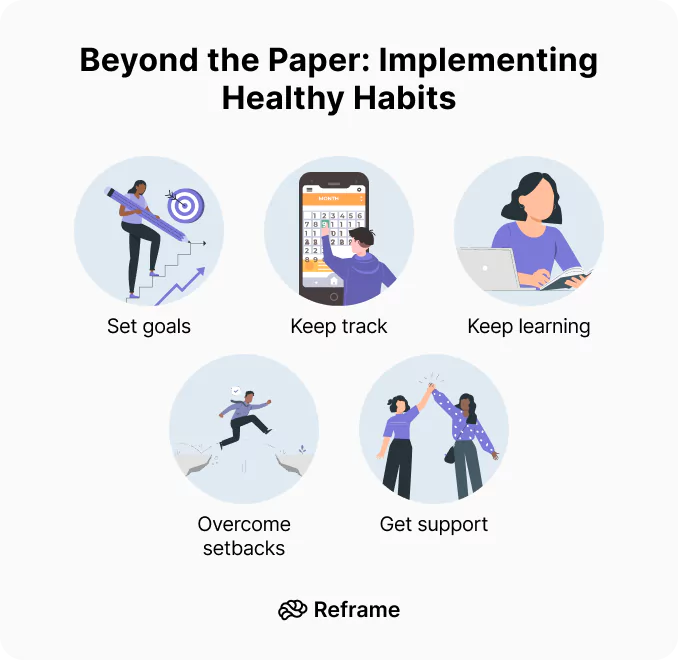
Changing a deeply ingrained habit, especially one involving alcohol, can feel like surviving a major event. Once the decision is made and the initial storm passes, you’re left standing in the quiet aftermath. This period can be disorienting. The routines, social circles, and coping mechanisms you once relied on are gone, and the landscape of your life looks unfamiliar. It’s a time for rebuilding, but it can be tough to know where to start when you’re sorting through the emotional and psychological rubble. This phase is what we can think of as the “post-atomic” aftermath — the challenging but crucial period where you begin to construct a new, healthier reality from the ground up.
The term “post-atomic” literally describes the period following a nuclear event. It’s not about the explosion itself, but about everything that comes after: the fallout, the cleanup, and the slow process of recovery. In the context of personal change, this is a powerful metaphor. The “atomic” moment might be hitting a personal low or making the firm decision to change your relationship with alcohol. The “post-atomic” phase is the daily work that follows. It’s about figuring out how to handle a world that feels different without your old habits, learning new ways to cope with stress, and discovering who you are in this new chapter of your life.
In the world of Star Trek, humanity endures a period known as the “post-atomic horror” after a devastating global war. Society collapses, and survivors face a bleak and chaotic existence. What pulls them out of it? A single, transformative event called “first contact,” when they meet an alien species for the first time. This moment of connection with something outside of their own struggle gives them a new sense of purpose and inspires them to unite and rebuild a better world. It’s a reminder that even in the most desolate aftermath, a powerful connection can be the catalyst for profound and positive change, shifting the focus from mere survival to hopeful reconstruction.
Just like in that sci-fi story, our own turning point in recovery often comes from connection. Your “first contact” moment might not involve aliens, but it’s just as powerful. It’s the first time you share your story with a therapist, join a support group, or even read a book that makes you feel truly understood. It’s the moment you realize you aren’t alone in your struggle and that a different future is possible. This connection is the spark that ignites the rebuilding process. Finding a community provides the hope, accountability, and shared wisdom needed to move forward, turning an isolating aftermath into a collaborative project of creating a new life.
There’s incredible strength in knowing someone else gets it. Reading stories from others who have walked a similar path can be a lifeline, reminding you that recovery is possible and you’re not isolated in your experience. This is why community is a cornerstone of the Reframe program. When you hear how someone else handled a craving, managed a social situation without drinking, or found a new hobby, it provides a practical roadmap and a deep sense of belonging. These shared narratives are our modern-day “first contact,” creating bonds that help us heal and grow together.
Your community can be found in many places, and it doesn’t always have to be a formal recovery group. Sometimes, connection blossoms from shared interests. For instance, there’s a podcast called “Post Atomic Horror” where fans discuss Star Trek, but through that shared passion, a supportive community forms. The same can happen in a book club, a hiking group, or an online forum. The key is to find a space where you feel comfortable and accepted. Whether it’s through a specialized app, a local club, or a group of friends with similar goals, finding your people is a critical step in rebuilding your life with confidence and support.
Diving into a personal development book isn’t just about gaining knowledge, it’s about writing the next chapter in our recovery journey. Each insight gained, each lesson learned, brings us closer to a brighter, sober future. We may have compiled a list of the best self-help books, but there’s so much more to explore. So, keep reading to keep growing, and let these personal development books act as companions on your path to an alcohol-free life!
Are these books a substitute for professional help? Think of these books as powerful tools in your toolkit, not the entire toolbox. They offer incredible insights, new perspectives, and practical strategies that can support your journey. However, they aren't a replacement for personalized guidance from a therapist, doctor, or a structured program. The best approach often combines self-guided learning from books with the tailored support you get from professionals and community.
There are so many books on your list. Where should I start? That's a great question, and it really depends on where you are right now. If you're questioning the role alcohol plays in your life and want to understand the psychology behind it, Annie Grace's This Naked Mind is a fantastic starting point. If you're less focused on the "why" and more on the "how" of building better routines, James Clear's Atomic Habits provides a practical framework that applies to any area of life, including recovery.
What if I read one of these books but still struggle to make changes? First, that is completely normal. Reading and absorbing information is a huge first step, but turning knowledge into action is a separate challenge. If you feel stuck, it might be a sign that you need a different kind of support to bridge that gap. This is where community, coaching, or peer groups can be so helpful. They provide the accountability and encouragement needed to put those brilliant ideas from the page into practice in your daily life.
How do I turn the advice from a book into real-life habits without feeling overwhelmed? The key is to start small—impossibly small. Instead of trying to implement every piece of advice from a book at once, choose just one single idea that resonates with you. Maybe it's a five-minute mindfulness practice from The Power of Now or tracking one small habit from Atomic Habits. Focus on mastering that one thing until it feels automatic. Lasting change is built through small, consistent steps, not giant, overwhelming leaps.
Why is finding a community so important if I have these books to guide me? A book can feel like a wise and understanding friend, but it can't talk back. It provides the map, but a community walks the road with you. Sharing your experiences with people who truly get it helps you feel less alone and provides real-time encouragement when you face a challenge. Books give you the knowledge, but connection provides the strength and motivation to use it, especially on the tough days.
Remember that Friends episode where Chandler grabs a self-help book to quit smoking? While the show plays it for laughs, there’s a real truth there. Making a big decision like that is a personal, (inurl:post) atomic event that reshapes your entire world. You’re suddenly in the "post-event" phase, figuring out new routines and new ways to cope. It’s a huge step, but you don’t have to do it alone. The right story can be your guide, and some of the best books for life improvement are the perfect place to start, especially when looking for alcohol self help books.
In recovery from alcohol use disorder (AUD), personal development books can be like having a wise mentor by our side, offering guidance, inspiration, and a fresh perspective on life. Let’s dive into how the right reads can become powerful tools, and we’ll pass along our recommendations for those that support lasting recovery.
Personal development books are books that offer insights, strategies, and inspiration to help us grow and improve various aspects of our lives. These books cover a wide range of topics, from building self-confidence and enhancing emotional intelligence to setting goals and cultivating resilience. Instead of just telling a story, personal development books are designed to empower readers to take control of their personal growth and make positive changes that lead to a more fulfilling and purposeful life.
In the context of recovery from AUD, personal development books can be powerful tools. While they aren’t magical solutions, they do provide practical advice on overcoming challenges, reshaping our mindset, fostering self-awareness, and building the inner strength needed to maintain sobriety. By focusing on self-improvement, these books support our recovery by encouraging ongoing personal growth and helping us create a life that aligns with our values and aspirations. Let’s take a closer look at the specific benefits.
Self-help books can’t do the work for us, but they can inspire and guide our journey. Here are some key benefits:
Now that we understand all that we have to look forward to, let’s get into some recommendations to help your reading and personal development journey take off.
The best personal growth books can be different for all of us, but here are some popular options we can explore to get started:
As with everything, some books may resonate with you while others don’t. But the important thing is that we give it a chance. Who knows? The right book is like your personal guide that can make all the difference in overcoming AUD. But what else can support our path to a healthier, more vibrant future?
Implementing healthy habits is more than just reading about them, although that can be a critical first step. Here are some strategies to use what we learn from personal development books to support our journey:
These strategies help us take a more proactive approach to recovery, maximizing the benefits of personal development books in recovery. Like Tim Ferriss said, “The best project you’ll ever work on is you.”
Changing a deeply ingrained habit, especially one involving alcohol, can feel like surviving a major event. Once the decision is made and the initial storm passes, you’re left standing in the quiet aftermath. This period can be disorienting. The routines, social circles, and coping mechanisms you once relied on are gone, and the landscape of your life looks unfamiliar. It’s a time for rebuilding, but it can be tough to know where to start when you’re sorting through the emotional and psychological rubble. This phase is what we can think of as the “post-atomic” aftermath — the challenging but crucial period where you begin to construct a new, healthier reality from the ground up.
The term “post-atomic” literally describes the period following a nuclear event. It’s not about the explosion itself, but about everything that comes after: the fallout, the cleanup, and the slow process of recovery. In the context of personal change, this is a powerful metaphor. The “atomic” moment might be hitting a personal low or making the firm decision to change your relationship with alcohol. The “post-atomic” phase is the daily work that follows. It’s about figuring out how to handle a world that feels different without your old habits, learning new ways to cope with stress, and discovering who you are in this new chapter of your life.
In the world of Star Trek, humanity endures a period known as the “post-atomic horror” after a devastating global war. Society collapses, and survivors face a bleak and chaotic existence. What pulls them out of it? A single, transformative event called “first contact,” when they meet an alien species for the first time. This moment of connection with something outside of their own struggle gives them a new sense of purpose and inspires them to unite and rebuild a better world. It’s a reminder that even in the most desolate aftermath, a powerful connection can be the catalyst for profound and positive change, shifting the focus from mere survival to hopeful reconstruction.
Just like in that sci-fi story, our own turning point in recovery often comes from connection. Your “first contact” moment might not involve aliens, but it’s just as powerful. It’s the first time you share your story with a therapist, join a support group, or even read a book that makes you feel truly understood. It’s the moment you realize you aren’t alone in your struggle and that a different future is possible. This connection is the spark that ignites the rebuilding process. Finding a community provides the hope, accountability, and shared wisdom needed to move forward, turning an isolating aftermath into a collaborative project of creating a new life.
There’s incredible strength in knowing someone else gets it. Reading stories from others who have walked a similar path can be a lifeline, reminding you that recovery is possible and you’re not isolated in your experience. This is why community is a cornerstone of the Reframe program. When you hear how someone else handled a craving, managed a social situation without drinking, or found a new hobby, it provides a practical roadmap and a deep sense of belonging. These shared narratives are our modern-day “first contact,” creating bonds that help us heal and grow together.
Your community can be found in many places, and it doesn’t always have to be a formal recovery group. Sometimes, connection blossoms from shared interests. For instance, there’s a podcast called “Post Atomic Horror” where fans discuss Star Trek, but through that shared passion, a supportive community forms. The same can happen in a book club, a hiking group, or an online forum. The key is to find a space where you feel comfortable and accepted. Whether it’s through a specialized app, a local club, or a group of friends with similar goals, finding your people is a critical step in rebuilding your life with confidence and support.
Diving into a personal development book isn’t just about gaining knowledge, it’s about writing the next chapter in our recovery journey. Each insight gained, each lesson learned, brings us closer to a brighter, sober future. We may have compiled a list of the best self-help books, but there’s so much more to explore. So, keep reading to keep growing, and let these personal development books act as companions on your path to an alcohol-free life!
Are these books a substitute for professional help? Think of these books as powerful tools in your toolkit, not the entire toolbox. They offer incredible insights, new perspectives, and practical strategies that can support your journey. However, they aren't a replacement for personalized guidance from a therapist, doctor, or a structured program. The best approach often combines self-guided learning from books with the tailored support you get from professionals and community.
There are so many books on your list. Where should I start? That's a great question, and it really depends on where you are right now. If you're questioning the role alcohol plays in your life and want to understand the psychology behind it, Annie Grace's This Naked Mind is a fantastic starting point. If you're less focused on the "why" and more on the "how" of building better routines, James Clear's Atomic Habits provides a practical framework that applies to any area of life, including recovery.
What if I read one of these books but still struggle to make changes? First, that is completely normal. Reading and absorbing information is a huge first step, but turning knowledge into action is a separate challenge. If you feel stuck, it might be a sign that you need a different kind of support to bridge that gap. This is where community, coaching, or peer groups can be so helpful. They provide the accountability and encouragement needed to put those brilliant ideas from the page into practice in your daily life.
How do I turn the advice from a book into real-life habits without feeling overwhelmed? The key is to start small—impossibly small. Instead of trying to implement every piece of advice from a book at once, choose just one single idea that resonates with you. Maybe it's a five-minute mindfulness practice from The Power of Now or tracking one small habit from Atomic Habits. Focus on mastering that one thing until it feels automatic. Lasting change is built through small, consistent steps, not giant, overwhelming leaps.
Why is finding a community so important if I have these books to guide me? A book can feel like a wise and understanding friend, but it can't talk back. It provides the map, but a community walks the road with you. Sharing your experiences with people who truly get it helps you feel less alone and provides real-time encouragement when you face a challenge. Books give you the knowledge, but connection provides the strength and motivation to use it, especially on the tough days.

Music therapy promotes health in different ways, supporting our goals in recovery. Check out our latest blog for more info on the benefits of music therapy.
Although it isn’t a treatment for alcohol use disorder (AUD), the Reframe app can help you cut back on drinking gradually, with the science-backed knowledge to empower you 100% of the way. Our proven program has helped millions of people around the world drink less and live more. And we want to help you get there, too!
The Reframe app equips you with the knowledge and skills you need to not only survive drinking less, but to thrive while you navigate the journey. Our daily research-backed readings teach you the neuroscience of alcohol, and our in-app Toolkit provides the resources and activities you need to navigate each challenge.
You’ll meet hundreds of fellow Reframers in our 24/7 Forum chat and daily Zoom check-in meetings. Receive encouragement from people worldwide who know exactly what you’re going through! You’ll also have the opportunity to connect with our licensed Reframe coaches for more personalized guidance.
Plus, we’re always introducing new features to optimize your in-app experience. We recently launched our in-app chatbot, Melody, powered by the world’s most powerful AI technology. Melody is here to help as you adjust to a life with less (or no) alcohol.
And that’s not all! Every month, we launch fun challenges, like Dry/Damp January, Mental Health May, and Outdoorsy June. You won’t want to miss out on the chance to participate alongside fellow Reframers (or solo if that’s more your thing!).
The Reframe app is free for 7 days, so you don’t have anything to lose by trying it. Are you ready to feel empowered and discover life beyond alcohol? Then download our app through the App Store or Google Play today!
There’s an iconic scene in Friends when Ross plays his keyboard, pouring out emotions in what sounds like a chaotic mix of discordant notes. While his friends might have cringed (us included), music can be a form of expression and release. It’s a reminder of how deeply music can affect us, whether it’s helping us process our emotions, bringing out our inner creativity, or lifting our spirits.
But what if music could do even more? Music, when combined with therapeutic techniques in a practice known as music therapy, can play a pivotal role in recovery from alcohol use disorder (AUD). Let’s explore how music therapy taps into our emotional power, helping guide us toward a healthier, alcohol-free life.

According to Kenneth E. Bruscia, a professor at Temple University, music therapy is “a reflexive process wherein the therapist helps the client to optimize the clients’ health, using various facets of music therapy experience and the relationships formed through them as the impetus for change.” In short, music therapy is a holistic treatment that utilizes therapeutic techniques and musical expression to improve all facets of our life including our physical, mental, and social health.
Music therapy has widespread benefits to our health (which we’ll get into later) by modulating five main factors:
Due to its all-around approach, the practice is used to treat a variety of symptoms and conditions, one of which is AUD. To understand why, let’s first learn more about what recovery from AUD looks like.
Alcohol use disorder often involves physical and neurological dependence on alcohol. This means that when we commit to recovery, we may experience physical challenges such as withdrawal symptoms and health complications from alcohol-related disease or damage.
Our brain also needs to adjust to not being exposed to the same level of alcohol. This is why recovery can be mentally and emotionally challenging. We’ll need to face the root causes of our drinking, identify triggers, and sever our dependence. In recovery, we commonly experience things like sleep disturbances, mood fluctuations, anxiety, and depression. Overcoming AUD means getting through these challenges. But it doesn’t happen overnight and without us putting in the work. Let’s see how we can equip ourselves to handle the challenges of recovery by using music therapy.
Music therapy works hand-in-hand with recovery to address different aspects of our health:
By addressing specific challenges that arise when we quit or cut back on alcohol and helping us develop strategies to live a healthier lifestyle, music therapy can be a supportive tool in recovery.
Music therapy works on different aspects of our health and recovery, leading to many benefits. There’s much to look forward to:
This approach to recovery has so many benefits, but there are even more tools at our disposal. Check out other holistic approaches to recovery and join Reframe’s supportive community to connect with others who may be going through a similar experience!

Music therapy offers more than just a tune to hum along to (although that can be healing in itself!). It provides a powerful pathway to healing for those struggling with AUD. By tapping into the emotional and psychological depths that other approaches may not be able to reach, music therapy can create a supportive rhythm for recovery. Let’s embrace the power of music to find harmony in sobriety!
There’s an iconic scene in Friends when Ross plays his keyboard, pouring out emotions in what sounds like a chaotic mix of discordant notes. While his friends might have cringed (us included), music can be a form of expression and release. It’s a reminder of how deeply music can affect us, whether it’s helping us process our emotions, bringing out our inner creativity, or lifting our spirits.
But what if music could do even more? Music, when combined with therapeutic techniques in a practice known as music therapy, can play a pivotal role in recovery from alcohol use disorder (AUD). Let’s explore how music therapy taps into our emotional power, helping guide us toward a healthier, alcohol-free life.
According to Kenneth E. Bruscia, a professor at Temple University, music therapy is “a reflexive process wherein the therapist helps the client to optimize the clients’ health, using various facets of music therapy experience and the relationships formed through them as the impetus for change.” In short, music therapy is a holistic treatment that utilizes therapeutic techniques and musical expression to improve all facets of our life including our physical, mental, and social health.
Music therapy has widespread benefits to our health (which we’ll get into later) by modulating five main factors:
Due to its all-around approach, the practice is used to treat a variety of symptoms and conditions, one of which is AUD. To understand why, let’s first learn more about what recovery from AUD looks like.
Alcohol use disorder often involves physical and neurological dependence on alcohol. This means that when we commit to recovery, we may experience physical challenges such as withdrawal symptoms and health complications from alcohol-related disease or damage.
Our brain also needs to adjust to not being exposed to the same level of alcohol. This is why recovery can be mentally and emotionally challenging. We’ll need to face the root causes of our drinking, identify triggers, and sever our dependence. In recovery, we commonly experience things like sleep disturbances, mood fluctuations, anxiety, and depression. Overcoming AUD means getting through these challenges. But it doesn’t happen overnight and without us putting in the work. Let’s see how we can equip ourselves to handle the challenges of recovery by using music therapy.
Music therapy works hand-in-hand with recovery to address different aspects of our health:
By addressing specific challenges that arise when we quit or cut back on alcohol and helping us develop strategies to live a healthier lifestyle, music therapy can be a supportive tool in recovery.
Music therapy works on different aspects of our health and recovery, leading to many benefits. There’s much to look forward to:
This approach to recovery has so many benefits, but there are even more tools at our disposal. Check out other holistic approaches to recovery and join Reframe’s supportive community to connect with others who may be going through a similar experience!
Music therapy offers more than just a tune to hum along to (although that can be healing in itself!). It provides a powerful pathway to healing for those struggling with AUD. By tapping into the emotional and psychological depths that other approaches may not be able to reach, music therapy can create a supportive rhythm for recovery. Let’s embrace the power of music to find harmony in sobriety!

While cooking with alcohol might not get us drunk, alcohol can remain even after cooking. Check out our latest blog for more info on alternatives we can use.
Although it isn’t a treatment for alcohol use disorder (AUD), the Reframe app can help you cut back on drinking gradually, with the science-backed knowledge to empower you 100% of the way. Our proven program has helped millions of people around the world drink less and live more. And we want to help you get there, too!
The Reframe app equips you with the knowledge and skills you need to not only survive drinking less, but to thrive while you navigate the journey. Our daily research-backed readings teach you the neuroscience of alcohol, and our in-app Toolkit provides the resources and activities you need to navigate each challenge.
You’ll meet hundreds of fellow Reframers in our 24/7 Forum chat and daily Zoom check-in meetings. Receive encouragement from people worldwide who know exactly what you’re going through! You’ll also have the opportunity to connect with our licensed Reframe coaches for more personalized guidance.
Plus, we’re always introducing new features to optimize your in-app experience. We recently launched our in-app chatbot, Melody, powered by the world’s most powerful AI technology. Melody is here to help as you adjust to a life with less (or no) alcohol.
And that’s not all! Every month, we launch fun challenges, like Dry/Damp January, Mental Health May, and Outdoorsy June. You won’t want to miss out on the chance to participate alongside fellow Reframers (or solo if that’s more your thing!).
The Reframe app is free for 7 days, so you don’t have anything to lose by trying it. Are you ready to feel empowered and discover life beyond alcohol? Then download our app through the App Store or Google Play today!
Vodka sauce, beer bread, and bourbon-braised short ribs — alcohol is a frequent addition to many recipes. But if you’re on the journey to quit or cut back on alcohol, that once-innocent splash of liquor may be a more complicated choice. As you navigate this new chapter of your life, you might wonder whether cooking with alcohol is still a smart option.
Let’s explore the nitty-gritty of what actually happens to alcohol when we cook with it, and the potential impacts of doing so during recovery. With a newfound understanding and a list of alternatives, we can make more informed decisions and choices that align with our goals.

To decide whether or not we should cook with alcohol during recovery, let’s first understand what recovery is. Recovery refers to committing to developing a healthier relationship with alcohol, typically following misuse or alcohol use disorder (AUD).
AUD is diagnosed using criteria in the DSM-V and is characterized by the impaired ability to quit or cut back despite negative consequences. It involves both physical and neurological dependence due to the way alcohol affects us.
Alcohol feeds our brain’s reward system, tethering drinking to a pleasurable experience, which makes us come back for more. As we continue to drink regularly, our body also adjusts to exposure to a certain level of alcohol. When we quit or cut back in recovery, our brain and body resist at first, leading to physical and mental challenges such as alcohol withdrawal and cravings. To overcome AUD, we need to fight against these physical and mental urges to drink.
We’re committed, but we’re cooking a new recipe for dinner one night and see that it calls for a splash of wine. This makes us freeze, should we or should we not add it? To help answer this, let’s learn more about what happens to alcohol when we cook it.
You may have heard that alcohol evaporates when you cook it, but does alcohol cook out of food completely? Whether it’s that flashy flame that tops your crème brûlée or the glug of white wine in your pasta sauce, it should be fine since the alcohol evaporates, right? Not quite.
Alcohol does evaporate. Not just when we cook it, but when it’s exposed to air (although not enough to notice). When we heat it, evaporation speeds up. We can look up “how long to boil wine to remove alcohol” or “how long to cook alcohol out of wine,” but the answer is, it depends. Influential factors such as the type of alcohol, the temperature, cooking time, cooking vessel, and added ingredients can affect how quickly alcohol evaporates. But no matter how long we cook it, it’s not possible to completely eliminate it. Evaporation plateaus when it reaches about 5% of the alcohol we started with. Not 5% alcohol by volume, but 5% of the alcohol we put in. Take a look at estimates from the USDA Table of Nutrient Retention on how long it takes for alcohol to evaporate to a certain amount.

So the cup of vodka we threw into our pasta sauce that came from a 15-minute weeknight recipe can still have a little less than half a cup of vodka in it. Research shows that depending on different factors, our food can retain anywhere from 4%-85% of the alcohol. In recovery, where every decision can impact our journey, this chance may not be one we want to take.
Key takeaway: Although the exact amount of alcohol remaining after cooking varies and may not be significant enough to get us drunk, the fact is that some amount of alcohol still remains, depending on the factors we mentioned earlier. Cooking with alcohol isn’t recommended for those of us who are in recovery, pregnant, or breastfeeding.
To understand why cooking with alcohol isn’t recommended in recovery, let’s take a closer look at the consequences:
As we can see, cooking with alcohol may have seemed like no big deal at first, especially under the false notion that alcohol evaporates after cooking. But after further investigation, we can see from these potential consequences that cooking with alcohol during recovery isn’t a risk worth taking.
When it comes to creating delicious dishes without using alcohol, there’s a world of flavorful alternatives that add just as much depth and complexity to your recipes without the risk. Choosing the right alternative depends on what we’re using it for:

With these alternatives, our recipes won’t miss a beat and we’ll be able to stay on track with our goals to quit or cut back on alcohol!
Deciding whether to cook with alcohol during recovery is a personal choice as each recovery journey is different. However, understanding the effects and exploring alternatives helps us make more informed decisions that align with our wellness journey. Cooking alcohol gets rid of some of the alcohol, but not all, and in recovery, it may not be a risk we want to take. Keeping the kitchen alcohol-free is like adding the final touch to a recipe for lasting wellness. It ensures every dish you create is a step towards a healthier, alcohol-free future!
Vodka sauce, beer bread, and bourbon-braised short ribs — alcohol is a frequent addition to many recipes. But if you’re on the journey to quit or cut back on alcohol, that once-innocent splash of liquor may be a more complicated choice. As you navigate this new chapter of your life, you might wonder whether cooking with alcohol is still a smart option.
Let’s explore the nitty-gritty of what actually happens to alcohol when we cook with it, and the potential impacts of doing so during recovery. With a newfound understanding and a list of alternatives, we can make more informed decisions and choices that align with our goals.
To decide whether or not we should cook with alcohol during recovery, let’s first understand what recovery is. Recovery refers to committing to developing a healthier relationship with alcohol, typically following misuse or alcohol use disorder (AUD).
AUD is diagnosed using criteria in the DSM-V and is characterized by the impaired ability to quit or cut back despite negative consequences. It involves both physical and neurological dependence due to the way alcohol affects us.
Alcohol feeds our brain’s reward system, tethering drinking to a pleasurable experience, which makes us come back for more. As we continue to drink regularly, our body also adjusts to exposure to a certain level of alcohol. When we quit or cut back in recovery, our brain and body resist at first, leading to physical and mental challenges such as alcohol withdrawal and cravings. To overcome AUD, we need to fight against these physical and mental urges to drink.
We’re committed, but we’re cooking a new recipe for dinner one night and see that it calls for a splash of wine. This makes us freeze, should we or should we not add it? To help answer this, let’s learn more about what happens to alcohol when we cook it.
You may have heard that alcohol evaporates when you cook it, but does alcohol cook out of food completely? Whether it’s that flashy flame that tops your crème brûlée or the glug of white wine in your pasta sauce, it should be fine since the alcohol evaporates, right? Not quite.
Alcohol does evaporate. Not just when we cook it, but when it’s exposed to air (although not enough to notice). When we heat it, evaporation speeds up. We can look up “how long to boil wine to remove alcohol” or “how long to cook alcohol out of wine,” but the answer is, it depends. Influential factors such as the type of alcohol, the temperature, cooking time, cooking vessel, and added ingredients can affect how quickly alcohol evaporates. But no matter how long we cook it, it’s not possible to completely eliminate it. Evaporation plateaus when it reaches about 5% of the alcohol we started with. Not 5% alcohol by volume, but 5% of the alcohol we put in. Take a look at estimates from the USDA Table of Nutrient Retention on how long it takes for alcohol to evaporate to a certain amount.
So the cup of vodka we threw into our pasta sauce that came from a 15-minute weeknight recipe can still have a little less than half a cup of vodka in it. Research shows that depending on different factors, our food can retain anywhere from 4%-85% of the alcohol. In recovery, where every decision can impact our journey, this chance may not be one we want to take.
Key takeaway: Although the exact amount of alcohol remaining after cooking varies and may not be significant enough to get us drunk, the fact is that some amount of alcohol still remains, depending on the factors we mentioned earlier. Cooking with alcohol isn’t recommended for those of us who are in recovery, pregnant, or breastfeeding.
To understand why cooking with alcohol isn’t recommended in recovery, let’s take a closer look at the consequences:
As we can see, cooking with alcohol may have seemed like no big deal at first, especially under the false notion that alcohol evaporates after cooking. But after further investigation, we can see from these potential consequences that cooking with alcohol during recovery isn’t a risk worth taking.
When it comes to creating delicious dishes without using alcohol, there’s a world of flavorful alternatives that add just as much depth and complexity to your recipes without the risk. Choosing the right alternative depends on what we’re using it for:
With these alternatives, our recipes won’t miss a beat and we’ll be able to stay on track with our goals to quit or cut back on alcohol!
Deciding whether to cook with alcohol during recovery is a personal choice as each recovery journey is different. However, understanding the effects and exploring alternatives helps us make more informed decisions that align with our wellness journey. Cooking alcohol gets rid of some of the alcohol, but not all, and in recovery, it may not be a risk we want to take. Keeping the kitchen alcohol-free is like adding the final touch to a recipe for lasting wellness. It ensures every dish you create is a step towards a healthier, alcohol-free future!
