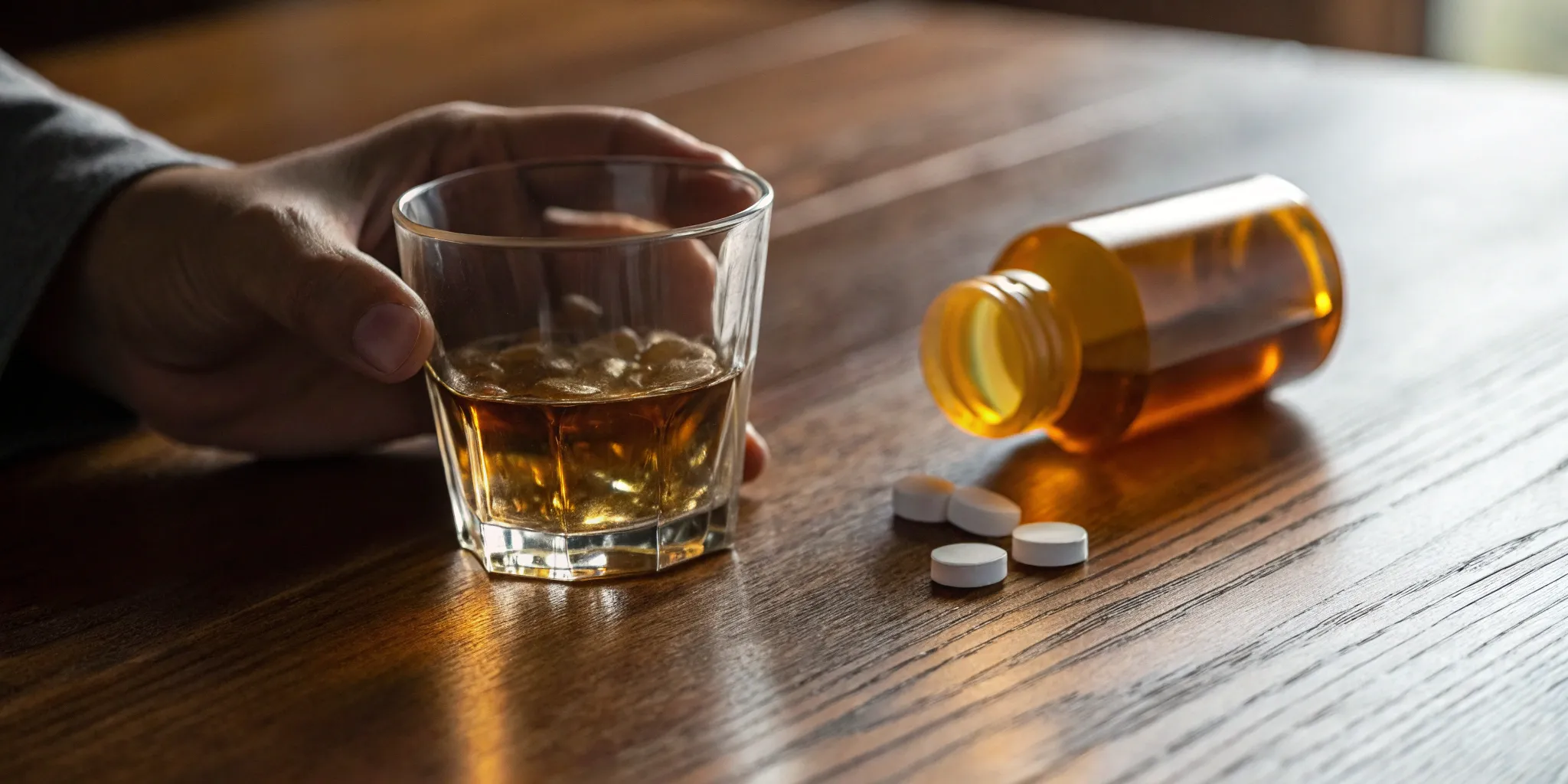
Let’s be direct: mixing Dramamine and alcohol is a serious mistake with potentially dangerous consequences. Because you can buy Dramamine over the counter, it’s easy to assume it’s mild, but it’s a powerful medication that significantly affects your brain and body. Alcohol does the same. When you combine these two depressants, you’re creating a synergistic effect that can lead to severe drowsiness, poor coordination, and dangerously slowed breathing. It’s not just about feeling a little extra tired; it’s about putting your health in jeopardy. To keep yourself safe, you need to understand the full picture. This article breaks down the critical Dramamine side effects with alcohol and explains why this is one combination you should never risk.
Key Takeaways
- Mixing is a multiplier, not an addition: Because both Dramamine and alcohol are depressants, their combined effect is dangerously powerful. This interaction creates intense drowsiness and impairs judgment, dramatically increasing your risk of accidents or an overdose.
- Choose one or the other, never both: The only safe strategy is to avoid alcohol when you take Dramamine. Decide before your trip which is more important—managing motion sickness or having a drink—and stick to that plan to stay in control.
- Look at the "why" behind the habit: If you find yourself regularly combining these substances, it can be a sign of self-medicating. See this as an opportunity to reflect on your relationship with alcohol and find healthier coping strategies that support your long-term well-being.
First, What Exactly Is Dramamine?
If you’ve ever felt queasy on a boat or a winding road, you’ve probably reached for Dramamine. It’s a common over-the-counter medicine used to treat the dizziness, nausea, and vomiting that come with motion sickness. The main active ingredient in the original formula is dimenhydrinate, an antihistamine that helps prevent that awful spinning sensation.
While it’s a staple in many travel kits, it’s important to remember that Dramamine is still a medication with powerful effects on your body and brain. Understanding how it works is the first step to using it safely and recognizing why adding alcohol to the mix is so risky. Let’s break down what this medication does, the different versions you might see on the shelf, and how it affects your system on its own.
How Motion Sickness Medication Works
That feeling of motion sickness happens when your brain gets conflicting signals from your inner ears, eyes, and body. Your inner ear, which is key for your sense of balance, feels the motion of the car or boat, but your eyes might be focused on something stationary inside. This mismatch is what makes you feel sick. Dramamine works by blocking certain signals in your brain, particularly from a neurotransmitter called acetylcholine. By calming the part of the brain that controls nausea and vomiting, it helps your body maintain its sense of balance and stops those queasy feelings before they start.
Different Types of Dramamine
When you’re at the pharmacy, you might notice a few different boxes labeled Dramamine. The original formula uses dimenhydrinate, which is very effective but also known for causing significant drowsiness. Because of this, the brand also created a “Less Drowsy” version, which contains a different active ingredient called meclizine. While both are antihistamines used for motion sickness, they have different side effect profiles. It’s always a good idea to check the active ingredients on the box to know exactly which type of Dramamine you’re taking and what to expect from it.
How Dramamine Affects Your Body
Even when taken as directed, Dramamine can have noticeable effects. The most common side effect is drowsiness, which can range from mild sleepiness to feeling completely knocked out. It can also cause dizziness, dry mouth, and blurred vision. Because it’s a central nervous system depressant, it slows down your reaction time and can impair your coordination. This is why the warning label clearly advises against driving or operating heavy machinery after taking it. These effects happen because the medication is designed to depress your system to stop nausea, but it highlights why Dramamine and alcohol are such a dangerous combination.
What Are the Common Side Effects of Dramamine?
Before we even think about adding alcohol to the mix, it’s important to understand how Dramamine can affect you all on its own. Like any over-the-counter medication, it comes with a range of potential side effects. Most are just mild annoyances, but some can be more serious. Knowing what to look for helps you make an informed choice about whether it’s right for you and helps you recognize when something isn’t right. Being aware of these effects is a key part of taking charge of your health, especially if you’re already working on changing your relationship with alcohol. Let’s walk through what you can typically expect, from the common and mild to the rare but severe.
Mild Side Effects
Most people who take Dramamine will experience mild side effects, if any. The most common one by far is sleepiness, which makes sense given its antihistamine properties. You might also notice a few other things that feel a bit off. According to the Cleveland Clinic, these less-serious effects can include a dry mouth, nose, or throat, and maybe a headache. Some people also report blurry vision, a ringing in their ears, or feeling a little clumsy and uncoordinated. While these are generally not a cause for major concern, they can still interfere with your day, so it’s good to be prepared for them.
Severe Side Effects
While much less common, Dramamine can cause severe side effects that require immediate medical attention. These aren't things you should wait out or ignore. If you take Dramamine and experience worsening dizziness to the point where you feel like you might faint, it’s a red flag. Another serious reaction to watch for is a pounding or irregular heartbeat. These symptoms could indicate a more significant problem, so it's crucial to contact a doctor or seek emergency care right away if they occur. Your safety is the top priority, and it's always better to be cautious when you experience a potentially serious reaction to any medication.
Important Risks and Warnings
This is where we need to be crystal clear: mixing Dramamine and alcohol is a dangerous idea. The sedative effects of both substances can amplify each other, creating a much stronger and more unpredictable reaction than either would alone. This combination significantly increases your risk of an overdose. Because both Dramamine and alcohol can make you feel drowsy and clumsy, taking them together makes activities like driving or operating machinery extremely hazardous. It’s not just about feeling a little extra tired; it’s a combination that can seriously impair your judgment and physical coordination, putting you and others in a very dangerous situation.
Why You Shouldn't Mix Dramamine and Alcohol
It’s a common scenario: you’re on a flight or a cruise, you’ve taken Dramamine to ward off motion sickness, and someone offers you a drink. It might seem harmless, but the interaction between Dramamine and alcohol is more serious than most people realize. Both substances are central nervous system depressants, which means they slow down your brain activity. When you take them together, their effects don't just add up—they multiply. Think of it as a compounding effect, where one substance makes the other dramatically more powerful.
This amplification is why the combination is so risky. It can lead to a host of problems, from intense drowsiness that ruins your trip to severe health complications that put you in danger. Even a single drink with a standard dose of Dramamine can significantly impair your judgment and coordination. Understanding what happens inside your body when these two substances meet is the first step toward making a safer, more informed choice. Practicing mindful drinking means being aware of these interactions so you can protect your well-being. Let’s break down the specific reasons why this combination is best avoided.
Increased Drowsiness and Sedation
You probably already know that Dramamine can make you sleepy—it’s one of its most common side effects. Alcohol does the same thing. When you take them together, you’re essentially doubling down on that sedative effect. This isn't just about feeling a little tired; the combination can cause extreme drowsiness, dizziness, and a deep sense of fogginess that makes it difficult to function. Your body is suddenly trying to process two different central nervous system depressants at once. This can leave you feeling overwhelmingly groggy and out of it, as the two substances intensify each other’s sedating effects.
Impaired Judgment and Coordination
That intense drowsiness directly impacts your ability to think clearly and control your movements. Alcohol is already known for lowering inhibitions and slowing reaction times, and adding Dramamine to the mix makes those effects much more pronounced. Your coordination can become so compromised that simple tasks feel challenging, and your decision-making skills take a serious hit. This is why everyday activities like driving, biking, or even just walking around can become incredibly dangerous. You might not be able to accurately perceive risks or react quickly enough to avoid an accident. Keeping track of your blood alcohol content can show how much alcohol alone affects you; Dramamine only complicates that picture.
Extra Strain on Your Liver
Beyond the immediate effects on your brain and coordination, mixing alcohol and Dramamine puts a significant burden on your liver. Your liver is your body’s primary filter, responsible for metabolizing everything you consume, from food and drinks to medications. When you introduce both alcohol and Dramamine, you’re forcing your liver to work overtime to break down both substances. This added stress can be tough on the organ, and doing it repeatedly could contribute to inflammation and potential liver damage. It’s a hidden risk that goes beyond how you feel in the moment and can impact your long-term health.
Higher Risk of Accidents and Injuries
When you combine extreme drowsiness with poor coordination and clouded judgment, your risk of getting into an accident skyrockets. Simple slips and falls can become much more likely and potentially more serious. Because your reflexes are dulled and your perception is skewed, you're far less equipped to handle unexpected situations, whether you're navigating a busy street or just moving around your home. This isn't just about minor bumps and bruises; the combination can lead to significant injuries because your ability to protect yourself from harm is severely reduced. It puts you in a vulnerable state where you can’t fully trust your body or your instincts.
The Risk of an Overdose
Perhaps the most critical danger of mixing Dramamine and alcohol is the heightened risk of an overdose. Because both substances are depressants, they work to slow down your central nervous system. When taken together, their combined power can suppress your breathing and heart rate to critically low levels. It’s crucial to understand that this isn't just about drinking too much alcohol; the medication makes your body much more sensitive to alcohol's effects. This dangerous interaction can lead to a Dramamine overdose, a medical emergency that many people don't even realize is a possibility until it’s too late.
What Happens When You Combine Them?
When you mix Dramamine and alcohol, the effects aren’t just added together—they’re multiplied. Both substances are central nervous system depressants, meaning they slow down your brain activity. Taking them at the same time creates a synergistic effect, making the impact of each one much stronger and more unpredictable. This can lead to a range of consequences, from feeling unwell in the short term to facing serious health risks down the road. Understanding what’s happening in your body and brain is the first step toward making safer choices.
Immediate Physical Effects
Almost immediately, you’ll notice the sedative effects of both substances become much more intense. Dramamine is known for causing drowsiness and dizziness, and alcohol does the same. Together, they can lead to extreme sleepiness, poor coordination, and a feeling of being unsteady on your feet. This combination significantly impairs your motor skills, making activities like walking or driving incredibly dangerous. It also greatly increases your risk of an overdose, as your body struggles to process two depressants at once, which can slow your breathing and heart rate to critical levels.
How It Affects Your Mental State
Because both Dramamine and alcohol are depressants, they work together to slow down your brain function. This can lead to confusion, brain fog, and difficulty concentrating. One of the trickiest parts of this interaction is that Dramamine can make you feel much more intoxicated than you actually are, even after just one or two drinks. This can easily cause you to misjudge your level of impairment, leading you to drink more than you normally would or make decisions you wouldn't make with a clear head. This impaired judgment is a key reason why mixing the two is so risky.
Long-Term Health Risks
Regularly combining alcohol and Dramamine can take a toll on your body over time, particularly on your liver. Your liver is responsible for breaking down both substances, and forcing it to process them simultaneously puts it under significant strain. Over time, this can contribute to inflammation and liver damage. Beyond your liver, there’s also a risk of developing a dependence on Dramamine. While it’s an over-the-counter medication, taking high doses regularly can lead to psychological or physical dependence, creating another challenge to your long-term well-being.
Situations That Increase Your Risk
Certain situations can make mixing Dramamine and alcohol even more hazardous. For example, if you’re on a boat to prevent seasickness, the combined effect on your balance can make a fall overboard much more likely. Older adults are also particularly vulnerable, as they are often more sensitive to the sedative effects of medications and alcohol, increasing their risk of falls and serious injuries. Any activity that requires coordination and clear judgment—from a night out with friends to simply navigating stairs at home—becomes significantly more dangerous when you’ve combined these two substances.
Warning Signs to Look For
It’s important to recognize the warning signs of a dangerous interaction or overdose in yourself or others. Key symptoms include extremely slurred speech, severe confusion, difficulty swallowing, and profound drowsiness or inability to stay awake. You might also notice physical signs like very large pupils or flushed, red skin. These are not signs of simply being tired or drunk; they are indicators of a serious medical situation. If you see someone experiencing these symptoms after mixing Dramamine and alcohol, it’s critical to seek medical help immediately.
How to Stay Safe: Medical Advice and Guidelines
Making informed choices about what you put into your body is a huge part of feeling your best. When it comes to mixing medications like Dramamine with alcohol, being cautious isn't just smart—it's essential for your safety. Let’s walk through some clear medical advice and guidelines to help you understand the risks and make the right call for your health.
How Long Should You Wait Between Doses?
The simplest and safest answer is to avoid alcohol completely while taking Dramamine. Because both substances act as depressants on your central nervous system, their combined effect can be much stronger than you anticipate. Think of it this way: alcohol can already make you dizzy and even worsen motion sickness on its own. Adding Dramamine to the mix significantly increases drowsiness and impairment. Instead of trying to time it perfectly, the best approach is to practice mindful drinking by choosing not to drink when you need medication. This ensures you stay clear-headed and avoid any dangerous interactions.
Consider Your Pre-existing Conditions
Your personal health history plays a big role in how your body processes medications and alcohol. It's crucial to talk to your doctor before taking Dramamine, especially if you have certain health conditions. These can include glaucoma, heart or liver disease, lung problems like asthma, an enlarged prostate, or a history of seizures. Older adults should also be particularly careful, as the combination can increase the risk of falls and serious injuries. Being open with your healthcare provider about your health and any alcohol consumption allows them to give you the safest advice. You can find a detailed list of conditions on the medication’s information page.
Know the Potential Drug Interactions
Combining Dramamine and alcohol isn't just about feeling extra tired; it can have serious effects on your body. This mixture puts significant strain on your liver, which has to work overtime to process both substances. Over time, or with frequent use, this can contribute to liver damage. The interaction also dramatically increases dizziness and drowsiness, which severely impairs your coordination and judgment. This makes activities like driving or even just walking around much more dangerous. Understanding your blood alcohol content can give you a clearer picture of how alcohol alone affects you, but remember that adding any medication, especially a sedative like Dramamine, changes the equation entirely.
When to Call a Doctor
It’s vital to know the warning signs of a dangerous reaction or overdose. If you or someone else has mixed Dramamine and alcohol and is showing severe symptoms, you need to act fast. Look for signs like extreme drowsiness to the point where you can't wake them, very slow or difficult breathing, confusion, or hallucinations. These are red flags that indicate a medical emergency. Don't wait to see if things get better on their own. Call 911 or your local emergency services immediately. Getting prompt medical help can be life-saving, so never hesitate to make that call if you're concerned.
How to Manage Motion Sickness Without the Risk
Feeling queasy during travel is frustrating, but relying on a risky combination of Dramamine and alcohol isn’t your only choice. You have safer, more effective ways to manage motion sickness that protect your health and well-being. By planning ahead and trying a few simple strategies, you can travel comfortably without putting yourself in danger.
Safer Medication Alternatives
The most straightforward and safest alternative is to avoid drinking alcohol while taking Dramamine or any other motion sickness medication that causes drowsiness. If you need the medication to get through your trip, commit to skipping alcoholic beverages. If you know you’ll want to drink, you can speak with a pharmacist about non-drowsy antihistamines that may be less risky, but remember that no medication is entirely without side effects. The golden rule is to never mix alcohol with medications that depress your central nervous system.
Natural Remedies to Try
If you’d rather avoid medication altogether, there are plenty of natural remedies that can ease nausea. Many people find relief by simply changing their environment or focusing their senses.
Some simple things to try include:
- Sitting in the front seat of a car or by the window on a plane.
- Keeping your head still against the headrest.
- Sipping plenty of water and avoiding tobacco.
- Eating small, light meals instead of large, heavy ones.
- Sucking on a ginger candy or peppermint.
- Listening to music and practicing mindful drinking of water, focusing on your breathing.
Smart Travel Strategies
A little planning goes a long way in preventing a risky situation. Before you even pack your bags, decide what your priority is for the trip. If preventing motion sickness is your main goal, then take your Dramamine and make a clear plan to avoid alcohol. It’s best to wait until the medication has completely worn off before even considering a drink. This means making a conscious choice ahead of time so you aren’t caught off guard in a social setting. Your future self will thank you for it.
Build Healthier Habits for the Long Run
If you find yourself regularly reaching for Dramamine to offset the effects of alcohol, or vice versa, it might be a good time to pause and reflect. Sometimes, these patterns can signal a deeper habit of self-medicating or a desire to change your relationship with alcohol. Understanding the "why" behind your actions is the first step toward building healthier coping mechanisms. Exploring these habits with a supportive program can help you find lasting solutions that don’t involve risky combinations. You can learn more about how to create lasting change on our website.
Where to Find Support and Professional Help
Realizing you might need help is a huge step, and one to be proud of. If you’re concerned about your habits around mixing Dramamine and alcohol, or just your drinking in general, you aren’t alone. Reaching out is a sign of strength. The good news is there are many paths to getting the guidance you need, from talking to a doctor to connecting with a supportive community. Let’s walk through some of the best places to start.
Talk to a Medical Professional
Your first stop can be a conversation with a trusted medical professional. If you have any concerns about combining Dramamine with alcohol, your doctor or pharmacist can offer personalized advice based on your health history. They can explain how these substances interact with your body and any other medications you take. This is a confidential, judgment-free space to ask direct questions and get clear answers. It's an information-gathering session that empowers you to make safer, more informed decisions for your health.
Find the Right Professional Guidance
If you find yourself mixing Dramamine and alcohol regularly, it’s worth exploring why. This can sometimes be part of a larger pattern of self-medicating to cope with anxiety or stress. Professional guidance from a therapist or counselor can be incredibly helpful here. They can help you understand the root causes of these behaviors and develop healthier coping strategies. Exploring mindful drinking and understanding your personal triggers is a powerful way to start changing your relationship with alcohol for the better.
Create a Plan for Recovery and Prevention
Once you’ve decided to make a change, creating a plan is the next step. For some, this might involve structured treatment, but for many, it’s about building a strong support system. This can include using apps like Reframe, which is built on neuroscience to help you change your habits, or joining a community of people on a similar journey. A plan gives you a roadmap and helps you set achievable goals. You can start small by tracking your progress with a sober days counter to see how small changes add up to big wins for your health and wallet.
Related Articles
Frequently Asked Questions
How long after taking Dramamine is it safe to have a drink? The most straightforward and safest answer is to avoid drinking alcohol for the entire day you’ve taken Dramamine. The medication's effects can last for several hours, and how long it stays in your system can vary from person to person. Instead of trying to guess a safe window, it’s best to make a clear choice: if you need Dramamine for your trip, commit to skipping alcohol to avoid any dangerous interactions.
Is it safer to drink with the "Less Drowsy" version of Dramamine? While the "Less Drowsy" formula uses a different active ingredient, meclizine, it is still an antihistamine that can cause sleepiness and impair coordination. Alcohol is also a depressant, so mixing the two is still a bad idea. The combination can still lead to increased drowsiness and poor judgment, even if the sedative effect feels less intense than the original formula. It’s always best to avoid alcohol when taking any form of motion sickness medication.
What if I only have one beer or glass of wine? Is that still a problem? Yes, even a single drink can be risky. The issue isn't just the amount of alcohol you consume, but the chemical interaction between the alcohol and the Dramamine. Because both substances depress your central nervous system, their effects multiply. One drink could make you feel as impaired as several would on their own, significantly affecting your coordination and decision-making in a way you won't see coming.
What are the immediate warning signs that I've had a dangerous reaction from mixing them? You should be on the lookout for any signs that go beyond typical sleepiness. If you or someone else experiences extreme drowsiness to the point where they are difficult to wake up, severe confusion, very slow or shallow breathing, or slurred speech, it’s a medical emergency. These are red flags that the central nervous system is being dangerously suppressed. In this situation, you should call 911 immediately.
I’ve used Dramamine to help with hangover nausea before. Is that a bad idea? This is a common but risky habit. When you’re hungover, your liver is already working overtime to process the alcohol from the night before. Taking Dramamine adds another substance for it to metabolize, putting extra strain on the organ. While it might seem to soothe your stomach, you’re creating a stressful situation for your body. A better approach is to focus on rehydrating with water and electrolytes and getting plenty of rest.