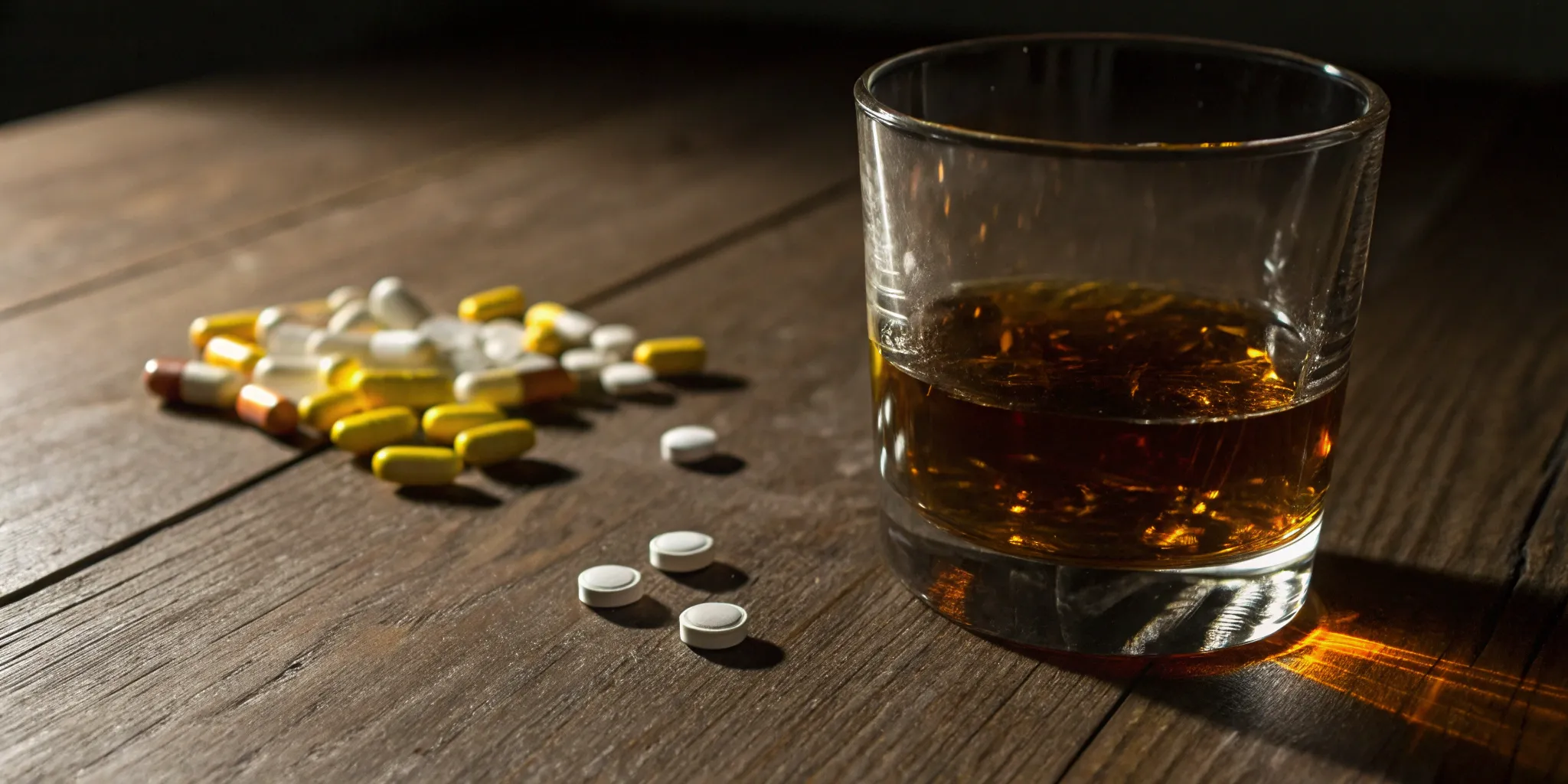
Let’s get straight to the point: combining Dramamine with alcohol is a decision that can have serious consequences for your health and safety. While it might seem like a harmless way to handle motion sickness before enjoying a drink, you’re actually creating a potent cocktail inside your body. Both substances are central nervous system depressants, and taking them together creates a powerful synergistic effect. Think of it as one plus one equaling three. This is why mixing Dramamine and alcohol can lead to extreme drowsiness, severe dizziness, and dangerously impaired motor skills. It’s not about your personal tolerance; it’s about a chemical interaction that can overwhelm your system. Here, we’ll explore these risks in detail so you can make an informed choice.
Key Takeaways
- Mixing creates a compounding effect: Both Dramamine and alcohol are depressants. Taking them together multiplies their effects, leading to intense drowsiness and impaired coordination that can make everyday activities dangerous.
- The overdose risk is serious: This combination can dangerously suppress your central nervous system, slowing your breathing and heart rate. Recognize the warning signs, such as extreme confusion or unresponsiveness, and get immediate medical help if you suspect an overdose.
- Prioritize safety by planning ahead: The only safe strategy is to use them separately. If you plan to drink, skip the Dramamine and rely on drug-free methods like getting fresh air or sipping ginger ale to manage motion sickness.
What Is Dramamine and How Does It Work?
If you’ve ever felt queasy on a boat or a winding road, you’ve probably reached for Dramamine. It’s a go-to over-the-counter medication that many of us keep in our bags, just in case. But like any medication, it’s important to understand what it is and how it actually works in your body. Knowing the mechanics behind it can help you make safer, more informed decisions, especially when it comes to mixing it with other substances like alcohol.
Dramamine is more than just a simple stomach-settler. It directly interacts with your brain and central nervous system to produce its effects. Let’s break down what it’s designed to do and the impact it has on your body.
What is Dramamine used for?
At its core, Dramamine (the brand name for the drug dimenhydrinate) is an antihistamine used to prevent and treat the symptoms of motion sickness. When you’re in a car, on a plane, or on a boat, your brain can get conflicting signals from your eyes and your inner ear, leading to that awful feeling of nausea, dizziness, and even vomiting. Dramamine is designed to step in and calm that internal confusion. It’s effective for many people, which is why it’s so popular for travel. But because it’s an antihistamine, it comes with other effects, like drowsiness, that are important to be aware of.
How it affects your body
Dramamine works by blocking certain receptors in your brain that trigger nausea. It also acts on your vestibular system — the part of your inner ear that controls your sense of balance and spatial orientation — to help reduce dizziness. While this is great for motion sickness, it’s important to know that both Dramamine and alcohol are central nervous system depressants. This means they both slow down your brain activity. Taking Dramamine can cause significant drowsiness, dizziness, and blurred vision on its own. This sedative effect is the main reason why combining it with alcohol can be so risky, as it intensifies these side effects dramatically.
What Are the Side Effects of Dramamine?
Even when taken as directed, Dramamine (dimenhydrinate) can cause side effects because of how it works on the central nervous system. It’s an antihistamine, and one of its primary effects is sedation. This is why you’ll often see a warning on the box about not operating heavy machinery after taking it. Understanding these baseline effects is key to recognizing why adding alcohol to the mix is so risky. Many people reach for it without a second thought before a flight or boat trip, but it's more than just a simple stomach soother; it's a medication that actively slows down brain function.
The active ingredient, dimenhydrinate, blocks certain signals in your brain that trigger nausea and vomiting. At the same time, it also affects other neurotransmitters that control alertness and focus. This is why feeling sleepy is one of the most common reactions. While it’s an effective over-the-counter solution for motion sickness, it’s important to be aware of how it can affect your body and mind, even before a single drink is considered. Knowing what to expect can help you plan your day and use the medication safely, ensuring your journey is smooth in more ways than one. It's all about making an informed choice for your well-being.
Common short-term side effects
When you take Dramamine, you might notice a few things right away. The most common side effect is drowsiness. This isn't just a slight tiredness; for some, it can be a powerful wave of sleepiness that makes it difficult to concentrate. You may also experience dizziness, dry mouth, and blurred vision. These reactions happen because the medication is a central nervous system depressant, slowing down brain activity to prevent motion sickness.
Because of these effects, activities that require sharp focus and quick reflexes, like driving, become dangerous. Even if you feel you can "push through" the sleepiness, your coordination and reaction time are likely impaired. It’s always best to see how your body reacts to Dramamine in a safe environment before you need to be active or alert.
Potential long-term risks
While most people use Dramamine for short-term relief without issue, misusing it or combining it with other substances can lead to more severe problems. The combination of Dramamine and alcohol, for example, poses a significant health risk due to the way the drugs intensify each other's effects. This can lead to dangerous levels of sedation, severe dizziness, and poor coordination.
In some cases, mixing these substances can even result in more alarming psychological effects, like psychosis. An overdose is also a serious concern, as the combined depressant effects on the central nervous system can slow breathing and heart rate to a critical point. An overdose can be fatal and requires immediate medical attention. These risks highlight why it's so important to use medication as directed and understand how it interacts with other things you might consume.
The Dangers of Mixing Dramamine and Alcohol
Taking any medication with alcohol requires caution, and Dramamine is no exception. While it might seem harmless to have a drink after taking something for motion sickness, the combination can be surprisingly risky. Both substances act as depressants on your central nervous system, and when you mix them, you’re not just adding their effects together—you’re multiplying them. This can lead to some serious and unexpected consequences for your body and mind. Let’s get into the specifics of why this duo is a dangerous mix.
Extreme drowsiness and impaired coordination
On its own, Dramamine can make you feel pretty sleepy. That’s one of its most common side effects. Alcohol does the same thing. When you combine them, this drowsiness can become extreme, making it difficult to stay awake or think clearly. But it’s not just about feeling tired. This combination also seriously messes with your coordination and motor skills. Simple tasks become difficult, and your balance can be way off. This is because alcohol intensifies Dramamine's side effects, making activities that require focus, like driving or even just walking down a flight of stairs, incredibly hazardous. It’s a recipe for accidents waiting to happen.
Why the risk of overdose increases
Here’s where things get really serious. Because both Dramamine and alcohol are depressants of the central nervous system, taking them together creates a powerful synergistic effect. Think of it as one plus one equaling three. Your body has to process both substances at once, which can overwhelm your system. This amplified effect can slow your breathing and heart rate to dangerously low levels, increasing the risk of an overdose. It’s not just about feeling extra drowsy; it’s about your body’s essential functions being suppressed. This severe sedation can lead to a loss of consciousness, unresponsiveness, and potentially life-threatening complications. It’s a risk that’s just not worth taking.
How the two substances interact dangerously
The interaction between Dramamine and alcohol is all about compounding effects. Alcohol doesn't just add to Dramamine's side effects; it makes them significantly worse. The dizziness, drowsiness, and confusion you might feel from Dramamine alone can become much more intense and unpredictable when you have a drink. Your judgment becomes clouded, and you might not realize just how impaired you are. This is why experts strongly advise against the mix. Before you even consider having a drink while taking Dramamine, it's crucial to talk to a doctor or pharmacist. They can give you personalized advice based on your health and help you understand the very real risks involved in this combination.
Debunking common myths about mixing
It’s easy to think, “What’s the harm in just one drink?” But with this combination, even a small amount of alcohol can be risky. A common myth is that if you have a high tolerance for alcohol, you’ll be fine. That’s simply not true. The way your body processes this specific mix is different, and your usual tolerance level doesn’t apply. The combination can also be especially dangerous for older adults, as it can significantly increase the risk of falls or accidents. The bottom line is that there’s no “safe” way to mix Dramamine and alcohol. The potential for extreme impairment is high, regardless of how much you drink or how well you think you can handle it.
Know the Signs of an Overdose
Mixing Dramamine and alcohol isn't just about feeling extra sleepy—it can be genuinely dangerous. Because both substances slow down your central nervous system, combining them dramatically increases the risk of an overdose. Recognizing the warning signs can be life-saving for you or someone you care about. It’s crucial to know what to look for and what to do if you suspect something is wrong. Here’s what you need to know about the signs of an overdose and when to get help.
Warning signs of a Dramamine overdose
An overdose on Dramamine alone is a serious medical event. The signs can be alarming and escalate quickly. Look out for physical symptoms like unusually large (dilated) pupils, flushed skin, and a loss of coordination. You might also notice severe drowsiness that makes it hard to stay awake. Mentally, a person might seem confused, have trouble speaking or swallowing, or even experience hallucinations. In the most severe cases, this can lead to seizures or a coma. If you notice any of these signs, it's a clear signal that something is very wrong and requires immediate attention.
Added symptoms when mixed with alcohol
When you add alcohol to the mix, the situation becomes even more precarious. Both Dramamine and alcohol are central nervous system depressants, meaning they both slow down your brain activity. Taking them together creates a compounding effect, making the side effects of each much stronger. This can lead to extreme drowsiness, dizziness, and impaired judgment far beyond what you'd experience from either one alone. Even one drink can cause a dangerous interaction. Understanding your limits and knowing your Blood Alcohol Content (BAC) can help you make safer choices when you do drink.
When to get immediate medical help
Let’s be crystal clear: a Dramamine overdose, especially when combined with alcohol, can be fatal. This isn't something to second-guess or wait out. If you or someone else shows any of the overdose symptoms we've discussed, you need to get medical help right away. Call 911 or your local emergency number immediately. Don't try to handle it on your own or assume the person will just "sleep it off." Every minute counts in an overdose situation, and prompt medical attention is essential. It’s always better to be overly cautious and call for help than to risk a tragic result.
How Mixing Affects Your Brain and Daily Life
When you mix Dramamine and alcohol, you’re essentially doubling down on their sedative effects. Both substances are central nervous system (CNS) depressants, which means they slow down your brain activity. Think of it like pressing the brakes on your brain’s processing speed. While one might make you feel relaxed or drowsy on its own, combining them creates a much more intense effect that can seriously interfere with your ability to function safely and think clearly.
This isn't just about feeling extra tired; it's a significant impairment of your cognitive abilities and physical coordination. Everyday activities that you normally do without a second thought—like walking down the stairs, cooking dinner, or even holding a conversation—can become potential hazards. Your brain struggles to send and receive signals efficiently, which affects everything from your ability to make quick decisions to your basic motor skills. Understanding this interaction is key to recognizing why it’s so important to keep these two substances separate. It’s about protecting your brain and your body from unnecessary risk and ensuring you can move through your day with clarity and control. This is especially critical for older adults, who may already be at a higher risk for falls or accidents.
Impact on your reaction time and judgment
Taking Dramamine with alcohol can severely slow your reaction time and cloud your judgment. Because both substances depress the central nervous system, their combined effect makes it much harder for your brain to process information and respond quickly. You might experience extreme drowsiness, dizziness, and confusion, making even simple decisions feel overwhelming. This isn't just a matter of feeling a bit "off"—it's a significant impairment that can increase your risk of falls and other accidents. The intensified side effects from this combination can catch you by surprise, leaving you in a vulnerable state where you can't rely on your usual reflexes or decision-making skills.
The risks of driving or working
Given the impact on your coordination and judgment, getting behind the wheel or operating any kind of machinery after mixing Dramamine and alcohol is incredibly dangerous. The severe drowsiness and dizziness make it nearly impossible to stay alert and react to your surroundings. Even if you feel like you can handle it, your brain is working at a much slower pace, making you a risk to yourself and others. Health professionals classify the interaction between Dramamine and alcohol as "Moderate," which means it's best to avoid the combination entirely. This warning applies to any task that requires your full attention, whether it’s your job, cooking a meal, or even just walking down a flight of stairs.
Safer Ways to Handle Motion Sickness
Feeling queasy during travel is a frustrating experience, but you have more options than just reaching for a pill and hoping for the best. If you're looking for ways to manage motion sickness without the risks that come with mixing medications and alcohol, focusing on drug-free methods and informed choices is the best path forward. These strategies can help you feel better and stay safe, whether you're on a boat, in a car, or on a plane. It’s all about having a plan in place so you can handle symptoms without compromising your well-being.
Drug-free approaches to try first
Before turning to medication, give these simple, effective techniques a try. They can often make a significant difference without any side effects.
- Watch the horizon: Focusing on a stable point in the distance can help your brain sync up the conflicting signals from your eyes and inner ear.
- Get fresh air: If you’re in a car, crack a window. On a boat, head to the deck. A cool breeze can be surprisingly grounding.
- Eat light: Stick to small, bland snacks before and during your trip. Avoid greasy, spicy, or heavy foods.
- Stay hydrated: Sip on water or clear beverages.
- Try ginger or peppermint: Many people find relief by sipping ginger tea, chewing on ginger candies, or smelling peppermint oil. These natural remedies are known to soothe an upset stomach.
Alternative medications to discuss with your doctor
If drug-free methods aren't cutting it, your next step should be a conversation with a healthcare professional. While Dramamine is a common choice, it’s not the only one, and it might not be the best one for you. A doctor or pharmacist can review your health history and any other medications you’re taking to recommend a safer alternative, like a scopolamine patch or a different type of antihistamine. They can provide personalized advice on the right motion sickness medicine for your situation and explain how to use it safely. Never guess when it comes to medication; a quick consultation can prevent serious complications and give you peace of mind.
What to do for motion sickness if you plan to drink
Let’s be direct: if you know you’ll be drinking alcohol, you should not take Dramamine or similar medications. The risk of severe drowsiness, impaired judgment, and other dangerous side effects is simply too high. Instead, your best and safest strategy is to rely entirely on the drug-free approaches mentioned earlier. Focus on getting fresh air, watching the horizon, and sipping ginger ale. Planning ahead is key. If you prioritize enjoying a drink, you must also prioritize your safety by skipping the motion sickness pills. This is a perfect opportunity to practice mindful drinking by being fully aware of how you’re feeling and making choices that support your overall health.
How to Use Dramamine and Alcohol Safely (Separately)
Making informed choices about what you put into your body is a huge step toward better well-being. When it comes to substances like Dramamine and alcohol, which both act as central nervous system depressants, the safest approach is always to use them separately. Thinking ahead and creating a plan for how you’ll handle motion sickness and how you approach drinking—on different occasions, of course—can help you avoid dangerous interactions and stay in control of your health. Here’s how to approach each one with care.
Following the proper dosage for Dramamine
Before you even open the box, the most important step is to read the label and stick to the recommended dosage. It can be tempting to think an extra pill will provide more relief, but it actually just increases your risk of side effects like drowsiness and dizziness. Your best resource is always a healthcare professional. It’s a great idea to talk to your doctor or pharmacist before taking Dramamine, especially if you’re on other medications or have any health concerns. They can give you personalized advice and help you understand any potential risks, ensuring you use it safely and effectively without any guesswork.
Guidelines for mindful drinking
If you choose to drink, doing so mindfully is key to staying safe and feeling your best. This means being present and making conscious decisions rather than drinking on autopilot. Remember, even one drink can interact negatively with Dramamine, leading to extreme drowsiness and impaired coordination. To practice mindful drinking, try setting a limit for yourself before you go out and alternating alcoholic beverages with water. If you know you’ll be in a situation where you might drink, it’s best to skip the Dramamine entirely and opt for a drug-free way to manage motion sickness. Planning ahead ensures you won’t have to choose between the two.
The importance of talking to a professional
You don’t have to figure all of this out on your own. Having a conversation with a healthcare professional can clear up any confusion and give you confidence in your choices. Your doctor or pharmacist can offer guidance tailored specifically to you, considering your health history and lifestyle. They can explain the risks of mixing substances in a way that’s easy to understand and suggest safer alternatives for managing motion sickness if you plan to drink. Making it a habit of consulting a doctor before trying any new over-the-counter medication is a simple but powerful way to protect your health. It’s a confidential, judgment-free conversation that puts your safety first.
Put Your Health and Safety First
Making informed decisions about what you put into your body is a huge part of wellness. When it comes to mixing medications like Dramamine with alcohol, understanding the risks helps you stay in control and prioritize your health. Instead of guessing, you can rely on clear information to make the safest choice for your situation. Let’s walk through what you need to know to protect yourself.
Understanding central nervous system depressants
Both Dramamine and alcohol are considered central nervous system (CNS) depressants. In simple terms, this means they both work by slowing down your brain activity. Taking one on its own causes effects like drowsiness or relaxation. But when you combine them, you’re not just adding the effects together—you’re multiplying them.
This intensified reaction is why mixing the two can be so risky. The drowsiness from Dramamine can become extreme, and feelings of dizziness or impaired coordination can become much more severe. It’s a powerful combination that puts a heavy strain on your body and brain, leading to a much greater level of impairment than you’d experience from either substance alone.
Resources to help you make informed choices
You don’t have to figure this out on your own. The best first step is to always talk to your doctor or pharmacist before taking any new medication, especially if you drink alcohol. They can review your health history and any other medications you’re taking to give you personalized and safe advice. This conversation is key to practicing mindful drinking and protecting your well-being.
Professionals classify the interaction between Dramamine and alcohol as "Moderate," which means it’s generally best to avoid the combination. A healthcare provider can help you understand what that means for you specifically and whether it’s safe under any circumstances.
Create your personal plan for managing motion sickness
If you anticipate a situation where you might experience motion sickness and also plan to drink, it’s smart to have a drug-free strategy ready. Fortunately, there are several effective lifestyle changes you can make to manage symptoms without reaching for medication.
Try staying well-hydrated with water, eating small, light meals, and avoiding caffeine. Some people find that sipping on ginger ale or chewing ginger candies can help settle their stomach. You can also try distraction techniques, like listening to music, or simply changing your position to get a clearer view of the horizon. Finding what works for you ahead of time ensures you can handle motion sickness without putting your safety at risk.
Related Articles
Frequently Asked Questions
Is it really that bad to have just one drink after taking Dramamine? Yes, it's a risk that isn't worth taking. The issue isn't about how much you drink, but how the two substances interact. Both Dramamine and alcohol slow down your central nervous system. When you combine them, their effects don't just add up—they multiply. This means even a single drink can dramatically intensify side effects like drowsiness, dizziness, and poor coordination, making you far more impaired than you'd expect.
How long do I need to wait to drink alcohol after taking Dramamine? There isn't a single, one-size-fits-all answer, as it depends on the dosage you took and how your own body processes medication. A safe rule of thumb is to wait until you feel completely back to normal and all effects of the Dramamine, like drowsiness, have fully worn off. This can take several hours. For the most accurate advice, it's always best to ask a pharmacist how long you should wait based on your specific situation.
Are there any motion sickness pills that are safe to mix with alcohol? Generally, no. Most effective motion sickness medications, including Dramamine, are antihistamines that cause drowsiness. Mixing any medication that has a sedative effect with alcohol is a dangerous combination. Instead of searching for a pill that's safe with alcohol, the smarter approach is to choose one or the other. If you need medication for motion sickness, plan on skipping alcohol. If you plan to have a drink, rely on drug-free methods like getting fresh air or sipping ginger ale.
I accidentally had a drink after taking Dramamine. What should I do? First, don't have any more alcohol. Switch to water and find a safe place to sit down, as you may feel extremely dizzy or drowsy. It's important to have someone with you who knows the situation and can keep an eye on you. Pay close attention to how you're feeling. If you experience severe confusion, difficulty breathing, or extreme dizziness, you should get medical help immediately.
Besides feeling extra tired, what’s the actual danger of mixing them? The intense sleepiness is a warning sign of a much more serious issue. Because both substances depress your central nervous system, their combined power can slow down your body's essential functions, like your breathing and heart rate, to dangerously low levels. This severe suppression is what leads to an increased risk of overdose, which can be life-threatening. It’s not just about feeling tired; it’s about your body’s vital systems being put at risk.