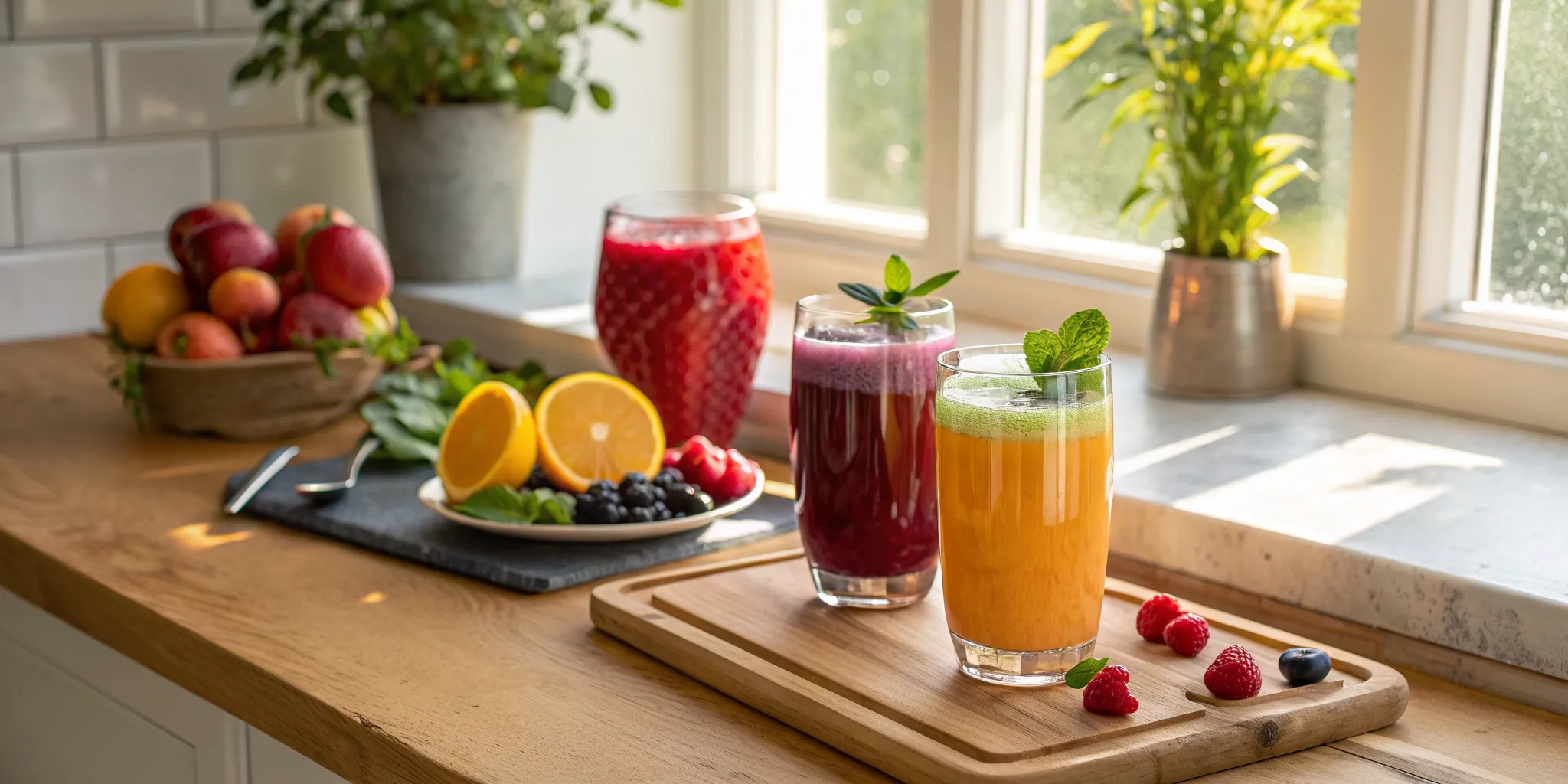
When you decide to cut back on alcohol, the question of "what to drink instead?" comes up fast. Water is great, but sometimes you want something with a bit more flavor and flair—something that feels like a treat. This is where functional beverages come in. These drinks are designed with a purpose, offering everything from a calming effect with adaptogens to a gut-health assist from probiotics. They present an exciting world of non-alcoholic options that can actually support your well-being. But not all of these drinks are created equal. Many hide sugars or make claims that aren't backed by science. To make a truly mindful choice, you need to know what to look for. Here, we’ll break down the different types, decode the labels, and help you find a delicious, healthy swap that fits perfectly into your new routine.
Key Takeaways
- Drink with Intention: Before you buy, ask what you want the drink to do for you. Whether you’re looking for better focus or a way to unwind, this helps you choose beverages with ingredients that actually match your wellness goals.
- Read Past the Hype: The real story is on the back of the bottle, not the front. Make it a habit to check the ingredient list for added sugars and artificial additives to ensure your "healthy" drink isn't working against you.
- Treat Them as a Complement, Not a Cure: These drinks are best used to support an already healthy lifestyle. They can add value to your routine, but they won't replace the benefits of a balanced diet, regular exercise, and good sleep.
So, What Exactly Are Functional Beverages?
Walk down any grocery store aisle, and you'll see them: brightly colored bottles promising better focus, a happier gut, or a burst of energy. These are functional beverages, and they’ve become incredibly popular. But what are they, really? Simply put, they’re drinks designed to do more than just quench your thirst. They’re crafted with extra good-for-you ingredients like vitamins, minerals, and antioxidants, with the goal of supporting your body’s functions or helping you feel your best.
Think of them as drinks with a purpose. While water hydrates and juice provides basic nutrients, a functional beverage aims to give you something extra, whether that’s a sense of calm from adaptogens or a digestive assist from probiotics. They’re an appealing option, especially when you’re looking for healthier alternatives to alcohol or sugary sodas. The idea is to sip on something that not only tastes good but also contributes to your overall wellness goals. But as with any trend, it’s smart to look past the flashy labels and understand what you’re actually drinking. It's about making an informed choice that truly aligns with your health journey, not just grabbing the bottle with the most convincing claims. Being mindful about what we consume is a huge step, and that includes these new-age drinks.
What's Inside Them?
So, what gives these drinks their "function"? It all comes down to the ingredients. You'll often find a blend of familiar and not-so-familiar components. Common additions include vitamins and minerals (like Vitamin C or zinc), antioxidants to help protect your cells, and dietary fibers for digestive health. Many also feature probiotics and prebiotics to support a healthy gut microbiome. Some drinks might contain omega-3 fatty acids, amino acids for muscle recovery, or natural stimulants like green tea extract. The goal of these ingredients is to provide a specific benefit, turning a simple drink into a tool for your well-being.
Functional vs. Regular Drinks: What's the Difference?
The main difference between a functional beverage and a regular one is the marketing. A functional beverage is sold on the promise of a specific health benefit beyond basic nutrition. This category includes everything from sports drinks and kombucha to fortified juices and enhanced waters. While a standard orange juice gives you vitamin C, a functional orange juice might have added calcium and vitamin D for bone health. It’s important to remember, though, that while these drinks can be hydrating, the health claims on the bottle aren't always backed by solid scientific proof. A critical eye is your best friend here.
Let's Bust a Few Myths
It’s easy to think of functional drinks as a shortcut to perfect health, but let's clear a few things up. First, many of these beverages are loaded with sugar to make them taste better, which can contribute to the very health issues you might be trying to avoid. Always check the label for added sugars. Second, while they can be a nice addition to a healthy lifestyle, these drinks won't solve all your health problems on their own. Think of them as a supplement to a balanced diet, regular exercise, and good sleep—not a replacement for them. They can be part of your wellness toolkit, but they aren’t a magic wand.
Exploring the World of Functional Drinks
Once you start looking, you'll see functional beverages everywhere, organized by the very benefits they promise. From giving you a jolt of energy to helping you unwind after a long day, there’s a drink designed for nearly every wellness goal. Think of this as your roadmap to the different categories you’ll find on the shelf, helping you match a drink to what your body and mind are asking for.
For Energy and Performance
We’ve all been there: that 3 p.m. slump hits, or you need a little something extra to get you through a workout. This is where energy and performance drinks come in. They’re one of the most popular types of functional beverages, often formulated with ingredients like B vitamins, caffeine, and electrolytes to give you a lift. Unlike traditional sugary sodas, these drinks are designed to support physical activity and mental alertness. Ready-to-drink sports beverages, for example, are made to help you replenish electrolytes lost through sweat, helping your muscles function at their best. They can be a great tool when you need a temporary, non-alcoholic boost to power through your day.
For a Happy Gut
Gut health has become a major focus in wellness, and for good reason. A healthy digestive system is linked to everything from your mood to your immune system. Functional drinks aimed at gut support are packed with ingredients that help your microbiome thrive. You’ve probably seen kombucha, a fizzy, fermented tea, which is a fantastic source of probiotics. These are the “good” bacteria that support healthy digestion and can help reduce issues like bloating. Sipping on a probiotic-rich drink is a simple and tasty way to give your gut a little extra love, making it a great alternative to an alcoholic beverage when you’re craving something bubbly and complex.
For Hydration and Immunity
While plain water is always the best choice for basic hydration, some functional drinks take it a step further by adding ingredients to support your immune system. Think of them as hydration with a helping hand. These beverages are often enhanced with electrolytes to help your body absorb water more efficiently, along with key vitamins and minerals. You’ll commonly find ingredients like Vitamin C, Vitamin D, and zinc, all of which play a vital role in keeping your immune system strong and ready to defend against germs. They’re perfect for when you’re feeling a bit run down or just want to be proactive about your health.
For Focus and Brain Health
If you’re looking for mental clarity without the jitters of a triple-shot espresso, drinks for focus and brain health are worth exploring. This category often features nootropics and adaptogens—ingredients that support cognitive function. You might see things like L-theanine (an amino acid found in green tea known for promoting calm alertness), lion’s mane mushroom, and ashwagandha on the label. These drinks are designed to help you clear away brain fog, sharpen your concentration, and stay on task. They offer a way to support your brain health and can be a productive swap for an alcoholic drink you might have used to “switch gears” after work.
For Calm and Stress Relief
Let’s be honest, modern life can be stressful. Instead of reaching for a glass of wine to unwind, you can find functional beverages specifically designed to promote relaxation. These drinks use calming ingredients and adaptogens to help your body manage stress more effectively. Adaptogen-infused teas with herbs like ashwagandha can help regulate your body’s stress response over time. Other common ingredients include magnesium, which can have a relaxing effect on the nervous system, and L-theanine. Creating a new evening ritual with a warm, calming beverage can be a powerful and healthy way to signal to your body that it’s time to de-stress and prepare for a restful night.
The Real Benefits (and Risks)
Functional beverages are marketed as a simple way to get an extra wellness kick, but it’s smart to look past the flashy labels and understand what you’re really drinking. While some drinks offer genuine benefits, others might not live up to the hype. Let’s break down what the science says, where the claims get a little fuzzy, and what you need to watch out for.
What the Science Actually Says
At their core, functional beverages are drinks designed to do more than just quench your thirst. They’re infused with added ingredients like vitamins, minerals, antioxidants, and probiotics. The idea is that these additions can support specific health goals. For example, some drinks aim to improve your gut health, while others are formulated to support your immune system, help with digestion, or sharpen your mental focus. When you see a drink with added vitamin C for immunity or chamomile for calm, you’re looking at a functional beverage. These ingredients are often chosen because they have known benefits, giving these drinks their “functional” purpose.
Where the Jury's Still Out
Here’s where things get tricky. While an ingredient like turmeric is known for its anti-inflammatory properties, there isn’t always strong scientific evidence that the small amount in a bottled drink will deliver the health benefits it claims. Many of these drinks are also loaded with sugar or artificial sweeteners to make them taste good. Health experts often point out that high sugar consumption is linked to health issues, which can counteract any potential benefits from the added "functional" ingredients. So, even if a drink hydrates you, it’s important to question whether it’s truly a healthier choice.
Know the Potential Side Effects
It’s easy to assume that anything labeled "healthy" is risk-free, but that’s not always the case. The biggest watch-outs in functional drinks are often high levels of sugar and caffeine. Too much of either can lead to energy crashes, jitters, or disrupted sleep. Another risk is that these beverages might take the place of genuinely nutritious foods. Grabbing a "vitamin-infused" drink is not the same as eating a piece of fruit, which provides fiber and a wider range of nutrients. Always read the product labels carefully to see exactly what you’re consuming beyond the marketing claims.
A Quick Word on Medication Interactions
Before you make any new functional drink a regular part of your routine, it’s always a smart move to check in with your doctor. This is especially important if you have any health conditions or are taking medication. Some herbs, vitamins, and other active ingredients can interact with prescriptions in unexpected ways. Your doctor can help you understand if a particular drink fits into your overall health plan and ensure it won’t interfere with your wellness goals. For general questions, you can also check out our FAQ page for more information on building healthy habits.
How to Read the Label Like an Expert
Walking down the beverage aisle can feel overwhelming with all the flashy labels and bold claims. But once you know what to look for, you can easily cut through the noise and find the drinks that actually support your wellness goals. Think of it as becoming your own health detective — it’s empowering to know exactly what you’re putting into your body. Reading a label isn’t about memorizing every ingredient; it’s about recognizing patterns and spotting a few key things that signal whether a drink is a good choice for you. Let’s break down how to do it.
Spotting Natural vs. Artificial Ingredients
First, let’s talk about what’s inside. The best functional beverages tend to have a simple, recognizable ingredient list. Look for natural ingredients like herbs, fruit extracts, mushrooms, electrolytes, vitamins, and minerals. If the list reads like a chemistry textbook, it might be a sign that the drink is highly processed. A good rule of thumb is to look for ingredients you can actually picture in their natural state. While not always possible, a shorter ingredient list is often a positive sign. It usually means the drink is less reliant on artificial flavors, colors, and preservatives to taste good and stay shelf-stable.
Decoding the Key Ingredients
Functional drinks are defined by their beneficial ingredients, so it helps to know the major players. You’ll often see vitamins and minerals, which are essential for overall health. Antioxidants are another common addition, helping to protect your body’s cells from damage. Many drinks focus on gut health by including dietary fibers, prebiotics, and probiotics, which are the good bacteria that support your digestive system. You might also find amino acids for muscle recovery, omega-3s for brain health, or adaptogens like ashwagandha for stress relief. Don’t feel like you need to be an expert on all of them — just focus on finding drinks with ingredients that align with your personal health goals.
Signs of a High-Quality Drink
A high-quality functional beverage does more than just pack in the good stuff; it also leaves out the bad. One of the biggest things to check for is added sugar. A little bit is okay, but many drinks are loaded with excessive added sugars, which can counteract any potential health benefits. Check the “Added Sugars” line on the Nutrition Facts panel. Also, look for drinks that use real fruit or natural, low-calorie sweeteners like stevia or monk fruit instead. This practice of paying close attention to what you consume is a core part of mindful drinking, and it applies to every beverage you choose, not just alcohol.
Red Flags to Watch For on the Label
Be wary of drinks that make dramatic, cure-all claims on the front of the bottle. If a beverage promises to solve all your problems in one sip, it’s probably too good to be true. Turn the bottle around and look for red flags in the ingredient list. High-fructose corn syrup, artificial colors like Red 40 or Yellow 5, and artificial sweeteners like aspartame or sucralose are often signs of a lower-quality product. Also, check the dosage of the active ingredients. Some brands engage in “fairy dusting,” where they add a tiny, ineffective amount of a trendy ingredient just so they can put it on the label.
Find the Right Functional Drink for You
With so many options on the shelves, choosing the right functional beverage can feel overwhelming. The key is to connect your choice to your personal wellness goals and make sure it fits your lifestyle. Here’s how to find the perfect drink for you.
Match a Drink to Your Wellness Goals
The best way to start is by asking yourself: What am I trying to achieve? Functional beverages are designed with specific outcomes in mind, thanks to added ingredients like vitamins, herbs, and probiotics. If you’re looking for sustained energy without the jitters, a drink with L-theanine and a moderate amount of natural caffeine might be a great fit. For better digestion, look for options with probiotics or prebiotics. If stress relief is your priority, ingredients like ashwagandha, chamomile, or magnesium could be what you need. Thinking about your goals first helps you cut through the noise and focus on what will actually support your journey toward mindful drinking and overall health.
Is It Worth the Price Tag?
Let’s be honest: functional drinks often come with a higher price tag than your average beverage. Whether they’re worth the cost is a personal decision. Think about what you’re getting in return for the extra expense. If a drink helps you wind down in the evening without alcohol or gives you the focus you need to get through a tough afternoon, you might find the value is there. It can be helpful to consider it a trade-off. If you’re spending less on other things, like daily coffee shop runs or alcoholic drinks, you might have more room in your budget. You can use an alcohol spend calculator to see how your savings add up.
How to Store Them for Best Results
You’ve picked out your drink—now make sure you’re getting the most out of it. Because these beverages contain active ingredients, proper storage is essential for preserving their potency. Some ingredients, like live probiotics, are sensitive to heat and light and require refrigeration. Others, like certain vitamins, can degrade over time if left in a warm spot. Always check the label for storage instructions. As a general rule, it’s best to keep them in a cool, dark place like a pantry or fridge and away from direct sunlight. Pay attention to the expiration date, too. Storing your drinks correctly ensures you’re getting the benefits you paid for.
How Much Is Too Much? A Guide to Intake
While functional beverages can be a great addition to your routine, more isn’t always better. It’s important to remember that they are meant to supplement a healthy lifestyle, not replace whole foods and a balanced diet. Always read the label for the recommended serving size and stick to it. Some vitamins and minerals can cause issues if you consume too much, and certain herbal ingredients can have strong effects in high doses. When trying something new, start with a small amount to see how your body reacts. By using dietary supplements wisely, including those in functional drinks, you can safely incorporate them into your wellness plan without overdoing it.
What's New and Next in Functional Beverages
The world of functional beverages is always changing, with new ideas and ingredients popping up all the time. It’s exciting, but it can also be a lot to keep up with. Staying aware of the latest trends can help you understand what’s driving the market and what you can expect to see on shelves. From a bigger focus on overall well-being to a demand for cleaner ingredients, here’s a look at what’s shaping the future of these drinks.
The Shift Toward Total Wellness
More than ever, people are looking for simple ways to support their health. This isn't just about hitting the gym or eating a salad; it's about a holistic approach to feeling good. Functional beverages fit right into this mindset. Consumers are increasingly seeking out drinks that do more than just hydrate—they want sips that can help them manage stress, improve focus, or support their immune system. This shift means people are often willing to spend a bit more on a functional beverage that offers a specific health benefit, seeing it as an investment in their daily well-being.
The Rise of "Clean" Labels
Walk down the drink aisle, and you'll notice a trend: simple, easy-to-read ingredient lists are in. The demand for "clean" labels is growing fast, as people are paying closer attention to what they put in their bodies. This means drinks with low sugar, no artificial additives, and recognizable ingredients like herbs and electrolytes are becoming the new standard. This move toward transparency has seen tremendous growth in recent years, with shoppers actively choosing drinks that feel more natural and less processed. It’s all about getting the good stuff without the unnecessary extras.
A Focus on Sustainability
As we become more conscious of our health, many of us are also thinking more about the health of the planet. This awareness is pushing brands to be more sustainable. Companies are not only creating new and improved formulas but also rethinking their packaging and sourcing. You might see more drinks in recyclable aluminum cans or glass bottles instead of plastic. Brands are also highlighting ethically sourced ingredients and more eco-friendly production methods. This focus on sustainability is becoming a key factor for many people when they decide which products to support.
New Ingredients to Watch
The ingredients list is where the magic happens, and new ones are constantly taking the spotlight. You’ll see a lot of drinks fortified with vitamins and minerals, especially things like vitamin B12 for energy. Plant-based proteins are also making a big splash, offering a dairy-free way to feel full and support muscle health. But the real stars of the show are adaptogens—herbs like ashwagandha and rhodiola that are thought to help the body manage stress. These key ingredients are at the forefront of what’s new, promising benefits that go beyond basic nutrition.
Where the Market Is Heading
So, is this just a passing trend? All signs point to no. The functional beverage market is not only huge, but it's also set to keep growing significantly over the next few years. This growth is great news for you as a consumer. It means more competition, which often leads to better products, more innovation, and a wider variety of options to choose from. As companies continue to develop drinks that meet our evolving health needs, you can expect to see even more creative and targeted formulas hitting the shelves.
Your Smart Shopping Checklist
Walking down the beverage aisle can feel like a pop quiz you didn't study for. With so many drinks promising everything from a calmer mind to a stronger immune system, it’s tough to know what’s actually worth your money. The good news is, you don’t need a nutrition degree to make smart choices. It all comes down to looking past the flashy labels and knowing what to look for.
Think of this as your personal guide to cutting through the noise. When you’re trying to build healthier habits, every choice matters—including what you sip on. Whether you’re looking for an alternative to your usual soda or a non-alcoholic option that still feels special, this checklist will help you pick a functional beverage with confidence. Let’s get you ready to read those labels like a pro and find drinks that truly support your wellness goals.
See Past the Marketing Hype
First things first: a healthy dose of skepticism is your best friend. Brands are experts at using buzzwords like “natural,” “revitalizing,” and “balancing” to make their products sound like a miracle in a bottle. While some functional beverages do contain beneficial ingredients, many of their boldest health claims aren't backed by strong scientific evidence. For example, while kombucha is a popular choice, there’s little proof it directly improves human health. Many of these drinks are also loaded with sugar, which can work against your health goals. Always question the hype and let the ingredient list—not the marketing claims—be your guide.
How to Make a Confident Choice
Ready to feel more in control? Start by flipping the bottle over and reading the nutrition label and ingredient list. Look for recognizable, high-quality ingredients and be wary of added sugars, artificial sweeteners, and long lists of chemicals you can’t pronounce. It’s also helpful to know that in the U.S., there isn't an official regulatory category for "functional" drinks. This means companies can’t claim their products treat or prevent disease, but the language they use can still be misleading. Ultimately, the best functional beverages are those that add to your already healthy lifestyle, not those that promise to replace it. Making a mindful drinking choice is about being aware of what you’re consuming and why.
Drink Smart: A Guide to Safe Sipping
Functional beverages can be a fun and tasty way to add a little something extra to your wellness routine. But just like with any food or drink, being a smart consumer is key. It’s easy to get swept up by flashy labels and big promises, so let’s talk about how to sip safely. This means understanding what’s actually in your drink, knowing when to be cautious, and remembering a few simple precautions. Think of it as mindful drinking, but for your morning kombucha or post-workout recovery drink. By being informed, you can make sure the drinks you choose are truly supporting your health goals, not accidentally working against them.
Follow Recommended Guidelines
It’s helpful to know that in the U.S., there isn't an official regulatory category for "functional beverages." The FDA treats them like any other food or drink. This means companies can make certain claims about how an ingredient affects your body's structure or function—like "calcium builds strong bones"—but they can't say their drink will treat or prevent a disease. So, if you see a beverage promising to cure your anxiety or prevent colds, that's a major red flag. Always approach these claims with a healthy dose of skepticism and remember that these drinks are meant to supplement a healthy lifestyle, not act as a replacement for medicine or a balanced diet. You can learn more about these structure/function claims directly from the FDA.
Who Should Be Cautious?
While many functional drinks are perfectly fine, some people should be extra careful. A big thing to watch out for is sugar content. Many of these beverages are packed with added sugars, which can counteract any potential benefits. Consuming too many sugary drinks is linked to health issues like weight gain and heart disease over time. Additionally, many energy-focused drinks contain high levels of caffeine, which may not be suitable for children, pregnant or breastfeeding individuals, or anyone sensitive to its effects. If you have any underlying health conditions or are taking medication, it's always a smart move to chat with your doctor before adding a new supplement-heavy drink to your daily routine.
Key Safety Precautions to Keep in Mind
Your best tool for making a smart choice is the ingredient list and nutrition label. Make it a habit to read it before you buy. Look past the marketing on the front and check the actual ingredients on the back. Some drinks contain ingredients like taurine or ginseng that sound impressive but may not be added in amounts that provide a real health benefit. It’s also important to keep your expectations realistic. While a drink with probiotics can support your gut health, it won't magically solve all your digestive issues on its own. Think of functional beverages as a complement to your overall wellness efforts—like eating nutritious food and getting enough sleep—not a shortcut to perfect health.
How to Add Functional Drinks to Your Routine
So, you've decided to give functional drinks a try. That's great! They can be a fantastic way to support your wellness goals, especially when you’re looking for healthier alternatives to alcohol. But adding them to your routine thoughtfully is key to actually getting the benefits you’re looking for. It’s not about swapping one habit for another without intention; it’s about making conscious choices that serve your body and mind.
The goal is to integrate these beverages in a way that feels supportive, not stressful. Think of it as an extension of mindful drinking—paying attention to what you’re consuming and why. Instead of grabbing a drink out of habit, you’re choosing one for a specific purpose, whether that’s to wind down after a long day or get a little focus boost before a big task. This approach helps you build a sustainable, healthy relationship with what you drink.
Find a Healthy, Balanced Approach
Before you stock your fridge with every adaptogenic, nootropic, and probiotic drink on the market, take a step back. A balanced approach starts with identifying what you actually need. Are you looking for better sleep? A little more energy in the afternoon? Or maybe something to support your digestion? Pinpoint one or two goals first. Functional beverages are designed to offer specific health benefits because they contain added ingredients like vitamins, minerals, or herbs. By focusing on a specific need, you can choose a drink with ingredients that are actually relevant to you, rather than just grabbing what’s trendy. Start small, maybe with one drink a day or a few times a week, and see how you feel.
Use Drinks to Complement, Not Replace
Let’s be clear: a can of kombucha can’t replace a balanced meal, and a calming herbal tea won’t undo the effects of chronic stress. It’s important to remember that functional beverages should add to a healthy lifestyle, not stand in for one. Think of them as a helpful sidekick, not the main hero of your wellness story. Your foundation should always be a nutritious diet, regular movement, good sleep, and plenty of plain old water. These drinks are here to complement those efforts. For example, if you’re already eating fiber-rich foods, a probiotic soda can give your gut a little extra support. But it won’t do much if the rest of your diet is lacking.
Set Realistic Expectations for Results
While many functional drinks can offer a nice lift, it’s wise to keep your expectations in check. The marketing claims on these products are often bold, but the science behind them can be mixed. Some ingredients are well-researched, while for others, the jury is still out. In fact, for many drinks, there's no solid scientific evidence that they deliver all the health benefits they claim. So, view them as a small, supportive part of your routine rather than a magic bullet. If a calming drink helps you create a relaxing evening ritual, that’s a wonderful benefit in itself, regardless of whether its ingredients have a measurable effect on your stress levels. Focus on how they fit into your overall well-being, not on expecting miraculous results.
Related Articles
Frequently Asked Questions
Are functional beverages just expensive, sugary drinks in disguise? Some of them absolutely are, which is why reading the label is so important. A quality functional beverage will have a short, recognizable ingredient list and be low in added sugar. If the first few ingredients are sugar, high-fructose corn syrup, or artificial sweeteners, you’re likely looking at a product that offers more hype than health. The goal is to find a drink that adds something beneficial to your day, not one that just gives you a sugar crash.
How do I know if a functional drink is actually working for me? The effects can be subtle, so it’s less about looking for a dramatic change and more about noticing small shifts. For example, if you’re trying a drink for focus, you might notice you feel a bit more clear-headed during your afternoon work session. If you’re sipping a calming tea in the evening, the benefit might simply be the relaxing ritual you create around it. Pay attention to how your body feels, but remember these drinks are supplements to a healthy lifestyle, not a quick fix.
Can I drink these every day? It really depends on the drink and its ingredients. For something like a low-sugar kombucha or an herbal tea, daily consumption is generally fine for most people. However, for drinks high in caffeine or with potent herbs and adaptogens, moderation is key. A good approach is to treat them as a tool you use when you need them, rather than a replacement for water. Always stick to the recommended serving size on the bottle.
If I only look at one thing on the label, what should it be? Check the "Added Sugars" line on the Nutrition Facts panel. This is the quickest way to tell if a drink is truly a healthier choice. Many beverages that are marketed as healthy are loaded with sugar, which can counteract any of the benefits from the added vitamins or herbs. Keeping your added sugar intake low is one of the best things you can do for your overall health.
Are these a good substitute for an alcoholic drink? They can be a fantastic alternative. Choosing a functional beverage instead of an alcoholic one gives you a way to unwind or socialize with a complex, flavorful drink that also supports your well-being. An adaptogenic drink can help you de-stress after work, while a bubbly kombucha can feel just as celebratory as a cocktail. It’s a great way to practice mindful drinking by making a conscious choice that aligns with your health goals.