

Cognitive Behavioral Therapy (CBT) offers powerful techniques to change thought patterns contributing to excessive drinking, helping individuals identify triggers, reframe negative thoughts, and develop healthier coping strategies.

Although it isn’t a treatment for alcohol use disorder (AUD), the Reframe app can help you cut back on drinking gradually, with science-backed knowledge to empower you 100% of the way. Our proven program has helped millions of people worldwide drink less and live more. And we want to help you get there, too!
The Reframe app equips you with the knowledge and skills you need to not only survive drinking less, but to thrive while you navigate the journey. Our daily research-backed readings teach you the neuroscience of alcohol, and our in-app Toolkit provides the resources and activities you need to navigate each challenge.
You’ll meet hundreds of fellow Reframers in our 24/7 Forum chat and daily Zoom check-in meetings. Receive encouragement from people worldwide who know exactly what you’re going through! You’ll also have the opportunity to connect with our licensed Reframe coaches for more personalized guidance.
Plus, we’re always introducing new features to optimize your in-app experience. We recently launched our in-app chatbot, Melody, powered by the world’s most powerful AI technology. Melody is here to help as you adjust to a life with less (or no) alcohol.
And that’s not all! Every month, we launch fun challenges, like Dry/Damp January, Mental Health May, and Outdoorsy June. You won’t want to miss out on the chance to participate alongside fellow Reframers (or solo if that’s more your thing!).
The Reframe app is free for 7 days, so you don’t have anything to lose by trying it. Are you ready to feel empowered and discover life beyond alcohol? Then download our app through the App Store or Google Play today!
Reducing alcohol consumption is more than just a physical process; it's a comprehensive psychological and emotional journey. The road to healthier drinking habits often involves confronting deep-seated thoughts, emotions, and behaviors that contribute to excessive drinking. Cognitive Behavioral Therapy (CBT) offers a structured approach to identifying and modifying these thought patterns, making it a powerful tool in the fight against excessive alcohol consumption.

Cognitive Behavioral Therapy (CBT) is a form of psychotherapy that focuses on identifying and altering negative thought patterns and behaviors. CBT operates on the premise that our thoughts, feelings, and behaviors are interconnected and that changing negative thought patterns can lead to changes in feelings and behaviors.
CBT is particularly effective for substance abuse, including excessive drinking, as it helps individuals understand the underlying cognitive and emotional triggers that lead to alcohol consumption. By reframing these thoughts, individuals can develop healthier coping mechanisms and reduce their reliance on alcohol.
1. Recognizing Triggers:
The first step in applying CBT to reduce alcohol consumption is identifying triggers. Triggers are situations, people, or emotions that prompt the desire to drink. They can be external (e.g., social gatherings, certain places) or internal (e.g., stress, anxiety). Learn more about identifying triggers.
2. Noting Automatic Thoughts:
Once triggers are identified, the next step is recognizing automatic thoughts. Automatic thoughts are the immediate, often irrational responses that occur in response to a trigger. For example, a stressful day at work may automatically lead to the thought, "I need a drink to relax." These thoughts can perpetuate the cycle of excessive drinking if left unchecked.

1. Questioning the Evidence:
CBT encourages individuals to challenge the evidence supporting their automatic thoughts. For instance, if the automatic thought is, "I need a drink to relax," ask yourself, "Is there evidence that I can't relax without alcohol? What other activities help me unwind?" This process helps to debunk irrational beliefs and replace them with more balanced perspectives. Explore how CBT helps with alcohol misuse.
2. Exploring Alternative Thoughts:
Once automatic thoughts are challenged, the next step is generating alternative, healthier thoughts. For example, instead of thinking, "I need alcohol to cope with stress," one might think, "I can manage stress through exercise, meditation, or talking to a friend." These alternative thoughts can reduce the compulsion to drink and promote healthier coping mechanisms.
1. Building a Support System:
Reducing alcohol consumption is a significant lifestyle change that benefits from a strong support system. Friends, family, and support groups like Alcoholics Anonymous can provide encouragement, accountability, and understanding during this journey. Learn how to help an alcoholic on the path to recovery.
2. Engaging in Positive Activities:
Engaging in activities that bring joy and relaxation can replace the time and energy previously spent on drinking. Hobbies, exercise, mindfulness practices, and creative pursuits can offer healthy alternatives to alcohol. Discover stress management activities that don't involve alcohol.
3. Practicing Stress Management:
Stress is a common trigger for excessive drinking. Learning and practicing stress management techniques, such as deep breathing exercises, progressive muscle relaxation, or yoga, can reduce the reliance on alcohol to cope with stress. Find ways to cope with stress without alcohol.

1. Keeping a Drinking Diary:
A drinking diary can help monitor alcohol consumption and identify patterns. This tool can provide insights into when and why one drinks, helping to develop strategies to manage these situations better. Learn how to track your drinking with the Reframe app.
2. Setting Realistic Goals:
Setting small, achievable goals can make the process of reducing alcohol consumption less overwhelming. Goals could include limiting the number of drinks per week, having alcohol-free days, or finding new ways to cope with stress. Explore small steps to help you change your drinking habits.
3. Celebrating Successes:
Celebrating achievements, no matter how small, can provide motivation and reinforce positive behavior changes. Recognizing progress helps to build confidence and maintain momentum in the journey toward healthier drinking habits.
1. Recognizing Warning Signs:
Relapse is a common part of the journey to reduce alcohol consumption and does not signify failure. Recognizing early warning signs, such as increased cravings or returning to old habits, can help preemptively address these issues before they lead to full relapse. Understand what relapse is and how to prevent it.
2. Developing a Relapse Prevention Plan:
Creating a relapse prevention plan involves identifying high-risk situations and developing strategies to navigate them. This plan might include having a list of people to call, engaging in alternative activities, or practicing stress-reduction techniques. Learn how to create a successful prevention plan.
3. Learning from Setbacks:
If a relapse occurs, it's essential to view it as a learning experience rather than a failure. Understanding what triggered the relapse and how it was handled can provide valuable insights and help refine strategies to prevent future occurrences.

1. Practicing Kindness Toward Oneself:
Reducing alcohol consumption is a challenging process that requires self-compassion. Being kind to oneself, especially during setbacks, fosters resilience and encourages continued effort. Criticism and self-judgment can be counterproductive, leading to feelings of shame and discouragement.
2. Embracing the Journey:
The emotional and psychological journey of reducing alcohol consumption is filled with ups and downs. Embracing the journey, with its successes and setbacks, and recognizing personal growth and resilience can be empowering.
Applying cognitive behavioral techniques to change thought patterns that lead to excessive drinking is a transformative process. By identifying triggers, challenging negative thoughts, developing healthy coping strategies, and practicing self-compassion, individuals can embark on a psychological and emotional journey toward healthier drinking habits. Success in this journey not only leads to physical health benefits but also fosters emotional well-being and personal growth. As with any significant lifestyle change, patience, persistence, and support are key elements to achieving lasting success.
Reducing alcohol consumption is more than just a physical process; it's a comprehensive psychological and emotional journey. The road to healthier drinking habits often involves confronting deep-seated thoughts, emotions, and behaviors that contribute to excessive drinking. Cognitive Behavioral Therapy (CBT) offers a structured approach to identifying and modifying these thought patterns, making it a powerful tool in the fight against excessive alcohol consumption.
Cognitive Behavioral Therapy (CBT) is a form of psychotherapy that focuses on identifying and altering negative thought patterns and behaviors. CBT operates on the premise that our thoughts, feelings, and behaviors are interconnected and that changing negative thought patterns can lead to changes in feelings and behaviors.
CBT is particularly effective for substance abuse, including excessive drinking, as it helps individuals understand the underlying cognitive and emotional triggers that lead to alcohol consumption. By reframing these thoughts, individuals can develop healthier coping mechanisms and reduce their reliance on alcohol.
1. Recognizing Triggers:
The first step in applying CBT to reduce alcohol consumption is identifying triggers. Triggers are situations, people, or emotions that prompt the desire to drink. They can be external (e.g., social gatherings, certain places) or internal (e.g., stress, anxiety). Learn more about identifying triggers.
2. Noting Automatic Thoughts:
Once triggers are identified, the next step is recognizing automatic thoughts. Automatic thoughts are the immediate, often irrational responses that occur in response to a trigger. For example, a stressful day at work may automatically lead to the thought, "I need a drink to relax." These thoughts can perpetuate the cycle of excessive drinking if left unchecked.
1. Questioning the Evidence:
CBT encourages individuals to challenge the evidence supporting their automatic thoughts. For instance, if the automatic thought is, "I need a drink to relax," ask yourself, "Is there evidence that I can't relax without alcohol? What other activities help me unwind?" This process helps to debunk irrational beliefs and replace them with more balanced perspectives. Explore how CBT helps with alcohol misuse.
2. Exploring Alternative Thoughts:
Once automatic thoughts are challenged, the next step is generating alternative, healthier thoughts. For example, instead of thinking, "I need alcohol to cope with stress," one might think, "I can manage stress through exercise, meditation, or talking to a friend." These alternative thoughts can reduce the compulsion to drink and promote healthier coping mechanisms.
1. Building a Support System:
Reducing alcohol consumption is a significant lifestyle change that benefits from a strong support system. Friends, family, and support groups like Alcoholics Anonymous can provide encouragement, accountability, and understanding during this journey. Learn how to help an alcoholic on the path to recovery.
2. Engaging in Positive Activities:
Engaging in activities that bring joy and relaxation can replace the time and energy previously spent on drinking. Hobbies, exercise, mindfulness practices, and creative pursuits can offer healthy alternatives to alcohol. Discover stress management activities that don't involve alcohol.
3. Practicing Stress Management:
Stress is a common trigger for excessive drinking. Learning and practicing stress management techniques, such as deep breathing exercises, progressive muscle relaxation, or yoga, can reduce the reliance on alcohol to cope with stress. Find ways to cope with stress without alcohol.
1. Keeping a Drinking Diary:
A drinking diary can help monitor alcohol consumption and identify patterns. This tool can provide insights into when and why one drinks, helping to develop strategies to manage these situations better. Learn how to track your drinking with the Reframe app.
2. Setting Realistic Goals:
Setting small, achievable goals can make the process of reducing alcohol consumption less overwhelming. Goals could include limiting the number of drinks per week, having alcohol-free days, or finding new ways to cope with stress. Explore small steps to help you change your drinking habits.
3. Celebrating Successes:
Celebrating achievements, no matter how small, can provide motivation and reinforce positive behavior changes. Recognizing progress helps to build confidence and maintain momentum in the journey toward healthier drinking habits.
1. Recognizing Warning Signs:
Relapse is a common part of the journey to reduce alcohol consumption and does not signify failure. Recognizing early warning signs, such as increased cravings or returning to old habits, can help preemptively address these issues before they lead to full relapse. Understand what relapse is and how to prevent it.
2. Developing a Relapse Prevention Plan:
Creating a relapse prevention plan involves identifying high-risk situations and developing strategies to navigate them. This plan might include having a list of people to call, engaging in alternative activities, or practicing stress-reduction techniques. Learn how to create a successful prevention plan.
3. Learning from Setbacks:
If a relapse occurs, it's essential to view it as a learning experience rather than a failure. Understanding what triggered the relapse and how it was handled can provide valuable insights and help refine strategies to prevent future occurrences.
1. Practicing Kindness Toward Oneself:
Reducing alcohol consumption is a challenging process that requires self-compassion. Being kind to oneself, especially during setbacks, fosters resilience and encourages continued effort. Criticism and self-judgment can be counterproductive, leading to feelings of shame and discouragement.
2. Embracing the Journey:
The emotional and psychological journey of reducing alcohol consumption is filled with ups and downs. Embracing the journey, with its successes and setbacks, and recognizing personal growth and resilience can be empowering.
Applying cognitive behavioral techniques to change thought patterns that lead to excessive drinking is a transformative process. By identifying triggers, challenging negative thoughts, developing healthy coping strategies, and practicing self-compassion, individuals can embark on a psychological and emotional journey toward healthier drinking habits. Success in this journey not only leads to physical health benefits but also fosters emotional well-being and personal growth. As with any significant lifestyle change, patience, persistence, and support are key elements to achieving lasting success.

Discover effective stress management techniques that don't involve alcohol. Learn about deep breathing, meditation, physical activity, and more to manage stress healthily and sustainably.
Although it isn’t a treatment for alcohol use disorder (AUD), the Reframe app can help you cut back on drinking gradually with the science-backed knowledge to empower you 100% of the way. Our proven program has helped millions of people around the world drink less and live more. And we want to help you get there, too!
The Reframe app equips you with the knowledge and skills you need to not only survive drinking less, but to thrive while you navigate the journey. Our daily research-backed readings teach you the neuroscience of alcohol, and our in-app Toolkit provides the resources and activities you need to navigate each challenge.
You’ll meet millions of fellow Reframers in our 24/7 Forum chat and daily Zoom check-in meetings. Receive encouragement from people worldwide who know exactly what you’re going through! You’ll also have the opportunity to connect with our licensed Reframe coaches for more personalized guidance.
Plus, we’re always introducing new features to optimize your in-app experience. We recently launched our in-app chatbot, Melody, powered by the world’s most powerful AI technology. Melody is here to help as you adjust to a life with less (or no) alcohol.
And that’s not all! Every month, we launch fun challenges, like Dry/Damp January, Mental Health May, and Outdoorsy June. You won’t want to miss out on the chance to participate alongside fellow Reframers (or solo if that’s more your thing!).
The Reframe app is free for 7 days, so you don’t have anything to lose by trying it. Are you ready to feel empowered and discover life beyond alcohol? Then download our app through the App Store or Google Play today!
In the fast-paced modern world, stress has become a prevalent part of our daily lives. Many people turn to alcohol as a quick fix to alleviate stress, but this can lead to unhealthy habits and long-term consequences. Fortunately, there are numerous effective stress management techniques that do not involve alcohol. In this article, we will explore various strategies to help you manage stress in healthier ways.
It's common to feel the urge to drink after a stressful day. Consuming alcohol may initially feel like a great stress-reliever, making you feel relaxed and even euphoric. However, this relaxation is short-lived, and relying on alcohol to relieve stress can become counterproductive in the long run. Alcohol can actually amplify stress and anxiety, leading to a vicious cycle of dependence and increased stress levels.
Deep breathing is a simple yet powerful technique to manage stress. It involves taking slow, deep breaths, which helps to increase the supply of oxygen to your brain and stimulate the parasympathetic nervous system, promoting relaxation. Practicing deep breathing regularly can significantly reduce stress and improve overall mental well-being.
Meditation is another effective stress management technique. It allows you to focus your mind and achieve a state of calm and relaxation. Regular meditation practice can help reduce stress, improve attention, and even increase gray matter density in the brain. Incorporating meditation into your daily routine can lead to long-term stress relief and emotional balance.
Sound healing is an ancient practice that uses sound frequencies to promote relaxation and well-being. Listening to soothing sounds, such as ocean waves or binaural beats, can help balance your body's energy and reduce stress. Incorporating sound healing into your stress management routine can provide profound relaxation and emotional relief.
Engaging in physical activity is a natural way to reduce stress. Exercise releases endorphins, which are the body's natural mood lifters. Whether it's a brisk walk, yoga, or dancing, physical activity can help distract you from stressors and improve your overall mood. Making movement a regular part of your routine can lead to long-term stress reduction.
Human connections play a crucial role in managing stress. Spending time with friends and loved ones can provide emotional support and help you feel understood and valued. Engaging in meaningful social interactions can ease stress and contribute to overall well-being. Building and maintaining genuine connections is essential for a stress-free life.
Engaging in creative activities such as painting, writing, or playing a musical instrument can be a great way to express your feelings and focus your mind on something positive. Creative activities provide a productive outlet for stress and can lead to a sense of accomplishment and relaxation.
Practicing mindful eating involves paying attention to the taste, texture, and aroma of your food. This practice can help you enjoy your meals more and reduce stress by focusing on the present moment. Taking the time to savor your meals can make eating a more satisfying and enjoyable experience.
Spending time in nature can have a calming effect on the mind and body. Nature walks help you feel relaxed and grounded, and even a short time outside can significantly improve your mood. Incorporating nature walks into your routine can provide a natural way to manage stress and enhance overall well-being.
Writing down your thoughts and feelings can be a therapeutic way to manage stress. Journaling helps you gain perspective on your worries and discover solutions to problems. Putting your thoughts on paper can make them seem less overwhelming and give you a sense of control over your stressors.
Learning a new skill or hobby can be a great way to distract yourself from stress and boost your self-esteem. Whether it's taking an online course or picking up a new hobby, broadening your horizons can provide a sense of accomplishment and improve your overall mood.
In addition to lifestyle changes, certain supplements can also help manage stress. Supplements such as ashwagandha, L-theanine, magnesium, melatonin, rhodiola, B-complex vitamins, and vitamin D have been shown to reduce stress and improve mental well-being. However, it's important to consult with a healthcare professional before starting any new supplement regimen.
Managing stress without alcohol is not only possible but also beneficial for your overall health and well-being. By incorporating techniques such as deep breathing, meditation, physical activity, and creative pursuits into your routine, you can effectively reduce stress and improve your quality of life. Additionally, supplements and maintaining strong social connections can further support your stress management efforts. Remember, every moment is an opportunity to choose wellness and build healthier habits.
In the fast-paced modern world, stress has become a prevalent part of our daily lives. Many people turn to alcohol as a quick fix to alleviate stress, but this can lead to unhealthy habits and long-term consequences. Fortunately, there are numerous effective stress management techniques that do not involve alcohol. In this article, we will explore various strategies to help you manage stress in healthier ways.
It's common to feel the urge to drink after a stressful day. Consuming alcohol may initially feel like a great stress-reliever, making you feel relaxed and even euphoric. However, this relaxation is short-lived, and relying on alcohol to relieve stress can become counterproductive in the long run. Alcohol can actually amplify stress and anxiety, leading to a vicious cycle of dependence and increased stress levels.
Deep breathing is a simple yet powerful technique to manage stress. It involves taking slow, deep breaths, which helps to increase the supply of oxygen to your brain and stimulate the parasympathetic nervous system, promoting relaxation. Practicing deep breathing regularly can significantly reduce stress and improve overall mental well-being.
Meditation is another effective stress management technique. It allows you to focus your mind and achieve a state of calm and relaxation. Regular meditation practice can help reduce stress, improve attention, and even increase gray matter density in the brain. Incorporating meditation into your daily routine can lead to long-term stress relief and emotional balance.
Sound healing is an ancient practice that uses sound frequencies to promote relaxation and well-being. Listening to soothing sounds, such as ocean waves or binaural beats, can help balance your body's energy and reduce stress. Incorporating sound healing into your stress management routine can provide profound relaxation and emotional relief.
Engaging in physical activity is a natural way to reduce stress. Exercise releases endorphins, which are the body's natural mood lifters. Whether it's a brisk walk, yoga, or dancing, physical activity can help distract you from stressors and improve your overall mood. Making movement a regular part of your routine can lead to long-term stress reduction.
Human connections play a crucial role in managing stress. Spending time with friends and loved ones can provide emotional support and help you feel understood and valued. Engaging in meaningful social interactions can ease stress and contribute to overall well-being. Building and maintaining genuine connections is essential for a stress-free life.
Engaging in creative activities such as painting, writing, or playing a musical instrument can be a great way to express your feelings and focus your mind on something positive. Creative activities provide a productive outlet for stress and can lead to a sense of accomplishment and relaxation.
Practicing mindful eating involves paying attention to the taste, texture, and aroma of your food. This practice can help you enjoy your meals more and reduce stress by focusing on the present moment. Taking the time to savor your meals can make eating a more satisfying and enjoyable experience.
Spending time in nature can have a calming effect on the mind and body. Nature walks help you feel relaxed and grounded, and even a short time outside can significantly improve your mood. Incorporating nature walks into your routine can provide a natural way to manage stress and enhance overall well-being.
Writing down your thoughts and feelings can be a therapeutic way to manage stress. Journaling helps you gain perspective on your worries and discover solutions to problems. Putting your thoughts on paper can make them seem less overwhelming and give you a sense of control over your stressors.
Learning a new skill or hobby can be a great way to distract yourself from stress and boost your self-esteem. Whether it's taking an online course or picking up a new hobby, broadening your horizons can provide a sense of accomplishment and improve your overall mood.
In addition to lifestyle changes, certain supplements can also help manage stress. Supplements such as ashwagandha, L-theanine, magnesium, melatonin, rhodiola, B-complex vitamins, and vitamin D have been shown to reduce stress and improve mental well-being. However, it's important to consult with a healthcare professional before starting any new supplement regimen.
Managing stress without alcohol is not only possible but also beneficial for your overall health and well-being. By incorporating techniques such as deep breathing, meditation, physical activity, and creative pursuits into your routine, you can effectively reduce stress and improve your quality of life. Additionally, supplements and maintaining strong social connections can further support your stress management efforts. Remember, every moment is an opportunity to choose wellness and build healthier habits.

Incorporating mindfulness practices into your daily routine can significantly reduce work stress and support your sobriety journey, offering techniques and practical tips for a balanced, centered life.
Although it isn’t a treatment for alcohol use disorder (AUD), the Reframe app can help you cut back on drinking gradually with the science-backed knowledge to empower you 100% of the way. Our proven program has helped millions of people around the world drink less and live more. And we want to help you get there, too!
The Reframe app equips you with the knowledge and skills you need to not only survive drinking less, but to thrive while you navigate the journey. Our daily research-backed readings teach you the neuroscience of alcohol, and our in-app Toolkit provides the resources and activities you need to navigate each challenge.
You’ll meet millions of fellow Reframers in our 24/7 Forum chat and daily Zoom check-in meetings. Receive encouragement from people worldwide who know exactly what you’re going through! You’ll also have the opportunity to connect with our licensed Reframe coaches for more personalized guidance.
Plus, we’re always introducing new features to optimize your in-app experience. We recently launched our in-app chatbot, Melody, powered by the world’s most powerful AI technology. Melody is here to help as you adjust to a life with less (or no) alcohol.
And that’s not all! Every month, we launch fun challenges, like Dry/Damp January, Mental Health May, and Outdoorsy June. You won’t want to miss out on the chance to participate alongside fellow Reframers (or solo if that’s more your thing!).
The Reframe app is free for 7 days, so you don’t have anything to lose by trying it. Are you ready to feel empowered and discover life beyond alcohol? Then download our app through the App Store or Google Play today!
Managing work stress while maintaining sobriety can be a challenging endeavor. In this article, we explore how incorporating mindfulness practices into your daily routine can significantly reduce stress levels and support your journey to sobriety.
Work environments can often be the breeding ground for stress, which can, in turn, trigger the urge to resort to old drinking habits. By embedding mindfulness practices into your everyday life, you can create a buffer against stress and cultivate a more centered approach to both your professional and personal life.

Mindfulness, the practice of being fully present and engaged in the moment, has been shown to offer numerous benefits, particularly for those in recovery. This practice involves techniques such as meditation, breathing exercises, and mindful movement, which help to calm the mind and build resilience against stress.
There are several mindfulness techniques that you can easily incorporate into your daily routine to help manage stress at work and support your sobriety journey:
Incorporating mindfulness into your daily routine can have several profound benefits for those in recovery:
Embedding mindfulness practices into your work routine doesn't require significant changes. Here are some practical tips to get started:
Like any new habit, incorporating mindfulness into your daily routine may come with challenges. Here are a few tips to overcome them:
Even short mindfulness practices, like mindful breathing or a quick body scan, can fit into a busy workday. Start with just a few minutes and gradually increase the duration as you become more comfortable.
Mindfulness practices like mindful breathing or mindful listening can be done discreetly without anyone noticing. These can be seamlessly integrated into your daily routine.
Mindfulness is a valuable tool to complement traditional therapy and support groups, but it should not replace them. It works best as part of a comprehensive recovery plan.
It's normal to find it challenging at first. The key is to be patient and persistent. Over time, your ability to stay focused will improve. Guided meditations can also help maintain focus.
Some benefits, like reduced stress levels, can be felt immediately, while others, such as improved emotional regulation, may take a few weeks of consistent practice.
By incorporating mindfulness practices into your routine, you can effectively manage work stress and support your sobriety journey. These simple yet powerful techniques can help you create a more balanced, centered, and fulfilling life.
Managing work stress while maintaining sobriety can be a challenging endeavor. In this article, we explore how incorporating mindfulness practices into your daily routine can significantly reduce stress levels and support your journey to sobriety.
Work environments can often be the breeding ground for stress, which can, in turn, trigger the urge to resort to old drinking habits. By embedding mindfulness practices into your everyday life, you can create a buffer against stress and cultivate a more centered approach to both your professional and personal life.
Mindfulness, the practice of being fully present and engaged in the moment, has been shown to offer numerous benefits, particularly for those in recovery. This practice involves techniques such as meditation, breathing exercises, and mindful movement, which help to calm the mind and build resilience against stress.
There are several mindfulness techniques that you can easily incorporate into your daily routine to help manage stress at work and support your sobriety journey:
Incorporating mindfulness into your daily routine can have several profound benefits for those in recovery:
Embedding mindfulness practices into your work routine doesn't require significant changes. Here are some practical tips to get started:
Like any new habit, incorporating mindfulness into your daily routine may come with challenges. Here are a few tips to overcome them:
Even short mindfulness practices, like mindful breathing or a quick body scan, can fit into a busy workday. Start with just a few minutes and gradually increase the duration as you become more comfortable.
Mindfulness practices like mindful breathing or mindful listening can be done discreetly without anyone noticing. These can be seamlessly integrated into your daily routine.
Mindfulness is a valuable tool to complement traditional therapy and support groups, but it should not replace them. It works best as part of a comprehensive recovery plan.
It's normal to find it challenging at first. The key is to be patient and persistent. Over time, your ability to stay focused will improve. Guided meditations can also help maintain focus.
Some benefits, like reduced stress levels, can be felt immediately, while others, such as improved emotional regulation, may take a few weeks of consistent practice.
By incorporating mindfulness practices into your routine, you can effectively manage work stress and support your sobriety journey. These simple yet powerful techniques can help you create a more balanced, centered, and fulfilling life.

Words matter, but especially when discussing a topic like alcohol addiction. Check out our latest blog to learn about terms to use and avoid for stigma-free communication.
Although it isn’t a treatment for alcohol use disorder (AUD), the Reframe app can help you cut back on drinking gradually, with the science-backed knowledge to empower you 100% of the way. Our proven program has helped millions of people around the world drink less and live more. And we want to help you get there, too!
The Reframe app equips you with the knowledge and skills you need to not only survive drinking less, but to thrive while you navigate the journey. Our daily research-backed readings teach you the neuroscience of alcohol, and our in-app Toolkit provides the resources and activities you need to navigate each challenge.
You’ll meet millions of fellow Reframers in our 24/7 Forum chat and daily Zoom check-in meetings. Receive encouragement from people worldwide who know exactly what you’re going through! You’ll also have the opportunity to connect with our licensed Reframe coaches for more personalized guidance.
Plus, we’re always introducing new features to optimize your in-app experience. We recently launched our in-app chatbot, Melody, powered by the world’s most powerful AI technology. Melody is here to help as you adjust to a life with less (or no) alcohol.
And that’s not all! Every month, we launch fun challenges, like Dry/Damp January, Mental Health May, and Outdoorsy June. You won’t want to miss out on the chance to participate alongside fellow Reframers (or solo if that’s more your thing!).
The Reframe app is free for 7 days, so you don’t have anything to lose by trying it. Are you ready to feel empowered and discover life beyond alcohol? Then download our app through the App Store or Google Play today!
Phrases such as “alcoholic” and “alcohol abuse” are commonly used when talking about alcohol addiction. They can be stigmatizing, however. We can replace them with person-first phrases such as “person with alcohol use disorder” and “alcohol misuse” to reduce stigma and empower those who may benefit from support to seek a better relationship with alcohol. Words are powerful tools that can either do harm or offer paths to healing.
In the award-winning TV series Breaking Bad, there’s a striking scene where Jesse Pinkman, a drug dealer struggling with addiction, is chastised by Walter White, his former chemistry teacher who has joined him to produce and sell metham-phetamine. Walter, frustrated and blindsided by trying to secure his family’s financial future after being diagnosed with stage 3 lung cancer, hurls the word “junkie” at Jesse — a term that visibly cuts deep. Jesse’s face falls, a mix of pain and shame, vividly showing the profound impact of a single word.
This moment illustrates how our language can deeply wound those battling addiction (and in general), highlighting the importance of choosing our words with care. When discussing alcohol addiction, our words have the power to harm or offer paths to healing, making it crucial to communicate with compassion. Let’s learn more about alcohol addiction (more aptly referred to as alcohol use disorder or AUD) to understand what terms to use and avoid to reduce stigma.
Alcohol use disorder (AUD), commonly mistaken for a bad habit or a lack of control, is actually a condition recognized in the DSM-V (the standard manual of mental illnesses used by mental health professionals). It’s characterized by the impaired ability to stop or control alcohol use despite consequences to our physical, mental, or social health.
This is because over time, we can become physically and neurologically dependent on alcohol. Alcohol hijacks our brain’s reward system, associating drinking with pleasure and making it hard to stop drinking. AUD makes quitting or cutting back on alcohol more difficult than we might think. And it’s also why treatment and support can be game-changing when recovering from AUD. Let’s better understand how stigma can impact this.
Stigma in AUD can include inaccurate thoughts such as thinking a person with AUD is dangerous, incapable of managing treatment, or irresponsible. It often stems from antiquated and inaccurate beliefs that AUD is a moral failing rather than a disorder we can recover from.
We can reduce stigma by shifting from stigmatizing language to a more person-first approach. A person-first approach uses a neutral tone and distinguishes us from our diagnosis. For example, when someone is diagnosed with cancer, we don’t say they’re cancerous, but instead, they’re someone battling cancer. Similarly, those of us with AUD are not just “alcoholics” but people who are diagnosed with AUD. Person-first language helps maintain our integrity as individuals by avoiding language that equates us to our condition or has negative connotations.
Let’s go back to our episode of Breaking Bad. Right after Walt calls Jesse a “junkie,” Jesse reacts and throws Walt against the wall — causing even greater discord between them. Stigmatizing language can cause those struggling with AUD to become defensive or distant, leading to interpersonal consequences (which we’ll take a deep dive into a bit later). Let’s first understand how to put stigma-free language into practice.
Words matter, so let’s use that in our favor. Although words like “alcoholism” and other terms we’ll be discussing are used in scientific research and informational resources, there’s a difference when we’re speaking to someone directly about it. We can use these terms to have positive conversations that can be the starting point for change:
Now that we’ve gone over some positive terms to use, let’s get into terms that we should aim to avoid and why they’re a poor choice.
“A broken bone can heal, but the wound a word opens can fester forever” — Jessamyn West
Choosing our words mindfully can help us use our words to heal rather than harm. Here are some terms to avoid to promote a stigma-free conversation about AUD:
When we transition from stigmatizing verbiage to a more positive, person-first approach, it can take some time and practice. Check out this handy guide for terms to avoid and positive replacements for them.


Now, if you’re reading this chart, you may be wondering, “I’ve seen terms like ‘alcohol abuse’ and ‘alcoholic’ online a lot! Are those people all being offensive?” Not necessarily. It’s important to remember that while these terms are thrown around, what matters is how we use them and who we direct them to. For example, if we’re talking about the neuroscience behind addiction, or “different types of alcoholics,” these terms aren’t directed at anyone in particular but are used for more research-based purposes and don’t carry the same personal stigma. What we need to avoid is labeling someone by one of these terms, such as “You’re an alcoholic,” as we’re not using them in a constructive way.
Stigma is one of the biggest barriers to accessing treatment. Due to fear of judgment, those of us with AUD may not be willing to seek support or treatment. Without intervention, AUD causes prolonged excessive drinking, which is associated with myriad health issues and can even lead to death — making treatment crucial in preventing alcohol-related harm down the road.
False information and stereotyping can also lead to negative feelings such as pity, fear, anger, or a desire to distance from someone who has AUD — indirectly causing greater harm to those with AUD. For those dealing with AUD, having friends and family by their side can be an influential factor in starting or maintaining recovery. By intentionally choosing the words we use to speak about AUD, we can reduce the stigma and harm from it.
Effective communication goes beyond choosing our words mindfully. To have stigma-free conversations about AUD, we can practice these strategies:
The words we choose to communicate our point are just the tip of the iceberg when it comes to communicating effectively. To tackle the giant that is the stigma attached to AUD, we can adopt these strategies that start with mindful word choice.
When talking about AUD, our words have the power to hurt or open the door to healing. Even words that aren’t condescending, like “junkie,” such as “alcoholic” or “addiction,” can add to the stigma of AUD. But that’s not all. Stigma can impact our willingness to seek treatment and isolate us from our support system. Left untreated, AUD continues to be detrimental to our health, which can even be lethal. Something as simple as the words we choose has the power to change, so let’s choose them wisely!
Phrases such as “alcoholic” and “alcohol abuse” are commonly used when talking about alcohol addiction. They can be stigmatizing, however. We can replace them with person-first phrases such as “person with alcohol use disorder” and “alcohol misuse” to reduce stigma and empower those who may benefit from support to seek a better relationship with alcohol. Words are powerful tools that can either do harm or offer paths to healing.
In the award-winning TV series Breaking Bad, there’s a striking scene where Jesse Pinkman, a drug dealer struggling with addiction, is chastised by Walter White, his former chemistry teacher who has joined him to produce and sell metham-phetamine. Walter, frustrated and blindsided by trying to secure his family’s financial future after being diagnosed with stage 3 lung cancer, hurls the word “junkie” at Jesse — a term that visibly cuts deep. Jesse’s face falls, a mix of pain and shame, vividly showing the profound impact of a single word.
This moment illustrates how our language can deeply wound those battling addiction (and in general), highlighting the importance of choosing our words with care. When discussing alcohol addiction, our words have the power to harm or offer paths to healing, making it crucial to communicate with compassion. Let’s learn more about alcohol addiction (more aptly referred to as alcohol use disorder or AUD) to understand what terms to use and avoid to reduce stigma.
Alcohol use disorder (AUD), commonly mistaken for a bad habit or a lack of control, is actually a condition recognized in the DSM-V (the standard manual of mental illnesses used by mental health professionals). It’s characterized by the impaired ability to stop or control alcohol use despite consequences to our physical, mental, or social health.
This is because over time, we can become physically and neurologically dependent on alcohol. Alcohol hijacks our brain’s reward system, associating drinking with pleasure and making it hard to stop drinking. AUD makes quitting or cutting back on alcohol more difficult than we might think. And it’s also why treatment and support can be game-changing when recovering from AUD. Let’s better understand how stigma can impact this.
Stigma in AUD can include inaccurate thoughts such as thinking a person with AUD is dangerous, incapable of managing treatment, or irresponsible. It often stems from antiquated and inaccurate beliefs that AUD is a moral failing rather than a disorder we can recover from.
We can reduce stigma by shifting from stigmatizing language to a more person-first approach. A person-first approach uses a neutral tone and distinguishes us from our diagnosis. For example, when someone is diagnosed with cancer, we don’t say they’re cancerous, but instead, they’re someone battling cancer. Similarly, those of us with AUD are not just “alcoholics” but people who are diagnosed with AUD. Person-first language helps maintain our integrity as individuals by avoiding language that equates us to our condition or has negative connotations.
Let’s go back to our episode of Breaking Bad. Right after Walt calls Jesse a “junkie,” Jesse reacts and throws Walt against the wall — causing even greater discord between them. Stigmatizing language can cause those struggling with AUD to become defensive or distant, leading to interpersonal consequences (which we’ll take a deep dive into a bit later). Let’s first understand how to put stigma-free language into practice.
Words matter, so let’s use that in our favor. Although words like “alcoholism” and other terms we’ll be discussing are used in scientific research and informational resources, there’s a difference when we’re speaking to someone directly about it. We can use these terms to have positive conversations that can be the starting point for change:
Now that we’ve gone over some positive terms to use, let’s get into terms that we should aim to avoid and why they’re a poor choice.
“A broken bone can heal, but the wound a word opens can fester forever” — Jessamyn West
Choosing our words mindfully can help us use our words to heal rather than harm. Here are some terms to avoid to promote a stigma-free conversation about AUD:
When we transition from stigmatizing verbiage to a more positive, person-first approach, it can take some time and practice. Check out this handy guide for terms to avoid and positive replacements for them.
Now, if you’re reading this chart, you may be wondering, “I’ve seen terms like ‘alcohol abuse’ and ‘alcoholic’ online a lot! Are those people all being offensive?” Not necessarily. It’s important to remember that while these terms are thrown around, what matters is how we use them and who we direct them to. For example, if we’re talking about the neuroscience behind addiction, or “different types of alcoholics,” these terms aren’t directed at anyone in particular but are used for more research-based purposes and don’t carry the same personal stigma. What we need to avoid is labeling someone by one of these terms, such as “You’re an alcoholic,” as we’re not using them in a constructive way.
Stigma is one of the biggest barriers to accessing treatment. Due to fear of judgment, those of us with AUD may not be willing to seek support or treatment. Without intervention, AUD causes prolonged excessive drinking, which is associated with myriad health issues and can even lead to death — making treatment crucial in preventing alcohol-related harm down the road.
False information and stereotyping can also lead to negative feelings such as pity, fear, anger, or a desire to distance from someone who has AUD — indirectly causing greater harm to those with AUD. For those dealing with AUD, having friends and family by their side can be an influential factor in starting or maintaining recovery. By intentionally choosing the words we use to speak about AUD, we can reduce the stigma and harm from it.
Effective communication goes beyond choosing our words mindfully. To have stigma-free conversations about AUD, we can practice these strategies:
The words we choose to communicate our point are just the tip of the iceberg when it comes to communicating effectively. To tackle the giant that is the stigma attached to AUD, we can adopt these strategies that start with mindful word choice.
When talking about AUD, our words have the power to hurt or open the door to healing. Even words that aren’t condescending, like “junkie,” such as “alcoholic” or “addiction,” can add to the stigma of AUD. But that’s not all. Stigma can impact our willingness to seek treatment and isolate us from our support system. Left untreated, AUD continues to be detrimental to our health, which can even be lethal. Something as simple as the words we choose has the power to change, so let’s choose them wisely!

Learn how depression and alcohol are connected, why they often occur together, and get practical tips for managing both for better mental health.
Although it isn’t a treatment for alcohol use disorder (AUD), the Reframe app can help you cut back on drinking gradually with the science-backed knowledge to empower you 100% of the way. Our proven program has helped millions of people around the world drink less and live more. And we want to help you get there, too!
The Reframe app equips you with the knowledge and skills you need to not only survive drinking less, but to thrive while you navigate the journey. Our daily research-backed readings teach you the neuroscience of alcohol, and our in-app Toolkit provides the resources and activities you need to navigate each challenge.
You’ll meet millions of fellow Reframers in our 24/7 Forum chat and daily Zoom check-in meetings. Receive encouragement from people worldwide who know exactly what you’re going through! You’ll also have the opportunity to connect with our licensed Reframe coaches for more personalized guidance.
Plus, we’re always introducing new features to optimize your in-app experience. We recently launched our in-app chatbot, Melody, powered by the world’s most powerful AI technology. Melody is here to help as you adjust to a life with less (or no) alcohol.
And that’s not all! Every month, we launch fun challenges, like Dry/Damp January, Mental Health May, and Outdoorsy June. You won’t want to miss out on the chance to participate alongside fellow Reframers (or solo if that’s more your thing!).
The Reframe app is free for 7 days, so you don’t have anything to lose by trying it. Are you ready to feel empowered and discover life beyond alcohol? Then download our app through the App Store or Google Play today!
Have you ever wondered if you drink because you're feeling down, or if you're feeling down because you drink? It's a tough question that gets to the heart of the complicated relationship between depression and alcohol. One can easily feed the other, creating a difficult cycle where the temporary relief from a drink leads to deeper feelings of sadness later on. Understanding the link between drinking and depression is a critical first step toward genuine well-being. This article will help you see the patterns and offer clear, supportive strategies to manage both.
In this article, we'll explore the link between depression and alcohol use, delve into the challenges that arise from their coexistence, and offer strategies for managing both while reducing alcohol consumption.
To effectively manage the relationship between alcohol and your mental state, it's helpful to have a clear picture of what we're talking about. Both depression and alcohol dependence are clinical terms with specific meanings. Getting familiar with them can help you better understand your own experiences and identify patterns you might want to change. This knowledge is the foundation for building healthier habits and finding a balance that works for you, which is a core part of the journey toward mindful drinking.
It’s important to distinguish between feeling down and experiencing clinical depression. While sadness is a normal human emotion, depression is a serious mental health condition that persistently affects your mind and body. It can make it difficult to handle daily activities, from getting out of bed to concentrating at work. Symptoms often include a lasting low mood, a loss of interest in things you once enjoyed, changes in appetite or sleep, and feelings of worthlessness. The good news is that depression is a treatable condition, and seeking support is a powerful first step toward feeling better.
When drinking becomes a frequent coping mechanism, it can lead to Alcohol Use Disorder (AUD), a medical condition characterized by an impaired ability to stop or control alcohol use despite adverse consequences. Research shows that AUD and depressive disorders often occur together, creating a challenging cycle. Someone might drink to temporarily relieve symptoms of depression, but since alcohol is a depressant, it can worsen mood over time, leading to more drinking. Recognizing this connection is crucial because addressing one condition often requires addressing the other to achieve lasting change.
Understanding recommended drinking limits can provide a useful benchmark as you assess your own habits. Health experts suggest that adults should aim to drink no more than 14 units of alcohol per week. For context, a standard 175ml glass of wine is about two units, and a pint of lower-strength beer is also around two units. It's also recommended to spread these units out over several days rather than consuming them all at once. Incorporating several drink-free days each week is a key part of this guidance, giving your body and mind time to rest and recover. This approach is a cornerstone of mindful drinking.
Binge drinking refers to consuming a large amount of alcohol in a short period. The official definition is drinking more than eight units of alcohol in a single session for men, or more than six units for women. This pattern of drinking can significantly impact your physical and mental health, often intensifying feelings of anxiety and depression the following day. It can also impair judgment and increase the risk of accidents. Understanding what constitutes a binge can help you make more conscious decisions about your consumption and its potential effects on your well-being.
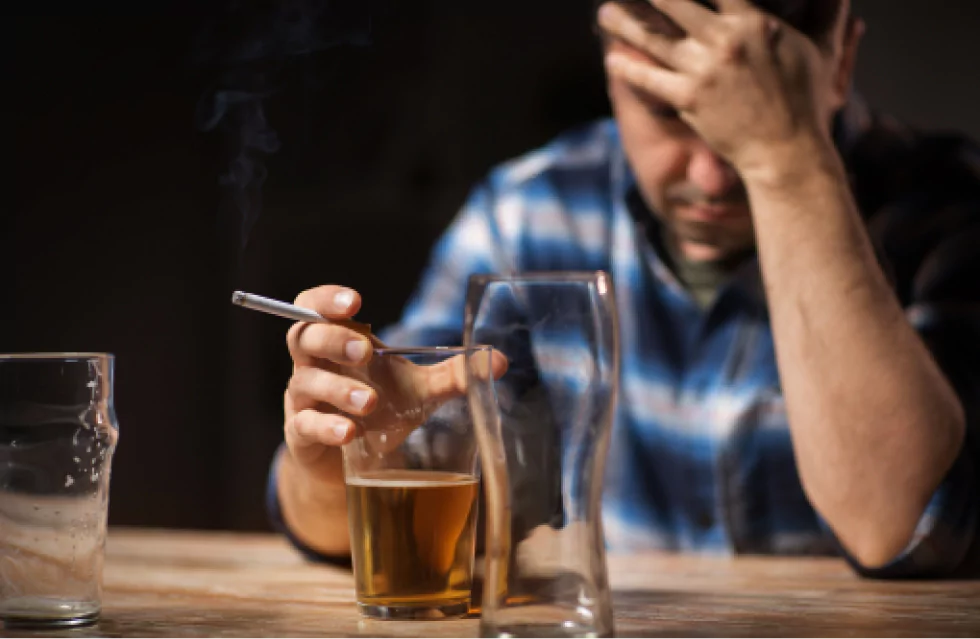
Alcohol is often used as a means of coping with difficult emotions, but its effects on mental health can be particularly insidious:
On the flip side, depression can lead to increased alcohol consumption for several reasons:
It’s important to recognize that clinical depression is more than just a fleeting case of the blues. It’s a persistent condition where symptoms are present nearly every day for at least two weeks and significantly interfere with daily life. According to the American Addiction Centers, common signs include a lasting sense of sadness or emptiness, feeling hopeless or irritable, and a noticeable loss of interest in hobbies you once enjoyed. You might also experience low energy, changes in sleep or appetite, difficulty concentrating, and even unexplained physical aches. These feelings can be overwhelming, making it difficult to function at work, maintain relationships, or simply get through the day.
Untangling the threads of depression and alcohol use can be complicated, especially when it comes to getting a clear diagnosis. The symptoms often overlap, creating a chicken-or-egg scenario. Alcohol itself can induce depressive symptoms, and the effects of withdrawal—like agitation, anxiety, and trouble sleeping—can closely mimic those of a depressive disorder. This makes it challenging for healthcare professionals to determine if the depression is a separate, underlying condition or a direct result of alcohol consumption. Because of this, many doctors prefer to observe a period of abstinence before making a formal diagnosis of an independent depressive disorder.
Many people who struggle with alcohol misuse report feeling depressed, but these feelings can often improve dramatically within a few weeks of drinking less or stopping altogether. For this reason, doctors typically recommend waiting three to four weeks after a person has stopped drinking before diagnosing and treating an independent depressive disorder. This waiting period allows the brain and body to recalibrate, giving a clearer picture of one's baseline mental health. It’s a hopeful reminder that changing your relationship with alcohol can have a profound and direct impact on your mood. You can track your progress and see these positive changes for yourself.
The connection between alcohol and depression isn't just anecdotal; the statistics paint a very clear picture. Research from a study published in PMC shows that individuals with an Alcohol Use Disorder (AUD) are 2.3 times more likely to also have Major Depressive Disorder (MDD) than those without AUD. The correlation extends to other forms of depression as well, with the same group being 1.7 times more likely to experience dysthymia, a milder but more chronic form of depression. These numbers highlight a significant overlap and underscore why addressing both conditions is often crucial for effective, long-term well-being.
When we look closer at the data, interesting and important differences emerge, particularly between genders. Women are generally 1.5 to 2 times more likely than men to experience MDD. This disparity is even more pronounced when alcohol is involved. Studies show that women with AUD have a higher likelihood of also having MDD or dysthymia compared to their male counterparts with AUD. This suggests that women may be uniquely vulnerable to the combined effects of alcohol and depression, making tailored support and awareness even more critical for this demographic.
It's vital to address one of the most serious risks associated with the co-occurrence of depression and alcohol use: an increased risk of suicide. The combination of these two conditions can create a particularly dangerous situation. Alcohol impairs judgment and lowers inhibitions, which, when combined with the hopelessness of depression, can lead to impulsive, harmful actions. Research confirms that individuals who have both an alcohol use disorder and depression are at a significantly higher risk of suicide, especially when intoxicated. This sobering reality emphasizes the urgency of seeking help if you or someone you know is struggling with both.
The intertwined nature of depression and alcohol use presents several challenges:
While addressing the mental and emotional side of drinking is essential, it’s just as important to be aware of the serious physical risks. Understanding these health warnings can help you make safer, more informed decisions as you change your relationship with alcohol. It’s not about fear, but about knowledge and self-care. When you know the potential dangers, you’re better equipped to protect your health for the long term and approach your journey with the caution and respect your body deserves. Let's go over a few of the most critical points to keep in mind.
If you have a history of drinking heavily every day, deciding to stop completely might feel like the right move, but quitting "cold turkey" can be incredibly dangerous. Your body may have become physically dependent on alcohol, and stopping abruptly can trigger severe withdrawal symptoms. This can lead to seizures or even life-threatening conditions like Delirium Tremens. This isn't meant to discourage you, but to empower you to make a change safely. It is always best to consult with a medical professional who can help you create a plan to reduce your intake gradually and safely, ensuring your health is protected throughout the process.
Alcohol poisoning is a serious and potentially deadly consequence of drinking large amounts of alcohol in a short period. When someone consumes a toxic amount of alcohol, it can overwhelm the body's ability to process it, leading to a shutdown of critical functions like breathing and heart rate. Signs of alcohol poisoning include confusion, vomiting, seizures, slow or irregular breathing, and passing out. If you ever suspect that someone has alcohol poisoning, it's a medical emergency. You should call for emergency medical help immediately. Don't wait or assume they will "sleep it off," as their blood alcohol concentration can continue to rise even after they've stopped drinking.
Consistent, heavy drinking over many years can lead to alcohol-related brain damage (ARBD), a serious condition that affects memory, learning, and other cognitive functions. Research suggests that about three in ten people who are dependent on alcohol may develop some form of ARBD. While this sounds alarming, there is reason for hope. For many, the brain has a remarkable capacity to heal. With mild ARBD, significant improvement is often seen after a person stops drinking. Even in more severe cases, recovery is possible over time with abstinence and proper support. This underscores the importance of reducing alcohol intake to protect your long-term brain health.
Successfully managing depression and alcohol use requires a comprehensive approach that addresses both conditions simultaneously. Here are several strategies that can help:
Behavioral Activation (BA) is a therapeutic approach that helps you understand the connection between your activities and your mood. When you're feeling down, it’s easy to withdraw from life, but BA encourages the opposite: scheduling and engaging in positive activities that bring you a sense of enjoyment or accomplishment. This method is especially effective for those dealing with both depression and alcohol use because it directly promotes healthier coping strategies. Instead of turning to alcohol to escape negative feelings, you learn to fill your time with rewarding experiences that naturally improve your emotional well-being and reduce the urge to drink.
Sometimes, you just need to talk to someone right away. For immediate support, the Substance Abuse and Mental Health Services Administration (SAMHSA) offers a National Helpline that is completely free, confidential, and available 24/7. This service is an invaluable resource for anyone looking for guidance on mental health and substance use issues. Whether you need help finding local treatment facilities, support groups, or other community-based organizations, their trained specialists can provide the assistance you need to take the next step. Reaching out is a sign of strength, and this helpline ensures you don’t have to figure things out alone.
When you're managing both depression and your relationship with alcohol, medication can be an incredibly helpful part of your support system. Antidepressants like SSRIs and SNRIs are designed to help stabilize your mood, which can give you the emotional foundation you need to work on changing your drinking habits. It’s important to be open with your doctor about your alcohol use, as drinking can reduce the effectiveness of these medications and sometimes worsen side effects. A healthcare professional can help you understand these interactions and find a safe path forward.
In addition to antidepressants, there are several medications that can assist in reducing the urge to drink. Naltrexone, for example, works by blocking the euphoric effects of alcohol, making it less rewarding and helping to curb cravings. Acamprosate helps stabilize your brain chemistry after you cut back, easing the negative feelings that can come with withdrawal. Another option, disulfiram, creates an unpleasant physical reaction to alcohol, serving as a powerful deterrent. Your doctor can determine if one of these options is right for your specific situation.
For many people, the most effective medical approach is to use a combination of treatments. This might look like taking an antidepressant to manage depressive symptoms while also using a medication for alcohol use disorder (AUD) to support your sobriety goals. This dual strategy addresses both conditions at once, improving your overall mental health and making it easier to build new, healthier habits. The most important step is having an honest conversation with a healthcare provider to create a personalized plan that feels right for you.
That awful wave of anxiety that can hit after a night of drinking has a name: "hangxiety." It’s a real phenomenon, and it happens because alcohol is a depressant for your central nervous system, which means it changes how your brain works and can directly affect your mood. While a drink might offer temporary relief from stress, it often creates a rebound effect, leaving you feeling more on edge the next day. Even small amounts of alcohol can affect your brain's structure, and drinking regularly can increase your risk of feeling depressed. To sidestep hangxiety, try hydrating with water between alcoholic drinks, eating a solid meal beforehand, and pacing yourself. Ultimately, the most effective way to avoid it is to practice mindful drinking and reduce your overall consumption.
It’s a common myth that alcohol helps you sleep. While it might make you feel drowsy initially, it significantly disrupts your sleep later in the night, preventing deep, restorative rest. Chronic alcohol use messes with your sleep patterns and depletes important mood-regulating neurotransmitters like serotonin and dopamine. This can create a tough cycle: you sleep poorly, feel tired and down the next day, and might be tempted to drink again to cope. Prioritizing good sleep is a powerful tool for relapse prevention. You can improve your sleep by creating a relaxing bedtime routine, sticking to a consistent sleep schedule, and avoiding screens before bed. Most importantly, try not to drink close to bedtime to give your body a chance for truly restorative rest.
Reducing alcohol consumption and managing depression is not just about curbing a specific behavior or alleviating symptoms; it’s a holistic psychological and emotional journey. This journey involves:
Understanding the intricate link between depression and alcohol use is crucial for anyone on the journey of reducing their alcohol consumption. Addressing both conditions with a comprehensive, integrated approach can lead to more effective management and improved overall well-being. By leveraging psychological interventions, pharmacological treatments, lifestyle changes, and robust support systems, individuals can navigate this challenging but rewarding journey toward a healthier, more balanced life.
I’m not sure if I drink because I’m depressed, or if I’m depressed because I drink. Does it matter which came first? That’s a question so many people grapple with, and the honest answer is that it often doesn’t matter which came first. The two can create a powerful cycle where one feeds the other, making it difficult to tell where the problem started. The most effective approach is to acknowledge that both are affecting you now and to address them together. Focusing on the cycle itself, rather than its origin story, allows you to take action that helps improve both your mood and your drinking habits at the same time.
If I reduce my drinking, will my depression just go away on its own? Reducing your alcohol intake can have a huge positive impact on your mood, and for some people, it’s the key that lifts the fog. However, it’s not always a simple fix. Clinical depression can be a separate, underlying condition that needs its own dedicated treatment. Cutting back on alcohol gives you a much clearer picture of your baseline mental health, making it easier for you and your doctor to see what support you truly need, whether that’s therapy, medication, or other lifestyle changes.
I drink pretty heavily every day. Is it safe for me to just stop drinking all at once? If you have a history of heavy, daily drinking, stopping abruptly can be dangerous. Your body can become physically dependent on alcohol, and quitting cold turkey can lead to severe withdrawal symptoms that require medical attention. The safest way to make a change is to talk to a doctor first. They can help you create a plan to reduce your intake gradually and safely, ensuring your health is protected throughout the process.
This all feels a bit overwhelming. What's the single most important first step I can take? When you’re feeling overwhelmed, the best first step is often the simplest: talk to someone you trust. Reaching out to a doctor or a mental health professional can provide immediate relief because you no longer have to carry the weight of this alone. They can offer personalized guidance, help you understand what’s going on, and work with you to create a manageable plan. That single conversation is a powerful move toward taking back control.
How long after cutting back on alcohol might I start to feel better mentally? Everyone’s timeline is different, but many people start to notice improvements in their mood within a few weeks of reducing or stopping their alcohol consumption. Doctors often suggest waiting about three to four weeks to get a clearer sense of your baseline mental health. This gives your brain chemistry time to rebalance without the depressant effects of alcohol. Be patient and compassionate with yourself during this time, as your mind and body are doing important work to heal.
Have you ever wondered if you drink because you're feeling down, or if you're feeling down because you drink? It's a tough question that gets to the heart of the complicated relationship between depression and alcohol. One can easily feed the other, creating a difficult cycle where the temporary relief from a drink leads to deeper feelings of sadness later on. Understanding the link between drinking and depression is a critical first step toward genuine well-being. This article will help you see the patterns and offer clear, supportive strategies to manage both.
In this article, we'll explore the link between depression and alcohol use, delve into the challenges that arise from their coexistence, and offer strategies for managing both while reducing alcohol consumption.
To effectively manage the relationship between alcohol and your mental state, it's helpful to have a clear picture of what we're talking about. Both depression and alcohol dependence are clinical terms with specific meanings. Getting familiar with them can help you better understand your own experiences and identify patterns you might want to change. This knowledge is the foundation for building healthier habits and finding a balance that works for you, which is a core part of the journey toward mindful drinking.
It’s important to distinguish between feeling down and experiencing clinical depression. While sadness is a normal human emotion, depression is a serious mental health condition that persistently affects your mind and body. It can make it difficult to handle daily activities, from getting out of bed to concentrating at work. Symptoms often include a lasting low mood, a loss of interest in things you once enjoyed, changes in appetite or sleep, and feelings of worthlessness. The good news is that depression is a treatable condition, and seeking support is a powerful first step toward feeling better.
When drinking becomes a frequent coping mechanism, it can lead to Alcohol Use Disorder (AUD), a medical condition characterized by an impaired ability to stop or control alcohol use despite adverse consequences. Research shows that AUD and depressive disorders often occur together, creating a challenging cycle. Someone might drink to temporarily relieve symptoms of depression, but since alcohol is a depressant, it can worsen mood over time, leading to more drinking. Recognizing this connection is crucial because addressing one condition often requires addressing the other to achieve lasting change.
Understanding recommended drinking limits can provide a useful benchmark as you assess your own habits. Health experts suggest that adults should aim to drink no more than 14 units of alcohol per week. For context, a standard 175ml glass of wine is about two units, and a pint of lower-strength beer is also around two units. It's also recommended to spread these units out over several days rather than consuming them all at once. Incorporating several drink-free days each week is a key part of this guidance, giving your body and mind time to rest and recover. This approach is a cornerstone of mindful drinking.
Binge drinking refers to consuming a large amount of alcohol in a short period. The official definition is drinking more than eight units of alcohol in a single session for men, or more than six units for women. This pattern of drinking can significantly impact your physical and mental health, often intensifying feelings of anxiety and depression the following day. It can also impair judgment and increase the risk of accidents. Understanding what constitutes a binge can help you make more conscious decisions about your consumption and its potential effects on your well-being.
Alcohol is often used as a means of coping with difficult emotions, but its effects on mental health can be particularly insidious:
On the flip side, depression can lead to increased alcohol consumption for several reasons:
It’s important to recognize that clinical depression is more than just a fleeting case of the blues. It’s a persistent condition where symptoms are present nearly every day for at least two weeks and significantly interfere with daily life. According to the American Addiction Centers, common signs include a lasting sense of sadness or emptiness, feeling hopeless or irritable, and a noticeable loss of interest in hobbies you once enjoyed. You might also experience low energy, changes in sleep or appetite, difficulty concentrating, and even unexplained physical aches. These feelings can be overwhelming, making it difficult to function at work, maintain relationships, or simply get through the day.
Untangling the threads of depression and alcohol use can be complicated, especially when it comes to getting a clear diagnosis. The symptoms often overlap, creating a chicken-or-egg scenario. Alcohol itself can induce depressive symptoms, and the effects of withdrawal—like agitation, anxiety, and trouble sleeping—can closely mimic those of a depressive disorder. This makes it challenging for healthcare professionals to determine if the depression is a separate, underlying condition or a direct result of alcohol consumption. Because of this, many doctors prefer to observe a period of abstinence before making a formal diagnosis of an independent depressive disorder.
Many people who struggle with alcohol misuse report feeling depressed, but these feelings can often improve dramatically within a few weeks of drinking less or stopping altogether. For this reason, doctors typically recommend waiting three to four weeks after a person has stopped drinking before diagnosing and treating an independent depressive disorder. This waiting period allows the brain and body to recalibrate, giving a clearer picture of one's baseline mental health. It’s a hopeful reminder that changing your relationship with alcohol can have a profound and direct impact on your mood. You can track your progress and see these positive changes for yourself.
The connection between alcohol and depression isn't just anecdotal; the statistics paint a very clear picture. Research from a study published in PMC shows that individuals with an Alcohol Use Disorder (AUD) are 2.3 times more likely to also have Major Depressive Disorder (MDD) than those without AUD. The correlation extends to other forms of depression as well, with the same group being 1.7 times more likely to experience dysthymia, a milder but more chronic form of depression. These numbers highlight a significant overlap and underscore why addressing both conditions is often crucial for effective, long-term well-being.
When we look closer at the data, interesting and important differences emerge, particularly between genders. Women are generally 1.5 to 2 times more likely than men to experience MDD. This disparity is even more pronounced when alcohol is involved. Studies show that women with AUD have a higher likelihood of also having MDD or dysthymia compared to their male counterparts with AUD. This suggests that women may be uniquely vulnerable to the combined effects of alcohol and depression, making tailored support and awareness even more critical for this demographic.
It's vital to address one of the most serious risks associated with the co-occurrence of depression and alcohol use: an increased risk of suicide. The combination of these two conditions can create a particularly dangerous situation. Alcohol impairs judgment and lowers inhibitions, which, when combined with the hopelessness of depression, can lead to impulsive, harmful actions. Research confirms that individuals who have both an alcohol use disorder and depression are at a significantly higher risk of suicide, especially when intoxicated. This sobering reality emphasizes the urgency of seeking help if you or someone you know is struggling with both.
The intertwined nature of depression and alcohol use presents several challenges:
While addressing the mental and emotional side of drinking is essential, it’s just as important to be aware of the serious physical risks. Understanding these health warnings can help you make safer, more informed decisions as you change your relationship with alcohol. It’s not about fear, but about knowledge and self-care. When you know the potential dangers, you’re better equipped to protect your health for the long term and approach your journey with the caution and respect your body deserves. Let's go over a few of the most critical points to keep in mind.
If you have a history of drinking heavily every day, deciding to stop completely might feel like the right move, but quitting "cold turkey" can be incredibly dangerous. Your body may have become physically dependent on alcohol, and stopping abruptly can trigger severe withdrawal symptoms. This can lead to seizures or even life-threatening conditions like Delirium Tremens. This isn't meant to discourage you, but to empower you to make a change safely. It is always best to consult with a medical professional who can help you create a plan to reduce your intake gradually and safely, ensuring your health is protected throughout the process.
Alcohol poisoning is a serious and potentially deadly consequence of drinking large amounts of alcohol in a short period. When someone consumes a toxic amount of alcohol, it can overwhelm the body's ability to process it, leading to a shutdown of critical functions like breathing and heart rate. Signs of alcohol poisoning include confusion, vomiting, seizures, slow or irregular breathing, and passing out. If you ever suspect that someone has alcohol poisoning, it's a medical emergency. You should call for emergency medical help immediately. Don't wait or assume they will "sleep it off," as their blood alcohol concentration can continue to rise even after they've stopped drinking.
Consistent, heavy drinking over many years can lead to alcohol-related brain damage (ARBD), a serious condition that affects memory, learning, and other cognitive functions. Research suggests that about three in ten people who are dependent on alcohol may develop some form of ARBD. While this sounds alarming, there is reason for hope. For many, the brain has a remarkable capacity to heal. With mild ARBD, significant improvement is often seen after a person stops drinking. Even in more severe cases, recovery is possible over time with abstinence and proper support. This underscores the importance of reducing alcohol intake to protect your long-term brain health.
Successfully managing depression and alcohol use requires a comprehensive approach that addresses both conditions simultaneously. Here are several strategies that can help:
Behavioral Activation (BA) is a therapeutic approach that helps you understand the connection between your activities and your mood. When you're feeling down, it’s easy to withdraw from life, but BA encourages the opposite: scheduling and engaging in positive activities that bring you a sense of enjoyment or accomplishment. This method is especially effective for those dealing with both depression and alcohol use because it directly promotes healthier coping strategies. Instead of turning to alcohol to escape negative feelings, you learn to fill your time with rewarding experiences that naturally improve your emotional well-being and reduce the urge to drink.
Sometimes, you just need to talk to someone right away. For immediate support, the Substance Abuse and Mental Health Services Administration (SAMHSA) offers a National Helpline that is completely free, confidential, and available 24/7. This service is an invaluable resource for anyone looking for guidance on mental health and substance use issues. Whether you need help finding local treatment facilities, support groups, or other community-based organizations, their trained specialists can provide the assistance you need to take the next step. Reaching out is a sign of strength, and this helpline ensures you don’t have to figure things out alone.
When you're managing both depression and your relationship with alcohol, medication can be an incredibly helpful part of your support system. Antidepressants like SSRIs and SNRIs are designed to help stabilize your mood, which can give you the emotional foundation you need to work on changing your drinking habits. It’s important to be open with your doctor about your alcohol use, as drinking can reduce the effectiveness of these medications and sometimes worsen side effects. A healthcare professional can help you understand these interactions and find a safe path forward.
In addition to antidepressants, there are several medications that can assist in reducing the urge to drink. Naltrexone, for example, works by blocking the euphoric effects of alcohol, making it less rewarding and helping to curb cravings. Acamprosate helps stabilize your brain chemistry after you cut back, easing the negative feelings that can come with withdrawal. Another option, disulfiram, creates an unpleasant physical reaction to alcohol, serving as a powerful deterrent. Your doctor can determine if one of these options is right for your specific situation.
For many people, the most effective medical approach is to use a combination of treatments. This might look like taking an antidepressant to manage depressive symptoms while also using a medication for alcohol use disorder (AUD) to support your sobriety goals. This dual strategy addresses both conditions at once, improving your overall mental health and making it easier to build new, healthier habits. The most important step is having an honest conversation with a healthcare provider to create a personalized plan that feels right for you.
That awful wave of anxiety that can hit after a night of drinking has a name: "hangxiety." It’s a real phenomenon, and it happens because alcohol is a depressant for your central nervous system, which means it changes how your brain works and can directly affect your mood. While a drink might offer temporary relief from stress, it often creates a rebound effect, leaving you feeling more on edge the next day. Even small amounts of alcohol can affect your brain's structure, and drinking regularly can increase your risk of feeling depressed. To sidestep hangxiety, try hydrating with water between alcoholic drinks, eating a solid meal beforehand, and pacing yourself. Ultimately, the most effective way to avoid it is to practice mindful drinking and reduce your overall consumption.
It’s a common myth that alcohol helps you sleep. While it might make you feel drowsy initially, it significantly disrupts your sleep later in the night, preventing deep, restorative rest. Chronic alcohol use messes with your sleep patterns and depletes important mood-regulating neurotransmitters like serotonin and dopamine. This can create a tough cycle: you sleep poorly, feel tired and down the next day, and might be tempted to drink again to cope. Prioritizing good sleep is a powerful tool for relapse prevention. You can improve your sleep by creating a relaxing bedtime routine, sticking to a consistent sleep schedule, and avoiding screens before bed. Most importantly, try not to drink close to bedtime to give your body a chance for truly restorative rest.
Reducing alcohol consumption and managing depression is not just about curbing a specific behavior or alleviating symptoms; it’s a holistic psychological and emotional journey. This journey involves:
Understanding the intricate link between depression and alcohol use is crucial for anyone on the journey of reducing their alcohol consumption. Addressing both conditions with a comprehensive, integrated approach can lead to more effective management and improved overall well-being. By leveraging psychological interventions, pharmacological treatments, lifestyle changes, and robust support systems, individuals can navigate this challenging but rewarding journey toward a healthier, more balanced life.
I’m not sure if I drink because I’m depressed, or if I’m depressed because I drink. Does it matter which came first? That’s a question so many people grapple with, and the honest answer is that it often doesn’t matter which came first. The two can create a powerful cycle where one feeds the other, making it difficult to tell where the problem started. The most effective approach is to acknowledge that both are affecting you now and to address them together. Focusing on the cycle itself, rather than its origin story, allows you to take action that helps improve both your mood and your drinking habits at the same time.
If I reduce my drinking, will my depression just go away on its own? Reducing your alcohol intake can have a huge positive impact on your mood, and for some people, it’s the key that lifts the fog. However, it’s not always a simple fix. Clinical depression can be a separate, underlying condition that needs its own dedicated treatment. Cutting back on alcohol gives you a much clearer picture of your baseline mental health, making it easier for you and your doctor to see what support you truly need, whether that’s therapy, medication, or other lifestyle changes.
I drink pretty heavily every day. Is it safe for me to just stop drinking all at once? If you have a history of heavy, daily drinking, stopping abruptly can be dangerous. Your body can become physically dependent on alcohol, and quitting cold turkey can lead to severe withdrawal symptoms that require medical attention. The safest way to make a change is to talk to a doctor first. They can help you create a plan to reduce your intake gradually and safely, ensuring your health is protected throughout the process.
This all feels a bit overwhelming. What's the single most important first step I can take? When you’re feeling overwhelmed, the best first step is often the simplest: talk to someone you trust. Reaching out to a doctor or a mental health professional can provide immediate relief because you no longer have to carry the weight of this alone. They can offer personalized guidance, help you understand what’s going on, and work with you to create a manageable plan. That single conversation is a powerful move toward taking back control.
How long after cutting back on alcohol might I start to feel better mentally? Everyone’s timeline is different, but many people start to notice improvements in their mood within a few weeks of reducing or stopping their alcohol consumption. Doctors often suggest waiting about three to four weeks to get a clearer sense of your baseline mental health. This gives your brain chemistry time to rebalance without the depressant effects of alcohol. Be patient and compassionate with yourself during this time, as your mind and body are doing important work to heal.

Understand the link between alcohol and self esteem, and discover practical steps to rebuild confidence without relying on a drink.
Although it isn’t a treatment for alcohol use disorder (AUD), the Reframe app can help you cut back on drinking gradually with the science-backed knowledge to empower you 100% of the way. Our proven program has helped millions of people around the world drink less and live more. And we want to help you get there, too!
The Reframe app equips you with the knowledge and skills you need to not only survive drinking less, but to thrive while you navigate the journey. Our daily research-backed readings teach you the neuroscience of alcohol, and our in-app Toolkit provides the resources and activities you need to navigate each challenge.
You’ll meet millions of fellow Reframers in our 24/7 Forum chat and daily Zoom check-in meetings. Receive encouragement from people worldwide who know exactly what you’re going through! You’ll also have the opportunity to connect with our licensed Reframe coaches for more personalized guidance.
Plus, we’re always introducing new features to optimize your in-app experience. We recently launched our in-app chatbot, Melody, powered by the world’s most powerful AI technology. Melody is here to help as you adjust to a life with less (or no) alcohol.
And that’s not all! Every month, we launch fun challenges, like Dry/Damp January, Mental Health May, and Outdoorsy June. You won’t want to miss out on the chance to participate alongside fellow Reframers (or solo if that’s more your thing!).
The Reframe app is free for 7 days, so you don’t have anything to lose by trying it. Are you ready to feel empowered and discover life beyond alcohol? Then download our app through the App Store or Google Play today!
We’ve all heard the term “liquid confidence.” It’s that feeling of ease that can come after a drink or two, making social situations feel less daunting. But what happens when that confidence wears off? For many, it’s replaced by anxiety, regret, and a harsh inner critic the next day. This emotional rollercoaster is at the heart of the connection between alcohol and self esteem. Relying on alcohol for a temporary fix can slowly erode your true sense of self. Here, we’ll look at why that happens and provide actionable steps for building real, lasting confidence that doesn’t come from a glass.
At its core, self-esteem is the way you see and value yourself. It’s the internal story you tell about your own worth, shaped by a lifetime of thoughts, feelings, and experiences. Think of it as your personal opinion of yourself. This isn't just a fleeting thought; it’s a deep-seated belief that influences your decisions, your relationships, and how you handle life’s challenges. When you have a strong sense of self-worth, you feel more secure and capable. It’s not about feeling superior to others, but about accepting yourself, flaws and all, and believing you are deserving of respect — especially from yourself.
Your sense of self-worth doesn’t develop in a vacuum. It’s molded by a wide range of factors, including your personal thoughts, the way others react to you, and your experiences at home, school, or work. Your physical and mental health, age, and even the media you consume all play a part. One of the most significant influences can be your habits, especially your relationship with alcohol. How you drink can directly impact how you feel about yourself, and conversely, how you feel about yourself can influence your drinking habits, creating a cycle that can be difficult to break without conscious effort.
It’s a common misconception that high self-esteem is always the goal. In reality, the healthiest approach is a realistic and stable sense of self-worth. This means you can acknowledge your strengths and weaknesses without letting them define you. You don’t constantly seek external validation or feel the need to prove you’re better than others. Unhealthy self-esteem often appears at the extremes: either very low, marked by persistent self-doubt and criticism, or artificially high, which can be a fragile defense against deep-seated insecurity. Cultivating a balanced perspective is key to building resilience, especially when changing your relationship with alcohol. Adopting practices like mindful drinking can help you become more aware of your patterns and build a healthier, more honest relationship with yourself.

Alcohol often provides a temporary boost to self-esteem. In social settings, it can reduce inhibitions, making individuals feel more confident and outgoing. This can create an illusion of enhanced self-esteem, but the effects are typically short-lived.
In the long term, alcohol consumption can have a detrimental effect on self-esteem. This is due to several factors:
Sometimes, what looks like high self-esteem on the surface is actually quite fragile. This type of confidence often depends on external praise and can crumble at the first sign of criticism or failure. For someone with a fragile ego, these moments can feel deeply personal and painful, making alcohol seem like an easy way to numb the sting or maintain a feeling of being on top. This can create a dangerous pattern where a person comes to rely on drinking to protect a delicate self-image. Instead of building genuine, resilient self-worth, they use alcohol as a crutch, which can lead to long-term issues with both their drinking habits and their self-perception.
It’s impossible to talk about alcohol and self-esteem without also discussing mental health, particularly depression. Alcohol is a depressant, and while it might offer a temporary escape from difficult feelings, it often worsens depression over time. This can trap you in a difficult cycle: you feel low, so you drink to cope, but the alcohol ultimately deepens your depressive symptoms and further chips away at your self-esteem. This connection is so strong that many people find themselves dealing with alcohol dependency and depression simultaneously, creating a challenging loop where the supposed solution only fuels the problem.
The impact of alcohol on your brain chemistry is a key reason this cycle is so hard to break. Consistent drinking can alter how your brain functions, changing the way you see yourself and the world around you. Over time, this can directly damage your self-esteem, leaving you feeling worse about yourself and more reliant on alcohol to get by. Recognizing this link is a powerful first step. Addressing both the drinking and the underlying emotional health together is the most effective way to rebuild genuine confidence that isn’t dependent on a drink. This is where a comprehensive approach, like the neuroscience-backed programs in the Reframe app, can help you develop healthier, more sustainable coping mechanisms.
The first step in reducing alcohol consumption and rebuilding self-esteem is acknowledging the existence of a problem. This requires self-reflection and an honest assessment of one's drinking habits and how they affect daily life. Understanding that alcohol is contributing to low self-esteem is a pivotal point that can motivate change.
Support from friends, family, or professional counselors is crucial. Talking about your struggles with alcohol can alleviate feelings of isolation and shame. Support groups such as Alcoholics Anonymous (AA) provide a sense of community and shared experience, which can be incredibly uplifting.
It's important to set achievable goals when reducing alcohol intake. Instead of going cold turkey, consider gradually reducing consumption. Celebrate small victories along the way, as this can positively reinforce your efforts and gradually improve your self-esteem.
Deciding to change your relationship with alcohol is a powerful choice, and the positive effects unfold over time. While everyone’s experience is different, the journey often follows a general timeline as your mind and body heal. Understanding these stages can help you appreciate the progress you’re making, even on challenging days. Think of it as a process of rediscovery, where each phase brings you closer to a healthier, more confident version of yourself. From the initial adjustment to long-term healing, every step forward is a victory for your well-being.
The first few days after you stop drinking can feel like the most difficult part of the process. As your body adjusts to the absence of alcohol, you might experience withdrawal symptoms like increased anxiety and irritability. It’s essential to be patient and kind to yourself during this period. Remember that these feelings are temporary and a sign that your body is beginning its healing journey. Getting through it is a massive accomplishment and the first step toward building a stronger sense of self-trust and resilience.
Once you move past the initial withdrawal, you’ll likely start to notice some amazing shifts in your mental and physical state. Within a few weeks, many people report feeling a sense of clarity they haven’t had in a long time. According to British Vogue, “You may experience less anxiety, a clearer head, increased self-awareness, more self-confidence, and higher self-esteem.” The mental fog begins to lift, your energy levels may rise, and you might find it easier to focus. This newfound clarity is incredibly empowering and serves as powerful proof that your brain and body are recovering.
As you continue on your path, the first few months often bring profound improvements to your overall well-being. This is when many people feel like they are undergoing a true transformation. As one expert explained to British Vogue, “Most people feel like a completely new person. Anxiety, depression, and sexual health greatly improve.” Your mood may become more stable, and you’ll likely notice positive changes in your physical health and appearance. This can do wonders for your self-image, reinforcing your decision and helping you reclaim your life with a renewed sense of purpose and confidence.
Reaching the six-month or one-year mark is a huge milestone worth celebrating. By this point, the positive changes are often deeply woven into the fabric of your daily life. Many people find their relationships with family, friends, and partners have become stronger and more authentic. British Vogue highlights this, noting, “Many people find more happiness in their relationships and work as their self-esteem grows.” At this stage, you’re not just avoiding alcohol; you’re actively creating a life you feel good about. This sustained period of sobriety helps build a resilient and authentic sense of self-worth that comes from within.
Be kind to yourself throughout the journey. Understand that setbacks are a part of the process. Practice self-compassion by treating yourself with the same kindness and understanding you would offer a friend in a similar situation.
Reconnecting with your core values can help rebuild self-esteem. Consider what matters most to you personally and professionally. Aligning your actions with these values can provide a sense of purpose and direction, bolstering self-worth.
Exercise is a powerful tool for improving mental health and self-esteem. Physical activity releases endorphins, which are natural mood lifters. Additionally, improving physical health and appearance can significantly boost confidence.
Practices such as mindfulness and meditation can help manage stress and reduce the temptation to turn to alcohol. Mindfulness encourages staying in the present moment, reducing anxiety, and promoting self-awareness, which are all beneficial for self-esteem. Learn more about mindfulness techniques for anxiety relief.
Engaging in new hobbies or rekindling old ones can provide a sense of achievement and joy. Activities that require focus and skill can be particularly rewarding and can help distract from the urge to drink.
Counseling or therapy can be instrumental in rebuilding self-esteem. Therapists can offer tools and techniques to manage negative thoughts and behaviors associated with low self-esteem and alcohol dependency.
Think of alcohol and self-esteem as having a destructive, two-way relationship. Drinking can lower your self-worth, and low self-worth can make you want to drink. When you feel bad about yourself, alcohol can seem like an easy way to quiet that inner critic or numb feelings of inadequacy. But this is a temporary fix that often leads to regret or shame, reinforcing the negative cycle. This is why addressing self-esteem is so critical for lasting change. If low self-worth is what fuels alcohol abuse, then simply removing the alcohol without building a stronger sense of self is like treating a symptom instead of the cause. By actively working on your self-esteem, you build a resilient foundation. You learn to find confidence and comfort within yourself, reducing the need to seek it from an external source like alcohol.
Good nutrition and adequate sleep are often overlooked but are critical in the journey to reduce alcohol consumption and rebuild self-esteem. A balanced diet fuels the body and mind, while adequate sleep provides the rest necessary for emotional stability and resilience.
Staying motivated to reduce alcohol consumption can be challenging, but recognizing the positive changes in self-esteem can provide the drive needed to continue. Keep a journal to track progress and reflect on improvements in self-esteem and overall well-being. Celebrate milestones and remind yourself of the reasons behind your decision to cut back on alcohol.
Let's be honest: alcohol is woven into the fabric of our social lives. From holiday parties to after-work happy hours, it’s often the default beverage. This can make choosing not to drink feel like you're swimming against the current. The key is to walk into these situations with a plan. Having a go-to non-alcoholic drink—like a seltzer with lime or a craft soda—can help you feel more comfortable. It's also helpful to have a simple, polite response ready, such as, "No thanks, I'm good for now." Remember that your real friends will respect your choices. Your confidence in your decision is what matters most, and practicing mindful drinking can give you the clarity and self-assurance you need to handle any social setting.
Deciding to change your relationship with alcohol is a significant and personal step. It’s more than just putting down a glass; it’s an opportunity to understand yourself on a deeper level. For any change to be lasting, it’s incredibly important to address the underlying reasons for your drinking habits. Often, these are tied to issues with self-esteem. If you rely on alcohol for confidence or to quiet negative thoughts, simply removing the alcohol without addressing those core feelings can make you more likely to fall back into old patterns when life gets stressful. Think of it as fixing the foundation of a house, not just patching a crack in the wall.
Addressing these underlying factors is a process of self-discovery. It involves asking yourself tough questions and being honest about the answers. What situations trigger your desire to drink? What feelings are you trying to numb or create? This introspection is a critical part of the journey. It’s also essential to approach this change safely, both mentally and physically. Understanding the potential challenges ahead allows you to build a solid support system and create a realistic plan that sets you up for success. You can find answers to common questions and concerns on our FAQ page to help you prepare.
While reducing your alcohol intake has incredible benefits, it's crucial to approach it safely. Alcohol can worsen existing depression or even cause it, creating a difficult cycle where you drink to feel better, only to feel worse later. It’s a common scenario for people to experience both alcohol dependency and depression at the same time. Furthermore, if you've been drinking heavily for a long time, stopping abruptly can be physically dangerous due to withdrawal symptoms. Because of these risks, it's always a good idea to talk to a doctor or medical professional before making a major change. They can help you create a safe tapering plan and ensure you have the right support for your physical and mental well-being.
One of the most important things to remember is that you don't have to do this alone. In fact, building a support system is one of the best things you can do for yourself. Sharing your goals with trusted friends, family, or a professional counselor can lift a huge weight off your shoulders and reduce feelings of shame or isolation. Support groups like Alcoholics Anonymous (AA) offer a powerful sense of community and shared experience that can be incredibly validating. For a modern, app-based approach, Reframe provides a toolkit right on your phone, including a supportive community, daily check-ins, and educational courses to help you build healthier habits and reclaim your confidence on your own terms.
Reducing alcohol consumption and rebuilding self-esteem is a complex but rewarding journey. Understanding the profound impact that alcohol can have on self-esteem is the first step toward making positive changes. By implementing strategies such as self-compassion, physical activity, mindfulness, and seeking support, individuals can gradually enhance their self-worth and lead more fulfilling lives. Remember, the journey is unique to each person, and progress should be celebrated along the way.
Why does alcohol make me feel so confident if it's actually bad for my self-esteem? That feeling of "liquid confidence" happens because alcohol lowers your inhibitions by slowing down the part of your brain responsible for judgment. While it can make you feel more relaxed and outgoing in the moment, this effect is temporary and artificial. True self-esteem is built on self-respect and accomplishment, not a chemical shortcut. Relying on alcohol for confidence can create a cycle where you feel you need it to be social, which ultimately undermines your belief in your own ability to connect with others authentically.
What if I try to cut back and have a setback? Does that mean I've failed? Absolutely not. Changing a habit, especially one tied to your social life and emotions, is rarely a perfect, straight line. Think of a setback not as a failure, but as a learning opportunity. It’s a chance to get curious about what triggered the slip-up without judging yourself. The most important thing is to treat yourself with compassion and get back on track. Progress is about the overall direction you're heading, not an unbroken streak of perfection.
I'm worried about handling social events without drinking. What's the best way to deal with that pressure? This is one of the most common concerns, and it’s completely valid. The best strategy is to go in with a plan. Decide what you’ll drink ahead of time—a seltzer with lime or a non-alcoholic beer can help you feel included. It’s also helpful to have a simple, polite response ready for when someone offers you a drink. A simple, "No thanks, I'm good for now" is usually enough. Remember, you don’t owe anyone a detailed explanation.
The timeline for quitting is helpful, but what if my progress looks different? That timeline is just a general guide, not a rulebook. Everyone’s journey is unique because our bodies, minds, and life circumstances are all different. Some people feel a mental fog lift in a week, while for others it might take a month. The key is to focus on your own personal progress, however small it may seem. Celebrate your own wins, whether it’s better sleep, more energy, or just feeling more present in your life. Your path is the right one for you.
How can I tell if my drinking is causing my low self-esteem, or if my low self-esteem is causing my drinking? This is the classic chicken-or-egg question, and the truth is, it’s often a self-reinforcing cycle. Low self-worth can lead you to drink to cope, and the consequences of drinking can then lower your self-worth even more. Instead of getting stuck trying to find the original cause, it’s more effective to focus on breaking the cycle itself. By taking small steps to build genuine confidence while also reducing your alcohol intake, you address both sides of the problem at once.
We’ve all heard the term “liquid confidence.” It’s that feeling of ease that can come after a drink or two, making social situations feel less daunting. But what happens when that confidence wears off? For many, it’s replaced by anxiety, regret, and a harsh inner critic the next day. This emotional rollercoaster is at the heart of the connection between alcohol and self esteem. Relying on alcohol for a temporary fix can slowly erode your true sense of self. Here, we’ll look at why that happens and provide actionable steps for building real, lasting confidence that doesn’t come from a glass.
At its core, self-esteem is the way you see and value yourself. It’s the internal story you tell about your own worth, shaped by a lifetime of thoughts, feelings, and experiences. Think of it as your personal opinion of yourself. This isn't just a fleeting thought; it’s a deep-seated belief that influences your decisions, your relationships, and how you handle life’s challenges. When you have a strong sense of self-worth, you feel more secure and capable. It’s not about feeling superior to others, but about accepting yourself, flaws and all, and believing you are deserving of respect — especially from yourself.
Your sense of self-worth doesn’t develop in a vacuum. It’s molded by a wide range of factors, including your personal thoughts, the way others react to you, and your experiences at home, school, or work. Your physical and mental health, age, and even the media you consume all play a part. One of the most significant influences can be your habits, especially your relationship with alcohol. How you drink can directly impact how you feel about yourself, and conversely, how you feel about yourself can influence your drinking habits, creating a cycle that can be difficult to break without conscious effort.
It’s a common misconception that high self-esteem is always the goal. In reality, the healthiest approach is a realistic and stable sense of self-worth. This means you can acknowledge your strengths and weaknesses without letting them define you. You don’t constantly seek external validation or feel the need to prove you’re better than others. Unhealthy self-esteem often appears at the extremes: either very low, marked by persistent self-doubt and criticism, or artificially high, which can be a fragile defense against deep-seated insecurity. Cultivating a balanced perspective is key to building resilience, especially when changing your relationship with alcohol. Adopting practices like mindful drinking can help you become more aware of your patterns and build a healthier, more honest relationship with yourself.
Alcohol often provides a temporary boost to self-esteem. In social settings, it can reduce inhibitions, making individuals feel more confident and outgoing. This can create an illusion of enhanced self-esteem, but the effects are typically short-lived.
In the long term, alcohol consumption can have a detrimental effect on self-esteem. This is due to several factors:
Sometimes, what looks like high self-esteem on the surface is actually quite fragile. This type of confidence often depends on external praise and can crumble at the first sign of criticism or failure. For someone with a fragile ego, these moments can feel deeply personal and painful, making alcohol seem like an easy way to numb the sting or maintain a feeling of being on top. This can create a dangerous pattern where a person comes to rely on drinking to protect a delicate self-image. Instead of building genuine, resilient self-worth, they use alcohol as a crutch, which can lead to long-term issues with both their drinking habits and their self-perception.
It’s impossible to talk about alcohol and self-esteem without also discussing mental health, particularly depression. Alcohol is a depressant, and while it might offer a temporary escape from difficult feelings, it often worsens depression over time. This can trap you in a difficult cycle: you feel low, so you drink to cope, but the alcohol ultimately deepens your depressive symptoms and further chips away at your self-esteem. This connection is so strong that many people find themselves dealing with alcohol dependency and depression simultaneously, creating a challenging loop where the supposed solution only fuels the problem.
The impact of alcohol on your brain chemistry is a key reason this cycle is so hard to break. Consistent drinking can alter how your brain functions, changing the way you see yourself and the world around you. Over time, this can directly damage your self-esteem, leaving you feeling worse about yourself and more reliant on alcohol to get by. Recognizing this link is a powerful first step. Addressing both the drinking and the underlying emotional health together is the most effective way to rebuild genuine confidence that isn’t dependent on a drink. This is where a comprehensive approach, like the neuroscience-backed programs in the Reframe app, can help you develop healthier, more sustainable coping mechanisms.
The first step in reducing alcohol consumption and rebuilding self-esteem is acknowledging the existence of a problem. This requires self-reflection and an honest assessment of one's drinking habits and how they affect daily life. Understanding that alcohol is contributing to low self-esteem is a pivotal point that can motivate change.
Support from friends, family, or professional counselors is crucial. Talking about your struggles with alcohol can alleviate feelings of isolation and shame. Support groups such as Alcoholics Anonymous (AA) provide a sense of community and shared experience, which can be incredibly uplifting.
It's important to set achievable goals when reducing alcohol intake. Instead of going cold turkey, consider gradually reducing consumption. Celebrate small victories along the way, as this can positively reinforce your efforts and gradually improve your self-esteem.
Deciding to change your relationship with alcohol is a powerful choice, and the positive effects unfold over time. While everyone’s experience is different, the journey often follows a general timeline as your mind and body heal. Understanding these stages can help you appreciate the progress you’re making, even on challenging days. Think of it as a process of rediscovery, where each phase brings you closer to a healthier, more confident version of yourself. From the initial adjustment to long-term healing, every step forward is a victory for your well-being.
The first few days after you stop drinking can feel like the most difficult part of the process. As your body adjusts to the absence of alcohol, you might experience withdrawal symptoms like increased anxiety and irritability. It’s essential to be patient and kind to yourself during this period. Remember that these feelings are temporary and a sign that your body is beginning its healing journey. Getting through it is a massive accomplishment and the first step toward building a stronger sense of self-trust and resilience.
Once you move past the initial withdrawal, you’ll likely start to notice some amazing shifts in your mental and physical state. Within a few weeks, many people report feeling a sense of clarity they haven’t had in a long time. According to British Vogue, “You may experience less anxiety, a clearer head, increased self-awareness, more self-confidence, and higher self-esteem.” The mental fog begins to lift, your energy levels may rise, and you might find it easier to focus. This newfound clarity is incredibly empowering and serves as powerful proof that your brain and body are recovering.
As you continue on your path, the first few months often bring profound improvements to your overall well-being. This is when many people feel like they are undergoing a true transformation. As one expert explained to British Vogue, “Most people feel like a completely new person. Anxiety, depression, and sexual health greatly improve.” Your mood may become more stable, and you’ll likely notice positive changes in your physical health and appearance. This can do wonders for your self-image, reinforcing your decision and helping you reclaim your life with a renewed sense of purpose and confidence.
Reaching the six-month or one-year mark is a huge milestone worth celebrating. By this point, the positive changes are often deeply woven into the fabric of your daily life. Many people find their relationships with family, friends, and partners have become stronger and more authentic. British Vogue highlights this, noting, “Many people find more happiness in their relationships and work as their self-esteem grows.” At this stage, you’re not just avoiding alcohol; you’re actively creating a life you feel good about. This sustained period of sobriety helps build a resilient and authentic sense of self-worth that comes from within.
Be kind to yourself throughout the journey. Understand that setbacks are a part of the process. Practice self-compassion by treating yourself with the same kindness and understanding you would offer a friend in a similar situation.
Reconnecting with your core values can help rebuild self-esteem. Consider what matters most to you personally and professionally. Aligning your actions with these values can provide a sense of purpose and direction, bolstering self-worth.
Exercise is a powerful tool for improving mental health and self-esteem. Physical activity releases endorphins, which are natural mood lifters. Additionally, improving physical health and appearance can significantly boost confidence.
Practices such as mindfulness and meditation can help manage stress and reduce the temptation to turn to alcohol. Mindfulness encourages staying in the present moment, reducing anxiety, and promoting self-awareness, which are all beneficial for self-esteem. Learn more about mindfulness techniques for anxiety relief.
Engaging in new hobbies or rekindling old ones can provide a sense of achievement and joy. Activities that require focus and skill can be particularly rewarding and can help distract from the urge to drink.
Counseling or therapy can be instrumental in rebuilding self-esteem. Therapists can offer tools and techniques to manage negative thoughts and behaviors associated with low self-esteem and alcohol dependency.
Think of alcohol and self-esteem as having a destructive, two-way relationship. Drinking can lower your self-worth, and low self-worth can make you want to drink. When you feel bad about yourself, alcohol can seem like an easy way to quiet that inner critic or numb feelings of inadequacy. But this is a temporary fix that often leads to regret or shame, reinforcing the negative cycle. This is why addressing self-esteem is so critical for lasting change. If low self-worth is what fuels alcohol abuse, then simply removing the alcohol without building a stronger sense of self is like treating a symptom instead of the cause. By actively working on your self-esteem, you build a resilient foundation. You learn to find confidence and comfort within yourself, reducing the need to seek it from an external source like alcohol.
Good nutrition and adequate sleep are often overlooked but are critical in the journey to reduce alcohol consumption and rebuild self-esteem. A balanced diet fuels the body and mind, while adequate sleep provides the rest necessary for emotional stability and resilience.
Staying motivated to reduce alcohol consumption can be challenging, but recognizing the positive changes in self-esteem can provide the drive needed to continue. Keep a journal to track progress and reflect on improvements in self-esteem and overall well-being. Celebrate milestones and remind yourself of the reasons behind your decision to cut back on alcohol.
Let's be honest: alcohol is woven into the fabric of our social lives. From holiday parties to after-work happy hours, it’s often the default beverage. This can make choosing not to drink feel like you're swimming against the current. The key is to walk into these situations with a plan. Having a go-to non-alcoholic drink—like a seltzer with lime or a craft soda—can help you feel more comfortable. It's also helpful to have a simple, polite response ready, such as, "No thanks, I'm good for now." Remember that your real friends will respect your choices. Your confidence in your decision is what matters most, and practicing mindful drinking can give you the clarity and self-assurance you need to handle any social setting.
Deciding to change your relationship with alcohol is a significant and personal step. It’s more than just putting down a glass; it’s an opportunity to understand yourself on a deeper level. For any change to be lasting, it’s incredibly important to address the underlying reasons for your drinking habits. Often, these are tied to issues with self-esteem. If you rely on alcohol for confidence or to quiet negative thoughts, simply removing the alcohol without addressing those core feelings can make you more likely to fall back into old patterns when life gets stressful. Think of it as fixing the foundation of a house, not just patching a crack in the wall.
Addressing these underlying factors is a process of self-discovery. It involves asking yourself tough questions and being honest about the answers. What situations trigger your desire to drink? What feelings are you trying to numb or create? This introspection is a critical part of the journey. It’s also essential to approach this change safely, both mentally and physically. Understanding the potential challenges ahead allows you to build a solid support system and create a realistic plan that sets you up for success. You can find answers to common questions and concerns on our FAQ page to help you prepare.
While reducing your alcohol intake has incredible benefits, it's crucial to approach it safely. Alcohol can worsen existing depression or even cause it, creating a difficult cycle where you drink to feel better, only to feel worse later. It’s a common scenario for people to experience both alcohol dependency and depression at the same time. Furthermore, if you've been drinking heavily for a long time, stopping abruptly can be physically dangerous due to withdrawal symptoms. Because of these risks, it's always a good idea to talk to a doctor or medical professional before making a major change. They can help you create a safe tapering plan and ensure you have the right support for your physical and mental well-being.
One of the most important things to remember is that you don't have to do this alone. In fact, building a support system is one of the best things you can do for yourself. Sharing your goals with trusted friends, family, or a professional counselor can lift a huge weight off your shoulders and reduce feelings of shame or isolation. Support groups like Alcoholics Anonymous (AA) offer a powerful sense of community and shared experience that can be incredibly validating. For a modern, app-based approach, Reframe provides a toolkit right on your phone, including a supportive community, daily check-ins, and educational courses to help you build healthier habits and reclaim your confidence on your own terms.
Reducing alcohol consumption and rebuilding self-esteem is a complex but rewarding journey. Understanding the profound impact that alcohol can have on self-esteem is the first step toward making positive changes. By implementing strategies such as self-compassion, physical activity, mindfulness, and seeking support, individuals can gradually enhance their self-worth and lead more fulfilling lives. Remember, the journey is unique to each person, and progress should be celebrated along the way.
Why does alcohol make me feel so confident if it's actually bad for my self-esteem? That feeling of "liquid confidence" happens because alcohol lowers your inhibitions by slowing down the part of your brain responsible for judgment. While it can make you feel more relaxed and outgoing in the moment, this effect is temporary and artificial. True self-esteem is built on self-respect and accomplishment, not a chemical shortcut. Relying on alcohol for confidence can create a cycle where you feel you need it to be social, which ultimately undermines your belief in your own ability to connect with others authentically.
What if I try to cut back and have a setback? Does that mean I've failed? Absolutely not. Changing a habit, especially one tied to your social life and emotions, is rarely a perfect, straight line. Think of a setback not as a failure, but as a learning opportunity. It’s a chance to get curious about what triggered the slip-up without judging yourself. The most important thing is to treat yourself with compassion and get back on track. Progress is about the overall direction you're heading, not an unbroken streak of perfection.
I'm worried about handling social events without drinking. What's the best way to deal with that pressure? This is one of the most common concerns, and it’s completely valid. The best strategy is to go in with a plan. Decide what you’ll drink ahead of time—a seltzer with lime or a non-alcoholic beer can help you feel included. It’s also helpful to have a simple, polite response ready for when someone offers you a drink. A simple, "No thanks, I'm good for now" is usually enough. Remember, you don’t owe anyone a detailed explanation.
The timeline for quitting is helpful, but what if my progress looks different? That timeline is just a general guide, not a rulebook. Everyone’s journey is unique because our bodies, minds, and life circumstances are all different. Some people feel a mental fog lift in a week, while for others it might take a month. The key is to focus on your own personal progress, however small it may seem. Celebrate your own wins, whether it’s better sleep, more energy, or just feeling more present in your life. Your path is the right one for you.
How can I tell if my drinking is causing my low self-esteem, or if my low self-esteem is causing my drinking? This is the classic chicken-or-egg question, and the truth is, it’s often a self-reinforcing cycle. Low self-worth can lead you to drink to cope, and the consequences of drinking can then lower your self-worth even more. Instead of getting stuck trying to find the original cause, it’s more effective to focus on breaking the cycle itself. By taking small steps to build genuine confidence while also reducing your alcohol intake, you address both sides of the problem at once.

GABA is a chemical in our brain used for communication. Alcohol increases GABA activity, which can temporarily reduce our anxiety. Learn more about GABA in our latest blog!

Although it isn’t a treatment for alcohol use disorder (AUD), the Reframe app can help you cut back on drinking gradually with the science-backed knowledge to empower you 100% of the way. Our proven program has helped millions of people around the world drink less and live more. And we want to help you get there, too!
The Reframe app equips you with the knowledge and skills you need to not only survive drinking less, but to thrive while you navigate the journey. Our daily research-backed readings teach you the neuroscience of alcohol, and our in-app Toolkit provides the resources and activities you need to navigate each challenge.
You’ll meet millions of fellow Reframers in our 24/7 Forum chat and daily Zoom check-in meetings. Receive encouragement from people worldwide who know exactly what you’re going through! You’ll also have the opportunity to connect with our licensed Reframe coaches for more personalized guidance.
Plus, we’re always introducing new features to optimize your in-app experience. We recently launched our in-app chatbot, Melody, powered by the world’s most powerful AI technology. Melody is here to help as you adjust to a life with less (or no) alcohol.
And that’s not all! Every month, we launch fun challenges, like Dry/Damp January, Mental Health May, and Outdoorsy June. You won’t want to miss out on the chance to participate alongside fellow Reframers (or solo if that’s more your thing!).
The Reframe app is free for 7 days, so you don’t have anything to lose by trying it. Are you ready to feel empowered and discover life beyond alcohol? Then download our app today!
If you’ve ever consumed alcohol, you might have noticed that after a few sips you start to feel a little calmer. Your anxiety seemed to melt away, and you forgot about your money problems and stopped worrying about saying the wrong thing at tomorrow’s party. Soon, you even start to feel sleepy.
This phenomenon is caused by a neurotransmitter called GABA — for gamma-aminobutyric acid — the key culprit behind the calmness, relaxation, and sedation.
So, what does alcohol have to do with it? In this article, we’ll learn more about GABA and how it relates to anxiety and alcohol. Let’s dive in!
Gamma-aminobutyric acid (GABA) is one of our brain’s main neurotransmitters — the essential chemical messengers that send signals between cells called neurons. Neurotransmitters live at the very tip of our nerves. When a nerve signal comes down the pipeline, it stimulates the nerves to release neurotransmitters.
From there, they find and bind to other receptors on other neurons. These receptors are specific to each neurotransmitter, which means only that particular neurotransmitter can activate it. After the neurotransmitter binds to its receptor, the process starts over for the next neuron. Sometimes these actions include signaling to the neuron to take action, inhibiting actions of the cell, or modulating how the cells communicate at the synapse.

GABA is the primary inhibitory neurotransmitter, meaning it slows down the signals in our body, so everything moves a little more slowly. There are two types of GABA receptors — GABA-A and GABA-B receptors. GABA-A receptors mediate rapid inhibitory signals whereas GABA-B receptors result in slower and prolonged inhibition signaling. Called the GABAergic system, this is the main inhibitory neurotransmitter system in brain circuits.
Due to GABA’s inhibitory actions, most GABA neurons are interneurons, meaning they mediate the action of other neurons. This means that GABA’s inhibitory actions primarily stop or prevent actions of other neurotransmitters. Most of our GABA neurons are located in the brain's relay center and in its centers for memory, movement, and involuntary action. GABA helps to control our sleep, blood pressure, metabolism, appetite, and mood.
As the inhibitory neurotransmitter, GABA plays an important role in mental health maintenance and disorders such as anxiety. Let’s dive into more information about anxiety and how GABA plays a role.
Anxiety is when we feel fear, dread, or uneasiness. Most of us have felt it to one degree or another. It can be a normal reaction to life-threatening or uncomfortable situations. However, anxiety becomes a problem when we start to have intense, excessive, or persistent worry about everyday situations. Anxiety disorders are the most common mental health condition with nearly 301 million people diagnosed worldwide. Anxiety disorders come in a variety of conditions but include generalized anxiety disorder, panic disorder, social anxiety disorder, post-traumatic stress disorder, or phobias.
Although not all anxiety disorders are the same, they affect our brain in similar ways. There is an area in our brain called the amygdala that is responsible for fear and fear memory. GABAergic neurons are believed to regulate anxiety and fear. Increasing activity of GABA in the amygdala decreases the sensation of anxiety. Anxiety can also lead to physiological symptoms such as increased heart rate, sweating, faster breathing, lightheadedness, dizziness, or restlessness. The physical symptoms of anxiety come from GABAerigc signals from our amygdala to our brainstem, which controls our involuntary functions. Typically, those of us with anxiety have low GABA activity, making it harder for us to relax.
Alcohol may temporarily relieve our anxiety, but in the long run, it will make our symptoms worse. When we first start to drink alcohol, we may start to relax and ignore or overcome our anxiety. Once those short-term positive side effects wear off, our anxiety can heighten. “Hangxiety” can be a rebound of anxiety as the alcohol wears off and our bodies recover.
Chronic alcohol use such as alcohol use disorder (AUD) is comorbid with anxiety disorders — meaning, if we have AUD, we are more likely to have anxiety accompanying it. Science shows us that those with AUD or alcohol dependence are more likely to be diagnosed with an anxiety disorder compared to peers who are not dependent on alcohol. Now that we know alcohol can increase anxiety both in the short and long term, let’s take a closer look at why.
Which neurotransmitter does alcohol affect? That’s a trick question because there are three primary alcohol neurotransmitters — dopamine, serotonin, and GABA. We’re going to focus on the effects of GABA and the common symptoms associated with alcohol use.
To understand how alcohol changes GABA, we need to know if alcohol is an agonist or antagonist of GABA. Generally, a receptor agonist is a substance that mimics the effects or actions of the neurotransmitter when it binds to that specific receptor. An antagonist binds to receptors, blocks the action of the receptor, and prevents a biological response. Alcohol is a GABA indirect agonist, meaning it binds to sites on GABA-A receptors and enhances the effects of GABA.
As we learned above, alcohol GABA receptors (GABA-A) tend to suppress the central nervous system or actions in the brain. Putting it all together, as we drink alcohol, the alcohol binds to subunits of GABA-A receptors, increasing GABA activity and leading to GABA's inhibitory actions. So, what’s the fallout? The actions of alcohol and GABA receptors lead to these symptoms associated with drinking:
The short-term increase in GABA induced by alcohol leads to the symptoms above. But long-term alcohol use changes GABA in different ways. Let’s look at GABA’s role in alcohol use disorder and withdrawal.
As we continue to drink alcohol, our brains adjust to the constant increase in GABA. Our brain will start to downregulate GABA alcohol receptors or the GABA-A receptors. As the expression of GABA receptors changes, our sensitivity to GABA decreases, and it will take more alcohol to elicit the same behavioral changes. Because it will take more alcohol for us to have the same good feelings or lack of stress and anxiety, we increase our risk of developing alcohol dependence or alcohol use disorder.
Our brain changes to compensate for the increase in GABA activity from overuse of alcohol. When we suddenly stop drinking alcohol, the neurotransmitter imbalance can lead to serious symptoms. Our brain is used to getting more GABA activity when we are drinking alcohol. The sudden stop dampens our GABA activity, leading to increased activity of other neurotransmitters specifically, glutamate.
Glutamate is the primary excitatory neurotransmitter, and GABA works to mediate and keep glutamate in balance. So when we stop alcohol, our glutamate activity goes into overdrive. This overactivity of glutamate can lead to dangerous alcohol withdrawal symptoms, such as seizures, delirium, fever, or hallucinations.
Finally, here are some tips for those struggling with alcohol-related GABA changes in the brain.
With these tips, you can give your body some much-needed relief from booze while optimizing your brain chemistry. Your brain and body will thank you!
If you’ve ever consumed alcohol, you might have noticed that after a few sips you start to feel a little calmer. Your anxiety seemed to melt away, and you forgot about your money problems and stopped worrying about saying the wrong thing at tomorrow’s party. Soon, you even start to feel sleepy.
This phenomenon is caused by a neurotransmitter called GABA — for gamma-aminobutyric acid — the key culprit behind the calmness, relaxation, and sedation.
So, what does alcohol have to do with it? In this article, we’ll learn more about GABA and how it relates to anxiety and alcohol. Let’s dive in!
Gamma-aminobutyric acid (GABA) is one of our brain’s main neurotransmitters — the essential chemical messengers that send signals between cells called neurons. Neurotransmitters live at the very tip of our nerves. When a nerve signal comes down the pipeline, it stimulates the nerves to release neurotransmitters.
From there, they find and bind to other receptors on other neurons. These receptors are specific to each neurotransmitter, which means only that particular neurotransmitter can activate it. After the neurotransmitter binds to its receptor, the process starts over for the next neuron. Sometimes these actions include signaling to the neuron to take action, inhibiting actions of the cell, or modulating how the cells communicate at the synapse.
GABA is the primary inhibitory neurotransmitter, meaning it slows down the signals in our body, so everything moves a little more slowly. There are two types of GABA receptors — GABA-A and GABA-B receptors. GABA-A receptors mediate rapid inhibitory signals whereas GABA-B receptors result in slower and prolonged inhibition signaling. Called the GABAergic system, this is the main inhibitory neurotransmitter system in brain circuits.
Due to GABA’s inhibitory actions, most GABA neurons are interneurons, meaning they mediate the action of other neurons. This means that GABA’s inhibitory actions primarily stop or prevent actions of other neurotransmitters. Most of our GABA neurons are located in the brain's relay center and in its centers for memory, movement, and involuntary action. GABA helps to control our sleep, blood pressure, metabolism, appetite, and mood.
As the inhibitory neurotransmitter, GABA plays an important role in mental health maintenance and disorders such as anxiety. Let’s dive into more information about anxiety and how GABA plays a role.
Anxiety is when we feel fear, dread, or uneasiness. Most of us have felt it to one degree or another. It can be a normal reaction to life-threatening or uncomfortable situations. However, anxiety becomes a problem when we start to have intense, excessive, or persistent worry about everyday situations. Anxiety disorders are the most common mental health condition with nearly 301 million people diagnosed worldwide. Anxiety disorders come in a variety of conditions but include generalized anxiety disorder, panic disorder, social anxiety disorder, post-traumatic stress disorder, or phobias.
Although not all anxiety disorders are the same, they affect our brain in similar ways. There is an area in our brain called the amygdala that is responsible for fear and fear memory. GABAergic neurons are believed to regulate anxiety and fear. Increasing activity of GABA in the amygdala decreases the sensation of anxiety. Anxiety can also lead to physiological symptoms such as increased heart rate, sweating, faster breathing, lightheadedness, dizziness, or restlessness. The physical symptoms of anxiety come from GABAerigc signals from our amygdala to our brainstem, which controls our involuntary functions. Typically, those of us with anxiety have low GABA activity, making it harder for us to relax.
Alcohol may temporarily relieve our anxiety, but in the long run, it will make our symptoms worse. When we first start to drink alcohol, we may start to relax and ignore or overcome our anxiety. Once those short-term positive side effects wear off, our anxiety can heighten. “Hangxiety” can be a rebound of anxiety as the alcohol wears off and our bodies recover.
Chronic alcohol use such as alcohol use disorder (AUD) is comorbid with anxiety disorders — meaning, if we have AUD, we are more likely to have anxiety accompanying it. Science shows us that those with AUD or alcohol dependence are more likely to be diagnosed with an anxiety disorder compared to peers who are not dependent on alcohol. Now that we know alcohol can increase anxiety both in the short and long term, let’s take a closer look at why.
Which neurotransmitter does alcohol affect? That’s a trick question because there are three primary alcohol neurotransmitters — dopamine, serotonin, and GABA. We’re going to focus on the effects of GABA and the common symptoms associated with alcohol use.
To understand how alcohol changes GABA, we need to know if alcohol is an agonist or antagonist of GABA. Generally, a receptor agonist is a substance that mimics the effects or actions of the neurotransmitter when it binds to that specific receptor. An antagonist binds to receptors, blocks the action of the receptor, and prevents a biological response. Alcohol is a GABA indirect agonist, meaning it binds to sites on GABA-A receptors and enhances the effects of GABA.
As we learned above, alcohol GABA receptors (GABA-A) tend to suppress the central nervous system or actions in the brain. Putting it all together, as we drink alcohol, the alcohol binds to subunits of GABA-A receptors, increasing GABA activity and leading to GABA's inhibitory actions. So, what’s the fallout? The actions of alcohol and GABA receptors lead to these symptoms associated with drinking:
The short-term increase in GABA induced by alcohol leads to the symptoms above. But long-term alcohol use changes GABA in different ways. Let’s look at GABA’s role in alcohol use disorder and withdrawal.
As we continue to drink alcohol, our brains adjust to the constant increase in GABA. Our brain will start to downregulate GABA alcohol receptors or the GABA-A receptors. As the expression of GABA receptors changes, our sensitivity to GABA decreases, and it will take more alcohol to elicit the same behavioral changes. Because it will take more alcohol for us to have the same good feelings or lack of stress and anxiety, we increase our risk of developing alcohol dependence or alcohol use disorder.
Our brain changes to compensate for the increase in GABA activity from overuse of alcohol. When we suddenly stop drinking alcohol, the neurotransmitter imbalance can lead to serious symptoms. Our brain is used to getting more GABA activity when we are drinking alcohol. The sudden stop dampens our GABA activity, leading to increased activity of other neurotransmitters specifically, glutamate.
Glutamate is the primary excitatory neurotransmitter, and GABA works to mediate and keep glutamate in balance. So when we stop alcohol, our glutamate activity goes into overdrive. This overactivity of glutamate can lead to dangerous alcohol withdrawal symptoms, such as seizures, delirium, fever, or hallucinations.
Finally, here are some tips for those struggling with alcohol-related GABA changes in the brain.
With these tips, you can give your body some much-needed relief from booze while optimizing your brain chemistry. Your brain and body will thank you!

Explore the intricate relationship between sobriety and mental health, uncovering how alcohol affects brain function, the psychological challenges of recovery, and strategies for maintaining mental well-being in sobriety.
Although it isn’t a treatment for alcohol use disorder (AUD), the Reframe app can help you cut back on drinking gradually with the science-backed knowledge to empower you 100% of the way. Our proven program has helped millions of people around the world drink less and live more. And we want to help you get there, too!
The Reframe app equips you with the knowledge and skills you need to not only survive drinking less, but to thrive while you navigate the journey. Our daily research-backed readings teach you the neuroscience of alcohol, and our in-app Toolkit provides the resources and activities you need to navigate each challenge.
You’ll meet millions of fellow Reframers in our 24/7 Forum chat and daily Zoom check-in meetings. Receive encouragement from people worldwide who know exactly what you’re going through! You’ll also have the opportunity to connect with our licensed Reframe coaches for more personalized guidance.
Plus, we’re always introducing new features to optimize your in-app experience. We recently launched our in-app chatbot, Melody, powered by the world’s most powerful AI technology. Melody is here to help as you adjust to a life with less (or no) alcohol.
And that’s not all! Every month, we launch fun challenges, like Dry/Damp January, Mental Health May, and Outdoorsy June. You won’t want to miss out on the chance to participate alongside fellow Reframers (or solo if that’s more your thing!).
The Reframe app is free for 7 days, so you don’t have anything to lose by trying it. Are you ready to feel empowered and discover life beyond alcohol? Then download our app through the App Store or Google Play today!
Sobriety and mental health are intrinsically linked, with each significantly impacting the other. Understanding this relationship can provide valuable insights for those in recovery and their support networks. This article will explore the correlation between sobriety and mental health and discuss effective ways to address emotional and psychological challenges during recovery.
Alcohol is a central nervous system depressant that significantly affects brain function. Chronic alcohol consumption can lead to alterations in brain chemistry, impacting neurotransmitters responsible for mood regulation, cognitive functions, and decision-making. This often results in mental health issues such as depression, anxiety, and mood swings.
According to the article, "How Is Sobriety a Spectrum?", societal understanding of drinking problems is often polarized, which can complicate the recognition of alcohol's impact on mental health. The article highlights that many people do not see their drinking habits as problematic due to societal acceptance of alcohol consumption.
The journey to sobriety is fraught with emotional and psychological challenges. As individuals transition to a sober life, they often face re-emergence of suppressed emotions, mood swings, and psychological triggers. The article, "6 Challenges in Early Sobriety and How To Overcome Them", outlines common challenges such as handling social dynamics, managing mood swings, and dealing with cravings. These challenges can significantly impact mental health if not addressed properly.
Mental health plays a crucial role in maintaining long-term sobriety. Individuals with untreated mental health issues are more likely to relapse. The article, "Relapse: Definition and Prevention Strategies", discusses how relapse should be viewed as a learning opportunity rather than a failure. By addressing underlying mental health issues, individuals can develop better coping mechanisms and resilience, reducing the likelihood of relapse.
Therapy, particularly Cognitive Behavioral Therapy (CBT), is a cornerstone of treating alcohol addiction. CBT helps individuals recognize and change detrimental thought patterns and behaviors, develop coping skills, and manage stress. The article, "How To Help an Alcoholic Who Doesn’t Want Help", emphasizes the importance of addressing both the biological and psychological facets of addiction through therapy and medication.
A strong support system is essential for recovery. Support groups, family, and friends provide a network of people who understand the challenges of addiction and offer encouragement and accountability. The article, "6 Challenges in Early Sobriety and How To Overcome Them", suggests engaging in sober social activities and openly communicating with loved ones about sobriety goals.
Mindfulness techniques and stress management practices are effective tools for maintaining mental health during recovery. These techniques help individuals stay present, manage reactions to triggers, and reduce the likelihood of relapse. The article, "What Makes You Feel Drinker's Remorse?", highlights the importance of understanding the emotional and cognitive impact of drinking and developing strategies to cope with these feelings.
Maintaining a balanced diet and engaging in physical activities are crucial for overall well-being. Proper nutrition and regular exercise can help stabilize mood, improve sleep quality, and reduce anxiety and depression. The article, "6 Challenges in Early Sobriety and How To Overcome Them", discusses the importance of a balanced diet in preventing cravings and supporting overall health during sobriety.
Medication can play a vital role in treating alcohol dependence and managing withdrawal symptoms. FDA-approved medications such as naltrexone, acamprosate, and disulfiram can help reduce cravings and maintain abstinence. The combined approach of medication and therapy can be particularly effective in addressing both the physiological and psychological aspects of addiction, as discussed in the article, "How To Help an Alcoholic Who Doesn’t Want Help".
The correlation between sobriety and mental health is complex and multifaceted. Addressing emotional and psychological challenges during recovery is essential for maintaining long-term sobriety. By utilizing therapy, building a support system, practicing mindfulness, maintaining physical health, and considering medication, individuals can navigate the path to recovery more effectively.
Understanding and addressing the interplay between sobriety and mental health can lead to a more fulfilling and healthy life. It is crucial to approach recovery with compassion, patience, and a comprehensive strategy that addresses both the mind and body.
Sobriety and mental health are intrinsically linked, with each significantly impacting the other. Understanding this relationship can provide valuable insights for those in recovery and their support networks. This article will explore the correlation between sobriety and mental health and discuss effective ways to address emotional and psychological challenges during recovery.
Alcohol is a central nervous system depressant that significantly affects brain function. Chronic alcohol consumption can lead to alterations in brain chemistry, impacting neurotransmitters responsible for mood regulation, cognitive functions, and decision-making. This often results in mental health issues such as depression, anxiety, and mood swings.
According to the article, "How Is Sobriety a Spectrum?", societal understanding of drinking problems is often polarized, which can complicate the recognition of alcohol's impact on mental health. The article highlights that many people do not see their drinking habits as problematic due to societal acceptance of alcohol consumption.
The journey to sobriety is fraught with emotional and psychological challenges. As individuals transition to a sober life, they often face re-emergence of suppressed emotions, mood swings, and psychological triggers. The article, "6 Challenges in Early Sobriety and How To Overcome Them", outlines common challenges such as handling social dynamics, managing mood swings, and dealing with cravings. These challenges can significantly impact mental health if not addressed properly.
Mental health plays a crucial role in maintaining long-term sobriety. Individuals with untreated mental health issues are more likely to relapse. The article, "Relapse: Definition and Prevention Strategies", discusses how relapse should be viewed as a learning opportunity rather than a failure. By addressing underlying mental health issues, individuals can develop better coping mechanisms and resilience, reducing the likelihood of relapse.
Therapy, particularly Cognitive Behavioral Therapy (CBT), is a cornerstone of treating alcohol addiction. CBT helps individuals recognize and change detrimental thought patterns and behaviors, develop coping skills, and manage stress. The article, "How To Help an Alcoholic Who Doesn’t Want Help", emphasizes the importance of addressing both the biological and psychological facets of addiction through therapy and medication.
A strong support system is essential for recovery. Support groups, family, and friends provide a network of people who understand the challenges of addiction and offer encouragement and accountability. The article, "6 Challenges in Early Sobriety and How To Overcome Them", suggests engaging in sober social activities and openly communicating with loved ones about sobriety goals.
Mindfulness techniques and stress management practices are effective tools for maintaining mental health during recovery. These techniques help individuals stay present, manage reactions to triggers, and reduce the likelihood of relapse. The article, "What Makes You Feel Drinker's Remorse?", highlights the importance of understanding the emotional and cognitive impact of drinking and developing strategies to cope with these feelings.
Maintaining a balanced diet and engaging in physical activities are crucial for overall well-being. Proper nutrition and regular exercise can help stabilize mood, improve sleep quality, and reduce anxiety and depression. The article, "6 Challenges in Early Sobriety and How To Overcome Them", discusses the importance of a balanced diet in preventing cravings and supporting overall health during sobriety.
Medication can play a vital role in treating alcohol dependence and managing withdrawal symptoms. FDA-approved medications such as naltrexone, acamprosate, and disulfiram can help reduce cravings and maintain abstinence. The combined approach of medication and therapy can be particularly effective in addressing both the physiological and psychological aspects of addiction, as discussed in the article, "How To Help an Alcoholic Who Doesn’t Want Help".
The correlation between sobriety and mental health is complex and multifaceted. Addressing emotional and psychological challenges during recovery is essential for maintaining long-term sobriety. By utilizing therapy, building a support system, practicing mindfulness, maintaining physical health, and considering medication, individuals can navigate the path to recovery more effectively.
Understanding and addressing the interplay between sobriety and mental health can lead to a more fulfilling and healthy life. It is crucial to approach recovery with compassion, patience, and a comprehensive strategy that addresses both the mind and body.

Find practical alternatives to alcohol for anxiety, including stress relief tips, mindful habits, and healthy ways to unwind without reaching for a drink.
Although it isn’t a treatment for alcohol use disorder (AUD), the Reframe app can help you cut back on drinking gradually with the science-backed knowledge to empower you 100% of the way. Our proven program has helped millions of people around the world drink less and live more. And we want to help you get there, too!
The Reframe app equips you with the knowledge and skills you need to not only survive drinking less, but to thrive while you navigate the journey. Our daily research-backed readings teach you the neuroscience of alcohol, and our in-app Toolkit provides the resources and activities you need to navigate each challenge.
You’ll meet millions of fellow Reframers in our 24/7 Forum chat and daily Zoom check-in meetings. Receive encouragement from people worldwide who know exactly what you’re going through! You’ll also have the opportunity to connect with our licensed Reframe coaches for more personalized guidance.
Plus, we’re always introducing new features to optimize your in-app experience. We recently launched our in-app chatbot, Melody, powered by the world’s most powerful AI technology. Melody is here to help as you adjust to a life with less (or no) alcohol.
And that’s not all! Every month, we launch fun challenges, like Dry/Damp January, Mental Health May, and Outdoorsy June. You won’t want to miss out on the chance to participate alongside fellow Reframers (or solo if that’s more your thing!).
The Reframe app is free for 7 days, so you don’t have anything to lose by trying it. Are you ready to feel empowered and discover life beyond alcohol? Then download our app through the App Store or Google Play today!
That end-of-day drink can feel like a lifesaver. It's a simple way to signal that it's time to relax. But when that one drink becomes a go-to fix for stress, it can start to take a toll on your health. The good news? There are better ways to unwind. We'll explore effective alternatives to alcohol for anxiety that actually work. From simple breathing exercises to new evening rituals, you'll find powerful coping strategies for stress to help you build healthier habits and feel your best.

Alcohol is often used as a coping mechanism for stress, but it's important to understand its impact on mental health. Alcohol can initially provide a sense of relaxation and euphoria, but these effects are short-lived. Over time, alcohol can exacerbate stress, anxiety, and depression. Studies indicate that heavy drinking can increase the risk of developing major depressive disorder and worsen existing mental health conditions.
For instance, an article on How Alcohol Worsens Your Mental Health explains how alcohol can disrupt the brain's balance of neurotransmitters, leading to negative feelings and increased stress.
That initial feeling of calm you get from a drink is a bit of a trick. Alcohol is a depressant, which means it slows down your brain's activity. As Talk It Out NC explains, "Even though alcohol might make you feel relaxed at first, these feelings don't last. It can actually make anxiety and depression worse." When you drink, your brain releases a flood of "feel-good" chemicals like dopamine while also enhancing the effects of GABA, a neurotransmitter that calms you down. To maintain balance, your brain works overtime to counteract these effects. Once the alcohol wears off, you're left with a deficit of those calming chemicals and an excess of stimulating ones, which can lead to heightened anxiety, irritability, and a general sense of unease—often called "hangxiety."
A nightcap might seem like a good way to drift off, but it's one of the biggest culprits behind a restless night. While alcohol can make you feel sleepy and help you fall asleep faster, it significantly disrupts your sleep quality later in the night. It suppresses REM sleep, the restorative stage where your brain processes emotions and memories. As one Everyday Health article notes, alcohol can "make anxiety worse over time, especially by messing with your sleep." This disruption leads to waking up feeling groggy and unrefreshed, which can make you more susceptible to stress and anxiety the following day. This can create a vicious cycle where you feel you need a drink to unwind from the stress caused by poor sleep.
If you're taking medication for anxiety or depression, adding alcohol to the mix can be counterproductive and even dangerous. Alcohol can interfere with how your body absorbs and metabolizes these medications, making them less effective. According to health experts, "Drinking alcohol can stop anxiety or depression medicines from working well." Essentially, you could be canceling out the benefits of your treatment plan. Furthermore, combining alcohol with certain medications, especially sedatives or antidepressants, can amplify side effects like drowsiness, dizziness, and impaired coordination. It's always best to have an open conversation with your doctor about your drinking habits to ensure your treatment is both safe and effective.
Beyond the immediate effects on your mood and sleep, consistent alcohol use carries significant long-term health risks. Research consistently shows that alcohol is one of the most harmful substances, and drinking too much can increase your risk of serious conditions like heart disease, cancer, and liver problems. It also puts a strain on your digestive system and can worsen mental health issues over time. Choosing to reduce your alcohol intake is a powerful step toward protecting your overall well-being. It's not just about avoiding the negative consequences; it's about actively investing in a healthier, more vibrant future for yourself, both physically and mentally.
Choosing alternative stress management techniques can help you avoid the negative consequences of alcohol while promoting long-term mental and physical health. Here are several evidence-based strategies to help you manage stress without relying on alcohol.
One of the most powerful steps you can take is to figure out what makes you want to drink in the first place. Think of triggers as the specific people, places, feelings, or even times of day that spark a craving. Maybe it’s the stress of a looming deadline at work, a difficult conversation with a family member, or simply the clock striking 5 p.m. on a Friday. According to Alcohol Help, understanding these cues is crucial because it allows you to anticipate cravings and plan healthier ways to respond. It’s about shifting from a reactive habit to a proactive choice, giving you back control over how you manage life’s ups and downs.
It’s a common belief that a glass of wine can melt away anxiety, but the science tells a different story. While you might feel a temporary sense of calm, alcohol is a depressant that slows down your brain function. As explained by Talk It Out NC, this initial effect is short-lived and can actually worsen anxiety and depression over time. This creates a difficult cycle where you might drink to ease stress, only to feel more stressed later, prompting you to reach for another drink. Recognizing this pattern is key to finding healthier ways to cope that provide lasting relief instead of a temporary fix.
This is where self-awareness becomes your superpower. If you find it’s consistently difficult to relax without a drink, it could be a sign that your relationship with alcohol isn't as healthy as it could be. But this realization isn't a judgment—it's an opportunity. By using tools to track your moods and habits, you can connect the dots between your drinking and your anxiety. The Reframe app, for example, is built on this principle of neuroscience-backed habit change, helping you understand your patterns so you can build new, healthier ones. It’s the first step toward practicing mindful drinking and finding genuine relaxation.
Deep breathing is one of the simplest yet most effective ways to reduce stress. It increases the supply of oxygen to your brain and stimulates the parasympathetic nervous system, which promotes a state of calmness. Techniques such as diaphragmatic breathing or the 4-7-8 breathing method can be practiced anywhere and provide immediate relief.
Box breathing, sometimes called square breathing, is a simple but powerful technique for calming your mind. The concept is easy to remember because it follows a 'box' pattern. You simply inhale for a count of four, hold your breath for four, exhale for four, and then hold again for four before repeating the cycle. This method is great because it can help slow down your body's stress response and bring on a feeling of relaxation. The steady, rhythmic nature of this practice helps regulate your nervous system, pulling you out of that 'fight or flight' mode that stress can trigger. It’s a discreet tool you can use at your desk, in a crowded room, or anytime you feel a wave of anxiety coming on.
Another fantastic technique is deep belly breathing, also known as diaphragmatic breathing. Many of us tend to take shallow breaths from our chest, especially when we're stressed. This practice encourages you to take slow, deep breaths that originate from your abdomen. It's a powerful technique that can quickly reduce stress and create a sense of calm. To try it, place one hand on your chest and the other on your belly. As you inhale slowly through your nose, focus on making your belly rise instead of your chest. Exhale slowly through your mouth. This simple shift engages your diaphragm, which can help lower your heart rate and blood pressure, making it a go-to tool for immediate stress relief.
Meditation and mindfulness practices are powerful tools for managing stress. These techniques help you stay present and focused, reducing the tendency to ruminate on stressors. Studies have shown that regular meditation can lower levels of stress hormones and improve overall emotional well-being. Meditation is highlighted as a powerful tool in managing stress without alcohol.
When you feel a wave of stress or a craving coming on, it’s easy to react on autopilot. The S.T.O.P. method is a simple mindfulness technique that helps you interrupt that impulse. It’s an acronym for four easy steps: Stop, Take a breath, Observe, and Proceed. First, just stop what you’re doing. Pause for a moment. Next, take a few slow, deep breaths to ground yourself. Then, observe what’s happening internally. Notice your thoughts, feelings, and physical sensations without judgment. Finally, proceed with a more intentional choice. This brief pause creates a crucial space between a trigger and your response, empowering you to handle the moment with awareness and practice mindful drinking habits.
Stress doesn’t just live in your head; it often shows up as physical tension in your body, like clenched jaws or tight shoulders. Progressive Muscle Relaxation (PMR) is a technique that directly addresses this physical tension. The process is straightforward: you systematically tense a specific muscle group, hold it for a few seconds, and then release the tension completely. For example, you might start by clenching your fists tightly for five seconds and then letting them go limp, noticing the feeling of relaxation that follows. By moving through different muscle groups, from your feet to your face, you learn to recognize and release physical tension, which in turn helps calm your mind and reduce anxiety.
Exercise is a natural stress reliever. Physical activity releases endorphins, which are chemicals in the brain that act as natural painkillers and mood elevators. Whether it's a brisk walk, yoga, or a high-intensity workout, incorporating regular physical activity into your routine can significantly reduce stress levels.
When stress builds up, it often settles in our bodies as physical tension, especially in the neck, shoulders, and back. Gentle stretching is a fantastic way to counteract this. It works by releasing that pent-up muscle tension and improving blood flow, which sends a signal to your brain that it's time to relax. You don't need a full yoga class to feel the benefits. Simply taking a few minutes to stand up, roll your shoulders back, and gently tilt your head from side to side can make a world of difference. This simple act of mindful movement helps reconnect your mind and body, grounding you in the present moment and easing the physical symptoms of stress.
Sometimes the best way to shake off a stressful day is to literally shake it off. Putting on your favorite music and dancing around your living room is a joyful and powerful way to unwind. When you move your body to a beat you love, your brain releases endorphins—those amazing feel-good chemicals that act as natural mood lifters. This creates a sense of happiness and release that can be much more sustainable than the temporary calm from a drink, and it comes without any of the downsides. It’s not about being a good dancer; it’s about letting go and having fun. So, create a playlist of songs that make you feel great and have it ready for when you need a quick and effective mood shift.
Writing down your thoughts and feelings can be a therapeutic way to manage stress. Journaling allows you to process your emotions and gain insights into your stressors. It can also help you identify patterns and triggers, making it easier to develop effective coping strategies.
Sound healing uses instruments like tuning forks, singing bowls, and even music to promote relaxation and reduce stress. This ancient practice is gaining popularity in wellness circles for its ability to balance the body's energy and promote emotional well-being.
Spending time with friends and loved ones can be a great way to relieve stress. Social connections provide emotional support and a sense of belonging. Look for activities that don't involve alcohol, such as coffee dates, movie nights, or outdoor adventures.
If your current social life revolves around happy hours, finding new ways to connect can feel like a big step. Thankfully, there are tons of options out there. Websites like Meetup.com are fantastic for finding groups centered around hobbies you love, from hiking and book clubs to board game nights—all without the pressure to drink. These groups offer a supportive space to meet new people and engage in activities that genuinely make you feel good. It's a chance to build connections based on shared interests rather than a shared drink. And you're not alone in this process. Within the Reframe app, you'll find a built-in community of people on the same path, ready to share tips and cheer you on.
Spending time in nature has been shown to reduce stress and improve mood. Whether it's a hike in the mountains or a walk in the park, being in nature can help you feel more relaxed and grounded.
Engaging in creative activities such as painting, drawing, or playing a musical instrument can be a great way to express emotions and reduce stress. These activities provide a productive outlet for your feelings and can be incredibly fulfilling.
Practicing mindful eating involves paying attention to the taste, texture, and aroma of your food. This practice can help you enjoy your meals more and reduce stress by focusing on the present moment.
Taking up a new hobby or learning a new skill can be a great way to distract yourself from stress and build self-esteem. Whether it's learning a new language, cooking, or taking an online course, engaging your mind in new activities can be incredibly rewarding.
Sometimes, the best way to get out of your head is to get into your hands. We all have that one task lingering on our to-do list—the closet that needs organizing, the junk drawer that’s overflowing, or the stack of mail that needs sorting. Channeling your restless energy into one of these chores can be surprisingly therapeutic. As noted by Everyday Health, tackling a chore you've been putting off can distract you from the urge to drink. More than just a distraction, completing it provides a tangible sense of accomplishment and control, which can be a powerful antidote to feelings of stress and helplessness.
Your morning coffee and your evening glass of wine might feel like separate habits, but they can be more connected than you think. High caffeine intake can leave you feeling jittery, anxious, and on edge. When you’re already feeling wound up from caffeine, it’s easy to reach for alcohol to calm those frayed nerves. According to Alcohol Help, cutting back on caffeine can reduce feelings of nervousness and stress, which in turn can lessen your reliance on other substances to unwind. Try swapping one of your daily coffees for decaf or an herbal tea and see how it affects your mood and your evening cravings.
If you enjoy the ritual of an evening drink but want to avoid alcohol, the world of non-alcoholic alternatives has expanded far beyond sugary sodas. Many new options, from functional beverages to herbal supplements, are designed to promote relaxation without the negative side effects of alcohol. These alternatives often work by targeting the body's natural relaxation responses. For example, some functional drinks aim to enhance the GABA system in the brain, which is responsible for calming nervous activity, offering a sense of ease without impairment. Exploring these options can help you maintain your end-of-day ritual while supporting your well-being.
This growing market means you don't have to feel left out in social settings or give up the simple pleasure of a special drink after a long day. Research from PMC highlights that these "functional alternatives" can provide the good effects without the bad. Whether you're curious about a calming botanical beverage or a supplement that supports your nervous system, there are plenty of ways to pour yourself something that helps you unwind in a healthier way. It’s all about finding what works for you and your lifestyle.
Functional beverages are drinks designed with a specific purpose in mind, like promoting relaxation or focus. When it comes to alcohol alternatives, these drinks often contain ingredients like adaptogens, nootropics, and amino acids that can help soothe the nervous system. This means you can experience a feeling of calm without the health risks associated with alcohol. As they become more popular, you can find these sophisticated, adult-flavored drinks in stores and bars, making them an easy swap for your usual cocktail. They offer the complexity and ritual of a craft drink without the alcohol content.
For centuries, people have used herbs to manage stress and promote a sense of calm. Today, you can find these botanicals in various forms, from teas and tinctures to capsules. Supplements like kava, L-theanine, and ashwagandha are popular choices for those seeking a natural way to unwind. These herbs work with your body’s chemistry to help reduce feelings of anxiety and tension. While they can be effective, it's always a good idea to do your research and, if you have any health conditions or take other medications, consult with a healthcare professional before adding a new supplement to your routine.
Hailing from the South Pacific islands, kava is a root that has long been used in ceremonies for its relaxing effects. It's known for creating a sense of calm and sociability that some people compare to having a couple of drinks, but without the hangover. As one Reddit user described it, kava can make you feel like you've had a drink or two. It's typically consumed as a tea and can be a great option for social situations where you want to relax without alcohol.
If you’ve ever felt a calm sense of focus after drinking green tea, you can thank L-theanine. This amino acid is naturally found in tea leaves and is known for its ability to promote relaxation without causing drowsiness. It can help take the edge off anxiety, though its effects are generally milder than those of alcohol. You can get L-theanine from drinking green or black tea, or you can find it in capsule form for a more concentrated dose. It's a gentle, accessible option for managing everyday stress.
Ashwagandha is an adaptogenic herb that has been used in Ayurvedic medicine for thousands of years. Adaptogens help your body manage stress more effectively, and ashwagandha is particularly well-known for its calming properties. It can help reduce cortisol, the body's primary stress hormone, leading to a greater sense of balance and well-being. Many people take it as a daily supplement to build resilience against stress over time, making it a proactive tool in your mental health toolkit.
While some people may turn to prescription medications to manage anxiety, it's crucial to approach this option with caution and professional guidance. Medications for anxiety can be effective, but they also carry risks, including the potential for dependence and addiction. Using them to "take the edge off" without a doctor's supervision can be dangerous. If you feel that your anxiety is overwhelming and not manageable with other strategies, the best first step is to speak with a medical professional who can assess your situation and discuss the safest, most effective treatment plan for you.
Sometimes, managing stress and changing your relationship with alcohol requires more than self-help strategies. Reaching out for professional support is a sign of strength, not weakness. There are many resources available, from therapy and support groups to digital programs. Apps like Reframe offer a structured, neuroscience-based approach to changing your drinking habits, complete with educational courses, progress tracking, and a supportive community of peers who understand what you're going through. Finding the right support system can provide you with the tools, accountability, and encouragement you need to make lasting, positive changes in your life.
The journey to healthier habits is personal, and having the right kind of support can make all the difference. Whether it's a therapist who can help you unpack the root causes of your stress or a community that celebrates your milestones, you don't have to do it alone. Exploring different avenues of support allows you to build a comprehensive toolkit for well-being. Remember, the goal is to find sustainable practices that work for you in the long term, and professional guidance can be a key part of that process, helping you build resilience and confidence along the way.
If you need immediate support or don't know where to start, national helplines are an excellent resource. SAMHSA’s National Helpline (1-800-662-4357) is a free, confidential service available 24/7. It provides referrals to local treatment facilities, support groups, and community-based organizations for individuals and families facing mental health or substance use issues. Calling a helpline can be a crucial first step in connecting with the care you need. The people on the other end of the line are trained to listen and guide you toward resources in your area, all without judgment.
Managing stress without relying on alcohol is not only possible but also beneficial for your mental and physical health. By incorporating these alternative strategies into your daily routine, you can build healthier habits and improve your overall well-being. Remember, it's important to find what works best for you and to seek support if needed.
Why do I feel more anxious the day after having a few drinks? That feeling is often called "hangxiety," and it’s a real physiological response. When you drink, alcohol calms your brain by enhancing the effects of a relaxing neurotransmitter called GABA. To keep things balanced, your brain ramps up its stimulating chemicals. Once the alcohol wears off, you're left with an excess of these stimulating chemicals and a deficit of the calming ones, which can leave you feeling on edge, irritable, and anxious.
I need something to help me relax right now. What's a quick technique I can try? One of the most effective in-the-moment tools is Box Breathing. It’s simple: inhale for four seconds, hold your breath for four seconds, exhale for four seconds, and hold again for four seconds. This rhythmic breathing pattern directly signals to your nervous system that it's time to calm down. It helps slow your heart rate and pulls you out of that fight-or-flight stress response, and you can do it anywhere without anyone noticing.
Are non-alcoholic drinks and supplements like kava actually effective for relaxation? Many people find them to be a helpful part of their toolkit. Functional beverages and herbs like kava or L-theanine can promote a sense of calm without the negative effects of alcohol. However, they work differently for everyone. Think of them less as a magic fix and more as a supportive ritual. If you're considering herbal supplements, it's always a good idea to chat with your doctor first, especially if you have any health conditions or take medication.
This is a long list of ideas. Where's the best place to start without feeling overwhelmed? The best first step is simply to build awareness. Don't try to change everything at once. Instead, spend a week just noticing what triggers your desire for a drink. Is it a specific time of day, a stressful meeting, or a certain feeling? Understanding your personal patterns is the most powerful starting point. From there, you can choose just one small alternative, like a five-minute walk or a breathing exercise, to try the next time that trigger appears.
My social life revolves around drinking. How can I connect with friends without alcohol? This is a common concern, and it often feels harder than it is. Instead of just saying "I'm not drinking," try suggesting a specific activity that doesn't center on alcohol. Propose meeting for a coffee walk, trying a new pottery class, or going to a movie. By shifting the focus from the drinks to the shared experience, you can build stronger connections and discover new ways to enjoy your time together.
That end-of-day drink can feel like a lifesaver. It's a simple way to signal that it's time to relax. But when that one drink becomes a go-to fix for stress, it can start to take a toll on your health. The good news? There are better ways to unwind. We'll explore effective alternatives to alcohol for anxiety that actually work. From simple breathing exercises to new evening rituals, you'll find powerful coping strategies for stress to help you build healthier habits and feel your best.
Alcohol is often used as a coping mechanism for stress, but it's important to understand its impact on mental health. Alcohol can initially provide a sense of relaxation and euphoria, but these effects are short-lived. Over time, alcohol can exacerbate stress, anxiety, and depression. Studies indicate that heavy drinking can increase the risk of developing major depressive disorder and worsen existing mental health conditions.
For instance, an article on How Alcohol Worsens Your Mental Health explains how alcohol can disrupt the brain's balance of neurotransmitters, leading to negative feelings and increased stress.
That initial feeling of calm you get from a drink is a bit of a trick. Alcohol is a depressant, which means it slows down your brain's activity. As Talk It Out NC explains, "Even though alcohol might make you feel relaxed at first, these feelings don't last. It can actually make anxiety and depression worse." When you drink, your brain releases a flood of "feel-good" chemicals like dopamine while also enhancing the effects of GABA, a neurotransmitter that calms you down. To maintain balance, your brain works overtime to counteract these effects. Once the alcohol wears off, you're left with a deficit of those calming chemicals and an excess of stimulating ones, which can lead to heightened anxiety, irritability, and a general sense of unease—often called "hangxiety."
A nightcap might seem like a good way to drift off, but it's one of the biggest culprits behind a restless night. While alcohol can make you feel sleepy and help you fall asleep faster, it significantly disrupts your sleep quality later in the night. It suppresses REM sleep, the restorative stage where your brain processes emotions and memories. As one Everyday Health article notes, alcohol can "make anxiety worse over time, especially by messing with your sleep." This disruption leads to waking up feeling groggy and unrefreshed, which can make you more susceptible to stress and anxiety the following day. This can create a vicious cycle where you feel you need a drink to unwind from the stress caused by poor sleep.
If you're taking medication for anxiety or depression, adding alcohol to the mix can be counterproductive and even dangerous. Alcohol can interfere with how your body absorbs and metabolizes these medications, making them less effective. According to health experts, "Drinking alcohol can stop anxiety or depression medicines from working well." Essentially, you could be canceling out the benefits of your treatment plan. Furthermore, combining alcohol with certain medications, especially sedatives or antidepressants, can amplify side effects like drowsiness, dizziness, and impaired coordination. It's always best to have an open conversation with your doctor about your drinking habits to ensure your treatment is both safe and effective.
Beyond the immediate effects on your mood and sleep, consistent alcohol use carries significant long-term health risks. Research consistently shows that alcohol is one of the most harmful substances, and drinking too much can increase your risk of serious conditions like heart disease, cancer, and liver problems. It also puts a strain on your digestive system and can worsen mental health issues over time. Choosing to reduce your alcohol intake is a powerful step toward protecting your overall well-being. It's not just about avoiding the negative consequences; it's about actively investing in a healthier, more vibrant future for yourself, both physically and mentally.
Choosing alternative stress management techniques can help you avoid the negative consequences of alcohol while promoting long-term mental and physical health. Here are several evidence-based strategies to help you manage stress without relying on alcohol.
One of the most powerful steps you can take is to figure out what makes you want to drink in the first place. Think of triggers as the specific people, places, feelings, or even times of day that spark a craving. Maybe it’s the stress of a looming deadline at work, a difficult conversation with a family member, or simply the clock striking 5 p.m. on a Friday. According to Alcohol Help, understanding these cues is crucial because it allows you to anticipate cravings and plan healthier ways to respond. It’s about shifting from a reactive habit to a proactive choice, giving you back control over how you manage life’s ups and downs.
It’s a common belief that a glass of wine can melt away anxiety, but the science tells a different story. While you might feel a temporary sense of calm, alcohol is a depressant that slows down your brain function. As explained by Talk It Out NC, this initial effect is short-lived and can actually worsen anxiety and depression over time. This creates a difficult cycle where you might drink to ease stress, only to feel more stressed later, prompting you to reach for another drink. Recognizing this pattern is key to finding healthier ways to cope that provide lasting relief instead of a temporary fix.
This is where self-awareness becomes your superpower. If you find it’s consistently difficult to relax without a drink, it could be a sign that your relationship with alcohol isn't as healthy as it could be. But this realization isn't a judgment—it's an opportunity. By using tools to track your moods and habits, you can connect the dots between your drinking and your anxiety. The Reframe app, for example, is built on this principle of neuroscience-backed habit change, helping you understand your patterns so you can build new, healthier ones. It’s the first step toward practicing mindful drinking and finding genuine relaxation.
Deep breathing is one of the simplest yet most effective ways to reduce stress. It increases the supply of oxygen to your brain and stimulates the parasympathetic nervous system, which promotes a state of calmness. Techniques such as diaphragmatic breathing or the 4-7-8 breathing method can be practiced anywhere and provide immediate relief.
Box breathing, sometimes called square breathing, is a simple but powerful technique for calming your mind. The concept is easy to remember because it follows a 'box' pattern. You simply inhale for a count of four, hold your breath for four, exhale for four, and then hold again for four before repeating the cycle. This method is great because it can help slow down your body's stress response and bring on a feeling of relaxation. The steady, rhythmic nature of this practice helps regulate your nervous system, pulling you out of that 'fight or flight' mode that stress can trigger. It’s a discreet tool you can use at your desk, in a crowded room, or anytime you feel a wave of anxiety coming on.
Another fantastic technique is deep belly breathing, also known as diaphragmatic breathing. Many of us tend to take shallow breaths from our chest, especially when we're stressed. This practice encourages you to take slow, deep breaths that originate from your abdomen. It's a powerful technique that can quickly reduce stress and create a sense of calm. To try it, place one hand on your chest and the other on your belly. As you inhale slowly through your nose, focus on making your belly rise instead of your chest. Exhale slowly through your mouth. This simple shift engages your diaphragm, which can help lower your heart rate and blood pressure, making it a go-to tool for immediate stress relief.
Meditation and mindfulness practices are powerful tools for managing stress. These techniques help you stay present and focused, reducing the tendency to ruminate on stressors. Studies have shown that regular meditation can lower levels of stress hormones and improve overall emotional well-being. Meditation is highlighted as a powerful tool in managing stress without alcohol.
When you feel a wave of stress or a craving coming on, it’s easy to react on autopilot. The S.T.O.P. method is a simple mindfulness technique that helps you interrupt that impulse. It’s an acronym for four easy steps: Stop, Take a breath, Observe, and Proceed. First, just stop what you’re doing. Pause for a moment. Next, take a few slow, deep breaths to ground yourself. Then, observe what’s happening internally. Notice your thoughts, feelings, and physical sensations without judgment. Finally, proceed with a more intentional choice. This brief pause creates a crucial space between a trigger and your response, empowering you to handle the moment with awareness and practice mindful drinking habits.
Stress doesn’t just live in your head; it often shows up as physical tension in your body, like clenched jaws or tight shoulders. Progressive Muscle Relaxation (PMR) is a technique that directly addresses this physical tension. The process is straightforward: you systematically tense a specific muscle group, hold it for a few seconds, and then release the tension completely. For example, you might start by clenching your fists tightly for five seconds and then letting them go limp, noticing the feeling of relaxation that follows. By moving through different muscle groups, from your feet to your face, you learn to recognize and release physical tension, which in turn helps calm your mind and reduce anxiety.
Exercise is a natural stress reliever. Physical activity releases endorphins, which are chemicals in the brain that act as natural painkillers and mood elevators. Whether it's a brisk walk, yoga, or a high-intensity workout, incorporating regular physical activity into your routine can significantly reduce stress levels.
When stress builds up, it often settles in our bodies as physical tension, especially in the neck, shoulders, and back. Gentle stretching is a fantastic way to counteract this. It works by releasing that pent-up muscle tension and improving blood flow, which sends a signal to your brain that it's time to relax. You don't need a full yoga class to feel the benefits. Simply taking a few minutes to stand up, roll your shoulders back, and gently tilt your head from side to side can make a world of difference. This simple act of mindful movement helps reconnect your mind and body, grounding you in the present moment and easing the physical symptoms of stress.
Sometimes the best way to shake off a stressful day is to literally shake it off. Putting on your favorite music and dancing around your living room is a joyful and powerful way to unwind. When you move your body to a beat you love, your brain releases endorphins—those amazing feel-good chemicals that act as natural mood lifters. This creates a sense of happiness and release that can be much more sustainable than the temporary calm from a drink, and it comes without any of the downsides. It’s not about being a good dancer; it’s about letting go and having fun. So, create a playlist of songs that make you feel great and have it ready for when you need a quick and effective mood shift.
Writing down your thoughts and feelings can be a therapeutic way to manage stress. Journaling allows you to process your emotions and gain insights into your stressors. It can also help you identify patterns and triggers, making it easier to develop effective coping strategies.
Sound healing uses instruments like tuning forks, singing bowls, and even music to promote relaxation and reduce stress. This ancient practice is gaining popularity in wellness circles for its ability to balance the body's energy and promote emotional well-being.
Spending time with friends and loved ones can be a great way to relieve stress. Social connections provide emotional support and a sense of belonging. Look for activities that don't involve alcohol, such as coffee dates, movie nights, or outdoor adventures.
If your current social life revolves around happy hours, finding new ways to connect can feel like a big step. Thankfully, there are tons of options out there. Websites like Meetup.com are fantastic for finding groups centered around hobbies you love, from hiking and book clubs to board game nights—all without the pressure to drink. These groups offer a supportive space to meet new people and engage in activities that genuinely make you feel good. It's a chance to build connections based on shared interests rather than a shared drink. And you're not alone in this process. Within the Reframe app, you'll find a built-in community of people on the same path, ready to share tips and cheer you on.
Spending time in nature has been shown to reduce stress and improve mood. Whether it's a hike in the mountains or a walk in the park, being in nature can help you feel more relaxed and grounded.
Engaging in creative activities such as painting, drawing, or playing a musical instrument can be a great way to express emotions and reduce stress. These activities provide a productive outlet for your feelings and can be incredibly fulfilling.
Practicing mindful eating involves paying attention to the taste, texture, and aroma of your food. This practice can help you enjoy your meals more and reduce stress by focusing on the present moment.
Taking up a new hobby or learning a new skill can be a great way to distract yourself from stress and build self-esteem. Whether it's learning a new language, cooking, or taking an online course, engaging your mind in new activities can be incredibly rewarding.
Sometimes, the best way to get out of your head is to get into your hands. We all have that one task lingering on our to-do list—the closet that needs organizing, the junk drawer that’s overflowing, or the stack of mail that needs sorting. Channeling your restless energy into one of these chores can be surprisingly therapeutic. As noted by Everyday Health, tackling a chore you've been putting off can distract you from the urge to drink. More than just a distraction, completing it provides a tangible sense of accomplishment and control, which can be a powerful antidote to feelings of stress and helplessness.
Your morning coffee and your evening glass of wine might feel like separate habits, but they can be more connected than you think. High caffeine intake can leave you feeling jittery, anxious, and on edge. When you’re already feeling wound up from caffeine, it’s easy to reach for alcohol to calm those frayed nerves. According to Alcohol Help, cutting back on caffeine can reduce feelings of nervousness and stress, which in turn can lessen your reliance on other substances to unwind. Try swapping one of your daily coffees for decaf or an herbal tea and see how it affects your mood and your evening cravings.
If you enjoy the ritual of an evening drink but want to avoid alcohol, the world of non-alcoholic alternatives has expanded far beyond sugary sodas. Many new options, from functional beverages to herbal supplements, are designed to promote relaxation without the negative side effects of alcohol. These alternatives often work by targeting the body's natural relaxation responses. For example, some functional drinks aim to enhance the GABA system in the brain, which is responsible for calming nervous activity, offering a sense of ease without impairment. Exploring these options can help you maintain your end-of-day ritual while supporting your well-being.
This growing market means you don't have to feel left out in social settings or give up the simple pleasure of a special drink after a long day. Research from PMC highlights that these "functional alternatives" can provide the good effects without the bad. Whether you're curious about a calming botanical beverage or a supplement that supports your nervous system, there are plenty of ways to pour yourself something that helps you unwind in a healthier way. It’s all about finding what works for you and your lifestyle.
Functional beverages are drinks designed with a specific purpose in mind, like promoting relaxation or focus. When it comes to alcohol alternatives, these drinks often contain ingredients like adaptogens, nootropics, and amino acids that can help soothe the nervous system. This means you can experience a feeling of calm without the health risks associated with alcohol. As they become more popular, you can find these sophisticated, adult-flavored drinks in stores and bars, making them an easy swap for your usual cocktail. They offer the complexity and ritual of a craft drink without the alcohol content.
For centuries, people have used herbs to manage stress and promote a sense of calm. Today, you can find these botanicals in various forms, from teas and tinctures to capsules. Supplements like kava, L-theanine, and ashwagandha are popular choices for those seeking a natural way to unwind. These herbs work with your body’s chemistry to help reduce feelings of anxiety and tension. While they can be effective, it's always a good idea to do your research and, if you have any health conditions or take other medications, consult with a healthcare professional before adding a new supplement to your routine.
Hailing from the South Pacific islands, kava is a root that has long been used in ceremonies for its relaxing effects. It's known for creating a sense of calm and sociability that some people compare to having a couple of drinks, but without the hangover. As one Reddit user described it, kava can make you feel like you've had a drink or two. It's typically consumed as a tea and can be a great option for social situations where you want to relax without alcohol.
If you’ve ever felt a calm sense of focus after drinking green tea, you can thank L-theanine. This amino acid is naturally found in tea leaves and is known for its ability to promote relaxation without causing drowsiness. It can help take the edge off anxiety, though its effects are generally milder than those of alcohol. You can get L-theanine from drinking green or black tea, or you can find it in capsule form for a more concentrated dose. It's a gentle, accessible option for managing everyday stress.
Ashwagandha is an adaptogenic herb that has been used in Ayurvedic medicine for thousands of years. Adaptogens help your body manage stress more effectively, and ashwagandha is particularly well-known for its calming properties. It can help reduce cortisol, the body's primary stress hormone, leading to a greater sense of balance and well-being. Many people take it as a daily supplement to build resilience against stress over time, making it a proactive tool in your mental health toolkit.
While some people may turn to prescription medications to manage anxiety, it's crucial to approach this option with caution and professional guidance. Medications for anxiety can be effective, but they also carry risks, including the potential for dependence and addiction. Using them to "take the edge off" without a doctor's supervision can be dangerous. If you feel that your anxiety is overwhelming and not manageable with other strategies, the best first step is to speak with a medical professional who can assess your situation and discuss the safest, most effective treatment plan for you.
Sometimes, managing stress and changing your relationship with alcohol requires more than self-help strategies. Reaching out for professional support is a sign of strength, not weakness. There are many resources available, from therapy and support groups to digital programs. Apps like Reframe offer a structured, neuroscience-based approach to changing your drinking habits, complete with educational courses, progress tracking, and a supportive community of peers who understand what you're going through. Finding the right support system can provide you with the tools, accountability, and encouragement you need to make lasting, positive changes in your life.
The journey to healthier habits is personal, and having the right kind of support can make all the difference. Whether it's a therapist who can help you unpack the root causes of your stress or a community that celebrates your milestones, you don't have to do it alone. Exploring different avenues of support allows you to build a comprehensive toolkit for well-being. Remember, the goal is to find sustainable practices that work for you in the long term, and professional guidance can be a key part of that process, helping you build resilience and confidence along the way.
If you need immediate support or don't know where to start, national helplines are an excellent resource. SAMHSA’s National Helpline (1-800-662-4357) is a free, confidential service available 24/7. It provides referrals to local treatment facilities, support groups, and community-based organizations for individuals and families facing mental health or substance use issues. Calling a helpline can be a crucial first step in connecting with the care you need. The people on the other end of the line are trained to listen and guide you toward resources in your area, all without judgment.
Managing stress without relying on alcohol is not only possible but also beneficial for your mental and physical health. By incorporating these alternative strategies into your daily routine, you can build healthier habits and improve your overall well-being. Remember, it's important to find what works best for you and to seek support if needed.
Why do I feel more anxious the day after having a few drinks? That feeling is often called "hangxiety," and it’s a real physiological response. When you drink, alcohol calms your brain by enhancing the effects of a relaxing neurotransmitter called GABA. To keep things balanced, your brain ramps up its stimulating chemicals. Once the alcohol wears off, you're left with an excess of these stimulating chemicals and a deficit of the calming ones, which can leave you feeling on edge, irritable, and anxious.
I need something to help me relax right now. What's a quick technique I can try? One of the most effective in-the-moment tools is Box Breathing. It’s simple: inhale for four seconds, hold your breath for four seconds, exhale for four seconds, and hold again for four seconds. This rhythmic breathing pattern directly signals to your nervous system that it's time to calm down. It helps slow your heart rate and pulls you out of that fight-or-flight stress response, and you can do it anywhere without anyone noticing.
Are non-alcoholic drinks and supplements like kava actually effective for relaxation? Many people find them to be a helpful part of their toolkit. Functional beverages and herbs like kava or L-theanine can promote a sense of calm without the negative effects of alcohol. However, they work differently for everyone. Think of them less as a magic fix and more as a supportive ritual. If you're considering herbal supplements, it's always a good idea to chat with your doctor first, especially if you have any health conditions or take medication.
This is a long list of ideas. Where's the best place to start without feeling overwhelmed? The best first step is simply to build awareness. Don't try to change everything at once. Instead, spend a week just noticing what triggers your desire for a drink. Is it a specific time of day, a stressful meeting, or a certain feeling? Understanding your personal patterns is the most powerful starting point. From there, you can choose just one small alternative, like a five-minute walk or a breathing exercise, to try the next time that trigger appears.
My social life revolves around drinking. How can I connect with friends without alcohol? This is a common concern, and it often feels harder than it is. Instead of just saying "I'm not drinking," try suggesting a specific activity that doesn't center on alcohol. Propose meeting for a coffee walk, trying a new pottery class, or going to a movie. By shifting the focus from the drinks to the shared experience, you can build stronger connections and discover new ways to enjoy your time together.
