A team of researchers and psychologists who specialize in behavioral health and neuroscience. This group collaborates to produce insightful and evidence-based content.
Certified recovery coach specialized in helping everyone redefine their relationship with alcohol. His approach in coaching focuses on habit formation and addressing the stress in our lives.
Recognized by Fortune and Fast Company as a top innovator shaping the future of health and known for his pivotal role in helping individuals change their relationship with alcohol.
November 20, 2023
·
24
Reframe Content Team
November 20, 2023
·
24
It's a habit that often sneaks up on you. What starts as a few drinks on the weekend slowly becomes a daily ritual. Tequila Tuesday, Wine Wednesday… suddenly, you find yourself drinking every night. And that quiet question starts to get louder: "Am I an alcoholic if I drink every night?" You're not alone in asking this. For many of us, that nightly glass of alcohol isn't just a drink; it's a signal to unwind and shut off the day. But when does this coping mechanism start causing more problems than it solves?
Many of us have found ourselves in this position, and, inevitably, at some point someone (often our own inner voice) asks the dreaded question: I drink every night — am I an alcoholic?
What Is Alcoholism, Really?
The term “alcoholic” has a lot of baggage, and the term isn’t always clearly defined. That why many professionals are shifting to alcohol use disorder (AUD) instead. Clinically speaking, AUD refers to a chronic brain-based disorder characterized by an impaired ability to stop or control alcohol use despite negative social, occupational, or health consequences.
What is considered alcoholism (or AUD) by doctors and scientists? According to the Diagnostic and Statistical Manual of Mental Disorders (DSM-5), here’s the criteria a doctor would use:
Loss of control. Drinking more or for longer periods than we intend to is a classic sign — our willpower seems to have gone out the window.
Unsuccessful efforts to cut back. Repeated unsuccessful attempts to reduce or quit alcohol our consumption despite genuine desire to do so is one of the most painful and frustrating symptoms.
Time spent on alcohol. Spending a significant amount of time obtaining alcohol, consuming it, or recovering from its effects can be an indicator.
Cravings. A strong, persistent need or urge to drink that distracts us from other tasks or makes us feel restless is one of the classic signs.
Failure to fulfill responsibilities. Repeated failures to fulfill major responsibilities at home, work, or school due to drinking often come with the progression of AUD.
Interpersonal issues. Continued drinking even when it harms relationships and causes or worsens social problems is common. This can mean conflicts with family, friends, or colleagues directly related to alcohol use.
Foregoing activities. Hobbies, family gatherings, and plans with friends falling by the wayside due to alcohol use is a red flag.
Risky behaviors. Drinking in situations when it's physically dangerous, such as driving under the influence or mixing alcohol with prescription meds, is often a wake-up call.
Increasing tolerance. Needing more alcohol to achieve the desired effect or finding that the same amount doesn't have as strong of an effect anymore is one of the most surefire signs.
Withdrawal. Experiencing withdrawal symptoms (such as nausea, sweating, shaking, irritability, anxiety, or depression when alcohol effects wear off) or drinking more to avoid these symptoms is a big sign.
Persistence despite problems. Continuing to drink even when we know it’s jeopardizing our health and quality of life is a hallmark of AUD (and one that can be the most difficult for others to understand).
To make an AUD diagnosis, doctors usually look for a certain number of the above signs:
Mild: 2 to 3 of these symptoms are present
Moderate: 4 to 5 symptoms are present
Severe: 6 or more symptoms are present
Here’s the key takeaway from all this: AUD exists on a spectrum. It's not a matter of "having it" or "not having it", but rather, "to what extent?" Knowing where we stand can be the first step towards seeking help or making a change.
Defining Different Drinking Patterns
If you've ever found yourself wondering, "I drink every night — am I an alcoholic?" you're not alone. According to experts at the Priory Group, simply asking this question shows you’re concerned about your habits, which is the first step toward making a change. It’s important to remember that drinking patterns exist on a wide spectrum. It’s not a simple black-and-white issue. Your relationship with alcohol might be classified as moderate, heavy, or somewhere in between. Understanding where you fall on this spectrum can help you see your habits more clearly and decide what changes, if any, you want to make. This is where practices like mindful drinking can be incredibly helpful, allowing you to become more aware of why and how much you’re drinking.
Heavy vs. Binge Drinking
The terms “heavy drinking” and “binge drinking” are often used interchangeably, but they describe different patterns of consumption. The Centers for Disease Control and Prevention (CDC) defines excessive drinking as a broad category that includes binge drinking, heavy drinking, and any alcohol use by those who are pregnant or under 21. Heavy drinking is defined by the amount consumed over a week: eight or more drinks for women or 15 or more for men. Binge drinking, on the other hand, refers to consuming a large amount of alcohol in a short period — typically four or more drinks for women or five or more for men within about two hours. It’s possible to be a heavy drinker without binge drinking, and vice versa, but both patterns carry significant health risks.
The Sobering Statistics on Alcohol Use
Understanding the real-world impact of excessive alcohol use can be a powerful motivator for change. The statistics paint a stark picture of the public health consequences. According to the CDC, excessive alcohol use leads to about 178,000 deaths in the United States each year. This makes it one of the leading causes of preventable death. Furthermore, alcohol is a known carcinogen, and its consumption is linked to a higher risk of developing several types of cancer. The CDC also reports that more than 20,000 people die from cancers linked to alcohol use annually in the U.S. These numbers aren't meant to scare you, but to underscore the importance of re-evaluating your relationship with alcohol for your long-term health and well-being.
Does Drinking Every Night Mean I'm an Alcoholic?
Based on the definition, simply drinking every night doesn't necessarily mean someone has AUD. But if there are negative consequences tied to it and an inability to cut down, it's worth exploring further.
Recognizing the Warning Signs
If you’re asking yourself, “I drink every night — am I an alcoholic?” it’s a sign that you’re already paying attention to your habits, and that’s a huge first step. Drinking every night isn't automatically a problem, but it can become one when it starts to have a negative impact on your life. Think about whether any of these situations feel familiar: you experience bad things because of drinking, like upsetting your family or feeling a wave of guilt the next day. Maybe you’ve had nights where you blacked out and can’t remember what happened. Or perhaps you feel embarrassed about how much you drink and have a nagging desire to cut down, but find you just can’t seem to do it.
Relatable Signs of a Problem
Sometimes the clinical criteria can feel a bit distant. What does it actually feel like when drinking becomes a problem? It often starts with a strong, persistent urge to drink that distracts us from other tasks or makes us feel restless and antsy. It can also show up as a pattern of failing to fulfill major responsibilities at home or work because of drinking. One of the most telling signs is when we continue to drink even when we know it’s jeopardizing our health, relationships, or overall quality of life. It’s that feeling of being stuck, knowing something needs to change but feeling powerless to make it happen.
Understanding Psychological Dependency
It’s also important to understand the difference between physical and psychological dependency. Psychological dependency is when you feel you *need* a drink to handle certain situations, unwind after work, or just get through the evening. It’s that constant craving for alcohol that occupies your thoughts. This is different from a physical dependency, which can cause dangerous withdrawal symptoms like shakes or sweating if you stop suddenly. If you experience physical symptoms, it's critical to talk to a doctor before quitting. But recognizing that you have a psychological reliance on alcohol is an incredibly brave and important step toward changing your relationship with it for good.
The Real Reasons We Drink Every Night
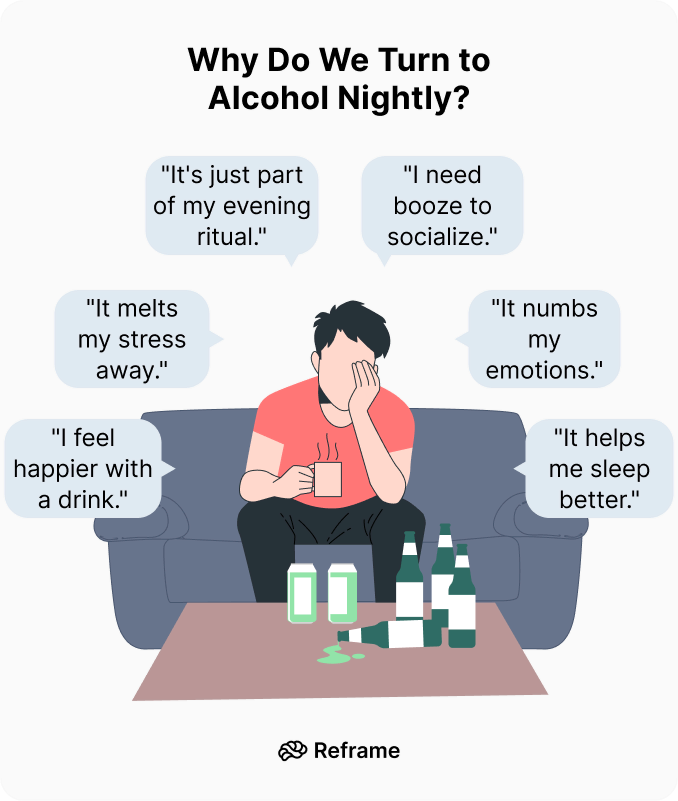
Several other factors are at play when it comes to nightly drinking. Here are a few common ones:
"I feel happier with a drink." Alcohol stimulates the release of dopamine, our primary pleasure and reward neurotransmitter. When we drink regularly, especially in enjoyable environments or situations, it doesn’t take long for our brain to latch on to a pattern: alcohol equals pleasure. Over time, this link strengthens, making the ritual of a nightly drink feel rewarding. The brain comes to expect and crave it, pushing us towards that evening drink.
But here's the kicker: as we continue to drink, it might take more alcohol to achieve the same dopamine hit. It’s a tricky cycle that can quickly escalate, making it difficult to feel happy without booze.
"It melts my stress away." Life is riddled with stress — from work, personal challenges, and global events — and alcohol can seem like a quick escape. As a depressant, it momentarily mutes the buzz of anxiety and stress. This can set a pattern: after a challenging day, the brain craves relief, and alcohol might be the go-to solution that temporarily turns off the negativity. Unfortunately, however, it mutes all the good stuff as well: authentic pleasure, inspiration, and connection with others. Besides, the stress always comes back — usually stronger than ever.
"It's just part of my evening ritual." We are creatures of habit, and consistency is the glue that makes habits stick. What might start as an occasional glass of wine with dinner can slowly morph into a nightly ritual. The sensory aspects — the clink of ice, the swirl and smell of liquid, the fizz of a can opening — can become cues that signal relaxation time.
"I need booze to socialize." The need to “fit in” or “loosen up” in social settings can feel like a compelling reason to pour that drink. If our social circle often meets over drinks or if we’re surrounded by a culture that equates socializing with drinking, our daily drinking habits get fueled by a powerful force that acts at a subconscious level.
Once again, though, it’s a double-edged sword — by relying on alcohol to socialize, we keep ourselves from developing social skills that can serve us throughout life and are ultimately missing out on authentic connections. Many people find themselves looking back on a period of time — maybe years or even decades — of feeling like a social butterfly only to find that they have nothing to show for it in terms of lasting connections.
"It numbs my emotions." When faced with challenging emotions or memories, some people find solace in alcohol's numbing effects. The temporary escape from sadness, loneliness, or anxiety can make alcohol a go-to emotional band-aid — one that ultimately fails in the long run.
It depends on the amount. That said, the most recent guidelines say that no amount of alcohol is actually “safe,” so a better answer is that it’s very likely harmful to some extent, but might be a matter of degree.
Moderate alcohol consumption is defined differently worldwide, but often it's considered to be up to one drink per day for women and up to two drinks for men as it is in the U.S.
If we’re talking about chronic heavy drinking, however, the facts are undeniable — it can lead to numerous health issues, including liver disease, cardiovascular issues, and an increased risk of accidents. Moreover, if drinking causes distress or harm in any area of our life, it's a sign to reassess.
Chronic heavy drinking poses several health risks:
Liver damage. One of the primary concerns is the risk to the liver. Alcohol is metabolized in the liver, and consistent heavy drinking can lead to conditions like fatty liver disease, alcoholic hepatitis, fibrosis, and cirrhosis.
Heart health. While some argue that moderate drinking might have cardiovascular benefits, excessive alcohol consumption is linked to high blood pressure, irregular heartbeats, cardiomyopathy, and an increased risk of stroke.
Brain health. Chronic heavy drinking can affect the brain, impairing coordination, memory, mood regulation, and increasing the risk of dementia in the long term.
Digestive issues. Alcohol can irritate the lining of the stomach, leading to gastritis and interfering with the stomach's ability to produce acid necessary for digestion.
Weakened immune system. Regular heavy drinking can weaken the immune system, making the body more susceptible to infections.
Short-Term Risks of Excessive Drinking
Even if you don't feel the long-term effects right away, excessive drinking comes with immediate risks. The Centers for Disease Control and Prevention (CDC) explains that excessive drinking includes patterns like binge drinking (consuming multiple drinks in a short period) or heavy drinking (regularly consuming a high number of drinks per week). These habits can quickly lead to impaired judgment, which increases the likelihood of accidents, injuries, and risky behaviors. The immediate consequences aren't just about hangovers; they can involve serious situations that affect your safety and the well-being of those around you. Every time you drink heavily, you're rolling the dice with your immediate health.
Long-Term Health Consequences
When nightly drinking becomes a long-term habit, the risks compound. Chronic heavy drinking is a major contributor to a host of serious health problems that develop over years. We’re talking about significant damage to vital organs, including the liver and heart. It’s not just about physical health, either. If your drinking habit is causing you distress, creating friction in your relationships, or impacting your performance at work, those are serious consequences. It’s a clear sign that your relationship with alcohol might be causing more harm than good, making it a good time to reassess the role it plays in your life.
How Daily Drinking Changes Your Appearance
The effects of daily drinking aren't just internal; they often show up right on your face. Alcohol is dehydrating, which can leave your skin looking dull, dry, and less plump, making fine lines more noticeable. Many people also experience a red, flushed complexion due to the expansion of blood vessels. Over time, this can lead to visible, broken capillaries on the face. In more serious cases, the strain on your liver can cause jaundice, a condition that makes your skin and the whites of your eyes turn yellow. These outward signs are often your body's way of signaling that it's struggling with the amount of alcohol you're consuming.
The Impact on Your Sleep Quality
It’s a common myth that a drink before bed helps you sleep. While alcohol might make you feel drowsy and help you fall asleep faster, it significantly disrupts your sleep cycle later in the night. Specifically, it suppresses REM sleep, which is the most restorative stage of sleep, crucial for memory and mood regulation. This is why you can sleep for a full eight hours after drinking but still wake up feeling exhausted and foggy. This poor sleep quality can create a vicious cycle: you feel tired and stressed, so you reach for a drink to unwind, which then leads to another night of non-restful sleep.
Increased Risk for Chronic Diseases
The connection between long-term alcohol use and chronic disease is well-established. Consistently drinking puts you at a higher risk for developing several serious conditions. This includes various types of cancer (such as mouth, throat, esophagus, liver, and breast), high blood pressure, heart disease, and stroke. Your liver is particularly vulnerable, with conditions like fatty liver disease and cirrhosis being common outcomes of chronic heavy drinking. The good news is that reducing your alcohol intake can directly lower your risk for these diseases and improve your overall health outlook significantly.
Special Risks for Those with Existing Health Conditions
If you're already managing a health condition, daily drinking can be especially dangerous. Alcohol can interfere with medications, making them less effective or causing harmful side effects. For individuals with conditions like high blood pressure or an irregular heartbeat, alcohol can put extra strain on the cardiovascular system and worsen their condition. It can also make it harder to manage blood sugar levels for people with diabetes. Furthermore, since alcohol is a depressant, it can exacerbate symptoms of mental health conditions like depression and anxiety, undermining treatment and recovery efforts.
Your Nightly Drink: A Look at Beer, Wine, and Liquor
Finally, it's important to recognize that not all alcoholic drinks are created equal. The type of alcohol — whether it’s beer, wine, or hard liquor — can influence both the quantity and the effects on our health when it comes to daily drinking. Let's explore these distinctions:
What Happens When You Drink Beer Every Day?
What's inside? A standard beer (12 ounces) generally contains about 5% alcohol. But there are many beer varieties — ranging from lighter lagers to potent IPAs — with varying alcohol contents.
Health implications. Regular beer drinkers might take in more liquid than those consuming wine or spirits, leading them to feel full or bloated. There's also a risk of weight gain, given beer's calorie content.
Is a Daily Glass of Wine Actually Healthy?Wine Every Day
What's inside? A standard glass of wine (5 ounces) has an alcohol content ranging from 12% to 15%, depending on the type of wine.
Health implications. Drinking more than moderate amounts can negate any benefits that are often cited when it comes to moderate wine drinking, contributing to health issues such as liver problems, increased cancer risk, and sleep disruptions. Additionally, wine can be acidic, leading to dental problems and heartburn.
The Impact of a Nightly Shot or Cocktail
What's inside? Hard liquor or spirits such as whiskey, vodka, or rum have a much higher alcohol content. A standard drink (1.5 ounces) ranges from 40% to 50% alcohol, though this varies.
Health implications. Given its potency, it's easier to go overboard with hard liquor unintentionally. Regularly drinking high quantities can lead to severe liver damage, digestive problems, and a weakened immune system. Moreover, mixers used in cocktails can add hidden sugars and calories, leading to weight gain and metabolic disruptions.
7 Steps to Change Your Relationship With Alcohol
Alright, knowledge in hand, what's next? If you're thinking of cutting back or quitting, here are seven science-backed steps:
Track your drinks. Begin by logging every drink you have for a week. This gives you a concrete overview and can spotlight patterns. (Reframe is a great place to start!)
Set clear limits. If you decide to continue drinking, set a limit. Maybe you decide to drink only on weekends or specific occasions.
Find alternatives. Replace the ritual. If you usually unwind with a drink, try herbal tea, a warm bath, or a short walk.
Engage in mindfulness. Mindfulness practices can help you become more aware of why you're reaching for a drink. Is it out of habit, boredom, or stress? Understanding your triggers can help address the root cause.
Seek social support. Talk to friends or family about your goal to cut back or quit. Having someone to encourage you can make a difference.
Consult a professional. If you're finding it challenging, don't hesitate to consult with a therapist or counselor who specializes in addiction.
Celebrate small wins. Every day you stick to your plan, give yourself credit. Positive reinforcement can go a long way.
A Critical Safety Note: The Dangers of Quitting Cold Turkey
Before we go any further, it’s essential to address a critical safety issue. If you drink alcohol every day and experience physical symptoms like shaking, nausea, or anxiety when you don’t, please do not stop drinking suddenly on your own. Abruptly quitting can lead to severe and potentially life-threatening alcohol withdrawal. This is not a matter of willpower; it’s a serious medical condition that requires professional supervision. If this sounds like you, the safest first step is to contact a doctor or a local treatment service. They can help you create a plan for a safe, medically supervised detox to manage your symptoms and protect your health.
Practical Tips for Cutting Back Mindfully
If you’re not at risk for severe withdrawal, deciding to reduce your alcohol intake is a fantastic goal. This journey can lead to better sleep, a brighter mood, stronger relationships, and an overall sense of well-being. The key is to approach it with intention rather than restriction. Here are a few practical ways to start cutting back with a focus on mindful drinking:
Keep a drink diary. For one week, write down every drink you have. Note what it was, how much you drank, and who you were with. This isn’t about judgment; it’s about gathering information to understand your habits. Using an app like Reframe can make this process simple and insightful, helping you see patterns you might not have noticed otherwise.
Set a clear limit. Decide ahead of time how much you’re going to drink and stick to it. This could mean setting a limit for the week or for a specific night out. Having a number in mind gives you a concrete goal to work toward and helps you practice making and keeping promises to yourself.
Schedule alcohol-free days. Designate at least three days a week where you don’t drink at all. This helps break the daily habit and gives your body a much-needed rest. You might be surprised by how much better you sleep and how much more energy you have on these days, which can be great motivation to continue.
Talk to your doctor. Your primary care physician is a great, confidential resource. They can offer personalized advice based on your health history and help you find additional support if you need it. Reaching out for medical advice is a proactive and responsible step in caring for your well-being.
Your Path Forward
"I drink every night, am I an alcoholic?" is a brave question to ask. While nightly drinking alone can’t serve as an AUD diagnosis, it's important to look at the broader context. How is it affecting your life, health, and relationships? With understanding and actionable steps, you can navigate your relationship with alcohol in a way that aligns with your well-being. Remember, each day is an opportunity, and it's never too late to make a change!
Where to Find Help and Support
Recognizing you might need some help is a huge step, and you should be proud of it. The good news is there are so many avenues for support, so you can find what feels right for you. The path to changing your relationship with alcohol isn't one-size-fits-all; some people thrive with professional guidance, while others find strength in peer groups. Modern tools have also made support more accessible and private than ever. If you're looking for guidance that fits into your daily life, apps like Reframe provide a comprehensive toolkit right on your phone. We combine neuroscience-based programs with a supportive community to help you explore mindful drinking and build new habits on your own terms.
Professional Treatment Options
If you feel your drinking habits are significantly impacting your life, seeking professional guidance is a strong, proactive choice. Several structured options are available, depending on your specific needs. Medically supervised detoxification is often the first step for those with physical dependence, ensuring you can safely manage withdrawal symptoms. For a more immersive approach, residential or inpatient programs allow you to stay at a treatment center and focus entirely on your recovery. If you need to balance treatment with work or family life, outpatient programs offer weekly therapy sessions that help you build coping strategies while living at home. A healthcare professional can help you figure out which option is the best fit for your situation.
Support Groups and Helplines
You absolutely don’t have to do this alone. Connecting with others who understand what you’re going through can be incredibly powerful. Your primary doctor is a great first point of contact for confidential advice and resources. From there, you might explore support groups like Alcoholics Anonymous (AA), which offer a space to share experiences and gain strength from peers. If you prefer a digital community that's always available, you can find one in the Reframe app, where members share their progress and encourage one another 24/7. For immediate, in-the-moment support, national and local helplines are also available to provide a listening ear and direct you to further resources.
How to Support a Loved One
Watching someone you care about struggle with alcohol is heartbreaking, and it’s natural to want to help. The most important thing you can do is approach them with compassion and concern, not judgment. Use "I" statements to express how their drinking affects you, like "I'm worried about you," instead of making accusations. Encourage them to talk to a doctor or therapist, but understand that you can't force them to change. It's also critical to set boundaries to protect your own well-being. Remember, if they have been drinking heavily, stopping suddenly can be dangerous. Gently guide them toward professional help to ensure they can reduce their intake safely.
Frequently Asked Questions
So, does drinking every single night automatically mean I have a problem? Not necessarily. The real question is less about the frequency and more about the impact. If your nightly drink is causing negative effects in your life—whether that's with your health, relationships, or your own peace of mind—and you find you can't stop despite wanting to, then it's a sign to take a closer look at your habit. It's more of a spectrum than a simple yes or no answer.
What if I only have one or two drinks a night? Is that still considered unhealthy? While that amount might fall within "moderate" drinking guidelines, recent health advice suggests that no amount of alcohol is truly risk-free. A daily habit, even a small one, can still affect your sleep quality, skin, and long-term health. It also reinforces the ritual, which can make it harder to skip a night. The key is to be honest with yourself about why you feel the need for that drink every evening.
I don't get the shakes or feel sick if I miss a drink. Does that mean I'm not dependent? You're describing physical dependency, which is a serious medical concern. However, it's also possible to have a strong psychological dependency. This is when you feel you need alcohol to relax, socialize, or cope with stress, even if your body isn't physically demanding it. If the thought of getting through an evening without a drink fills you with anxiety, that's a sign of a psychological reliance worth exploring.
My nightly drink is my main way to de-stress. What can I do instead? This is such a common reason for a nightly drink, and it makes sense to look for a replacement ritual. The goal is to find something that signals to your brain that the day is over. You could try brewing a specific type of herbal tea, taking a warm bath, listening to a calming playlist, or going for a short, quiet walk. It takes time to build a new habit, so be patient with yourself as you experiment to find what truly helps you unwind.
How do I handle social situations or a partner who still wants to drink every night? This can be tricky, but it's completely manageable. Being direct and honest is often the best approach. You can simply say, "I'm taking a break from drinking for my health" or "I'm cutting back because I sleep better without it." For a partner, explain your reasons and suggest other ways to connect and unwind together. Having a tasty non-alcoholic drink in hand, like a seltzer with lime, also helps you feel part of the occasion without the alcohol.
Key Takeaways
Focus on Impact, Not Labels: The term "alcoholic" is less important than how your nightly drinking actually affects your life. The real question is whether the habit is causing negative consequences for your health, relationships, or overall well-being.
Identify Your Triggers to Find Better Solutions: Understanding why you reach for a drink each night—whether it's stress, habit, or social routine—is the first step. Once you know the reason, you can find healthier, more effective ways to unwind and cope.
Create a Safe and Mindful Plan to Cut Back: Making a change starts with practical steps like tracking your drinks and setting clear limits. However, if you experience physical withdrawal symptoms, it's critical to talk to a doctor before stopping suddenly to ensure you do it safely.
Reasons range from seeking neurochemical rewards and stress relief, adhering to routines, social influences, emotional coping, to misconceptions about sleep benefits.
2. Is daily drinking harmful?
The occasional drink might not pose significant risks, but consistent daily consumption, especially in larger quantities, has a spectrum of potential health implications, both physically and mentally.
3. How does alcohol stimulate pleasure?
Alcohol triggers the release of dopamine, our primary pleasure neurotransmitter. This creates a sense of reward and joy, leading our brain to associate pleasure with alcohol consumption.
4. Does drinking alcohol actually reduce stress?
While alcohol can offer a temporary sense of relief from stress due to its depressant nature, this is short-lived. Relying on it for stress relief can lead to increased tolerance and potential dependence.
5. Is drinking wine daily better than beer or hard liquor?
Each type of alcoholic beverage has its own set of considerations, and overconsumption of any type has its drawbacks.
6. What's the risk with using alcohol to help me sleep?
While alcohol might induce drowsiness and help you fall asleep faster initially, it often disrupts sleep patterns and reduces sleep quality. Relying on it for better sleep can be counterproductive in the long run.
7. How can I identify if I might have an alcohol use disorder (AUD)?
AUD is diagnosed based on specific criteria like an inability to limit drinking, spending a lot of time drinking or feeling sick from aftereffects, and continued alcohol use despite problems it causes, among others. If you're concerned, it's essential to seek guidance from a healthcare professional.
Ready To Leave Your Nightly Alcohol Habit Behind? Reframe Can Help!
Although it isn’t a treatment for alcohol use disorder (AUD), the Reframe app can help you cut back on drinking gradually, with the science-backed knowledge to empower you 100% of the way. Our proven program has helped millions of people around the world drink less and live more. And we want to help you get there, too!
The Reframe app equips you with the knowledge and skills you need to not only survive drinking less, but to thrive while you navigate the journey. Our daily research-backed readings teach you the neuroscience of alcohol, and our in-app Toolkit provides the resources and activities you need to navigate each challenge.
You’ll meet millions of fellow Reframers in our 24/7 Forum chat and daily Zoom check-in meetings. Receive encouragement from people worldwide who know exactly what you’re going through! You’ll also have the opportunity to connect with our licensed Reframe coaches for more personalized guidance.
Plus, we’re always introducing new features to optimize your in-app experience. We recently launched our in-app chatbot, Melody, powered by the world’s most powerful AI technology. Melody is here to help as you adjust to a life with less (or no) alcohol.
And that’s not all! Every month, we launch fun challenges, like Dry/Damp January, Mental Health May, and Outdoorsy June. You won’t want to miss out on the chance to participate alongside fellow Reframers (or solo if that’s more your thing!).
The Reframe app is free for 7 days, so you don’t have anything to lose by trying it. Are you ready to feel empowered and discover life beyond alcohol? Then download our app through the App Store or Google Play today!
Reframe has helped over 2 millions people to build healthier drinking habits globally
At Reframe, we do science, not stigma. We base our articles on the latest peer-reviewed research in psychology, neuroscience, and behavioral science. We follow the Reframe Content Creation Guidelines, to ensure that we share accurate and actionable information with our readers. This aids them in making informed decisions on their wellness journey. Learn more
Updated Regularly
Our articles undergo frequent updates to present the newest scientific research and changes in expert consensus in an easily understandable and implementable manner.