

Curious why hangovers last as long as they do? Unravel the science behind that morning-after grogginess in our latest blog!

Although it isn’t a treatment for alcohol use disorder (AUD), the Reframe app can help you cut back on drinking gradually, with the science-backed knowledge to empower you 100% of the way. Our proven program has helped millions of people around the world drink less and live more. And we want to help you get there, too!
The Reframe app equips you with the knowledge and skills you need to not only survive drinking less, but to thrive while you navigate the journey. Our daily research-backed readings teach you the neuroscience of alcohol, and our in-app Toolkit provides the resources and activities you need to navigate each challenge.
You’ll meet millions of fellow Reframers in our 24/7 Forum chat and daily Zoom check-in meetings. Receive encouragement from people worldwide who know exactly what you’re going through! You’ll also have the opportunity to connect with our licensed Reframe coaches for more personalized guidance.
Plus, we’re always introducing new features to optimize your in-app experience. We recently launched our in-app chatbot, Melody, powered by the world’s most powerful AI technology. Melody is here to help as you adjust to a life with less (or no) alcohol.
And that’s not all! Every month, we launch fun challenges, like Dry/Damp January, Mental Health May, and Outdoorsy June. You won’t want to miss out on the chance to participate alongside fellow Reframers (or solo if that’s more your thing!).
The Reframe app is free for 7 days, so you don’t have anything to lose by trying it. Are you ready to feel empowered and discover life beyond alcohol? Then download our app through the App Store or Google Play today!
From the slapstick scenes in comedies to dramatic morning-after moments in romance films, Hollywood has a knack for portraying hangovers in ways that range from the hilariously exaggerated to the eerily accurate. Who can forget the disheveled crew in The Hangover, waking up in a trashed Las Vegas suite with absolutely no memory of the night before? Or Bridget Jones in Bridget Jones's Diary lamenting her choices from the previous night, nursing a headache with a glass of water and an aspirin?

While these films offer entertaining portrayals of the payback that comes after a night of heavy drinking, they only scratch the surface of what's actually happening in our bodies. Let's pull back the curtain on the silver screen and shine a spotlight on the science behind those groggy, head-pounding mornings. How long does a hangover last? Let’s explore the hangover timeline and dive into the 6 scientific reasons why hangovers last as long as they do.
While hangover symptoms can vary, they follow a general timeline, often unfolding in a predictable sequence.

We have an idea of what a hangover timeline looks like. But why do they sometimes last longer? There could be a few reasons:


Now that we have a general idea of what hangovers are like, let’s explore the science behind them and learn more about the lasting effects of alcohol on our body chemistry.
It might seem counterintuitive at first — we drink liquid, but end up feeling parched the next day. In the case of alcohol, though, this paradoxical effect is very real, and it comes down to how booze interacts with our bodies.
When we drink, the liver immediately starts using enzymes to break it down in a two-step process. More toxic than alcohol itself, acetaldehyde — the intermediary metabolic by-product — is one of the primary culprits behind unpleasant hangover symptoms. The more we drink, the harder it is for the liver to keep up. As a result, acetaldehyde accumulates in the bloodstream, leading to nausea, sweating, and skin flushing.
Some people are also genetically more susceptible to acetaldehyde buildup, especially if they have a less-active variant of the liver enzymes. This genetic variation is responsible for the facial flushing, dizziness, and nausea that comes with consuming even small amounts of alcohol.
Apart from its direct toxic effects, acetaldehyde also promotes inflammation, which can exacerbate hangover symptoms, contributing to fatigue, memory issues, and decreased attention span.
Alcohol may seem like an ideal sleep aid, helping us doze off quickly. But while it might make us crash, the quality and structure of the sleep we get isn’t the best — we wake up feeling groggy, even if we slept longer than usual. Let’s explore how alcohol contributes to hangover-related fatigue in more detail.

Drinking can activate the immune system, causing it to respond as if there's a threat. This activation triggers a cascade of effects that make us feel lousy, contributing to hangover symptoms such as malaise, fatigue, and cognitive disruptions. The immune response is part of the reason why, after a night of drinking, we might feel like we’re coming down with something, even if we aren’t.
For many, a night of drinking is often followed by the all-too-familiar unpleasantness of an upset stomach the next day. But what exactly does alcohol do to our stomach to cause this discomfort?
A night of drinking can leave us feeling unusually fatigued, dizzy, or shaky. One often overlooked culprit for these sensations? A drop in blood sugar levels.
The liver plays a crucial role in regulating blood sugar. One of its primary responsibilities is to release stored glucose into the bloodstream when blood sugar levels drop, ensuring a steady energy supply for the body’s functions. However, when alcohol is introduced, the liver prioritizes metabolizing it over other tasks, including gluconeogenesis — the process by which the liver produces glucose from non-carbohydrate sources. Alcohol consumption can inhibit gluconeogenesis, reducing the liver's ability to produce and release new glucose into the bloodstream.
As a result of these factors, alcohol can lead to hypoglycemia, a condition characterized by abnormally low blood sugar levels. Symptoms of hypoglycemia include weakness, dizziness, sweating, rapid heartbeat, and confusion. If left untreated, severe cases can lead to fainting or seizures.
The type of alcoholic beverage consumed, and what it's consumed with, can also impact blood sugar levels. Drinks with high sugar content can initially spike blood sugar, followed by a sharp drop. Moreover, if alcohol is consumed on an empty stomach, the risk of hypoglycemia increases as there's no accompanying food to stabilize glucose levels.
Chronic alcohol consumption can also change how the body responds to insulin, the hormone that allows cells to take in glucose from the bloodstream. Alcohol can increase insulin secretion, leading to a more rapid decrease in blood sugar levels, impairing the insulin signaling pathway, and possibly even leading to insulin resistance.

While understanding the science behind hangovers is important, wouldn’t it be even better if we could sidestep them altogether? Let’s explore some science-backed strategies that can help.
Now, we've looked at the science behind hangovers and ways to prevent them. But what if you've already crossed that bridge and are in the throes of a full-blown hangover? Fear not! Some home remedies can actually help alleviate your symptoms.
Being proactive can greatly reduce your chances of waking up with that dreaded hangover. But again, the surefire way to prevent a hangover is to moderate your intake or opt out altogether. Your future self will thank you!
And if you're on a journey to cut back or quit, know that every step is a move towards a healthier, more vibrant you!

From the slapstick scenes in comedies to dramatic morning-after moments in romance films, Hollywood has a knack for portraying hangovers in ways that range from the hilariously exaggerated to the eerily accurate. Who can forget the disheveled crew in The Hangover, waking up in a trashed Las Vegas suite with absolutely no memory of the night before? Or Bridget Jones in Bridget Jones's Diary lamenting her choices from the previous night, nursing a headache with a glass of water and an aspirin?
While these films offer entertaining portrayals of the payback that comes after a night of heavy drinking, they only scratch the surface of what's actually happening in our bodies. Let's pull back the curtain on the silver screen and shine a spotlight on the science behind those groggy, head-pounding mornings. How long does a hangover last? Let’s explore the hangover timeline and dive into the 6 scientific reasons why hangovers last as long as they do.
While hangover symptoms can vary, they follow a general timeline, often unfolding in a predictable sequence.
We have an idea of what a hangover timeline looks like. But why do they sometimes last longer? There could be a few reasons:
Now that we have a general idea of what hangovers are like, let’s explore the science behind them and learn more about the lasting effects of alcohol on our body chemistry.
It might seem counterintuitive at first — we drink liquid, but end up feeling parched the next day. In the case of alcohol, though, this paradoxical effect is very real, and it comes down to how booze interacts with our bodies.
When we drink, the liver immediately starts using enzymes to break it down in a two-step process. More toxic than alcohol itself, acetaldehyde — the intermediary metabolic by-product — is one of the primary culprits behind unpleasant hangover symptoms. The more we drink, the harder it is for the liver to keep up. As a result, acetaldehyde accumulates in the bloodstream, leading to nausea, sweating, and skin flushing.
Some people are also genetically more susceptible to acetaldehyde buildup, especially if they have a less-active variant of the liver enzymes. This genetic variation is responsible for the facial flushing, dizziness, and nausea that comes with consuming even small amounts of alcohol.
Apart from its direct toxic effects, acetaldehyde also promotes inflammation, which can exacerbate hangover symptoms, contributing to fatigue, memory issues, and decreased attention span.
Alcohol may seem like an ideal sleep aid, helping us doze off quickly. But while it might make us crash, the quality and structure of the sleep we get isn’t the best — we wake up feeling groggy, even if we slept longer than usual. Let’s explore how alcohol contributes to hangover-related fatigue in more detail.
Drinking can activate the immune system, causing it to respond as if there's a threat. This activation triggers a cascade of effects that make us feel lousy, contributing to hangover symptoms such as malaise, fatigue, and cognitive disruptions. The immune response is part of the reason why, after a night of drinking, we might feel like we’re coming down with something, even if we aren’t.
For many, a night of drinking is often followed by the all-too-familiar unpleasantness of an upset stomach the next day. But what exactly does alcohol do to our stomach to cause this discomfort?
A night of drinking can leave us feeling unusually fatigued, dizzy, or shaky. One often overlooked culprit for these sensations? A drop in blood sugar levels.
The liver plays a crucial role in regulating blood sugar. One of its primary responsibilities is to release stored glucose into the bloodstream when blood sugar levels drop, ensuring a steady energy supply for the body’s functions. However, when alcohol is introduced, the liver prioritizes metabolizing it over other tasks, including gluconeogenesis — the process by which the liver produces glucose from non-carbohydrate sources. Alcohol consumption can inhibit gluconeogenesis, reducing the liver's ability to produce and release new glucose into the bloodstream.
As a result of these factors, alcohol can lead to hypoglycemia, a condition characterized by abnormally low blood sugar levels. Symptoms of hypoglycemia include weakness, dizziness, sweating, rapid heartbeat, and confusion. If left untreated, severe cases can lead to fainting or seizures.
The type of alcoholic beverage consumed, and what it's consumed with, can also impact blood sugar levels. Drinks with high sugar content can initially spike blood sugar, followed by a sharp drop. Moreover, if alcohol is consumed on an empty stomach, the risk of hypoglycemia increases as there's no accompanying food to stabilize glucose levels.
Chronic alcohol consumption can also change how the body responds to insulin, the hormone that allows cells to take in glucose from the bloodstream. Alcohol can increase insulin secretion, leading to a more rapid decrease in blood sugar levels, impairing the insulin signaling pathway, and possibly even leading to insulin resistance.
While understanding the science behind hangovers is important, wouldn’t it be even better if we could sidestep them altogether? Let’s explore some science-backed strategies that can help.
Now, we've looked at the science behind hangovers and ways to prevent them. But what if you've already crossed that bridge and are in the throes of a full-blown hangover? Fear not! Some home remedies can actually help alleviate your symptoms.
Being proactive can greatly reduce your chances of waking up with that dreaded hangover. But again, the surefire way to prevent a hangover is to moderate your intake or opt out altogether. Your future self will thank you!
And if you're on a journey to cut back or quit, know that every step is a move towards a healthier, more vibrant you!

Waking up frequently throughout the night and having trouble falling back asleep? Explore how alcohol contributes to insomnia and makes our sleepless nights even worse.
Although it isn’t a treatment for alcohol use disorder (AUD), the Reframe app can help you cut back on drinking gradually, with the science-backed knowledge to empower you 100% of the way. Our proven program has helped millions of people around the world drink less and live more. And we want to help you get there, too!
The Reframe app equips you with the knowledge and skills you need to not only survive drinking less, but to thrive while you navigate the journey. Our daily research-backed readings teach you the neuroscience of alcohol, and our in-app Toolkit provides the resources and activities you need to navigate each challenge.
You’ll meet millions of fellow Reframers in our 24/7 Forum chat and daily Zoom check-in meetings. Receive encouragement from people worldwide who know exactly what you’re going through! You’ll also have the opportunity to connect with our licensed Reframe coaches for more personalized guidance.
Plus, we’re always introducing new features to optimize your in-app experience. We recently launched our in-app chatbot, Melody, powered by the world’s most powerful AI technology. Melody is here to help as you adjust to a life with less (or no) alcohol.
And that’s not all! Every month, we launch fun challenges, like Dry/Damp January, Mental Health May, and Outdoorsy June. You won’t want to miss out on the chance to participate alongside fellow Reframers (or solo if that’s more your thing!).
The Reframe app is free for 7 days, so you don’t have anything to lose by trying it. Are you ready to feel empowered and discover life beyond alcohol? Then download our app through the App Store or Google Play today!
You’re exhausted! You’ve had a long day at work and are more than ready to get a good night’s sleep. You go through your typical bedtime routine: turn on the fan, climb into bed, and shut off the lights. You take a couple of deep breaths, close your eyes, and … can’t fall asleep. You try different meditation techniques, breathing exercises, and maybe you even start counting sheep, but still — 20, 30, 60 minutes later — you’re wide awake. Sadly, this has become your nightly norm.
Insomnia can be relentless, and it takes a toll on our cognitive, emotional, and physical health. When we add alcohol to the mix, it only makes our sleepless nights worse. Below, we’ll explore the effect alcohol has on sleep and insomnia — and how we can get a better night’s rest.
Simply put, insomnia is a sleep disorder that can cause difficulty falling asleep or staying asleep; it can make us wake up too early (without being able to fall back asleep); and it can reduce the overall quality of our sleep. It’s a common disorder that affects 10-30% or more of the worldwide population.
Insomnia is a highly subjective experience that manifests itself differently in every person. It’s different from not having time to get enough sleep due to a busy work schedule or staying up late. Insomnia means not getting sleep despite having the time and intention to do so.
These are some of the most common signs and symptoms of insomnia:
There are two main types of insomnia: acute and chronic. Acute insomnia is short-term, lasting anywhere from a night or two to a few weeks or months. It’s usually brought on by stressful life events — job loss, death of a loved one, health problems, or a traumatic experience. Chronic insomnia is long-term difficulty with sleep, usually defined as having trouble falling or staying asleep for three or more nights per week for three months or more.
Insomnia can be caused by a variety of factors, involving a complex interplay of our mind-body connection, medical history, environmental factors, and outside influences, such as stress. These are some of the more common causes and contributing conditions:
Certain factors can increase our risk for insomnia. For instance, while the condition can happen at any time in our life, it’s more common the older we get. Women are also more likely to have insomnia than men, particularly during pregnancy, while caring for a newborn, and in menopause. Researchers also believe that there may be a genetic component to insomnia, as it tends to run in families.
So how does alcohol make insomnia worse? It all comes down to how alcohol disrupts our natural sleep-wake cycle, known as the circadian rhythm. This biological rhythm regulates various physiological processes, including sleep. When disrupted, it can lead to a host of sleep problems, including insomnia.
Upon consuming alcohol, it initially acts as a stimulant, increasing dopamine levels in the brain. This surge in dopamine can induce feelings of alertness and wakefulness. As the body metabolizes alcohol, it transitions into a depressant, causing drowsiness and facilitating the onset of sleep.
However, as the body metabolizes alcohol throughout the night, its stimulatory effects can resurface. This phenomenon, known as the "rebound effect," can lead to awakenings during the night and difficulty returning to sleep. Interestingly, between 35 and 70% of people who use alcohol have insomnia.
Furthermore, alcohol increases levels of adenosine, a key component of the “homeostatic drive,” which keeps our body balanced. It’s also one of the major mechanisms regulating our sleep-wake cycle. The homeostatic drive tells us it’s time to sleep by boosting levels of adenosine when we’ve been awake for too long.
After a few drinks, increased levels of adenosine send us into a deep sleep. But once our body realizes it’s had too much slow wave sleep, the homeostatic drive compensates by allowing us less deep sleep in the second half of the night. This is why we might find ourselves tossing and turning after a night of drinking.
It’s true: alcohol can help us fall asleep more quickly and easily. This is largely because alcohol is a central nervous system depressant: it slows our brain activity. It also acts as a sedative, inducing feelings of relaxation and sleepiness. But even though alcohol can cause us to fall asleep quickly, it often leads to fragmented and non-restorative sleep. And the more we drink, the greater the effect: higher doses of alcohol have been shown to disrupt sleep, particularly during the second half of the night.
While consuming a little alcohol before bed might seem helpful for insomnia, research shows that people rapidly develop tolerance to alcohol’s sedating effects. One study showed that smaller amounts of alcohol did increase total sleep time and deep sleep for people with insomnia. However, these effects evaporated within a week. As the study continued, participants were inclined to increase alcohol consumption up to almost the equivalent of three beers a night.
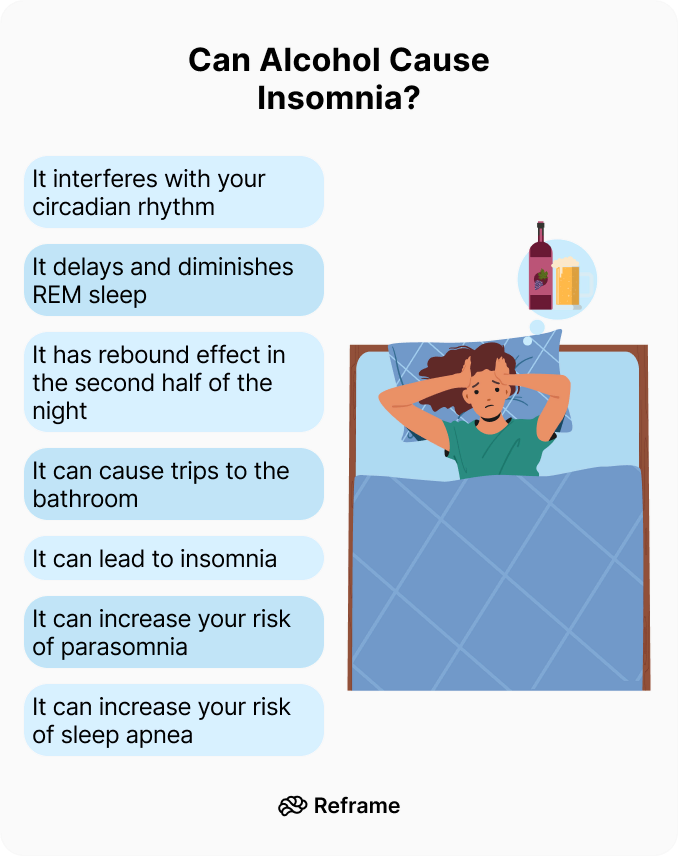
Alcohol is also known to suppress and reduce the amount of time we spend in rapid eye movement (REM) sleep — one of the most important stages of sleep for physical and mental restoration.
REM sleep is the fourth stage of a sleep cycle, and it’s vital for cognitive functions, such as memory consolidation, emotional processing, learning, and creativity. Doctors, experts, and researchers have all noted the importance of REM sleep to our overall health and well-being. Without it, our memory, mood, and mental focus suffer. Lack of REM sleep can even weaken our immune system, as the growth of new healthy cells and tissue in the body is blocked.
Even just a couple of drinks can disrupt our sleep and prevent us from getting REM. One study found that having fewer than two servings of alcohol per day for men or one serving per day for women decreased sleep quality by nearly 10%. The more alcohol we consume, the more our quality of sleep decreases: more than 2 drinks for men and more than 1 for women decreased sleep quality by almost 40%.
Our body depends on high quality sleep for many vital functions, especially for regulating our metabolism, energy levels, mood, and immune function. Research suggests that good sleep patterns can actually add years to our life.
On the other hand, just a single night of sleep deprivation can speed up cellular aging. Over time, lack of sleep contributes to many serious health concerns, including depression, anxiety, stress, high blood pressure, diabetes, stroke, and cardiovascular disease.
Research also shows that chronic sleep loss promotes negative emotional processing, which can result in aggression, anger, hopelessness, and (in extreme cases) suicidal ideation. Insomnia can also interfere with our daily life, impairing our ability to focus on tasks, make decisions, and perform well at work. It also impedes our executive functions, daytime wakefulness, and stress management.
There’s no simple solution for treating insomnia. Because symptoms vary from person to person, treatment usually involves a bit of trial and error. Oftentimes, it requires getting to the root of the issue — whether that’s stress, drug or alcohol use, work schedules, anxiety or depression, chronic pain, or something else entirely.
A doctor can help us develop an individualized treatment plan based on our own personal situation, medical history, and lifestyle habits. While certain prescription medications can help facilitate sleep, they can cause side effects, dependence, and eventual tolerance. Experts advise against using sleep drugs, since they mask symptoms without treating the underlying cause of insomnia.
Many people with insomnia have found success through stress management and relaxation techniques, cognitive behavioral therapy, consistent and healthy evening routines, and good sleep hygiene.
Achieving restful sleep without relying on alcohol may seem daunting, but it is entirely possible with the right strategies. Here are some tips to get started:
Finally, if we feel as though we’ve tried everything and nothing is working, a medical professional can provide personalized advice and treatment options. Sadly, research indicates that up to 80% of insomnia cases are undiagnosed. Don’t be afraid to let your doctor know you’re struggling with sleep — you should never have to suffer in silence.
If you’re relying on alcohol to help you fall asleep, but your overall quality of sleep is suffering, consider trying Reframe. Our research-backed app has helped millions of people cut back on their alcohol consumption and improve their health and well-being — including their sleep.
You’re exhausted! You’ve had a long day at work and are more than ready to get a good night’s sleep. You go through your typical bedtime routine: turn on the fan, climb into bed, and shut off the lights. You take a couple of deep breaths, close your eyes, and … can’t fall asleep. You try different meditation techniques, breathing exercises, and maybe you even start counting sheep, but still — 20, 30, 60 minutes later — you’re wide awake. Sadly, this has become your nightly norm.
Insomnia can be relentless, and it takes a toll on our cognitive, emotional, and physical health. When we add alcohol to the mix, it only makes our sleepless nights worse. Below, we’ll explore the effect alcohol has on sleep and insomnia — and how we can get a better night’s rest.
Simply put, insomnia is a sleep disorder that can cause difficulty falling asleep or staying asleep; it can make us wake up too early (without being able to fall back asleep); and it can reduce the overall quality of our sleep. It’s a common disorder that affects 10-30% or more of the worldwide population.
Insomnia is a highly subjective experience that manifests itself differently in every person. It’s different from not having time to get enough sleep due to a busy work schedule or staying up late. Insomnia means not getting sleep despite having the time and intention to do so.
These are some of the most common signs and symptoms of insomnia:
There are two main types of insomnia: acute and chronic. Acute insomnia is short-term, lasting anywhere from a night or two to a few weeks or months. It’s usually brought on by stressful life events — job loss, death of a loved one, health problems, or a traumatic experience. Chronic insomnia is long-term difficulty with sleep, usually defined as having trouble falling or staying asleep for three or more nights per week for three months or more.
Insomnia can be caused by a variety of factors, involving a complex interplay of our mind-body connection, medical history, environmental factors, and outside influences, such as stress. These are some of the more common causes and contributing conditions:
Certain factors can increase our risk for insomnia. For instance, while the condition can happen at any time in our life, it’s more common the older we get. Women are also more likely to have insomnia than men, particularly during pregnancy, while caring for a newborn, and in menopause. Researchers also believe that there may be a genetic component to insomnia, as it tends to run in families.
So how does alcohol make insomnia worse? It all comes down to how alcohol disrupts our natural sleep-wake cycle, known as the circadian rhythm. This biological rhythm regulates various physiological processes, including sleep. When disrupted, it can lead to a host of sleep problems, including insomnia.
Upon consuming alcohol, it initially acts as a stimulant, increasing dopamine levels in the brain. This surge in dopamine can induce feelings of alertness and wakefulness. As the body metabolizes alcohol, it transitions into a depressant, causing drowsiness and facilitating the onset of sleep.
However, as the body metabolizes alcohol throughout the night, its stimulatory effects can resurface. This phenomenon, known as the "rebound effect," can lead to awakenings during the night and difficulty returning to sleep. Interestingly, between 35 and 70% of people who use alcohol have insomnia.
Furthermore, alcohol increases levels of adenosine, a key component of the “homeostatic drive,” which keeps our body balanced. It’s also one of the major mechanisms regulating our sleep-wake cycle. The homeostatic drive tells us it’s time to sleep by boosting levels of adenosine when we’ve been awake for too long.
After a few drinks, increased levels of adenosine send us into a deep sleep. But once our body realizes it’s had too much slow wave sleep, the homeostatic drive compensates by allowing us less deep sleep in the second half of the night. This is why we might find ourselves tossing and turning after a night of drinking.
It’s true: alcohol can help us fall asleep more quickly and easily. This is largely because alcohol is a central nervous system depressant: it slows our brain activity. It also acts as a sedative, inducing feelings of relaxation and sleepiness. But even though alcohol can cause us to fall asleep quickly, it often leads to fragmented and non-restorative sleep. And the more we drink, the greater the effect: higher doses of alcohol have been shown to disrupt sleep, particularly during the second half of the night.
While consuming a little alcohol before bed might seem helpful for insomnia, research shows that people rapidly develop tolerance to alcohol’s sedating effects. One study showed that smaller amounts of alcohol did increase total sleep time and deep sleep for people with insomnia. However, these effects evaporated within a week. As the study continued, participants were inclined to increase alcohol consumption up to almost the equivalent of three beers a night.
Alcohol is also known to suppress and reduce the amount of time we spend in rapid eye movement (REM) sleep — one of the most important stages of sleep for physical and mental restoration.
REM sleep is the fourth stage of a sleep cycle, and it’s vital for cognitive functions, such as memory consolidation, emotional processing, learning, and creativity. Doctors, experts, and researchers have all noted the importance of REM sleep to our overall health and well-being. Without it, our memory, mood, and mental focus suffer. Lack of REM sleep can even weaken our immune system, as the growth of new healthy cells and tissue in the body is blocked.
Even just a couple of drinks can disrupt our sleep and prevent us from getting REM. One study found that having fewer than two servings of alcohol per day for men or one serving per day for women decreased sleep quality by nearly 10%. The more alcohol we consume, the more our quality of sleep decreases: more than 2 drinks for men and more than 1 for women decreased sleep quality by almost 40%.
Our body depends on high quality sleep for many vital functions, especially for regulating our metabolism, energy levels, mood, and immune function. Research suggests that good sleep patterns can actually add years to our life.
On the other hand, just a single night of sleep deprivation can speed up cellular aging. Over time, lack of sleep contributes to many serious health concerns, including depression, anxiety, stress, high blood pressure, diabetes, stroke, and cardiovascular disease.
Research also shows that chronic sleep loss promotes negative emotional processing, which can result in aggression, anger, hopelessness, and (in extreme cases) suicidal ideation. Insomnia can also interfere with our daily life, impairing our ability to focus on tasks, make decisions, and perform well at work. It also impedes our executive functions, daytime wakefulness, and stress management.
There’s no simple solution for treating insomnia. Because symptoms vary from person to person, treatment usually involves a bit of trial and error. Oftentimes, it requires getting to the root of the issue — whether that’s stress, drug or alcohol use, work schedules, anxiety or depression, chronic pain, or something else entirely.
A doctor can help us develop an individualized treatment plan based on our own personal situation, medical history, and lifestyle habits. While certain prescription medications can help facilitate sleep, they can cause side effects, dependence, and eventual tolerance. Experts advise against using sleep drugs, since they mask symptoms without treating the underlying cause of insomnia.
Many people with insomnia have found success through stress management and relaxation techniques, cognitive behavioral therapy, consistent and healthy evening routines, and good sleep hygiene.
Achieving restful sleep without relying on alcohol may seem daunting, but it is entirely possible with the right strategies. Here are some tips to get started:
Finally, if we feel as though we’ve tried everything and nothing is working, a medical professional can provide personalized advice and treatment options. Sadly, research indicates that up to 80% of insomnia cases are undiagnosed. Don’t be afraid to let your doctor know you’re struggling with sleep — you should never have to suffer in silence.
If you’re relying on alcohol to help you fall asleep, but your overall quality of sleep is suffering, consider trying Reframe. Our research-backed app has helped millions of people cut back on their alcohol consumption and improve their health and well-being — including their sleep.

Can you drink alcohol while fasting? Learn how drinking can hinder your intermittent fasting goals, plus tips to make the most of this habit without alcohol getting in the way.

Although it isn’t a treatment for alcohol use disorder (AUD), the Reframe app can help you cut back on drinking gradually, with the science-backed knowledge to empower you 100% of the way. Our proven program has helped millions of people around the world drink less and live more. And we want to help you get there, too!
The Reframe app equips you with the knowledge and skills you need to not only survive drinking less, but to thrive while you navigate the journey. Our daily research-backed readings teach you the neuroscience of alcohol, and our in-app Toolkit provides the resources and activities you need to navigate each challenge.
You’ll meet millions of fellow Reframers in our 24/7 Forum chat and daily Zoom check-in meetings. Receive encouragement from people worldwide who know exactly what you’re going through! You’ll also have the opportunity to connect with our licensed Reframe coaches for more personalized guidance.
Plus, we’re always introducing new features to optimize your in-app experience. We recently launched our in-app chatbot, Melody, powered by the world’s most powerful AI technology. Melody is here to help as you adjust to a life with less (or no) alcohol.
And that’s not all! Every month, we launch fun challenges, like Dry/Damp January, Mental Health May, and Outdoorsy June. You won’t want to miss out on the chance to participate alongside fellow Reframers (or solo if that’s more your thing!).
The Reframe app is free for 7 days, so you don’t have anything to lose by trying it. Are you ready to feel empowered and discover life beyond alcohol? Then download our app through the App Store or Google Play today!
Intermittent fasting is not just a dietary trend. It’s a science-backed lifestyle change that has captured the interest of health enthusiasts worldwide. This method promises weight loss and a host of potential health benefits, from enhanced brain function to improved metabolic rates. But as we explore the intricacies of this eating pattern, it's important to consider all factors. What can you drink on a fast. And, more specifically, what about intermittent fasting and alcohol? Does alcohol break a fast? Can you drink alcohol while intermittent fasting, even if it’s just one drink? What are the best ways to balance fasting and drinking?
This blog unravels the science behind intermittent fasting and addresses the complex relationship between alcohol and intermittent fasting.

Intermittent fasting is a time-oriented approach to food consumption, but not a rigid set of dietary restrictions. While most diet plans specify “what” to eat, intermittent fasting emphasizes “when” to eat. With its growing popularity, it's crucial to demystify this method and understand its mechanics.
We typically distribute our meals throughout the 16-hour (give or take) window that we’re awake. This looks like breakfast in the morning, lunch around midday, followed by dinner in the evening, and perhaps a few snacks in between. This eating pattern has become so ingrained in many cultures that it’s often taken for granted as the "normal" or "correct" way to eat. However, intermittent fasting challenges this norm by introducing set periods of eating and fasting.
The various protocols of intermittent fasting mainly differ in how they split the day or week into eating and fasting windows. A popular method, the 16/8 method, involves fasting for 16 hours a day and limiting all calorie intake to an 8-hour window. Another approach is the 24-hour fast, during which a person abstains from eating for a full day, once or twice a week.

What happens inside our body during these fasting windows? When we eat, our body spends hours processing that food, burning what it can from what we’ve just consumed. During this process, it's hard for our body to burn fat because insulin levels are high. However, after a period without food, the body enters a state in which it doesn't have glucose readily accessible to use for energy. Consequently, insulin levels drop, and our body starts to use stored fat as its primary energy source. This state, known as ketosis, is the backbone of the weight-loss potential associated with intermittent fasting.
Fasting periods also give our digestive system a break. Our body can then direct its repair mechanisms towards cellular structures and proteins, which might offer broader long-term health benefits.
Here are a few of the positives that can arise.
A stable fuel supply is paramount for optimal brain function. Eating at random intervals, especially foods high in sugar or simple carbs, causes our blood sugar to fluctuate. These fluctuations often lead to periods of foggy thinking and lack of focus. However, intermittent fasting stabilizes blood sugar levels.
When our body transitions to using stored fat as energy, it produces ketones. These molecules have been linked to heightened brain function, potentially leading to better concentration, sharper focus, and even enhanced mood. By avoiding the typical spikes and drops in blood sugar, the brain enjoys a consistent energy supply, allowing for clearer thinking and improved cognitive functions.
While it seems counterintuitive, intermittent fasting can actually rev up our metabolism. Prolonged caloric restriction slows metabolic rate, a defense mechanism the body employs to conserve energy. Intermittent fasting, on the other hand, seems to have the opposite effect. Short-term fasts can elevate our metabolic rate, helping our body burn through calories more efficiently. This is a boon not only for those looking to shed pounds but also for anyone aiming to maintain a healthy metabolic profile.
One of the more remarkable benefits of intermittent fasting is its ability to stimulate autophagy. This process, which can be likened to a cellular "cleanup crew," involves cells breaking down and removing old, dysfunctional proteins and components. By doing so, the body ensures that cells operate at their best. Increased autophagy can stave off various age-related diseases such as Alzheimer’s, and it can even extend our lifespan. This cellular rejuvenation process holds the promise of healthier aging.

Cardiovascular diseases are a leading cause of death worldwide, making heart health a priority. Intermittent fasting can positively influence several risk factors associated with heart diseases. These include reduced inflammation, lower levels of LDL cholesterol, stabilized blood sugar, and improved blood pressure.
Hormones act as messengers regulating numerous bodily functions. Intermittent fasting optimizes our body's hormone levels to facilitate fat burning and muscle gain. The significant drop in insulin levels ensures that stored body fat is more accessible for energy use. Furthermore, fasting can increase levels of growth hormone, which plays a pivotal role in health, fitness, and slowing the aging process.
Drinking alcohol while intermittent fasting isn’t a good idea for a few reasons. bFor one thing, it does technically break a fast. However, introducing alcohol into the intermittent fasting mix isn't just about counting the calories in a glass of wine or a beer. Beyond the caloric impact, alcohol presents a more intricate challenge to the body, especially when it's in a fasting state.
When we engage in intermittent fasting, we’re manipulating our eating and fasting windows to tap into several metabolic and hormonal benefits. Introducing alcohol, even if it’s a single drink, upsets the delicate balance that intermittent fasting aims to establish. Let’s explore why alcohol and intermittent fasting aren’t the wisest combination.
A refreshing drink can be hard to resist, especially in social settings. However, it's essential to be aware of alcohol’s ripple effects when combined with intermittent fasting.

So if booze isn’t the way to go, what can you drink during your fast?
In general, steer clear of beverages that contain calories, sugar, or artificial sweeteners, as these can interrupt the fasting process. And stay hydrated!
While booze may not be the best choice, you don’t have to completely give up alcohol, and you don’t have to ditch your intermittent fasting efforts. With a bit of preparation, there’s room for both.
Here’s how to balance alcohol and intermittent fasting.

Intermittent fasting is more than a path to weight loss; it’s a gateway to a healthier lifestyle with numerous benefits for both the mind and body. This method challenges conventional eating patterns, advocating for a disciplined yet flexible approach to our food intake.
However, be cautious when it comes to mixing alcohol and intermittent fasting. Alcohol can interfere with the metabolic advantages, hormonal balance, and overall health benefits that fasting offers. While intermittent fasting can be adaptable to modern lifestyles, including social drinking, it requires strategic planning and moderation. Ultimately, understanding how to navigate the fasting journey with the occasional drink can let you maintain the balance between pleasure and health.
Intermittent fasting is not just a dietary trend. It’s a science-backed lifestyle change that has captured the interest of health enthusiasts worldwide. This method promises weight loss and a host of potential health benefits, from enhanced brain function to improved metabolic rates. But as we explore the intricacies of this eating pattern, it's important to consider all factors. What can you drink on a fast. And, more specifically, what about intermittent fasting and alcohol? Does alcohol break a fast? Can you drink alcohol while intermittent fasting, even if it’s just one drink? What are the best ways to balance fasting and drinking?
This blog unravels the science behind intermittent fasting and addresses the complex relationship between alcohol and intermittent fasting.
Intermittent fasting is a time-oriented approach to food consumption, but not a rigid set of dietary restrictions. While most diet plans specify “what” to eat, intermittent fasting emphasizes “when” to eat. With its growing popularity, it's crucial to demystify this method and understand its mechanics.
We typically distribute our meals throughout the 16-hour (give or take) window that we’re awake. This looks like breakfast in the morning, lunch around midday, followed by dinner in the evening, and perhaps a few snacks in between. This eating pattern has become so ingrained in many cultures that it’s often taken for granted as the "normal" or "correct" way to eat. However, intermittent fasting challenges this norm by introducing set periods of eating and fasting.
The various protocols of intermittent fasting mainly differ in how they split the day or week into eating and fasting windows. A popular method, the 16/8 method, involves fasting for 16 hours a day and limiting all calorie intake to an 8-hour window. Another approach is the 24-hour fast, during which a person abstains from eating for a full day, once or twice a week.
What happens inside our body during these fasting windows? When we eat, our body spends hours processing that food, burning what it can from what we’ve just consumed. During this process, it's hard for our body to burn fat because insulin levels are high. However, after a period without food, the body enters a state in which it doesn't have glucose readily accessible to use for energy. Consequently, insulin levels drop, and our body starts to use stored fat as its primary energy source. This state, known as ketosis, is the backbone of the weight-loss potential associated with intermittent fasting.
Fasting periods also give our digestive system a break. Our body can then direct its repair mechanisms towards cellular structures and proteins, which might offer broader long-term health benefits.
Here are a few of the positives that can arise.
A stable fuel supply is paramount for optimal brain function. Eating at random intervals, especially foods high in sugar or simple carbs, causes our blood sugar to fluctuate. These fluctuations often lead to periods of foggy thinking and lack of focus. However, intermittent fasting stabilizes blood sugar levels.
When our body transitions to using stored fat as energy, it produces ketones. These molecules have been linked to heightened brain function, potentially leading to better concentration, sharper focus, and even enhanced mood. By avoiding the typical spikes and drops in blood sugar, the brain enjoys a consistent energy supply, allowing for clearer thinking and improved cognitive functions.
While it seems counterintuitive, intermittent fasting can actually rev up our metabolism. Prolonged caloric restriction slows metabolic rate, a defense mechanism the body employs to conserve energy. Intermittent fasting, on the other hand, seems to have the opposite effect. Short-term fasts can elevate our metabolic rate, helping our body burn through calories more efficiently. This is a boon not only for those looking to shed pounds but also for anyone aiming to maintain a healthy metabolic profile.
One of the more remarkable benefits of intermittent fasting is its ability to stimulate autophagy. This process, which can be likened to a cellular "cleanup crew," involves cells breaking down and removing old, dysfunctional proteins and components. By doing so, the body ensures that cells operate at their best. Increased autophagy can stave off various age-related diseases such as Alzheimer’s, and it can even extend our lifespan. This cellular rejuvenation process holds the promise of healthier aging.
Cardiovascular diseases are a leading cause of death worldwide, making heart health a priority. Intermittent fasting can positively influence several risk factors associated with heart diseases. These include reduced inflammation, lower levels of LDL cholesterol, stabilized blood sugar, and improved blood pressure.
Hormones act as messengers regulating numerous bodily functions. Intermittent fasting optimizes our body's hormone levels to facilitate fat burning and muscle gain. The significant drop in insulin levels ensures that stored body fat is more accessible for energy use. Furthermore, fasting can increase levels of growth hormone, which plays a pivotal role in health, fitness, and slowing the aging process.
Drinking alcohol while intermittent fasting isn’t a good idea for a few reasons. bFor one thing, it does technically break a fast. However, introducing alcohol into the intermittent fasting mix isn't just about counting the calories in a glass of wine or a beer. Beyond the caloric impact, alcohol presents a more intricate challenge to the body, especially when it's in a fasting state.
When we engage in intermittent fasting, we’re manipulating our eating and fasting windows to tap into several metabolic and hormonal benefits. Introducing alcohol, even if it’s a single drink, upsets the delicate balance that intermittent fasting aims to establish. Let’s explore why alcohol and intermittent fasting aren’t the wisest combination.
A refreshing drink can be hard to resist, especially in social settings. However, it's essential to be aware of alcohol’s ripple effects when combined with intermittent fasting.
So if booze isn’t the way to go, what can you drink during your fast?
In general, steer clear of beverages that contain calories, sugar, or artificial sweeteners, as these can interrupt the fasting process. And stay hydrated!
While booze may not be the best choice, you don’t have to completely give up alcohol, and you don’t have to ditch your intermittent fasting efforts. With a bit of preparation, there’s room for both.
Here’s how to balance alcohol and intermittent fasting.
Intermittent fasting is more than a path to weight loss; it’s a gateway to a healthier lifestyle with numerous benefits for both the mind and body. This method challenges conventional eating patterns, advocating for a disciplined yet flexible approach to our food intake.
However, be cautious when it comes to mixing alcohol and intermittent fasting. Alcohol can interfere with the metabolic advantages, hormonal balance, and overall health benefits that fasting offers. While intermittent fasting can be adaptable to modern lifestyles, including social drinking, it requires strategic planning and moderation. Ultimately, understanding how to navigate the fasting journey with the occasional drink can let you maintain the balance between pleasure and health.

Discover the difference between health and wellness, how they interact with one another, and why it matters.
Although it isn’t a treatment for alcohol use disorder (AUD), the Reframe app can help you cut back on drinking gradually, with the science-backed knowledge to empower you 100% of the way. Our proven program has helped millions of people around the world drink less and live more. And we want to help you get there, too!
The Reframe app equips you with the knowledge and skills you need to not only survive drinking less, but to thrive while you navigate the journey. Our daily research-backed readings teach you the neuroscience of alcohol, and our in-app Toolkit provides the resources and activities you need to navigate each challenge.
You’ll meet millions of fellow Reframers in our 24/7 Forum chat and daily Zoom check-in meetings. Receive encouragement from people worldwide who know exactly what you’re going through! You’ll also have the opportunity to connect with our licensed Reframe coaches for more personalized guidance.
Plus, we’re always introducing new features to optimize your in-app experience. We recently launched our in-app chatbot, Melody, powered by the world’s most powerful AI technology. Melody is here to help as you adjust to a life with less (or no) alcohol.
And that’s not all! Every month, we launch fun challenges, like Dry/Damp January, Mental Health May, and Outdoorsy June. You won’t want to miss out on the chance to participate alongside fellow Reframers (or solo if that’s more your thing!).
The Reframe app is free for 7 days, so you don’t have anything to lose by trying it. Are you ready to feel empowered and discover life beyond alcohol? Then download our app through the App Store or Google Play today!
You’re scrolling through social media and see a post about the health benefits of intermittent fasting. Or you’re reading an article about how mindfulness is an important part of wellness that can reduce levels of stress. Or you’re talking to someone and they mention how they’re trying to make changes to enhance their well-being.
Health, wellness, well-being: these terms are everywhere! Do they all mean the same thing or are there distinct differences? In this post, we’ll explore the difference between health and wellness, how they interact with one another, and why it matters. Let’s dive in!
While people often use “health” and “wellness” interchangeably, the terms do have different meanings. The primary difference between health and wellness is that health is a goal, while wellness is the active process of achieving it. Let’s take a closer look at the definitions:
Why does this matter? Wellness has a direct influence on our overall health, which is essential for living a healthy, happy, fulfilled life. In other words, we can’t really have one without the other.
The difference is important to understand because while we cannot always choose the state of our health, we do have a conscious choice to make active decisions towards wellness. For instance, we might have a predisposition to heart disease, a diagnosis of type 1 diabetes at an early age, or an unexpected brain injury. This is our “health” — our state of being.
However, we can choose to eat a balanced diet, exercise more often, and schedule regular doctor visits. This is wellness, the state of living a healthy lifestyle.
We cannot truly have health without first achieving wellness.
When we discuss wellness, we’re talking about various components of health. There are eight different dimensions of wellness.

Each dimension of wellness is important to our overall health and well-being. In fact, neglecting any of these dimensions can negatively affect our health and quality of life. Let’s take a closer look at each one.
Balance is an important part of wellness, taking the time to do the things that make us feel good, happy, and fulfilled. This might include working, volunteering, having fun, spending time with family and friends, participating in the community, being physically active, relaxing, or sleeping.
Because we each have individual needs, preferences, and capabilities, our definition “balance” will likely look different from someone else’s definition. For instance, maybe we thoroughly enjoy exercising and prioritize going to the gym for an hour every day. Our friend, however, might really enjoy volunteering at the local shelter and spend more time doing that.
Similarly, it’s important for us to continually re-balance from time to time and make adjustments based on whatever is going on in our lives. When we’re going through a difficult time — whether it’s stress, an illness, trauma, or emotional challenge — balance is especially important. For instance, it’s important to spend more time caring for ourselves and making sure we’re not overextending ourselves with other duties or responsibilities. “Down time” can provide the space we need to process difficult things, work through our feelings, or simply rest.
On the other hand, during more relaxed, less stressful times, we might have a greater capacity to help and support others — family members, friends, and strangers. It’s worth noting, however, that social relationships and connection are a vital part of wellness; it’s never good to isolate ourselves.
The bottom line? The goal is to achieve a well-rounded balance of all eight dimensions of wellness, which provides holistic harmony to our personal health and well-being. Just as a balanced diet is needed for healthy nutrition, balanced wellness engages the body, mind, and spirit.

Wellness exists on a continuum: no one is ever completely healthy or completely unhealthy. However, the more healthy behaviors we choose, the closer we move toward optimal health on the wellness continuum. In other words, we can choose behaviors to move us closer to better health.
Below are some tips for improving each dimension of wellness. We’ve also incorporated several questions to ask yourself to help guide you.
Physical wellness. Make sure you are getting regular physical activity, eating healthy, nutritious foods, and getting adequate sleep. There are many examples of physical activity that range in levels of intensity from light to vigorous, such as yoga, bike riding, jumping rope, running, swimming, tennis, or dancing. The best diet to follow is rich in fruits, vegetables, lean proteins, and healthy fats. It’s equally important to refrain from doing things that put our health at risk, such as drinking alcohol excessively or doing drugs.
Ask yourself these questions:
Emotional wellness. Develop regular habits that help you process and deal with your feelings effectively. For instance, you might use a journal to record your thoughts and feelings. Or maybe you start practicing mindfulness, do deep breathing exercises, or go to therapy to help you work through any painful emotions.
Questions to ask yourself:
Intellectual wellness. When we foster our intellectual wellness, we participate in activities that cultivate mental growth. Reading, doing challenging puzzles such as crosswords or sudoku, debating issues with others who have opposing viewpoints, learning a new language or instrument, or trying a new hobby are ways to improve our intellectual wellness. Whenever we challenge ourselves to learn a new skill, we’re building our intellectual health.
Questions to ask yourself:
Social wellness. Building a healthy social dimension might involve asking a colleague or friend out for lunch, joining a club or organization, setting healthy boundaries, and using good communication skills that are assertive rather than passive or aggressive.
Questions to ask yourself:
Spiritual wellness. Spiritual wellness might come from activities such as volunteering, self-reflection, meditation, prayer, or spending time in nature. To improve our spiritual health, it can help to create a quiet space for solitude and contemplation or a place of curiosity and playfulness.
Questions to ask yourself:
Environmental wellness. Ways to improve environmental wellness include creating neighborhood watches, recycling, planting a personal or community garden, purchasing products with minimal packaging, avoiding littering, and conserving energy and water.
Questions to ask yourself:
Occupational wellness. An occupational wellness goal might include finding work that is meaningful, financially rewarding, and aligned with your values, interests, and skills. Consider your office culture and determine how supported you feel. If you feel unsupported, seek out emotional encouragement from loved ones and be sure to engage in recreational activities that can help balance work stress.
Questions to ask yourself:
Financial wellness. Improving financial wellness might include developing a household budget, starting a savings account and adding to it every month (even if it’s just a small amount!), saving some of your income in an emergency account, minimizing credit card debt, and donating to a meaningful charity.
Questions to ask yourself:
Health and wellness are similar concepts with slightly different meanings. Health is a state of being, while wellness aims to enhance it. We can improve our health by taking steps to address and improve each dimension of wellness: physical, emotional, intellectual, social, spiritual, environmental, occupational, and financial.
If you want to give your health a boost, consider trying Reframe. We’re a neuroscience-backed app that has helped millions of people cut back on their alcohol consumption and improve every dimension of wellness.
You’re scrolling through social media and see a post about the health benefits of intermittent fasting. Or you’re reading an article about how mindfulness is an important part of wellness that can reduce levels of stress. Or you’re talking to someone and they mention how they’re trying to make changes to enhance their well-being.
Health, wellness, well-being: these terms are everywhere! Do they all mean the same thing or are there distinct differences? In this post, we’ll explore the difference between health and wellness, how they interact with one another, and why it matters. Let’s dive in!
While people often use “health” and “wellness” interchangeably, the terms do have different meanings. The primary difference between health and wellness is that health is a goal, while wellness is the active process of achieving it. Let’s take a closer look at the definitions:
Why does this matter? Wellness has a direct influence on our overall health, which is essential for living a healthy, happy, fulfilled life. In other words, we can’t really have one without the other.
The difference is important to understand because while we cannot always choose the state of our health, we do have a conscious choice to make active decisions towards wellness. For instance, we might have a predisposition to heart disease, a diagnosis of type 1 diabetes at an early age, or an unexpected brain injury. This is our “health” — our state of being.
However, we can choose to eat a balanced diet, exercise more often, and schedule regular doctor visits. This is wellness, the state of living a healthy lifestyle.
We cannot truly have health without first achieving wellness.
When we discuss wellness, we’re talking about various components of health. There are eight different dimensions of wellness.
Each dimension of wellness is important to our overall health and well-being. In fact, neglecting any of these dimensions can negatively affect our health and quality of life. Let’s take a closer look at each one.
Balance is an important part of wellness, taking the time to do the things that make us feel good, happy, and fulfilled. This might include working, volunteering, having fun, spending time with family and friends, participating in the community, being physically active, relaxing, or sleeping.
Because we each have individual needs, preferences, and capabilities, our definition “balance” will likely look different from someone else’s definition. For instance, maybe we thoroughly enjoy exercising and prioritize going to the gym for an hour every day. Our friend, however, might really enjoy volunteering at the local shelter and spend more time doing that.
Similarly, it’s important for us to continually re-balance from time to time and make adjustments based on whatever is going on in our lives. When we’re going through a difficult time — whether it’s stress, an illness, trauma, or emotional challenge — balance is especially important. For instance, it’s important to spend more time caring for ourselves and making sure we’re not overextending ourselves with other duties or responsibilities. “Down time” can provide the space we need to process difficult things, work through our feelings, or simply rest.
On the other hand, during more relaxed, less stressful times, we might have a greater capacity to help and support others — family members, friends, and strangers. It’s worth noting, however, that social relationships and connection are a vital part of wellness; it’s never good to isolate ourselves.
The bottom line? The goal is to achieve a well-rounded balance of all eight dimensions of wellness, which provides holistic harmony to our personal health and well-being. Just as a balanced diet is needed for healthy nutrition, balanced wellness engages the body, mind, and spirit.
Wellness exists on a continuum: no one is ever completely healthy or completely unhealthy. However, the more healthy behaviors we choose, the closer we move toward optimal health on the wellness continuum. In other words, we can choose behaviors to move us closer to better health.
Below are some tips for improving each dimension of wellness. We’ve also incorporated several questions to ask yourself to help guide you.
Physical wellness. Make sure you are getting regular physical activity, eating healthy, nutritious foods, and getting adequate sleep. There are many examples of physical activity that range in levels of intensity from light to vigorous, such as yoga, bike riding, jumping rope, running, swimming, tennis, or dancing. The best diet to follow is rich in fruits, vegetables, lean proteins, and healthy fats. It’s equally important to refrain from doing things that put our health at risk, such as drinking alcohol excessively or doing drugs.
Ask yourself these questions:
Emotional wellness. Develop regular habits that help you process and deal with your feelings effectively. For instance, you might use a journal to record your thoughts and feelings. Or maybe you start practicing mindfulness, do deep breathing exercises, or go to therapy to help you work through any painful emotions.
Questions to ask yourself:
Intellectual wellness. When we foster our intellectual wellness, we participate in activities that cultivate mental growth. Reading, doing challenging puzzles such as crosswords or sudoku, debating issues with others who have opposing viewpoints, learning a new language or instrument, or trying a new hobby are ways to improve our intellectual wellness. Whenever we challenge ourselves to learn a new skill, we’re building our intellectual health.
Questions to ask yourself:
Social wellness. Building a healthy social dimension might involve asking a colleague or friend out for lunch, joining a club or organization, setting healthy boundaries, and using good communication skills that are assertive rather than passive or aggressive.
Questions to ask yourself:
Spiritual wellness. Spiritual wellness might come from activities such as volunteering, self-reflection, meditation, prayer, or spending time in nature. To improve our spiritual health, it can help to create a quiet space for solitude and contemplation or a place of curiosity and playfulness.
Questions to ask yourself:
Environmental wellness. Ways to improve environmental wellness include creating neighborhood watches, recycling, planting a personal or community garden, purchasing products with minimal packaging, avoiding littering, and conserving energy and water.
Questions to ask yourself:
Occupational wellness. An occupational wellness goal might include finding work that is meaningful, financially rewarding, and aligned with your values, interests, and skills. Consider your office culture and determine how supported you feel. If you feel unsupported, seek out emotional encouragement from loved ones and be sure to engage in recreational activities that can help balance work stress.
Questions to ask yourself:
Financial wellness. Improving financial wellness might include developing a household budget, starting a savings account and adding to it every month (even if it’s just a small amount!), saving some of your income in an emergency account, minimizing credit card debt, and donating to a meaningful charity.
Questions to ask yourself:
Health and wellness are similar concepts with slightly different meanings. Health is a state of being, while wellness aims to enhance it. We can improve our health by taking steps to address and improve each dimension of wellness: physical, emotional, intellectual, social, spiritual, environmental, occupational, and financial.
If you want to give your health a boost, consider trying Reframe. We’re a neuroscience-backed app that has helped millions of people cut back on their alcohol consumption and improve every dimension of wellness.

Learn all about alcohol and cholesterol in our latest blog post! Equip yourself with science-backed insights for a healthier heart journey.
Although it isn’t a treatment for alcohol use disorder (AUD), the Reframe app can help you cut back on drinking gradually, with the science-backed knowledge to empower you 100% of the way. Our proven program has helped millions of people around the world drink less and live more. And we want to help you get there, too!
The Reframe app equips you with the knowledge and skills you need to not only survive drinking less, but to thrive while you navigate the journey. Our daily research-backed readings teach you the neuroscience of alcohol, and our in-app Toolkit provides the resources and activities you need to navigate each challenge.
You’ll meet millions of fellow Reframers in our 24/7 Forum chat and daily Zoom check-in meetings. Receive encouragement from people worldwide who know exactly what you’re going through! You’ll also have the opportunity to connect with our licensed Reframe coaches for more personalized guidance.
Plus, we’re always introducing new features to optimize your in-app experience. We recently launched our in-app chatbot, Melody, powered by the world’s most powerful AI technology. Melody is here to help as you adjust to a life with less (or no) alcohol.
And that’s not all! Every month, we launch fun challenges, like Dry/Damp January, Mental Health May, and Outdoorsy June. You won’t want to miss out on the chance to participate alongside fellow Reframers (or solo if that’s more your thing!).
The Reframe app is free for 7 days, so you don’t have anything to lose by trying it. Are you ready to feel empowered and discover life beyond alcohol? Then download our app through the App Store or Google Play today!
Cholesterol is a waxy, fat-like substance found in every cell of our bodies. While it has earned a bit of a bad reputation in recent decades, our bodies need it to function: it's essential for building cell membranes, producing hormones and vitamin D, and metabolizing food for energy. However, too much cholesterol in the blood can be a problem.
When it comes to alcohol and cholesterol, there are some mixed messages out there. Does drinking alcohol cause high cholesterol? And does alcohol increase triglycerides? Or is the opposite true?
For a time, there was a popular notion that certain types of alcohol — such as red wine — could be a magic bullet for maintaining heart-healthy cholesterol levels. However, like most things that sound too good to be true, this theory hasn’t completely held up to scientific scrutiny: recent research reveals that the relationship between alcohol and cholesterol is far more nuanced than previously believed.
Let’s explore the connection between booze and cholesterol in more detail to answer the questions many of us have asked: how does alcohol affect cholesterol? Is alcohol bad for cholesterol? And will quitting alcohol help me keep my cholesterol levels in check?

Before we explore the relation between alcohol and cholesterol, let's take a quick refresher on what cholesterol is. There are two main types:
Beyond LDL and HDL, triglycerides also play a crucial role in the cholesterol narrative. These fats, found in our blood, store unused calories and provide energy. However, high levels of triglycerides — especially when coupled with high LDL or low HDL — can hasten the process of arterial blockage.
When health professionals talk about “cholesterol levels,” they're referring to the concentration of total cholesterol, HDL, LDL, and triglycerides in our blood. Regular medical check-ups and blood tests help monitor these levels, ensuring they're within the recommended range.
Several factors (including diet, physical activity, stress levels, and even genetic predisposition) influence cholesterol levels. A balanced diet, active lifestyle, and solid stress management can go a long way in keeping them in the healthy range!
Does drinking alcohol cause high cholesterol? As we mentioned earlier, you’ve probably heard some mixed messages about alcohol and cholesterol. Some research suggests that moderate alcohol consumption can raise HDL cholesterol. However, the increase in HDL doesn't necessarily translate to a reduced risk of heart disease.
On the flip side, excessive alcohol consumption is linked to numerous health risks, including liver diseases and high blood pressure, which further strains the heart and impacts cholesterol levels:

Wine has often been at the center of many conversations about heart health and cholesterol. For example, does white wine raise cholesterol? Resveratrol is a compound found in the skin of grapes. Red wine is particularly is rich in this compound due to the extended contact with grape skins during its production process. Some studies have pointed to resveratrol having heart-protective benefits, including increasing HDL cholesterol and protecting the lining of blood vessels in the heart.
While some research highlights potential benefits of red wine for heart health, it's essential to underline the keyword: moderation. What does this mean? Typically, moderate drinking is defined as up to one drink per day for women and up to two drinks per day for men. And when we say "drink," we mean only 5 ounces of wine — a small glass.
Another important point to consider is the fact that many studies highlighting the supposed “benefits” of wine have now been debunked. More recent studies suggest that the amounts of resveratrol in wine are too small to significantly impact health. Furthermore, the evidence linking moderate wine consumption to reduced heart disease risk is not as strong as once thought. Researchers have noted that these earlier studies might have other confounding factors, such as overall dietary patterns and lifestyle choices of wine drinkers.
While it’s tempting to attribute heart benefits to wine, it's crucial to remember that there are other lifestyle factors often at play in the studies of wine drinkers, such as balanced nutrition (think Mediterranean diet) and physical activity. Both of these play a significant role in heart health. For some, drinking wine could lead to consuming more calories or making less health-conscious food choices — so it's a balance.
Though there might be potential heart-related perks for moderate wine consumption, excessive drinking can lead to adverse health effects, including high blood pressure, heart disease, stroke, liver disease, and digestive problems.
The takeaway? If you enjoy wine and it's part of your lifestyle, sip in moderation and always in conjunction with a balanced diet and regular exercise. And for those reducing or quitting alcohol, rest assured: there are many other ways to maintain heart health without a nightly glass of vino!
Does beer raise cholesterol? Whether you're an occasional beer drinker or someone who likes to understand the ins and outs of dietary choices, it's valuable to know how that frothy beverage interacts with our health.
Beer isn't just hops and water. Among its various components, polyphenols have piqued the interest of many health enthusiasts. These compounds, which come mainly from the barley and hops used in brewing, have potential health implications that have been explored in various studies, and there's some evidence suggesting that a bit of beer now and then can give a modest bump to our HDL cholesterol levels while decreasing the harmful oxidation of LDL cholesterol.
However, let's keep things in perspective: while these changes might sound promising, they don't give anyone a free pass to chug down beers without a second thought! There’s a bigger picture to keep in mind.
We can’t ignore beer’s high caloric content. Just like any food or drink with calories, excessive consumption without burning those extra calories can lead to weight gain. And this isn't just about fitting into our favorite pair of jeans — increased abdominal weight is associated with less favorable cholesterol profiles.
So let’s be real: when considering overall health and cholesterol management, beer isn’t the best way to go, and the risks outweigh any potential benefits in the end even more than with wine. In the end, it’s all about broader lifestyle changes — our diet, our activity levels, stress management, and so much more.
Unlike beer and wine, spirits and liquors don’t contain any residual sugars or fibers that might have a direct impact on cholesterol. However, the higher alcohol content in spirits can contribute to high cholesterol levels indirectly. Heavy or frequent consumption of high-proof drinks can lead to an increase in total cholesterol and triglycerides, clogging up our arteries over time.
Plus, there’s the liver to consider. When it comes to hard liquors, the liver has an especially tough job to do. If we overtask it, we put ourselves at risk of developing fatty liver disease. A fatty liver may have a harder time managing cholesterol levels effectively.
Finally, high-calorie spirits can contribute to weight gain, a risk factor for high cholesterol. When the body carries excess weight, it can elevate “bad” LDL cholesterol while lowering the “good” kind.
Taking the step to quit or cut back on alcohol? First off, kudos for making a choice in favor of your well-being! If you’re wondering how alcohol affects the cholesterol test if you reduce your intake, the good news is that it’s likely you’ll see an improvement. Now, let’s get down to business and talk about the potential benefits this decision has on cholesterol levels.
Finally, here are some action steps to help you navigate the journey:
Leaving alcohol behind or even cutting back can be a game changer when it comes to cholesterol levels. When it comes to leaving alcohol behind, here are some tips that can help:
In the end, everyone is different, and it’s important to find what works for you.
Stress can be a significant factor affecting cholesterol, so it’s important to get to the root of the matter and address the cause. Rearrange your schedule to make it more manageable, ask for help if you need it, and always remember to prioritize your mental health. We all face stress sometimes, but when it becomes chronic, it could really land us in danger. In fact, studies show that psychological stress can do a number on our lipid profile — a major contributing factor to heart disease.
And of course, try to find new stress-busting activities that don’t involve booze. Explore yoga, meditation, or even adult coloring books. The key is to identify what resonates with you and make it a regular part of your routine.
Another important factor in keeping our cholesterol numbers in check? Exercise! Aim for at least 30 minutes of moderate exercise most days of the week. Here are some ideas to try:
Any of these activities will help raise HDL while lowering LDL. Make it fun!
Finally, here are some heart-healthy foods to add to your diet to watch your cholesterol levels improve even faster.
Who knows, maybe you’ll discover some new favorites along the way!
While lowering bad cholesterol is a priority for all of us, individual needs can vary. For example, men tend to have higher cholesterol earlier in life compared to women and are at a higher risk for heart disease at a younger age. In everyone, cholesterol levels tend to increase as we leave our twenties — this is when lifestyle interventions are the most important!
Also, a family history of heart disease or high cholesterol increases the likelihood of similar issues and might warrant earlier and more frequent screening and more aggressive interventions.
Cholesterol control is all about finding the right balance for optimal performance. And when it comes to alcohol, the overarching message is clear: moderation is crucial, but for those looking to quit or cut back, there are plenty of reasons (cholesterol-related and beyond) to make that choice!
Cholesterol is a waxy, fat-like substance found in every cell of our bodies. While it has earned a bit of a bad reputation in recent decades, our bodies need it to function: it's essential for building cell membranes, producing hormones and vitamin D, and metabolizing food for energy. However, too much cholesterol in the blood can be a problem.
When it comes to alcohol and cholesterol, there are some mixed messages out there. Does drinking alcohol cause high cholesterol? And does alcohol increase triglycerides? Or is the opposite true?
For a time, there was a popular notion that certain types of alcohol — such as red wine — could be a magic bullet for maintaining heart-healthy cholesterol levels. However, like most things that sound too good to be true, this theory hasn’t completely held up to scientific scrutiny: recent research reveals that the relationship between alcohol and cholesterol is far more nuanced than previously believed.
Let’s explore the connection between booze and cholesterol in more detail to answer the questions many of us have asked: how does alcohol affect cholesterol? Is alcohol bad for cholesterol? And will quitting alcohol help me keep my cholesterol levels in check?
Before we explore the relation between alcohol and cholesterol, let's take a quick refresher on what cholesterol is. There are two main types:
Beyond LDL and HDL, triglycerides also play a crucial role in the cholesterol narrative. These fats, found in our blood, store unused calories and provide energy. However, high levels of triglycerides — especially when coupled with high LDL or low HDL — can hasten the process of arterial blockage.
When health professionals talk about “cholesterol levels,” they're referring to the concentration of total cholesterol, HDL, LDL, and triglycerides in our blood. Regular medical check-ups and blood tests help monitor these levels, ensuring they're within the recommended range.
Several factors (including diet, physical activity, stress levels, and even genetic predisposition) influence cholesterol levels. A balanced diet, active lifestyle, and solid stress management can go a long way in keeping them in the healthy range!
Does drinking alcohol cause high cholesterol? As we mentioned earlier, you’ve probably heard some mixed messages about alcohol and cholesterol. Some research suggests that moderate alcohol consumption can raise HDL cholesterol. However, the increase in HDL doesn't necessarily translate to a reduced risk of heart disease.
On the flip side, excessive alcohol consumption is linked to numerous health risks, including liver diseases and high blood pressure, which further strains the heart and impacts cholesterol levels:
Wine has often been at the center of many conversations about heart health and cholesterol. For example, does white wine raise cholesterol? Resveratrol is a compound found in the skin of grapes. Red wine is particularly is rich in this compound due to the extended contact with grape skins during its production process. Some studies have pointed to resveratrol having heart-protective benefits, including increasing HDL cholesterol and protecting the lining of blood vessels in the heart.
While some research highlights potential benefits of red wine for heart health, it's essential to underline the keyword: moderation. What does this mean? Typically, moderate drinking is defined as up to one drink per day for women and up to two drinks per day for men. And when we say "drink," we mean only 5 ounces of wine — a small glass.
Another important point to consider is the fact that many studies highlighting the supposed “benefits” of wine have now been debunked. More recent studies suggest that the amounts of resveratrol in wine are too small to significantly impact health. Furthermore, the evidence linking moderate wine consumption to reduced heart disease risk is not as strong as once thought. Researchers have noted that these earlier studies might have other confounding factors, such as overall dietary patterns and lifestyle choices of wine drinkers.
While it’s tempting to attribute heart benefits to wine, it's crucial to remember that there are other lifestyle factors often at play in the studies of wine drinkers, such as balanced nutrition (think Mediterranean diet) and physical activity. Both of these play a significant role in heart health. For some, drinking wine could lead to consuming more calories or making less health-conscious food choices — so it's a balance.
Though there might be potential heart-related perks for moderate wine consumption, excessive drinking can lead to adverse health effects, including high blood pressure, heart disease, stroke, liver disease, and digestive problems.
The takeaway? If you enjoy wine and it's part of your lifestyle, sip in moderation and always in conjunction with a balanced diet and regular exercise. And for those reducing or quitting alcohol, rest assured: there are many other ways to maintain heart health without a nightly glass of vino!
Does beer raise cholesterol? Whether you're an occasional beer drinker or someone who likes to understand the ins and outs of dietary choices, it's valuable to know how that frothy beverage interacts with our health.
Beer isn't just hops and water. Among its various components, polyphenols have piqued the interest of many health enthusiasts. These compounds, which come mainly from the barley and hops used in brewing, have potential health implications that have been explored in various studies, and there's some evidence suggesting that a bit of beer now and then can give a modest bump to our HDL cholesterol levels while decreasing the harmful oxidation of LDL cholesterol.
However, let's keep things in perspective: while these changes might sound promising, they don't give anyone a free pass to chug down beers without a second thought! There’s a bigger picture to keep in mind.
We can’t ignore beer’s high caloric content. Just like any food or drink with calories, excessive consumption without burning those extra calories can lead to weight gain. And this isn't just about fitting into our favorite pair of jeans — increased abdominal weight is associated with less favorable cholesterol profiles.
So let’s be real: when considering overall health and cholesterol management, beer isn’t the best way to go, and the risks outweigh any potential benefits in the end even more than with wine. In the end, it’s all about broader lifestyle changes — our diet, our activity levels, stress management, and so much more.
Unlike beer and wine, spirits and liquors don’t contain any residual sugars or fibers that might have a direct impact on cholesterol. However, the higher alcohol content in spirits can contribute to high cholesterol levels indirectly. Heavy or frequent consumption of high-proof drinks can lead to an increase in total cholesterol and triglycerides, clogging up our arteries over time.
Plus, there’s the liver to consider. When it comes to hard liquors, the liver has an especially tough job to do. If we overtask it, we put ourselves at risk of developing fatty liver disease. A fatty liver may have a harder time managing cholesterol levels effectively.
Finally, high-calorie spirits can contribute to weight gain, a risk factor for high cholesterol. When the body carries excess weight, it can elevate “bad” LDL cholesterol while lowering the “good” kind.
Taking the step to quit or cut back on alcohol? First off, kudos for making a choice in favor of your well-being! If you’re wondering how alcohol affects the cholesterol test if you reduce your intake, the good news is that it’s likely you’ll see an improvement. Now, let’s get down to business and talk about the potential benefits this decision has on cholesterol levels.
Finally, here are some action steps to help you navigate the journey:
Leaving alcohol behind or even cutting back can be a game changer when it comes to cholesterol levels. When it comes to leaving alcohol behind, here are some tips that can help:
In the end, everyone is different, and it’s important to find what works for you.
Stress can be a significant factor affecting cholesterol, so it’s important to get to the root of the matter and address the cause. Rearrange your schedule to make it more manageable, ask for help if you need it, and always remember to prioritize your mental health. We all face stress sometimes, but when it becomes chronic, it could really land us in danger. In fact, studies show that psychological stress can do a number on our lipid profile — a major contributing factor to heart disease.
And of course, try to find new stress-busting activities that don’t involve booze. Explore yoga, meditation, or even adult coloring books. The key is to identify what resonates with you and make it a regular part of your routine.
Another important factor in keeping our cholesterol numbers in check? Exercise! Aim for at least 30 minutes of moderate exercise most days of the week. Here are some ideas to try:
Any of these activities will help raise HDL while lowering LDL. Make it fun!
Finally, here are some heart-healthy foods to add to your diet to watch your cholesterol levels improve even faster.
Who knows, maybe you’ll discover some new favorites along the way!
While lowering bad cholesterol is a priority for all of us, individual needs can vary. For example, men tend to have higher cholesterol earlier in life compared to women and are at a higher risk for heart disease at a younger age. In everyone, cholesterol levels tend to increase as we leave our twenties — this is when lifestyle interventions are the most important!
Also, a family history of heart disease or high cholesterol increases the likelihood of similar issues and might warrant earlier and more frequent screening and more aggressive interventions.
Cholesterol control is all about finding the right balance for optimal performance. And when it comes to alcohol, the overarching message is clear: moderation is crucial, but for those looking to quit or cut back, there are plenty of reasons (cholesterol-related and beyond) to make that choice!

Age brings wisdom, but also ... tougher hangovers? Discover the science behind why those mornings-after change as we add more years to our journey.
Although it isn’t a treatment for alcohol use disorder (AUD), the Reframe app can help you cut back on drinking gradually, with the science-backed knowledge to empower you 100% of the way. Our proven program has helped millions of people around the world drink less and live more. And we want to help you get there, too!
The Reframe app equips you with the knowledge and skills you need to not only survive drinking less, but to thrive while you navigate the journey. Our daily research-backed readings teach you the neuroscience of alcohol, and our in-app Toolkit provides the resources and activities you need to navigate each challenge.
You’ll meet millions of fellow Reframers in our 24/7 Forum chat and daily Zoom check-in meetings. Receive encouragement from people worldwide who know exactly what you’re going through! You’ll also have the opportunity to connect with our licensed Reframe coaches for more personalized guidance.
Plus, we’re always introducing new features to optimize your in-app experience. We recently launched our in-app chatbot, Melody, powered by the world’s most powerful AI technology. Melody is here to help as you adjust to a life with less (or no) alcohol.
And that’s not all! Every month, we launch fun challenges, like Dry/Damp January, Mental Health May, and Outdoorsy June. You won’t want to miss out on the chance to participate alongside fellow Reframers (or solo if that’s more your thing!).
The Reframe app is free for 7 days, so you don’t have anything to lose by trying it. Are you ready to feel empowered and discover life beyond alcohol? Then download our app through the App Store or Google Play today!
The sun pierces through the curtains, there's a throbbing in your temples, and the world feels like it's spinning just a little off-kilter. Anyone who has indulged in too many drinks knows the discomfort that often follows — the dreaded hangover.
But have you noticed that hangovers don’t feel quite the same as they used to back in the day? The throbbing headache, the waves of nausea, the general sense of doom … they seem to hit a little harder now. It’s not just your imagination! Hangovers really can get worse as we age. But why is that? The answer isn’t just “you’re getting old” — there’s science behind it.

In scientific terms, a hangover is the collection of unpleasant physical and mental symptoms that occur after the blood alcohol content (BAC) begins to drop and eventually reaches zero. It's the body's reaction to alcohol intoxication, and it can be influenced by a number of factors:
Hangovers are not a one-size-fits-all experience: genetics, overall health, hydration status, type and amount of alcohol consumed, and even the rate of consumption can influence the severity and type of our hangover symptoms.
Now that we've unpacked the mystery of hangovers, it's time to delve deeper into a puzzling phenomenon: why do hangovers seem to intensify as we age? There are 6 main reasons for this frustrating tendency.
As we get older, our metabolism — the chemical processes that occur within our bodies to convert the food we eat into energy and eliminate waste — decelerates. An older body processes alcohol more slowly than a younger one, which means that the alcohol stays in the system longer, intensifying hangover symptoms.
When it comes to alcohol metabolism in particular, keep a few things in mind. Once it enters the bloodstream, it affects nearly every system in the body. However, it's primarily our liver that breaks it down and eliminates it by producing enzymes that ultimately convert it into harmless water and carbon dioxide. Alcohol metabolism is a two-step process. The enzyme called alcohol dehydrogenase (ADH) starts the process of converting ethanol (the alcohol we drink) into acetaldehyde, a toxic substance. Another enzyme, aldehyde dehydrogenase (ALDH), then quickly breaks down acetaldehyde into non-toxic acetate.
How does age factor into all of this? As we age, our bodies produce enzymes less efficiently. There's a reduced production of ADH and ALDH, so alcohol and acetaldehyde linger in our system longer.
Moreover, as we age, the volume of water in our bodies decreases. Alcohol is water-soluble, meaning it distributes itself throughout the body’s water. With less water available, alcohol concentration in the bloodstream increases, leading to stronger and prolonged effects.
The liver is our detox superstar! It produces bile to aid digestion, processes nutrients from the food we eat, and filters harmful substances from our blood. However, as we age, our liver becomes less efficient, making it slower to process booze and leading to more prolonged and severe hangovers.
Moreover, as we age, our liver's capacity to regenerate and repair itself decreases. Factors such as long-term alcohol consumption, exposure to toxins, and certain health conditions can lead to an even more rapid decline in liver function and efficiency. This reduced efficiency means the liver can't process alcohol as swiftly or effectively as it once did.
A less efficient liver leads to an accumulation of acetaldehyde, the toxic intermediate product in alcohol metabolism. Acetaldehyde has been associated with many of the unfavorable symptoms we recognize as a hangover, including nausea, vomiting, and headache.
Finally, with age, the volume of liver enzymes can be reduced. With fewer enzymes available, metabolizing alcohol becomes a more prolonged process. Thanks to the longer processing time, alcohol and its byproducts linger in our system.

Over the years, our body loses some of its resilience to external stressors, such as alcohol. This makes recovering from anything — including hangovers! — a bit more challenging.
Physical resilience — our body's ability to adapt, recover, and bounce back from stressors — is influenced by our cellular health, immune function, hydration status, and overall vitality. While it might seem like nature's cruel joke, there are some real scientific reasons behind its age-related decline:
All these age-related changes affect how our bodies process and react to alcohol:
Stepping into middle age and beyond often means carrying a few more pill bottles with us on a daily basis. Whether we’re controlling blood pressure, managing cholesterol, or ensuring bone health, medications can become part of our daily routine. These medicines act on specific biological pathways, and their effectiveness can be influenced by numerous factors, including the presence of alcohol.
What happens when we mix that evening drink with our meds?
For someone taking medications, introducing alcohol into the mix can intensify hangover symptoms.
It's no secret that water is essential for our survival. As we age, our body's ability to retain water decreases due to several changes in our hydration dynamics:
Dehydration can amplify many symptoms commonly associated with hangovers:
When we’re younger, we might be more active and consume a healthier diet. Both these factors can influence how our body processes alcohol. As we age and become less active or make different dietary choices, our bodies might not be as well-equipped to bounce back from a night of drinking.
Moreover, in different life stages, our priorities shift. A young adult might prioritize social outings, while someone in their 50s and 60s might lean into family commitments or career pressures. These lifestyle changes influence various aspects of our health and well-being.
In the end, dealing with worsening hangovers as you age is about understanding changes in your body and making informed choices. Every stage of life comes with its own set of joys and challenges. Embrace them, understand them, and learn to navigate them with grace.
Recognizing that our bodies might not process alcohol the same way as before can be empowering. It helps us set realistic expectations and encourages healthier drinking habits. Our focus can then shift from quantity to quality — enjoying social interactions, savoring the moment, and making choices that prioritize well-being.
The sun pierces through the curtains, there's a throbbing in your temples, and the world feels like it's spinning just a little off-kilter. Anyone who has indulged in too many drinks knows the discomfort that often follows — the dreaded hangover.
But have you noticed that hangovers don’t feel quite the same as they used to back in the day? The throbbing headache, the waves of nausea, the general sense of doom … they seem to hit a little harder now. It’s not just your imagination! Hangovers really can get worse as we age. But why is that? The answer isn’t just “you’re getting old” — there’s science behind it.
In scientific terms, a hangover is the collection of unpleasant physical and mental symptoms that occur after the blood alcohol content (BAC) begins to drop and eventually reaches zero. It's the body's reaction to alcohol intoxication, and it can be influenced by a number of factors:
Hangovers are not a one-size-fits-all experience: genetics, overall health, hydration status, type and amount of alcohol consumed, and even the rate of consumption can influence the severity and type of our hangover symptoms.
Now that we've unpacked the mystery of hangovers, it's time to delve deeper into a puzzling phenomenon: why do hangovers seem to intensify as we age? There are 6 main reasons for this frustrating tendency.
As we get older, our metabolism — the chemical processes that occur within our bodies to convert the food we eat into energy and eliminate waste — decelerates. An older body processes alcohol more slowly than a younger one, which means that the alcohol stays in the system longer, intensifying hangover symptoms.
When it comes to alcohol metabolism in particular, keep a few things in mind. Once it enters the bloodstream, it affects nearly every system in the body. However, it's primarily our liver that breaks it down and eliminates it by producing enzymes that ultimately convert it into harmless water and carbon dioxide. Alcohol metabolism is a two-step process. The enzyme called alcohol dehydrogenase (ADH) starts the process of converting ethanol (the alcohol we drink) into acetaldehyde, a toxic substance. Another enzyme, aldehyde dehydrogenase (ALDH), then quickly breaks down acetaldehyde into non-toxic acetate.
How does age factor into all of this? As we age, our bodies produce enzymes less efficiently. There's a reduced production of ADH and ALDH, so alcohol and acetaldehyde linger in our system longer.
Moreover, as we age, the volume of water in our bodies decreases. Alcohol is water-soluble, meaning it distributes itself throughout the body’s water. With less water available, alcohol concentration in the bloodstream increases, leading to stronger and prolonged effects.
The liver is our detox superstar! It produces bile to aid digestion, processes nutrients from the food we eat, and filters harmful substances from our blood. However, as we age, our liver becomes less efficient, making it slower to process booze and leading to more prolonged and severe hangovers.
Moreover, as we age, our liver's capacity to regenerate and repair itself decreases. Factors such as long-term alcohol consumption, exposure to toxins, and certain health conditions can lead to an even more rapid decline in liver function and efficiency. This reduced efficiency means the liver can't process alcohol as swiftly or effectively as it once did.
A less efficient liver leads to an accumulation of acetaldehyde, the toxic intermediate product in alcohol metabolism. Acetaldehyde has been associated with many of the unfavorable symptoms we recognize as a hangover, including nausea, vomiting, and headache.
Finally, with age, the volume of liver enzymes can be reduced. With fewer enzymes available, metabolizing alcohol becomes a more prolonged process. Thanks to the longer processing time, alcohol and its byproducts linger in our system.
Over the years, our body loses some of its resilience to external stressors, such as alcohol. This makes recovering from anything — including hangovers! — a bit more challenging.
Physical resilience — our body's ability to adapt, recover, and bounce back from stressors — is influenced by our cellular health, immune function, hydration status, and overall vitality. While it might seem like nature's cruel joke, there are some real scientific reasons behind its age-related decline:
All these age-related changes affect how our bodies process and react to alcohol:
Stepping into middle age and beyond often means carrying a few more pill bottles with us on a daily basis. Whether we’re controlling blood pressure, managing cholesterol, or ensuring bone health, medications can become part of our daily routine. These medicines act on specific biological pathways, and their effectiveness can be influenced by numerous factors, including the presence of alcohol.
What happens when we mix that evening drink with our meds?
For someone taking medications, introducing alcohol into the mix can intensify hangover symptoms.
It's no secret that water is essential for our survival. As we age, our body's ability to retain water decreases due to several changes in our hydration dynamics:
Dehydration can amplify many symptoms commonly associated with hangovers:
When we’re younger, we might be more active and consume a healthier diet. Both these factors can influence how our body processes alcohol. As we age and become less active or make different dietary choices, our bodies might not be as well-equipped to bounce back from a night of drinking.
Moreover, in different life stages, our priorities shift. A young adult might prioritize social outings, while someone in their 50s and 60s might lean into family commitments or career pressures. These lifestyle changes influence various aspects of our health and well-being.
In the end, dealing with worsening hangovers as you age is about understanding changes in your body and making informed choices. Every stage of life comes with its own set of joys and challenges. Embrace them, understand them, and learn to navigate them with grace.
Recognizing that our bodies might not process alcohol the same way as before can be empowering. It helps us set realistic expectations and encourages healthier drinking habits. Our focus can then shift from quantity to quality — enjoying social interactions, savoring the moment, and making choices that prioritize well-being.

Feeling the "booze jitters" after a night out? Unravel the science behind alcohol-induced shakes and learn how to control them in our latest blog!
Although it isn’t a treatment for alcohol use disorder (AUD), the Reframe app can help you cut back on drinking gradually, with the science-backed knowledge to empower you 100% of the way. Our proven program has helped millions of people around the world drink less and live more. And we want to help you get there, too!
The Reframe app equips you with the knowledge and skills you need to not only survive drinking less, but to thrive while you navigate the journey. Our daily research-backed readings teach you the neuroscience of alcohol, and our in-app Toolkit provides the resources and activities you need to navigate each challenge.
You’ll meet millions of fellow Reframers in our 24/7 Forum chat and daily Zoom check-in meetings. Receive encouragement from people worldwide who know exactly what you’re going through! You’ll also have the opportunity to connect with our licensed Reframe coaches for more personalized guidance.
Plus, we’re always introducing new features to optimize your in-app experience. We recently launched our in-app chatbot, Melody, powered by the world’s most powerful AI technology. Melody is here to help as you adjust to a life with less (or no) alcohol.
And that’s not all! Every month, we launch fun challenges, like Dry/Damp January, Mental Health May, and Outdoorsy June. You won’t want to miss out on the chance to participate alongside fellow Reframers (or solo if that’s more your thing!).
The Reframe app is free for 7 days, so you don’t have anything to lose by trying it. Are you ready to feel empowered and discover life beyond alcohol? Then download our app today!
What's the first symptom you think of when it comes to overindulgence in alcohol? For many, the dreaded hangover might be the immediate response. But have you ever noticed a slight tremble in your hand after a night of one too many drinks? The "alcohol shakes" — sometimes flippantly referred to as the "booze jitters" — aren't just an expression: they're a genuine physiological response rooted in the relationship between alcohol and our central nervous system.
Why do alcoholics shake? And what causes shivering after drinking or tremors from alcohol? Let’s dig deeper and learn more about what’s behind this frustrating symptom and what we can do to prevent it!

The central nervous system (CNS) consists of our brain and spinal cord. It’s the main hub of activity in our bodies in charge of orchestrating our movements and regulating our emotions. Ingesting alcohol leads to a cascade of reactions that manifest as the familiar symptoms of intoxication. The CNS is the primary area affected:
As we can now see, alcohol shakes are the result of the brain’s adaptive response that ensures that the system maintains its functions despite the consistent presence of alcohol. When the alcohol is suddenly reduced or removed, the CNS finds itself in a state of hyperactivity, which takes some time to re-tune. Here’s a general timeline of alcohol-induced shakes:

While tremors from alcohol can be a nuisance on their own, in some cases, shivering after drinking or shaking after drinking can also be a precursor to a more severe withdrawal syndrome called delirium tremens (DTs). DTs is characterized by the following symptoms:
DTs is a medical emergency — seek medical help if you experience any symptoms from this list.
While tremors or "alcohol shakes" are undoubtedly one of the more visible manifestations of alcohol withdrawal, they’re just the tip of the iceberg. The body's response to alcohol withdrawal includes a range of physical and psychological symptoms:
While alcohol-related tremors can be distressing, for many of us, they can be a wake-up call to address our relationship with booze. However, it's crucial to proceed carefully! Let's explore some methods to effectively manage and halt the shakes.

While more research is needed, some people find relief from tremors through alternative therapies such as acupuncture, meditation, or yoga. These methods can also provide stress relief, which can be beneficial during the withdrawal process. Let’s take a closer look:
"The shakes" might be a pop-culture symbol of heavy drinking, but they’re rooted in our body's actual response to alcohol. While they can be alarming, they’re manageable with the right strategies and support. Always prioritize safety, seek professional guidance, and lean on supportive networks along the way.
Recognizing and understanding why alcohol-related shakes happen can also be the first step towards making healthier choices. Remember, every individual's journey is unique. Whether you're exploring ways to cut back or quit altogether, there's a path for you!
What's the first symptom you think of when it comes to overindulgence in alcohol? For many, the dreaded hangover might be the immediate response. But have you ever noticed a slight tremble in your hand after a night of one too many drinks? The "alcohol shakes" — sometimes flippantly referred to as the "booze jitters" — aren't just an expression: they're a genuine physiological response rooted in the relationship between alcohol and our central nervous system.
Why do alcoholics shake? And what causes shivering after drinking or tremors from alcohol? Let’s dig deeper and learn more about what’s behind this frustrating symptom and what we can do to prevent it!
The central nervous system (CNS) consists of our brain and spinal cord. It’s the main hub of activity in our bodies in charge of orchestrating our movements and regulating our emotions. Ingesting alcohol leads to a cascade of reactions that manifest as the familiar symptoms of intoxication. The CNS is the primary area affected:
As we can now see, alcohol shakes are the result of the brain’s adaptive response that ensures that the system maintains its functions despite the consistent presence of alcohol. When the alcohol is suddenly reduced or removed, the CNS finds itself in a state of hyperactivity, which takes some time to re-tune. Here’s a general timeline of alcohol-induced shakes:
While tremors from alcohol can be a nuisance on their own, in some cases, shivering after drinking or shaking after drinking can also be a precursor to a more severe withdrawal syndrome called delirium tremens (DTs). DTs is characterized by the following symptoms:
DTs is a medical emergency — seek medical help if you experience any symptoms from this list.
While tremors or "alcohol shakes" are undoubtedly one of the more visible manifestations of alcohol withdrawal, they’re just the tip of the iceberg. The body's response to alcohol withdrawal includes a range of physical and psychological symptoms:
While alcohol-related tremors can be distressing, for many of us, they can be a wake-up call to address our relationship with booze. However, it's crucial to proceed carefully! Let's explore some methods to effectively manage and halt the shakes.
While more research is needed, some people find relief from tremors through alternative therapies such as acupuncture, meditation, or yoga. These methods can also provide stress relief, which can be beneficial during the withdrawal process. Let’s take a closer look:
"The shakes" might be a pop-culture symbol of heavy drinking, but they’re rooted in our body's actual response to alcohol. While they can be alarming, they’re manageable with the right strategies and support. Always prioritize safety, seek professional guidance, and lean on supportive networks along the way.
Recognizing and understanding why alcohol-related shakes happen can also be the first step towards making healthier choices. Remember, every individual's journey is unique. Whether you're exploring ways to cut back or quit altogether, there's a path for you!

Got gout? Let's tap into the science to learn how alcohol could be playing a role. Dive into our latest blog to explore the link between your favorite drinks and those unwelcome toe twinges.
Although it isn’t a treatment for alcohol use disorder (AUD), the Reframe app can help you cut back on drinking gradually, with the science-backed knowledge to empower you 100% of the way. Our proven program has helped millions of people around the world drink less and live more. And we want to help you get there, too!
The Reframe app equips you with the knowledge and skills you need to not only survive drinking less, but to thrive while you navigate the journey. Our daily research-backed readings teach you the neuroscience of alcohol, and our in-app Toolkit provides the resources and activities you need to navigate each challenge.
You’ll meet millions of fellow Reframers in our 24/7 Forum chat and daily Zoom check-in meetings. Receive encouragement from people worldwide who know exactly what you’re going through! You’ll also have the opportunity to connect with our licensed Reframe coaches for more personalized guidance.
Plus, we’re always introducing new features to optimize your in-app experience. We recently launched our in-app chatbot, Melody, powered by the world’s most powerful AI technology. Melody is here to help as you adjust to a life with less (or no) alcohol.
And that’s not all! Every month, we launch fun challenges, like Dry/Damp January, Mental Health May, and Outdoorsy June. You won’t want to miss out on the chance to participate alongside fellow Reframers (or solo if that’s more your thing!).
The Reframe app is free for 7 days, so you don’t have anything to lose by trying it. Are you ready to feel empowered and discover life beyond alcohol? Then download our app through the App Store or Google Play today!
You're enjoying a pleasant stroll in the park or savoring a delightful dinner, when suddenly — zing! — that familiar, dreaded sharp pain strikes your big toe. If you've ever had gout, you know precisely what we’re talking about. That pesky joint ache can derail your plans faster than a downpour at a picnic.
Did that after-work drink with colleagues or that casual beer at the BBQ have anything to do with that flare-up? Could alcohol be a contributing factor? Is there a connection between gout and alcohol? Let's dive into the science and discover if alcohol really makes gout symptoms worse.
Gout is more than just a toe thing — it's a type of inflammatory arthritis affecting the joints that occurs when uric acid levels in the blood get too high, causing sharp uric acid crystals to form in the joints.
These crystals can cause severe and sudden joint pain — usually in the big toe, though the knees, elbows, wrists, and fingers can also be affected. Here's a breakdown of what's happening when gout strikes:
You might be wondering how alcohol fits into this picture. Here's the scoop:

It's not just about alcohol, however — the type of alcohol matters as well. Beer is often more problematic than wine or spirits because of its higher purine content. Hard liquors like whiskey can also have a higher impact on uric acid levels.
The quantity of alcohol consumed also plays a role. A glass here or there may not be as harmful as frequent or excessive drinking.
Now that we've discussed the relationship between gout and alcohol, here are some ways to steer clear of the problem:
Understanding the relationship between alcohol and gout gives you the power to make informed choices. Your feet don't have to hurt — give your gout the care and attention it deserves, and you'll be back to dancing through life in no time!
You're enjoying a pleasant stroll in the park or savoring a delightful dinner, when suddenly — zing! — that familiar, dreaded sharp pain strikes your big toe. If you've ever had gout, you know precisely what we’re talking about. That pesky joint ache can derail your plans faster than a downpour at a picnic.
Did that after-work drink with colleagues or that casual beer at the BBQ have anything to do with that flare-up? Could alcohol be a contributing factor? Is there a connection between gout and alcohol? Let's dive into the science and discover if alcohol really makes gout symptoms worse.
Gout is more than just a toe thing — it's a type of inflammatory arthritis affecting the joints that occurs when uric acid levels in the blood get too high, causing sharp uric acid crystals to form in the joints.
These crystals can cause severe and sudden joint pain — usually in the big toe, though the knees, elbows, wrists, and fingers can also be affected. Here's a breakdown of what's happening when gout strikes:
You might be wondering how alcohol fits into this picture. Here's the scoop:
It's not just about alcohol, however — the type of alcohol matters as well. Beer is often more problematic than wine or spirits because of its higher purine content. Hard liquors like whiskey can also have a higher impact on uric acid levels.
The quantity of alcohol consumed also plays a role. A glass here or there may not be as harmful as frequent or excessive drinking.
Now that we've discussed the relationship between gout and alcohol, here are some ways to steer clear of the problem:
Understanding the relationship between alcohol and gout gives you the power to make informed choices. Your feet don't have to hurt — give your gout the care and attention it deserves, and you'll be back to dancing through life in no time!

Eczema flare-ups driving you up the wall? Discover the surprising connection between your favorite drink and your skin.
Although it isn’t a treatment for alcohol use disorder (AUD), the Reframe app can help you cut back on drinking gradually, with the science-backed knowledge to empower you 100% of the way. Our proven program has helped millions of people around the world drink less and live more. And we want to help you get there, too!
The Reframe app equips you with the knowledge and skills you need to not only survive drinking less, but to thrive while you navigate the journey. Our daily research-backed readings teach you the neuroscience of alcohol, and our in-app Toolkit provides the resources and activities you need to navigate each challenge.
You’ll meet millions of fellow Reframers in our 24/7 Forum chat and daily Zoom check-in meetings. Receive encouragement from people worldwide who know exactly what you’re going through! You’ll also have the opportunity to connect with our licensed Reframe coaches for more personalized guidance.
Plus, we’re always introducing new features to optimize your in-app experience. We recently launched our in-app chatbot, Melody, powered by the world’s most powerful AI technology. Melody is here to help as you adjust to a life with less (or no) alcohol.
And that’s not all! Every month, we launch fun challenges, like Dry/Damp January, Mental Health May, and Outdoorsy June. You won’t want to miss out on the chance to participate alongside fellow Reframers (or solo if that’s more your thing!).
The Reframe app is free for 7 days, so you don’t have anything to lose by trying it. Are you ready to feel empowered and discover life beyond alcohol? Then download our app through the App Store or Google Play today!
Ever feel like you're hosting a non-stop, solo scratch-fest thanks to your itchy skin? Welcome to the world of eczema, an unwelcome guest known for inflaming skin without notice, leaving a trail of itchiness that's more than just a rash. Managing eczema feels like detective work, requiring constant sleuthing to spot triggers. But did you know the glass of wine you unwind with could be a secret saboteur, fueling your skin's unrest?
Alcohol, a notorious inflammation instigator, might be conspiring against your skin's peace. Alcohol and skin issues are often connected, and there’s a proven link between alcohol and eczema. Can alcohol cause eczema? And what can we do about it? Let’s delve into the mystery of the alcohol-eczema relationship and explore whether laying off the booze could be your ticket to soothing your skin.
Eczema, known scientifically as atopic dermatitis, is an inflammatory skin condition characterized by itchy, red, and dry skin. Its causes are diverse, ranging from genetics to environmental factors — and, yes, possibly even what you eat or drink.
Anyone who has experienced eczema can tell you — it's not just a rash. The itchiness can be intense, often becoming an “itch-scratch cycle.” Scratching provides temporary relief, but can worsen the condition, leading to more itchiness and even infection if the skin breaks.
Managing eczema is a bit like detective work. We might need to identify and avoid personal triggers, keep the skin moisturized, and perhaps use prescribed medications for flare-ups. Regular consultation with healthcare providers, especially dermatologists, can be crucial in managing the condition.
Eczema doesn't always come alone. It can be linked to other allergic conditions like hay fever and asthma, creating a trio often referred to as the “allergic triad.”
Beyond the physical discomfort, eczema can also have significant emotional effects. It might impact self-esteem, sleep quality, and general daily life.
While alcohol and eczema don’t have a direct causal link, booze can certainly make an existing case of eczema worse.
Can alcohol trigger eczema when we already have it? Absolutely. Alcohol is a known inflammatory substance. When consumed, it leads to the production of certain chemicals in the body known as cytokines, part of the body's internal alarm system for inflammation.
Research shows that the consumption of alcohol increases the levels of inflammatory cytokines, exacerbating conditions in which inflammation is already a problem — like eczema. Moreover, alcohol can interfere with our sleep — and fatigue is another trigger for eczema. You’ve heard of "beauty sleep"? It's not just about looking good. It’s also about giving our skin the rest it needs to keep inflammation at bay.
Can alcohol trigger eczema in other ways? It turns out that yes, it can. Another way that alcohol triggers eczema has to do with its metabolism. When we consume alcohol, it's processed by our liver, a process that produces toxic byproducts. One such byproduct is acetaldehyde, a substance that causes inflammation and damages tissues throughout the body, including the skin.
Another thing to remember is that alcohol is dehydrating. Eczema-prone skin is already dry, and alcohol can make it even drier, leading to itchiness and potential flare-ups.
Finally, alcohol can cause our blood vessels to expand, making our skin more sensitive to irritants and allergens, which can worsen eczema. In short, while a glass of wine or a pint of beer might seem like a good idea in the moment, it might spell trouble when it comes to sensitive skin!
Given the relationship between alcohol and eczema, it makes sense to wonder if reducing alcohol could help manage your skin condition better. While everyone's body responds differently, the science does suggest that lowering alcohol consumption could potentially decrease inflammation and help manage symptoms.
If you're looking to quit or cut back on alcohol to manage your eczema, here are some steps you can take:

In this journey of understanding your skin and the role alcohol might play in its health, remember that every person's experience with eczema is unique. What works for one might not work for another. However, you're making a step towards better skin health by being curious, and that’s a great start!
Ever feel like you're hosting a non-stop, solo scratch-fest thanks to your itchy skin? Welcome to the world of eczema, an unwelcome guest known for inflaming skin without notice, leaving a trail of itchiness that's more than just a rash. Managing eczema feels like detective work, requiring constant sleuthing to spot triggers. But did you know the glass of wine you unwind with could be a secret saboteur, fueling your skin's unrest?
Alcohol, a notorious inflammation instigator, might be conspiring against your skin's peace. Alcohol and skin issues are often connected, and there’s a proven link between alcohol and eczema. Can alcohol cause eczema? And what can we do about it? Let’s delve into the mystery of the alcohol-eczema relationship and explore whether laying off the booze could be your ticket to soothing your skin.
Eczema, known scientifically as atopic dermatitis, is an inflammatory skin condition characterized by itchy, red, and dry skin. Its causes are diverse, ranging from genetics to environmental factors — and, yes, possibly even what you eat or drink.
Anyone who has experienced eczema can tell you — it's not just a rash. The itchiness can be intense, often becoming an “itch-scratch cycle.” Scratching provides temporary relief, but can worsen the condition, leading to more itchiness and even infection if the skin breaks.
Managing eczema is a bit like detective work. We might need to identify and avoid personal triggers, keep the skin moisturized, and perhaps use prescribed medications for flare-ups. Regular consultation with healthcare providers, especially dermatologists, can be crucial in managing the condition.
Eczema doesn't always come alone. It can be linked to other allergic conditions like hay fever and asthma, creating a trio often referred to as the “allergic triad.”
Beyond the physical discomfort, eczema can also have significant emotional effects. It might impact self-esteem, sleep quality, and general daily life.
While alcohol and eczema don’t have a direct causal link, booze can certainly make an existing case of eczema worse.
Can alcohol trigger eczema when we already have it? Absolutely. Alcohol is a known inflammatory substance. When consumed, it leads to the production of certain chemicals in the body known as cytokines, part of the body's internal alarm system for inflammation.
Research shows that the consumption of alcohol increases the levels of inflammatory cytokines, exacerbating conditions in which inflammation is already a problem — like eczema. Moreover, alcohol can interfere with our sleep — and fatigue is another trigger for eczema. You’ve heard of "beauty sleep"? It's not just about looking good. It’s also about giving our skin the rest it needs to keep inflammation at bay.
Can alcohol trigger eczema in other ways? It turns out that yes, it can. Another way that alcohol triggers eczema has to do with its metabolism. When we consume alcohol, it's processed by our liver, a process that produces toxic byproducts. One such byproduct is acetaldehyde, a substance that causes inflammation and damages tissues throughout the body, including the skin.
Another thing to remember is that alcohol is dehydrating. Eczema-prone skin is already dry, and alcohol can make it even drier, leading to itchiness and potential flare-ups.
Finally, alcohol can cause our blood vessels to expand, making our skin more sensitive to irritants and allergens, which can worsen eczema. In short, while a glass of wine or a pint of beer might seem like a good idea in the moment, it might spell trouble when it comes to sensitive skin!
Given the relationship between alcohol and eczema, it makes sense to wonder if reducing alcohol could help manage your skin condition better. While everyone's body responds differently, the science does suggest that lowering alcohol consumption could potentially decrease inflammation and help manage symptoms.
If you're looking to quit or cut back on alcohol to manage your eczema, here are some steps you can take:
In this journey of understanding your skin and the role alcohol might play in its health, remember that every person's experience with eczema is unique. What works for one might not work for another. However, you're making a step towards better skin health by being curious, and that’s a great start!
