

Tums doesn’t interact with alcohol but together they can still be trouble. Check out our latest blog for more info on why mixing Tums with alcohol is not a good idea.

Although it isn’t a treatment for alcohol use disorder (AUD), the Reframe app can help you cut back on drinking gradually with the science-backed knowledge to empower you 100% of the way. Our proven program has helped millions of people around the world drink less and live more. And we want to help you get there, too!
The Reframe app equips you with the knowledge and skills you need to not only survive drinking less, but to thrive while you navigate the journey. Our daily research-backed readings teach you the neuroscience of alcohol, and our in-app Toolkit provides the resources and activities you need to navigate each challenge.
You’ll meet millions of fellow Reframers in our 24/7 Forum chat and daily Zoom check-in meetings. Receive encouragement from people worldwide who know exactly what you’re going through! You’ll also have the opportunity to connect with our licensed Reframe coaches for more personalized guidance.
Plus, we’re always introducing new features to optimize your in-app experience. We recently launched our in-app chatbot, Melody, powered by the world’s most powerful AI technology. Melody is here to help as you adjust to a life with less (or no) alcohol.
And that’s not all! Every month, we launch fun challenges, like Dry/Damp January, Mental Health May, and Outdoorsy June. You won’t want to miss out on the chance to participate alongside fellow Reframers (or solo if that’s more your thing!).
The Reframe app is free for 7 days, so you don’t have anything to lose by trying it. Are you ready to feel empowered and discover life beyond alcohol? Then download our app today!
“Whenever heartburn strikes, get fast relief with Tums,” a big voice booms in a Tums TV spot as a woman rushes across an airport terminal to fling her arms around ... a gigantic fried chicken nuggets-chili peppers-and onion wrap. “It’s time to Love Food Back!”
But will Tums let you “Love Booze Back”?
Since Tums can aid GI discomfort, many a wishful thinker would like to believe this heartburn remedy can relieve their misery following a lively night at the local bar. But no genie can fulfill that wish for the simple reason that alcohol works against Tums! Let’s learn why.
An over-the-counter (OTC) medication, Tums is used to treat indigestion, upset stomach, and heartburn. The active ingredient in Tums is calcium carbonate, which is a basic compound that works by neutralizing excess stomach acid. Excess stomach acid can cause GI discomfort such as nausea, pain, bloating, and heartburn. Tums is most commonly used as an antacid, but, as a mined calcium supplement, it’s also used to treat conditions such as hypocalcemia, gastroesophageal reflux disease (GERD), chronic kidney disease, and preeclampsia.
The medication is associated with a few common but not serious side effects.
Antacids like Tums are meant to relieve uncomfortable symptoms, but they may not address the root cause. Tums is effective for the tummy, but does it still work if we have a drink or two?

Tums and alcohol don’t have any known interactions. However, Tums and alcohol still have indirect interactions that can lead to adverse effects. Both substances pass through our GI system, which can impact absorption and metabolism and lead to negative effects.
Tums and alcohol don’t interact directly. However, they still have many potential indirect interactions that have negative consequences. If we’ve already had a drink, is it a good idea to take Tums?


There are no immediate dangers or direct interactions between alcohol and Tums. However, if we need to take Tums after drinking, we may be ignoring the bigger issue at hand.
Alcohol can promote increased stomach acid production. This can irritate the lining of the stomach and cause inflammation. Inflammation of the stomach can cause GI symptoms such as bloating, pain, and nausea. Excess gastric acid can also increase the risk of acid traveling up into our esophagus, which causes heartburn. Over time, alcohol can cause permanent damage to our GI system, which leads to long-term health conditions.
Taking Tums after drinking may temporarily relieve some GI discomfort. However, even though Tums may mitigate some uncomfortable symptoms, alcohol continues to damage our cells and tissues within our digestive tract, which can lead to long-term damage and GI conditions. It’s similar to using a band-aid to cover a wound that needs stitches. Taking Tums after drinking can provide a false sense that alcohol isn’t wreaking havoc on our GI system just because we may not be feeling discomfort at the moment.
If we’re trying to prevent GI discomfort, there is no set amount of alcohol that is confirmed not to cause any adverse effects. We’re all different and may respond differently to alcohol. Any amount of alcohol can disrupt our GI function, as alcohol passes through our digestive tract.
If we have additional risk factors, we may be more susceptible to GI distress from alcohol. Prolonged and excessive drinking can also have permanent effects on our gut microbiome. For this reason, excessive drinking is associated with conditions such as irritable bowel syndrome (IBS) and GERD.
No exact amount of alcohol is recommended when trying to prevent negative health effects. However, if we’re choosing to drink, it's best to follow moderate consumption guidelines to minimize any risks.
Since there are no direct interactions between alcohol and Tums, there is no specific time frame after taking Tums that makes alcohol safer to drink. If we’re taking Tums for GI discomfort or associated conditions unrelated to alcohol, drinking can negatively affect us no matter when we consume alcohol.
The half-life of Tums ranges from 6 to 9 hours. That means half of the medication is eliminated in that period. Therefore, it’s best to wait at least 18 hours after taking Tums to drink alcohol. While there aren’t any adverse effects from mixing the two, waiting to drink ensures that our GI discomfort isn’t being masked by the medication.
GI symptoms that Tums is used to relieve often can be recurring and caused by underlying conditions. Drinking alcohol while taking Tums and after the medication is eliminated may exacerbate symptoms and create greater complications and discomfort. If we experience regular GI discomfort, it may be best to avoid alcohol (with or without Tums in the equation). Tums doesn’t directly interact with alcohol, but what about other antacids?

Although other antacids may work like Tums, they may have different active ingredients that can negatively interact with alcohol. Since antacids relieve symptoms of GI discomfort, they’re often perceived to be solutions for side effects of drinking. However, antacids and alcohol aren’t always a good mix. Let’s take a look at how alcohol interacts with other common antacids.
Pepto-Bismol is another OTC medication used to treat diarrhea, heartburn, indigestion, and upset stomach. The active ingredient in Pepto-Bismol is bismuth subsalicylate, which has anti-inflammatory properties that reduce gastric irritation and diarrhea.
The medication works by coating the stomach lining, which acts as a barrier between our stomach and irritating substances. It also has antimicrobial effects — making it commonly prescribed for GI infections such as H. pylori.
Although Pepto-Bismol is used to treat symptoms similar to those Tums addresses, Pepto works differently and increases the risk of GI bleeding. Pepto-Bismol and alcohol are both metabolized by our liver, which can prioritize breaking down one toxic substance at a time.
Pepcid is a medication used to treat conditions caused by excess stomach acid and to prevent stomach ulcers. The medication is categorized as an H2 antagonist. H2 blockers bind to our histamine receptors and suppress the production of stomach acid-reducing histamine actions.
There are minimally reported interactions between alcohol and Pepcid. However, some studies have found that the medication may slightly increase the absorption of alcohol — increasing our blood alcohol concentration (BAC).
Despite the potential dangers, Pepcid and alcohol are often combined to reduce symptoms of alcohol flush. As an H2 blocker, Pepcid may reduce alcohol intolerance symptoms by suppressing histamine function. But, because Pepcid may reduce these important warning signs, it may open the door to more long-term effects of alcohol.
Alka-Seltzer Original is a combination of citric acid, aspirin, and sodium bicarbonate. The medication is used to treat GI symptoms that are accompanied by headaches or body aches.
There are many different forms of Alka-Seltzer, including an antacid variation, which is composed of anhydrous citric acid and sodium bicarbonate. Since the different types of Alka-Seltzer have different active ingredients, it’s important to check the medication for specific interactions with alcohol.
Alcohol directly interacts with aspirin, which is found in the Original form of Alka-Seltzer. It also can interact indirectly with sodium bicarbonate and lead to adverse effects. Drinking while taking Alka-Seltzer, no matter the type, isn’t recommended as it can increase the risk of complications and negative side effects.
Whichever antacid we may be taking, individual factors may make combining antacids with alcohol more dangerous. What are some risk factors to keep in mind?

Although Tums and alcohol don’t interact directly, their indirect interactions can still be harmful. On top of that, individual factors may make mixing the two more dangerous for us in comparison to others. Certain considerations can help us rethink the drink when taking Tums.
Generally speaking, Tums and alcohol aren’t a dangerous duo. However, individual risk factors and alcohol’s indirect effects on the symptoms Tums is used to treat can still cause adverse effects. How can we prevent or limit these effects?
Heartburn and other GI symptoms caused by excess stomach acid can be extremely uncomfortable. Tums can aid in relieving symptoms, but addressing the root causes may require a more comprehensive approach.
Antacids like Tums can manage heartburn and GI symptoms in the short term. However, other strategies may be needed to address long-term issues. Quitting or cutting back on alcohol helps limit exacerbating symptoms.
Tums is an antacid for treating conditions related to excess gastric acid and several other conditions. Although Tums and alcohol don’t have any direct interactions, drinking can still lead to negative health effects. Alcohol can exacerbate symptoms that Tums is used to treat and damage our digestive system in the long term. Antacids like Tums are sometimes used to relieve unpleasant symptoms of drinking. However, they can mask the detrimental effects of alcohol — leading to increased risk of health conditions.
“Whenever heartburn strikes, get fast relief with Tums,” a big voice booms in a Tums TV spot as a woman rushes across an airport terminal to fling her arms around ... a gigantic fried chicken nuggets-chili peppers-and onion wrap. “It’s time to Love Food Back!”
But will Tums let you “Love Booze Back”?
Since Tums can aid GI discomfort, many a wishful thinker would like to believe this heartburn remedy can relieve their misery following a lively night at the local bar. But no genie can fulfill that wish for the simple reason that alcohol works against Tums! Let’s learn why.
An over-the-counter (OTC) medication, Tums is used to treat indigestion, upset stomach, and heartburn. The active ingredient in Tums is calcium carbonate, which is a basic compound that works by neutralizing excess stomach acid. Excess stomach acid can cause GI discomfort such as nausea, pain, bloating, and heartburn. Tums is most commonly used as an antacid, but, as a mined calcium supplement, it’s also used to treat conditions such as hypocalcemia, gastroesophageal reflux disease (GERD), chronic kidney disease, and preeclampsia.
The medication is associated with a few common but not serious side effects.
Antacids like Tums are meant to relieve uncomfortable symptoms, but they may not address the root cause. Tums is effective for the tummy, but does it still work if we have a drink or two?
Tums and alcohol don’t have any known interactions. However, Tums and alcohol still have indirect interactions that can lead to adverse effects. Both substances pass through our GI system, which can impact absorption and metabolism and lead to negative effects.
Tums and alcohol don’t interact directly. However, they still have many potential indirect interactions that have negative consequences. If we’ve already had a drink, is it a good idea to take Tums?
There are no immediate dangers or direct interactions between alcohol and Tums. However, if we need to take Tums after drinking, we may be ignoring the bigger issue at hand.
Alcohol can promote increased stomach acid production. This can irritate the lining of the stomach and cause inflammation. Inflammation of the stomach can cause GI symptoms such as bloating, pain, and nausea. Excess gastric acid can also increase the risk of acid traveling up into our esophagus, which causes heartburn. Over time, alcohol can cause permanent damage to our GI system, which leads to long-term health conditions.
Taking Tums after drinking may temporarily relieve some GI discomfort. However, even though Tums may mitigate some uncomfortable symptoms, alcohol continues to damage our cells and tissues within our digestive tract, which can lead to long-term damage and GI conditions. It’s similar to using a band-aid to cover a wound that needs stitches. Taking Tums after drinking can provide a false sense that alcohol isn’t wreaking havoc on our GI system just because we may not be feeling discomfort at the moment.
If we’re trying to prevent GI discomfort, there is no set amount of alcohol that is confirmed not to cause any adverse effects. We’re all different and may respond differently to alcohol. Any amount of alcohol can disrupt our GI function, as alcohol passes through our digestive tract.
If we have additional risk factors, we may be more susceptible to GI distress from alcohol. Prolonged and excessive drinking can also have permanent effects on our gut microbiome. For this reason, excessive drinking is associated with conditions such as irritable bowel syndrome (IBS) and GERD.
No exact amount of alcohol is recommended when trying to prevent negative health effects. However, if we’re choosing to drink, it's best to follow moderate consumption guidelines to minimize any risks.
Since there are no direct interactions between alcohol and Tums, there is no specific time frame after taking Tums that makes alcohol safer to drink. If we’re taking Tums for GI discomfort or associated conditions unrelated to alcohol, drinking can negatively affect us no matter when we consume alcohol.
The half-life of Tums ranges from 6 to 9 hours. That means half of the medication is eliminated in that period. Therefore, it’s best to wait at least 18 hours after taking Tums to drink alcohol. While there aren’t any adverse effects from mixing the two, waiting to drink ensures that our GI discomfort isn’t being masked by the medication.
GI symptoms that Tums is used to relieve often can be recurring and caused by underlying conditions. Drinking alcohol while taking Tums and after the medication is eliminated may exacerbate symptoms and create greater complications and discomfort. If we experience regular GI discomfort, it may be best to avoid alcohol (with or without Tums in the equation). Tums doesn’t directly interact with alcohol, but what about other antacids?
Although other antacids may work like Tums, they may have different active ingredients that can negatively interact with alcohol. Since antacids relieve symptoms of GI discomfort, they’re often perceived to be solutions for side effects of drinking. However, antacids and alcohol aren’t always a good mix. Let’s take a look at how alcohol interacts with other common antacids.
Pepto-Bismol is another OTC medication used to treat diarrhea, heartburn, indigestion, and upset stomach. The active ingredient in Pepto-Bismol is bismuth subsalicylate, which has anti-inflammatory properties that reduce gastric irritation and diarrhea.
The medication works by coating the stomach lining, which acts as a barrier between our stomach and irritating substances. It also has antimicrobial effects — making it commonly prescribed for GI infections such as H. pylori.
Although Pepto-Bismol is used to treat symptoms similar to those Tums addresses, Pepto works differently and increases the risk of GI bleeding. Pepto-Bismol and alcohol are both metabolized by our liver, which can prioritize breaking down one toxic substance at a time.
Pepcid is a medication used to treat conditions caused by excess stomach acid and to prevent stomach ulcers. The medication is categorized as an H2 antagonist. H2 blockers bind to our histamine receptors and suppress the production of stomach acid-reducing histamine actions.
There are minimally reported interactions between alcohol and Pepcid. However, some studies have found that the medication may slightly increase the absorption of alcohol — increasing our blood alcohol concentration (BAC).
Despite the potential dangers, Pepcid and alcohol are often combined to reduce symptoms of alcohol flush. As an H2 blocker, Pepcid may reduce alcohol intolerance symptoms by suppressing histamine function. But, because Pepcid may reduce these important warning signs, it may open the door to more long-term effects of alcohol.
Alka-Seltzer Original is a combination of citric acid, aspirin, and sodium bicarbonate. The medication is used to treat GI symptoms that are accompanied by headaches or body aches.
There are many different forms of Alka-Seltzer, including an antacid variation, which is composed of anhydrous citric acid and sodium bicarbonate. Since the different types of Alka-Seltzer have different active ingredients, it’s important to check the medication for specific interactions with alcohol.
Alcohol directly interacts with aspirin, which is found in the Original form of Alka-Seltzer. It also can interact indirectly with sodium bicarbonate and lead to adverse effects. Drinking while taking Alka-Seltzer, no matter the type, isn’t recommended as it can increase the risk of complications and negative side effects.
Whichever antacid we may be taking, individual factors may make combining antacids with alcohol more dangerous. What are some risk factors to keep in mind?
Although Tums and alcohol don’t interact directly, their indirect interactions can still be harmful. On top of that, individual factors may make mixing the two more dangerous for us in comparison to others. Certain considerations can help us rethink the drink when taking Tums.
Generally speaking, Tums and alcohol aren’t a dangerous duo. However, individual risk factors and alcohol’s indirect effects on the symptoms Tums is used to treat can still cause adverse effects. How can we prevent or limit these effects?
Heartburn and other GI symptoms caused by excess stomach acid can be extremely uncomfortable. Tums can aid in relieving symptoms, but addressing the root causes may require a more comprehensive approach.
Antacids like Tums can manage heartburn and GI symptoms in the short term. However, other strategies may be needed to address long-term issues. Quitting or cutting back on alcohol helps limit exacerbating symptoms.
Tums is an antacid for treating conditions related to excess gastric acid and several other conditions. Although Tums and alcohol don’t have any direct interactions, drinking can still lead to negative health effects. Alcohol can exacerbate symptoms that Tums is used to treat and damage our digestive system in the long term. Antacids like Tums are sometimes used to relieve unpleasant symptoms of drinking. However, they can mask the detrimental effects of alcohol — leading to increased risk of health conditions.

Learn how phenobarbital supports alcohol withdrawal treatment, common side effects, and key inj phenobarbitone uses to discuss with your healthcare provider.
Although it isn’t a treatment for alcohol use disorder (AUD), the Reframe app can help you cut back on drinking gradually with the science-backed knowledge to empower you 100% of the way. Our proven program has helped millions of people around the world drink less and live more. And we want to help you get there, too!
The Reframe app equips you with the knowledge and skills you need to not only survive drinking less, but to thrive while you navigate the journey. Our daily research-backed readings teach you the neuroscience of alcohol, and our in-app Toolkit provides the resources and activities you need to navigate each challenge.
You’ll meet millions of fellow Reframers in our 24/7 Forum chat and daily Zoom check-in meetings. Receive encouragement from people worldwide who know exactly what you’re going through! You’ll also have the opportunity to connect with our licensed Reframe coaches for more personalized guidance.
Plus, we’re always introducing new features to optimize your in-app experience. We recently launched our in-app chatbot, Melody, powered by the world’s most powerful AI technology. Melody is here to help as you adjust to a life with less (or no) alcohol.
And that’s not all! Every month, we launch fun challenges, like Dry/Damp January, Mental Health May, and Outdoorsy June. You won’t want to miss out on the chance to participate alongside fellow Reframers (or solo if that’s more your thing!).
The Reframe app is free for 7 days, so you don’t have anything to lose by trying it. Are you ready to feel empowered and discover life beyond alcohol? Then download our app through the App Store or Google Play today!
Going through alcohol withdrawal is a serious, often dangerous process. That's why medication-assisted treatment (MAT) is so crucial for your safety. One of the most effective options is phenobarbital, sometimes called phenobarb. You probably have questions, like "does phenobarbital make you sleepy?" or what the phenobarb half life is. Understanding the specifics, like the various inj phenobarbitone uses, helps you have more confident conversations with your doctor. This guide breaks down what phenobarbital is and why it’s a key part of managing alcohol withdrawal safely.
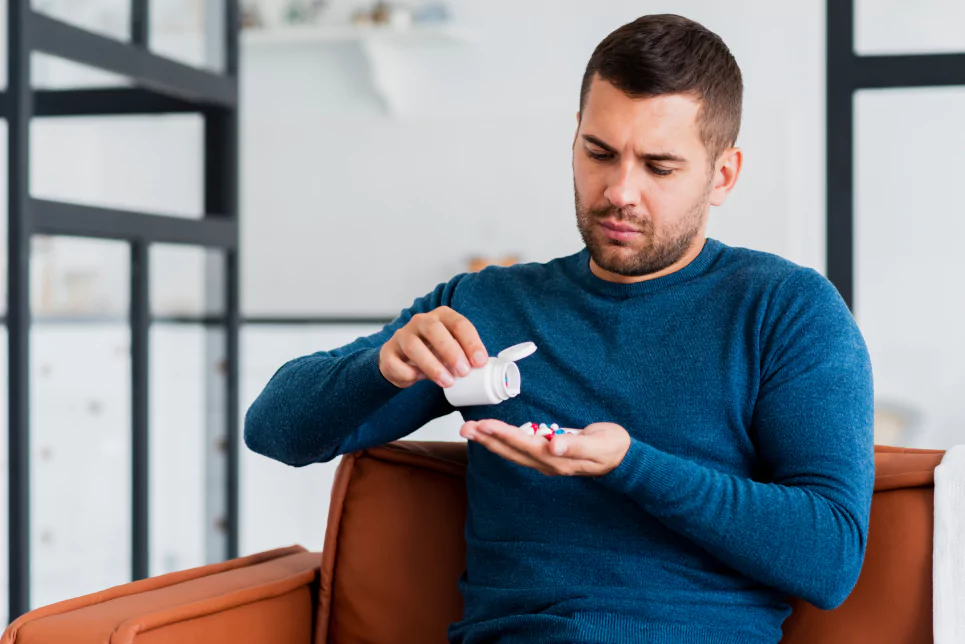
When a person with a history of heavy alcohol use suddenly stops drinking, their body can experience a range of withdrawal symptoms. These symptoms can vary from mild to severe and may include:
Severe withdrawal symptoms, particularly seizures and delirium tremens, can be life-threatening and require immediate medical intervention.
Phenobarbital is a barbiturate that has been used for decades to manage seizures and sedate patients. Its application in alcohol withdrawal treatment is based on its ability to enhance the inhibitory effects of gamma-aminobutyric acid (GABA) in the brain, which helps to counteract the hyperexcitability caused by alcohol withdrawal.
Phenobarbital works by increasing the activity of GABA, a neurotransmitter that inhibits nerve transmission in the brain, leading to a calming effect. During alcohol withdrawal, the brain is in a hyperexcitable state due to the sudden absence of alcohol, which previously enhanced GABA activity. By enhancing GABA activity, phenobarbital helps to stabilize the nervous system and reduce withdrawal symptoms.
To understand how phenobarbital helps with alcohol withdrawal, it’s useful to know how it’s classified. Phenobarbital belongs to a group of drugs called barbiturates, which act as central nervous system depressants. Think of them as agents that help calm down an overactive brain. They work by enhancing the effects of a natural chemical in your brain called gamma-aminobutyric acid (GABA), which is responsible for slowing down nerve activity. This calming action is exactly why phenobarbital is effective for conditions involving too much brain excitability, like seizures and, importantly, the intense symptoms of alcohol withdrawal.
You might see the name "phenobarbitone" and wonder if it's different from phenobarbital. The short answer is no — they are the exact same medication. The difference in name is simply a matter of location. "Phenobarbitone" is the name commonly used in the United Kingdom and a few other countries. On the other hand, "phenobarbital" is the International Nonproprietary Name (INN), which is the official, globally recognized name for the drug. Knowing that both terms refer to the same sedative and anticonvulsant medication helps clear up any confusion when you're researching or discussing treatment options.
Several studies have demonstrated the effectiveness of phenobarbital in managing alcohol withdrawal symptoms. It is particularly useful in preventing seizures and managing severe withdrawal symptoms such as delirium tremens. Phenobarbital's long half-life allows for less frequent dosing compared to other medications, which can improve patient compliance and reduce the risk of rebound symptoms.
A study conducted at a psychiatric hospital compared the use of phenobarbital to benzodiazepines for alcohol withdrawal management. The results indicated that phenobarbital was effective in reducing withdrawal symptoms and preventing seizures, with a similar safety profile to benzodiazepines.
Another study focused on outpatient treatment found that phenobarbital was effective in reducing withdrawal symptoms and preventing complications in patients with mild to moderate withdrawal. The study concluded that phenobarbital could be a viable alternative to benzodiazepines, particularly in settings where benzodiazepine use is contraindicated.
While phenobarbital is a valuable tool for managing alcohol withdrawal, its medical applications don't stop there. As a powerful barbiturate, it has a long history of use in other areas of medicine, primarily because of its sedative and anticonvulsant properties. Understanding its broader uses helps paint a complete picture of what this medication is and why it's prescribed. Its primary function has always been tied to its ability to calm the central nervous system, making it effective for conditions that involve overactivity in the brain. Let's look at some of the other key reasons a doctor might prescribe phenobarbital.
The most common and well-established use for phenobarbital is to control seizures. It's a potent anti-seizure medication that has been used for decades to treat various forms of epilepsy and to manage status epilepticus, a dangerous condition where seizures are prolonged. By enhancing the effects of the GABA neurotransmitter, phenobarbital effectively slows down the brain's electrical activity, which can stop seizures in their tracks. Although newer medications with fewer side effects are often used today, it remains an important option in a doctor's toolkit, especially in emergency situations or when other treatments haven't been successful in managing seizure activity.
Given its sedative effects, phenobarbital has also been prescribed to treat severe anxiety and insomnia. Its ability to depress the central nervous system can produce a calming effect, helping to quiet an anxious mind or induce sleep. However, this use has become much less common over time. The primary reason is the high potential for dependence and addiction associated with barbiturates. Because of these risks, doctors now typically prefer other classes of medication, like benzodiazepines or newer sleep aids, which are considered to have a better safety profile for managing these conditions long-term.
The medical community's perspective on phenobarbital has evolved significantly since it was first introduced. While its effectiveness is undeniable, particularly for seizures, it's no longer the go-to medication it once was. This shift is largely due to a deeper understanding of its side effects and risks, coupled with the development of safer, more targeted alternatives. Today, doctors weigh the benefits of phenobarbital against its considerable drawbacks, reserving it for specific clinical situations where other options may be less effective or unavailable. This careful approach reflects a modern emphasis on patient safety and minimizing the potential for harm.
In many medical scenarios, phenobarbital is now considered a second or third-line treatment. For conditions like status epilepticus, newer medicines with fewer side effects are often preferred. The main reasons for this shift are concerns about its side effect profile, which can include drowsiness, cognitive impairment, and respiratory depression. Furthermore, phenobarbital interacts with many other drugs, complicating treatment for patients with multiple health conditions. While it remains a powerful and effective medication, the availability of alternatives with a wider margin of safety means doctors will often explore other avenues first.
One of the most significant issues with phenobarbital is its high potential for addiction. As a barbiturate, it can be habit-forming, and tolerance can develop quickly, meaning a person might need more of the drug to achieve the same effect. This is why it is critical to take it exactly as prescribed and under close medical supervision. The medication also carries serious safety warnings, as an overdose can be fatal. Because of these dangers, it is classified as a controlled substance, underscoring the importance of open communication with your doctor and ensuring the medication is used strictly for its intended purpose.
Phenobarbital dosage must be carefully titrated based on the severity of withdrawal symptoms and the patient's medical history. It is typically administered in a hospital or clinical setting where patients can be closely monitored. The initial dose is usually higher to rapidly control symptoms, followed by tapering doses to prevent rebound withdrawal.
Phenobarbital is available as either a tablet or a liquid elixir, which you'll typically take one to three times per day. The most important thing is to follow your doctor's instructions to the letter. They've prescribed a specific amount for a reason, so sticking to that schedule is crucial for your safety and for the medication to work effectively. If you happen to miss a dose, take it as soon as you remember. However, if it’s getting close to the time for your next scheduled dose, it’s best to just skip the one you missed and get back on track. Whatever you do, don't take a double dose to try and make up for it.
Properly storing your medication is just as important as taking it correctly. Keep your phenobarbital in the container it came in, with the lid screwed on tight, and store it somewhere out of the reach of children. A cabinet at room temperature is ideal, but try to avoid the bathroom, as the heat and moisture from showers can affect the medicine. When it comes to getting rid of any leftover medication, please don’t flush it down the toilet. The safest way to dispose of it is through a medicine take-back program. Your local pharmacy can give you more information on where to find one.
While phenobarbital is effective, it is not without risks. Common side effects include drowsiness, dizziness, and ataxia. More severe side effects can include respiratory depression, especially when used in high doses or in combination with other sedatives. Therefore, it is crucial to monitor patients for signs of respiratory distress and other adverse effects.
Like any potent medication, phenobarbital comes with a set of common side effects as your body adjusts. The most frequently reported ones include drowsiness, dizziness, and something called ataxia, which is a fancy term for a loss of coordination or unsteadiness. You might feel a bit foggy or off-balance, similar to the effects of a strong sedative. These effects are precisely why phenobarbital is administered under strict medical supervision, usually in a clinical setting. A medical team can monitor your reaction and ensure you remain safe while the medication helps your nervous system calm down during the difficult withdrawal phase.
It's also important to be aware of more serious potential side effects. The most significant risk is respiratory depression, which means your breathing can become dangerously slow. This risk increases substantially if phenobarbital is taken in high doses or combined with other sedatives, including alcohol. This is why complete honesty with your healthcare provider about any other substances or medications you're using is non-negotiable. They need the full picture to keep you safe. Understanding how different substances interact is a key part of practicing mindful drinking and making informed choices for your health, even when you're not using alcohol.
Phenobarbital is intended for short-term use to manage acute alcohol withdrawal, not as a long-term solution. If used for extended periods, it can lead to issues like persistent irritability, loss of appetite, body aches, and even depression. In rare cases, it can also cause liver damage. This underscores the importance of using this medication strictly as prescribed for a limited time. The goal is to get through the critical withdrawal period safely so you can move forward with building sustainable, healthy habits. The journey to well-being is a marathon, not a sprint, and it involves creating a lifestyle that supports your physical and mental health for years to come.
Phenobarbital should be used with caution in patients with a history of substance abuse, respiratory disorders, or liver disease. It is also contraindicated in patients with a history of hypersensitivity to barbiturates. Due to its potential for dependence and abuse, phenobarbital should be prescribed and monitored by healthcare professionals experienced in managing alcohol withdrawal.
It’s crucial to have an open conversation with your doctor about every medication and supplement you take before starting phenobarbital. This drug can change how your body processes other medicines, often causing them to leave your system faster than they should. This can make them less effective. For example, it can interfere with birth control pills, potentially leading to an unexpected pregnancy. It also affects blood thinners like warfarin, steroids, and even some asthma medications, requiring careful monitoring and possible dose adjustments to ensure they still work correctly. Being transparent with your healthcare provider is the best way to stay safe and ensure all your treatments are effective.
If you are pregnant, planning to become pregnant, or breastfeeding, you must discuss this with your doctor before taking phenobarbital. The medication can pose risks to an unborn baby and should be approached with extreme caution during pregnancy. It can also pass into breast milk, which may affect a nursing infant. Mothers taking phenobarbital should watch their babies for signs of excessive sleepiness or difficulty gaining weight. If these issues arise, your doctor may recommend adjusting the dose or finding an alternative to ensure the baby’s health and well-being, making that conversation an essential step in your treatment plan.
Phenobarbital is prescribed with extra care for older adults, typically those 65 and over. This is because it can sometimes cause unexpected side effects in this age group, such as confusion, unusual excitement, or even depression. Due to these risks, doctors often find that newer anti-seizure medications may be safer and more effective alternatives for managing conditions in older individuals. Because of these potential complications, healthcare providers generally avoid prescribing phenobarbital to older patients unless other treatments aren't suitable, prioritizing their safety and comfort throughout the treatment process.
Stopping phenobarbital abruptly is not safe and should be avoided. Your body gets used to the medication, and suddenly cutting it off can trigger withdrawal symptoms. To prevent this, your doctor will guide you through a gradual tapering process. This involves slowly decreasing your dose over a period of time, allowing your system to adjust safely and comfortably. This controlled approach is essential for your well-being and minimizes the risk of complications. Always follow your healthcare provider's instructions precisely when it comes time to discontinue the medication to ensure a smooth and safe transition.
Because phenobarbital is a powerful medication, your healthcare team will monitor you closely to ensure you’re receiving a dose that is both safe and effective. This involves checking the amount of the drug in your system and being aware of the signs of a potential overdose.
To make sure your dosage is just right, your doctor will perform blood tests to check the concentration of phenobarbital in your bloodstream. The goal is to keep the level within a specific therapeutic range, which is typically between 10 and 40 micrograms per milliliter (μg/mL). This monitoring helps confirm the medication is working as intended without reaching dangerous levels. Any concentration above 40 μg/mL is considered toxic and can be life-threatening, which is why these routine checks are a critical part of your treatment and safety plan.
Recognizing the signs of a phenobarbital overdose is vital, as it requires immediate medical attention. Key symptoms to watch for include uncontrollable, jerky eye movements, a loss of coordination or stumbling, and extreme drowsiness. More severe signs are slowed or difficult breathing, a noticeable drop in body temperature, and the appearance of skin blisters. If you or someone you know exhibits any of these symptoms after taking phenobarbital, treat it as a medical emergency. Calling for help right away is the most important step you can take to prevent serious harm.
While phenobarbital is an effective option, it is not the only medication used for alcohol withdrawal. Benzodiazepines, such as diazepam and lorazepam, are commonly used and have a well-established safety profile. However, benzodiazepines carry a risk of dependence and may not be suitable for all patients.
Gabapentin, an anticonvulsant, has also been explored as a treatment for alcohol withdrawal. Studies have shown that gabapentin can be effective in reducing withdrawal symptoms, particularly in outpatient settings. It has a lower risk of dependence compared to benzodiazepines and phenobarbital, making it a suitable option for some patients. For more information, you can read about Gabapentin for Alcohol Withdrawal.
Phenobarbital plays a significant role in the medication-assisted treatment of alcohol withdrawal, particularly for managing severe symptoms and preventing seizures. Its efficacy, coupled with its long half-life, makes it a valuable option for both inpatient and outpatient settings. However, careful consideration must be given to its dosage, potential side effects, and patient-specific factors to ensure safe and effective treatment.
For individuals seeking to build healthier drinking habits and reframe their relationship with alcohol, understanding the options available for managing withdrawal is crucial. If you or a loved one is struggling with alcohol withdrawal, it is essential to seek professional medical advice to determine the most appropriate treatment plan.
Why would my doctor prescribe phenobarbital instead of a more common medication? While other medications like benzodiazepines are often used for alcohol withdrawal, phenobarbital has some unique advantages. Its long-lasting effect means it can be dosed less frequently, which helps create a smoother, more stable withdrawal experience with less risk of symptoms returning between doses. It's particularly effective at preventing severe complications like seizures, so your doctor might choose it if they believe you're at a higher risk for them.
Will I feel drowsy the whole time I'm taking it? Feeling sleepy or a bit uncoordinated is one of the most common side effects, especially when you first start the medication. This is a sign that the drug is working to calm your central nervous system. Because treatment happens under close medical supervision, your care team will monitor you to ensure you're safe. As your body adjusts and your doctor begins to taper your dose, this feeling of drowsiness typically lessens.
Is phenobarbital addictive? Yes, phenobarbital has a high potential for dependence, which is a primary reason it's used with such care. It is classified as a controlled substance and is only intended for short-term, medically supervised use to get you safely through the acute phase of withdrawal. Your doctor will create a strict plan to gradually reduce your dose, which minimizes the risk of forming a new habit.
How long is phenobarbital typically used for alcohol withdrawal? Phenobarbital is a short-term tool, not a long-term solution. It's prescribed specifically to manage the critical period of acute alcohol withdrawal, which usually lasts for several days. Once your most severe symptoms are under control and your system has stabilized, your medical team will begin to slowly taper you off the medication. The goal is to use it only for as long as it's medically necessary.
Can I take phenobarbital at home, or do I need to be in a hospital? Due to its potency and potential side effects, phenobarbital treatment for alcohol withdrawal almost always begins in a hospital or a supervised clinical setting. This allows a medical team to monitor your vital signs, adjust your dosage precisely, and keep you safe. Outpatient use is rare and would only be considered for very mild cases under the strict guidance of a physician experienced in withdrawal management.
Going through alcohol withdrawal is a serious, often dangerous process. That's why medication-assisted treatment (MAT) is so crucial for your safety. One of the most effective options is phenobarbital, sometimes called phenobarb. You probably have questions, like "does phenobarbital make you sleepy?" or what the phenobarb half life is. Understanding the specifics, like the various inj phenobarbitone uses, helps you have more confident conversations with your doctor. This guide breaks down what phenobarbital is and why it’s a key part of managing alcohol withdrawal safely.
When a person with a history of heavy alcohol use suddenly stops drinking, their body can experience a range of withdrawal symptoms. These symptoms can vary from mild to severe and may include:
Severe withdrawal symptoms, particularly seizures and delirium tremens, can be life-threatening and require immediate medical intervention.
Phenobarbital is a barbiturate that has been used for decades to manage seizures and sedate patients. Its application in alcohol withdrawal treatment is based on its ability to enhance the inhibitory effects of gamma-aminobutyric acid (GABA) in the brain, which helps to counteract the hyperexcitability caused by alcohol withdrawal.
Phenobarbital works by increasing the activity of GABA, a neurotransmitter that inhibits nerve transmission in the brain, leading to a calming effect. During alcohol withdrawal, the brain is in a hyperexcitable state due to the sudden absence of alcohol, which previously enhanced GABA activity. By enhancing GABA activity, phenobarbital helps to stabilize the nervous system and reduce withdrawal symptoms.
To understand how phenobarbital helps with alcohol withdrawal, it’s useful to know how it’s classified. Phenobarbital belongs to a group of drugs called barbiturates, which act as central nervous system depressants. Think of them as agents that help calm down an overactive brain. They work by enhancing the effects of a natural chemical in your brain called gamma-aminobutyric acid (GABA), which is responsible for slowing down nerve activity. This calming action is exactly why phenobarbital is effective for conditions involving too much brain excitability, like seizures and, importantly, the intense symptoms of alcohol withdrawal.
You might see the name "phenobarbitone" and wonder if it's different from phenobarbital. The short answer is no — they are the exact same medication. The difference in name is simply a matter of location. "Phenobarbitone" is the name commonly used in the United Kingdom and a few other countries. On the other hand, "phenobarbital" is the International Nonproprietary Name (INN), which is the official, globally recognized name for the drug. Knowing that both terms refer to the same sedative and anticonvulsant medication helps clear up any confusion when you're researching or discussing treatment options.
Several studies have demonstrated the effectiveness of phenobarbital in managing alcohol withdrawal symptoms. It is particularly useful in preventing seizures and managing severe withdrawal symptoms such as delirium tremens. Phenobarbital's long half-life allows for less frequent dosing compared to other medications, which can improve patient compliance and reduce the risk of rebound symptoms.
A study conducted at a psychiatric hospital compared the use of phenobarbital to benzodiazepines for alcohol withdrawal management. The results indicated that phenobarbital was effective in reducing withdrawal symptoms and preventing seizures, with a similar safety profile to benzodiazepines.
Another study focused on outpatient treatment found that phenobarbital was effective in reducing withdrawal symptoms and preventing complications in patients with mild to moderate withdrawal. The study concluded that phenobarbital could be a viable alternative to benzodiazepines, particularly in settings where benzodiazepine use is contraindicated.
While phenobarbital is a valuable tool for managing alcohol withdrawal, its medical applications don't stop there. As a powerful barbiturate, it has a long history of use in other areas of medicine, primarily because of its sedative and anticonvulsant properties. Understanding its broader uses helps paint a complete picture of what this medication is and why it's prescribed. Its primary function has always been tied to its ability to calm the central nervous system, making it effective for conditions that involve overactivity in the brain. Let's look at some of the other key reasons a doctor might prescribe phenobarbital.
The most common and well-established use for phenobarbital is to control seizures. It's a potent anti-seizure medication that has been used for decades to treat various forms of epilepsy and to manage status epilepticus, a dangerous condition where seizures are prolonged. By enhancing the effects of the GABA neurotransmitter, phenobarbital effectively slows down the brain's electrical activity, which can stop seizures in their tracks. Although newer medications with fewer side effects are often used today, it remains an important option in a doctor's toolkit, especially in emergency situations or when other treatments haven't been successful in managing seizure activity.
Given its sedative effects, phenobarbital has also been prescribed to treat severe anxiety and insomnia. Its ability to depress the central nervous system can produce a calming effect, helping to quiet an anxious mind or induce sleep. However, this use has become much less common over time. The primary reason is the high potential for dependence and addiction associated with barbiturates. Because of these risks, doctors now typically prefer other classes of medication, like benzodiazepines or newer sleep aids, which are considered to have a better safety profile for managing these conditions long-term.
The medical community's perspective on phenobarbital has evolved significantly since it was first introduced. While its effectiveness is undeniable, particularly for seizures, it's no longer the go-to medication it once was. This shift is largely due to a deeper understanding of its side effects and risks, coupled with the development of safer, more targeted alternatives. Today, doctors weigh the benefits of phenobarbital against its considerable drawbacks, reserving it for specific clinical situations where other options may be less effective or unavailable. This careful approach reflects a modern emphasis on patient safety and minimizing the potential for harm.
In many medical scenarios, phenobarbital is now considered a second or third-line treatment. For conditions like status epilepticus, newer medicines with fewer side effects are often preferred. The main reasons for this shift are concerns about its side effect profile, which can include drowsiness, cognitive impairment, and respiratory depression. Furthermore, phenobarbital interacts with many other drugs, complicating treatment for patients with multiple health conditions. While it remains a powerful and effective medication, the availability of alternatives with a wider margin of safety means doctors will often explore other avenues first.
One of the most significant issues with phenobarbital is its high potential for addiction. As a barbiturate, it can be habit-forming, and tolerance can develop quickly, meaning a person might need more of the drug to achieve the same effect. This is why it is critical to take it exactly as prescribed and under close medical supervision. The medication also carries serious safety warnings, as an overdose can be fatal. Because of these dangers, it is classified as a controlled substance, underscoring the importance of open communication with your doctor and ensuring the medication is used strictly for its intended purpose.
Phenobarbital dosage must be carefully titrated based on the severity of withdrawal symptoms and the patient's medical history. It is typically administered in a hospital or clinical setting where patients can be closely monitored. The initial dose is usually higher to rapidly control symptoms, followed by tapering doses to prevent rebound withdrawal.
Phenobarbital is available as either a tablet or a liquid elixir, which you'll typically take one to three times per day. The most important thing is to follow your doctor's instructions to the letter. They've prescribed a specific amount for a reason, so sticking to that schedule is crucial for your safety and for the medication to work effectively. If you happen to miss a dose, take it as soon as you remember. However, if it’s getting close to the time for your next scheduled dose, it’s best to just skip the one you missed and get back on track. Whatever you do, don't take a double dose to try and make up for it.
Properly storing your medication is just as important as taking it correctly. Keep your phenobarbital in the container it came in, with the lid screwed on tight, and store it somewhere out of the reach of children. A cabinet at room temperature is ideal, but try to avoid the bathroom, as the heat and moisture from showers can affect the medicine. When it comes to getting rid of any leftover medication, please don’t flush it down the toilet. The safest way to dispose of it is through a medicine take-back program. Your local pharmacy can give you more information on where to find one.
While phenobarbital is effective, it is not without risks. Common side effects include drowsiness, dizziness, and ataxia. More severe side effects can include respiratory depression, especially when used in high doses or in combination with other sedatives. Therefore, it is crucial to monitor patients for signs of respiratory distress and other adverse effects.
Like any potent medication, phenobarbital comes with a set of common side effects as your body adjusts. The most frequently reported ones include drowsiness, dizziness, and something called ataxia, which is a fancy term for a loss of coordination or unsteadiness. You might feel a bit foggy or off-balance, similar to the effects of a strong sedative. These effects are precisely why phenobarbital is administered under strict medical supervision, usually in a clinical setting. A medical team can monitor your reaction and ensure you remain safe while the medication helps your nervous system calm down during the difficult withdrawal phase.
It's also important to be aware of more serious potential side effects. The most significant risk is respiratory depression, which means your breathing can become dangerously slow. This risk increases substantially if phenobarbital is taken in high doses or combined with other sedatives, including alcohol. This is why complete honesty with your healthcare provider about any other substances or medications you're using is non-negotiable. They need the full picture to keep you safe. Understanding how different substances interact is a key part of practicing mindful drinking and making informed choices for your health, even when you're not using alcohol.
Phenobarbital is intended for short-term use to manage acute alcohol withdrawal, not as a long-term solution. If used for extended periods, it can lead to issues like persistent irritability, loss of appetite, body aches, and even depression. In rare cases, it can also cause liver damage. This underscores the importance of using this medication strictly as prescribed for a limited time. The goal is to get through the critical withdrawal period safely so you can move forward with building sustainable, healthy habits. The journey to well-being is a marathon, not a sprint, and it involves creating a lifestyle that supports your physical and mental health for years to come.
Phenobarbital should be used with caution in patients with a history of substance abuse, respiratory disorders, or liver disease. It is also contraindicated in patients with a history of hypersensitivity to barbiturates. Due to its potential for dependence and abuse, phenobarbital should be prescribed and monitored by healthcare professionals experienced in managing alcohol withdrawal.
It’s crucial to have an open conversation with your doctor about every medication and supplement you take before starting phenobarbital. This drug can change how your body processes other medicines, often causing them to leave your system faster than they should. This can make them less effective. For example, it can interfere with birth control pills, potentially leading to an unexpected pregnancy. It also affects blood thinners like warfarin, steroids, and even some asthma medications, requiring careful monitoring and possible dose adjustments to ensure they still work correctly. Being transparent with your healthcare provider is the best way to stay safe and ensure all your treatments are effective.
If you are pregnant, planning to become pregnant, or breastfeeding, you must discuss this with your doctor before taking phenobarbital. The medication can pose risks to an unborn baby and should be approached with extreme caution during pregnancy. It can also pass into breast milk, which may affect a nursing infant. Mothers taking phenobarbital should watch their babies for signs of excessive sleepiness or difficulty gaining weight. If these issues arise, your doctor may recommend adjusting the dose or finding an alternative to ensure the baby’s health and well-being, making that conversation an essential step in your treatment plan.
Phenobarbital is prescribed with extra care for older adults, typically those 65 and over. This is because it can sometimes cause unexpected side effects in this age group, such as confusion, unusual excitement, or even depression. Due to these risks, doctors often find that newer anti-seizure medications may be safer and more effective alternatives for managing conditions in older individuals. Because of these potential complications, healthcare providers generally avoid prescribing phenobarbital to older patients unless other treatments aren't suitable, prioritizing their safety and comfort throughout the treatment process.
Stopping phenobarbital abruptly is not safe and should be avoided. Your body gets used to the medication, and suddenly cutting it off can trigger withdrawal symptoms. To prevent this, your doctor will guide you through a gradual tapering process. This involves slowly decreasing your dose over a period of time, allowing your system to adjust safely and comfortably. This controlled approach is essential for your well-being and minimizes the risk of complications. Always follow your healthcare provider's instructions precisely when it comes time to discontinue the medication to ensure a smooth and safe transition.
Because phenobarbital is a powerful medication, your healthcare team will monitor you closely to ensure you’re receiving a dose that is both safe and effective. This involves checking the amount of the drug in your system and being aware of the signs of a potential overdose.
To make sure your dosage is just right, your doctor will perform blood tests to check the concentration of phenobarbital in your bloodstream. The goal is to keep the level within a specific therapeutic range, which is typically between 10 and 40 micrograms per milliliter (μg/mL). This monitoring helps confirm the medication is working as intended without reaching dangerous levels. Any concentration above 40 μg/mL is considered toxic and can be life-threatening, which is why these routine checks are a critical part of your treatment and safety plan.
Recognizing the signs of a phenobarbital overdose is vital, as it requires immediate medical attention. Key symptoms to watch for include uncontrollable, jerky eye movements, a loss of coordination or stumbling, and extreme drowsiness. More severe signs are slowed or difficult breathing, a noticeable drop in body temperature, and the appearance of skin blisters. If you or someone you know exhibits any of these symptoms after taking phenobarbital, treat it as a medical emergency. Calling for help right away is the most important step you can take to prevent serious harm.
While phenobarbital is an effective option, it is not the only medication used for alcohol withdrawal. Benzodiazepines, such as diazepam and lorazepam, are commonly used and have a well-established safety profile. However, benzodiazepines carry a risk of dependence and may not be suitable for all patients.
Gabapentin, an anticonvulsant, has also been explored as a treatment for alcohol withdrawal. Studies have shown that gabapentin can be effective in reducing withdrawal symptoms, particularly in outpatient settings. It has a lower risk of dependence compared to benzodiazepines and phenobarbital, making it a suitable option for some patients. For more information, you can read about Gabapentin for Alcohol Withdrawal.
Phenobarbital plays a significant role in the medication-assisted treatment of alcohol withdrawal, particularly for managing severe symptoms and preventing seizures. Its efficacy, coupled with its long half-life, makes it a valuable option for both inpatient and outpatient settings. However, careful consideration must be given to its dosage, potential side effects, and patient-specific factors to ensure safe and effective treatment.
For individuals seeking to build healthier drinking habits and reframe their relationship with alcohol, understanding the options available for managing withdrawal is crucial. If you or a loved one is struggling with alcohol withdrawal, it is essential to seek professional medical advice to determine the most appropriate treatment plan.
Why would my doctor prescribe phenobarbital instead of a more common medication? While other medications like benzodiazepines are often used for alcohol withdrawal, phenobarbital has some unique advantages. Its long-lasting effect means it can be dosed less frequently, which helps create a smoother, more stable withdrawal experience with less risk of symptoms returning between doses. It's particularly effective at preventing severe complications like seizures, so your doctor might choose it if they believe you're at a higher risk for them.
Will I feel drowsy the whole time I'm taking it? Feeling sleepy or a bit uncoordinated is one of the most common side effects, especially when you first start the medication. This is a sign that the drug is working to calm your central nervous system. Because treatment happens under close medical supervision, your care team will monitor you to ensure you're safe. As your body adjusts and your doctor begins to taper your dose, this feeling of drowsiness typically lessens.
Is phenobarbital addictive? Yes, phenobarbital has a high potential for dependence, which is a primary reason it's used with such care. It is classified as a controlled substance and is only intended for short-term, medically supervised use to get you safely through the acute phase of withdrawal. Your doctor will create a strict plan to gradually reduce your dose, which minimizes the risk of forming a new habit.
How long is phenobarbital typically used for alcohol withdrawal? Phenobarbital is a short-term tool, not a long-term solution. It's prescribed specifically to manage the critical period of acute alcohol withdrawal, which usually lasts for several days. Once your most severe symptoms are under control and your system has stabilized, your medical team will begin to slowly taper you off the medication. The goal is to use it only for as long as it's medically necessary.
Can I take phenobarbital at home, or do I need to be in a hospital? Due to its potency and potential side effects, phenobarbital treatment for alcohol withdrawal almost always begins in a hospital or a supervised clinical setting. This allows a medical team to monitor your vital signs, adjust your dosage precisely, and keep you safe. Outpatient use is rare and would only be considered for very mild cases under the strict guidance of a physician experienced in withdrawal management.

Have you heard that drinking while on lithium is strongly discouraged? Check out our latest blog to learn more about the dangerous effects of mixing alcohol and lithium.
Although it isn’t a treatment for alcohol use disorder (AUD), the Reframe app can help you cut back on drinking gradually with the science-backed knowledge to empower you 100% of the way. Our proven program has helped millions of people around the world drink less and live more. And we want to help you get there, too!
The Reframe app equips you with the knowledge and skills you need to not only survive drinking less, but to thrive while you navigate the journey. Our daily research-backed readings teach you the neuroscience of alcohol, and our in-app Toolkit provides the resources and activities you need to navigate each challenge.
You’ll meet millions of fellow Reframers in our 24/7 Forum chat and daily Zoom check-in meetings. Receive encouragement from people worldwide who know exactly what you’re going through! You’ll also have the opportunity to connect with our licensed Reframe coaches for more personalized guidance.
Plus, we’re always introducing new features to optimize your in-app experience. We recently launched our in-app chatbot, Melody, powered by the world’s most powerful AI technology. Melody is here to help as you adjust to a life with less (or no) alcohol.
And that’s not all! Every month, we launch fun challenges, like Dry/Damp January, Mental Health May, and Outdoorsy June. You won’t want to miss out on the chance to participate alongside fellow Reframers (or solo if that’s more your thing!).
The Reframe app is free for 7 days, so you don’t have anything to lose by trying it. Are you ready to feel empowered and discover life beyond alcohol? Then download our app today!
After reading the pamphlet with the paragraphs of tiny text that the pharmacist handed you with your lithium prescription, you may still be scratching your head. While the warnings do advise against drinking alcohol, they’re not exactly clear. Can you still drink alcohol while taking lithium?
Let’s take a closer look at the interactions between alcohol and lithium.
Lithium compounds such as lithium carbonate and lithium citrate are approved by the Federal Drug Administration (FDA) as prescription medications to treat bipolar disorder and other mood disorders. They act as mood stabilizers, which can help regulate changes between high mood (mania) and low mood (depression).
While most commonly used to treat bipolar disorder, lithium also hasbeen used off-label for neutropenia, depression, vascular headaches, Huntington’s disease, and more.
Despite its various uses, all forms of lithium are known for their delayed initial onset. According to the National Health Service (NHS), lithium can take anywhere from a week to months to take effect when it is taken initially.
Once lithium takes effect, its half-life ranges from 18-36 hours, implying that a single dose can stay in our system for up to 72 hours. However, we don’t see the peak effects of lithium until about five hours after ingestion, depending on the form and dosage. To maintain consistent efficacy throughout the day, doctors prescribe lithium to be taken at regular intervals.
This means that our first dose will still be lingering in our system when it’s time to take the second dose, which is why it’s difficult to pinpoint exactly how long it takes our body to eliminate lithium. It may take a week or more to be eliminated. So, is it okay to drink after a week of not taking lithium?
Before we’re able to determine if we can drink during and after taking lithium, let’s first understand how alcohol can interfere with our mood, which lithium is commonly prescribed to help regulate.
Alcohol affects our mood through chemical messengers in our brain known as neurotransmitters. Serotonin and dopamine are two of the main neurotransmitters that affect our mood.
After drinking, as our body metabolizes and eliminates alcohol, our serotonin and dopamine levels dip, causing more drastic fluctuations in our mood.
Over time, excessive and prolonged drinking can lead to permanent changes in our brain chemistry. Our brain will produce less serotonin and dopamine, which can prolong periods of low mood. Long-term alcohol use is also connected to impairments in our hypothalamic-pituitary-adrenal (HPA) axis, which can decrease our stress tolerance — increasing the risk of more drastic fluctuations in our mood.
These changes in our brain chemistry explain why long-term drinking is associated with mental health conditions such as anxiety, depression, and more. Alcohol and lithium both impact our mood, but how do they interact with each other?

Alcohol interacts with many drugs, including lithium. To determine if we can drink alcohol while taking lithium, let’s better understand the direct interactions between the two.
Alcohol and lithium interact in many different ways, so is it still okay to drink?
Drinking alcohol while taking lithium can be extremely dangerous. This is largely because lithium has a narrow therapeutic index, meaning there’s a small window between an effective dose and a toxic dose of lithium. Even subtle changes in fluid levels caused by drinking alcohol can lead to lithium toxicity — a life-threatening condition.
A study reviewing patients who were admitted to a psychiatric hospital found that 6.8% of patients being administered lithium had toxic levels of lithium at some point during their treatment. This is without any alcohol and in a highly controlled hospital setting. Adding alcohol into the equation (even one drink) can greatly increase the risk of lithium toxicity or other adverse effects.
But what if it’s just one drink? Since alcohol affects each of us differently, it’s difficult to determine a safe amount of alcohol that can be consumed without experiencing any negative effects. It’s best to avoid drinking altogether. Let’s take a closer look at the associated risks.
When alcohol interacts with lithium, our body can experience varying adverse effects. There are four direct consequences of drinking while taking lithium.
While taking lithium, alcohol can lead to many complications, but what about after discontinuing the medication?
The dangers of drinking after discontinuing lithium are less clear than while taking the medication. However, due to alcohol’s negative effects on our mood, it’s not advisable to drink even after discontinuing lithium.
If we choose to drink, it’s best to first consult with a physician. After discontinuing lithium, it may take some time before it’s completely eliminated from our system — making us susceptible to lithium toxicity. Depending on individual circumstances, other medications may also be prescribed — opening the door to other drug interactions. Drinking after taking lithium and while on the medication is not recommended, so how should we go about it?
Lithium and alcohol go together like oil and water. However, with alcohol being such a large aspect of our social culture, we may be faced with the choice of whether or not we should drink when taking lithium. If the situation does arise, there are ways we can prioritize our health and safety.
By following these tips, we can navigate lithium and alcohol consumption safely.
Warning labels on lithium medication may not be entirely clear on whether or not drinking is okay while taking these medications. However, a closer look at the interaction between lithium and alcohol reveals that drinking while taking lithium can lead to serious adverse effects — even in minimal amounts. Fortunately, healthy alternatives and support when needed can help us approach lithium and alcohol safely.
After reading the pamphlet with the paragraphs of tiny text that the pharmacist handed you with your lithium prescription, you may still be scratching your head. While the warnings do advise against drinking alcohol, they’re not exactly clear. Can you still drink alcohol while taking lithium?
Let’s take a closer look at the interactions between alcohol and lithium.
Lithium compounds such as lithium carbonate and lithium citrate are approved by the Federal Drug Administration (FDA) as prescription medications to treat bipolar disorder and other mood disorders. They act as mood stabilizers, which can help regulate changes between high mood (mania) and low mood (depression).
While most commonly used to treat bipolar disorder, lithium also hasbeen used off-label for neutropenia, depression, vascular headaches, Huntington’s disease, and more.
Despite its various uses, all forms of lithium are known for their delayed initial onset. According to the National Health Service (NHS), lithium can take anywhere from a week to months to take effect when it is taken initially.
Once lithium takes effect, its half-life ranges from 18-36 hours, implying that a single dose can stay in our system for up to 72 hours. However, we don’t see the peak effects of lithium until about five hours after ingestion, depending on the form and dosage. To maintain consistent efficacy throughout the day, doctors prescribe lithium to be taken at regular intervals.
This means that our first dose will still be lingering in our system when it’s time to take the second dose, which is why it’s difficult to pinpoint exactly how long it takes our body to eliminate lithium. It may take a week or more to be eliminated. So, is it okay to drink after a week of not taking lithium?
Before we’re able to determine if we can drink during and after taking lithium, let’s first understand how alcohol can interfere with our mood, which lithium is commonly prescribed to help regulate.
Alcohol affects our mood through chemical messengers in our brain known as neurotransmitters. Serotonin and dopamine are two of the main neurotransmitters that affect our mood.
After drinking, as our body metabolizes and eliminates alcohol, our serotonin and dopamine levels dip, causing more drastic fluctuations in our mood.
Over time, excessive and prolonged drinking can lead to permanent changes in our brain chemistry. Our brain will produce less serotonin and dopamine, which can prolong periods of low mood. Long-term alcohol use is also connected to impairments in our hypothalamic-pituitary-adrenal (HPA) axis, which can decrease our stress tolerance — increasing the risk of more drastic fluctuations in our mood.
These changes in our brain chemistry explain why long-term drinking is associated with mental health conditions such as anxiety, depression, and more. Alcohol and lithium both impact our mood, but how do they interact with each other?
Alcohol interacts with many drugs, including lithium. To determine if we can drink alcohol while taking lithium, let’s better understand the direct interactions between the two.
Alcohol and lithium interact in many different ways, so is it still okay to drink?
Drinking alcohol while taking lithium can be extremely dangerous. This is largely because lithium has a narrow therapeutic index, meaning there’s a small window between an effective dose and a toxic dose of lithium. Even subtle changes in fluid levels caused by drinking alcohol can lead to lithium toxicity — a life-threatening condition.
A study reviewing patients who were admitted to a psychiatric hospital found that 6.8% of patients being administered lithium had toxic levels of lithium at some point during their treatment. This is without any alcohol and in a highly controlled hospital setting. Adding alcohol into the equation (even one drink) can greatly increase the risk of lithium toxicity or other adverse effects.
But what if it’s just one drink? Since alcohol affects each of us differently, it’s difficult to determine a safe amount of alcohol that can be consumed without experiencing any negative effects. It’s best to avoid drinking altogether. Let’s take a closer look at the associated risks.
When alcohol interacts with lithium, our body can experience varying adverse effects. There are four direct consequences of drinking while taking lithium.
While taking lithium, alcohol can lead to many complications, but what about after discontinuing the medication?
The dangers of drinking after discontinuing lithium are less clear than while taking the medication. However, due to alcohol’s negative effects on our mood, it’s not advisable to drink even after discontinuing lithium.
If we choose to drink, it’s best to first consult with a physician. After discontinuing lithium, it may take some time before it’s completely eliminated from our system — making us susceptible to lithium toxicity. Depending on individual circumstances, other medications may also be prescribed — opening the door to other drug interactions. Drinking after taking lithium and while on the medication is not recommended, so how should we go about it?
Lithium and alcohol go together like oil and water. However, with alcohol being such a large aspect of our social culture, we may be faced with the choice of whether or not we should drink when taking lithium. If the situation does arise, there are ways we can prioritize our health and safety.
By following these tips, we can navigate lithium and alcohol consumption safely.
Warning labels on lithium medication may not be entirely clear on whether or not drinking is okay while taking these medications. However, a closer look at the interaction between lithium and alcohol reveals that drinking while taking lithium can lead to serious adverse effects — even in minimal amounts. Fortunately, healthy alternatives and support when needed can help us approach lithium and alcohol safely.

Nortriptyline treats both depression and chronic pain. Alcohol makes both these conditions worse, so mixing it with nortriptyline is a bad idea. Read our latest blog to find out more!
Although it isn’t a treatment for alcohol use disorder (AUD), the Reframe app can help you cut back on drinking gradually with the science-backed knowledge to empower you 100% of the way. Our proven program has helped millions of people around the world drink less and live more. And we want to help you get there, too!
The Reframe app equips you with the knowledge and skills you need to not only survive drinking less, but to thrive while you navigate the journey. Our daily research-backed readings teach you the neuroscience of alcohol, and our in-app Toolkit provides the resources and activities you need to navigate each challenge.
You’ll meet millions of fellow Reframers in our 24/7 Forum chat and daily Zoom check-in meetings. Receive encouragement from people worldwide who know exactly what you’re going through! You’ll also have the opportunity to connect with our licensed Reframe coaches for more personalized guidance.
Plus, we’re always introducing new features to optimize your in-app experience. We recently launched our in-app chatbot, Melody, powered by the world’s most powerful AI technology. Melody is here to help as you adjust to a life with less (or no) alcohol.
And that’s not all! Every month, we launch fun challenges, like Dry/Damp January, Mental Health May, and Outdoorsy June. You won’t want to miss out on the chance to participate alongside fellow Reframers (or solo if that’s more your thing!).
The Reframe app is free for 7 days, so you don’t have anything to lose by trying it. Are you ready to feel empowered and discover life beyond alcohol? Then download our app today!
Raise your hand if you’ve ever taken a shot of whiskey to fix that toothache or chronic pain in your foot. Or turned to a fruity cocktail to bring you up when you’re feeling down. Sound familiar? Well, you’re not alone. Depression and chronic pain are common conditions, and they have some things in common: they’re persistent, and they’re both associated with alcohol use as a relief (it’s not actually a true or sustainable relief, but rather an illusion that results in greater pain in the long run). There is one particular medication that handles both of these conditions: nortriptyline.
Nortriptyline (or Pamelor) is a medication used primarily to treat depression and pain (especially nerve pain). It can also be used for anxiety, ADHD, and smoking cessation. When taken for depression, it’s typically taken for months or years until the depression is under control, depending on the person. Let’s take a look at some side effects of Pamelor.
Like any other medication, nortriptyline comes with side effects.
More serious side effects are quite rare but do happen.
If you experience any of the more serious ones, tell your doctor right away. A change in dose might be necessary to get relief.
That’s all good to know, but for our purposes, we’re wondering if we can drink on nortriptyline. In fact, this particular combination, while not lethal, still poses a risk to our body.
Nortriptyline doesn’t start working right away. If we’re taking it for pain relief, it can take a week or so to kick in. For depression, nortriptyline can take up to 6 weeks to see results. For this reason, it’s best to avoid alcohol for at least 6 weeks to make sure the medication is working and the dose is right. If we do drink while taking nortriptyline, we should only drink in moderation. This means women shouldn’t have more than 1 drink on any given day or more than 8 per week while men should consume no more than 2 drinks per day or 15 per week.
Mixing alcohol with any medication is dangerous. That said, mixing nortriptyline with alcohol is less dangerous than many other combinations, but should still be avoided because of its potential to increase the side effects of both substances, as well as make nortriptyline’s benefits less effective.
Mixing nortriptyline with alcohol can worsen its side effects, ranging from fatigue to liver damage.
Another reason to avoid alcohol use while taking nortriptyline, particularly if we’re taking it for depression, is because alcohol by itself can cause depression. Remember how we said alcohol affects our brain chemistry? Well, that’s where the depression comes in. If we’re already depressed, alcohol can worsen depression because it alters the way our brain produces chemicals such as dopamine and serotonin (our “feel-good” chemicals). In fact, people with alcohol use disorder (AUD) often have a depression disorder as well, although it’s often hard to tell which came first once we get into a cycle of drinking when we’re depressed. Even if we don’t already have depression, drinking regularly, especially heavy drinking, affects our brain chemistry in a way that makes us feel depressed because alcohol affects our mood, memory, and decision-making ability.
One study revealed that if we have either AUD or a depression disorder, our risk for developing the other one is doubled. They also found that AUD increases our risk of depression more than the other way around, as most of the study participants already had AUD before they noticed depression symptoms.
Discover more about the connection between alcohol and depression in our blog “Alcohol Misuse and Depression: What’s the Connection?”
Besides depression, nortriptyline is also used to treat nerve pain. While many people use alcohol to numb physical pain, this actually doesn’t work the way we think it does. Chronic alcohol consumption can result in alcoholic neuropathy — or nerve damage that causes chronic pain. The condition is reversible in some cases, but better to not let it get out of hand. And alcohol can even alter the way the brain processes pain signals. In some cases, people with AUD develop allodynia, a type of nerve pain many describe as sharp, stinging, or burning. Alcohol withdrawal can also cause allodynia, as well as other pain sensitivity.
Since nortriptyline treats multiple conditions, bringing alcohol into the mix affects our treatment in more ways than one. Mixing alcohol with nortriptyline makes both depression and pain worse. By cutting back or quitting our alcohol consumption, we can tackle both problems naturally at the same time.
Let’s say we’re feeling great and decide to stop taking nortriptyline. Can we drink right away? It turns out, we can’t just stop taking nortriptyline all of a sudden. Typically, we need to gradually decrease our dosage to prevent withdrawal symptoms such as muscle pain or fatigue. Consuming alcohol right after stopping nortriptyline is still not a good idea because we have it in our system for about a week after our last dose. Also, it increases our risk of redeveloping the conditions of depression and chronic pain that we were trying to treat in the first place. For more information about alcohol and antidepressants, check out our blog “Alcohol and Antidepressants: A Dangerous Combo”.

There are several things we can do while taking nortriptyline to manage both pain and depression.
Depression and chronic pain may seem like insurmountable conditions to live with, but remember, you can find healthy ways to cope with these conditions. Your brain is capable of incredible change, and you can harness its power to improve both your physical and mental well-being. With positive lifestyle changes and an open mind, you can live the happy, pain-free life you’ve always wanted, and you won’t need booze to get there! Whether you’re on medication or not, by avoiding alcohol you’re setting yourself up for success in managing many conditions, and why not give yourself that chance? The team here at Reframe is ready to help you every step of the way!
Raise your hand if you’ve ever taken a shot of whiskey to fix that toothache or chronic pain in your foot. Or turned to a fruity cocktail to bring you up when you’re feeling down. Sound familiar? Well, you’re not alone. Depression and chronic pain are common conditions, and they have some things in common: they’re persistent, and they’re both associated with alcohol use as a relief (it’s not actually a true or sustainable relief, but rather an illusion that results in greater pain in the long run). There is one particular medication that handles both of these conditions: nortriptyline.
Nortriptyline (or Pamelor) is a medication used primarily to treat depression and pain (especially nerve pain). It can also be used for anxiety, ADHD, and smoking cessation. When taken for depression, it’s typically taken for months or years until the depression is under control, depending on the person. Let’s take a look at some side effects of Pamelor.
Like any other medication, nortriptyline comes with side effects.
More serious side effects are quite rare but do happen.
If you experience any of the more serious ones, tell your doctor right away. A change in dose might be necessary to get relief.
That’s all good to know, but for our purposes, we’re wondering if we can drink on nortriptyline. In fact, this particular combination, while not lethal, still poses a risk to our body.
Nortriptyline doesn’t start working right away. If we’re taking it for pain relief, it can take a week or so to kick in. For depression, nortriptyline can take up to 6 weeks to see results. For this reason, it’s best to avoid alcohol for at least 6 weeks to make sure the medication is working and the dose is right. If we do drink while taking nortriptyline, we should only drink in moderation. This means women shouldn’t have more than 1 drink on any given day or more than 8 per week while men should consume no more than 2 drinks per day or 15 per week.
Mixing alcohol with any medication is dangerous. That said, mixing nortriptyline with alcohol is less dangerous than many other combinations, but should still be avoided because of its potential to increase the side effects of both substances, as well as make nortriptyline’s benefits less effective.
Mixing nortriptyline with alcohol can worsen its side effects, ranging from fatigue to liver damage.
Another reason to avoid alcohol use while taking nortriptyline, particularly if we’re taking it for depression, is because alcohol by itself can cause depression. Remember how we said alcohol affects our brain chemistry? Well, that’s where the depression comes in. If we’re already depressed, alcohol can worsen depression because it alters the way our brain produces chemicals such as dopamine and serotonin (our “feel-good” chemicals). In fact, people with alcohol use disorder (AUD) often have a depression disorder as well, although it’s often hard to tell which came first once we get into a cycle of drinking when we’re depressed. Even if we don’t already have depression, drinking regularly, especially heavy drinking, affects our brain chemistry in a way that makes us feel depressed because alcohol affects our mood, memory, and decision-making ability.
One study revealed that if we have either AUD or a depression disorder, our risk for developing the other one is doubled. They also found that AUD increases our risk of depression more than the other way around, as most of the study participants already had AUD before they noticed depression symptoms.
Discover more about the connection between alcohol and depression in our blog “Alcohol Misuse and Depression: What’s the Connection?”
Besides depression, nortriptyline is also used to treat nerve pain. While many people use alcohol to numb physical pain, this actually doesn’t work the way we think it does. Chronic alcohol consumption can result in alcoholic neuropathy — or nerve damage that causes chronic pain. The condition is reversible in some cases, but better to not let it get out of hand. And alcohol can even alter the way the brain processes pain signals. In some cases, people with AUD develop allodynia, a type of nerve pain many describe as sharp, stinging, or burning. Alcohol withdrawal can also cause allodynia, as well as other pain sensitivity.
Since nortriptyline treats multiple conditions, bringing alcohol into the mix affects our treatment in more ways than one. Mixing alcohol with nortriptyline makes both depression and pain worse. By cutting back or quitting our alcohol consumption, we can tackle both problems naturally at the same time.
Let’s say we’re feeling great and decide to stop taking nortriptyline. Can we drink right away? It turns out, we can’t just stop taking nortriptyline all of a sudden. Typically, we need to gradually decrease our dosage to prevent withdrawal symptoms such as muscle pain or fatigue. Consuming alcohol right after stopping nortriptyline is still not a good idea because we have it in our system for about a week after our last dose. Also, it increases our risk of redeveloping the conditions of depression and chronic pain that we were trying to treat in the first place. For more information about alcohol and antidepressants, check out our blog “Alcohol and Antidepressants: A Dangerous Combo”.
There are several things we can do while taking nortriptyline to manage both pain and depression.
Depression and chronic pain may seem like insurmountable conditions to live with, but remember, you can find healthy ways to cope with these conditions. Your brain is capable of incredible change, and you can harness its power to improve both your physical and mental well-being. With positive lifestyle changes and an open mind, you can live the happy, pain-free life you’ve always wanted, and you won’t need booze to get there! Whether you’re on medication or not, by avoiding alcohol you’re setting yourself up for success in managing many conditions, and why not give yourself that chance? The team here at Reframe is ready to help you every step of the way!

Is it safe to take melatonin when you’re drinking alcohol? Learn the risks of mixing alcohol and melatonin.
Although it isn’t a treatment for alcohol use disorder (AUD), the Reframe app can help you cut back on drinking gradually with the science-backed knowledge to empower you 100% of the way. Our proven program has helped millions of people around the world drink less and live more. And we want to help you get there, too!
The Reframe app equips you with the knowledge and skills you need to not only survive drinking less, but to thrive while you navigate the journey. Our daily research-backed readings teach you the neuroscience of alcohol, and our in-app Toolkit provides the resources and activities you need to navigate each challenge.
You’ll meet millions of fellow Reframers in our 24/7 Forum chat and daily Zoom check-in meetings. Receive encouragement from people worldwide who know exactly what you’re going through! You’ll also have the opportunity to connect with our licensed Reframe coaches for more personalized guidance.
Plus, we’re always introducing new features to optimize your in-app experience. We recently launched our in-app chatbot, Melody, powered by the world’s most powerful AI technology. Melody is here to help as you adjust to a life with less (or no) alcohol.
And that’s not all! Every month, we launch fun challenges, like Dry/Damp January, Mental Health May, and Outdoorsy June. You won’t want to miss out on the chance to participate alongside fellow Reframers (or solo if that’s more your thing!).
The Reframe app is free for 7 days, so you don’t have anything to lose by trying it. Are you ready to feel empowered and discover life beyond alcohol? Then download our app today!
It’s already late, and you’ve been out drinking with friends. The night’s winding down, and you opt to crash at your friend’s place. After taking a last sip of red wine, she offers you a melatonin. She takes one, too, and you say goodnight. You don’t think much of it — it’s just a supplement, right?
However, as you crawl into bed and lie down, you start to feel strange. The next morning you feel nauseous, too. Is it a hangover, or more? Is it safe to mix melatonin with alcohol? Find out the facts as we explore this common question together.
First off, what exactly is melatonin? Most of us are familiar with melatonin supplements, but melatonin is actually a hormone our brain produces in response to darkness. Melatonin helps with the timing of our circadian rhythm (our body’s internal clock) and with our sleep pattern. Ever wondered why it can be so difficult to fall asleep when there’s a bright light shining through the curtains? Being exposed to light or brightness at night can block our natural melatonin production, which is why blackout curtains are so necessary for many of us.
Melatonin is produced by our pineal gland, which is located in the middle of our brain. This gland is controlled by the suprachiasmatic nucleus (SCN). The SCN is a group of neurons, or nerve cells, that control our body’s clock by sending signals to each other.
During the day, the retina in our eyes absorbs light and sends signals to the SCN. Then, the SCN tells our pineal gland to stop making melatonin. This helps us to stay awake and alert. The opposite happens at night. When we’re exposed to darkness, our SCN activates the pineal gland, which then releases melatonin. Because the hormone melatonin helps us fall asleep, melatonin supplements are commonly recommended for those of us who struggle to sleep for a variety of reasons:
Basically, if our body struggles to produce enough melatonin to fall asleep, the supplements can help fill in the gap so we can get our much-needed Zs.
Melatonin is associated with many risks and potential side effects even without adding alcohol into the mix:
To prevent daytime sleepiness, grogginess, or other potential side effects, be sure to take melatonin in the early evening or hours before bed, and only take the recommended dosage on the label. If you’re unsure, talk with your healthcare provider about the dosage. Melatonin can stay in our system for up to 4-5 hours, so we should plan ahead when taking it.
Alcohol is a depressant drug that reduces communication between our brain and body, leading to impaired coordination and slowed reaction time. Taken in excess, it can lead to numerous negative health effects, including depression, coma, and even death.
Considering the multitude of potential risks associated with taking melatonin and those associated with drinking alcohol, it should come as no surprise that mixing alcohol with melatonin is dangerous.
Taking melatonin with alcohol presents many problems, both short term and long term:
If the goal of taking melatonin is to get better sleep and feel more rested, it’s worth noting that many of these side effects would defeat the purpose of taking melatonin in the first place.
But perhaps more worrisome are the effects on our liver. The combination of melatonin and alcohol is especially hard on our liver, which presents its own set of complications:
The bottom line is that the effects of alcohol can be amplified by melatonin and vice versa. If you experience any of these more serious side effects, see your doctor or seek emergency help.
But despite these potential side effects, some of us are still probably wondering: Can I take melatonin after having just one glass of wine or a beer?

The answer is you can, but we still don’t recommend it. If you do choose to have one drink before taking melatonin, use caution.
Keep in mind that many melatonin supplements are time-released. This means they can take some time to begin working. Many of them begin working about 30 minutes after you’ve taken them. Having an alcoholic drink interrupts this process and can make the supplement not work as well and lead to a host of potential negative side effects.
In addition to the side effects of melatonin listed above, there are other health risks to keep in mind:
In summary, it’s best to skip the booze when you know you’re going to be taking melatonin to sleep. We hope you feel extra informed and aware now when it comes to melatonin in general and the next time you’re thinking about taking it with a drink, we hope you grab a mocktail or other non-alcoholic drink instead.
It’s already late, and you’ve been out drinking with friends. The night’s winding down, and you opt to crash at your friend’s place. After taking a last sip of red wine, she offers you a melatonin. She takes one, too, and you say goodnight. You don’t think much of it — it’s just a supplement, right?
However, as you crawl into bed and lie down, you start to feel strange. The next morning you feel nauseous, too. Is it a hangover, or more? Is it safe to mix melatonin with alcohol? Find out the facts as we explore this common question together.
First off, what exactly is melatonin? Most of us are familiar with melatonin supplements, but melatonin is actually a hormone our brain produces in response to darkness. Melatonin helps with the timing of our circadian rhythm (our body’s internal clock) and with our sleep pattern. Ever wondered why it can be so difficult to fall asleep when there’s a bright light shining through the curtains? Being exposed to light or brightness at night can block our natural melatonin production, which is why blackout curtains are so necessary for many of us.
Melatonin is produced by our pineal gland, which is located in the middle of our brain. This gland is controlled by the suprachiasmatic nucleus (SCN). The SCN is a group of neurons, or nerve cells, that control our body’s clock by sending signals to each other.
During the day, the retina in our eyes absorbs light and sends signals to the SCN. Then, the SCN tells our pineal gland to stop making melatonin. This helps us to stay awake and alert. The opposite happens at night. When we’re exposed to darkness, our SCN activates the pineal gland, which then releases melatonin. Because the hormone melatonin helps us fall asleep, melatonin supplements are commonly recommended for those of us who struggle to sleep for a variety of reasons:
Basically, if our body struggles to produce enough melatonin to fall asleep, the supplements can help fill in the gap so we can get our much-needed Zs.
Melatonin is associated with many risks and potential side effects even without adding alcohol into the mix:
To prevent daytime sleepiness, grogginess, or other potential side effects, be sure to take melatonin in the early evening or hours before bed, and only take the recommended dosage on the label. If you’re unsure, talk with your healthcare provider about the dosage. Melatonin can stay in our system for up to 4-5 hours, so we should plan ahead when taking it.
Alcohol is a depressant drug that reduces communication between our brain and body, leading to impaired coordination and slowed reaction time. Taken in excess, it can lead to numerous negative health effects, including depression, coma, and even death.
Considering the multitude of potential risks associated with taking melatonin and those associated with drinking alcohol, it should come as no surprise that mixing alcohol with melatonin is dangerous.
Taking melatonin with alcohol presents many problems, both short term and long term:
If the goal of taking melatonin is to get better sleep and feel more rested, it’s worth noting that many of these side effects would defeat the purpose of taking melatonin in the first place.
But perhaps more worrisome are the effects on our liver. The combination of melatonin and alcohol is especially hard on our liver, which presents its own set of complications:
The bottom line is that the effects of alcohol can be amplified by melatonin and vice versa. If you experience any of these more serious side effects, see your doctor or seek emergency help.
But despite these potential side effects, some of us are still probably wondering: Can I take melatonin after having just one glass of wine or a beer?
The answer is you can, but we still don’t recommend it. If you do choose to have one drink before taking melatonin, use caution.
Keep in mind that many melatonin supplements are time-released. This means they can take some time to begin working. Many of them begin working about 30 minutes after you’ve taken them. Having an alcoholic drink interrupts this process and can make the supplement not work as well and lead to a host of potential negative side effects.
In addition to the side effects of melatonin listed above, there are other health risks to keep in mind:
In summary, it’s best to skip the booze when you know you’re going to be taking melatonin to sleep. We hope you feel extra informed and aware now when it comes to melatonin in general and the next time you’re thinking about taking it with a drink, we hope you grab a mocktail or other non-alcoholic drink instead.

Mixing alcohol with Sudafed can intensify Sudafed side effects like dizziness and anxiety. Learn why it’s safest to avoid drinking on Sudafed.
Although it isn’t a treatment for alcohol use disorder (AUD), the Reframe app can help you cut back on drinking gradually with the science-backed knowledge to empower you 100% of the way. Our proven program has helped millions of people around the world drink less and live more. And we want to help you get there, too!
The Reframe app equips you with the knowledge and skills you need to not only survive drinking less, but to thrive while you navigate the journey. Our daily research-backed readings teach you the neuroscience of alcohol, and our in-app Toolkit provides the resources and activities you need to navigate each challenge.
You’ll meet millions of fellow Reframers in our 24/7 Forum chat and daily Zoom check-in meetings. Receive encouragement from people worldwide who know exactly what you’re going through! You’ll also have the opportunity to connect with our licensed Reframe coaches for more personalized guidance.
Plus, we’re always introducing new features to optimize your in-app experience. We recently launched our in-app chatbot, Melody, powered by the world’s most powerful AI technology. Melody is here to help as you adjust to a life with less (or no) alcohol.
And that’s not all! Every month, we launch fun challenges, like Dry/Damp January, Mental Health May, and Outdoorsy June. You won’t want to miss out on the chance to participate alongside fellow Reframers (or solo if that’s more your thing!).
The Reframe app is free for 7 days, so you don’t have anything to lose by trying it. Are you ready to feel empowered and discover life beyond alcohol? Then download our app today!
There’s a meme that perfectly captures the misery of a sinus infection: “You don’t appreciate breathing out of both nostrils until one is suddenly taken away from you.” So true! When you're stuffed up, you reach for Sudafed to get relief so you can make it to that happy hour. But then the question comes up: can you drink with Sudafed? While one drink might seem harmless, mixing alcohol with pseudoephedrine can be risky. The combination can intensify potential Sudafed side effects, leaving you feeling dizzy or anxious, and mask how intoxicated you really are.
Many of us find that Sudafed can be a godsend when it comes to clearing up congestion. But what happens if we add alcohol to the mix? Can you drink on Sudafed? What are the interactions between the active ingredient, pseudoephedrine, and alcohol? Let’s find out!

The active ingredient in Sudafed — pseudoephedrine — has raised some eyebrows over the years, but remains an effective way to clear up that pesky sinus congestion. Structurally similar to the more potent ephedrine, it’s a stimulant from the phenethylamine and amphetamine chemical classes.
Both pseudoephedrine and ephedrine are found naturally in the ephedra plant, which has a long history of medicinal use in Eastern traditions. It works by shrinking swollen mucous membranes in the nose, reducing congestion that often comes with colds or allergies. While it is widely used and generally safe (when used correctly), it can also have some gnarly side effects:
Some folks misuse the drug for its stimulant properties, which can cause even more side effects. Even worse, some will use it to “cook” methamphetamines. This is why you have to show an ID to get it at the drugstore.
So, we know what Sudafed is, but what are the best times to use it? Its main job is to act as a decongestant. Think of it as a traffic controller for the stuffy, blocked-up passages in your head. It’s most famous for clearing out nasal and sinus congestion, but it can also work wonders for that plugged-up feeling in your ears. Let’s look at these two main uses a little more closely.
This is the number one reason most of us have a box of Sudafed in our medicine cabinets. When you’re dealing with a stuffy nose from the common cold, hay fever, or other upper respiratory allergies, Sudafed can provide some much-needed relief. It works by narrowing the blood vessels in your nasal passages. This reduces swelling and inflammation, allowing air to flow more freely so you can finally breathe through your nose again. That relentless sinus pressure that makes your whole face ache? Sudafed helps with that, too, by easing the congestion that causes the buildup.
Have you ever had that annoying, muffled feeling in your ears that just won’t go away? Sometimes, the same congestion that clogs your nose can also affect your ears. This happens because the Eustachian tubes, which connect your middle ears to the back of your throat, can get blocked. Sudafed can help relieve this uncomfortable ear pressure and stuffiness by reducing the swelling. By clearing up the congestion, it allows those tubes to drain properly, which can help you feel and hear normally again. It’s particularly helpful when the ear stuffiness is related to a cold or sinus infection.
Like any medication, Sudafed comes with a list of potential side effects. Most are mild and manageable, but it’s always smart to know what you might be in for. Being aware of how a substance affects your body is a huge part of making informed choices for your health, whether it’s a decongestant or a cocktail. Let’s break down what you can expect.
Because pseudoephedrine is a stimulant, many of the common side effects feel like you’ve had one too many cups of coffee. You might feel a bit shaky, restless, or anxious. For some, this can make it difficult to fall asleep, leaving you with that dreaded “wired but tired” feeling. Other common complaints include headaches, dizziness, and an upset stomach. According to the National Health Service (NHS), you might also experience a dry mouth, loss of appetite, or a skin rash. These effects are usually nothing to worry about, but they can definitely be unpleasant.
If you’re dealing with some of the milder side effects, there are a few simple things you can try for relief. Taking your dose with a meal or a snack can sometimes help with stomach-related issues. For that annoying dry mouth, chewing on some sugar-free gum or sucking on ice chips can make a big difference. If you’re feeling restless or anxious, try some light stretching or a few minutes of deep breathing to calm your system. Of course, if these side effects stick around or start to get worse, it’s always best to check in with your doctor or pharmacist.
While it’s not common, Sudafed can cause more serious side effects that require immediate medical attention. Since it can affect your cardiovascular system, you should be on the lookout for symptoms like a very fast, pounding, or irregular heartbeat. Other red flags include severe dizziness that feels like you might faint, confusion, or signs of a severe allergic reaction like difficulty breathing or swelling of your face, lips, or tongue. These symptoms are rare, but they are serious. If you experience any of them, don’t wait — seek medical help right away.
The good news is that most side effects don’t last long. For standard, immediate-release Sudafed, any unwanted effects should fade within four to six hours after you take it. However, if you’re using a long-acting or 12-hour formula, you might feel the side effects for a day or even longer. Once the medication is out of your system, the side effects should disappear along with it. Knowing this can help you decide which formula is right for you, especially if you’re sensitive to stimulants.
Now that we have a better idea of what Sudafed is and how it works, we can see why mixing it with booze is asking for trouble. The combination can cause many problems, mentally and physically.
Since alcohol is a depressant and Sudafed is a stimulant, the combination of the two confuses our central nervous system and cardiovascular system, compounding symptoms:

While a single drink taken with Sudafed probably won’t harm you, it’s never a good idea to mix the two, since we don’t know exactly where the line between safety and harm is. There are lots of factors involved, such as age, metabolism, genetics, what you’ve eaten that day, and what other medications you might be taking. It’s always best to stay on the safe side! Besides, the side effects of the mix, as well as the fact that your symptoms might get worse, would probably make the experience pretty unpleasant.
Beyond the question of mixing it with alcohol, Sudafed isn’t the right choice for everyone. Like any medication, it comes with its own set of rules and precautions. Because its active ingredient, pseudoephedrine, is a stimulant, it can have powerful effects on the body that go beyond just clearing your sinuses. It’s important to know if you fall into a group that should be extra careful or avoid it altogether. Before you reach for that little red pill, let’s cover some essential safety guidelines to make sure you’re using it correctly and safely, especially if you have pre-existing health conditions or take other medications.
Just because Sudafed is available over-the-counter doesn't mean it's universally safe. Certain health conditions can be made worse by its stimulant effects, and it’s not always recommended for specific life stages, like pregnancy. It’s always a good idea to check with your doctor if you have any concerns, but there are a few key groups who need to be particularly mindful. Understanding these risks helps you make an informed decision about whether Sudafed is the best option for your stuffy nose or if you should seek an alternative remedy for your cold or allergy symptoms.
If you have certain underlying health issues, taking a stimulant like pseudoephedrine can be risky. You should avoid Sudafed if you have conditions like heart disease, severe or uncontrolled high blood pressure, or an overactive thyroid. Because it constricts blood vessels, it can put extra strain on your cardiovascular system. It’s also not recommended for people with diabetes, an enlarged prostate, or a specific type of glaucoma. These conditions can be sensitive to the effects of stimulants, so it’s best to talk to a healthcare provider to find a safer way to manage your congestion.
It’s generally recommended to avoid pseudoephedrine during pregnancy, especially in the first trimester. The concern is that it could potentially reduce blood flow to the placenta, which is crucial for the baby’s development. For children, it’s all about correct dosing, which can be tricky. Always follow the specific instructions for pediatric formulas and consult a pediatrician before giving any over-the-counter medication to a child. Their smaller bodies process substances differently, making them more vulnerable to side effects if the dosage isn’t just right.
We’ve already covered why alcohol and Sudafed are a bad mix, but alcohol isn’t the only substance you need to worry about. Pseudoephedrine can interact with a surprising number of other medications, from prescriptions to other over-the-counter drugs. These interactions can either reduce the effectiveness of your medication or, in some cases, cause dangerous side effects. This is why it’s so important to have a full picture of everything you’re taking before adding something new to the mix, even for something as common as a cold.
One of the most serious warnings on a Sudafed box is about MAOIs (monoamine oxidase inhibitors). These are a class of medications sometimes used to treat depression or Parkinson's disease. You should absolutely not take pseudoephedrine if you are taking an MAOI or have taken one in the last 14 days. Combining the two can cause a sudden and life-threatening spike in blood pressure. This is not a mild side effect—it’s a medical emergency. Always read labels carefully and let your pharmacist know about all your prescriptions.
Beyond MAOIs, Sudafed can also interact with other common medications. These include certain antidepressants and many types of blood pressure medications. Since Sudafed can raise blood pressure on its own, taking it with medication designed to lower your blood pressure can be counterproductive and potentially harmful. The list of potential interactions is long, so the safest bet is to have a quick chat with your doctor or pharmacist. They can review your current medications and give you the green light or suggest a safer alternative.
Using Sudafed safely is all about following the rules. Think of it as a short-term tool to get you through the worst of your congestion, not a long-term solution. The directions on the package are there for a reason—to ensure you get relief without experiencing unnecessary side effects or developing a tolerance. Sticking to the recommended dosage and duration is key to getting back to breathing easy. It’s also crucial to know what to do if you accidentally take too much, so you can act quickly and get the help you need without delay.
When taking Sudafed, it’s essential to follow the dosage instructions on the label or as directed by your doctor. Don’t take more than the recommended amount, and don’t take it more often than you’re supposed to. As a general rule, you shouldn’t use it for more than seven consecutive days unless your doctor specifically tells you to. If your symptoms aren’t improving after a week, it’s a good sign that you should check in with a healthcare professional to see what else might be going on. They can help you figure out the root cause of your congestion.
An overdose of pseudoephedrine can be serious, causing symptoms like a rapid heart rate, high blood pressure, and even seizures. If you suspect that you or someone else has taken too much Sudafed, it’s important to act immediately. Don’t wait to see if the symptoms get worse. Get medical help right away or call a Poison Control Center for expert guidance. Having their number handy is always a smart move, as they can provide critical instructions in an emergency situation while you wait for medical assistance to arrive.
Finally, here’s a bit of advice for taking Sudafed and staying away from booze in the meantime (or even longer!).
Life has its ups and downs, but adding artificial ones by mixing Sudafed and alcohol can spell trouble. Instead, let’s focus on taking care of our mind and body and discover healthier ways to manage our mood and relax, especially as we heal from an illness. There’s plenty of booze-free fun to be had whether we’re currently taking Sudafed or we reach the other side of whatever has us taking it in the first place.
So, is it really that bad to have just one drink while taking Sudafed? While a single drink might not land you in the emergency room, it’s a gamble that’s just not worth taking. The main issue is that you can’t predict how your body will react. The stimulant effect of Sudafed can hide how intoxicated you feel, which might lead you to drink more than you intended. At the same time, the combination can amplify side effects like dizziness and anxiety, making for a pretty unpleasant and unsteady experience. It’s best to just skip the drink and let your body focus on getting better.
How long do I need to wait after taking Sudafed before I can drink alcohol? The safest approach is to wait until the medication is completely out of your system. For a standard, immediate-release tablet, you should wait at least four to six hours after your last dose. If you’re taking a 12-hour or 24-hour extended-release version, you’ll need to wait a full day after your last dose. A good rule of thumb is to hold off on alcohol until you no longer need to take the decongestant at all.
What specific symptoms should I watch for if I accidentally mixed Sudafed and alcohol? If you’ve already mixed the two, pay close attention to how you’re feeling. Be on the lookout for a racing or pounding heartbeat, severe dizziness, heightened anxiety, or extreme restlessness. These symptoms are your body’s way of telling you that the combination is putting a strain on your system. If you experience any of these, stop drinking immediately, have some water, and don’t hesitate to seek medical advice if you feel particularly unwell or your symptoms worsen.
Will drinking alcohol while I'm sick and taking Sudafed actually make my cold worse? Yes, it very likely will. When you’re sick, your body needs rest and hydration to fight off the infection. Alcohol is known to disrupt sleep and cause dehydration, which can make your congestion and other cold symptoms feel even worse. Adding Sudafed to the mix can also contribute to dehydration. Essentially, drinking alcohol works directly against what your body is trying to do to heal, so you’re better off sticking with water or tea.
Does this warning apply to all types of Sudafed, like the 12-hour or 24-hour versions? Absolutely. The warning applies to any medication that contains pseudoephedrine, regardless of the formulation. In fact, you should be extra cautious with the long-acting versions. Because they are designed to release the medication over a longer period, the drug stays in your system for much more time. This creates an extended window where mixing it with alcohol could cause negative and unpredictable side effects.
There’s a meme that perfectly captures the misery of a sinus infection: “You don’t appreciate breathing out of both nostrils until one is suddenly taken away from you.” So true! When you're stuffed up, you reach for Sudafed to get relief so you can make it to that happy hour. But then the question comes up: can you drink with Sudafed? While one drink might seem harmless, mixing alcohol with pseudoephedrine can be risky. The combination can intensify potential Sudafed side effects, leaving you feeling dizzy or anxious, and mask how intoxicated you really are.
Many of us find that Sudafed can be a godsend when it comes to clearing up congestion. But what happens if we add alcohol to the mix? Can you drink on Sudafed? What are the interactions between the active ingredient, pseudoephedrine, and alcohol? Let’s find out!
The active ingredient in Sudafed — pseudoephedrine — has raised some eyebrows over the years, but remains an effective way to clear up that pesky sinus congestion. Structurally similar to the more potent ephedrine, it’s a stimulant from the phenethylamine and amphetamine chemical classes.
Both pseudoephedrine and ephedrine are found naturally in the ephedra plant, which has a long history of medicinal use in Eastern traditions. It works by shrinking swollen mucous membranes in the nose, reducing congestion that often comes with colds or allergies. While it is widely used and generally safe (when used correctly), it can also have some gnarly side effects:
Some folks misuse the drug for its stimulant properties, which can cause even more side effects. Even worse, some will use it to “cook” methamphetamines. This is why you have to show an ID to get it at the drugstore.
So, we know what Sudafed is, but what are the best times to use it? Its main job is to act as a decongestant. Think of it as a traffic controller for the stuffy, blocked-up passages in your head. It’s most famous for clearing out nasal and sinus congestion, but it can also work wonders for that plugged-up feeling in your ears. Let’s look at these two main uses a little more closely.
This is the number one reason most of us have a box of Sudafed in our medicine cabinets. When you’re dealing with a stuffy nose from the common cold, hay fever, or other upper respiratory allergies, Sudafed can provide some much-needed relief. It works by narrowing the blood vessels in your nasal passages. This reduces swelling and inflammation, allowing air to flow more freely so you can finally breathe through your nose again. That relentless sinus pressure that makes your whole face ache? Sudafed helps with that, too, by easing the congestion that causes the buildup.
Have you ever had that annoying, muffled feeling in your ears that just won’t go away? Sometimes, the same congestion that clogs your nose can also affect your ears. This happens because the Eustachian tubes, which connect your middle ears to the back of your throat, can get blocked. Sudafed can help relieve this uncomfortable ear pressure and stuffiness by reducing the swelling. By clearing up the congestion, it allows those tubes to drain properly, which can help you feel and hear normally again. It’s particularly helpful when the ear stuffiness is related to a cold or sinus infection.
Like any medication, Sudafed comes with a list of potential side effects. Most are mild and manageable, but it’s always smart to know what you might be in for. Being aware of how a substance affects your body is a huge part of making informed choices for your health, whether it’s a decongestant or a cocktail. Let’s break down what you can expect.
Because pseudoephedrine is a stimulant, many of the common side effects feel like you’ve had one too many cups of coffee. You might feel a bit shaky, restless, or anxious. For some, this can make it difficult to fall asleep, leaving you with that dreaded “wired but tired” feeling. Other common complaints include headaches, dizziness, and an upset stomach. According to the National Health Service (NHS), you might also experience a dry mouth, loss of appetite, or a skin rash. These effects are usually nothing to worry about, but they can definitely be unpleasant.
If you’re dealing with some of the milder side effects, there are a few simple things you can try for relief. Taking your dose with a meal or a snack can sometimes help with stomach-related issues. For that annoying dry mouth, chewing on some sugar-free gum or sucking on ice chips can make a big difference. If you’re feeling restless or anxious, try some light stretching or a few minutes of deep breathing to calm your system. Of course, if these side effects stick around or start to get worse, it’s always best to check in with your doctor or pharmacist.
While it’s not common, Sudafed can cause more serious side effects that require immediate medical attention. Since it can affect your cardiovascular system, you should be on the lookout for symptoms like a very fast, pounding, or irregular heartbeat. Other red flags include severe dizziness that feels like you might faint, confusion, or signs of a severe allergic reaction like difficulty breathing or swelling of your face, lips, or tongue. These symptoms are rare, but they are serious. If you experience any of them, don’t wait — seek medical help right away.
The good news is that most side effects don’t last long. For standard, immediate-release Sudafed, any unwanted effects should fade within four to six hours after you take it. However, if you’re using a long-acting or 12-hour formula, you might feel the side effects for a day or even longer. Once the medication is out of your system, the side effects should disappear along with it. Knowing this can help you decide which formula is right for you, especially if you’re sensitive to stimulants.
Now that we have a better idea of what Sudafed is and how it works, we can see why mixing it with booze is asking for trouble. The combination can cause many problems, mentally and physically.
Since alcohol is a depressant and Sudafed is a stimulant, the combination of the two confuses our central nervous system and cardiovascular system, compounding symptoms:
While a single drink taken with Sudafed probably won’t harm you, it’s never a good idea to mix the two, since we don’t know exactly where the line between safety and harm is. There are lots of factors involved, such as age, metabolism, genetics, what you’ve eaten that day, and what other medications you might be taking. It’s always best to stay on the safe side! Besides, the side effects of the mix, as well as the fact that your symptoms might get worse, would probably make the experience pretty unpleasant.
Beyond the question of mixing it with alcohol, Sudafed isn’t the right choice for everyone. Like any medication, it comes with its own set of rules and precautions. Because its active ingredient, pseudoephedrine, is a stimulant, it can have powerful effects on the body that go beyond just clearing your sinuses. It’s important to know if you fall into a group that should be extra careful or avoid it altogether. Before you reach for that little red pill, let’s cover some essential safety guidelines to make sure you’re using it correctly and safely, especially if you have pre-existing health conditions or take other medications.
Just because Sudafed is available over-the-counter doesn't mean it's universally safe. Certain health conditions can be made worse by its stimulant effects, and it’s not always recommended for specific life stages, like pregnancy. It’s always a good idea to check with your doctor if you have any concerns, but there are a few key groups who need to be particularly mindful. Understanding these risks helps you make an informed decision about whether Sudafed is the best option for your stuffy nose or if you should seek an alternative remedy for your cold or allergy symptoms.
If you have certain underlying health issues, taking a stimulant like pseudoephedrine can be risky. You should avoid Sudafed if you have conditions like heart disease, severe or uncontrolled high blood pressure, or an overactive thyroid. Because it constricts blood vessels, it can put extra strain on your cardiovascular system. It’s also not recommended for people with diabetes, an enlarged prostate, or a specific type of glaucoma. These conditions can be sensitive to the effects of stimulants, so it’s best to talk to a healthcare provider to find a safer way to manage your congestion.
It’s generally recommended to avoid pseudoephedrine during pregnancy, especially in the first trimester. The concern is that it could potentially reduce blood flow to the placenta, which is crucial for the baby’s development. For children, it’s all about correct dosing, which can be tricky. Always follow the specific instructions for pediatric formulas and consult a pediatrician before giving any over-the-counter medication to a child. Their smaller bodies process substances differently, making them more vulnerable to side effects if the dosage isn’t just right.
We’ve already covered why alcohol and Sudafed are a bad mix, but alcohol isn’t the only substance you need to worry about. Pseudoephedrine can interact with a surprising number of other medications, from prescriptions to other over-the-counter drugs. These interactions can either reduce the effectiveness of your medication or, in some cases, cause dangerous side effects. This is why it’s so important to have a full picture of everything you’re taking before adding something new to the mix, even for something as common as a cold.
One of the most serious warnings on a Sudafed box is about MAOIs (monoamine oxidase inhibitors). These are a class of medications sometimes used to treat depression or Parkinson's disease. You should absolutely not take pseudoephedrine if you are taking an MAOI or have taken one in the last 14 days. Combining the two can cause a sudden and life-threatening spike in blood pressure. This is not a mild side effect—it’s a medical emergency. Always read labels carefully and let your pharmacist know about all your prescriptions.
Beyond MAOIs, Sudafed can also interact with other common medications. These include certain antidepressants and many types of blood pressure medications. Since Sudafed can raise blood pressure on its own, taking it with medication designed to lower your blood pressure can be counterproductive and potentially harmful. The list of potential interactions is long, so the safest bet is to have a quick chat with your doctor or pharmacist. They can review your current medications and give you the green light or suggest a safer alternative.
Using Sudafed safely is all about following the rules. Think of it as a short-term tool to get you through the worst of your congestion, not a long-term solution. The directions on the package are there for a reason—to ensure you get relief without experiencing unnecessary side effects or developing a tolerance. Sticking to the recommended dosage and duration is key to getting back to breathing easy. It’s also crucial to know what to do if you accidentally take too much, so you can act quickly and get the help you need without delay.
When taking Sudafed, it’s essential to follow the dosage instructions on the label or as directed by your doctor. Don’t take more than the recommended amount, and don’t take it more often than you’re supposed to. As a general rule, you shouldn’t use it for more than seven consecutive days unless your doctor specifically tells you to. If your symptoms aren’t improving after a week, it’s a good sign that you should check in with a healthcare professional to see what else might be going on. They can help you figure out the root cause of your congestion.
An overdose of pseudoephedrine can be serious, causing symptoms like a rapid heart rate, high blood pressure, and even seizures. If you suspect that you or someone else has taken too much Sudafed, it’s important to act immediately. Don’t wait to see if the symptoms get worse. Get medical help right away or call a Poison Control Center for expert guidance. Having their number handy is always a smart move, as they can provide critical instructions in an emergency situation while you wait for medical assistance to arrive.
Finally, here’s a bit of advice for taking Sudafed and staying away from booze in the meantime (or even longer!).
Life has its ups and downs, but adding artificial ones by mixing Sudafed and alcohol can spell trouble. Instead, let’s focus on taking care of our mind and body and discover healthier ways to manage our mood and relax, especially as we heal from an illness. There’s plenty of booze-free fun to be had whether we’re currently taking Sudafed or we reach the other side of whatever has us taking it in the first place.
So, is it really that bad to have just one drink while taking Sudafed? While a single drink might not land you in the emergency room, it’s a gamble that’s just not worth taking. The main issue is that you can’t predict how your body will react. The stimulant effect of Sudafed can hide how intoxicated you feel, which might lead you to drink more than you intended. At the same time, the combination can amplify side effects like dizziness and anxiety, making for a pretty unpleasant and unsteady experience. It’s best to just skip the drink and let your body focus on getting better.
How long do I need to wait after taking Sudafed before I can drink alcohol? The safest approach is to wait until the medication is completely out of your system. For a standard, immediate-release tablet, you should wait at least four to six hours after your last dose. If you’re taking a 12-hour or 24-hour extended-release version, you’ll need to wait a full day after your last dose. A good rule of thumb is to hold off on alcohol until you no longer need to take the decongestant at all.
What specific symptoms should I watch for if I accidentally mixed Sudafed and alcohol? If you’ve already mixed the two, pay close attention to how you’re feeling. Be on the lookout for a racing or pounding heartbeat, severe dizziness, heightened anxiety, or extreme restlessness. These symptoms are your body’s way of telling you that the combination is putting a strain on your system. If you experience any of these, stop drinking immediately, have some water, and don’t hesitate to seek medical advice if you feel particularly unwell or your symptoms worsen.
Will drinking alcohol while I'm sick and taking Sudafed actually make my cold worse? Yes, it very likely will. When you’re sick, your body needs rest and hydration to fight off the infection. Alcohol is known to disrupt sleep and cause dehydration, which can make your congestion and other cold symptoms feel even worse. Adding Sudafed to the mix can also contribute to dehydration. Essentially, drinking alcohol works directly against what your body is trying to do to heal, so you’re better off sticking with water or tea.
Does this warning apply to all types of Sudafed, like the 12-hour or 24-hour versions? Absolutely. The warning applies to any medication that contains pseudoephedrine, regardless of the formulation. In fact, you should be extra cautious with the long-acting versions. Because they are designed to release the medication over a longer period, the drug stays in your system for much more time. This creates an extended window where mixing it with alcohol could cause negative and unpredictable side effects.

Antihistamines and alcohol are not a great mix, and hydroxyzine is no exception. Find out why in our latest blog!
Although it isn’t a treatment for alcohol use disorder (AUD), the Reframe app can help you cut back on drinking gradually with the science-backed knowledge to empower you 100% of the way. Our proven program has helped millions of people around the world drink less and live more. And we want to help you get there, too!
The Reframe app equips you with the knowledge and skills you need to not only survive drinking less, but to thrive while you navigate the journey. Our daily research-backed readings teach you the neuroscience of alcohol, and our in-app Toolkit provides the resources and activities you need to navigate each challenge.
You’ll meet millions of fellow Reframers in our 24/7 Forum chat and daily Zoom check-in meetings. Receive encouragement from people worldwide who know exactly what you’re going through! You’ll also have the opportunity to connect with our licensed Reframe coaches for more personalized guidance.
Plus, we’re always introducing new features to optimize your in-app experience. We recently launched our in-app chatbot, Melody, powered by the world’s most powerful AI technology. Melody is here to help as you adjust to a life with less (or no) alcohol.
And that’s not all! Every month, we launch fun challenges, like Dry/Damp January, Mental Health May, and Outdoorsy June. You won’t want to miss out on the chance to participate alongside fellow Reframers (or solo if that’s more your thing!).
The Reframe app is free for 7 days, so you don’t have anything to lose by trying it. Are you ready to feel empowered and discover life beyond alcohol? Then download our app today!
Maybe those seasonal allergies have you sneezing and rubbing your eyes. For some reason, Benadryl just doesn’t cut it, and neither do its second-generation, over-the-counter cousins. Commuters in the train slide away from you thinking you must have a cold, while coworkers give you looks of concern (were you just crying in our morning meeting?).
Or, maybe, life has been stressful lately and you find yourself binge- watching YouTube videos night after night, unable to go to sleep. You know antidepressants and prescription sleep meds are an option, but you’re hesitant to go that route yet.
Is there anything that could help? For many people, it’s hydroxyzine (better known as Vistaril). Developed as an antihistamine, it has gained a reputation as a fairly mild and “user-friendly” antianxiety and insomnia aid. It’s also fairly common for doctors to prescribe hydroxyzine for alcohol withdrawal symptoms. But what about combining hydroxyzine with alcohol? Let’s find out!
Hydroxyzine (Vistaril) is a prescription antihistamine that works by blocking histamine — a substance produced by the body during allergic reactions.
The side effects tend to be pretty mild:
Like many other sedating antihistamines (think Benadryl or Dramamine), hydroxyzine inhibits the action of a neurotransmitter called acetylcholine, which is responsible for memory, learning, motivation, stimulation, and motor control. As a drug class, these anticholinergic medications can cause blurry vision, confusion, urinary retention, and constipation. For that reason, hydroxyzine is generally not prescribed to folks over 65, who might be more sensitive to these effects.
Despite being developed as an antihistamine, hydroxyzine has a couple of other tricks up its sleeve: in addition to blocking histamine, hydroxyzine is a bronchodilator (it opens up our airways) and an antiemetic (keeps us from throwing up), and it’s sometimes used as a mild, fast-acting, antianxiety medication. Because of its versatility, it’s one of the most commonly prescribed drugs in the United States, with nearly 3.4 million Americans taking it as of 2021.
As a result of its somewhat unusual chemical profile and relatively mild side effects, hydroxyzine is a bit more sophisticated than your run-of-the-mill antihistamine. As mentioned earlier, it’s a triple-tasker in the medical arena:
So how does this versatile medication act differently when alcohol is in the mix?
In general, combining alcohol and antihistamines isn’t a good idea, mainly since alcohol enhances the sedative effects while boosting some of the chemical processes that cause allergic reactions in the first place. (For an in-depth look, check out our blog “Can I Drink Alcohol While Taking Allergy Medication?”)
It’s important to note just how impairing some sedating antihistamines truly are. A study in the Annals of Internal Medicine compared driving performance of people taking Benadryl (a first-generation antihistamine) or Allegra (its second-generation cousin) for hay fever with those who had alcohol or a placebo. The subjects were sent off on a pretend road trip in the Iowa Driving Simulator. The result? Those on Benadryl did worse than the subjects who were legally drunk!
Talking about the study, author John Weiler explains, “First-generation antihistamines, such as diphenhydramine, are known to affect driving performance. However, we were surprised to find that this antihistamine has more impact on driving performance than alcohol does.” He goes on to say that "drowsiness was only weakly associated with minimum following distance, steering instability and crossing into the left lane … These results suggest that people should carefully read warning labels on all medications. Even if you do not feel drowsy after taking an antihistamine or alcohol, you may be impaired."

As with other antihistamines, mixing hydroxyzine with alcohol is not a good idea. There are three big reasons for this:
Probably nothing too drastic, but we never know where that line is, so it’s best to err on the side of safety and stay away from booze if you’re taking hydroxyzine.
If you’ve already combined the two and you’re here after a panicked web search, fear not. Start by taking a deep breath (that’s important!). If you’ve had only a couple drinks, took a normal dose of hydroxyzine, and have no known heart issues, you aren’t in serious danger. Rest, take it easy, and stay in bed or on the couch — now isn’t the time to cook a meal, rearrange furniture, or go for a drive.
Stay aware of your body. Notice if you feel like you’re having trouble breathing or if your heart rate starts feeling like it’s playing jazz instead of beating regularly. You’re likely going to be very tired, so it may be best to ask a family member or partner to check in on you for a few hours. If anything feels troubling, seek immediate medical care.
If you’ve had a lot to drink and you took a hydroxyzine dose higher than normal, or if you have a heart rhythm disorder that prolongs your QT interval, seek immediate medical care.
Combining small amounts of alcohol and hydroxyzine isn’t likely to kill us, but it’s definitely not good for us. It increases the chance of something dangerous happening, and when we do this regularly, it can cause chronic damage to our body.
Whatever condition we’re taking hydroxyzine for, chances are alcohol isn’t doing us any favors when it comes to getting relief. There’s scientific evidence proving that booze has a negative impact on all three conditions we might be taking hydroxyzine for: allergies, anxiety, and insomnia.
Finally, what about using hydroxyzine for alcohol withdrawal? Indeed, it’s one of the ways doctors help patients reduce anxiety and tremors associated with suddenly stopping alcohol use. The neurochemical trainwreck alcohol leaves in its wake manifests as intense anxiety and the notorious “shakes” that sometimes escalate into full-blown seizures. To make this period a bit more comfortable, benzodiazepines are often the go-to form of treatment. One major problem? They’re just as addictive as alcohol itself.
Antihistamines, on the other hand, offer a safer alternative. An article from the Encyclopedia of Sleep explains, “Antihistamines are commonly used in alleviation of insomnia in drug and alcohol withdrawal where traditional GABA-acting hypnotics are less suitable due to the risk of cross-dependence, although there have been no controlled trials in this setting.”
Finally, here are a few tips for staying safe when it comes to alcohol and hydroxyzine.
All in all, dealing with allergies, anxiety, and insomnia alike is no picnic — and there are plenty of people who share your struggles and sympathize. But adding alcohol to the mix is bound to make things even tougher in the long run. Instead, try to see this situation as an opportunity to explore what true wellness is all about. As A.J. Jacobs writes in Drop Dead Healthy: One Man's Humble Quest for Bodily Perfection, “The key to making healthy decisions is to respect your future self. Honor him or her. Treat him or her like you would treat a friend or a loved one.”
Maybe those seasonal allergies have you sneezing and rubbing your eyes. For some reason, Benadryl just doesn’t cut it, and neither do its second-generation, over-the-counter cousins. Commuters in the train slide away from you thinking you must have a cold, while coworkers give you looks of concern (were you just crying in our morning meeting?).
Or, maybe, life has been stressful lately and you find yourself binge- watching YouTube videos night after night, unable to go to sleep. You know antidepressants and prescription sleep meds are an option, but you’re hesitant to go that route yet.
Is there anything that could help? For many people, it’s hydroxyzine (better known as Vistaril). Developed as an antihistamine, it has gained a reputation as a fairly mild and “user-friendly” antianxiety and insomnia aid. It’s also fairly common for doctors to prescribe hydroxyzine for alcohol withdrawal symptoms. But what about combining hydroxyzine with alcohol? Let’s find out!
Hydroxyzine (Vistaril) is a prescription antihistamine that works by blocking histamine — a substance produced by the body during allergic reactions.
The side effects tend to be pretty mild:
Like many other sedating antihistamines (think Benadryl or Dramamine), hydroxyzine inhibits the action of a neurotransmitter called acetylcholine, which is responsible for memory, learning, motivation, stimulation, and motor control. As a drug class, these anticholinergic medications can cause blurry vision, confusion, urinary retention, and constipation. For that reason, hydroxyzine is generally not prescribed to folks over 65, who might be more sensitive to these effects.
Despite being developed as an antihistamine, hydroxyzine has a couple of other tricks up its sleeve: in addition to blocking histamine, hydroxyzine is a bronchodilator (it opens up our airways) and an antiemetic (keeps us from throwing up), and it’s sometimes used as a mild, fast-acting, antianxiety medication. Because of its versatility, it’s one of the most commonly prescribed drugs in the United States, with nearly 3.4 million Americans taking it as of 2021.
As a result of its somewhat unusual chemical profile and relatively mild side effects, hydroxyzine is a bit more sophisticated than your run-of-the-mill antihistamine. As mentioned earlier, it’s a triple-tasker in the medical arena:
So how does this versatile medication act differently when alcohol is in the mix?
In general, combining alcohol and antihistamines isn’t a good idea, mainly since alcohol enhances the sedative effects while boosting some of the chemical processes that cause allergic reactions in the first place. (For an in-depth look, check out our blog “Can I Drink Alcohol While Taking Allergy Medication?”)
It’s important to note just how impairing some sedating antihistamines truly are. A study in the Annals of Internal Medicine compared driving performance of people taking Benadryl (a first-generation antihistamine) or Allegra (its second-generation cousin) for hay fever with those who had alcohol or a placebo. The subjects were sent off on a pretend road trip in the Iowa Driving Simulator. The result? Those on Benadryl did worse than the subjects who were legally drunk!
Talking about the study, author John Weiler explains, “First-generation antihistamines, such as diphenhydramine, are known to affect driving performance. However, we were surprised to find that this antihistamine has more impact on driving performance than alcohol does.” He goes on to say that "drowsiness was only weakly associated with minimum following distance, steering instability and crossing into the left lane … These results suggest that people should carefully read warning labels on all medications. Even if you do not feel drowsy after taking an antihistamine or alcohol, you may be impaired."
As with other antihistamines, mixing hydroxyzine with alcohol is not a good idea. There are three big reasons for this:
Probably nothing too drastic, but we never know where that line is, so it’s best to err on the side of safety and stay away from booze if you’re taking hydroxyzine.
If you’ve already combined the two and you’re here after a panicked web search, fear not. Start by taking a deep breath (that’s important!). If you’ve had only a couple drinks, took a normal dose of hydroxyzine, and have no known heart issues, you aren’t in serious danger. Rest, take it easy, and stay in bed or on the couch — now isn’t the time to cook a meal, rearrange furniture, or go for a drive.
Stay aware of your body. Notice if you feel like you’re having trouble breathing or if your heart rate starts feeling like it’s playing jazz instead of beating regularly. You’re likely going to be very tired, so it may be best to ask a family member or partner to check in on you for a few hours. If anything feels troubling, seek immediate medical care.
If you’ve had a lot to drink and you took a hydroxyzine dose higher than normal, or if you have a heart rhythm disorder that prolongs your QT interval, seek immediate medical care.
Combining small amounts of alcohol and hydroxyzine isn’t likely to kill us, but it’s definitely not good for us. It increases the chance of something dangerous happening, and when we do this regularly, it can cause chronic damage to our body.
Whatever condition we’re taking hydroxyzine for, chances are alcohol isn’t doing us any favors when it comes to getting relief. There’s scientific evidence proving that booze has a negative impact on all three conditions we might be taking hydroxyzine for: allergies, anxiety, and insomnia.
Finally, what about using hydroxyzine for alcohol withdrawal? Indeed, it’s one of the ways doctors help patients reduce anxiety and tremors associated with suddenly stopping alcohol use. The neurochemical trainwreck alcohol leaves in its wake manifests as intense anxiety and the notorious “shakes” that sometimes escalate into full-blown seizures. To make this period a bit more comfortable, benzodiazepines are often the go-to form of treatment. One major problem? They’re just as addictive as alcohol itself.
Antihistamines, on the other hand, offer a safer alternative. An article from the Encyclopedia of Sleep explains, “Antihistamines are commonly used in alleviation of insomnia in drug and alcohol withdrawal where traditional GABA-acting hypnotics are less suitable due to the risk of cross-dependence, although there have been no controlled trials in this setting.”
Finally, here are a few tips for staying safe when it comes to alcohol and hydroxyzine.
All in all, dealing with allergies, anxiety, and insomnia alike is no picnic — and there are plenty of people who share your struggles and sympathize. But adding alcohol to the mix is bound to make things even tougher in the long run. Instead, try to see this situation as an opportunity to explore what true wellness is all about. As A.J. Jacobs writes in Drop Dead Healthy: One Man's Humble Quest for Bodily Perfection, “The key to making healthy decisions is to respect your future self. Honor him or her. Treat him or her like you would treat a friend or a loved one.”

Alcohol and Klonopin are both depressants — leading to potential dangers when mixed. Check out our latest blog for more info on the risks and how to prevent them.

Although it isn’t a treatment for alcohol use disorder (AUD), the Reframe app can help you cut back on drinking gradually with the science-backed knowledge to empower you 100% of the way. Our proven program has helped millions of people around the world drink less and live more. And we want to help you get there, too!
The Reframe app equips you with the knowledge and skills you need to not only survive drinking less, but to thrive while you navigate the journey. Our daily research-backed readings teach you the neuroscience of alcohol, and our in-app Toolkit provides the resources and activities you need to navigate each challenge.
You’ll meet millions of fellow Reframers in our 24/7 Forum chat and daily Zoom check-in meetings. Receive encouragement from people worldwide who know exactly what you’re going through! You’ll also have the opportunity to connect with our licensed Reframe coaches for more personalized guidance.
Plus, we’re always introducing new features to optimize your in-app experience. We recently launched our in-app chatbot, Melody, powered by the world’s most powerful AI technology. Melody is here to help as you adjust to a life with less (or no) alcohol.
And that’s not all! Every month, we launch fun challenges, like Dry/Damp January, Mental Health May, and Outdoorsy June. You won’t want to miss out on the chance to participate alongside fellow Reframers (or solo if that’s more your thing!).
The Reframe app is free for 7 days, so you don’t have anything to lose by trying it. Are you ready to feel empowered and discover life beyond alcohol? Then download our app today!
We often hear of the risks of mixing depressants (like alcohol) with stimulants. Their opposing effects send mixed signals to our brain. But what about mixing alcohol with other depressants? Although they have similar mechanisms, mixing depressants like alcohol and Klonopin opens the door to risks and complications.
Drinking alcohol increases the risk of developing anxiety, which Klonopin is commonly used to treat. To help us manage our anxiety safely and effectively, let’s get a clearer understanding of Klonopin and alcohol, and why they don’t go together.
Klonopin (or clonazepam) is an FDA-approved prescription medication that is used to treat seizures and panic disorder. Off-label, Klonopin is also used to treat anxiety, insomnia, and symptoms of alcohol withdrawal. The dosage and frequency of administration can depend on the condition it’s used to treat.
The drug is classified as a benzodiazepine, which is a type of depressant that produces sedation, relieves anxiety, and reduces muscle spasms. Klonopin increases gamma amino-butyric acid (GABA), which decreases the excitability of neurons — creating a calming effect in our brain.
Like all medications, Klonopin may come with side effects. Mild side effects include the following:
More severe side effects include:
Klonopin is effective in treating various conditions, but what happens if we combine it with alcohol?
Klonopin and alcohol don’t interact directly. This means that drinking doesn’t explicitly affect the way the drug works in our body. Klonopin continues to be effective in treating the conditions it’s prescribed for. However, Klonopin and alcohol can indirectly interact and lead to dangerous side effects.
Both Klonopin and alcohol are depressants that act on the central nervous system (CNS). They both slow down messaging within the brain and to the rest of the body, impacting cognitive and motor functions. When Klonopin and alcohol are combined, depressant effects become amplified, which can have very dangerous consequences.
Drinking is also associated with symptoms such as anxiety, insomnia, mood swings, and alcohol withdrawal, all of which Klonopin is used to treat. Even without direct interactions, alcohol can negatively affect Klonopin. So is it still okay to drink?
Drinking while on Klonopin is not recommended even though there are no direct interactions. The indirect effects of alcohol on the medication and the conditions it is used to treat can be just as dangerous as direct interactions.
Not only can drinking while taking Klonopin lead to dangerous side effects, but it also increases the risk of dependence on either substance. Dependence on alcohol or Klonopin alone is harmful to our health. Since the risks are amplified when the two are combined, dependence on the pair is even more detrimental to our health. To get a better understanding of why drinking while on clonazepam isn’t recommended, let’s further examine the direct consequences.

Mixing clonazepam and alcohol doesn’t cause direct interactions. However, the compounded effects of mixing two depressants can be just as dangerous. There are four main dangers that result from mixing clonazepam and alcohol.
But wait! Some of us may be prescribed Klonopin, and others may be prescribed clonazepam. Are the two equally as dangerous when mixed with alcohol?
Klonopin is the only brand-name version of the generic drug clonazepam. They can be used interchangeably. Unlike some other drugs with several brand-name versions that feature different dosages and forms, clonazepam has only Klonopin. It is no different from generic clonazepam.
Clonazepam is a benzodiazepine, but it is classified as a slow-acting drug. Our body processes and eliminates it more slowly than other benzodiazepines such as Xanax and Restoril.
Along with its primary uses, clonazepam is also commonly prescribed for people undergoing alcohol withdrawal.
Alcohol withdrawal occurs when we’ve developed a physical or neurological dependence on alcohol. As our body adjusts to not having alcohol, we may experience one or more of these withdrawal symptoms.
Clonazepam is a depressant that acts on receptors in our brain similar to those that alcohol affects. Essentially, it imitates alcohol’s effects on the brain as it reduces the severity of some withdrawal symptoms. Most notably, clonazepam helps treat seizures, insomnia, and anxiety, which are common symptoms of alcohol withdrawal. Now that we know alcohol and clonazepam don't — and shouldn’t — go together, is there any other substance we shouldn’t combine with Klonopin?
Clonazepam interacts with many other prescribed medications and substances, from opioids to certain herbs.
As we discussed earlier, alcohol mixed with clonazepam can prove dangerous. But will only one drink cause any harm?
When taking clonazepam, alcohol consumption is not recommended in any amount. Even minimal amounts of alcohol will enhance the depressant effects of clonazepam. Alcohol indirectly affects the medication, compounding the depressant effects without changing the dosage. The resulting adverse effects aggravate the conditions that clonazepam is designed to treat.
Additionally, since clonazepam and alcohol are both depressants, combining them increases our risk of dependence on either substance. Depressants like alcohol and clonazepam both promote the production of dopamine and serotonin, the “feel-good” hormones in our brain. Although temporary, the feelings of pleasure and relaxation can hijack our brain’s reward system and lead to dependence. Separately, alcohol and clonazepam are substances with high dependence rates. When mixed, even minimally, the risk of dependence increases.
Drinking while taking clonazepam is not recommended, but what about after stopping the medication?
Clonazepam is most commonly prescribed for a short period of time unless it’s used to treat epilepsy. Even after discontinuing clonazepam, drinking right away is not recommended because the medication might still be present in our body.
The half-life of clonazepam ranges from 18 to 50 hours. In that time, depending on individual factors, half of the medication will be eliminated from our system. However, it takes about 5 half-lives to be completely eliminated. So, it could take roughly 3 to 11 days for clonazepam to be completely out of our system after the last dose. To avoid any adverse effects, healthcare providers advise waiting at least 11 days after the last dose before drinking again. However, alcohol can still negatively affect conditions that the medication was prescribed to treat, including anxiety, seizures, and mood.
Drinking while taking clonazepam is risky for any of us, but are there people who are at higher risk of harm?
Due to the way alcohol affects us and the conditions that clonazepam is used to treat, certain people are at higher risk of experiencing negative consequences from drinking while on the medication.
While these groups are at higher risk of negative effects, drinking while taking clonazepam isn’t recommended for anyone. How can we navigate a relationship with alcohol and Klonopin safely?
Klonopin is an effective treatment for various conditions, but it can be extremely dangerous when mixed with alcohol. If you’re prescribed Klonopin and concerned about your relationship with alcohol, you can still approach it safely and mindfully with these tips.
Developing mindful drinking practices helps us navigate Klonopin safely and create a healthier relationship with alcohol that is beneficial in the long run.
Clonazepam is effective in treating seizures and panic disorder; it can also help with anxiety, insomnia, and other common symptoms of alcohol withdrawal. However, because it’s a depressant that acts in ways similar to alcohol, mixing the two can be dangerous. In addition to the amplified negative side effects, the combination greatly increases the risk of dependence on either substance. Avoid alcohol while on Klonopin to help set yourself up for the win!
We often hear of the risks of mixing depressants (like alcohol) with stimulants. Their opposing effects send mixed signals to our brain. But what about mixing alcohol with other depressants? Although they have similar mechanisms, mixing depressants like alcohol and Klonopin opens the door to risks and complications.
Drinking alcohol increases the risk of developing anxiety, which Klonopin is commonly used to treat. To help us manage our anxiety safely and effectively, let’s get a clearer understanding of Klonopin and alcohol, and why they don’t go together.
Klonopin (or clonazepam) is an FDA-approved prescription medication that is used to treat seizures and panic disorder. Off-label, Klonopin is also used to treat anxiety, insomnia, and symptoms of alcohol withdrawal. The dosage and frequency of administration can depend on the condition it’s used to treat.
The drug is classified as a benzodiazepine, which is a type of depressant that produces sedation, relieves anxiety, and reduces muscle spasms. Klonopin increases gamma amino-butyric acid (GABA), which decreases the excitability of neurons — creating a calming effect in our brain.
Like all medications, Klonopin may come with side effects. Mild side effects include the following:
More severe side effects include:
Klonopin is effective in treating various conditions, but what happens if we combine it with alcohol?
Klonopin and alcohol don’t interact directly. This means that drinking doesn’t explicitly affect the way the drug works in our body. Klonopin continues to be effective in treating the conditions it’s prescribed for. However, Klonopin and alcohol can indirectly interact and lead to dangerous side effects.
Both Klonopin and alcohol are depressants that act on the central nervous system (CNS). They both slow down messaging within the brain and to the rest of the body, impacting cognitive and motor functions. When Klonopin and alcohol are combined, depressant effects become amplified, which can have very dangerous consequences.
Drinking is also associated with symptoms such as anxiety, insomnia, mood swings, and alcohol withdrawal, all of which Klonopin is used to treat. Even without direct interactions, alcohol can negatively affect Klonopin. So is it still okay to drink?
Drinking while on Klonopin is not recommended even though there are no direct interactions. The indirect effects of alcohol on the medication and the conditions it is used to treat can be just as dangerous as direct interactions.
Not only can drinking while taking Klonopin lead to dangerous side effects, but it also increases the risk of dependence on either substance. Dependence on alcohol or Klonopin alone is harmful to our health. Since the risks are amplified when the two are combined, dependence on the pair is even more detrimental to our health. To get a better understanding of why drinking while on clonazepam isn’t recommended, let’s further examine the direct consequences.
Mixing clonazepam and alcohol doesn’t cause direct interactions. However, the compounded effects of mixing two depressants can be just as dangerous. There are four main dangers that result from mixing clonazepam and alcohol.
But wait! Some of us may be prescribed Klonopin, and others may be prescribed clonazepam. Are the two equally as dangerous when mixed with alcohol?
Klonopin is the only brand-name version of the generic drug clonazepam. They can be used interchangeably. Unlike some other drugs with several brand-name versions that feature different dosages and forms, clonazepam has only Klonopin. It is no different from generic clonazepam.
Clonazepam is a benzodiazepine, but it is classified as a slow-acting drug. Our body processes and eliminates it more slowly than other benzodiazepines such as Xanax and Restoril.
Along with its primary uses, clonazepam is also commonly prescribed for people undergoing alcohol withdrawal.
Alcohol withdrawal occurs when we’ve developed a physical or neurological dependence on alcohol. As our body adjusts to not having alcohol, we may experience one or more of these withdrawal symptoms.
Clonazepam is a depressant that acts on receptors in our brain similar to those that alcohol affects. Essentially, it imitates alcohol’s effects on the brain as it reduces the severity of some withdrawal symptoms. Most notably, clonazepam helps treat seizures, insomnia, and anxiety, which are common symptoms of alcohol withdrawal. Now that we know alcohol and clonazepam don't — and shouldn’t — go together, is there any other substance we shouldn’t combine with Klonopin?
Clonazepam interacts with many other prescribed medications and substances, from opioids to certain herbs.
As we discussed earlier, alcohol mixed with clonazepam can prove dangerous. But will only one drink cause any harm?
When taking clonazepam, alcohol consumption is not recommended in any amount. Even minimal amounts of alcohol will enhance the depressant effects of clonazepam. Alcohol indirectly affects the medication, compounding the depressant effects without changing the dosage. The resulting adverse effects aggravate the conditions that clonazepam is designed to treat.
Additionally, since clonazepam and alcohol are both depressants, combining them increases our risk of dependence on either substance. Depressants like alcohol and clonazepam both promote the production of dopamine and serotonin, the “feel-good” hormones in our brain. Although temporary, the feelings of pleasure and relaxation can hijack our brain’s reward system and lead to dependence. Separately, alcohol and clonazepam are substances with high dependence rates. When mixed, even minimally, the risk of dependence increases.
Drinking while taking clonazepam is not recommended, but what about after stopping the medication?
Clonazepam is most commonly prescribed for a short period of time unless it’s used to treat epilepsy. Even after discontinuing clonazepam, drinking right away is not recommended because the medication might still be present in our body.
The half-life of clonazepam ranges from 18 to 50 hours. In that time, depending on individual factors, half of the medication will be eliminated from our system. However, it takes about 5 half-lives to be completely eliminated. So, it could take roughly 3 to 11 days for clonazepam to be completely out of our system after the last dose. To avoid any adverse effects, healthcare providers advise waiting at least 11 days after the last dose before drinking again. However, alcohol can still negatively affect conditions that the medication was prescribed to treat, including anxiety, seizures, and mood.
Drinking while taking clonazepam is risky for any of us, but are there people who are at higher risk of harm?
Due to the way alcohol affects us and the conditions that clonazepam is used to treat, certain people are at higher risk of experiencing negative consequences from drinking while on the medication.
While these groups are at higher risk of negative effects, drinking while taking clonazepam isn’t recommended for anyone. How can we navigate a relationship with alcohol and Klonopin safely?
Klonopin is an effective treatment for various conditions, but it can be extremely dangerous when mixed with alcohol. If you’re prescribed Klonopin and concerned about your relationship with alcohol, you can still approach it safely and mindfully with these tips.
Developing mindful drinking practices helps us navigate Klonopin safely and create a healthier relationship with alcohol that is beneficial in the long run.
Clonazepam is effective in treating seizures and panic disorder; it can also help with anxiety, insomnia, and other common symptoms of alcohol withdrawal. However, because it’s a depressant that acts in ways similar to alcohol, mixing the two can be dangerous. In addition to the amplified negative side effects, the combination greatly increases the risk of dependence on either substance. Avoid alcohol while on Klonopin to help set yourself up for the win!

Alcohol and Ritalin interact directly — making the combination dangerous. Check out our latest blog for more info on the negative effects of drinking while on Ritalin.
Although it isn’t a treatment for alcohol use disorder (AUD), the Reframe app can help you cut back on drinking gradually with the science-backed knowledge to empower you 100% of the way. Our proven program has helped millions of people around the world drink less and live more. And we want to help you get there, too!
The Reframe app equips you with the knowledge and skills you need to not only survive drinking less, but to thrive while you navigate the journey. Our daily research-backed readings teach you the neuroscience of alcohol, and our in-app Toolkit provides the resources and activities you need to navigate each challenge.
You’ll meet millions of fellow Reframers in our 24/7 Forum chat and daily Zoom check-in meetings. Receive encouragement from people worldwide who know exactly what you’re going through! You’ll also have the opportunity to connect with our licensed Reframe coaches for more personalized guidance.
Plus, we’re always introducing new features to optimize your in-app experience. We recently launched our in-app chatbot, Melody, powered by the world’s most powerful AI technology. Melody is here to help as you adjust to a life with less (or no) alcohol.
And that’s not all! Every month, we launch fun challenges, like Dry/Damp January, Mental Health May, and Outdoorsy June. You won’t want to miss out on the chance to participate alongside fellow Reframers (or solo if that’s more your thing!).
The Reframe app is free for 7 days, so you don’t have anything to lose by trying it. Are you ready to feel empowered and discover life beyond alcohol? Then download our app today!
Ritalin is prescription medication that is classified as a stimulant. A stimulant is a substance that speeds up processes in our brain. One of the most common stimulants consumed is caffeine. With the increasing popularity of caffeinated alcoholic concoctions like espresso martinis and Irish coffees, the question remains whether or not it’s safe to mix stimulants like Ritalin with alcohol.
Despite how often alcohol and stimulants are mixed, the opposing mechanisms can be dangerous when combined. Since Ritalin is a prescription medication, the risks are even greater. Let’s get a better understanding of the direct interaction between alcohol and Ritalin.
Ritalin (methylphenidate) is a prescription drug that is FDA-approved to treat attention-deficit/hyperactivity disorder (ADHD) and narcolepsy. ADHD is a neurodevelopmental disorder characterized by unusual levels of hyperactivity and impulsive behaviors. Narcolepsy is a sleep disorder that is marked by the brain’s inability to control sleep-wake cycles — leading to excessive and overwhelming drowsiness during the day.
Ritalin is classified as a central nervous system (CNS) stimulant. This means that it increases the levels of certain chemicals in the brain that speed up mental and physical processes. Specifically, Ritalin blocks reuptake of dopamine and norepinephrine. Dopamine is a neurotransmitter, or chemical messenger, that increases pleasure and is involved in motivation. Norepinephrine is a hormone that increases alertness. By increasing levels of dopamine and norepinephrine, Ritalin helps increase focus and attention. Those of us with ADHD often have difficulties producing and using dopamine, which is why Ritalin can be effective.
The medication comes in standard and extended-release forms and is prescribed based on a person's individual needs. Just like other prescription medications, Ritalin is associated with many side effects.
More severe side effects include the following:
Ritalin may be effective in treating ADHD and narcolepsy, but what about if we have a drink or two while taking it?
Ritalin and alcohol have a direct interaction. Ritalin is a CNS stimulant, whereas alcohol is classified as a CNS depressant.
Our CNS controls messaging within our brain and between our brain and other parts of our body. Depressants slow down cognitive and motor function and stimulants excite mental and physical processes. Although opposites, they don’t just cancel each other out. Instead, alcohol affects the way our body processes Ritalin, which can alter the medication levels in our body — leading to unpredictable and dangerous effects.
Additionally, alcohol can indirectly affect Ritalin. The depressant effect of alcohol impairs functions such as our focus, memory, and thinking, all of which Ritalin is prescribed to help improve.
Now that we know how alcohol and Ritalin interact, let’s take a look at what happens when we drink on the medication.
Drinking while taking Ritalin is not recommended. The direct interaction between alcohol and Ritalin can lead to dangerous side effects (which we'll get into shortly).
Ritalin and alcohol have opposite effects on the body, meaning that the medication may temporarily put a damper on the intoxicating effects of alcohol — causing us to drink more without noticing the effects until later. Drinking and Ritalin counteract each other, but what about other medications with methylphenidate? Is methylphenidate the same thing as Ritalin?
Methylphenidate is the generic form of Ritalin, and it is often used interchangeably in discussions about the drug. It’s also sold under other brand names.
Although these medications all contain the active ingredient methylphenidate, they may differ in the dosage, form, and frequency at which they’re prescribed. However, as these medications all contain methylphenidate, they all directly interact with alcohol and may have consequences.

The direct and indirect interaction between methylphenidate and alcohol can lead to dangerous effects that open the door to various complications:
Mixing methylphenidate with alcohol can lead to a long list of consequences, but what about other ADHD medications?
Generally, drinking while taking any ADHD medication isn’t recommended. Most other ADHD medications are also CNS stimulants, which interact directly with alcohol. Common ADHD medications such as Adderall or Vyvanse have similar risks when mixed with alcohol.
The only effective nonstimulant treatment for ADHD is Strattera, or atomoxetine. Since it isn’t a stimulant, it doesn’t carry the same risks as other ADHD medication do when combined with alcohol. However, mixing Strattera with alcohol increases the risk of liver damage. In general, alcohol should not be mixed with any ADHD medication. That said, does the amount of alcohol matter?
When taking methylphenidate, alcohol consumption is not recommended even in minimal amounts. Since alcohol directly affects the way our body processes methylphenidate, even small amounts of alcohol can impact the level of the drug in our body.
Simply put, the more alcohol we drink, the higher the risk of dangerous side effects and complications. But what about drinking after discontinuing the medication?
The half-life of methylphenidate is approximately 2 hours but can range from 2 to 7 hours, which means that the medication levels found in our body decrease by half in that time period. However, drugs can take roughly 5 half-lives to be completely eliminated from our body. We’re advised to wait at least 35 hours after the last dose of methylphenidate to avoid direct interaction with alcohol.
It’s also important to note that although waiting 35 hours after discontinuing methylphenidate will prevent direct interactions, alcohol can still negatively affect cognitive functions such as attention, memory, and focus, which the medication may have been used to treat. If choosing to drink after discontinuing the medication, it’s best to consult with a physician and follow moderate consumption guidelines.
If we’re still taking methylphenidate and we accidentally drink alcohol, what should we do?
Mixing methylphenidate with alcohol can be dangerous, but it’s important not to panic. Increasing our stress levels negatively affects our health, making the situation worse. If we accidentally drink while taking methylphenidate, we can follow these three steps.
Methylphenidate is often used as a long-term treatment. How can we navigate methylphenidate use and alcohol consumption safely?
Ritalin, or methylphenidate, can be a short- or long-term treatment. When taking the medication for any amount of time, avoiding alcohol can be crucial for our safety. Let’s explore some tips to navigate Ritalin and alcohol safely.
Alcohol directly interacts with many prescription medications including Ritalin. The mechanism of the drug works by stimulating activity within our brain — directly opposing the mechanism of alcohol. While one doesn’t exactly cancel the other out, the two directly interact and can lead to dangerous effects. Alcohol also indirectly impacts Ritalin by exacerbating symptoms of ADHD and narcolepsy, which the medication is used to treat. While the idiom “Everything in moderation” can sometimes be applied to alcohol consumption, it doesn’t hold true for drinking while taking Ritalin. Avoid alcohol while on Ritalin to prevent risky side effects!
Ritalin is prescription medication that is classified as a stimulant. A stimulant is a substance that speeds up processes in our brain. One of the most common stimulants consumed is caffeine. With the increasing popularity of caffeinated alcoholic concoctions like espresso martinis and Irish coffees, the question remains whether or not it’s safe to mix stimulants like Ritalin with alcohol.
Despite how often alcohol and stimulants are mixed, the opposing mechanisms can be dangerous when combined. Since Ritalin is a prescription medication, the risks are even greater. Let’s get a better understanding of the direct interaction between alcohol and Ritalin.
Ritalin (methylphenidate) is a prescription drug that is FDA-approved to treat attention-deficit/hyperactivity disorder (ADHD) and narcolepsy. ADHD is a neurodevelopmental disorder characterized by unusual levels of hyperactivity and impulsive behaviors. Narcolepsy is a sleep disorder that is marked by the brain’s inability to control sleep-wake cycles — leading to excessive and overwhelming drowsiness during the day.
Ritalin is classified as a central nervous system (CNS) stimulant. This means that it increases the levels of certain chemicals in the brain that speed up mental and physical processes. Specifically, Ritalin blocks reuptake of dopamine and norepinephrine. Dopamine is a neurotransmitter, or chemical messenger, that increases pleasure and is involved in motivation. Norepinephrine is a hormone that increases alertness. By increasing levels of dopamine and norepinephrine, Ritalin helps increase focus and attention. Those of us with ADHD often have difficulties producing and using dopamine, which is why Ritalin can be effective.
The medication comes in standard and extended-release forms and is prescribed based on a person's individual needs. Just like other prescription medications, Ritalin is associated with many side effects.
More severe side effects include the following:
Ritalin may be effective in treating ADHD and narcolepsy, but what about if we have a drink or two while taking it?
Ritalin and alcohol have a direct interaction. Ritalin is a CNS stimulant, whereas alcohol is classified as a CNS depressant.
Our CNS controls messaging within our brain and between our brain and other parts of our body. Depressants slow down cognitive and motor function and stimulants excite mental and physical processes. Although opposites, they don’t just cancel each other out. Instead, alcohol affects the way our body processes Ritalin, which can alter the medication levels in our body — leading to unpredictable and dangerous effects.
Additionally, alcohol can indirectly affect Ritalin. The depressant effect of alcohol impairs functions such as our focus, memory, and thinking, all of which Ritalin is prescribed to help improve.
Now that we know how alcohol and Ritalin interact, let’s take a look at what happens when we drink on the medication.
Drinking while taking Ritalin is not recommended. The direct interaction between alcohol and Ritalin can lead to dangerous side effects (which we'll get into shortly).
Ritalin and alcohol have opposite effects on the body, meaning that the medication may temporarily put a damper on the intoxicating effects of alcohol — causing us to drink more without noticing the effects until later. Drinking and Ritalin counteract each other, but what about other medications with methylphenidate? Is methylphenidate the same thing as Ritalin?
Methylphenidate is the generic form of Ritalin, and it is often used interchangeably in discussions about the drug. It’s also sold under other brand names.
Although these medications all contain the active ingredient methylphenidate, they may differ in the dosage, form, and frequency at which they’re prescribed. However, as these medications all contain methylphenidate, they all directly interact with alcohol and may have consequences.
The direct and indirect interaction between methylphenidate and alcohol can lead to dangerous effects that open the door to various complications:
Mixing methylphenidate with alcohol can lead to a long list of consequences, but what about other ADHD medications?
Generally, drinking while taking any ADHD medication isn’t recommended. Most other ADHD medications are also CNS stimulants, which interact directly with alcohol. Common ADHD medications such as Adderall or Vyvanse have similar risks when mixed with alcohol.
The only effective nonstimulant treatment for ADHD is Strattera, or atomoxetine. Since it isn’t a stimulant, it doesn’t carry the same risks as other ADHD medication do when combined with alcohol. However, mixing Strattera with alcohol increases the risk of liver damage. In general, alcohol should not be mixed with any ADHD medication. That said, does the amount of alcohol matter?
When taking methylphenidate, alcohol consumption is not recommended even in minimal amounts. Since alcohol directly affects the way our body processes methylphenidate, even small amounts of alcohol can impact the level of the drug in our body.
Simply put, the more alcohol we drink, the higher the risk of dangerous side effects and complications. But what about drinking after discontinuing the medication?
The half-life of methylphenidate is approximately 2 hours but can range from 2 to 7 hours, which means that the medication levels found in our body decrease by half in that time period. However, drugs can take roughly 5 half-lives to be completely eliminated from our body. We’re advised to wait at least 35 hours after the last dose of methylphenidate to avoid direct interaction with alcohol.
It’s also important to note that although waiting 35 hours after discontinuing methylphenidate will prevent direct interactions, alcohol can still negatively affect cognitive functions such as attention, memory, and focus, which the medication may have been used to treat. If choosing to drink after discontinuing the medication, it’s best to consult with a physician and follow moderate consumption guidelines.
If we’re still taking methylphenidate and we accidentally drink alcohol, what should we do?
Mixing methylphenidate with alcohol can be dangerous, but it’s important not to panic. Increasing our stress levels negatively affects our health, making the situation worse. If we accidentally drink while taking methylphenidate, we can follow these three steps.
Methylphenidate is often used as a long-term treatment. How can we navigate methylphenidate use and alcohol consumption safely?
Ritalin, or methylphenidate, can be a short- or long-term treatment. When taking the medication for any amount of time, avoiding alcohol can be crucial for our safety. Let’s explore some tips to navigate Ritalin and alcohol safely.
Alcohol directly interacts with many prescription medications including Ritalin. The mechanism of the drug works by stimulating activity within our brain — directly opposing the mechanism of alcohol. While one doesn’t exactly cancel the other out, the two directly interact and can lead to dangerous effects. Alcohol also indirectly impacts Ritalin by exacerbating symptoms of ADHD and narcolepsy, which the medication is used to treat. While the idiom “Everything in moderation” can sometimes be applied to alcohol consumption, it doesn’t hold true for drinking while taking Ritalin. Avoid alcohol while on Ritalin to prevent risky side effects!
