
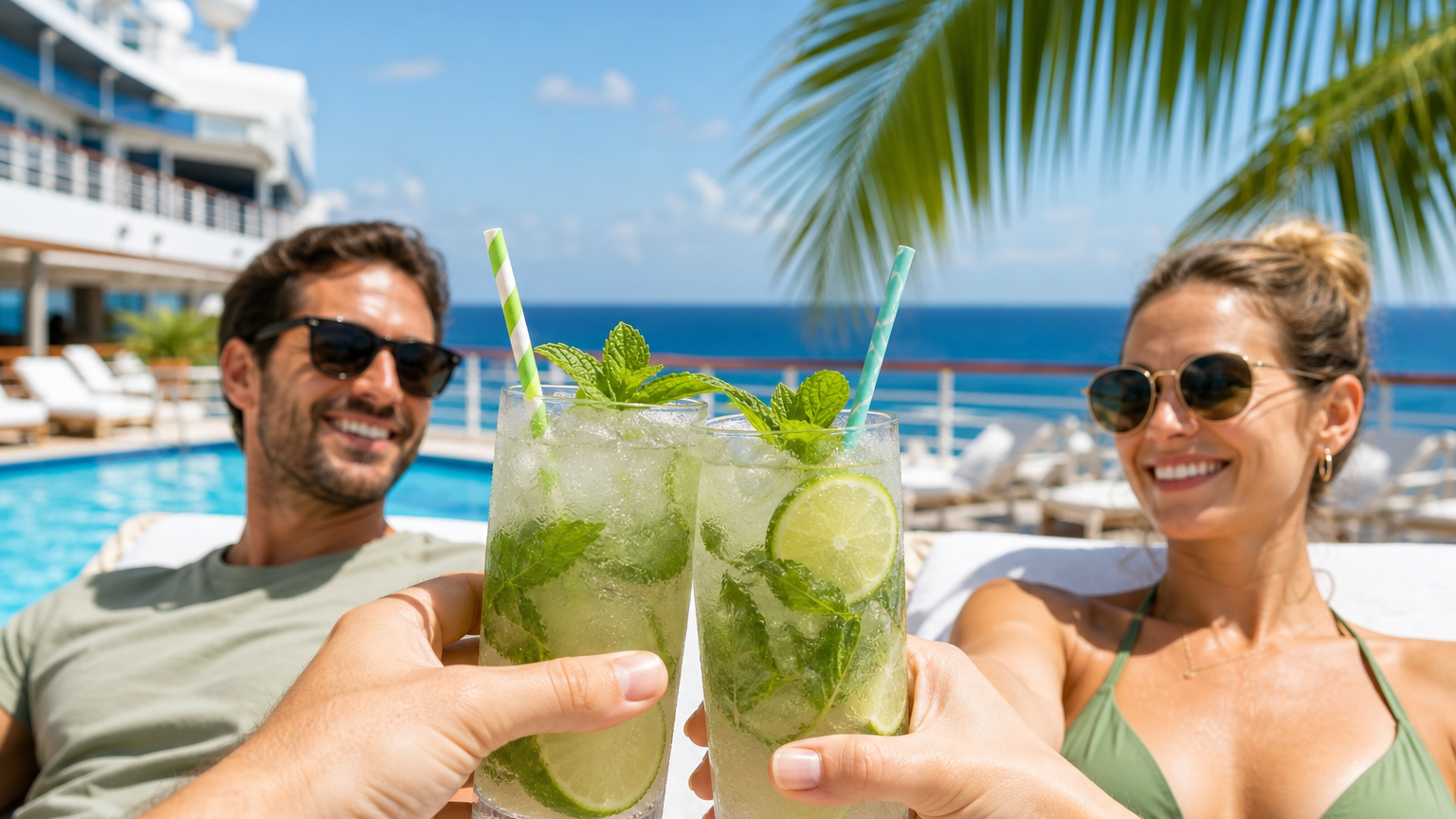
Bought the all-inclusive cruise drink package and worried you'll overdo it? Here's how to pace yourself, use the sunk-cost trap, and enjoy the trip.

Although it isn't a treatment for alcohol use disorder (AUD), the Reframe app can help you cut back on drinking gradually with the science-backed knowledge to empower you 100% of the way. Our proven program has helped millions of people around the world drink less and live more. And we want to help you get there, too!
The Reframe app equips you with the knowledge and skills you need to not only survive drinking less, but to thrive while you navigate the journey. Our daily research-backed readings teach you the neuroscience of alcohol, and our in-app Toolkit provides the resources and activities you need to navigate each challenge.
You'll meet millions of fellow Reframers in our 24/7 Forum chat and daily Zoom check-in meetings. Receive encouragement from people worldwide who know exactly what you're going through! You'll also have the opportunity to connect with our licensed Reframe coaches for more personalized guidance.
Plus, we're always introducing new features to optimize your in-app experience. We recently launched our in-app chatbot, Melody, powered by the world's most powerful AI technology. Melody is here to help as you adjust to a life with less (or no) alcohol.
And that's not all! Every month, we launch fun challenges, like Dry/Damp January, Mental Health May, and Outdoorsy June. You won't want to miss out on the chance to participate alongside fellow Reframers (or solo if that's more your thing!).
The Reframe app is free for 7 days, so you don't have anything to lose by trying it. Are you ready to feel empowered and discover life beyond alcohol? Then download our app through the App Store or Google Play today!
You can pace yourself on a cruise even with an all-inclusive drink package by setting a daily drink target before you board, alternating every alcoholic drink with water or a non-alcoholic option, and refusing to let the package's "unlimited" framing drive how much you drink. The package is designed to feel like a deal you should maximize, but that sunk-cost pull is exactly what nudges people to drink far past what they actually want. Reframe can help you set an intention and track it so a week at sea feels like a vacation, not a bar tab you're trying to justify.
Here's the thing nobody warns you about before you swipe your card for the beverage package: the math starts working on you. You do a little back-of-the-napkin calculation ("if I have five drinks a day, this pays for itself"), and suddenly a target has quietly become a floor. A cruise is one of the few places on earth where a fresh drink is always within arm's reach, always already paid for, and always socially on-brand. That combination is great for the cruise line and rough on anyone trying to drink a little less. So let's talk honestly about how to enjoy the trip, use the package you paid for, and still wake up clear-headed for the parts of the vacation you actually came for.
The short version: a prepaid package removes the small, useful pause that a bar tab normally creates, and then your brain starts treating "get my money's worth" as the goal. When every drink feels free, the natural friction that would slow you down at a normal bar just isn't there, and unlimited availability does the rest.
Once you've paid up front, the money is gone whether you drink or not, but it rarely feels that way in the moment. The pull to justify what you already spent has a name in behavioral science: the sunk-cost effect, our tendency to keep pouring resources into something because we've already invested in it. The cleanest real-world demonstration isn't about alcohol at all, it's about buffets. In one experiment, people who paid for an all-you-can-eat buffet before eating consumed significantly more than those who paid afterward, which is about as close an analogy to a prepaid drink package as you'll find. Swap "food" for "cocktails" and you've basically described day three of a cruise. Naming this dynamic doesn't make it disappear, but it does give you something to push back on when the little voice starts doing drink math. If you want to go deeper on the psychology, we've written a whole piece on how the sunk-cost fallacy affects our decision-making.
Normally, the friction of ordering, paying, and watching a tab climb acts as a quiet governor on how much you drink. A cruise package sands all of that off. There's a bar by the pool, a bar at dinner, a bar before the show, a bar after the show, and room service that will happily bring you a nightcap. Constant access plus a party atmosphere plus a shipful of people who are also on vacation makes heavy drinking feel like the expected default rather than a choice you're making. The goal here isn't to maximize a spreadsheet. It's to enjoy the trip, and enjoyment and volume are not the same thing. Learning to notice that gap is a big part of what Reframe's mindful drinking program is built around.

Decide your numbers on dry land, before the lido deck starts working on you. A workable plan has three parts: a per-day drink target chosen in advance, a short list of the moments you actually want a drink for, and a couple of alcohol-free days built in. Making these calls sober, days ahead of time, beats trying to make good decisions with a free piña colada already in your hand.
Pick a per-day number when you're not in the moment, and pick it honestly. If you're using this trip to cut back, it helps to anchor to something real. General low-risk guidance from the Centers for Disease Control and Prevention describes moderate drinking as up to one drink a day for women and up to two for men, and it's worth reading those as maximums for people who choose to drink, not a nudge to hit the number. The same guidance flags something cruise-relevant: a single beverage can contain more than one standard drink, which is a polite way of saying cruise pours run generous.
That's why it pays to think in standard drinks rather than "rounds." A U.S. standard drink contains about 0.6 fluid ounces of pure alcohol, and a strong, oversized frozen cocktail can quietly count as two. If you plan in rounds, a generous bartender can double your actual intake without you noticing. Counting in standard drinks keeps your target meaningful.
Next, decide which occasions matter most to you. Maybe it's a sunset cocktail on a sea day, or a single glass of something nice for the formal-night toast. Plan your drinks around the moments you'll remember, not the ones that just happen because a bar is nearby. Then budget a couple of alcohol-free days, a port-excursion morning where you want to feel sharp climbing ruins, or a spa day where a headache would be a waste. Finally, tell a travel companion your plan. You're not asking them to police you; you're just making the intention real by saying it out loud to someone. Not sure where your baseline sits? Our What Type of Drinker Are You? quiz is a low-stakes way to get oriented before you pack.
The most reliable move is to alternate every alcoholic drink with water or a mocktail. That single habit slows your pace, keeps you hydrated in the sun, and quietly halves how fast you're drinking, all without requiring any willpower in the moment. Layer a few environmental tweaks on top and the whole trip gets easier.
Alternating drinks has picked up a trendy nickname lately, "zebra-striping," but the tactic long predates the hashtag. The reason it works is straightforward: offering alcohol-free drinks helps counteract dehydration, and the extra fluids may slow how fast alcohol is absorbed and lower the peak blood alcohol level. On a cruise, where sun and heat are already pulling water out of you, that hydration piece matters more than usual. If non-alcoholic beer is more your speed for the "off" drink, there's decent research on alternating with alcohol-free options as a way to cut total intake.
A few more tactics that fit the environment:


These two kinds of days call for different plans. Sea days are the danger zone, wide open, low structure, and a bar in every direction, so give yourself something to do that isn't drinking: a pool, a spa appointment, a trivia contest, a nap that you actually take. Port days often solve themselves, because you're off the ship exploring, but they come with a twist: excursions are more fun and a lot safer when you're not nursing a hangover from the night before. Front-loading a stop time the evening before a big port day pays off the next morning.
Formal night is designed to feel like an occasion, which makes it one of the easier nights to overshoot. There's the pre-dinner cocktail, the wine with dinner, the toast, and the after-party. If a toast is a moment you genuinely want, plan for it and let the drink be that one glass of something you'll savor. You don't have to match the pace of the whole table to be part of the celebration. A nightly stop time matters here too, because your blood alcohol can keep climbing after you stop ordering. even small increases in blood alcohol concentration can decrease motor coordination, make a person feel sick, and cloud judgment, which is exactly how one last toast turns into a rough morning.
More than you'd expect, and using them is how you "use" the package without racking up alcohol. Most major cruise lines now stock non-alcoholic beer, zero-proof spirits, and premium mocktails, and many beverage packages also fold in specialty coffees, sodas, and fresh juices. That means you can order all night and stay within your plan.
The single most useful move is to ask your bartender for a mocktail version of whatever's on the cocktail menu. Most can make a virgin version of nearly anything, and because it's the same glass and garnish, nobody at the table treats it as a statement. Sparkling water with lime or a dash of bitters is another easy standby that reads as a "real" drink in a group setting, which quietly defuses a lot of social pressure before anyone even asks. It's worth confirming with the bartender what your specific package includes on the zero-proof side, since coffees, sodas, and premium mocktails are often covered, and that's real value you already paid for.
The trick that makes this effortless is deciding on a couple of go-to zero-proof orders before the trip so you're never standing at the bar improvising. If you want a running start on ideas, we keep a list of mocktails you can order at any bar that translates neatly to a ship's cocktail menu, and a broader guide to enjoying travel alcohol-free if you're leaning toward a mostly-dry trip.

You almost never have to announce a plan. Quietly holding a mocktail or a water handles the vast majority of situations, because a drink in your hand, alcoholic or not, sidesteps most of the social choreography around ordering. People clink glasses, not contents.
If someone does ask, one easy line does the job: "I'm pacing myself so I feel good for the excursion tomorrow." It's true, it's relatable, and it ends the conversation without a big discussion about your relationship with alcohol. Beyond that, lean toward group activities that aren't built entirely around the bar, the shows, the pools, shore excursions, the specialty restaurants, so the default social setting isn't a drinking setting. And take some comfort in the fact that most people are deep in their own vacation and are not, in fact, tallying what's in your glass. If the pressure feels sharper than that, our guide to mindful drinking during social events has scripts and strategies that carry over to a cruise cleanly.
Cruise drinking can escalate quietly, because access is constant and one loose day tends to blur into the next. A single rough night isn't a verdict. But a few patterns are worth taking seriously: blacking out, waking up with real regret about the night before, or noticing you're reaching for the first drink earlier each day to feel normal.
Blacking out deserves special mention because people often mistake it for just being drunk. Alcohol-induced blackouts, gaps in memory where a person can still walk and talk, tend to begin around a blood alcohol concentration of about 0.16 percent, roughly twice the legal driving limit, and NIAAA's guidance treats even one blackout as a reason to take a closer look at your drinking. That threshold is easier to hit than it sounds when pours are generous and the drinks keep coming.
The cruise setting also stacks a few risk factors on top of each other: heavy daily drinking, dehydration from sun and heat, and seasickness medication all compound in ways they wouldn't on a normal week. That last one matters more than people realize. Mixing alcohol with certain medicines, including plenty of over-the-counter ones, can cause drowsiness, fainting, or loss of coordination, and can make a medication less effective or more toxic. If you take a regular medication or manage a health condition, that combination is genuinely a medical question, and it's worth a quick conversation with your prescriber or a clinician before you travel so you can enjoy the trip safely.
If what you notice at sea is a pattern that follows you home rather than a one-off vacation night, that's the signal to look a little closer. A quick self-check like the Am I Drinking Too Much? quiz can help you sort a rowdy week from a habit worth changing, and a tool like Reframe can help you turn that awareness into a plan. There's no shame in either direction; the point is information, not judgment.
You can pace yourself on a cruise even with an all-inclusive drink package by setting a daily drink target before you board, alternating every alcoholic drink with water or a non-alcoholic option, and refusing to let the package's "unlimited" framing drive how much you drink. The package is designed to feel like a deal you should maximize, but that sunk-cost pull is exactly what nudges people to drink far past what they actually want. Reframe can help you set an intention and track it so a week at sea feels like a vacation, not a bar tab you're trying to justify.
Here's the thing nobody warns you about before you swipe your card for the beverage package: the math starts working on you. You do a little back-of-the-napkin calculation ("if I have five drinks a day, this pays for itself"), and suddenly a target has quietly become a floor. A cruise is one of the few places on earth where a fresh drink is always within arm's reach, always already paid for, and always socially on-brand. That combination is great for the cruise line and rough on anyone trying to drink a little less. So let's talk honestly about how to enjoy the trip, use the package you paid for, and still wake up clear-headed for the parts of the vacation you actually came for.
The short version: a prepaid package removes the small, useful pause that a bar tab normally creates, and then your brain starts treating "get my money's worth" as the goal. When every drink feels free, the natural friction that would slow you down at a normal bar just isn't there, and unlimited availability does the rest.
Once you've paid up front, the money is gone whether you drink or not, but it rarely feels that way in the moment. The pull to justify what you already spent has a name in behavioral science: the sunk-cost effect, our tendency to keep pouring resources into something because we've already invested in it. The cleanest real-world demonstration isn't about alcohol at all, it's about buffets. In one experiment, people who paid for an all-you-can-eat buffet before eating consumed significantly more than those who paid afterward, which is about as close an analogy to a prepaid drink package as you'll find. Swap "food" for "cocktails" and you've basically described day three of a cruise. Naming this dynamic doesn't make it disappear, but it does give you something to push back on when the little voice starts doing drink math. If you want to go deeper on the psychology, we've written a whole piece on how the sunk-cost fallacy affects our decision-making.
Normally, the friction of ordering, paying, and watching a tab climb acts as a quiet governor on how much you drink. A cruise package sands all of that off. There's a bar by the pool, a bar at dinner, a bar before the show, a bar after the show, and room service that will happily bring you a nightcap. Constant access plus a party atmosphere plus a shipful of people who are also on vacation makes heavy drinking feel like the expected default rather than a choice you're making. The goal here isn't to maximize a spreadsheet. It's to enjoy the trip, and enjoyment and volume are not the same thing. Learning to notice that gap is a big part of what Reframe's mindful drinking program is built around.
Decide your numbers on dry land, before the lido deck starts working on you. A workable plan has three parts: a per-day drink target chosen in advance, a short list of the moments you actually want a drink for, and a couple of alcohol-free days built in. Making these calls sober, days ahead of time, beats trying to make good decisions with a free piña colada already in your hand.
Pick a per-day number when you're not in the moment, and pick it honestly. If you're using this trip to cut back, it helps to anchor to something real. General low-risk guidance from the Centers for Disease Control and Prevention describes moderate drinking as up to one drink a day for women and up to two for men, and it's worth reading those as maximums for people who choose to drink, not a nudge to hit the number. The same guidance flags something cruise-relevant: a single beverage can contain more than one standard drink, which is a polite way of saying cruise pours run generous.
That's why it pays to think in standard drinks rather than "rounds." A U.S. standard drink contains about 0.6 fluid ounces of pure alcohol, and a strong, oversized frozen cocktail can quietly count as two. If you plan in rounds, a generous bartender can double your actual intake without you noticing. Counting in standard drinks keeps your target meaningful.
Next, decide which occasions matter most to you. Maybe it's a sunset cocktail on a sea day, or a single glass of something nice for the formal-night toast. Plan your drinks around the moments you'll remember, not the ones that just happen because a bar is nearby. Then budget a couple of alcohol-free days, a port-excursion morning where you want to feel sharp climbing ruins, or a spa day where a headache would be a waste. Finally, tell a travel companion your plan. You're not asking them to police you; you're just making the intention real by saying it out loud to someone. Not sure where your baseline sits? Our What Type of Drinker Are You? quiz is a low-stakes way to get oriented before you pack.
The most reliable move is to alternate every alcoholic drink with water or a mocktail. That single habit slows your pace, keeps you hydrated in the sun, and quietly halves how fast you're drinking, all without requiring any willpower in the moment. Layer a few environmental tweaks on top and the whole trip gets easier.
Alternating drinks has picked up a trendy nickname lately, "zebra-striping," but the tactic long predates the hashtag. The reason it works is straightforward: offering alcohol-free drinks helps counteract dehydration, and the extra fluids may slow how fast alcohol is absorbed and lower the peak blood alcohol level. On a cruise, where sun and heat are already pulling water out of you, that hydration piece matters more than usual. If non-alcoholic beer is more your speed for the "off" drink, there's decent research on alternating with alcohol-free options as a way to cut total intake.
A few more tactics that fit the environment:
These two kinds of days call for different plans. Sea days are the danger zone, wide open, low structure, and a bar in every direction, so give yourself something to do that isn't drinking: a pool, a spa appointment, a trivia contest, a nap that you actually take. Port days often solve themselves, because you're off the ship exploring, but they come with a twist: excursions are more fun and a lot safer when you're not nursing a hangover from the night before. Front-loading a stop time the evening before a big port day pays off the next morning.
Formal night is designed to feel like an occasion, which makes it one of the easier nights to overshoot. There's the pre-dinner cocktail, the wine with dinner, the toast, and the after-party. If a toast is a moment you genuinely want, plan for it and let the drink be that one glass of something you'll savor. You don't have to match the pace of the whole table to be part of the celebration. A nightly stop time matters here too, because your blood alcohol can keep climbing after you stop ordering. even small increases in blood alcohol concentration can decrease motor coordination, make a person feel sick, and cloud judgment, which is exactly how one last toast turns into a rough morning.
More than you'd expect, and using them is how you "use" the package without racking up alcohol. Most major cruise lines now stock non-alcoholic beer, zero-proof spirits, and premium mocktails, and many beverage packages also fold in specialty coffees, sodas, and fresh juices. That means you can order all night and stay within your plan.
The single most useful move is to ask your bartender for a mocktail version of whatever's on the cocktail menu. Most can make a virgin version of nearly anything, and because it's the same glass and garnish, nobody at the table treats it as a statement. Sparkling water with lime or a dash of bitters is another easy standby that reads as a "real" drink in a group setting, which quietly defuses a lot of social pressure before anyone even asks. It's worth confirming with the bartender what your specific package includes on the zero-proof side, since coffees, sodas, and premium mocktails are often covered, and that's real value you already paid for.
The trick that makes this effortless is deciding on a couple of go-to zero-proof orders before the trip so you're never standing at the bar improvising. If you want a running start on ideas, we keep a list of mocktails you can order at any bar that translates neatly to a ship's cocktail menu, and a broader guide to enjoying travel alcohol-free if you're leaning toward a mostly-dry trip.
You almost never have to announce a plan. Quietly holding a mocktail or a water handles the vast majority of situations, because a drink in your hand, alcoholic or not, sidesteps most of the social choreography around ordering. People clink glasses, not contents.
If someone does ask, one easy line does the job: "I'm pacing myself so I feel good for the excursion tomorrow." It's true, it's relatable, and it ends the conversation without a big discussion about your relationship with alcohol. Beyond that, lean toward group activities that aren't built entirely around the bar, the shows, the pools, shore excursions, the specialty restaurants, so the default social setting isn't a drinking setting. And take some comfort in the fact that most people are deep in their own vacation and are not, in fact, tallying what's in your glass. If the pressure feels sharper than that, our guide to mindful drinking during social events has scripts and strategies that carry over to a cruise cleanly.
Cruise drinking can escalate quietly, because access is constant and one loose day tends to blur into the next. A single rough night isn't a verdict. But a few patterns are worth taking seriously: blacking out, waking up with real regret about the night before, or noticing you're reaching for the first drink earlier each day to feel normal.
Blacking out deserves special mention because people often mistake it for just being drunk. Alcohol-induced blackouts, gaps in memory where a person can still walk and talk, tend to begin around a blood alcohol concentration of about 0.16 percent, roughly twice the legal driving limit, and NIAAA's guidance treats even one blackout as a reason to take a closer look at your drinking. That threshold is easier to hit than it sounds when pours are generous and the drinks keep coming.
The cruise setting also stacks a few risk factors on top of each other: heavy daily drinking, dehydration from sun and heat, and seasickness medication all compound in ways they wouldn't on a normal week. That last one matters more than people realize. Mixing alcohol with certain medicines, including plenty of over-the-counter ones, can cause drowsiness, fainting, or loss of coordination, and can make a medication less effective or more toxic. If you take a regular medication or manage a health condition, that combination is genuinely a medical question, and it's worth a quick conversation with your prescriber or a clinician before you travel so you can enjoy the trip safely.
If what you notice at sea is a pattern that follows you home rather than a one-off vacation night, that's the signal to look a little closer. A quick self-check like the Am I Drinking Too Much? quiz can help you sort a rowdy week from a habit worth changing, and a tool like Reframe can help you turn that awareness into a plan. There's no shame in either direction; the point is information, not judgment.

Practical scripts and low-friction tactics for drinking less when dining out, from handling the server's first round to managing a shared bottle of wine.
Although it isn't a treatment for alcohol use disorder (AUD), the Reframe app can help you cut back on drinking gradually with the science-backed knowledge to empower you 100% of the way. Our proven program has helped millions of people around the world drink less and live more. And we want to help you get there, too!
The Reframe app equips you with the knowledge and skills you need to not only survive drinking less, but to thrive while you navigate the journey. Our daily research-backed readings teach you the neuroscience of alcohol, and our in-app Toolkit provides the resources and activities you need to navigate each challenge.
You'll meet millions of fellow Reframers in our 24/7 Forum chat and daily Zoom check-in meetings. Receive encouragement from people worldwide who know exactly what you're going through! You'll also have the opportunity to connect with our licensed Reframe coaches for more personalized guidance.
Plus, we're always introducing new features to optimize your in-app experience. We recently launched our in-app chatbot, Melody, powered by the world's most powerful AI technology. Melody is here to help as you adjust to a life with less (or no) alcohol.
And that's not all! Every month, we launch fun challenges, like Dry/Damp January, Mental Health May, and Outdoorsy June. You won't want to miss out on the chance to participate alongside fellow Reframers (or solo if that's more your thing!).
The Reframe app is free for 7 days, so you don't have anything to lose by trying it. Are you ready to feel empowered and discover life beyond alcohol? Then download our app through the App Store or Google Play today!
To drink less at restaurants without drawing attention, the key is defaults and timing: order your non-alcoholic drink first and confidently when the server comes around, so you set the tone before anyone else weighs in. Restaurants are actually easier than parties because the server is a neutral third party who does not care what you order, and courses give you built-in pacing cues. A few rehearsed one-liners ("I'm pacing myself tonight" or "just a soda water with lime, thanks") handle almost every moment that comes up. Reframe's tools can help you plan these small scripts ahead of time so dining out feels automatic instead of like a decision you keep re-litigating.
Here is the thing most advice about drinking less gets wrong: it treats every social setting as one big test of willpower. But a restaurant is not a house party where a friend keeps topping off your glass, and it is not a work happy hour where a round appears in front of you before you've decided anything. A restaurant has structure. There's a menu, a server, and a sequence of courses, and all three of those are quietly on your side once you know how to use them.
So let's talk honestly about how to drink less at restaurants without turning your dinner into a negotiation. The goal is not to announce a lifestyle change to the table. It's to make your choices so smooth and so boring that nobody notices them at all. That's a good thing. The less remarkable your order is, the less anyone has to say about it.
Restaurants hand you three advantages a party never will: a neutral middleman, a built-in schedule, and individual ordering. At a party, the person refilling your glass is a friend with feelings about whether you're "keeping up." At a restaurant, the person taking your order is a server who genuinely does not care whether you want a cabernet or a club soda. That single shift removes most of the social friction.
The transactional nature of ordering is the quiet superpower here. You say what you want, the server writes it down, and everyone moves on. There's no editorializing built into the exchange, so you can keep it short and let the conversation continue around you. Nobody at the table is tracking the server's notepad.
Courses do the rest of the work. Each new plate is a natural checkpoint, a moment where the meal pauses and resets. Instead of one long undifferentiated stretch of drinking, you get a series of small chapters, and you can decide fresh at the start of each one. That rhythm makes drinking less when dining out feel less like restraint and more like simply moving through a meal.
And because everyone orders individually, your choice never has to match the table. This matters more than it sounds. People tend to drink the way the people around them drink, and a meta-analytic review of alcohol modeling studies found that imitation has a real effect on how much someone consumes. The flip side of that finding is empowering: if you set your own default clearly, you sidestep the pull to match a heavier-drinking companion. The menu almost always has a soda water, a mocktail, or a zero-proof option you can name without any explanation, so there's rarely a moment where you're stuck improvising. If you're still figuring out where your own limits sit, the Am I Drinking Too Much? quiz is a low-pressure place to start.
Order your non-alcoholic drink first, name it specifically, and skip the explanation entirely. That's the whole move. When the server comes around to take the first round, jump in early and matter-of-factly with something like "I'll have a soda water with lime, thanks." No preamble, no reason attached, no lingering pause for someone to fill.
Going first is not about being pushy; it's about setting the default before a round builds its own momentum. Because people so often match the drinking around them, the first confident order tends to anchor the table. The same modeling research that explains peer influence also explains why ordering first works in your favor: you become the model instead of the follower. More than once you'll notice someone else say "actually, that sounds good, I'll do the same." Even when they don't, you've quietly established that a non-alcoholic drink is a completely normal thing to have in front of you tonight.
The trap is vagueness. If you say "um, I'll just have, uh, something without alcohol," you've created a little silence that begs to be filled with "oh come on, have a real drink." A specific order closes that gap before it opens. Iced tea, sparkling water, a named mocktail off the menu, a cola, a ginger beer: pick one and say it like you've been ordering it your whole life. The server does not need a reason, and neither does the table.
This is why having a go-to order memorized matters so much. When you already know what you're saying, you're not scanning the menu under pressure while three people wait on you. These ordering scripts for drinking less are less about clever wording and more about removing the moment of hesitation where doubt creeps in. Learning to be brief and unbothered here is a small skill, and if you want to build it more deliberately, our guide on how to be more assertive about cutting back goes deeper.
Keep it warm and keep it brief. The single most reliable line is the pacing one: "I'm pacing myself tonight, so I'm good for now." It works because it's true for almost everyone, it implies nothing dramatic, and it doesn't invite follow-up questions. A warm, short "I'm good, thanks" rarely gets any pushback at all, and over-explaining tends to draw more attention than the decline itself.
Why does "pacing myself" land so softly? Because it frames your choice as timing, not refusal. You're not rejecting the drink or the person offering it; you're just spacing things out. That reading is easy for anyone to accept because most people have paced themselves at some point too. If someone does press, redirect to the food or the conversation rather than defending your choice: "this appetizer is unreal, have you tried it?" A pivot ends the topic faster than any justification ever could. Knowing how to decline a drink at dinner is mostly about giving people nothing to argue with, and our roundup on how to say no to alcohol collects more variations if you want a bigger toolkit.
The shared bottle is where a lot of people feel cornered, so here's how to defuse it. If someone wants to pour you wine, you have two clean options. One, let them pour a small amount and simply don't finish it; a barely-touched glass draws zero attention and quietly stalls the next refill. Two, wave it off gently: "not for me tonight, but you all go ahead." Either way, managing wine at a restaurant is easier when you keep a non-alcoholic drink in front of you, because your hands and glass already have something to do, and a refill feels far less automatic when your glass isn't empty.
Here's a move that keeps you inside the ritual instead of outside it: offer to be the one who picks the bottle for the table. You get to be part of the fun, warm, communal part of ordering wine without being the one drinking it. You're still in the group, still contributing, still enjoying the moment. That reframing, staying part of the experience rather than opting out of it, is a big part of what Reframe's mindful drinking program helps people practice.
Let the meal's structure carry you. Start with a non-alcoholic drink during appetizers, and if you want an alcoholic drink at all, save it for the main course. That one adjustment front-loads your evening with something zero-proof during the stretch when drinks usually come fastest, and it delays the first alcoholic one until you're settled and eating. Each new course then becomes a cue to check in with how you're actually feeling.
The water trick is old advice for a reason: match every alcoholic drink with a full glass of water alongside it. It slows your pace, keeps your hands busy, and means you're never reaching for the wine just because your mouth is dry. Sip slowly and put the glass down between sips so a single drink lasts through an entire course rather than disappearing in the first ten minutes.
Ordering by the glass rather than by the bottle keeps quantity visible, and that visibility genuinely matters. A randomized controlled trial on wine glass sizes found people drank about 6.5% less wine when served in smaller glasses rather than larger ones, though that study was run in homes rather than restaurants. The restaurant-relevant companion comes from a field trial across 21 pubs, bars, and restaurants in England, which found that removing the largest wine serving size led to roughly a fifth less wine consumed. The underlying principle is the same in both: when the portion in front of you is smaller and you can see exactly how much you're pouring, you tend to drink less. Ordering a single glass, seeing it, and finishing it before deciding on another keeps you in the driver's seat. If tracking the cost of all this interests you, our alcohol spend calculator can make the savings surprisingly concrete.
The best non-alcoholic order is one that looks like a drink, arrives in a nice glass, and needs no explanation. Soda water with lime or a dash of bitters is the reigning champion here: it looks like a cocktail, it's on every bar's shelf, and no one gives it a second glance. It's the drink equivalent of hiding in plain sight, and it's why so many people cutting back reach for it first.
Scan the menu for mocktails or zero-proof options before you assume there aren't any. There genuinely are more of them now than there used to be; market analysis put US non-alcoholic beverage industry growth at around 10% in 2024, with crafted mocktails a major driver. Practically, that means a lot of restaurants now list a dedicated zero-proof section, and ordering off it feels no different from ordering anything else on the page.
Where it's available, non-alcoholic beer or wine keeps the whole ritual intact: the same glass, the same clink, the same rhythm of sipping something during dinner. If those aren't on offer, iced tea, sparkling water with fruit, a specialty soda, or a good ginger beer all do the job. The small detail that makes any of these feel like a real drink rather than a consolation is the vessel. Something that shows up in a proper glass reads as a choice, not a compromise. For more specific ideas you can name off the top of your head, our list of 10 mocktails to order at any bar is a handy thing to skim before you go out.
Decide your default drink and your limit before you walk in, then rehearse a line or two so they come out automatically. This is the highest-leverage thing you can do, and there's solid science behind it. A meta-analysis of 94 independent tests found that forming a specific "if-then" plan in advance, linking a cue to a response, makes people substantially more likely to follow through than simply intending to. Translated to dinner: "when the server comes around, I'll order a soda water with lime" is far more reliable than "I'll try to drink less tonight."
The reason it works is that the decision is already made. You're not spending willpower in the moment, because there's nothing to decide; you're just executing a plan you set earlier when you were calm and clear-headed. Rehearse your go-to line once or twice, even silently in the car, so the words are ready before anyone asks. Reframe's tools are built around exactly this kind of preparation, and you can download Reframe if you want a structured way to plan these scripts.
A couple of practical setups help too. If you know drinks tend to come fast at a given spot, eat a little beforehand; food in your stomach slows how quickly alcohol is absorbed and blunts the peak, according to a clinical trial on food and alcohol absorption. Worth being clear about what that does and doesn't do, though: eating lowers the peak, it doesn't cancel out drinks or speed up how fast your body clears alcohol, so treat it as a pacing aid rather than a workaround. When you can, suggest restaurants with good non-alcoholic menus. And frame the whole night as a plan you made, not a test of willpower you have to pass. That single mental shift, from "can I resist" to "here's what I'm doing," takes the pressure off. If you're curious how your habits and personality shape your drinking in the first place, the What Type of Drinker Are You? quiz is a quick and genuinely useful read.
To drink less at restaurants without drawing attention, the key is defaults and timing: order your non-alcoholic drink first and confidently when the server comes around, so you set the tone before anyone else weighs in. Restaurants are actually easier than parties because the server is a neutral third party who does not care what you order, and courses give you built-in pacing cues. A few rehearsed one-liners ("I'm pacing myself tonight" or "just a soda water with lime, thanks") handle almost every moment that comes up. Reframe's tools can help you plan these small scripts ahead of time so dining out feels automatic instead of like a decision you keep re-litigating.
Here is the thing most advice about drinking less gets wrong: it treats every social setting as one big test of willpower. But a restaurant is not a house party where a friend keeps topping off your glass, and it is not a work happy hour where a round appears in front of you before you've decided anything. A restaurant has structure. There's a menu, a server, and a sequence of courses, and all three of those are quietly on your side once you know how to use them.
So let's talk honestly about how to drink less at restaurants without turning your dinner into a negotiation. The goal is not to announce a lifestyle change to the table. It's to make your choices so smooth and so boring that nobody notices them at all. That's a good thing. The less remarkable your order is, the less anyone has to say about it.
Restaurants hand you three advantages a party never will: a neutral middleman, a built-in schedule, and individual ordering. At a party, the person refilling your glass is a friend with feelings about whether you're "keeping up." At a restaurant, the person taking your order is a server who genuinely does not care whether you want a cabernet or a club soda. That single shift removes most of the social friction.
The transactional nature of ordering is the quiet superpower here. You say what you want, the server writes it down, and everyone moves on. There's no editorializing built into the exchange, so you can keep it short and let the conversation continue around you. Nobody at the table is tracking the server's notepad.
Courses do the rest of the work. Each new plate is a natural checkpoint, a moment where the meal pauses and resets. Instead of one long undifferentiated stretch of drinking, you get a series of small chapters, and you can decide fresh at the start of each one. That rhythm makes drinking less when dining out feel less like restraint and more like simply moving through a meal.
And because everyone orders individually, your choice never has to match the table. This matters more than it sounds. People tend to drink the way the people around them drink, and a meta-analytic review of alcohol modeling studies found that imitation has a real effect on how much someone consumes. The flip side of that finding is empowering: if you set your own default clearly, you sidestep the pull to match a heavier-drinking companion. The menu almost always has a soda water, a mocktail, or a zero-proof option you can name without any explanation, so there's rarely a moment where you're stuck improvising. If you're still figuring out where your own limits sit, the Am I Drinking Too Much? quiz is a low-pressure place to start.
Order your non-alcoholic drink first, name it specifically, and skip the explanation entirely. That's the whole move. When the server comes around to take the first round, jump in early and matter-of-factly with something like "I'll have a soda water with lime, thanks." No preamble, no reason attached, no lingering pause for someone to fill.
Going first is not about being pushy; it's about setting the default before a round builds its own momentum. Because people so often match the drinking around them, the first confident order tends to anchor the table. The same modeling research that explains peer influence also explains why ordering first works in your favor: you become the model instead of the follower. More than once you'll notice someone else say "actually, that sounds good, I'll do the same." Even when they don't, you've quietly established that a non-alcoholic drink is a completely normal thing to have in front of you tonight.
The trap is vagueness. If you say "um, I'll just have, uh, something without alcohol," you've created a little silence that begs to be filled with "oh come on, have a real drink." A specific order closes that gap before it opens. Iced tea, sparkling water, a named mocktail off the menu, a cola, a ginger beer: pick one and say it like you've been ordering it your whole life. The server does not need a reason, and neither does the table.
This is why having a go-to order memorized matters so much. When you already know what you're saying, you're not scanning the menu under pressure while three people wait on you. These ordering scripts for drinking less are less about clever wording and more about removing the moment of hesitation where doubt creeps in. Learning to be brief and unbothered here is a small skill, and if you want to build it more deliberately, our guide on how to be more assertive about cutting back goes deeper.
Keep it warm and keep it brief. The single most reliable line is the pacing one: "I'm pacing myself tonight, so I'm good for now." It works because it's true for almost everyone, it implies nothing dramatic, and it doesn't invite follow-up questions. A warm, short "I'm good, thanks" rarely gets any pushback at all, and over-explaining tends to draw more attention than the decline itself.
Why does "pacing myself" land so softly? Because it frames your choice as timing, not refusal. You're not rejecting the drink or the person offering it; you're just spacing things out. That reading is easy for anyone to accept because most people have paced themselves at some point too. If someone does press, redirect to the food or the conversation rather than defending your choice: "this appetizer is unreal, have you tried it?" A pivot ends the topic faster than any justification ever could. Knowing how to decline a drink at dinner is mostly about giving people nothing to argue with, and our roundup on how to say no to alcohol collects more variations if you want a bigger toolkit.
The shared bottle is where a lot of people feel cornered, so here's how to defuse it. If someone wants to pour you wine, you have two clean options. One, let them pour a small amount and simply don't finish it; a barely-touched glass draws zero attention and quietly stalls the next refill. Two, wave it off gently: "not for me tonight, but you all go ahead." Either way, managing wine at a restaurant is easier when you keep a non-alcoholic drink in front of you, because your hands and glass already have something to do, and a refill feels far less automatic when your glass isn't empty.
Here's a move that keeps you inside the ritual instead of outside it: offer to be the one who picks the bottle for the table. You get to be part of the fun, warm, communal part of ordering wine without being the one drinking it. You're still in the group, still contributing, still enjoying the moment. That reframing, staying part of the experience rather than opting out of it, is a big part of what Reframe's mindful drinking program helps people practice.
Let the meal's structure carry you. Start with a non-alcoholic drink during appetizers, and if you want an alcoholic drink at all, save it for the main course. That one adjustment front-loads your evening with something zero-proof during the stretch when drinks usually come fastest, and it delays the first alcoholic one until you're settled and eating. Each new course then becomes a cue to check in with how you're actually feeling.
The water trick is old advice for a reason: match every alcoholic drink with a full glass of water alongside it. It slows your pace, keeps your hands busy, and means you're never reaching for the wine just because your mouth is dry. Sip slowly and put the glass down between sips so a single drink lasts through an entire course rather than disappearing in the first ten minutes.
Ordering by the glass rather than by the bottle keeps quantity visible, and that visibility genuinely matters. A randomized controlled trial on wine glass sizes found people drank about 6.5% less wine when served in smaller glasses rather than larger ones, though that study was run in homes rather than restaurants. The restaurant-relevant companion comes from a field trial across 21 pubs, bars, and restaurants in England, which found that removing the largest wine serving size led to roughly a fifth less wine consumed. The underlying principle is the same in both: when the portion in front of you is smaller and you can see exactly how much you're pouring, you tend to drink less. Ordering a single glass, seeing it, and finishing it before deciding on another keeps you in the driver's seat. If tracking the cost of all this interests you, our alcohol spend calculator can make the savings surprisingly concrete.
The best non-alcoholic order is one that looks like a drink, arrives in a nice glass, and needs no explanation. Soda water with lime or a dash of bitters is the reigning champion here: it looks like a cocktail, it's on every bar's shelf, and no one gives it a second glance. It's the drink equivalent of hiding in plain sight, and it's why so many people cutting back reach for it first.
Scan the menu for mocktails or zero-proof options before you assume there aren't any. There genuinely are more of them now than there used to be; market analysis put US non-alcoholic beverage industry growth at around 10% in 2024, with crafted mocktails a major driver. Practically, that means a lot of restaurants now list a dedicated zero-proof section, and ordering off it feels no different from ordering anything else on the page.
Where it's available, non-alcoholic beer or wine keeps the whole ritual intact: the same glass, the same clink, the same rhythm of sipping something during dinner. If those aren't on offer, iced tea, sparkling water with fruit, a specialty soda, or a good ginger beer all do the job. The small detail that makes any of these feel like a real drink rather than a consolation is the vessel. Something that shows up in a proper glass reads as a choice, not a compromise. For more specific ideas you can name off the top of your head, our list of 10 mocktails to order at any bar is a handy thing to skim before you go out.
Decide your default drink and your limit before you walk in, then rehearse a line or two so they come out automatically. This is the highest-leverage thing you can do, and there's solid science behind it. A meta-analysis of 94 independent tests found that forming a specific "if-then" plan in advance, linking a cue to a response, makes people substantially more likely to follow through than simply intending to. Translated to dinner: "when the server comes around, I'll order a soda water with lime" is far more reliable than "I'll try to drink less tonight."
The reason it works is that the decision is already made. You're not spending willpower in the moment, because there's nothing to decide; you're just executing a plan you set earlier when you were calm and clear-headed. Rehearse your go-to line once or twice, even silently in the car, so the words are ready before anyone asks. Reframe's tools are built around exactly this kind of preparation, and you can download Reframe if you want a structured way to plan these scripts.
A couple of practical setups help too. If you know drinks tend to come fast at a given spot, eat a little beforehand; food in your stomach slows how quickly alcohol is absorbed and blunts the peak, according to a clinical trial on food and alcohol absorption. Worth being clear about what that does and doesn't do, though: eating lowers the peak, it doesn't cancel out drinks or speed up how fast your body clears alcohol, so treat it as a pacing aid rather than a workaround. When you can, suggest restaurants with good non-alcoholic menus. And frame the whole night as a plan you made, not a test of willpower you have to pass. That single mental shift, from "can I resist" to "here's what I'm doing," takes the pressure off. If you're curious how your habits and personality shape your drinking in the first place, the What Type of Drinker Are You? quiz is a quick and genuinely useful read.
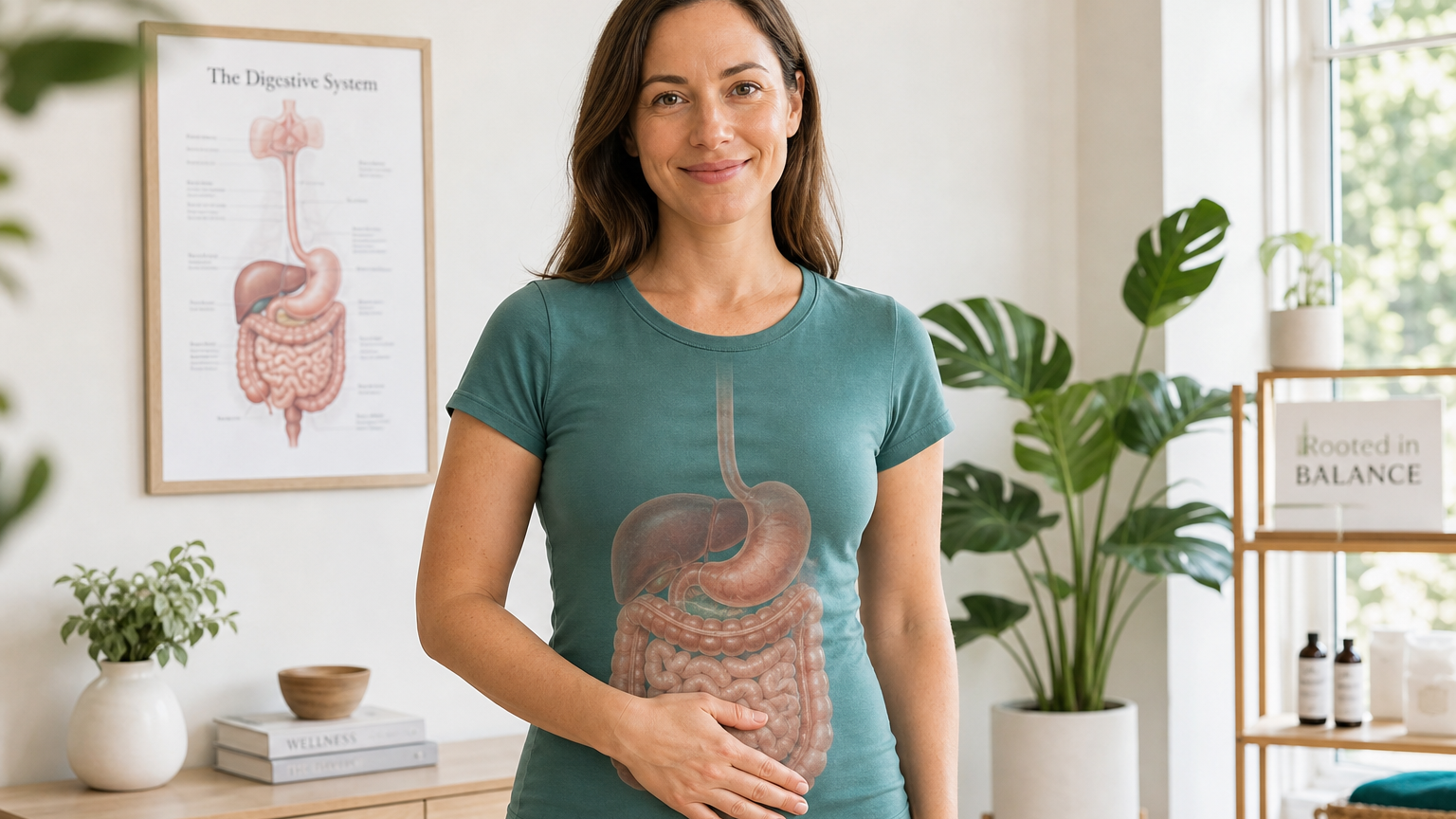
A week-by-week look at how your gut heals after you cut back or quit alcohol, from early GI turbulence to a rebalanced microbiome and better absorption.
Although it isn't a treatment for alcohol use disorder (AUD), the Reframe app can help you cut back on drinking gradually with the science-backed knowledge to empower you 100% of the way. Our proven program has helped millions of people around the world drink less and live more. And we want to help you get there, too!
The Reframe app equips you with the knowledge and skills you need to not only survive drinking less, but to thrive while you navigate the journey. Our daily research-backed readings teach you the neuroscience of alcohol, and our in-app Toolkit provides the resources and activities you need to navigate each challenge.
You'll meet millions of fellow Reframers in our 24/7 Forum chat and daily Zoom check-in meetings. Receive encouragement from people worldwide who know exactly what you're going through! You'll also have the opportunity to connect with our licensed Reframe coaches for more personalized guidance.
Plus, we're always introducing new features to optimize your in-app experience. We recently launched our in-app chatbot, Melody, powered by the world's most powerful AI technology. Melody is here to help as you adjust to a life with less (or no) alcohol.
And that's not all! Every month, we launch fun challenges, like Dry/Damp January, Mental Health May, and Outdoorsy June. You won't want to miss out on the chance to participate alongside fellow Reframers (or solo if that's more your thing!).
The Reframe app is free for 7 days, so you don't have anything to lose by trying it. Are you ready to feel empowered and discover life beyond alcohol? Then download our app through the App Store or Google Play today!
Your gut starts recovering within days of cutting back or quitting alcohol, but the timeline is uneven: the first week often brings loose stools, gas, and bloating as your system recalibrates, followed over weeks to months by a rebalancing microbiome, a calmer stomach lining, less reflux, and better nutrient absorption. This happens because alcohol irritates the gut wall, disrupts the balance of gut bacteria, and blocks the uptake of key vitamins, so removing or reducing it lets those systems repair. Reframe can help you track how you feel through that adjustment and build a drinking pattern that keeps the gains coming.
Here's the thing nobody tells you about drinking less: the first stretch can feel worse before it feels better. You cut back expecting your stomach to thank you, and instead you get a week of urgency, rumbling, and a waistband that won't cooperate. That's not a sign you broke something. It's the sound of a system that spent months adapting to a daily irritant finally starting to reset. This post walks through what to expect, roughly when, and where the line sits between normal recalibration and something worth calling a clinician about. The good news up front: gut recovery after quitting alcohol is real, it's measurable, and you get most of it even if you're cutting back rather than going fully dry.
Repair begins almost immediately, because the moment you stop pouring alcohol over your gut lining, you stop adding fresh irritation. The lining that alcohol had been aggravating gets a chance to settle within days, even while the deeper, slower work of rebalancing bacteria and restoring nutrient uptake plays out over weeks to months. So the honest answer is: the surface calms fast, the full system takes a while.
Why the surface settles quickly comes down to biology. The National Institute on Alcohol Abuse and Alcoholism notes that alcohol can damage the epithelial lining of the GI tract, promote inflammation, contribute to a leaky gut, and raise the risk of reflux. That same irritant load is exactly what eases when you cut back. The gut wall (the epithelium) is one of the fastest-renewing tissues in the body, so once you remove the thing that kept irritating it, the surface can quiet down noticeably in a short window.
The deeper repair is slower and more interesting. Chronic drinking is linked to dysbiotic changes in the gut microbiota, alongside inflammation and increased intestinal permeability. Rebuilding a more balanced, diverse bacterial community is not an overnight job. It unfolds over weeks to months, and your personal timeline depends on how much and how long you drank, plus your diet, sleep, and overall health.
Not as much as you'd think. The gut responds to how much irritant it's getting, not to whether you crossed some symbolic line to zero. Cutting back meaningfully reduces the daily load, and that reduction alone gives the lining room to recover and the bacteria room to shift. You don't have to quit entirely to see gains. If you're weighing where to set your limits, Reframe's mindful drinking program is built around exactly this kind of gradual, sustainable change, and a quick What Type of Drinker Are You? quiz can help you figure out your starting point.
Yes. Some digestive turbulence in the first days to weeks after cutting back is common, and it usually reflects your gut recalibrating rather than a problem. Loose stools, nausea, cramping, and shifts in appetite can all show up as gut motility and bacteria rebalance. Most of it eases within the first few weeks. The pattern is uncomfortable, not alarming.
Part of what's happening is a motility reset. alcohol impairs the muscle movement of the small and large intestines and interferes with the sphincter between the esophagus and stomach, which is why heavy drinking so often comes with diarrhea and heartburn. When you remove alcohol, those muscles start behaving differently again, and the transition can feel bumpy before it steadies. Think of it as your digestive system relearning its own rhythm.
You can smooth the ride. Staying hydrated, adding fiber gradually rather than all at once, eating regular balanced meals, and including some fermented foods all support a gut that's finding its footing. The one caveat worth taking seriously: if symptoms are severe, keep getting worse, or drag on well past a few weeks, that's a reason to check in with a clinician rather than wait it out. Persistent GI distress is not something the internet should diagnose for you.
IBS-like symptoms, meaning alternating loose stools and constipation, cramping, and urgency, can surface as the gut readjusts to life without its usual daily alcohol. Many people describe exactly this: bowel patterns that swing and feel unpredictable for a stretch before settling. It's a common experiential pattern during the adjustment period, and for most people it's temporary.
The mechanism behind it is the same motility-and-bacteria shift we've been describing. Because alcohol impairs the muscle movement of the small and large intestines and interferes with the sphincter between the esophagus and stomach, removing it can temporarily unmask or reshuffle your bowel patterns before they find a new normal. This is usually distinct from clinically diagnosed irritable bowel syndrome, though it's worth noting that alcohol can also aggravate existing IBS, so someone with a real diagnosis might notice their symptoms change as they cut back too.
Most transient IBS-like upset settles as the microbiome rebalances over the following weeks. What doesn't belong on the "just wait" list: symptoms that persist, worsen over time, or come with red-flag signs like blood in the stool or unexplained weight loss. Those warrant a real medical review, not a self-help fix. If you're using this experience as a nudge to look at your overall drinking, an honest Am I Drinking Too Much? quiz can be a useful gut check of a different kind.
Yes, and it's one of the most common early complaints. As your gut bacteria rebalance and the fermentation happening in your intestines shifts, gas production can temporarily climb before it settles. So the bloated, rumbly feeling in the first couple of weeks is often a sign of change in progress, not a sign that cutting back backfired on you.
Here's the slightly counterintuitive part. Alcohol changes which bacteria dominate your gut, and as that population rebalances toward a more diverse mix, the byproduct is often more gas in the short term. On top of that, the diet changes people naturally make when they drink less (more fiber, more fermented foods, more actual meals) also crank up gas while your gut adapts to them. So you're sometimes dealing with two overlapping adjustments at once. It's a lot of change for one digestive system to process in a hurry.
Relief is mostly about pacing and habits. Increase fiber gradually instead of doubling it overnight, since a sudden jump is a reliable way to manufacture more gas. Stay hydrated, take a short walk after meals to help things move, and space out the notorious gas-producing foods rather than eating them all in one sitting. Bloating that's tied to alcohol-driven inflammation and fluid retention tends to improve within a few weeks. If bloating specifically is your main frustration, we go deeper in our guide on how long bloating from alcohol lasts.
Mild abdominal discomfort can happen as the gut adjusts, and sweating can accompany early alcohol withdrawal in people who drank heavily. For light-to-moderate drinkers who are cutting back, symptoms are usually mild and short-lived, and abdominal pain in particular should stay in the "minor and passing" category. The picture changes for heavier drinkers, and that distinction matters a lot.
In people who drank heavily, stopping or sharply reducing intake can trigger withdrawal. The symptoms of alcohol withdrawal include excessive sweating, upset stomach, and a rapid heartbeat, generally starting within 6 to 24 hours of stopping or significantly cutting back. Importantly, withdrawal can also happen after simply reducing heavy, prolonged drinking, not only after fully stopping, and its more severe forms can be life-threatening. That's why the amount you were drinking is such a key variable here.
This is the part of the post where we step out of "general information" mode and get specific. If you drank heavily and you're experiencing sweating alongside shakiness, a racing heart, confusion, or significant abdominal pain, that can signal withdrawal, which is a medical situation and not something to manage alone with willpower and water. And regardless of your drinking history, severe abdominal pain, vomiting blood, or black, tarry stools are red flags that need urgent medical attention right away. A clinician can help a heavier drinker taper safely, and reaching out early is the empowered move, not the fearful one. Please don't try to self-manage severe withdrawal.
The full arc runs from a bumpy first week to steadier months, and the single most encouraging data point is that the gut barrier can genuinely repair. In one study of alcohol-dependent people in supervised detox, a three-week period of abstinence produced a full recovery of gut permeability in those who had started with a leaky gut barrier. That's heavier drinkers in a clinical setting, so don't read it as a universal three-week guarantee, but it shows the barrier is capable of real recovery over weeks. The rough pattern below is illustrative, not a fixed medical schedule, and everyone moves through it at their own pace.
Days one through seven are the turbulent stretch. This is when loose stools, gas, and bloating tend to peak as the fresh irritation lifts and your system starts recalibrating. It can feel like a step backward. It isn't. It's the noisy front end of a reset, and it typically calms as the days go on.
Over the next few weeks, many people notice the stomach lining feeling calmer and reflux or heartburn easing off, which tracks with the fact that alcohol is associated with an increased risk of gastroesophageal reflux disease. Bowel patterns generally begin to steady in this window too. It's often the first stretch where drinking less starts to feel like it's actively paying you back rather than just costing you comfort.
Over months, the deeper work compounds. The microbiome continues rebalancing toward a more diverse, protective community, and the shifts are measurable: a longitudinal study found the gut microbiome changed measurably following abstinence, with the pattern differing between less-heavy and very-heavy drinkers. That study was small and is best read as emerging evidence, but it reinforces two things: recovery is real, and heavier or longer drinking histories generally take longer to fully rebalance. As the lining and bacteria recover, nutrient absorption tends to improve as well, which matters because alcohol impairs the muscle movement of the small and large intestines and interferes with the sphincter between the esophagus and stomach. The exact vitamins-on-a-calendar timeline isn't something science pins down precisely, so treat improved absorption as a general, cumulative benefit rather than a scheduled milestone.
Two caveats worth holding onto. First, consistency matters more than perfection, so a mostly-reduced pattern with the occasional drink still moves you forward. Second, reducing rather than fully quitting still delivers meaningful, cumulative gut benefits, because your gut is responding to a lower irritant load either way. If part of your motivation is what else improves when you drink less, our roundup of the benefits of cutting back covers the full picture, and the alcohol calorie calculator makes the physical-health math concrete. When you're ready to track how your gut and the rest of you respond over these weeks and months, you can download Reframe and follow the changes as they happen.
Your gut starts recovering within days of cutting back or quitting alcohol, but the timeline is uneven: the first week often brings loose stools, gas, and bloating as your system recalibrates, followed over weeks to months by a rebalancing microbiome, a calmer stomach lining, less reflux, and better nutrient absorption. This happens because alcohol irritates the gut wall, disrupts the balance of gut bacteria, and blocks the uptake of key vitamins, so removing or reducing it lets those systems repair. Reframe can help you track how you feel through that adjustment and build a drinking pattern that keeps the gains coming.
Here's the thing nobody tells you about drinking less: the first stretch can feel worse before it feels better. You cut back expecting your stomach to thank you, and instead you get a week of urgency, rumbling, and a waistband that won't cooperate. That's not a sign you broke something. It's the sound of a system that spent months adapting to a daily irritant finally starting to reset. This post walks through what to expect, roughly when, and where the line sits between normal recalibration and something worth calling a clinician about. The good news up front: gut recovery after quitting alcohol is real, it's measurable, and you get most of it even if you're cutting back rather than going fully dry.
Repair begins almost immediately, because the moment you stop pouring alcohol over your gut lining, you stop adding fresh irritation. The lining that alcohol had been aggravating gets a chance to settle within days, even while the deeper, slower work of rebalancing bacteria and restoring nutrient uptake plays out over weeks to months. So the honest answer is: the surface calms fast, the full system takes a while.
Why the surface settles quickly comes down to biology. The National Institute on Alcohol Abuse and Alcoholism notes that alcohol can damage the epithelial lining of the GI tract, promote inflammation, contribute to a leaky gut, and raise the risk of reflux. That same irritant load is exactly what eases when you cut back. The gut wall (the epithelium) is one of the fastest-renewing tissues in the body, so once you remove the thing that kept irritating it, the surface can quiet down noticeably in a short window.
The deeper repair is slower and more interesting. Chronic drinking is linked to dysbiotic changes in the gut microbiota, alongside inflammation and increased intestinal permeability. Rebuilding a more balanced, diverse bacterial community is not an overnight job. It unfolds over weeks to months, and your personal timeline depends on how much and how long you drank, plus your diet, sleep, and overall health.
Not as much as you'd think. The gut responds to how much irritant it's getting, not to whether you crossed some symbolic line to zero. Cutting back meaningfully reduces the daily load, and that reduction alone gives the lining room to recover and the bacteria room to shift. You don't have to quit entirely to see gains. If you're weighing where to set your limits, Reframe's mindful drinking program is built around exactly this kind of gradual, sustainable change, and a quick What Type of Drinker Are You? quiz can help you figure out your starting point.
Yes. Some digestive turbulence in the first days to weeks after cutting back is common, and it usually reflects your gut recalibrating rather than a problem. Loose stools, nausea, cramping, and shifts in appetite can all show up as gut motility and bacteria rebalance. Most of it eases within the first few weeks. The pattern is uncomfortable, not alarming.
Part of what's happening is a motility reset. alcohol impairs the muscle movement of the small and large intestines and interferes with the sphincter between the esophagus and stomach, which is why heavy drinking so often comes with diarrhea and heartburn. When you remove alcohol, those muscles start behaving differently again, and the transition can feel bumpy before it steadies. Think of it as your digestive system relearning its own rhythm.
You can smooth the ride. Staying hydrated, adding fiber gradually rather than all at once, eating regular balanced meals, and including some fermented foods all support a gut that's finding its footing. The one caveat worth taking seriously: if symptoms are severe, keep getting worse, or drag on well past a few weeks, that's a reason to check in with a clinician rather than wait it out. Persistent GI distress is not something the internet should diagnose for you.
IBS-like symptoms, meaning alternating loose stools and constipation, cramping, and urgency, can surface as the gut readjusts to life without its usual daily alcohol. Many people describe exactly this: bowel patterns that swing and feel unpredictable for a stretch before settling. It's a common experiential pattern during the adjustment period, and for most people it's temporary.
The mechanism behind it is the same motility-and-bacteria shift we've been describing. Because alcohol impairs the muscle movement of the small and large intestines and interferes with the sphincter between the esophagus and stomach, removing it can temporarily unmask or reshuffle your bowel patterns before they find a new normal. This is usually distinct from clinically diagnosed irritable bowel syndrome, though it's worth noting that alcohol can also aggravate existing IBS, so someone with a real diagnosis might notice their symptoms change as they cut back too.
Most transient IBS-like upset settles as the microbiome rebalances over the following weeks. What doesn't belong on the "just wait" list: symptoms that persist, worsen over time, or come with red-flag signs like blood in the stool or unexplained weight loss. Those warrant a real medical review, not a self-help fix. If you're using this experience as a nudge to look at your overall drinking, an honest Am I Drinking Too Much? quiz can be a useful gut check of a different kind.
Yes, and it's one of the most common early complaints. As your gut bacteria rebalance and the fermentation happening in your intestines shifts, gas production can temporarily climb before it settles. So the bloated, rumbly feeling in the first couple of weeks is often a sign of change in progress, not a sign that cutting back backfired on you.
Here's the slightly counterintuitive part. Alcohol changes which bacteria dominate your gut, and as that population rebalances toward a more diverse mix, the byproduct is often more gas in the short term. On top of that, the diet changes people naturally make when they drink less (more fiber, more fermented foods, more actual meals) also crank up gas while your gut adapts to them. So you're sometimes dealing with two overlapping adjustments at once. It's a lot of change for one digestive system to process in a hurry.
Relief is mostly about pacing and habits. Increase fiber gradually instead of doubling it overnight, since a sudden jump is a reliable way to manufacture more gas. Stay hydrated, take a short walk after meals to help things move, and space out the notorious gas-producing foods rather than eating them all in one sitting. Bloating that's tied to alcohol-driven inflammation and fluid retention tends to improve within a few weeks. If bloating specifically is your main frustration, we go deeper in our guide on how long bloating from alcohol lasts.
Mild abdominal discomfort can happen as the gut adjusts, and sweating can accompany early alcohol withdrawal in people who drank heavily. For light-to-moderate drinkers who are cutting back, symptoms are usually mild and short-lived, and abdominal pain in particular should stay in the "minor and passing" category. The picture changes for heavier drinkers, and that distinction matters a lot.
In people who drank heavily, stopping or sharply reducing intake can trigger withdrawal. The symptoms of alcohol withdrawal include excessive sweating, upset stomach, and a rapid heartbeat, generally starting within 6 to 24 hours of stopping or significantly cutting back. Importantly, withdrawal can also happen after simply reducing heavy, prolonged drinking, not only after fully stopping, and its more severe forms can be life-threatening. That's why the amount you were drinking is such a key variable here.
This is the part of the post where we step out of "general information" mode and get specific. If you drank heavily and you're experiencing sweating alongside shakiness, a racing heart, confusion, or significant abdominal pain, that can signal withdrawal, which is a medical situation and not something to manage alone with willpower and water. And regardless of your drinking history, severe abdominal pain, vomiting blood, or black, tarry stools are red flags that need urgent medical attention right away. A clinician can help a heavier drinker taper safely, and reaching out early is the empowered move, not the fearful one. Please don't try to self-manage severe withdrawal.
The full arc runs from a bumpy first week to steadier months, and the single most encouraging data point is that the gut barrier can genuinely repair. In one study of alcohol-dependent people in supervised detox, a three-week period of abstinence produced a full recovery of gut permeability in those who had started with a leaky gut barrier. That's heavier drinkers in a clinical setting, so don't read it as a universal three-week guarantee, but it shows the barrier is capable of real recovery over weeks. The rough pattern below is illustrative, not a fixed medical schedule, and everyone moves through it at their own pace.
Days one through seven are the turbulent stretch. This is when loose stools, gas, and bloating tend to peak as the fresh irritation lifts and your system starts recalibrating. It can feel like a step backward. It isn't. It's the noisy front end of a reset, and it typically calms as the days go on.
Over the next few weeks, many people notice the stomach lining feeling calmer and reflux or heartburn easing off, which tracks with the fact that alcohol is associated with an increased risk of gastroesophageal reflux disease. Bowel patterns generally begin to steady in this window too. It's often the first stretch where drinking less starts to feel like it's actively paying you back rather than just costing you comfort.
Over months, the deeper work compounds. The microbiome continues rebalancing toward a more diverse, protective community, and the shifts are measurable: a longitudinal study found the gut microbiome changed measurably following abstinence, with the pattern differing between less-heavy and very-heavy drinkers. That study was small and is best read as emerging evidence, but it reinforces two things: recovery is real, and heavier or longer drinking histories generally take longer to fully rebalance. As the lining and bacteria recover, nutrient absorption tends to improve as well, which matters because alcohol impairs the muscle movement of the small and large intestines and interferes with the sphincter between the esophagus and stomach. The exact vitamins-on-a-calendar timeline isn't something science pins down precisely, so treat improved absorption as a general, cumulative benefit rather than a scheduled milestone.
Two caveats worth holding onto. First, consistency matters more than perfection, so a mostly-reduced pattern with the occasional drink still moves you forward. Second, reducing rather than fully quitting still delivers meaningful, cumulative gut benefits, because your gut is responding to a lower irritant load either way. If part of your motivation is what else improves when you drink less, our roundup of the benefits of cutting back covers the full picture, and the alcohol calorie calculator makes the physical-health math concrete. When you're ready to track how your gut and the rest of you respond over these weeks and months, you can download Reframe and follow the changes as they happen.
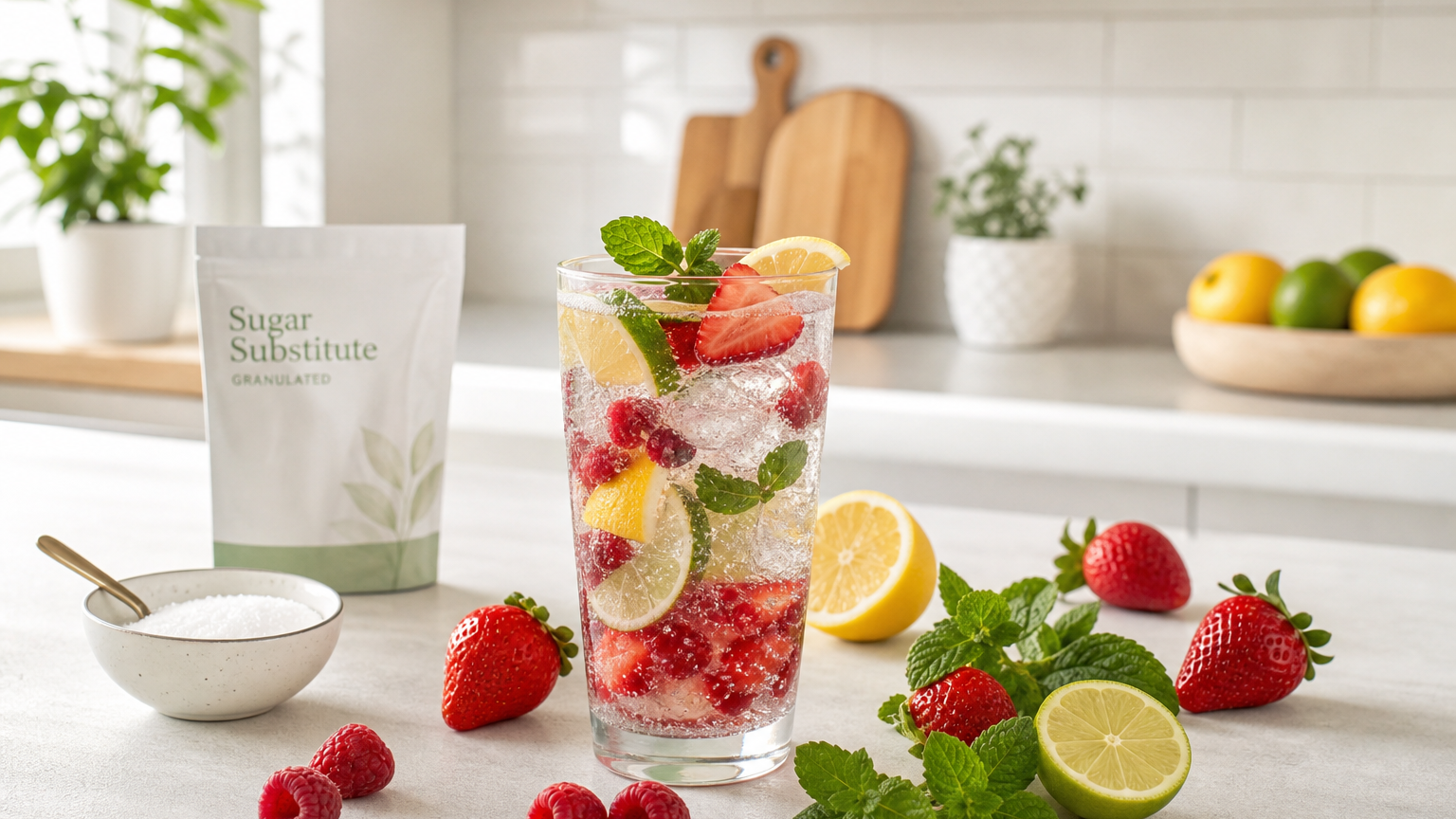
Cutting back on alcohol? Here's whether artificial sweeteners are safe in your mocktails, whether they affect cravings, and how much fruit to eat.
Although it isn't a treatment for alcohol use disorder (AUD), the Reframe app can help you cut back on drinking gradually with the science-backed knowledge to empower you 100% of the way. Our proven program has helped millions of people around the world drink less and live more. And we want to help you get there, too!
The Reframe app equips you with the knowledge and skills you need to not only survive drinking less, but to thrive while you navigate the journey. Our daily research-backed readings teach you the neuroscience of alcohol, and our in-app Toolkit provides the resources and activities you need to navigate each challenge.
You'll meet millions of fellow Reframers in our 24/7 Forum chat and daily Zoom check-in meetings. Receive encouragement from people worldwide who know exactly what you're going through! You'll also have the opportunity to connect with our licensed Reframe coaches for more personalized guidance.
Plus, we're always introducing new features to optimize your in-app experience. We recently launched our in-app chatbot, Melody, powered by the world's most powerful AI technology. Melody is here to help as you adjust to a life with less (or no) alcohol.
And that's not all! Every month, we launch fun challenges, like Dry/Damp January, Mental Health May, and Outdoorsy June. You won't want to miss out on the chance to participate alongside fellow Reframers (or solo if that's more your thing!).
The Reframe app is free for 7 days, so you don't have anything to lose by trying it. Are you ready to feel empowered and discover life beyond alcohol? Then download our app through the App Store or Google Play today!
For most people cutting back on alcohol, common artificial sweeteners (aspartame, sucralose, stevia, and similar) are considered safe within regulatory intake limits and are a reasonable way to enjoy mocktails and low-sugar drinks without the calories or blood-sugar swings of sugary mixers. They will not directly fuel alcohol cravings, though very sweet drinks can keep a reward habit alive for some people, so notice how they affect you. Fruit, meanwhile, is something to lean into rather than fear, because its fiber, nutrients, and natural sugars can help steady the blood-sugar dips that sometimes masquerade as a drink craving.
When you start drinking less, a surprising number of questions show up that have nothing to do with alcohol itself. One of the most common is about sweetness: is it okay to reach for a diet soda or a stevia-sweetened mocktail at night, and should you be worried about eating fruit when you are suddenly craving sugar like never before? These are good questions, and the honest answers are more reassuring than the internet often makes them sound. Let's walk through what the evidence actually says about artificial sweeteners and alcohol cravings, how fruit fits in, and how to build drink swaps that keep you on track without turning your kitchen into a chemistry lab.
We are going to treat this as a practical guide for someone in the middle of changing their habits, not a lecture. Reframe's whole approach is built on experimenting and noticing what works for your real life, so think of the recommendations here as starting points to test rather than commandments to follow.
For most adults, common artificial sweeteners are considered safe within established intake limits, and the amount you would use in a few mocktails a week sits comfortably within them. They are a practical sugar swap when you want a flavorful drink without the calories or blood-sugar spike of a sugary mixer. The bigger picture has some nuance worth understanding, but the headline is genuinely reassuring.
Part of the confusion comes from lumping very different ingredients together. The FDA has approved six high-intensity sweeteners as food additives in the United States: saccharin, aspartame, acesulfame potassium, sucralose, neotame, and advantame, and it set an Acceptable Daily Intake for each so that even a heavy consumer would not exceed safe levels. Plant-derived options like stevia (certain steviol glycosides) and monk fruit extracts are handled through a separate regulatory pathway but are also widely used.
Sugar alcohols are a different animal entirely. Erythritol, xylitol, and sorbitol are technically polyols, not artificial sweeteners, and they behave differently in your gut. We will come back to them in the medical section, because they are the one category most likely to cause a stomachache. For now, just know that when someone says "artificial sweetener," they usually mean aspartame or sucralose, not erythritol. If you want to go deeper on the polyol side, our explainer on what sugar alcohol is and whether it is bad for you breaks it down.
The appeal during reduction is obvious: zero or very low calories, no blood-sugar spike, and you get to keep a flavorful ritual drink in your hand at the time of day you used to reach for alcohol. If you are also paying attention to your waistline as you cut back, swapping a sugary cocktail for a sweetener-based mocktail can make a real difference, and our alcohol calorie calculator can show you how those numbers add up over a week.
Here is the honest nuance. In 2023, the WHO advised against using non-sugar sweeteners for long-term weight control or to reduce disease risk, citing no clear long-term benefit for body fat and possible undesirable effects from sustained high intake. That recommendation applies to all people except those with pre-existing diabetes. Separately, aspartame drew headlines that same year, but FDA scientists have stated they do not have safety concerns about aspartame under the approved conditions of use, and the WHO and FAO expert committee left its Acceptable Daily Intake unchanged.
The bottom line for someone cutting back: a sweetened mocktail a few nights a week is a very different thing from chronic, heavy daily intake. Used as a transitional tool, common artificial sweeteners are a sensible swap, and moderation is the only real caveat for most people.
There is no strong evidence that artificial sweeteners directly trigger alcohol cravings. The urge to drink is driven far more by cues, habit loops, and reward conditioning than by sweetness itself, so a stevia-sweetened soda is not secretly lighting up your desire for a glass of wine. That said, the relationship between sweetness and habit is worth a closer look, because it is not zero.
Cravings tend to fire on context: the clock hitting 6 p.m., walking in the door after work, the particular chair you always drank in. If you want to map your own patterns, the What Type of Drinker Are You? quiz is a low-stakes way to start noticing them. A sweet substitute slots into that ritual nicely, which is exactly why it helps some people and trips up others.
The reward-ritual caveat is the interesting part. A very sweet substitute can keep the emotional shape of the nightly drink alive: the special glass, the fizzy pour, the little hit of pleasure at a set time. For many people that is a feature, a bridge that makes the early weeks easier. For others, leaning too hard on intense sweetness keeps the "I deserve a treat right now" loop running, and it can be worth dialing the sweetness down over time so the ritual loosens its grip. Our piece on the habit loop explains how those cue-routine-reward cycles work if you want the mechanics.
There is also a blood-sugar angle. Many sources describe how rapid sugar crashes can produce restlessness and irritability that feel a lot like a craving, and steadier glucose may quiet some of that noise. We will say more about that in the fruit section, because it is one of the strongest practical reasons to eat well while you cut back. The smartest move is not to follow a blanket rule but to track yourself: does a sweet mocktail calm the urge to drink, or does it feed a sugar-and-reward spiral? Both happen, and only you can tell which one is yours.
Most people cutting back on alcohol do not need to limit whole fruit, and many actually benefit from eating more of it. The fiber in whole fruit slows sugar absorption and helps steady the blood-sugar dips that can masquerade as cravings, while the vitamins and minerals support a body that may have been running short on nutrients during heavier drinking. Fruit is a friend here, not a threat.
The fiber piece is the heart of it. The Quadram Institute explains that fiber in whole fruit slows down glucose absorption and helps keep blood sugar levels more stable, which is exactly the kind of buffering you want when your body is recalibrating its sugar regulation. Steadier glucose means fewer of those jittery crashes that can feel like a drink is calling your name.
If you have suddenly developed a sweet tooth you never had before, you are in very normal company. Alcohol delivered quick sugar and a dopamine reward, so when you cut back, the brain often goes looking for that hit somewhere else, and sugar is the obvious candidate. As Reframe's explainer on sugar cravings after drinking alcohol describes, the body tends to associate sugar with the same pleasure and reward mechanisms that alcohol used to activate, while blood-sugar regulation slowly rebalances. This usually eases over time.
The good news is that fruit can satisfy that urge more healthily than a candy bar or a third diet soda. Reaching for whole fruit, eating regular balanced meals, and staying hydrated tends to take the edge off the craving while keeping your blood sugar steadier. If snacking is your go-to, our roundup of ways to replace alcohol with healthy snacks has more ideas in the same spirit.
This is where the "is fruit too sugary?" worry actually has some teeth, but the answer is about form, not fruit. Whole fruit and fruit juice are not the same thing. In a large Harvard cohort analysis, eating more whole fruit was associated with a lower risk of type 2 diabetes, while drinking fruit juice was associated with higher risk, and swapping juice for whole fruit was linked to reduced risk. The underlying BMJ study carried a later correction that adjusted some of the exact effect sizes, though the authors noted it did not change their conclusions, so the cleanest way to state it is directional: whole fruit beats juice. Juicing strips away the fiber that slows sugar absorption, so juice behaves more like a sugary drink.
The practical takeaway: reach for whole fruit freely unless a clinician has told you otherwise for a specific medical reason. Save juice for occasional use rather than a daily staple, and when you do want fruit flavor in a drink, muddle or blend the whole thing instead of pouring from a carton.
Both can build a genuinely satisfying alcohol-free drink, with whole-fruit purees and a small amount of sweetener replacing the sugary syrups and mixers that turn a "healthy" mocktail into a dessert. The trick is to let fruit do the flavor work and use sweetener only to round things out, which gives you a drink that tastes like a treat without the sugar load of a soda or a classic cocktail.
Start with a base of sparkling water, then build from there: muddled berries, a squeeze of citrus, fresh herbs like mint or basil, a slice of cucumber or ginger. Add sweetener only to taste, after you have tasted the fruit, because you will usually need far less than you expect. This approach has a real calorie and blood-sugar advantage over sugary cocktails and sodas, and it keeps the fiber and nutrients in play if you blend rather than strain. For more inspiration, our collection of the best mocktail recipes is a good place to raid for ideas.
The ritual matters as much as the liquid. A proper glass, a garnish, the timing of when you make it, all of that signals to your brain that this is your drink, which is half of why the swap works. Lean on fruit-forward drinks when you want nutrition and fiber, and reach for a touch of sweetener when you want sweetness without the sugar. Experimenting with these swaps is genuinely part of finding a routine you can sustain, and if you want a self-check on where your habits stand, the Am I Drinking Too Much? quiz is a quiet way to take stock.
Most sweetener and fruit decisions are everyday choices you can make on your own, but a handful of situations genuinely call for a clinician's input. This article never tells anyone to start or stop a medication or self-manage a medical condition; it just flags where personalized guidance beats a general rule, so you can bring specifics to your care team.
If you have diabetes or another blood-sugar condition, portioning fruit, sugar alcohols, and overall carbohydrates may need individual guidance, because the "eat fruit freely" advice that fits most people may not fit your numbers. A clinician or dietitian can help you do that safely. The same goes for pregnancy and breastfeeding: it is worth asking a provider which sweeteners they are comfortable with rather than guessing, since recommendations vary.
There is one hard exclusion. People with phenylketonuria (PKU) cannot easily metabolize phenylalanine, a component of aspartame, and should avoid or restrict it, which is why products containing aspartame carry a phenylalanine warning on the label. If that is you, this is not a "in moderation" situation, it is an avoid-it situation.
Finally, the gut. Sugar alcohols are the category most likely to cause trouble. The Cleveland Clinic notes that polyols like sorbitol and xylitol can cause bloating, gas, and diarrhea, with erythritol generally better tolerated but still capable of causing symptoms in larger amounts. A peer-reviewed review explains the mechanism plainly: sugar alcohols are incompletely absorbed and ferment in the colon, producing osmotic and gas effects that are a normal physicochemical response rather than a disease. If you have IBS or a sensitive gut, you may want to limit them, and your care team can help you figure out your own tolerance.
For most people cutting back on alcohol, common artificial sweeteners (aspartame, sucralose, stevia, and similar) are considered safe within regulatory intake limits and are a reasonable way to enjoy mocktails and low-sugar drinks without the calories or blood-sugar swings of sugary mixers. They will not directly fuel alcohol cravings, though very sweet drinks can keep a reward habit alive for some people, so notice how they affect you. Fruit, meanwhile, is something to lean into rather than fear, because its fiber, nutrients, and natural sugars can help steady the blood-sugar dips that sometimes masquerade as a drink craving.
When you start drinking less, a surprising number of questions show up that have nothing to do with alcohol itself. One of the most common is about sweetness: is it okay to reach for a diet soda or a stevia-sweetened mocktail at night, and should you be worried about eating fruit when you are suddenly craving sugar like never before? These are good questions, and the honest answers are more reassuring than the internet often makes them sound. Let's walk through what the evidence actually says about artificial sweeteners and alcohol cravings, how fruit fits in, and how to build drink swaps that keep you on track without turning your kitchen into a chemistry lab.
We are going to treat this as a practical guide for someone in the middle of changing their habits, not a lecture. Reframe's whole approach is built on experimenting and noticing what works for your real life, so think of the recommendations here as starting points to test rather than commandments to follow.
For most adults, common artificial sweeteners are considered safe within established intake limits, and the amount you would use in a few mocktails a week sits comfortably within them. They are a practical sugar swap when you want a flavorful drink without the calories or blood-sugar spike of a sugary mixer. The bigger picture has some nuance worth understanding, but the headline is genuinely reassuring.
Part of the confusion comes from lumping very different ingredients together. The FDA has approved six high-intensity sweeteners as food additives in the United States: saccharin, aspartame, acesulfame potassium, sucralose, neotame, and advantame, and it set an Acceptable Daily Intake for each so that even a heavy consumer would not exceed safe levels. Plant-derived options like stevia (certain steviol glycosides) and monk fruit extracts are handled through a separate regulatory pathway but are also widely used.
Sugar alcohols are a different animal entirely. Erythritol, xylitol, and sorbitol are technically polyols, not artificial sweeteners, and they behave differently in your gut. We will come back to them in the medical section, because they are the one category most likely to cause a stomachache. For now, just know that when someone says "artificial sweetener," they usually mean aspartame or sucralose, not erythritol. If you want to go deeper on the polyol side, our explainer on what sugar alcohol is and whether it is bad for you breaks it down.
The appeal during reduction is obvious: zero or very low calories, no blood-sugar spike, and you get to keep a flavorful ritual drink in your hand at the time of day you used to reach for alcohol. If you are also paying attention to your waistline as you cut back, swapping a sugary cocktail for a sweetener-based mocktail can make a real difference, and our alcohol calorie calculator can show you how those numbers add up over a week.
Here is the honest nuance. In 2023, the WHO advised against using non-sugar sweeteners for long-term weight control or to reduce disease risk, citing no clear long-term benefit for body fat and possible undesirable effects from sustained high intake. That recommendation applies to all people except those with pre-existing diabetes. Separately, aspartame drew headlines that same year, but FDA scientists have stated they do not have safety concerns about aspartame under the approved conditions of use, and the WHO and FAO expert committee left its Acceptable Daily Intake unchanged.
The bottom line for someone cutting back: a sweetened mocktail a few nights a week is a very different thing from chronic, heavy daily intake. Used as a transitional tool, common artificial sweeteners are a sensible swap, and moderation is the only real caveat for most people.
There is no strong evidence that artificial sweeteners directly trigger alcohol cravings. The urge to drink is driven far more by cues, habit loops, and reward conditioning than by sweetness itself, so a stevia-sweetened soda is not secretly lighting up your desire for a glass of wine. That said, the relationship between sweetness and habit is worth a closer look, because it is not zero.
Cravings tend to fire on context: the clock hitting 6 p.m., walking in the door after work, the particular chair you always drank in. If you want to map your own patterns, the What Type of Drinker Are You? quiz is a low-stakes way to start noticing them. A sweet substitute slots into that ritual nicely, which is exactly why it helps some people and trips up others.
The reward-ritual caveat is the interesting part. A very sweet substitute can keep the emotional shape of the nightly drink alive: the special glass, the fizzy pour, the little hit of pleasure at a set time. For many people that is a feature, a bridge that makes the early weeks easier. For others, leaning too hard on intense sweetness keeps the "I deserve a treat right now" loop running, and it can be worth dialing the sweetness down over time so the ritual loosens its grip. Our piece on the habit loop explains how those cue-routine-reward cycles work if you want the mechanics.
There is also a blood-sugar angle. Many sources describe how rapid sugar crashes can produce restlessness and irritability that feel a lot like a craving, and steadier glucose may quiet some of that noise. We will say more about that in the fruit section, because it is one of the strongest practical reasons to eat well while you cut back. The smartest move is not to follow a blanket rule but to track yourself: does a sweet mocktail calm the urge to drink, or does it feed a sugar-and-reward spiral? Both happen, and only you can tell which one is yours.
Most people cutting back on alcohol do not need to limit whole fruit, and many actually benefit from eating more of it. The fiber in whole fruit slows sugar absorption and helps steady the blood-sugar dips that can masquerade as cravings, while the vitamins and minerals support a body that may have been running short on nutrients during heavier drinking. Fruit is a friend here, not a threat.
The fiber piece is the heart of it. The Quadram Institute explains that fiber in whole fruit slows down glucose absorption and helps keep blood sugar levels more stable, which is exactly the kind of buffering you want when your body is recalibrating its sugar regulation. Steadier glucose means fewer of those jittery crashes that can feel like a drink is calling your name.
If you have suddenly developed a sweet tooth you never had before, you are in very normal company. Alcohol delivered quick sugar and a dopamine reward, so when you cut back, the brain often goes looking for that hit somewhere else, and sugar is the obvious candidate. As Reframe's explainer on sugar cravings after drinking alcohol describes, the body tends to associate sugar with the same pleasure and reward mechanisms that alcohol used to activate, while blood-sugar regulation slowly rebalances. This usually eases over time.
The good news is that fruit can satisfy that urge more healthily than a candy bar or a third diet soda. Reaching for whole fruit, eating regular balanced meals, and staying hydrated tends to take the edge off the craving while keeping your blood sugar steadier. If snacking is your go-to, our roundup of ways to replace alcohol with healthy snacks has more ideas in the same spirit.
This is where the "is fruit too sugary?" worry actually has some teeth, but the answer is about form, not fruit. Whole fruit and fruit juice are not the same thing. In a large Harvard cohort analysis, eating more whole fruit was associated with a lower risk of type 2 diabetes, while drinking fruit juice was associated with higher risk, and swapping juice for whole fruit was linked to reduced risk. The underlying BMJ study carried a later correction that adjusted some of the exact effect sizes, though the authors noted it did not change their conclusions, so the cleanest way to state it is directional: whole fruit beats juice. Juicing strips away the fiber that slows sugar absorption, so juice behaves more like a sugary drink.
The practical takeaway: reach for whole fruit freely unless a clinician has told you otherwise for a specific medical reason. Save juice for occasional use rather than a daily staple, and when you do want fruit flavor in a drink, muddle or blend the whole thing instead of pouring from a carton.
Both can build a genuinely satisfying alcohol-free drink, with whole-fruit purees and a small amount of sweetener replacing the sugary syrups and mixers that turn a "healthy" mocktail into a dessert. The trick is to let fruit do the flavor work and use sweetener only to round things out, which gives you a drink that tastes like a treat without the sugar load of a soda or a classic cocktail.
Start with a base of sparkling water, then build from there: muddled berries, a squeeze of citrus, fresh herbs like mint or basil, a slice of cucumber or ginger. Add sweetener only to taste, after you have tasted the fruit, because you will usually need far less than you expect. This approach has a real calorie and blood-sugar advantage over sugary cocktails and sodas, and it keeps the fiber and nutrients in play if you blend rather than strain. For more inspiration, our collection of the best mocktail recipes is a good place to raid for ideas.
The ritual matters as much as the liquid. A proper glass, a garnish, the timing of when you make it, all of that signals to your brain that this is your drink, which is half of why the swap works. Lean on fruit-forward drinks when you want nutrition and fiber, and reach for a touch of sweetener when you want sweetness without the sugar. Experimenting with these swaps is genuinely part of finding a routine you can sustain, and if you want a self-check on where your habits stand, the Am I Drinking Too Much? quiz is a quiet way to take stock.
Most sweetener and fruit decisions are everyday choices you can make on your own, but a handful of situations genuinely call for a clinician's input. This article never tells anyone to start or stop a medication or self-manage a medical condition; it just flags where personalized guidance beats a general rule, so you can bring specifics to your care team.
If you have diabetes or another blood-sugar condition, portioning fruit, sugar alcohols, and overall carbohydrates may need individual guidance, because the "eat fruit freely" advice that fits most people may not fit your numbers. A clinician or dietitian can help you do that safely. The same goes for pregnancy and breastfeeding: it is worth asking a provider which sweeteners they are comfortable with rather than guessing, since recommendations vary.
There is one hard exclusion. People with phenylketonuria (PKU) cannot easily metabolize phenylalanine, a component of aspartame, and should avoid or restrict it, which is why products containing aspartame carry a phenylalanine warning on the label. If that is you, this is not a "in moderation" situation, it is an avoid-it situation.
Finally, the gut. Sugar alcohols are the category most likely to cause trouble. The Cleveland Clinic notes that polyols like sorbitol and xylitol can cause bloating, gas, and diarrhea, with erythritol generally better tolerated but still capable of causing symptoms in larger amounts. A peer-reviewed review explains the mechanism plainly: sugar alcohols are incompletely absorbed and ferment in the colon, producing osmotic and gas effects that are a normal physicochemical response rather than a disease. If you have IBS or a sensitive gut, you may want to limit them, and your care team can help you figure out your own tolerance.
Worried about hidden alcohol in vanilla, kombucha, sauces, or NA drinks? Here is what trace amounts actually do and how to handle accidental exposure calmly.
Although it isn't a treatment for alcohol use disorder (AUD), the Reframe app can help you cut back on drinking gradually with the science-backed knowledge to empower you 100% of the way. Our proven program has helped millions of people around the world drink less and live more. And we want to help you get there, too!
The Reframe app equips you with the knowledge and skills you need to not only survive drinking less, but to thrive while you navigate the journey. Our daily research-backed readings teach you the neuroscience of alcohol, and our in-app Toolkit provides the resources and activities you need to navigate each challenge.
You'll meet millions of fellow Reframers in our 24/7 Forum chat and daily Zoom check-in meetings. Receive encouragement from people worldwide who know exactly what you're going through! You'll also have the opportunity to connect with our licensed Reframe coaches for more personalized guidance.
Plus, we're always introducing new features to optimize your in-app experience. We recently launched our in-app chatbot, Melody, powered by the world's most powerful AI technology. Melody is here to help as you adjust to a life with less (or no) alcohol.
And that's not all! Every month, we launch fun challenges, like Dry/Damp January, Mental Health May, and Outdoorsy June. You won't want to miss out on the chance to participate alongside fellow Reframers (or solo if that's more your thing!).
The Reframe app is free for 7 days, so you don't have anything to lose by trying it. Are you ready to feel empowered and discover life beyond alcohol? Then download our app through the App Store or Google Play today!
For most people who are cutting back or staying sober, trace alcohol from vanilla extract, vinegar, soy sauce, ripe fruit, or a stray sip of a "non-alcoholic" beer does not count as drinking and will not get you even slightly buzzed. These amounts are tiny, often smaller than what your own body makes through normal digestion every day, so the real risk is usually anxiety and all-or-nothing thinking, not the ethanol. The math is different if you are on a medication like disulfiram, in a strict abstinence program by your own commitment, or pregnant, and those situations are worth a quick chat with a clinician.
Let's talk honestly about something that trips up a lot of people who are trying to drink less: the splash of cooking wine in a restaurant sauce, the kombucha at lunch, the teaspoon of vanilla in a birthday cake. You read the label, your stomach drops, and a tiny exposure threatens to become a whole bad day in your head. The good news is that the science here is pretty reassuring, and once you understand it, hidden alcohol in food stops being a landmine and becomes a non-event. We built Reframe on the idea that understanding what is actually happening beats panicking about it, so let's walk through what counts, what doesn't, and how to handle the moments that catch you off guard.
For nearly everyone avoiding alcohol, trace amounts in food do not count as drinking and cannot cause intoxication. The dose is simply too small to register. If you ate a cookie made with a teaspoon of vanilla or splashed soy sauce on your rice, you did not break a streak in any physiological sense, and treating it as a relapse usually does more harm than the ethanol ever could.
Here is a detail most people never hear: you are never truly at zero. Your gut produces small amounts of ethanol through normal fermentation, and trace ethanol shows up in foods that nobody thinks of as alcoholic. A peer-reviewed analysis of common foods found that orange, apple, and grape juices contained up to 0.77 grams of ethanol per liter and some packaged bakery products exceeded 1.2 grams of ethanol per 100 grams. If a glass of orange juice counted as a slip, none of us would have a sober day in our lives.
So the question is almost always emotional rather than physiological. The honest version of "does this count" is usually "did I break my commitment to myself," and that is a fair thing to care about. The answer hinges on intent. You did not pour yourself a drink. You ate food. Intent matters, and an unintended trace is not the same as a decision to drink.
There are three groups for whom this genuinely matters more. People taking disulfiram or metronidazole can react to even small amounts. People who have made a personal commitment to total abstinence may want to honor that line for their own reasons. And people who are pregnant follow guidance to avoid alcohol entirely. We will cover each of those in detail later, but for everyone else, the math is forgiving.
The most useful move is to decide your own line in advance. If you know ahead of time that cooked-off wine in a sauce is fine but a sip of NA beer is not, you skip the daily judgment call. If you are still figuring out where you stand, our Am I Drinking Too Much? quiz can help you get clearer on your goals, and Reframe's mindful drinking program is built to help you draw those lines deliberately rather than reactively.
More foods contain trace alcohol than you would ever guess, and almost all of them are harmless. The usual suspects are extracts, fermented condiments, very ripe fruit, certain baked goods, and a handful of drinks that quietly ferment on the shelf. Knowing the list takes the surprise out of label-reading.
Vanilla extract is the classic gotcha. By FDA standard of identity, pure vanilla extract must contain at least 35 percent ethyl alcohol by volume. That number sounds alarming until you remember it is used by the teaspoon, often baked at high heat, and split across an entire batch. The alcohol any single serving contributes is negligible. Almond, lemon, and other extracts work the same way: concentrated in the bottle, trivial on the plate. If even that bothers you, imitation extracts are typically alcohol-free.
Fermentation produces ethanol as a byproduct, so anything fermented carries a trace. Soy sauce, vinegars, sauerkraut, kimchi, and kombucha all sit in this category. Kombucha is the one people ask about most because it keeps fermenting in the bottle, so its alcohol content can creep up over time, though commercial versions sold as non-alcoholic stay under the legal threshold. We dig into the specifics in our piece on how much alcohol is in kombucha if you want the full breakdown.
This is the category that actually deserves a second look. Rum cake, tiramisu, bourbon balls, and similar desserts often add liquor after cooking or barely cook it at all, which means a meaningful amount of alcohol can survive to the plate. A flambeed dessert is the extreme case. These are worth asking about, not because a forkful will intoxicate you, but because they can carry more than a trace and they often double as a strong taste cue. Beyond desserts, very ripe or overripe fruit, fruit juices that have started to ferment, some breads, and malt vinegar all carry small amounts too. And a few non-food sources catch people off guard: mouthwash and some cough syrups contain alcohol, while hand sanitizer is topical and not something you are ingesting.
Cooking reduces alcohol but rarely eliminates it, and the shorter the cooking time, the more stays behind. This is the single most persistent myth in the kitchen, and the data is clear. According to USDA retention figures, a flambeed dish can retain about 75 percent of its alcohol, while a dish simmered or baked for 15 minutes still holds around 40 percent. Quick splashes barely burn off at all.
Long, slow cooking brings the number down substantially. The same body of USDA-funded research shows that even a dish simmered for two and a half hours still retains roughly 5 percent of its alcohol, and retention can range from about 4 percent up to 95 percent depending on method, which is why it matters for people in recovery and pregnant women. So a long-braised stew that started with a cup of wine ends up with a tiny fraction of that alcohol spread across many servings, but it is not literally zero.
Several factors swing the result. Surface area matters: a wide, shallow pan lets more alcohol evaporate than a tall narrow pot. Higher heat and frequent stirring speed things along. And ingredients that trap liquid, like a bread-crumb topping, can actually hold alcohol in. So two cooks following the "alcohol cooks off" rule can end up with very different dishes.
If you would rather cook the worry away entirely, the swaps are easy and often taste just as good. Stock or broth stands in for wine in savory dishes, citrus juice or a splash of vinegar adds the acidity wine provides, and non-alcoholic wine is made for exactly this. Our guide on whether you should cook with alcohol during recovery walks through the trade-offs if you want to think it through.
A few milligrams of ethanol from food are metabolized almost immediately and do not raise your blood alcohol in any meaningful way. Your liver clears small amounts faster than trace dietary sources can supply them, which is why a teaspoon of vanilla or a glass of kombucha cannot accumulate into anything you would feel. The dose never builds up; it gets handled and gone.
To put it in scale: you would have to eat or drink an implausible volume of these foods to register anything at all. Picture chugging bottle after bottle of kombucha or eating vanilla extract by the spoonful, which nobody does, because the whole point is that these ingredients are used in tiny quantities. The arithmetic just does not get you to a buzz.
The same logic explains why a sip of NA beer is pharmacologically trivial for most people. At under 0.5 percent ABV, it sits in roughly the same range as some fruit juices. Your body treats it like the trace ethanol it already encounters all day. For the vast majority of people, that sip changes nothing about your sobriety in any biological sense.
There is one real exception worth naming, and it has nothing to do with intoxication. Taste and smell are powerful cues. The flavor of something boozy can trigger a craving even when the actual dose is harmless. That is a conditioned response, not a chemical effect, and it is the genuine reason some people choose to avoid certain flavors in early sobriety. If you want to understand how those cravings get wired in, our What Type of Drinker Are You? quiz is a useful starting point.
When you realize you have eaten or drunk something with trace alcohol you did not expect, the move is simple: pause, note what it was and how much, and recognize that an unintended trace is not a relapse and needs no correction. There is nothing to fix and nothing to undo. The amount is almost certainly harmless, and the single biggest risk in the moment is your own reaction.
Step one is to skip the panic. Spiraling into "I ruined everything" turns a non-event into a genuinely hard day, and the all-or-nothing story is far more dangerous to your progress than a splash of soy sauce ever could be. Take a breath and let the facts be boring.
Step two is to get curious instead of self-critical. How did it happen? Was it a sauce you did not ask about, a drink someone handed you, a label you skimmed? Treating it as information rather than a verdict means you can read labels or ask a question next time, and you build a little skill instead of a little shame.
Step three applies only to a specific group. If you take a reaction-causing medication like disulfiram or metronidazole, watch for flushing, nausea, or a fast heartbeat, and contact a clinician if symptoms appear. For everyone else, this step does not apply at all.
Step four keeps it small. Tell your support person or log it in Reframe so it stays a single factual event rather than a secret that grows teeth in the dark. Naming it out loud usually shrinks it. And then reframe the mental story one more time: intent matters, and you did not choose to drink. If a slip ever does feel real rather than accidental, our guide on how to move forward after a slip is there for that.
If you took a sip of an NA beer or wine by mistake, you are fine. By U.S. federal regulation, a malt beverage may be labeled "non-alcoholic" only if it contains less than 0.5 percent alcohol by volume, while "alcohol free" is reserved for products with no alcohol at all. An accidental sip at that level is physiologically negligible for nearly everyone and will not intoxicate you or undo your progress.
That 0.5 percent threshold is roughly the level found in some fruit juices, which is a helpful way to keep it in perspective. It is not enough alcohol to build up in your bloodstream or produce any felt effect. So the honest answer is: note it, skip the spiral, and carry on.
That said, there are reasons some people still choose to avoid NA drinks. The taste and ritual can be a strong cue, especially in early sobriety, and the experience of holding a familiar-looking bottle can stir an urge even when the dose is harmless. If you have made a personal commitment to total abstinence, NA drinks may simply not fit that promise. Those are valid choices, and we explore the nuances in our look at the reality of non-alcoholic beer.
There is one group that should treat NA drinks as genuinely off-limits. Anyone taking disulfiram or metronidazole can react to even trace alcohol, so for them an NA beer is not worth the risk. For everyone else, the after-action plan is short: note what happened, let go of the guilt, and decide whether NA drinks fit your goals going forward.
If you have decided you would rather avoid trace alcohol, the practical approach is to scan ingredient lists for the usual flags: extracts, wine, beer, liqueur, malt, and anything fermentation-based. Most hidden alcohol announces itself once you know the vocabulary. You do not need to memorize chemistry, just the handful of words that show up again and again.
Restaurants are where labels disappear, so the move there is to ask. A quick question about whether a sauce, marinade, or dessert contains wine or spirits is normal and easy, and most kitchens answer it without blinking. Cream sauces, pan reductions, and anything described as "flambeed" or "braised in wine" are the ones worth checking.
Keep in mind what the words actually mean. "Non-alcoholic" signals under 0.5 percent ABV, not zero, so if you want true zero you are looking for "alcohol free." That single distinction clears up a lot of confusion at the store.
Stock your kitchen with swaps so avoiding alcohol does not mean avoiding flavor. Imitation extracts, citrus juice, broth, and coconut aminos in place of soy sauce all do the job. Finally, decide how strict you actually want to be rather than chasing an impossible zero, because the trace ethanol in juice and bread means perfect avoidance is not really on the menu for anyone. Drawing a sustainable line beats chasing an unreachable one, and that is exactly the kind of decision Reframe's program helps you make.
For most people, accidental trace exposure is never a medical issue at all. It is an emotional and behavioral question, not a health emergency. But a few specific situations do warrant a clinician rather than a self-pep-talk, and it is worth knowing which ones.
The first is disulfiram or metronidazole. For people on these medications, even small amounts of alcohol can trigger an unpleasant reaction such as flushing, nausea, vomiting, chest pain, and a racing heartbeat, which is why alcohol-containing products like foods, mouthwash, cough medicine, cooking wine, and vinegar are generally advised against. Clinical references note that the disulfiram reaction is proportional to the dose of both substances, and patients are typically advised to avoid alcohol and alcohol-containing products for at least 14 days after stopping the medication. If you take one of these drugs and notice strong symptoms after an exposure, seek medical care, and never start or stop a prescription based on an article; talk to your prescriber.
Pregnancy is the second situation. The CDC states there is no known safe amount of alcohol during pregnancy, no safe time, and no safe type, because alcohol passes from the mother's blood to the baby through the umbilical cord. Because the guidance is total avoidance, any worry about trace exposure during pregnancy is worth raising with your provider rather than self-assessing.
A third, often-confused case is a strong reaction to fermented foods. If aged cheese, wine, or other fermented items leave you flushed or unwell, that is usually about histamine or sulfites, not intoxication, and it still warrants a conversation with a clinician to sort out what is going on. None of this should read as alarming. The point is simply that this article is educational and is not a substitute for your prescriber or doctor, and a clinician can help you navigate the few genuinely high-stakes situations safely. If you would rather think about your overall goals, you can always download Reframe to track exposures and keep them in perspective.
For most people who are cutting back or staying sober, trace alcohol from vanilla extract, vinegar, soy sauce, ripe fruit, or a stray sip of a "non-alcoholic" beer does not count as drinking and will not get you even slightly buzzed. These amounts are tiny, often smaller than what your own body makes through normal digestion every day, so the real risk is usually anxiety and all-or-nothing thinking, not the ethanol. The math is different if you are on a medication like disulfiram, in a strict abstinence program by your own commitment, or pregnant, and those situations are worth a quick chat with a clinician.
Let's talk honestly about something that trips up a lot of people who are trying to drink less: the splash of cooking wine in a restaurant sauce, the kombucha at lunch, the teaspoon of vanilla in a birthday cake. You read the label, your stomach drops, and a tiny exposure threatens to become a whole bad day in your head. The good news is that the science here is pretty reassuring, and once you understand it, hidden alcohol in food stops being a landmine and becomes a non-event. We built Reframe on the idea that understanding what is actually happening beats panicking about it, so let's walk through what counts, what doesn't, and how to handle the moments that catch you off guard.
For nearly everyone avoiding alcohol, trace amounts in food do not count as drinking and cannot cause intoxication. The dose is simply too small to register. If you ate a cookie made with a teaspoon of vanilla or splashed soy sauce on your rice, you did not break a streak in any physiological sense, and treating it as a relapse usually does more harm than the ethanol ever could.
Here is a detail most people never hear: you are never truly at zero. Your gut produces small amounts of ethanol through normal fermentation, and trace ethanol shows up in foods that nobody thinks of as alcoholic. A peer-reviewed analysis of common foods found that orange, apple, and grape juices contained up to 0.77 grams of ethanol per liter and some packaged bakery products exceeded 1.2 grams of ethanol per 100 grams. If a glass of orange juice counted as a slip, none of us would have a sober day in our lives.
So the question is almost always emotional rather than physiological. The honest version of "does this count" is usually "did I break my commitment to myself," and that is a fair thing to care about. The answer hinges on intent. You did not pour yourself a drink. You ate food. Intent matters, and an unintended trace is not the same as a decision to drink.
There are three groups for whom this genuinely matters more. People taking disulfiram or metronidazole can react to even small amounts. People who have made a personal commitment to total abstinence may want to honor that line for their own reasons. And people who are pregnant follow guidance to avoid alcohol entirely. We will cover each of those in detail later, but for everyone else, the math is forgiving.
The most useful move is to decide your own line in advance. If you know ahead of time that cooked-off wine in a sauce is fine but a sip of NA beer is not, you skip the daily judgment call. If you are still figuring out where you stand, our Am I Drinking Too Much? quiz can help you get clearer on your goals, and Reframe's mindful drinking program is built to help you draw those lines deliberately rather than reactively.
More foods contain trace alcohol than you would ever guess, and almost all of them are harmless. The usual suspects are extracts, fermented condiments, very ripe fruit, certain baked goods, and a handful of drinks that quietly ferment on the shelf. Knowing the list takes the surprise out of label-reading.
Vanilla extract is the classic gotcha. By FDA standard of identity, pure vanilla extract must contain at least 35 percent ethyl alcohol by volume. That number sounds alarming until you remember it is used by the teaspoon, often baked at high heat, and split across an entire batch. The alcohol any single serving contributes is negligible. Almond, lemon, and other extracts work the same way: concentrated in the bottle, trivial on the plate. If even that bothers you, imitation extracts are typically alcohol-free.
Fermentation produces ethanol as a byproduct, so anything fermented carries a trace. Soy sauce, vinegars, sauerkraut, kimchi, and kombucha all sit in this category. Kombucha is the one people ask about most because it keeps fermenting in the bottle, so its alcohol content can creep up over time, though commercial versions sold as non-alcoholic stay under the legal threshold. We dig into the specifics in our piece on how much alcohol is in kombucha if you want the full breakdown.
This is the category that actually deserves a second look. Rum cake, tiramisu, bourbon balls, and similar desserts often add liquor after cooking or barely cook it at all, which means a meaningful amount of alcohol can survive to the plate. A flambeed dessert is the extreme case. These are worth asking about, not because a forkful will intoxicate you, but because they can carry more than a trace and they often double as a strong taste cue. Beyond desserts, very ripe or overripe fruit, fruit juices that have started to ferment, some breads, and malt vinegar all carry small amounts too. And a few non-food sources catch people off guard: mouthwash and some cough syrups contain alcohol, while hand sanitizer is topical and not something you are ingesting.
Cooking reduces alcohol but rarely eliminates it, and the shorter the cooking time, the more stays behind. This is the single most persistent myth in the kitchen, and the data is clear. According to USDA retention figures, a flambeed dish can retain about 75 percent of its alcohol, while a dish simmered or baked for 15 minutes still holds around 40 percent. Quick splashes barely burn off at all.
Long, slow cooking brings the number down substantially. The same body of USDA-funded research shows that even a dish simmered for two and a half hours still retains roughly 5 percent of its alcohol, and retention can range from about 4 percent up to 95 percent depending on method, which is why it matters for people in recovery and pregnant women. So a long-braised stew that started with a cup of wine ends up with a tiny fraction of that alcohol spread across many servings, but it is not literally zero.
Several factors swing the result. Surface area matters: a wide, shallow pan lets more alcohol evaporate than a tall narrow pot. Higher heat and frequent stirring speed things along. And ingredients that trap liquid, like a bread-crumb topping, can actually hold alcohol in. So two cooks following the "alcohol cooks off" rule can end up with very different dishes.
If you would rather cook the worry away entirely, the swaps are easy and often taste just as good. Stock or broth stands in for wine in savory dishes, citrus juice or a splash of vinegar adds the acidity wine provides, and non-alcoholic wine is made for exactly this. Our guide on whether you should cook with alcohol during recovery walks through the trade-offs if you want to think it through.
A few milligrams of ethanol from food are metabolized almost immediately and do not raise your blood alcohol in any meaningful way. Your liver clears small amounts faster than trace dietary sources can supply them, which is why a teaspoon of vanilla or a glass of kombucha cannot accumulate into anything you would feel. The dose never builds up; it gets handled and gone.
To put it in scale: you would have to eat or drink an implausible volume of these foods to register anything at all. Picture chugging bottle after bottle of kombucha or eating vanilla extract by the spoonful, which nobody does, because the whole point is that these ingredients are used in tiny quantities. The arithmetic just does not get you to a buzz.
The same logic explains why a sip of NA beer is pharmacologically trivial for most people. At under 0.5 percent ABV, it sits in roughly the same range as some fruit juices. Your body treats it like the trace ethanol it already encounters all day. For the vast majority of people, that sip changes nothing about your sobriety in any biological sense.
There is one real exception worth naming, and it has nothing to do with intoxication. Taste and smell are powerful cues. The flavor of something boozy can trigger a craving even when the actual dose is harmless. That is a conditioned response, not a chemical effect, and it is the genuine reason some people choose to avoid certain flavors in early sobriety. If you want to understand how those cravings get wired in, our What Type of Drinker Are You? quiz is a useful starting point.
When you realize you have eaten or drunk something with trace alcohol you did not expect, the move is simple: pause, note what it was and how much, and recognize that an unintended trace is not a relapse and needs no correction. There is nothing to fix and nothing to undo. The amount is almost certainly harmless, and the single biggest risk in the moment is your own reaction.
Step one is to skip the panic. Spiraling into "I ruined everything" turns a non-event into a genuinely hard day, and the all-or-nothing story is far more dangerous to your progress than a splash of soy sauce ever could be. Take a breath and let the facts be boring.
Step two is to get curious instead of self-critical. How did it happen? Was it a sauce you did not ask about, a drink someone handed you, a label you skimmed? Treating it as information rather than a verdict means you can read labels or ask a question next time, and you build a little skill instead of a little shame.
Step three applies only to a specific group. If you take a reaction-causing medication like disulfiram or metronidazole, watch for flushing, nausea, or a fast heartbeat, and contact a clinician if symptoms appear. For everyone else, this step does not apply at all.
Step four keeps it small. Tell your support person or log it in Reframe so it stays a single factual event rather than a secret that grows teeth in the dark. Naming it out loud usually shrinks it. And then reframe the mental story one more time: intent matters, and you did not choose to drink. If a slip ever does feel real rather than accidental, our guide on how to move forward after a slip is there for that.
If you took a sip of an NA beer or wine by mistake, you are fine. By U.S. federal regulation, a malt beverage may be labeled "non-alcoholic" only if it contains less than 0.5 percent alcohol by volume, while "alcohol free" is reserved for products with no alcohol at all. An accidental sip at that level is physiologically negligible for nearly everyone and will not intoxicate you or undo your progress.
That 0.5 percent threshold is roughly the level found in some fruit juices, which is a helpful way to keep it in perspective. It is not enough alcohol to build up in your bloodstream or produce any felt effect. So the honest answer is: note it, skip the spiral, and carry on.
That said, there are reasons some people still choose to avoid NA drinks. The taste and ritual can be a strong cue, especially in early sobriety, and the experience of holding a familiar-looking bottle can stir an urge even when the dose is harmless. If you have made a personal commitment to total abstinence, NA drinks may simply not fit that promise. Those are valid choices, and we explore the nuances in our look at the reality of non-alcoholic beer.
There is one group that should treat NA drinks as genuinely off-limits. Anyone taking disulfiram or metronidazole can react to even trace alcohol, so for them an NA beer is not worth the risk. For everyone else, the after-action plan is short: note what happened, let go of the guilt, and decide whether NA drinks fit your goals going forward.
If you have decided you would rather avoid trace alcohol, the practical approach is to scan ingredient lists for the usual flags: extracts, wine, beer, liqueur, malt, and anything fermentation-based. Most hidden alcohol announces itself once you know the vocabulary. You do not need to memorize chemistry, just the handful of words that show up again and again.
Restaurants are where labels disappear, so the move there is to ask. A quick question about whether a sauce, marinade, or dessert contains wine or spirits is normal and easy, and most kitchens answer it without blinking. Cream sauces, pan reductions, and anything described as "flambeed" or "braised in wine" are the ones worth checking.
Keep in mind what the words actually mean. "Non-alcoholic" signals under 0.5 percent ABV, not zero, so if you want true zero you are looking for "alcohol free." That single distinction clears up a lot of confusion at the store.
Stock your kitchen with swaps so avoiding alcohol does not mean avoiding flavor. Imitation extracts, citrus juice, broth, and coconut aminos in place of soy sauce all do the job. Finally, decide how strict you actually want to be rather than chasing an impossible zero, because the trace ethanol in juice and bread means perfect avoidance is not really on the menu for anyone. Drawing a sustainable line beats chasing an unreachable one, and that is exactly the kind of decision Reframe's program helps you make.
For most people, accidental trace exposure is never a medical issue at all. It is an emotional and behavioral question, not a health emergency. But a few specific situations do warrant a clinician rather than a self-pep-talk, and it is worth knowing which ones.
The first is disulfiram or metronidazole. For people on these medications, even small amounts of alcohol can trigger an unpleasant reaction such as flushing, nausea, vomiting, chest pain, and a racing heartbeat, which is why alcohol-containing products like foods, mouthwash, cough medicine, cooking wine, and vinegar are generally advised against. Clinical references note that the disulfiram reaction is proportional to the dose of both substances, and patients are typically advised to avoid alcohol and alcohol-containing products for at least 14 days after stopping the medication. If you take one of these drugs and notice strong symptoms after an exposure, seek medical care, and never start or stop a prescription based on an article; talk to your prescriber.
Pregnancy is the second situation. The CDC states there is no known safe amount of alcohol during pregnancy, no safe time, and no safe type, because alcohol passes from the mother's blood to the baby through the umbilical cord. Because the guidance is total avoidance, any worry about trace exposure during pregnancy is worth raising with your provider rather than self-assessing.
A third, often-confused case is a strong reaction to fermented foods. If aged cheese, wine, or other fermented items leave you flushed or unwell, that is usually about histamine or sulfites, not intoxication, and it still warrants a conversation with a clinician to sort out what is going on. None of this should read as alarming. The point is simply that this article is educational and is not a substitute for your prescriber or doctor, and a clinician can help you navigate the few genuinely high-stakes situations safely. If you would rather think about your overall goals, you can always download Reframe to track exposures and keep them in perspective.
Cutting back on alcohol can change your taste, temperature regulation, tolerance, and skin in surprising ways. Here's what happens and why, backed by science.
Although it isn't a treatment for alcohol use disorder (AUD), the Reframe app can help you cut back on drinking gradually with the science-backed knowledge to empower you 100% of the way. Our proven program has helped millions of people around the world drink less and live more. And we want to help you get there, too!
The Reframe app equips you with the knowledge and skills you need to not only survive drinking less, but to thrive while you navigate the journey. Our daily research-backed readings teach you the neuroscience of alcohol, and our in-app Toolkit provides the resources and activities you need to navigate each challenge.
You'll meet millions of fellow Reframers in our 24/7 Forum chat and daily Zoom check-in meetings. Receive encouragement from people worldwide who know exactly what you're going through! You'll also have the opportunity to connect with our licensed Reframe coaches for more personalized guidance.
Plus, we're always introducing new features to optimize your in-app experience. We recently launched our in-app chatbot, Melody, powered by the world's most powerful AI technology. Melody is here to help as you adjust to a life with less (or no) alcohol.
And that's not all! Every month, we launch fun challenges, like Dry/Damp January, Mental Health May, and Outdoorsy June. You won't want to miss out on the chance to participate alongside fellow Reframers (or solo if that's more your thing!).
The Reframe app is free for 7 days, so you don't have anything to lose by trying it. Are you ready to feel empowered and discover life beyond alcohol? Then download our app through the App Store or Google Play today!
When you cut back on alcohol, your body recalibrates in ways most people never expect: food and drinks taste sharper and sweeter, your temperature regulation steadies, your tolerance drops so one drink hits harder, and your skin often clears and rehydrates. A few changes can feel alarming at first, like chills, itching, or even hives, which are usually tied to your nervous system resetting and how alcohol interacts with histamine. Reframe helps you notice and make sense of these shifts so the surprising parts of drinking less feel like progress, not problems.
Here is the part nobody mentions when you decide to drink less: your body has been quietly adapting to alcohol the whole time, and when you ease off, it starts adapting back. That can show up as your morning coffee tasting richer, your favorite wine suddenly seeming harsh, or a strange chill that has you reaching for a sweater in a warm room. None of this means something is wrong. Most of these body changes after cutting back on alcohol are signs of recovery, not malfunction.
This guide walks through eight of the most common surprises, one question at a time. Each section opens with the short answer, then explains the why. We will be honest about which shifts are normal and expected, and which ones (a small but important handful) are a signal to check in with a clinician rather than tough out alone.
Alcohol tastes different when you cut back because your senses are coming back online. Over time, regular drinking blunts the smell and taste system, and easing off lets it recover. Within the following weeks, many people find flavors register more intensely, so wine, beer, and spirits can start to taste sharper, more bitter, or oddly medicinal.
Most of what we experience as flavor actually comes from smell, not the tongue, so anything that dulls your sense of smell also flattens taste. A research review on olfaction in alcohol dependence found that people who drink heavily show measurable impairment of their sense of smell, with some recovery of related functions during abstinence. That is the recovery you are tasting: receptors that were turned down getting turned back up.
There is also a local effect. Clinicians often note that heavy drinking irritates the mouth and reduces saliva flow, both of which mute taste, so as that inflammation settles and your mouth rehydrates, subtle flavors come through again. The takeaway is reassuring: a drink tasting "off" is usually your palate working better, not worse. This is one of the more pleasant body changes after cutting back on alcohol, even when the first reaction is surprise.
There is no firm timeline, and we want to be straight with you about that. The science confirms drinking dulls smell and taste, but how fast and how fully those senses bounce back is still an open research question, and very heavy long-term use may only partially reverse. In practice, many people notice flavors sharpening over a few weeks of drinking less, with gradual improvement after that.
Yes, alcohol can absolutely start to taste unappetizing once your palate resets. This is one of the most common reasons people quietly lose interest in drinking: the thing they used to crave just stops being enjoyable. Without dulled receptors numbing the experience, the ethanol burn and underlying bitterness become far more noticeable.
Part of why alcohol tastes different sober comes down to that recovered smell-taste system. Researchers have linked heavy drinking to impaired odor identification and discrimination, and because smell carries so much of flavor, getting it back changes how the whole drink lands on your tongue. A wine that once read as smooth can read as sour or sharp instead.
There is a brain side to this too. When you drink less, the anticipation loop that used to fire at the sight of a glass starts to quiet down, so the "reward" your brain was forecasting doesn't show up the way it used to. Many people describe this as alcohol simply losing its appeal rather than requiring willpower to refuse. If that is happening for you, it is worth leaning into. Tools like Reframe's mindful drinking program are built around exactly this kind of shift, where drinking less starts to feel less like deprivation and more like preference.
Yes, soft drinks and food often taste noticeably better after cutting back, and it is the direct flip side of recovering your taste and smell. The same recalibration that makes alcohol taste harsher makes non-alcoholic options more vivid and satisfying. Subtle flavors you used to skim past suddenly stand out.
Your sweet tolerance recalibrates too. Many people find that very sugary sodas start to taste cloying, almost syrupy, while lightly flavored options (sparkling water, fresh juice, a well-made mocktail) become genuinely enjoyable rather than a consolation prize. An improved sense of smell amplifies all of this, since aroma is doing a lot of the flavor work. This is a direct extension of the sensory recovery we covered above rather than a separate phenomenon.
This matters for more than novelty. When alcohol-free swaps actually taste good, they are easier to reach for, which makes drinking less sustainable instead of a willpower grind. If you are stocking your fridge, our roundup of 10 mocktails to order at any bar is a good place to start, and if you are curious where your habits sit in the first place, the What Type of Drinker Are You? quiz can help you read your own patterns.
Yes, you can get a stronger buzz from less alcohol after a break, and this is one of the most practically important body changes after cutting back on alcohol. Tolerance is your body adapting to regular drinking, and when the alcohol exposure drops, that adaptation fades. So the amount you used to handle comfortably can hit noticeably harder.
NIH and NIAAA describe tolerance as a physiological adaptation that reduces the body's response to a given amount of alcohol, meaning more is needed over time to feel the same effect. The lower alcohol tolerance after a break is simply that process running in reverse: your body stops compensating, so a smaller dose produces a bigger response. We want to be careful here, the science doesn't pin down an exact speed or percentage, so think of it qualitatively rather than as a precise number.
Lower tolerance is normal and arguably protective, but it deserves respect. The same one or two drinks that used to feel like nothing can leave you more impaired than expected, which matters for driving, pacing, and simply not overdoing it. Plan as if your old "limit" no longer applies, because functionally, it may not. If you are reassessing your relationship with drinking, the Am I Drinking Too Much? quiz is a low-pressure way to check in, and our piece on alcohol tolerance and its risks goes deeper on why this happens.
Feeling cold or getting chills after cutting back happens because your temperature regulation is normalizing. Alcohol is a vasodilator, so while drinking, your body sends extra blood to your skin and you feel warm and flushed. When you ease off, that warm-flush effect goes away, and the readjustment can register as feeling cold or craving heat at first.
WebMD explains that alcohol widens blood vessels and pushes more blood to the skin so you feel warm, after which that heat escapes and your core temperature actually drops. That warm glow was always a bit of an illusion. As your circulation stops doing that on-demand flushing, your body recalibrates its baseline, and a transient chill or two is a common part of that reset. Over the longer term, many people report the opposite improvement: less flushing and fewer night sweats.
Here is the one caveat we take seriously. Mild, passing chills are usually just your nervous system settling. But severe or persistent chills, sweating, shaking, or a racing heart can be signs of alcohol withdrawal, which can develop after stopping or even significantly reducing alcohol following a period of heavy use. Severe withdrawal can be life-threatening and needs medical supervision, so if symptoms are intense or worsening, that is a call-your-doctor moment, not a tough-it-out one. A clinician can help you taper safely.
If you used to wake up clammy or flush red after a few drinks, drinking less tends to ease both over time as your circulation and sleep steady out. That said, heavy night sweats during a period of cutting back can also overlap with withdrawal, so treat severe or drenching sweats as a medical question rather than a quirk to wait out.
Cutting back on alcohol usually improves your skin: better hydration, less redness, reduced puffiness, and a brighter overall tone, often within a few weeks. Alcohol is dehydrating and inflammatory, so easing off lets your skin rebound. A small number of people see a brief flare of dryness or breakouts before things settle.
Dermatology sources describe how alcohol can cause short-term dehydration, facial flushing, and a duller, less radiant complexion, while heavier use can worsen redness over time. Drink less and you essentially reverse those pressures: skin rehydrates, fluid balance improves (so under-eye puffiness often eases), and the chronic flushing has less fuel. Better sleep, which tends to follow cutting back, helps the visible results too.
Redness deserves a specific mention. The American Academy of Dermatology points to research that drinking alcohol may raise the risk of developing rosacea, with risk rising alongside the amount consumed. The AAD is also clear that people who never drink can still get rosacea, so alcohol isn't the sole cause, but for those whose redness is alcohol-aggravated, drinking less can genuinely calm it. For the bigger picture, our guide on how alcohol affects your skin and looks connects these dots.
Many people notice brighter, less puffy skin within a couple of weeks, with redness and texture improving more gradually after that. The dryness-or-breakout phase some people hit first is highly individual and there is no universal timeline, so if your skin gets a little worse before it gets better, that is common and usually temporary.
Some itching or mild hives when you change your drinking is more common than people expect, and on its own it is often benign. It can feel unsettling, but it is frequently tied to harmless causes: histamine shifts, your nervous system adjusting, skin rehydrating, or plain stress. Itching without other symptoms is usually not dangerous and tends to ease as your body settles.
The mechanism most often involved is histamine. A widely cited histamine-intolerance review explains that when the body's main histamine-clearing enzyme is impaired, excess histamine can cause allergy-mimicking symptoms including flushing, itching, and hives. Changes in drinking can nudge how your body handles histamine, which is why some people notice skin reactions during this period. The alcohol withdrawal histamine reaction many people search for is, for most, this milder, transient version rather than anything dramatic.
That said, there is a clear line where this stops being a self-help question. New, spreading, or severe hives, especially with any swelling of the face or throat or any difficulty breathing, need urgent medical care, not patience. Those are signs of a serious reaction. The mild, settle-on-its-own kind of itching and the emergency kind look different, and when in doubt, get it checked.
Yes, alcohol and changes in drinking can both play into histamine reactions. Some alcoholic beverages contain histamine, and shifting how much you drink can change how your body handles it, contributing to flushing, itching, or hives. People with histamine intolerance or alcohol intolerance tend to notice this more, and most reactions are mild.
Mayo Clinic notes that alcohol can trigger reactions partly because of histamines in some alcoholic beverages, and that the immune system also releases histamines during allergic reactions. On the breakdown side, the histamine-clearing enzyme story applies: when that enzyme can't keep up, histamine builds and produces those allergy-like symptoms. We will be careful with one popular claim, the idea that alcohol directly blocks the histamine-clearing enzyme is widely repeated but not well established in the sources we trust, so the safer framing is that alcohol and its byproducts can interfere with how the body clears histamine.
This is the section where we route you to care on purpose. Severe reactions and signs of alcohol withdrawal are a medical decision, not something to manage alone. Mayo Clinic describes a severe allergic reaction with a weak pulse, vomiting, or trouble breathing as a medical emergency. Separately, MedlinePlus lists sweating, clammy skin, and tremor among withdrawal symptoms and describes a severe form that can bring fever, confusion, hallucinations, and seizures requiring urgent care. Because withdrawal can follow heavily reducing alcohol, not only quitting outright, anyone with intense or worsening symptoms should treat it as urgent and let a clinician guide the next step safely. If you want a structured, supported way to change your drinking with that safety net in mind, you can download Reframe or browse Reframe's FAQ for how it works.
When you cut back on alcohol, your body recalibrates in ways most people never expect: food and drinks taste sharper and sweeter, your temperature regulation steadies, your tolerance drops so one drink hits harder, and your skin often clears and rehydrates. A few changes can feel alarming at first, like chills, itching, or even hives, which are usually tied to your nervous system resetting and how alcohol interacts with histamine. Reframe helps you notice and make sense of these shifts so the surprising parts of drinking less feel like progress, not problems.
Here is the part nobody mentions when you decide to drink less: your body has been quietly adapting to alcohol the whole time, and when you ease off, it starts adapting back. That can show up as your morning coffee tasting richer, your favorite wine suddenly seeming harsh, or a strange chill that has you reaching for a sweater in a warm room. None of this means something is wrong. Most of these body changes after cutting back on alcohol are signs of recovery, not malfunction.
This guide walks through eight of the most common surprises, one question at a time. Each section opens with the short answer, then explains the why. We will be honest about which shifts are normal and expected, and which ones (a small but important handful) are a signal to check in with a clinician rather than tough out alone.
Alcohol tastes different when you cut back because your senses are coming back online. Over time, regular drinking blunts the smell and taste system, and easing off lets it recover. Within the following weeks, many people find flavors register more intensely, so wine, beer, and spirits can start to taste sharper, more bitter, or oddly medicinal.
Most of what we experience as flavor actually comes from smell, not the tongue, so anything that dulls your sense of smell also flattens taste. A research review on olfaction in alcohol dependence found that people who drink heavily show measurable impairment of their sense of smell, with some recovery of related functions during abstinence. That is the recovery you are tasting: receptors that were turned down getting turned back up.
There is also a local effect. Clinicians often note that heavy drinking irritates the mouth and reduces saliva flow, both of which mute taste, so as that inflammation settles and your mouth rehydrates, subtle flavors come through again. The takeaway is reassuring: a drink tasting "off" is usually your palate working better, not worse. This is one of the more pleasant body changes after cutting back on alcohol, even when the first reaction is surprise.
There is no firm timeline, and we want to be straight with you about that. The science confirms drinking dulls smell and taste, but how fast and how fully those senses bounce back is still an open research question, and very heavy long-term use may only partially reverse. In practice, many people notice flavors sharpening over a few weeks of drinking less, with gradual improvement after that.
Yes, alcohol can absolutely start to taste unappetizing once your palate resets. This is one of the most common reasons people quietly lose interest in drinking: the thing they used to crave just stops being enjoyable. Without dulled receptors numbing the experience, the ethanol burn and underlying bitterness become far more noticeable.
Part of why alcohol tastes different sober comes down to that recovered smell-taste system. Researchers have linked heavy drinking to impaired odor identification and discrimination, and because smell carries so much of flavor, getting it back changes how the whole drink lands on your tongue. A wine that once read as smooth can read as sour or sharp instead.
There is a brain side to this too. When you drink less, the anticipation loop that used to fire at the sight of a glass starts to quiet down, so the "reward" your brain was forecasting doesn't show up the way it used to. Many people describe this as alcohol simply losing its appeal rather than requiring willpower to refuse. If that is happening for you, it is worth leaning into. Tools like Reframe's mindful drinking program are built around exactly this kind of shift, where drinking less starts to feel less like deprivation and more like preference.
Yes, soft drinks and food often taste noticeably better after cutting back, and it is the direct flip side of recovering your taste and smell. The same recalibration that makes alcohol taste harsher makes non-alcoholic options more vivid and satisfying. Subtle flavors you used to skim past suddenly stand out.
Your sweet tolerance recalibrates too. Many people find that very sugary sodas start to taste cloying, almost syrupy, while lightly flavored options (sparkling water, fresh juice, a well-made mocktail) become genuinely enjoyable rather than a consolation prize. An improved sense of smell amplifies all of this, since aroma is doing a lot of the flavor work. This is a direct extension of the sensory recovery we covered above rather than a separate phenomenon.
This matters for more than novelty. When alcohol-free swaps actually taste good, they are easier to reach for, which makes drinking less sustainable instead of a willpower grind. If you are stocking your fridge, our roundup of 10 mocktails to order at any bar is a good place to start, and if you are curious where your habits sit in the first place, the What Type of Drinker Are You? quiz can help you read your own patterns.
Yes, you can get a stronger buzz from less alcohol after a break, and this is one of the most practically important body changes after cutting back on alcohol. Tolerance is your body adapting to regular drinking, and when the alcohol exposure drops, that adaptation fades. So the amount you used to handle comfortably can hit noticeably harder.
NIH and NIAAA describe tolerance as a physiological adaptation that reduces the body's response to a given amount of alcohol, meaning more is needed over time to feel the same effect. The lower alcohol tolerance after a break is simply that process running in reverse: your body stops compensating, so a smaller dose produces a bigger response. We want to be careful here, the science doesn't pin down an exact speed or percentage, so think of it qualitatively rather than as a precise number.
Lower tolerance is normal and arguably protective, but it deserves respect. The same one or two drinks that used to feel like nothing can leave you more impaired than expected, which matters for driving, pacing, and simply not overdoing it. Plan as if your old "limit" no longer applies, because functionally, it may not. If you are reassessing your relationship with drinking, the Am I Drinking Too Much? quiz is a low-pressure way to check in, and our piece on alcohol tolerance and its risks goes deeper on why this happens.
Feeling cold or getting chills after cutting back happens because your temperature regulation is normalizing. Alcohol is a vasodilator, so while drinking, your body sends extra blood to your skin and you feel warm and flushed. When you ease off, that warm-flush effect goes away, and the readjustment can register as feeling cold or craving heat at first.
WebMD explains that alcohol widens blood vessels and pushes more blood to the skin so you feel warm, after which that heat escapes and your core temperature actually drops. That warm glow was always a bit of an illusion. As your circulation stops doing that on-demand flushing, your body recalibrates its baseline, and a transient chill or two is a common part of that reset. Over the longer term, many people report the opposite improvement: less flushing and fewer night sweats.
Here is the one caveat we take seriously. Mild, passing chills are usually just your nervous system settling. But severe or persistent chills, sweating, shaking, or a racing heart can be signs of alcohol withdrawal, which can develop after stopping or even significantly reducing alcohol following a period of heavy use. Severe withdrawal can be life-threatening and needs medical supervision, so if symptoms are intense or worsening, that is a call-your-doctor moment, not a tough-it-out one. A clinician can help you taper safely.
If you used to wake up clammy or flush red after a few drinks, drinking less tends to ease both over time as your circulation and sleep steady out. That said, heavy night sweats during a period of cutting back can also overlap with withdrawal, so treat severe or drenching sweats as a medical question rather than a quirk to wait out.
Cutting back on alcohol usually improves your skin: better hydration, less redness, reduced puffiness, and a brighter overall tone, often within a few weeks. Alcohol is dehydrating and inflammatory, so easing off lets your skin rebound. A small number of people see a brief flare of dryness or breakouts before things settle.
Dermatology sources describe how alcohol can cause short-term dehydration, facial flushing, and a duller, less radiant complexion, while heavier use can worsen redness over time. Drink less and you essentially reverse those pressures: skin rehydrates, fluid balance improves (so under-eye puffiness often eases), and the chronic flushing has less fuel. Better sleep, which tends to follow cutting back, helps the visible results too.
Redness deserves a specific mention. The American Academy of Dermatology points to research that drinking alcohol may raise the risk of developing rosacea, with risk rising alongside the amount consumed. The AAD is also clear that people who never drink can still get rosacea, so alcohol isn't the sole cause, but for those whose redness is alcohol-aggravated, drinking less can genuinely calm it. For the bigger picture, our guide on how alcohol affects your skin and looks connects these dots.
Many people notice brighter, less puffy skin within a couple of weeks, with redness and texture improving more gradually after that. The dryness-or-breakout phase some people hit first is highly individual and there is no universal timeline, so if your skin gets a little worse before it gets better, that is common and usually temporary.
Some itching or mild hives when you change your drinking is more common than people expect, and on its own it is often benign. It can feel unsettling, but it is frequently tied to harmless causes: histamine shifts, your nervous system adjusting, skin rehydrating, or plain stress. Itching without other symptoms is usually not dangerous and tends to ease as your body settles.
The mechanism most often involved is histamine. A widely cited histamine-intolerance review explains that when the body's main histamine-clearing enzyme is impaired, excess histamine can cause allergy-mimicking symptoms including flushing, itching, and hives. Changes in drinking can nudge how your body handles histamine, which is why some people notice skin reactions during this period. The alcohol withdrawal histamine reaction many people search for is, for most, this milder, transient version rather than anything dramatic.
That said, there is a clear line where this stops being a self-help question. New, spreading, or severe hives, especially with any swelling of the face or throat or any difficulty breathing, need urgent medical care, not patience. Those are signs of a serious reaction. The mild, settle-on-its-own kind of itching and the emergency kind look different, and when in doubt, get it checked.
Yes, alcohol and changes in drinking can both play into histamine reactions. Some alcoholic beverages contain histamine, and shifting how much you drink can change how your body handles it, contributing to flushing, itching, or hives. People with histamine intolerance or alcohol intolerance tend to notice this more, and most reactions are mild.
Mayo Clinic notes that alcohol can trigger reactions partly because of histamines in some alcoholic beverages, and that the immune system also releases histamines during allergic reactions. On the breakdown side, the histamine-clearing enzyme story applies: when that enzyme can't keep up, histamine builds and produces those allergy-like symptoms. We will be careful with one popular claim, the idea that alcohol directly blocks the histamine-clearing enzyme is widely repeated but not well established in the sources we trust, so the safer framing is that alcohol and its byproducts can interfere with how the body clears histamine.
This is the section where we route you to care on purpose. Severe reactions and signs of alcohol withdrawal are a medical decision, not something to manage alone. Mayo Clinic describes a severe allergic reaction with a weak pulse, vomiting, or trouble breathing as a medical emergency. Separately, MedlinePlus lists sweating, clammy skin, and tremor among withdrawal symptoms and describes a severe form that can bring fever, confusion, hallucinations, and seizures requiring urgent care. Because withdrawal can follow heavily reducing alcohol, not only quitting outright, anyone with intense or worsening symptoms should treat it as urgent and let a clinician guide the next step safely. If you want a structured, supported way to change your drinking with that safety net in mind, you can download Reframe or browse Reframe's FAQ for how it works.
Which supplements may ease perimenopause symptoms while you cut back on alcohol, whether they cause bloating, and how drinking less helps fatigue and night sweats.
Although it isn't a treatment for alcohol use disorder (AUD), the Reframe app can help you cut back on drinking gradually with the science-backed knowledge to empower you 100% of the way. Our proven program has helped millions of people around the world drink less and live more. And we want to help you get there, too!
The Reframe app equips you with the knowledge and skills you need to not only survive drinking less, but to thrive while you navigate the journey. Our daily research-backed readings teach you the neuroscience of alcohol, and our in-app Toolkit provides the resources and activities you need to navigate each challenge.
You'll meet millions of fellow Reframers in our 24/7 Forum chat and daily Zoom check-in meetings. Receive encouragement from people worldwide who know exactly what you're going through! You'll also have the opportunity to connect with our licensed Reframe coaches for more personalized guidance.
Plus, we're always introducing new features to optimize your in-app experience. We recently launched our in-app chatbot, Melody, powered by the world's most powerful AI technology. Melody is here to help as you adjust to a life with less (or no) alcohol.
And that's not all! Every month, we launch fun challenges, like Dry/Damp January, Mental Health May, and Outdoorsy June. You won't want to miss out on the chance to participate alongside fellow Reframers (or solo if that's more your thing!).
The Reframe app is free for 7 days, so you don't have anything to lose by trying it. Are you ready to feel empowered and discover life beyond alcohol? Then download our app through the App Store or Google Play today!
During perimenopause, a few core supplements (magnesium, a B-complex, vitamin D, and omega-3s) may help ease common symptoms like poor sleep, low mood, bloating, and fatigue, especially while you are cutting back on alcohol and your body is recalibrating. None of these is a cure. Because perimenopause overlaps with other conditions and some supplements interact with medications, the right pick and the right dose are worth confirming with a clinician. And here is the part that often gets buried: reducing alcohol itself frequently does more than any single supplement, since it eases the bloating, night sweats, and disrupted sleep that drinking tends to amplify.
If you have ever stood in the supplement aisle in your mid-forties wondering which of the forty bottles will fix the 3 a.m. wake-ups, the puffy middle, and the tiredness that coffee no longer touches, you are in good company. Perimenopause is messy, and the advice out there is mostly noise. We are going to keep this grounded: what the evidence actually supports, what is overhyped, and why the cutting-back part of your life right now may be the most powerful lever you have. Think of supplements as the supporting cast. The alcohol reduction is closer to the lead role. That is the honest version, and it happens to also be the most useful one. If you want a structured way to handle the drinking side, Reframe's approach is built around exactly that, one tracked drink at a time.
The short answer: magnesium, a B-complex, vitamin D, and omega-3 fatty acids are the most commonly supported picks for the sleep, mood, energy, and bone concerns that show up in perimenopause. These are the ones with real physiological rationale behind them, and a couple of them line up neatly with what alcohol tends to deplete, so replenishing while you drink less can compound the benefit. None replaces a clinician's evaluation, which matters more here than usual because hormone changes mimic so many other things.
Magnesium earns its spot because it does a lot of quiet work in the body. The NIH Office of Dietary Supplements describes magnesium as a cofactor in more than 300 enzyme systems that regulate muscle and nerve function, energy production, and blood glucose control. That broad role is also why a shortfall can feel like a lot of small things going wrong at once, and it is why magnesium often gets discussed in connection with sleep and mood.
There is a tidy overlap with drinking, too. Chronic alcohol use is commonly cited among the causes of magnesium deficiency, with early signs including fatigue and weakness. So if you were drinking regularly and you are now cutting back, replenishing magnesium addresses a real, documented depletion rather than a marketing-invented one. That is the rare case where the supplement story and the biology genuinely agree.
B vitamins are the next logical pick, and again the alcohol connection is the reason. A peer-reviewed review notes that chronic heavy drinking is associated with deficiencies in B vitamins including thiamine, B6, and folate, partly through reduced intake and partly through impaired absorption. A B-complex supports the energy-metabolism machinery that running low on these vitamins tends to drag down, which makes early sobriety a sensible window to replenish. One important boundary: severe thiamine deficiency is a medical situation, not a self-treat-with-gummies situation, so if you were drinking heavily, loop in a clinician rather than guessing at doses.
Vitamin D matters here for a reason that has nothing to do with energy and everything to do with the skeleton you would like to keep intact. The NIH notes that vitamin D promotes calcium absorption and is needed for normal bone mineralization. That becomes more pressing in midlife because, as estrogen declines during the menopause transition, bone loss tends to accelerate. Perimenopause is the on-ramp to that risk window, which is why supporting vitamin D status during the transition is a reasonable, forward-looking move.
Omega-3 fatty acids round out the core four. The evidence for omega-3s helping with mood swings and joint comfort in perimenopause is modest and mixed rather than slam-dunk, so we will be honest and file them under "may help" rather than "will fix." If you are curious whether your overall drinking pattern is worth a closer look while you sort out a supplement routine, the Am I Drinking Too Much? quiz is a low-stakes place to start.
This is where the supplement aisle gets loud and the evidence gets quiet. Black cohosh, evening primrose oil, and soy isoflavones all get marketed hard for perimenopause symptoms, especially hot flashes, but the research behind them is mixed and far less settled than the core nutrients above. Some people report benefit; controlled studies have been inconsistent. We are not telling you to avoid them, just to hold them with appropriately loose hands.
The bigger reason to be cautious with herbal products is interaction risk. Some herbs are flagged for people on blood thinners or with hormone-sensitive conditions, which is precisely the kind of thing you cannot eyeball for yourself. If a herbal remedy is on your list, that is a conversation to have with a clinician or pharmacist before the bottle comes home, not after. For the broader picture of how supplements and drinking interact, Reframe's overview of alcohol and supplementation is a useful companion read.
Yes, several common supplements can cause gas, bloating, or water retention, and this gets genuinely confusing because perimenopause and reducing alcohol can both cause bloating too. So you can end up with three plausible suspects for the same puffy, uncomfortable feeling. The fix is less about avoiding supplements entirely and more about choosing gentler forms, starting low, and changing one variable at a time so you can actually tell what is doing what.
Magnesium is the usual first offender, and the form matters. Too much magnesium from supplements is commonly associated with diarrhea, nausea, and abdominal cramping, and absorption varies depending on how well the form dissolves. Magnesium oxide and citrate are commonly described as harder on the gut, while magnesium glycinate is often recommended as gentler, though that specific form-by-form comparison comes more from practitioner experience and supplement guidance than from authoritative trials, so treat it as a reasonable rule of thumb rather than settled science. A pharmacist can help you match the form to your gut.
Iron is another frequent culprit, widely associated with constipation and the bloated, sluggish feeling that comes with it. Fiber supplements and high-dose vitamin C can also produce gas and discomfort, particularly if you ramp them up too quickly. None of these means the supplement is "bad," only that the introduction needs to be gentle. The practical moves are consistent: start at a low dose, take supplements with food, choose gentler forms where they exist, and add only one new thing at a time so a culprit can actually be identified. If you are tracking physical changes as you cut back, the alcohol calorie calculator can help you see another piece of the puzzle around weight and drinking.
Here is the reassuring counterweight: reducing alcohol typically eases bloating over a few weeks, which can quietly offset whatever a new supplement is stirring up. Alcohol is a well-documented driver of gut irritation and water retention, so as you drink less, the baseline puffiness often recedes. That means if you started a supplement and a drinking change in the same week, the supplement may be getting blamed for bloating that the alcohol was actually causing.
The cleanest way to untangle it is timing and isolation. If bloating appears within hours of a specific supplement and eases when you skip it, that is a strong signal. If it is more diffuse and improving week over week, the alcohol reduction is likely doing its work. Perimenopausal bloating tends to track with cycle changes and hormone shifts, so it can come and go in a pattern of its own. Changing one thing at a time is unglamorous, but it is the only reliable way to read your own body here. Reframe's mindful drinking program is built around that kind of patient, one-variable-at-a-time tracking, which happens to be exactly the mindset this puzzle rewards.
Usually, yes. Cutting back or quitting alcohol commonly reduces fatigue, because alcohol fragments sleep and depletes nutrients involved in energy, both of which stack right on top of the tiredness perimenopause already delivers. If you have been blaming hormones for all of your exhaustion, some of it may actually be the wine. That is good news, because the alcohol part is the part you can change directly.
The sleep mechanism is the big one. A NIH-published review explains that while alcohol can consolidate sleep in the first half of the night, sleep is disrupted during the second half, which fragments the night and leaves you under-rested even after a full eight hours in bed. Now layer that onto perimenopausal sleep disruption and night sweats, and you have two forces hitting the same vulnerable system. The result is the heavy, un-refreshed tiredness so many women in midlife describe.
Nutrient depletion adds a second layer. As noted earlier, chronic drinking is linked to lower magnesium and B-vitamin status, both of which support the body's energy-metabolism processes. Beyond that, the blood-sugar swings and dehydration that follow drinking tend to show up as next-day flatness. None of this requires heavy drinking to register, either. Even modest, regular evening drinking can quietly tax sleep and energy in a way that is easy to miss until you change it.
Here is the encouraging part, with a realistic timeline attached. Many people report better sleep and steadier daytime energy within one to a few weeks of drinking less, as sleep architecture starts to normalize and the nightly fragmentation eases. It is rarely instant, and the first few nights can even feel worse before they feel better, but the trajectory over a few weeks tends to point up.
Supplements can support this. A B-complex and magnesium give the energy-metabolism machinery what it needs, which is a genuine contribution. But it is worth being clear about the hierarchy: the biggest lever is almost always the alcohol itself, not the capsule. If you are weighing how your drinking pattern fits your personality and routines, the What Type of Drinker Are You? quiz can add a little self-knowledge to the effort. And if fatigue is your main complaint, Reframe's guide to why you feel tired after quitting alcohol covers the dip-then-rebound pattern in more detail.
Alcohol is a known trigger for both bloating and night sweats, so reducing it tends to ease both during perimenopause. The bloating link is well established. The night-sweats link is real but more nuanced than the internet usually admits. Either way, the cutting-back transition is not just the backdrop for your supplement plan, it is itself one of the more effective symptom strategies available to you.
On the bloating side, alcohol irritates the gut lining and contributes to water retention, both of which drive that swollen, uncomfortable feeling. As you drink less, gut irritation settles and the fluid balance evens out, which is why bloating often improves over a few weeks rather than overnight. For a deeper look at the mechanism, Reframe's explainer on why alcohol causes bloating is worth a read.
Night sweats and hot flashes are where honesty matters. A clinical source notes that alcohol can raise body temperature, which can trigger hot flashes as the blood vessels beneath the skin dilate to release heat for many women during the menopause transition, though not everyone experiences it. That said, the research is genuinely mixed for the perimenopause-specific population. One large study of midlife women actually found that perimenopausal women who drank had a lower hot-flash risk than non-drinkers, even as data in pre- and post-menopausal women leaned the other way. The takeaway is not "alcohol always worsens hot flashes," it is "alcohol is a common personal trigger worth testing for yourself."
What is better supported is the sleep-and-night-sweats angle. Drinking close to bedtime tends to worsen both nighttime waking and the sweats that interrupt sleep, so shifting your last drink earlier (or removing it) is a high-yield experiment. If hormones and hot flashes are your main concern, Reframe's piece on drinking alcohol during menopause gives the fuller picture. The practical move is to watch your own pattern: track what you drink, when, and how you sleep, and let your data tell you whether alcohol is one of your triggers.
Talk to a clinician before starting supplements if you take prescription medication, have a known health condition, or your symptoms are severe, new, or rapidly changing. This is not about needing permission to take a magnesium tablet. It is about the fact that perimenopause symptoms overlap with conditions that need real evaluation, and some supplements interact with medications in ways you cannot predict from a label.
The overlap problem is the main reason. Fatigue, low mood, weight changes, and brain fog are all classic perimenopause complaints, but they are also classic signs of thyroid disorders, anemia, and depression. Self-treating with supplements can mask a condition that deserves proper diagnosis and care. A simple blood panel can distinguish "this is perimenopause" from "this is your thyroid," and that distinction changes everything about what you should actually do.
Interaction risk is the second reason, and it is concrete. Certain herbal supplements are flagged for people on blood thinners or with hormone-sensitive conditions, and supplement-drug interactions are not something to discover by trial and error. There is also a regulatory wrinkle worth knowing: the FDA explains that it does not approve dietary supplements for safety and effectiveness before they are marketed, and that manufacturers are responsible for their own safety and labeling. That means quality and dosing genuinely vary from product to product, which is one more reason a clinician or pharmacist's input is worth having.
Frame this as informed self-advocacy rather than asking for a hall pass. You are the one noticing the symptoms and connecting the dots; a clinician helps you do it safely and rule out the things that supplements cannot fix. Seek prompt medical attention if symptoms are severe, if something feels sharply different from your normal, or if you are managing a chronic condition. If you have questions about how the cutting-back side of all this works, Reframe's FAQ covers the basics, and you can always download Reframe to start tracking the drinking changes that, more than any supplement, tend to move the needle.
During perimenopause, a few core supplements (magnesium, a B-complex, vitamin D, and omega-3s) may help ease common symptoms like poor sleep, low mood, bloating, and fatigue, especially while you are cutting back on alcohol and your body is recalibrating. None of these is a cure. Because perimenopause overlaps with other conditions and some supplements interact with medications, the right pick and the right dose are worth confirming with a clinician. And here is the part that often gets buried: reducing alcohol itself frequently does more than any single supplement, since it eases the bloating, night sweats, and disrupted sleep that drinking tends to amplify.
If you have ever stood in the supplement aisle in your mid-forties wondering which of the forty bottles will fix the 3 a.m. wake-ups, the puffy middle, and the tiredness that coffee no longer touches, you are in good company. Perimenopause is messy, and the advice out there is mostly noise. We are going to keep this grounded: what the evidence actually supports, what is overhyped, and why the cutting-back part of your life right now may be the most powerful lever you have. Think of supplements as the supporting cast. The alcohol reduction is closer to the lead role. That is the honest version, and it happens to also be the most useful one. If you want a structured way to handle the drinking side, Reframe's approach is built around exactly that, one tracked drink at a time.
The short answer: magnesium, a B-complex, vitamin D, and omega-3 fatty acids are the most commonly supported picks for the sleep, mood, energy, and bone concerns that show up in perimenopause. These are the ones with real physiological rationale behind them, and a couple of them line up neatly with what alcohol tends to deplete, so replenishing while you drink less can compound the benefit. None replaces a clinician's evaluation, which matters more here than usual because hormone changes mimic so many other things.
Magnesium earns its spot because it does a lot of quiet work in the body. The NIH Office of Dietary Supplements describes magnesium as a cofactor in more than 300 enzyme systems that regulate muscle and nerve function, energy production, and blood glucose control. That broad role is also why a shortfall can feel like a lot of small things going wrong at once, and it is why magnesium often gets discussed in connection with sleep and mood.
There is a tidy overlap with drinking, too. Chronic alcohol use is commonly cited among the causes of magnesium deficiency, with early signs including fatigue and weakness. So if you were drinking regularly and you are now cutting back, replenishing magnesium addresses a real, documented depletion rather than a marketing-invented one. That is the rare case where the supplement story and the biology genuinely agree.
B vitamins are the next logical pick, and again the alcohol connection is the reason. A peer-reviewed review notes that chronic heavy drinking is associated with deficiencies in B vitamins including thiamine, B6, and folate, partly through reduced intake and partly through impaired absorption. A B-complex supports the energy-metabolism machinery that running low on these vitamins tends to drag down, which makes early sobriety a sensible window to replenish. One important boundary: severe thiamine deficiency is a medical situation, not a self-treat-with-gummies situation, so if you were drinking heavily, loop in a clinician rather than guessing at doses.
Vitamin D matters here for a reason that has nothing to do with energy and everything to do with the skeleton you would like to keep intact. The NIH notes that vitamin D promotes calcium absorption and is needed for normal bone mineralization. That becomes more pressing in midlife because, as estrogen declines during the menopause transition, bone loss tends to accelerate. Perimenopause is the on-ramp to that risk window, which is why supporting vitamin D status during the transition is a reasonable, forward-looking move.
Omega-3 fatty acids round out the core four. The evidence for omega-3s helping with mood swings and joint comfort in perimenopause is modest and mixed rather than slam-dunk, so we will be honest and file them under "may help" rather than "will fix." If you are curious whether your overall drinking pattern is worth a closer look while you sort out a supplement routine, the Am I Drinking Too Much? quiz is a low-stakes place to start.
This is where the supplement aisle gets loud and the evidence gets quiet. Black cohosh, evening primrose oil, and soy isoflavones all get marketed hard for perimenopause symptoms, especially hot flashes, but the research behind them is mixed and far less settled than the core nutrients above. Some people report benefit; controlled studies have been inconsistent. We are not telling you to avoid them, just to hold them with appropriately loose hands.
The bigger reason to be cautious with herbal products is interaction risk. Some herbs are flagged for people on blood thinners or with hormone-sensitive conditions, which is precisely the kind of thing you cannot eyeball for yourself. If a herbal remedy is on your list, that is a conversation to have with a clinician or pharmacist before the bottle comes home, not after. For the broader picture of how supplements and drinking interact, Reframe's overview of alcohol and supplementation is a useful companion read.
Yes, several common supplements can cause gas, bloating, or water retention, and this gets genuinely confusing because perimenopause and reducing alcohol can both cause bloating too. So you can end up with three plausible suspects for the same puffy, uncomfortable feeling. The fix is less about avoiding supplements entirely and more about choosing gentler forms, starting low, and changing one variable at a time so you can actually tell what is doing what.
Magnesium is the usual first offender, and the form matters. Too much magnesium from supplements is commonly associated with diarrhea, nausea, and abdominal cramping, and absorption varies depending on how well the form dissolves. Magnesium oxide and citrate are commonly described as harder on the gut, while magnesium glycinate is often recommended as gentler, though that specific form-by-form comparison comes more from practitioner experience and supplement guidance than from authoritative trials, so treat it as a reasonable rule of thumb rather than settled science. A pharmacist can help you match the form to your gut.
Iron is another frequent culprit, widely associated with constipation and the bloated, sluggish feeling that comes with it. Fiber supplements and high-dose vitamin C can also produce gas and discomfort, particularly if you ramp them up too quickly. None of these means the supplement is "bad," only that the introduction needs to be gentle. The practical moves are consistent: start at a low dose, take supplements with food, choose gentler forms where they exist, and add only one new thing at a time so a culprit can actually be identified. If you are tracking physical changes as you cut back, the alcohol calorie calculator can help you see another piece of the puzzle around weight and drinking.
Here is the reassuring counterweight: reducing alcohol typically eases bloating over a few weeks, which can quietly offset whatever a new supplement is stirring up. Alcohol is a well-documented driver of gut irritation and water retention, so as you drink less, the baseline puffiness often recedes. That means if you started a supplement and a drinking change in the same week, the supplement may be getting blamed for bloating that the alcohol was actually causing.
The cleanest way to untangle it is timing and isolation. If bloating appears within hours of a specific supplement and eases when you skip it, that is a strong signal. If it is more diffuse and improving week over week, the alcohol reduction is likely doing its work. Perimenopausal bloating tends to track with cycle changes and hormone shifts, so it can come and go in a pattern of its own. Changing one thing at a time is unglamorous, but it is the only reliable way to read your own body here. Reframe's mindful drinking program is built around that kind of patient, one-variable-at-a-time tracking, which happens to be exactly the mindset this puzzle rewards.
Usually, yes. Cutting back or quitting alcohol commonly reduces fatigue, because alcohol fragments sleep and depletes nutrients involved in energy, both of which stack right on top of the tiredness perimenopause already delivers. If you have been blaming hormones for all of your exhaustion, some of it may actually be the wine. That is good news, because the alcohol part is the part you can change directly.
The sleep mechanism is the big one. A NIH-published review explains that while alcohol can consolidate sleep in the first half of the night, sleep is disrupted during the second half, which fragments the night and leaves you under-rested even after a full eight hours in bed. Now layer that onto perimenopausal sleep disruption and night sweats, and you have two forces hitting the same vulnerable system. The result is the heavy, un-refreshed tiredness so many women in midlife describe.
Nutrient depletion adds a second layer. As noted earlier, chronic drinking is linked to lower magnesium and B-vitamin status, both of which support the body's energy-metabolism processes. Beyond that, the blood-sugar swings and dehydration that follow drinking tend to show up as next-day flatness. None of this requires heavy drinking to register, either. Even modest, regular evening drinking can quietly tax sleep and energy in a way that is easy to miss until you change it.
Here is the encouraging part, with a realistic timeline attached. Many people report better sleep and steadier daytime energy within one to a few weeks of drinking less, as sleep architecture starts to normalize and the nightly fragmentation eases. It is rarely instant, and the first few nights can even feel worse before they feel better, but the trajectory over a few weeks tends to point up.
Supplements can support this. A B-complex and magnesium give the energy-metabolism machinery what it needs, which is a genuine contribution. But it is worth being clear about the hierarchy: the biggest lever is almost always the alcohol itself, not the capsule. If you are weighing how your drinking pattern fits your personality and routines, the What Type of Drinker Are You? quiz can add a little self-knowledge to the effort. And if fatigue is your main complaint, Reframe's guide to why you feel tired after quitting alcohol covers the dip-then-rebound pattern in more detail.
Alcohol is a known trigger for both bloating and night sweats, so reducing it tends to ease both during perimenopause. The bloating link is well established. The night-sweats link is real but more nuanced than the internet usually admits. Either way, the cutting-back transition is not just the backdrop for your supplement plan, it is itself one of the more effective symptom strategies available to you.
On the bloating side, alcohol irritates the gut lining and contributes to water retention, both of which drive that swollen, uncomfortable feeling. As you drink less, gut irritation settles and the fluid balance evens out, which is why bloating often improves over a few weeks rather than overnight. For a deeper look at the mechanism, Reframe's explainer on why alcohol causes bloating is worth a read.
Night sweats and hot flashes are where honesty matters. A clinical source notes that alcohol can raise body temperature, which can trigger hot flashes as the blood vessels beneath the skin dilate to release heat for many women during the menopause transition, though not everyone experiences it. That said, the research is genuinely mixed for the perimenopause-specific population. One large study of midlife women actually found that perimenopausal women who drank had a lower hot-flash risk than non-drinkers, even as data in pre- and post-menopausal women leaned the other way. The takeaway is not "alcohol always worsens hot flashes," it is "alcohol is a common personal trigger worth testing for yourself."
What is better supported is the sleep-and-night-sweats angle. Drinking close to bedtime tends to worsen both nighttime waking and the sweats that interrupt sleep, so shifting your last drink earlier (or removing it) is a high-yield experiment. If hormones and hot flashes are your main concern, Reframe's piece on drinking alcohol during menopause gives the fuller picture. The practical move is to watch your own pattern: track what you drink, when, and how you sleep, and let your data tell you whether alcohol is one of your triggers.
Talk to a clinician before starting supplements if you take prescription medication, have a known health condition, or your symptoms are severe, new, or rapidly changing. This is not about needing permission to take a magnesium tablet. It is about the fact that perimenopause symptoms overlap with conditions that need real evaluation, and some supplements interact with medications in ways you cannot predict from a label.
The overlap problem is the main reason. Fatigue, low mood, weight changes, and brain fog are all classic perimenopause complaints, but they are also classic signs of thyroid disorders, anemia, and depression. Self-treating with supplements can mask a condition that deserves proper diagnosis and care. A simple blood panel can distinguish "this is perimenopause" from "this is your thyroid," and that distinction changes everything about what you should actually do.
Interaction risk is the second reason, and it is concrete. Certain herbal supplements are flagged for people on blood thinners or with hormone-sensitive conditions, and supplement-drug interactions are not something to discover by trial and error. There is also a regulatory wrinkle worth knowing: the FDA explains that it does not approve dietary supplements for safety and effectiveness before they are marketed, and that manufacturers are responsible for their own safety and labeling. That means quality and dosing genuinely vary from product to product, which is one more reason a clinician or pharmacist's input is worth having.
Frame this as informed self-advocacy rather than asking for a hall pass. You are the one noticing the symptoms and connecting the dots; a clinician helps you do it safely and rule out the things that supplements cannot fix. Seek prompt medical attention if symptoms are severe, if something feels sharply different from your normal, or if you are managing a chronic condition. If you have questions about how the cutting-back side of all this works, Reframe's FAQ covers the basics, and you can always download Reframe to start tracking the drinking changes that, more than any supplement, tend to move the needle.

Can a sober person feel hungover from being around drunk people? Here's what really causes hangover-like symptoms without alcohol, and what's just a myth.
Although it isn't a treatment for alcohol use disorder (AUD), the Reframe app can help you cut back on drinking gradually with the science-backed knowledge to empower you 100% of the way. Our proven program has helped millions of people around the world drink less and live more. And we want to help you get there, too!
The Reframe app equips you with the knowledge and skills you need to not only survive drinking less, but to thrive while you navigate the journey. Our daily research-backed readings teach you the neuroscience of alcohol, and our in-app Toolkit provides the resources and activities you need to navigate each challenge.
You'll meet millions of fellow Reframers in our 24/7 Forum chat and daily Zoom check-in meetings. Receive encouragement from people worldwide who know exactly what you're going through! You'll also have the opportunity to connect with our licensed Reframe coaches for more personalized guidance.
Plus, we're always introducing new features to optimize your in-app experience. We recently launched our in-app chatbot, Melody, powered by the world's most powerful AI technology. Melody is here to help as you adjust to a life with less (or no) alcohol.
And that's not all! Every month, we launch fun challenges, like Dry/Damp January, Mental Health May, and Outdoorsy June. You won't want to miss out on the chance to participate alongside fellow Reframers (or solo if that's more your thing!).
The Reframe app is free for 7 days, so you don't have anything to lose by trying it. Are you ready to feel empowered and discover life beyond alcohol? Then download our app through the App Store or Google Play today!
You cannot get truly intoxicated or "catch" a hangover just from being around drunk people, because alcohol has to enter your bloodstream in meaningful amounts to cause either, and you cannot absorb enough through ambient air to do that. But you absolutely can wake up feeling hungover-ish without drinking, thanks to real culprits like lost sleep, secondhand smoke, dehydration, loud noisy environments, and the stress of managing intoxicated people. The symptoms are real even when the cause is not alcohol in your system.
Here is the thing about being the sober one at a late, loud party: you can do everything "right," stay completely dry, drive everyone home safely, and still drag yourself out of bed the next morning feeling like you got hit by a bus. Headache. Queasiness. A foggy brain that will not boot up. If that sounds familiar, you are not imagining it, and you are not somehow soaking up alcohol through the air. Something real is happening, it just is not the thing most people assume.
We hear this question a lot from people in the early stages of changing their relationship with alcohol, and it deserves a clear, science-backed answer rather than a shrug. So let's walk through what is actually going on, separate the myths from the mechanisms, and give you something useful for the next time you are surrounded by other people's drinking. If you are noticing how much that drains you, Reframe and its tools for social settings can help you protect your own energy. This guide is about feeling hungover without drinking and why it happens.
Not a true alcohol hangover, but yes to hangover-like symptoms. A genuine hangover requires alcohol that your own body metabolizes, so being near people who are drinking cannot give you one. What you can pick up is everything that surrounds the drinking: lost sleep, secondhand smoke, dehydration, noise fatigue, and stress. The discomfort is real, the cause just is not alcohol in your blood.
According to the National Institute on Alcohol Abuse and Alcoholism, a hangover is driven by alcohol your liver breaks down, including the toxic byproduct acetaldehyde and the mild dehydration drinking triggers, which is why the only reliable way to avoid one is to not drink or to drink less. That mechanism is the whole point: it depends on alcohol your own body metabolizes. With no alcohol in your blood, there is no true hangover, and standing next to someone holding a vodka soda does nothing to your acetaldehyde levels.
A real hangover is a specific physiological event with a specific cause. Hangover-like symptoms are a cluster of feelings (headache, fatigue, nausea, brain fog) that can be produced by dozens of unrelated triggers. They overlap so heavily that your brain, doing its usual job of pattern-matching, jumps to the most familiar explanation: "I feel like this after a night around drinking, so this must be a hangover." It is a reasonable guess and a wrong one.
Picture the typical setting where you are surrounded by drinking. It is late. The music is loud enough that you are half-shouting. The air is warm and stuffy, maybe smoky. Dinner was a handful of fries at 11 p.m. You did not drink much water because you were busy. You stayed up two hours past your normal bedtime. Every one of those factors is a known, documented stressor on the body, and none of them require a drop of alcohol to wreck your morning. The venue is doing the damage, not the vapor.
The cause is the environment and your body's response to it, not alcohol absorption. Secondhand smoke, poor air quality, dehydration from skipping water, late-night junk food, and the sensory overload of a loud crowd all stack up into headache, nausea, and fatigue. Add the quiet stress of being the responsible one, and you have a recipe for feeling wrecked with zero drinks involved.
If anyone around you was smoking or vaping, that alone can account for a lot. The World Health Organization lists headaches, nausea, and dizziness among the immediate effects of secondhand smoke exposure, which are precisely the symptoms people misread as a hangover. And it does not take long. The Centers for Disease Control and Prevention notes that the inflammatory and respiratory effects of secondhand smoke can appear within 60 minutes of exposure and last for at least three hours afterward. A few hours in a smoky room can genuinely leave you feeling rough into the next day.
Crowded indoor spaces also tend to have warm, stale, low-oxygen air, which many sources describe as a recipe for headaches and grogginess on its own. Stack that on top of not drinking enough water and you have built a pretty convincing hangover impersonator without any help from alcohol.
Here is the part nobody warns you about. Being the sober person in a room full of people who are not is a job. You are tracking who has had too much, smoothing over the awkward moments, deciding when it is time to leave, maybe driving. That is real work, and your nervous system feels it. Harvard Health Publishing explains that stress and anxiety can produce genuine physical symptoms such as headaches, nausea, shakiness, and stomach upset, even when nothing is physically wrong.
There is also a contagion effect. Research on emotional contagion suggests that people instinctively tend to align with the emotional states they perceive in others, which may mean you can end up absorbing some of the tension around you without realizing it. If you tend to be the caretaker in these situations, you may want to look at how to argue (or not) with a drunk person and where your own limits are. Learning to set healthy boundaries in friendships can take a surprising amount of weight off these nights.
No, ordinary exposure to alcohol fumes at a party or bar cannot intoxicate you or give you a hangover. The amount of alcohol you could absorb from breathing ambient air is negligible, nowhere near enough to register meaningfully in your bloodstream. The "contact high" idea makes intuitive sense and simply does not match how alcohol gets into the body.
Consider a useful proxy: even with the kind of repeated, low-level alcohol exposure that comes from frequent hand-sanitizer use over a long shift, the amount that reaches the bloodstream is widely understood to be negligible. If that kind of constant exposure does not move the needle, the open air of a party certainly will not.
One important distinction, because accuracy matters here. This is specifically about passive, ambient exposure. The same body of research is clear that deliberately inhaling concentrated or heated alcohol vapor, sometimes called "smoking" or "vaping" alcohol, is a completely different and genuinely dangerous behavior that can intoxicate someone rapidly. That is not what is happening when you stand near a friend's wine glass, and it is not something to experiment with. For passive exposure, the takeaway is simple: the fumes are not the problem.
So why do people blame the fumes? Because the symptoms are real and the brain wants a cause. "It must be all that alcohol in the air" feels more satisfying than "I was dehydrated, under-slept, and stressed," even though the second explanation is the accurate one. If you find yourself wondering whether you can feel drunk without drinking alcohol, the answer usually lives in the environment, not in any airborne ethanol.
Hangover symptoms overlap heavily with a long list of non-alcohol causes, which is exactly why they are so easy to misattribute. Dehydration, poor sleep, low blood sugar, caffeine timing, and anxiety can each produce headache, nausea, fatigue, and brain fog all on their own. Often it is more than one of these stacking up at once.
The Cleveland Clinic points out that headache and fatigue together can stem from many everyday causes, including dehydration, a cold or other illness, and certain medications, which is part of why it is so hard to pin down a single trigger without tracking patterns. Low blood sugar from skipping meals, too much or too little caffeine, and a poor night's sleep can belong on that same list. Any one of them can leave you feeling like you are recovering from a night you never had.
Anxiety deserves its own mention because it is such a convincing impersonator. The same physical stress response that produces nausea, headache, and a racing heart can show up the morning after a tense social night and feel almost identical to the dread-plus-queasiness combination people call hangxiety. If you have ever felt that low-grade morning unease, our breakdown of what hangxiety is explains the mechanism, and it does not require any alcohol to kick in. When you cannot tie the feeling to an obvious physical cause, stress is often the quiet answer. Tracking your sleep, hydration, and stress with something like Reframe's mindful drinking program can help you spot the real pattern over time.
Morning grogginess without alcohol usually points straight at sleep and hydration. Insufficient or disrupted sleep is the single most common driver, and overnight dehydration runs a close second. Throw in a late heavy meal or a screen-lit night, and your body has plenty of reasons to feel rough that have nothing to do with drinking.
Sleep is the heavy hitter. The Cleveland Clinic notes that sleep deprivation commonly causes daytime fatigue, irritability, trouble concentrating, and headaches, and that its more severe symptoms can actually resemble the effects of alcohol intoxication. So when you stay out late as the sober one and shave two or three hours off your normal sleep, your body responds in a way that genuinely overlaps with how a hangover feels. The cause is the missed sleep, not the bar.
Dehydration compounds it. The Cleveland Clinic also explains that even mild dehydration can cause headache, fatigue, and dizziness, and that if you already feel thirsty, you are already mildly dehydrated. A long stretch in a warm, crowded venue where you forgot to drink water, followed by a night of not rehydrating, sets you up perfectly. A late, heavy, salty meal and a phone in bed at 1 a.m. only sharpen the effect. None of this needs a single drink to leave you feeling like you are paying for one.
A phantom hangover is the experience of feeling vaguely hungover on alcohol-free mornings as your body recalibrates after cutting back. It tends to show up in the early weeks of drinking less, often on the mornings or in the settings your brain has long associated with hangovers. It is common, it is usually temporary, and it is a sign of adjustment rather than a setback.
Worth saying up front: "phantom hangover" is a colloquial term you will find in the sober-curious community, not a formal medical diagnosis. But the underlying mechanism is real. A controlled sleep study found that pre-sleep alcohol disrupts normal sleep architecture and significantly reduces REM sleep, concluding that alcohol is a poor sleep aid. When you stop feeding your system that disruption, it is reasonable to expect your sleep patterns and overall recovery to readjust over the following weeks, and that adjustment period can feel a little off before it feels better.
Your brain is also a creature of habit. If Sunday mornings or post-party afternoons spent years meaning "hangover," your mind may still expect that feeling even when there is no chemical reason for it, a kind of learned association that fades with time. Most people find this eases over a few weeks as the body settles into its new normal. If you are navigating this stretch, you might recognize it among the common challenges of early sobriety, and it is genuinely a marker of your body healing, not a reason to second-guess the change you are making.
Yes, and quite easily. Poor sleep, dehydration, secondhand smoke, stress, low blood sugar, and ordinary illness can all produce headache, nausea, fatigue, and brain fog with zero alcohol involved. Usually it is a combination of two or three of these, which is why the result feels so much like the real thing.
Here is a quick reference for the usual suspects behind feeling hungover without drinking:
Most of the time, the cause is environmental or lifestyle-related and clears up once you sleep, hydrate, and reset. But the Cleveland Clinic advises that constant daily headache and fatigue warrant a conversation with a doctor, so if you regularly wake up feeling hungover with no alcohol anywhere in the picture, it is worth getting checked. Persistent unexplained symptoms can point to things like a sleep disorder, an anxiety condition, or another underlying issue that a clinician can actually help you sort out. You do not have to white-knuckle through it or guess.
In the meantime, you can protect yourself when others around you are drinking: bring water and actually sip it, step outside for fresh air when the room gets thick, eat a real meal beforehand, and give yourself permission to leave before the late, loud, depleting part of the night. If you are reassessing how much other people's drinking, or your own, is costing you, our Am I Drinking Too Much? quiz is a low-pressure place to start, and you can always download Reframe for tools built around exactly these social situations.
You cannot get truly intoxicated or "catch" a hangover just from being around drunk people, because alcohol has to enter your bloodstream in meaningful amounts to cause either, and you cannot absorb enough through ambient air to do that. But you absolutely can wake up feeling hungover-ish without drinking, thanks to real culprits like lost sleep, secondhand smoke, dehydration, loud noisy environments, and the stress of managing intoxicated people. The symptoms are real even when the cause is not alcohol in your system.
Here is the thing about being the sober one at a late, loud party: you can do everything "right," stay completely dry, drive everyone home safely, and still drag yourself out of bed the next morning feeling like you got hit by a bus. Headache. Queasiness. A foggy brain that will not boot up. If that sounds familiar, you are not imagining it, and you are not somehow soaking up alcohol through the air. Something real is happening, it just is not the thing most people assume.
We hear this question a lot from people in the early stages of changing their relationship with alcohol, and it deserves a clear, science-backed answer rather than a shrug. So let's walk through what is actually going on, separate the myths from the mechanisms, and give you something useful for the next time you are surrounded by other people's drinking. If you are noticing how much that drains you, Reframe and its tools for social settings can help you protect your own energy. This guide is about feeling hungover without drinking and why it happens.
Not a true alcohol hangover, but yes to hangover-like symptoms. A genuine hangover requires alcohol that your own body metabolizes, so being near people who are drinking cannot give you one. What you can pick up is everything that surrounds the drinking: lost sleep, secondhand smoke, dehydration, noise fatigue, and stress. The discomfort is real, the cause just is not alcohol in your blood.
According to the National Institute on Alcohol Abuse and Alcoholism, a hangover is driven by alcohol your liver breaks down, including the toxic byproduct acetaldehyde and the mild dehydration drinking triggers, which is why the only reliable way to avoid one is to not drink or to drink less. That mechanism is the whole point: it depends on alcohol your own body metabolizes. With no alcohol in your blood, there is no true hangover, and standing next to someone holding a vodka soda does nothing to your acetaldehyde levels.
A real hangover is a specific physiological event with a specific cause. Hangover-like symptoms are a cluster of feelings (headache, fatigue, nausea, brain fog) that can be produced by dozens of unrelated triggers. They overlap so heavily that your brain, doing its usual job of pattern-matching, jumps to the most familiar explanation: "I feel like this after a night around drinking, so this must be a hangover." It is a reasonable guess and a wrong one.
Picture the typical setting where you are surrounded by drinking. It is late. The music is loud enough that you are half-shouting. The air is warm and stuffy, maybe smoky. Dinner was a handful of fries at 11 p.m. You did not drink much water because you were busy. You stayed up two hours past your normal bedtime. Every one of those factors is a known, documented stressor on the body, and none of them require a drop of alcohol to wreck your morning. The venue is doing the damage, not the vapor.
The cause is the environment and your body's response to it, not alcohol absorption. Secondhand smoke, poor air quality, dehydration from skipping water, late-night junk food, and the sensory overload of a loud crowd all stack up into headache, nausea, and fatigue. Add the quiet stress of being the responsible one, and you have a recipe for feeling wrecked with zero drinks involved.
If anyone around you was smoking or vaping, that alone can account for a lot. The World Health Organization lists headaches, nausea, and dizziness among the immediate effects of secondhand smoke exposure, which are precisely the symptoms people misread as a hangover. And it does not take long. The Centers for Disease Control and Prevention notes that the inflammatory and respiratory effects of secondhand smoke can appear within 60 minutes of exposure and last for at least three hours afterward. A few hours in a smoky room can genuinely leave you feeling rough into the next day.
Crowded indoor spaces also tend to have warm, stale, low-oxygen air, which many sources describe as a recipe for headaches and grogginess on its own. Stack that on top of not drinking enough water and you have built a pretty convincing hangover impersonator without any help from alcohol.
Here is the part nobody warns you about. Being the sober person in a room full of people who are not is a job. You are tracking who has had too much, smoothing over the awkward moments, deciding when it is time to leave, maybe driving. That is real work, and your nervous system feels it. Harvard Health Publishing explains that stress and anxiety can produce genuine physical symptoms such as headaches, nausea, shakiness, and stomach upset, even when nothing is physically wrong.
There is also a contagion effect. Research on emotional contagion suggests that people instinctively tend to align with the emotional states they perceive in others, which may mean you can end up absorbing some of the tension around you without realizing it. If you tend to be the caretaker in these situations, you may want to look at how to argue (or not) with a drunk person and where your own limits are. Learning to set healthy boundaries in friendships can take a surprising amount of weight off these nights.
No, ordinary exposure to alcohol fumes at a party or bar cannot intoxicate you or give you a hangover. The amount of alcohol you could absorb from breathing ambient air is negligible, nowhere near enough to register meaningfully in your bloodstream. The "contact high" idea makes intuitive sense and simply does not match how alcohol gets into the body.
Consider a useful proxy: even with the kind of repeated, low-level alcohol exposure that comes from frequent hand-sanitizer use over a long shift, the amount that reaches the bloodstream is widely understood to be negligible. If that kind of constant exposure does not move the needle, the open air of a party certainly will not.
One important distinction, because accuracy matters here. This is specifically about passive, ambient exposure. The same body of research is clear that deliberately inhaling concentrated or heated alcohol vapor, sometimes called "smoking" or "vaping" alcohol, is a completely different and genuinely dangerous behavior that can intoxicate someone rapidly. That is not what is happening when you stand near a friend's wine glass, and it is not something to experiment with. For passive exposure, the takeaway is simple: the fumes are not the problem.
So why do people blame the fumes? Because the symptoms are real and the brain wants a cause. "It must be all that alcohol in the air" feels more satisfying than "I was dehydrated, under-slept, and stressed," even though the second explanation is the accurate one. If you find yourself wondering whether you can feel drunk without drinking alcohol, the answer usually lives in the environment, not in any airborne ethanol.
Hangover symptoms overlap heavily with a long list of non-alcohol causes, which is exactly why they are so easy to misattribute. Dehydration, poor sleep, low blood sugar, caffeine timing, and anxiety can each produce headache, nausea, fatigue, and brain fog all on their own. Often it is more than one of these stacking up at once.
The Cleveland Clinic points out that headache and fatigue together can stem from many everyday causes, including dehydration, a cold or other illness, and certain medications, which is part of why it is so hard to pin down a single trigger without tracking patterns. Low blood sugar from skipping meals, too much or too little caffeine, and a poor night's sleep can belong on that same list. Any one of them can leave you feeling like you are recovering from a night you never had.
Anxiety deserves its own mention because it is such a convincing impersonator. The same physical stress response that produces nausea, headache, and a racing heart can show up the morning after a tense social night and feel almost identical to the dread-plus-queasiness combination people call hangxiety. If you have ever felt that low-grade morning unease, our breakdown of what hangxiety is explains the mechanism, and it does not require any alcohol to kick in. When you cannot tie the feeling to an obvious physical cause, stress is often the quiet answer. Tracking your sleep, hydration, and stress with something like Reframe's mindful drinking program can help you spot the real pattern over time.
Morning grogginess without alcohol usually points straight at sleep and hydration. Insufficient or disrupted sleep is the single most common driver, and overnight dehydration runs a close second. Throw in a late heavy meal or a screen-lit night, and your body has plenty of reasons to feel rough that have nothing to do with drinking.
Sleep is the heavy hitter. The Cleveland Clinic notes that sleep deprivation commonly causes daytime fatigue, irritability, trouble concentrating, and headaches, and that its more severe symptoms can actually resemble the effects of alcohol intoxication. So when you stay out late as the sober one and shave two or three hours off your normal sleep, your body responds in a way that genuinely overlaps with how a hangover feels. The cause is the missed sleep, not the bar.
Dehydration compounds it. The Cleveland Clinic also explains that even mild dehydration can cause headache, fatigue, and dizziness, and that if you already feel thirsty, you are already mildly dehydrated. A long stretch in a warm, crowded venue where you forgot to drink water, followed by a night of not rehydrating, sets you up perfectly. A late, heavy, salty meal and a phone in bed at 1 a.m. only sharpen the effect. None of this needs a single drink to leave you feeling like you are paying for one.
A phantom hangover is the experience of feeling vaguely hungover on alcohol-free mornings as your body recalibrates after cutting back. It tends to show up in the early weeks of drinking less, often on the mornings or in the settings your brain has long associated with hangovers. It is common, it is usually temporary, and it is a sign of adjustment rather than a setback.
Worth saying up front: "phantom hangover" is a colloquial term you will find in the sober-curious community, not a formal medical diagnosis. But the underlying mechanism is real. A controlled sleep study found that pre-sleep alcohol disrupts normal sleep architecture and significantly reduces REM sleep, concluding that alcohol is a poor sleep aid. When you stop feeding your system that disruption, it is reasonable to expect your sleep patterns and overall recovery to readjust over the following weeks, and that adjustment period can feel a little off before it feels better.
Your brain is also a creature of habit. If Sunday mornings or post-party afternoons spent years meaning "hangover," your mind may still expect that feeling even when there is no chemical reason for it, a kind of learned association that fades with time. Most people find this eases over a few weeks as the body settles into its new normal. If you are navigating this stretch, you might recognize it among the common challenges of early sobriety, and it is genuinely a marker of your body healing, not a reason to second-guess the change you are making.
Yes, and quite easily. Poor sleep, dehydration, secondhand smoke, stress, low blood sugar, and ordinary illness can all produce headache, nausea, fatigue, and brain fog with zero alcohol involved. Usually it is a combination of two or three of these, which is why the result feels so much like the real thing.
Here is a quick reference for the usual suspects behind feeling hungover without drinking:
Most of the time, the cause is environmental or lifestyle-related and clears up once you sleep, hydrate, and reset. But the Cleveland Clinic advises that constant daily headache and fatigue warrant a conversation with a doctor, so if you regularly wake up feeling hungover with no alcohol anywhere in the picture, it is worth getting checked. Persistent unexplained symptoms can point to things like a sleep disorder, an anxiety condition, or another underlying issue that a clinician can actually help you sort out. You do not have to white-knuckle through it or guess.
In the meantime, you can protect yourself when others around you are drinking: bring water and actually sip it, step outside for fresh air when the room gets thick, eat a real meal beforehand, and give yourself permission to leave before the late, loud, depleting part of the night. If you are reassessing how much other people's drinking, or your own, is costing you, our Am I Drinking Too Much? quiz is a low-pressure place to start, and you can always download Reframe for tools built around exactly these social situations.
.png)
If alcohol hits harder, feels weaker, or is less fun since you cut back, here's the tolerance science behind it and why it's usually a sign of progress.
Although it isn't a treatment for alcohol use disorder (AUD), the Reframe app can help you cut back on drinking gradually with the science-backed knowledge to empower you 100% of the way. Our proven program has helped millions of people around the world drink less and live more. And we want to help you get there, too!
The Reframe app equips you with the knowledge and skills you need to not only survive drinking less, but to thrive while you navigate the journey. Our daily research-backed readings teach you the neuroscience of alcohol, and our in-app Toolkit provides the resources and activities you need to navigate each challenge.
You'll meet millions of fellow Reframers in our 24/7 Forum chat and daily Zoom check-in meetings. Receive encouragement from people worldwide who know exactly what you're going through! You'll also have the opportunity to connect with our licensed Reframe coaches for more personalized guidance.
Plus, we're always introducing new features to optimize your in-app experience. We recently launched our in-app chatbot, Melody, powered by the world's most powerful AI technology. Melody is here to help as you adjust to a life with less (or no) alcohol.
And that's not all! Every month, we launch fun challenges, like Dry/Damp January, Mental Health May, and Outdoorsy June. You won't want to miss out on the chance to participate alongside fellow Reframers (or solo if that's more your thing!).
The Reframe app is free for 7 days, so you don't have anything to lose by trying it. Are you ready to feel empowered and discover life beyond alcohol? Then download our app through the App Store or Google Play today!
If alcohol feels different after you deliberately cut back, you are most likely experiencing tolerance reversal. With less regular drinking, your brain and liver dial down the adaptations they built to handle alcohol, so the same amount now hits harder, faster, or feels less rewarding. Depending on the person, this can show up as getting tipsy on less, or paradoxically feeling less of the pleasant buzz you used to chase. Far from a problem, this is usually a measurable sign your body is recalibrating toward baseline.
Let's talk honestly about a confusing little experience that trips up almost everyone who drinks less on purpose: you pour the same glass of wine you've had a hundred times, and it just feels off. Maybe two drinks now leave you woozier than four used to. Maybe the warm glow you used to chase never quite arrives, and the whole thing feels strangely flat. Either way, your first thought might be "is something wrong with me?" The short answer is no, and the longer answer is genuinely encouraging. We built Reframe to help people notice exactly these shifts and read them as data rather than alarm.
This is a guide to why that change happens, what it means in your brain and liver, why some people feel more drunk while others feel less, and when a change in how alcohol affects you is worth a conversation with a clinician rather than a blog post. Throughout, we are talking specifically about voluntary cutting back, not heavy daily drinking, which we'll address separately near the end.
The direct answer: regular drinking trains your brain and liver to blunt alcohol's effects, and when you cut back, that training fades, so alcohol starts affecting you closer to the way it did before you became a regular drinker. The familiar effects can intensify, weaken, or simply feel different. None of that is a malfunction. It's your physiology recalibrating toward baseline.
Tolerance is your body learning to mute alcohol. Researchers describe alcohol tolerance as occurring when the same amount of alcohol produces less of an effect, or when more is needed to produce the same effect, after repeated exposure. It's an adaptive, almost learned process, which has an obvious corollary: because tolerance is a response to repeated exposure, reducing that exposure lets it start to unwind.
Scientists generally split tolerance into two flavors. The National Institutes of Health classifies alcohol tolerance as either metabolic or functional, where metabolic means the liver clears alcohol more efficiently and functional means the central nervous system adapts so your behavior is less affected at a given blood alcohol level. There's even a context-dependent version, where tolerance shows up in the bar where you always drink but not somewhere new. Keep both mechanisms in mind, because cutting back affects each of them.
Here's the satisfying part. Tolerance is an adaptation, and adaptations need a stimulus to maintain. Take away the steady stream of alcohol, and the brain and liver have less reason to keep compensating. Functional tolerance, the behavioral kind, tends to fade relatively quickly. The deeper neuroadaptive changes take longer. Either way, the direction is the same: your system drifts back toward how it responded before drinking became routine.
This is different from age-related tolerance changes, which happen to you involuntarily as your body composition and metabolism shift over decades. It's also the mirror image of building tolerance up in the first place. If you want to understand the contrast between simply adapting to alcohol and becoming reliant on it, our explainer on the differences between tolerance and dependence lays that out. The takeaway here: a cut-back-driven drop in tolerance is recalibration, not regression.
When the buzz underdelivers, two things are usually in play: you may still carry some functional tolerance, where your body has learned to mask alcohol's effects, or your reward system has adapted so the pleasant part feels muted even while impairment quietly continues. The crucial nuance, which we'll come back to, is that feeling less drunk is not the same as being less impaired.
Functional tolerance is sneaky precisely because it works on your perception. A small experimental driving-simulator study found that motor coordination and subjective intoxication showed acute tolerance, whereas driving performance and inhibitory control showed no recovery from impairment. In that study of social drinkers, the feeling of intoxication faded even though objective driving performance did not recover. So when you say "I barely feel it," your reaction time and judgment may not have gotten the memo. This is exactly why we hammer the point that how drunk you feel is a terrible gauge of whether you're safe to drive.
The other reason a drink can feel underwhelming is that the reward machinery itself has changed. The NIAAA notes that with repeated heavy drinking, tolerance develops and alcohol's ability to produce pleasure and relieve discomfort decreases, which is why a once-reliable buzz can start to feel flat. After cutting back, many people experience that flatness as alcohol simply losing its grip, which is a reasonable and encouraging way to read it, though it's worth being honest that the research describes this dulling mostly in the context of heavy drinking and recovery rather than as a tidy reward of moderation.
Plenty of mundane factors stack on top of all this: what and how much you ate, how hydrated you are, how you slept, and your individual genetics. If you're curious how your own patterns and tendencies fit in, our What Type of Drinker Are You? quiz is a low-stakes place to start.
After cutting back, your brain's compensatory adaptations to alcohol begin reversing, so the familiar effects either intensify, weaken, or feel qualitatively different. Three systems are recalibrating at once: the brain's sedation-and-stimulation balance, the liver's processing of alcohol, and the reward pathway that decides how good a drink feels. The net result is a slightly unfamiliar experience, which throws people because they expect the old script.
The brain runs alcohol through a balancing act. Regular heavy drinking prompts the brain to institute an opposing neuroadaptation to balance alcohol's effect, so that when alcohol exposure ceases this adaptation unbalances the brain's neurochemistry. As you drink less consistently, those systems re-balance, which changes the exact mix of calm and stimulation you feel from a given drink. For someone gently cutting back, this rebalancing is mild and gradual; the full-blown hyperexcitable version is the heavy-dependence extreme, which is a different and more serious situation.
The liver does most of the metabolic heavy lifting. Alcohol is metabolized primarily by the liver through two enzymes, alcohol dehydrogenase and aldehyde dehydrogenase, with the rate influenced by genetics, how much a person drinks, and overall nutrition. Because that enzyme activity responds to how much someone drinks, cutting back can shift how alcohol gets processed and how quickly you feel it. We're keeping this qualitative on purpose, because the science describes the pattern without handing out a clean "your enzymes reset in exactly X weeks" number.
Then there's the reward side. Dopamine and the broader reward circuitry recalibrate too, and many people find alcohol simply becomes less pleasurable as they drink less, which is thought to reflect the reward pathway easing back toward baseline. It's also common to get a sharper hangover on less alcohol, because a body that's no longer adapted to regular drinking feels the toxic byproducts more keenly. We'll unpack that next. The throughline across brain, liver, and reward: your physiology is returning toward a non-dependent baseline, which is what progress actually looks like.
A body adapted to regular alcohol partly buffers hangover symptoms, and cutting back removes that buffer, so the same amount can produce a sharper hangover. It feels deeply unfair, like you're being punished for the healthy choice, but it's really just your system being less practiced at absorbing the hit.
Start with the chemistry of a hangover. The NIAAA explains that hangovers are caused partly by acetaldehyde, a toxic byproduct of alcohol metabolism, alongside inflammation, dehydration, disrupted sleep, and stomach irritation. When you drank frequently, your body had a lot of practice managing those insults. Cut back, and that buffering fades, so the acetaldehyde and inflammation can feel more pronounced on the same number of drinks. We'd describe this as a qualitative shift rather than a precisely measurable one, because the science explains hangover mechanisms without quantifying how cutting back changes their severity.
The emotional hangover, the so-called hangxiety, can also feel sharper. After cutting back, alcohol's calming effects give way to a rebound, so when the buzz wears off people can feel more restless and anxious than before they drank. That rebound is the same GABA-glutamate seesaw we mentioned earlier, just on the emotional register. When you were drinking constantly, that rebound was somewhat dampened by the steady exposure; cut back, and the swing can feel more noticeable. If you want a deeper dive into why the next-day blues happen, our piece on what hangxiety is goes further.
The reframe here is simple: a worse hangover on less alcohol is information, not failure. It's your changing physiology telling you the old buffer is gone, which is exactly what you wanted to happen.
Meaningful tolerance reduction can begin within days to a couple of weeks of consistently drinking less, with larger shifts unfolding over the following weeks. We want to be straight with you, though: there is no clean, research-validated day-count for light or moderate drinkers who voluntarily cut back, so treat any super-precise timeline you see online with healthy skepticism.
Here's the general shape. Functional tolerance, the behavioral kind that masks how affected you are, tends to fade relatively quickly once exposure drops. The deeper neuroadaptive and reward-system changes take longer, often unfolding across weeks. The exact pace depends on a lot of you-specific factors: your prior drinking level, how often you drank, your genetics, your age, and your overall health. Two people cutting back identically can land in different places.
The practical implication is the one that actually matters for safety: do not assume your old limit is still your limit. The amount that felt manageable a month ago can hit very differently now. If you're rethinking what a reasonable amount looks like for you, Reframe's mindful drinking program is built around noticing and working with exactly these shifts rather than guessing. And if you're wondering whether your current intake is in a healthy range at all, the Am I Drinking Too Much? quiz is a quick self-check.
For most people who cut back intentionally, a lower tolerance is a healthy sign that the body is recovering, not a cause for concern. It means your central nervous system and liver are no longer working overtime to compensate for regular alcohol. That's the physiological signature of moving away from dependence, not toward illness.
It helps to flip the usual cultural script. We tend to treat a high tolerance, the ability to "hold your liquor," as impressive. The science says otherwise: the NIAAA describes being able to drink others under the table as a low level of response to alcohol, which is actually a risk factor for heavy drinking and alcohol use disorder, not a sign of safety. By that logic, a tolerance that drifts back down after you cut back is the opposite of a warning, it's a return toward a lower-risk baseline.
There's a bonus, too. When alcohol does less for you and costs you more the next day, drinking simply gets less appealing, which quietly supports whatever goal got you here in the first place. Many people use this shift as motivation to keep going, and there's nothing self-deceiving about that. If part of your motivation is practical, seeing what you're getting back in dollars and calories can help, and our alcohol spend calculator and alcohol calorie calculator make those numbers concrete.
The one caveat: a gradual drop after drinking less is typically progress, but a sudden, dramatic intolerance, new flushing, or symptoms that seem unrelated to simply drinking less deserve a second look. That's the topic of the next section.
Most cut-back tolerance changes are benign, but a few symptoms warrant a clinician rather than self-interpretation. This post explains a normal physiological shift; it is not a substitute for medical advice, and there's no shame in getting a real opinion when something feels off.
The first set of red flags points toward alcohol intolerance or an allergy. According to the Mayo Clinic, alcohol intolerance, often a genetic inability to break alcohol down efficiently, causes reactions such as facial flushing, hives, a runny or stuffy nose, low blood pressure, and nausea, and a severe reaction with weak pulse, vomiting, or trouble breathing can signal anaphylaxis requiring emergency care. If a new reaction shows up after you start a medication, that's also a clinician conversation, not a self-help one. Severe skin reactions or any trouble breathing are emergencies, full stop.
The second situation is different and more serious. Everything above is about gently cutting back from moderate drinking. If you have been drinking heavily and daily and you reduce or stop, you're in different territory. The clinical literature is blunt here: the brain's neuroadaptation to alcohol means that when exposure ceases, the new balance unbalances the brain's neurochemistry. Tremor, sweating, a racing heart, severe anxiety, or any seizure activity after cutting down heavy daily drinking are medical emergencies, not signs to push through alone. A clinician can help you taper safely, and that's an act of self-respect, not weakness.
For the vast majority of people reading this, none of those red flags apply, and the change you're noticing is exactly the benign recalibration we've described. If you'd rather have ongoing support as you adjust, you can download Reframe to track how alcohol is affecting you over time, and our FAQ answers the practical questions about how the app works.
If alcohol feels different after you deliberately cut back, you are most likely experiencing tolerance reversal. With less regular drinking, your brain and liver dial down the adaptations they built to handle alcohol, so the same amount now hits harder, faster, or feels less rewarding. Depending on the person, this can show up as getting tipsy on less, or paradoxically feeling less of the pleasant buzz you used to chase. Far from a problem, this is usually a measurable sign your body is recalibrating toward baseline.
Let's talk honestly about a confusing little experience that trips up almost everyone who drinks less on purpose: you pour the same glass of wine you've had a hundred times, and it just feels off. Maybe two drinks now leave you woozier than four used to. Maybe the warm glow you used to chase never quite arrives, and the whole thing feels strangely flat. Either way, your first thought might be "is something wrong with me?" The short answer is no, and the longer answer is genuinely encouraging. We built Reframe to help people notice exactly these shifts and read them as data rather than alarm.
This is a guide to why that change happens, what it means in your brain and liver, why some people feel more drunk while others feel less, and when a change in how alcohol affects you is worth a conversation with a clinician rather than a blog post. Throughout, we are talking specifically about voluntary cutting back, not heavy daily drinking, which we'll address separately near the end.
The direct answer: regular drinking trains your brain and liver to blunt alcohol's effects, and when you cut back, that training fades, so alcohol starts affecting you closer to the way it did before you became a regular drinker. The familiar effects can intensify, weaken, or simply feel different. None of that is a malfunction. It's your physiology recalibrating toward baseline.
Tolerance is your body learning to mute alcohol. Researchers describe alcohol tolerance as occurring when the same amount of alcohol produces less of an effect, or when more is needed to produce the same effect, after repeated exposure. It's an adaptive, almost learned process, which has an obvious corollary: because tolerance is a response to repeated exposure, reducing that exposure lets it start to unwind.
Scientists generally split tolerance into two flavors. The National Institutes of Health classifies alcohol tolerance as either metabolic or functional, where metabolic means the liver clears alcohol more efficiently and functional means the central nervous system adapts so your behavior is less affected at a given blood alcohol level. There's even a context-dependent version, where tolerance shows up in the bar where you always drink but not somewhere new. Keep both mechanisms in mind, because cutting back affects each of them.
Here's the satisfying part. Tolerance is an adaptation, and adaptations need a stimulus to maintain. Take away the steady stream of alcohol, and the brain and liver have less reason to keep compensating. Functional tolerance, the behavioral kind, tends to fade relatively quickly. The deeper neuroadaptive changes take longer. Either way, the direction is the same: your system drifts back toward how it responded before drinking became routine.
This is different from age-related tolerance changes, which happen to you involuntarily as your body composition and metabolism shift over decades. It's also the mirror image of building tolerance up in the first place. If you want to understand the contrast between simply adapting to alcohol and becoming reliant on it, our explainer on the differences between tolerance and dependence lays that out. The takeaway here: a cut-back-driven drop in tolerance is recalibration, not regression.
When the buzz underdelivers, two things are usually in play: you may still carry some functional tolerance, where your body has learned to mask alcohol's effects, or your reward system has adapted so the pleasant part feels muted even while impairment quietly continues. The crucial nuance, which we'll come back to, is that feeling less drunk is not the same as being less impaired.
Functional tolerance is sneaky precisely because it works on your perception. A small experimental driving-simulator study found that motor coordination and subjective intoxication showed acute tolerance, whereas driving performance and inhibitory control showed no recovery from impairment. In that study of social drinkers, the feeling of intoxication faded even though objective driving performance did not recover. So when you say "I barely feel it," your reaction time and judgment may not have gotten the memo. This is exactly why we hammer the point that how drunk you feel is a terrible gauge of whether you're safe to drive.
The other reason a drink can feel underwhelming is that the reward machinery itself has changed. The NIAAA notes that with repeated heavy drinking, tolerance develops and alcohol's ability to produce pleasure and relieve discomfort decreases, which is why a once-reliable buzz can start to feel flat. After cutting back, many people experience that flatness as alcohol simply losing its grip, which is a reasonable and encouraging way to read it, though it's worth being honest that the research describes this dulling mostly in the context of heavy drinking and recovery rather than as a tidy reward of moderation.
Plenty of mundane factors stack on top of all this: what and how much you ate, how hydrated you are, how you slept, and your individual genetics. If you're curious how your own patterns and tendencies fit in, our What Type of Drinker Are You? quiz is a low-stakes place to start.
After cutting back, your brain's compensatory adaptations to alcohol begin reversing, so the familiar effects either intensify, weaken, or feel qualitatively different. Three systems are recalibrating at once: the brain's sedation-and-stimulation balance, the liver's processing of alcohol, and the reward pathway that decides how good a drink feels. The net result is a slightly unfamiliar experience, which throws people because they expect the old script.
The brain runs alcohol through a balancing act. Regular heavy drinking prompts the brain to institute an opposing neuroadaptation to balance alcohol's effect, so that when alcohol exposure ceases this adaptation unbalances the brain's neurochemistry. As you drink less consistently, those systems re-balance, which changes the exact mix of calm and stimulation you feel from a given drink. For someone gently cutting back, this rebalancing is mild and gradual; the full-blown hyperexcitable version is the heavy-dependence extreme, which is a different and more serious situation.
The liver does most of the metabolic heavy lifting. Alcohol is metabolized primarily by the liver through two enzymes, alcohol dehydrogenase and aldehyde dehydrogenase, with the rate influenced by genetics, how much a person drinks, and overall nutrition. Because that enzyme activity responds to how much someone drinks, cutting back can shift how alcohol gets processed and how quickly you feel it. We're keeping this qualitative on purpose, because the science describes the pattern without handing out a clean "your enzymes reset in exactly X weeks" number.
Then there's the reward side. Dopamine and the broader reward circuitry recalibrate too, and many people find alcohol simply becomes less pleasurable as they drink less, which is thought to reflect the reward pathway easing back toward baseline. It's also common to get a sharper hangover on less alcohol, because a body that's no longer adapted to regular drinking feels the toxic byproducts more keenly. We'll unpack that next. The throughline across brain, liver, and reward: your physiology is returning toward a non-dependent baseline, which is what progress actually looks like.
A body adapted to regular alcohol partly buffers hangover symptoms, and cutting back removes that buffer, so the same amount can produce a sharper hangover. It feels deeply unfair, like you're being punished for the healthy choice, but it's really just your system being less practiced at absorbing the hit.
Start with the chemistry of a hangover. The NIAAA explains that hangovers are caused partly by acetaldehyde, a toxic byproduct of alcohol metabolism, alongside inflammation, dehydration, disrupted sleep, and stomach irritation. When you drank frequently, your body had a lot of practice managing those insults. Cut back, and that buffering fades, so the acetaldehyde and inflammation can feel more pronounced on the same number of drinks. We'd describe this as a qualitative shift rather than a precisely measurable one, because the science explains hangover mechanisms without quantifying how cutting back changes their severity.
The emotional hangover, the so-called hangxiety, can also feel sharper. After cutting back, alcohol's calming effects give way to a rebound, so when the buzz wears off people can feel more restless and anxious than before they drank. That rebound is the same GABA-glutamate seesaw we mentioned earlier, just on the emotional register. When you were drinking constantly, that rebound was somewhat dampened by the steady exposure; cut back, and the swing can feel more noticeable. If you want a deeper dive into why the next-day blues happen, our piece on what hangxiety is goes further.
The reframe here is simple: a worse hangover on less alcohol is information, not failure. It's your changing physiology telling you the old buffer is gone, which is exactly what you wanted to happen.
Meaningful tolerance reduction can begin within days to a couple of weeks of consistently drinking less, with larger shifts unfolding over the following weeks. We want to be straight with you, though: there is no clean, research-validated day-count for light or moderate drinkers who voluntarily cut back, so treat any super-precise timeline you see online with healthy skepticism.
Here's the general shape. Functional tolerance, the behavioral kind that masks how affected you are, tends to fade relatively quickly once exposure drops. The deeper neuroadaptive and reward-system changes take longer, often unfolding across weeks. The exact pace depends on a lot of you-specific factors: your prior drinking level, how often you drank, your genetics, your age, and your overall health. Two people cutting back identically can land in different places.
The practical implication is the one that actually matters for safety: do not assume your old limit is still your limit. The amount that felt manageable a month ago can hit very differently now. If you're rethinking what a reasonable amount looks like for you, Reframe's mindful drinking program is built around noticing and working with exactly these shifts rather than guessing. And if you're wondering whether your current intake is in a healthy range at all, the Am I Drinking Too Much? quiz is a quick self-check.
For most people who cut back intentionally, a lower tolerance is a healthy sign that the body is recovering, not a cause for concern. It means your central nervous system and liver are no longer working overtime to compensate for regular alcohol. That's the physiological signature of moving away from dependence, not toward illness.
It helps to flip the usual cultural script. We tend to treat a high tolerance, the ability to "hold your liquor," as impressive. The science says otherwise: the NIAAA describes being able to drink others under the table as a low level of response to alcohol, which is actually a risk factor for heavy drinking and alcohol use disorder, not a sign of safety. By that logic, a tolerance that drifts back down after you cut back is the opposite of a warning, it's a return toward a lower-risk baseline.
There's a bonus, too. When alcohol does less for you and costs you more the next day, drinking simply gets less appealing, which quietly supports whatever goal got you here in the first place. Many people use this shift as motivation to keep going, and there's nothing self-deceiving about that. If part of your motivation is practical, seeing what you're getting back in dollars and calories can help, and our alcohol spend calculator and alcohol calorie calculator make those numbers concrete.
The one caveat: a gradual drop after drinking less is typically progress, but a sudden, dramatic intolerance, new flushing, or symptoms that seem unrelated to simply drinking less deserve a second look. That's the topic of the next section.
Most cut-back tolerance changes are benign, but a few symptoms warrant a clinician rather than self-interpretation. This post explains a normal physiological shift; it is not a substitute for medical advice, and there's no shame in getting a real opinion when something feels off.
The first set of red flags points toward alcohol intolerance or an allergy. According to the Mayo Clinic, alcohol intolerance, often a genetic inability to break alcohol down efficiently, causes reactions such as facial flushing, hives, a runny or stuffy nose, low blood pressure, and nausea, and a severe reaction with weak pulse, vomiting, or trouble breathing can signal anaphylaxis requiring emergency care. If a new reaction shows up after you start a medication, that's also a clinician conversation, not a self-help one. Severe skin reactions or any trouble breathing are emergencies, full stop.
The second situation is different and more serious. Everything above is about gently cutting back from moderate drinking. If you have been drinking heavily and daily and you reduce or stop, you're in different territory. The clinical literature is blunt here: the brain's neuroadaptation to alcohol means that when exposure ceases, the new balance unbalances the brain's neurochemistry. Tremor, sweating, a racing heart, severe anxiety, or any seizure activity after cutting down heavy daily drinking are medical emergencies, not signs to push through alone. A clinician can help you taper safely, and that's an act of self-respect, not weakness.
For the vast majority of people reading this, none of those red flags apply, and the change you're noticing is exactly the benign recalibration we've described. If you'd rather have ongoing support as you adjust, you can download Reframe to track how alcohol is affecting you over time, and our FAQ answers the practical questions about how the app works.
