

Sip on vibrant, healthy mocktails with fresh ingredients. Try an easy apple cider vinegar drink recipe for a tangy, antioxidant-rich refreshment.

Although it isn’t a treatment for alcohol use disorder (AUD), the Reframe app can help you cut back on drinking gradually, with the science-backed knowledge to empower you 100% of the way. Our proven program has helped millions of people around the world drink less and live more. And we want to help you get there, too!
The Reframe app equips you with the knowledge and skills you need to not only survive drinking less, but to thrive while you navigate the journey. Our daily research-backed readings teach you the neuroscience of alcohol, and our in-app Toolkit provides the resources and activities you need to navigate each challenge.
You’ll meet millions of fellow Reframers in our 24/7 Forum chat and daily Zoom check-in meetings. Receive encouragement from people worldwide who know exactly what you’re going through! You’ll also have the opportunity to connect with our licensed Reframe coaches for more personalized guidance.
Plus, we’re always introducing new features to optimize your in-app experience. We recently launched our in-app chatbot, Melody, powered by the world’s most powerful AI technology. Melody is here to help as you adjust to a life with less (or no) alcohol.
And that’s not all! Every month, we launch fun challenges, like Dry/Damp January, Mental Health May, and Outdoorsy June. You won’t want to miss out on the chance to participate alongside fellow Reframers (or solo if that’s more your thing!).
The Reframe app is free for 7 days, so you don’t have anything to lose by trying it. Are you ready to feel empowered and discover life beyond alcohol? Then download our app through the App Store or Google Play today!
Love the complex flavors of a cocktail but skipping the alcohol? You're not alone. The best mocktails have depth and a satisfying kick, moving beyond simple juice and soda. My secret weapon for that perfect tang is apple cider vinegar. It cuts through sweetness and builds a sophisticated, grown-up flavor profile. This simple apple cider vinegar drink recipe is more than just a tasty beverage; it’s a fantastic antioxidant mocktail. It's the perfect pre-dinner sip and can even be enjoyed as a daily apple cider vinegar detox drink. You're about to mix up something truly special.
Healthy mocktails are packed with vitamins and antioxidants that provide nourishment, and many offer energy-boosting benefits as well. If you’re looking for an interesting way to mix up your social routine or simply need a way to relax without drinking alcohol, a healthy mocktail is one of the best options available.
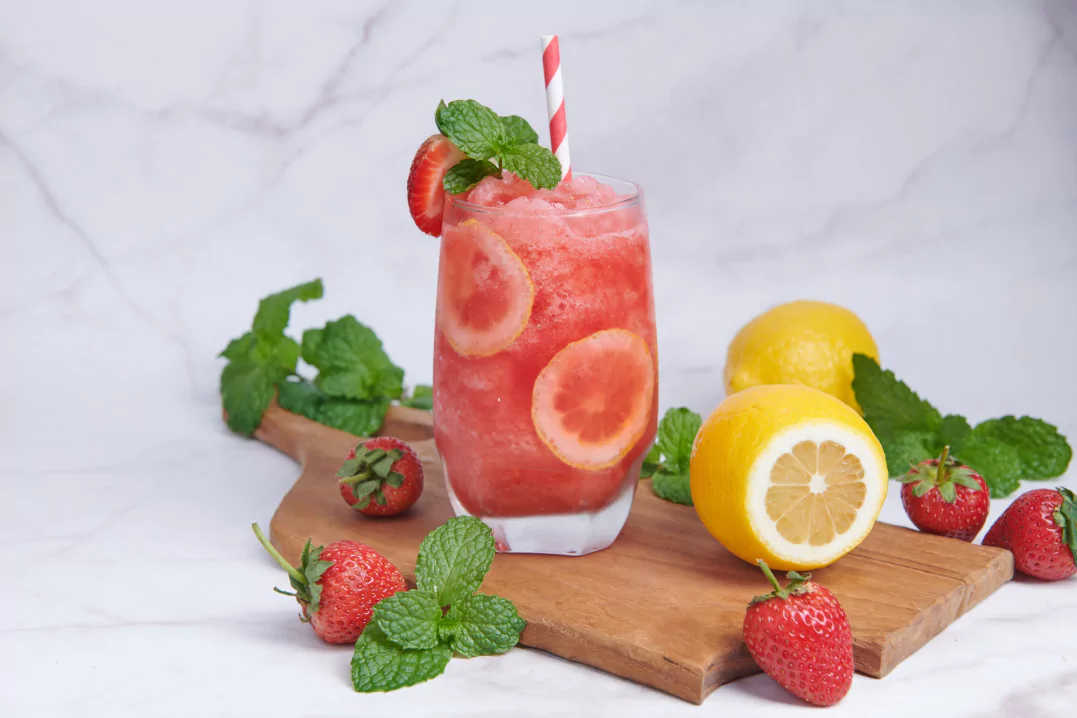
A mocktail is a delicious beverage crafted with whole ingredients such as fruits, natural sweeteners, herbs and bitters, or even fermented foods. With healthy mocktails, you can enjoy the same refreshing taste as a boozy beverage without experiencing any of the adverse effects associated with excess alcohol consumption. Plus, you’ll skip that next-day hangover (and save a little money!).
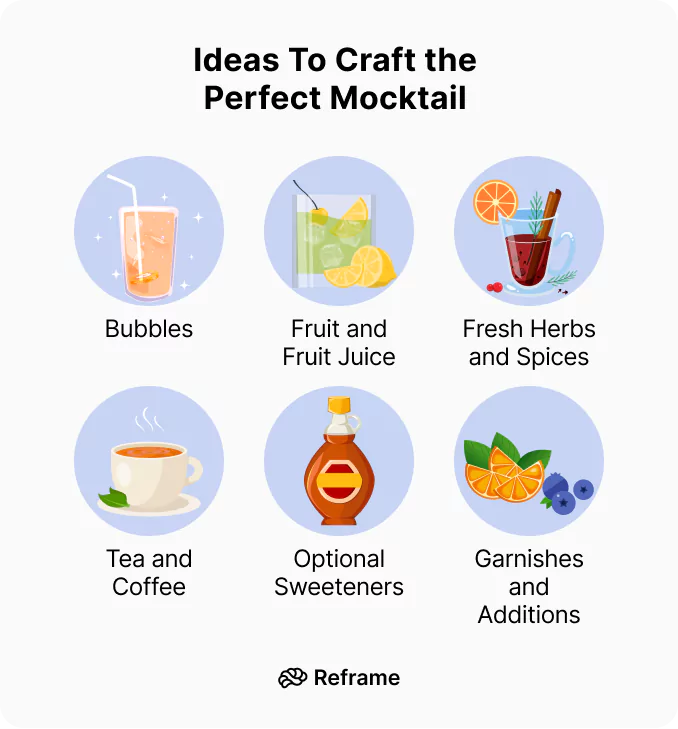
Healthy mocktails don't have to be boring. The key to crafting the perfect mocktail that looks and tastes just like the real thing is to substitute healthy ingredients for unhealthy ones. Thankfully, the sober-curious movement has inspired companies to produce craft non-alcoholic spirits with rich flavors and botanical profiles.

If you don’t have access to alcohol-free spirits, you can still enjoy a healthy mocktail. Crafting the perfect healthy mocktail is a fun and easy task with delicious rewards. All you need are some fresh fruits, juices, and zests — depending on your taste preferences. Popular healthy choices include blueberries, cucumber slices, fresh peaches, grapefruit zest and juice, lemon zest and juice, lime zest and juice, melon balls, orange slices and juice, pineapple spears and juice, pomegranate juice, fresh raspberries and sliced strawberries. Experiment with different mix-ins to craft the perfect beverage.
Let’s take a look at some recipes!


¼ cup of fresh orange juice
¼ cup of grapefruit juice
¼ cup of pomegranate juice
2 tablespoons of fresh lemon juice
2 tablespoons of fresh lime juice
Sparkling water or club soda, to top
Ice cubes
Fruit for garnish
Zest of lemon, lime, and grapefruit for garnish

Amp up the flavor by adding herbs and spices. Anise, basil, bitters, cardamom, cilantro, cinnamon sticks, fresh mint leaves, ginger juice, pure vanilla extract and thyme can add a wealth of incredible flavors while also providing antioxidants.
1 teaspoon of ginger juice
½ teaspoon pure vanilla extract
1 vanilla bean, split lengthwise
2-3 cardamom pods, gently crushed
1 cinnamon stick
A few fresh basil leaves
A handful of fresh mint leaves
2-3 drops of bitters
Sparkling water or club soda
Ice cubes
Optional garnishes: a sprig of thyme, cilantro leaves, or anise star

If you're exploring new ingredients for your mocktails, apple cider vinegar (ACV) is a fantastic one to have on your radar. So, what is it? At its core, ACV is simply fermented apple juice. To make it, apples are crushed, and the juice is fermented, which creates beneficial bacteria and acetic acid — the main active compound that gives ACV its signature tangy flavor and many of its health properties. This fermentation process is what transforms a simple fruit juice into a powerhouse ingredient that can add a complex, sharp kick to your drinks, mimicking the bite that alcohol often provides in cocktails. It’s a great way to build a sophisticated flavor profile in your mocktails without any alcohol.
When you’re shopping for ACV, you might see the phrase "with the mother" on some labels. This isn't just marketing jargon; it's actually a key indicator of quality. The "mother" is the cloudy, web-like substance you can see floating in a bottle of raw, unfiltered ACV. It consists of beneficial bacteria, yeast, and enzymes created during the fermentation process. Choosing an organic, raw, and unfiltered ACV that contains the mother ensures you're getting the most potent version of the vinegar. Think of it as the good stuff that holds all the beneficial properties you’re looking for when adding ACV to your wellness routine.
Beyond its zesty flavor, apple cider vinegar is often celebrated for its potential health benefits. While it's not a cure-all, incorporating it into your diet can be a positive step for your overall well-being, which is a common goal for anyone practicing mindful drinking. Many people find that adding a splash of ACV to their morning routine helps them feel refreshed and ready for the day. From supporting digestion to potentially helping with heart health, the benefits are worth exploring. Let's look at some of the specific ways ACV might give your health a little extra support.
One of the most popular reasons people turn to ACV is for digestive support. Drinking a diluted ACV mixture can help stimulate digestive juices, which may lead to smoother digestion throughout the day. Some people find that having it before a meal helps prepare their system for the food to come, potentially reducing feelings of bloating or indigestion. It’s a simple way to kickstart your digestive system, especially in the morning, helping your body feel more balanced and ready to absorb nutrients from your meals.
Some studies suggest that apple cider vinegar could play a role in managing blood sugar levels. The acetic acid in ACV is thought to help improve insulin sensitivity and lower blood sugar responses after meals. While it's definitely not a replacement for medication or medical advice, incorporating ACV into a balanced diet might be a helpful tool for those looking to maintain more stable blood sugar. It’s an interesting area of research that points to how simple dietary additions can contribute to our metabolic health.
If weight management is one of your goals, ACV might offer some modest support. Research indicates that it can increase feelings of fullness, which could lead you to consume fewer calories throughout the day. For example, having a small amount of ACV with a high-carb meal can help you feel satisfied sooner. This isn't a magic bullet for weight loss, but when combined with a healthy diet and regular exercise, it can be a useful part of a holistic approach to managing your weight and feeling your best.
Taking care of your heart is essential, and some animal studies have suggested that ACV could contribute to better heart health. This research points to its potential to help lower cholesterol and triglyceride levels, which are important markers for cardiovascular wellness. While more studies in humans are needed to confirm these effects, it’s encouraging to know that this simple kitchen staple might have benefits that extend to one of our most vital organs. It’s another great reason to consider making ACV a regular part of your routine.
While apple cider vinegar has plenty of potential benefits, it’s important to consume it correctly. Because it’s highly acidic, drinking it straight can be harsh on your body, particularly your teeth and esophagus. The key is to enjoy it in a way that’s both effective and safe. Following a few simple guidelines will allow you to incorporate ACV into your daily routine without any unwanted side effects. Think of it like any other powerful ingredient — a little goes a long way, and proper preparation is everything. Here are the best practices to keep in mind.
This is the golden rule of consuming ACV. Never drink it straight from the bottle. The high concentration of acetic acid can damage your tooth enamel and burn the delicate tissues of your mouth and throat. The best practice is to always dilute it in water or another liquid. A good ratio to follow is mixing 1–2 tablespoons of ACV into a large glass (about 8 ounces or 1 cup) of water. This simple step makes it safe to drink while still allowing you to reap all its benefits.
When it comes to ACV, more is not better. Sticking to a moderate amount is the best way to see benefits without overdoing it. A typical daily dosage is around 1 to 2 tablespoons. You can have this all at once in a single glass of water or split it into two separate servings throughout the day. Starting with a smaller amount, like one teaspoon, and gradually working your way up can also be a good idea to see how your body responds.
Even when diluted, the acid in ACV can be tough on your teeth over time. To minimize contact with your tooth enamel, try drinking your ACV mixture through a straw. This helps bypass your teeth and sends the liquid directly to the back of your mouth. After you’ve finished your drink, it’s also a good idea to rinse your mouth with plain water. Wait at least 30 minutes before brushing your teeth to give your enamel time to reharden after being exposed to the acid.
Timing can make a difference in how you experience the benefits of ACV. Many people prefer to drink it first thing in the morning on an empty stomach to help kickstart their metabolism and digestion for the day. Another popular option is to have it right before a meal, as this may help with satiety and blunt blood sugar spikes. Experiment to see what time works best for you and your routine. The most important thing is consistency, so find a time that you can easily stick with.
Although ACV is safe for most people, there are a few situations where you might want to be cautious. For instance, it’s not recommended to consume ACV during very long fasts (more than 48 hours), as your body may already be in a highly acidic state. If you have certain medical conditions, like gastroparesis, or are taking medications such as diuretics or insulin, it's a good idea to talk with your doctor before adding ACV to your routine to ensure it’s a safe choice for you.
Crafting the perfect healthy mocktail can sometimes be easier said than done, but once you learn what works for you, you can start experimenting. Tea is one unique ingredient to play around with. It’s full of healthy ingredients like antioxidants and adaptogens, with a low-grade caffeine kick.
Explore black tea, cold brew coffee, or green tea. These enhance the flavor of your healthy mocktail and provide some gentle energy. You can also try herbal teas like chamomile, rooibos, or Tulsi (holy basil). Experiment with different combinations until you find one that perfectly suits your taste buds.
Here’s an Energizing Zen Tea to tickle your taste buds. Soak in the mindfulness!
The foundation for this drink is refreshingly straightforward. A basic apple cider vinegar beverage starts by mixing one tablespoon of apple cider vinegar with eight ounces of water. To create our Energizing Zen Tea, we’ll build on that simple base. Start by brewing a cup of your favorite green tea and letting it cool completely. In a glass, combine the cooled tea with one tablespoon of apple cider vinegar and a splash of cold water. Add ice for an extra chill. This simple combination creates a revitalizing drink that serves as a fantastic alternative to an afternoon coffee or an evening cocktail, giving you a gentle lift without the jitters or the hangover.
Let’s be honest: the taste of apple cider vinegar can be an acquired one. If you find the flavor a bit too strong at first, don’t worry! There are plenty of ways to make it more enjoyable. You can add a squeeze of honey or maple syrup for a touch of sweetness, or a dash of cinnamon or ginger to give it a warm, spicy kick. For a brighter flavor, try adding a bit of citrus zest or a squeeze of fresh lime juice. The key is to experiment and find what you like. Adjusting the taste with different spices and tang helps you create a drink you’ll actually look forward to, making it easier to stick with this healthy habit as part of your mindful drinking practice.
½ cup of cold brew coffee
½ cup of brewed black tea (cooled)
¼ cup of green tea (cooled)
¼ cup of your choice of herbal tea (chamomile, rooibos, or Tulsi) (cooled)
Honey or agave syrup to taste
Ice cubes
Optional garnishes: lemon slice, fresh mint leaves, or a cinnamon stick

Apple cider vinegar (ACV) is a fantastic ingredient for mocktails, but its versatility extends far beyond your drinking glass. Think of it as a secret weapon for your kitchen pantry. This powerhouse ingredient can add a bright, tangy kick to all sorts of dishes, making it a simple way to liven up your everyday meals. If you’re focused on building healthier habits, incorporating ACV into your cooking is an easy and delicious step. It’s a simple swap that can add a ton of flavor and potential health perks to the food you already love to eat, helping you feel good from the inside out.
One of the easiest ways to use apple cider vinegar is in homemade salad dressings and marinades. ACV adds a zesty, tangy flavor that can brighten up a simple green salad or tenderize meats and vegetables. Making your own dressing is also a great way to control what goes into your food, helping you avoid the hidden sugars and preservatives often found in store-bought options. Beyond its culinary uses, adding ACV to your diet may also improve heart health. Just whisk it with some olive oil, a little Dijon mustard, and a touch of honey for a classic vinaigrette that’s both delicious and nourishing.
Crafting the perfect healthy mocktail can be just as much fun as making boozy cocktails! This “Garden Bliss” mocktail is delightfully refreshing and full of healthy, vitamin-packed ingredients. With a colorful mix of berries, a hint of spicy ginger, the citrusy zest of lemons and limes, and the aromatic touch of fresh herbs and edible flowers, each sip is a celebration of flavors. The pomegranate seeds, juicy cherries, and chia seeds add a delightful texture, while a few drops of bitters add complexity to the drink’s flavor profile.
1 cup of sparkling water
½ cup of brewed green tea (cooled)
¼ cup of mixed berries (raspberries, blueberries, strawberries)
1 tablespoon of pomegranate seeds
1 tablespoon of fresh ginger, finely sliced
A few cherries for garnish
1 teaspoon of chia seeds
2-3 drops of bitters (optional)
Lemon and lime slices
Fresh herbs (mint or basil) and edible flowers for garnish
Avocado margaritas are a healthy and mouth-watering mocktail that’s sure to please. Combining fresh avocados, freshly squeezed lime juice, margarita syrup, and sparkling water creates a light yet creamy concoction. With the right balance of healthy ingredients, this mocktail offers the perfect healthy refreshment. Plus, you can easily adjust the sweetness or tartness to your exact preference by manipulating the amount of lime juice and syrup. All in all, this healthy mocktail is an easy way to spruce up any booze-free occasion or simply satisfy your margarita craving with a twist.
Here’s a tasty Avocado Margarita recipe!
½ avocado
½ cup lime juice
1 cup orange juice
2 pinches sea salt
½ teaspoon honey
1 watermelon radish, sliced
With these simple tips in mind, it won't be long before you are crafting the perfect healthy mocktail.
What if I really don't like the taste of apple cider vinegar? That’s completely fine! While apple cider vinegar is a great tool for adding a sharp, complex bite to a drink, it’s not the only option. To get a similar tangy effect, you can try using a splash of kombucha, which brings its own fermented funk, or a high-quality drinking shrub. Even just a combination of different citrus juices, like grapefruit and lime, can cut through sweetness and give your mocktail a more sophisticated, less juice-like flavor profile.
Will drinking these ACV mocktails help me lose weight? While apple cider vinegar can support weight management by helping you feel fuller, it's important to see it as one part of a bigger picture. These mocktails are a fantastic, healthier alternative to sugary cocktails, which can certainly contribute to your overall wellness goals. Think of ACV as a helpful teammate in your health routine, not a magic solution for weight loss on its own. True, lasting change comes from a combination of mindful choices, balanced nutrition, and regular movement.
Besides ACV, what else can I use to make my mocktails taste less like juice? The key to a truly satisfying mocktail is creating layers of flavor. Move beyond fruit juice by incorporating brewed and chilled teas, like a smoky black tea or an earthy green tea, as your base. A few drops of non-alcoholic bitters can add incredible depth and aroma. Don't forget fresh herbs like basil, rosemary, or mint—muddling them at the bottom of your glass releases their essential oils and adds a fresh, savory element that instantly makes a drink feel more special.
Can I prepare these mocktail recipes in a large batch for a party? Absolutely! Making a big batch is a great way to serve a crowd. My advice is to mix all the core ingredients—the juices, teas, syrups, and muddled herbs—in a large pitcher ahead of time and keep it chilled. However, you should wait to add any sparkling water, club soda, or other carbonated ingredients until right before you serve. Pouring the bubbly component into each glass individually ensures every drink is perfectly fizzy.
Is it safe to drink an apple cider vinegar mocktail every day? For most people, enjoying a daily mocktail with a tablespoon or two of ACV is perfectly safe and can be a great routine. The most important rule is to always dilute it properly in water, tea, or juice, as its acidity can be harsh on your teeth and throat otherwise. Just listen to your body. If you notice any discomfort, you can always reduce the amount or take a break. Consistency is great, but it's always wise to do what feels best for you.
Love the complex flavors of a cocktail but skipping the alcohol? You're not alone. The best mocktails have depth and a satisfying kick, moving beyond simple juice and soda. My secret weapon for that perfect tang is apple cider vinegar. It cuts through sweetness and builds a sophisticated, grown-up flavor profile. This simple apple cider vinegar drink recipe is more than just a tasty beverage; it’s a fantastic antioxidant mocktail. It's the perfect pre-dinner sip and can even be enjoyed as a daily apple cider vinegar detox drink. You're about to mix up something truly special.
Healthy mocktails are packed with vitamins and antioxidants that provide nourishment, and many offer energy-boosting benefits as well. If you’re looking for an interesting way to mix up your social routine or simply need a way to relax without drinking alcohol, a healthy mocktail is one of the best options available.
A mocktail is a delicious beverage crafted with whole ingredients such as fruits, natural sweeteners, herbs and bitters, or even fermented foods. With healthy mocktails, you can enjoy the same refreshing taste as a boozy beverage without experiencing any of the adverse effects associated with excess alcohol consumption. Plus, you’ll skip that next-day hangover (and save a little money!).
Healthy mocktails don't have to be boring. The key to crafting the perfect mocktail that looks and tastes just like the real thing is to substitute healthy ingredients for unhealthy ones. Thankfully, the sober-curious movement has inspired companies to produce craft non-alcoholic spirits with rich flavors and botanical profiles.
If you don’t have access to alcohol-free spirits, you can still enjoy a healthy mocktail. Crafting the perfect healthy mocktail is a fun and easy task with delicious rewards. All you need are some fresh fruits, juices, and zests — depending on your taste preferences. Popular healthy choices include blueberries, cucumber slices, fresh peaches, grapefruit zest and juice, lemon zest and juice, lime zest and juice, melon balls, orange slices and juice, pineapple spears and juice, pomegranate juice, fresh raspberries and sliced strawberries. Experiment with different mix-ins to craft the perfect beverage.
Let’s take a look at some recipes!
¼ cup of fresh orange juice
¼ cup of grapefruit juice
¼ cup of pomegranate juice
2 tablespoons of fresh lemon juice
2 tablespoons of fresh lime juice
Sparkling water or club soda, to top
Ice cubes
Fruit for garnish
Zest of lemon, lime, and grapefruit for garnish
Amp up the flavor by adding herbs and spices. Anise, basil, bitters, cardamom, cilantro, cinnamon sticks, fresh mint leaves, ginger juice, pure vanilla extract and thyme can add a wealth of incredible flavors while also providing antioxidants.
1 teaspoon of ginger juice
½ teaspoon pure vanilla extract
1 vanilla bean, split lengthwise
2-3 cardamom pods, gently crushed
1 cinnamon stick
A few fresh basil leaves
A handful of fresh mint leaves
2-3 drops of bitters
Sparkling water or club soda
Ice cubes
Optional garnishes: a sprig of thyme, cilantro leaves, or anise star
If you're exploring new ingredients for your mocktails, apple cider vinegar (ACV) is a fantastic one to have on your radar. So, what is it? At its core, ACV is simply fermented apple juice. To make it, apples are crushed, and the juice is fermented, which creates beneficial bacteria and acetic acid — the main active compound that gives ACV its signature tangy flavor and many of its health properties. This fermentation process is what transforms a simple fruit juice into a powerhouse ingredient that can add a complex, sharp kick to your drinks, mimicking the bite that alcohol often provides in cocktails. It’s a great way to build a sophisticated flavor profile in your mocktails without any alcohol.
When you’re shopping for ACV, you might see the phrase "with the mother" on some labels. This isn't just marketing jargon; it's actually a key indicator of quality. The "mother" is the cloudy, web-like substance you can see floating in a bottle of raw, unfiltered ACV. It consists of beneficial bacteria, yeast, and enzymes created during the fermentation process. Choosing an organic, raw, and unfiltered ACV that contains the mother ensures you're getting the most potent version of the vinegar. Think of it as the good stuff that holds all the beneficial properties you’re looking for when adding ACV to your wellness routine.
Beyond its zesty flavor, apple cider vinegar is often celebrated for its potential health benefits. While it's not a cure-all, incorporating it into your diet can be a positive step for your overall well-being, which is a common goal for anyone practicing mindful drinking. Many people find that adding a splash of ACV to their morning routine helps them feel refreshed and ready for the day. From supporting digestion to potentially helping with heart health, the benefits are worth exploring. Let's look at some of the specific ways ACV might give your health a little extra support.
One of the most popular reasons people turn to ACV is for digestive support. Drinking a diluted ACV mixture can help stimulate digestive juices, which may lead to smoother digestion throughout the day. Some people find that having it before a meal helps prepare their system for the food to come, potentially reducing feelings of bloating or indigestion. It’s a simple way to kickstart your digestive system, especially in the morning, helping your body feel more balanced and ready to absorb nutrients from your meals.
Some studies suggest that apple cider vinegar could play a role in managing blood sugar levels. The acetic acid in ACV is thought to help improve insulin sensitivity and lower blood sugar responses after meals. While it's definitely not a replacement for medication or medical advice, incorporating ACV into a balanced diet might be a helpful tool for those looking to maintain more stable blood sugar. It’s an interesting area of research that points to how simple dietary additions can contribute to our metabolic health.
If weight management is one of your goals, ACV might offer some modest support. Research indicates that it can increase feelings of fullness, which could lead you to consume fewer calories throughout the day. For example, having a small amount of ACV with a high-carb meal can help you feel satisfied sooner. This isn't a magic bullet for weight loss, but when combined with a healthy diet and regular exercise, it can be a useful part of a holistic approach to managing your weight and feeling your best.
Taking care of your heart is essential, and some animal studies have suggested that ACV could contribute to better heart health. This research points to its potential to help lower cholesterol and triglyceride levels, which are important markers for cardiovascular wellness. While more studies in humans are needed to confirm these effects, it’s encouraging to know that this simple kitchen staple might have benefits that extend to one of our most vital organs. It’s another great reason to consider making ACV a regular part of your routine.
While apple cider vinegar has plenty of potential benefits, it’s important to consume it correctly. Because it’s highly acidic, drinking it straight can be harsh on your body, particularly your teeth and esophagus. The key is to enjoy it in a way that’s both effective and safe. Following a few simple guidelines will allow you to incorporate ACV into your daily routine without any unwanted side effects. Think of it like any other powerful ingredient — a little goes a long way, and proper preparation is everything. Here are the best practices to keep in mind.
This is the golden rule of consuming ACV. Never drink it straight from the bottle. The high concentration of acetic acid can damage your tooth enamel and burn the delicate tissues of your mouth and throat. The best practice is to always dilute it in water or another liquid. A good ratio to follow is mixing 1–2 tablespoons of ACV into a large glass (about 8 ounces or 1 cup) of water. This simple step makes it safe to drink while still allowing you to reap all its benefits.
When it comes to ACV, more is not better. Sticking to a moderate amount is the best way to see benefits without overdoing it. A typical daily dosage is around 1 to 2 tablespoons. You can have this all at once in a single glass of water or split it into two separate servings throughout the day. Starting with a smaller amount, like one teaspoon, and gradually working your way up can also be a good idea to see how your body responds.
Even when diluted, the acid in ACV can be tough on your teeth over time. To minimize contact with your tooth enamel, try drinking your ACV mixture through a straw. This helps bypass your teeth and sends the liquid directly to the back of your mouth. After you’ve finished your drink, it’s also a good idea to rinse your mouth with plain water. Wait at least 30 minutes before brushing your teeth to give your enamel time to reharden after being exposed to the acid.
Timing can make a difference in how you experience the benefits of ACV. Many people prefer to drink it first thing in the morning on an empty stomach to help kickstart their metabolism and digestion for the day. Another popular option is to have it right before a meal, as this may help with satiety and blunt blood sugar spikes. Experiment to see what time works best for you and your routine. The most important thing is consistency, so find a time that you can easily stick with.
Although ACV is safe for most people, there are a few situations where you might want to be cautious. For instance, it’s not recommended to consume ACV during very long fasts (more than 48 hours), as your body may already be in a highly acidic state. If you have certain medical conditions, like gastroparesis, or are taking medications such as diuretics or insulin, it's a good idea to talk with your doctor before adding ACV to your routine to ensure it’s a safe choice for you.
Crafting the perfect healthy mocktail can sometimes be easier said than done, but once you learn what works for you, you can start experimenting. Tea is one unique ingredient to play around with. It’s full of healthy ingredients like antioxidants and adaptogens, with a low-grade caffeine kick.
Explore black tea, cold brew coffee, or green tea. These enhance the flavor of your healthy mocktail and provide some gentle energy. You can also try herbal teas like chamomile, rooibos, or Tulsi (holy basil). Experiment with different combinations until you find one that perfectly suits your taste buds.
Here’s an Energizing Zen Tea to tickle your taste buds. Soak in the mindfulness!
The foundation for this drink is refreshingly straightforward. A basic apple cider vinegar beverage starts by mixing one tablespoon of apple cider vinegar with eight ounces of water. To create our Energizing Zen Tea, we’ll build on that simple base. Start by brewing a cup of your favorite green tea and letting it cool completely. In a glass, combine the cooled tea with one tablespoon of apple cider vinegar and a splash of cold water. Add ice for an extra chill. This simple combination creates a revitalizing drink that serves as a fantastic alternative to an afternoon coffee or an evening cocktail, giving you a gentle lift without the jitters or the hangover.
Let’s be honest: the taste of apple cider vinegar can be an acquired one. If you find the flavor a bit too strong at first, don’t worry! There are plenty of ways to make it more enjoyable. You can add a squeeze of honey or maple syrup for a touch of sweetness, or a dash of cinnamon or ginger to give it a warm, spicy kick. For a brighter flavor, try adding a bit of citrus zest or a squeeze of fresh lime juice. The key is to experiment and find what you like. Adjusting the taste with different spices and tang helps you create a drink you’ll actually look forward to, making it easier to stick with this healthy habit as part of your mindful drinking practice.
½ cup of cold brew coffee
½ cup of brewed black tea (cooled)
¼ cup of green tea (cooled)
¼ cup of your choice of herbal tea (chamomile, rooibos, or Tulsi) (cooled)
Honey or agave syrup to taste
Ice cubes
Optional garnishes: lemon slice, fresh mint leaves, or a cinnamon stick
Apple cider vinegar (ACV) is a fantastic ingredient for mocktails, but its versatility extends far beyond your drinking glass. Think of it as a secret weapon for your kitchen pantry. This powerhouse ingredient can add a bright, tangy kick to all sorts of dishes, making it a simple way to liven up your everyday meals. If you’re focused on building healthier habits, incorporating ACV into your cooking is an easy and delicious step. It’s a simple swap that can add a ton of flavor and potential health perks to the food you already love to eat, helping you feel good from the inside out.
One of the easiest ways to use apple cider vinegar is in homemade salad dressings and marinades. ACV adds a zesty, tangy flavor that can brighten up a simple green salad or tenderize meats and vegetables. Making your own dressing is also a great way to control what goes into your food, helping you avoid the hidden sugars and preservatives often found in store-bought options. Beyond its culinary uses, adding ACV to your diet may also improve heart health. Just whisk it with some olive oil, a little Dijon mustard, and a touch of honey for a classic vinaigrette that’s both delicious and nourishing.
Crafting the perfect healthy mocktail can be just as much fun as making boozy cocktails! This “Garden Bliss” mocktail is delightfully refreshing and full of healthy, vitamin-packed ingredients. With a colorful mix of berries, a hint of spicy ginger, the citrusy zest of lemons and limes, and the aromatic touch of fresh herbs and edible flowers, each sip is a celebration of flavors. The pomegranate seeds, juicy cherries, and chia seeds add a delightful texture, while a few drops of bitters add complexity to the drink’s flavor profile.
1 cup of sparkling water
½ cup of brewed green tea (cooled)
¼ cup of mixed berries (raspberries, blueberries, strawberries)
1 tablespoon of pomegranate seeds
1 tablespoon of fresh ginger, finely sliced
A few cherries for garnish
1 teaspoon of chia seeds
2-3 drops of bitters (optional)
Lemon and lime slices
Fresh herbs (mint or basil) and edible flowers for garnish
Avocado margaritas are a healthy and mouth-watering mocktail that’s sure to please. Combining fresh avocados, freshly squeezed lime juice, margarita syrup, and sparkling water creates a light yet creamy concoction. With the right balance of healthy ingredients, this mocktail offers the perfect healthy refreshment. Plus, you can easily adjust the sweetness or tartness to your exact preference by manipulating the amount of lime juice and syrup. All in all, this healthy mocktail is an easy way to spruce up any booze-free occasion or simply satisfy your margarita craving with a twist.
Here’s a tasty Avocado Margarita recipe!
½ avocado
½ cup lime juice
1 cup orange juice
2 pinches sea salt
½ teaspoon honey
1 watermelon radish, sliced
With these simple tips in mind, it won't be long before you are crafting the perfect healthy mocktail.
What if I really don't like the taste of apple cider vinegar? That’s completely fine! While apple cider vinegar is a great tool for adding a sharp, complex bite to a drink, it’s not the only option. To get a similar tangy effect, you can try using a splash of kombucha, which brings its own fermented funk, or a high-quality drinking shrub. Even just a combination of different citrus juices, like grapefruit and lime, can cut through sweetness and give your mocktail a more sophisticated, less juice-like flavor profile.
Will drinking these ACV mocktails help me lose weight? While apple cider vinegar can support weight management by helping you feel fuller, it's important to see it as one part of a bigger picture. These mocktails are a fantastic, healthier alternative to sugary cocktails, which can certainly contribute to your overall wellness goals. Think of ACV as a helpful teammate in your health routine, not a magic solution for weight loss on its own. True, lasting change comes from a combination of mindful choices, balanced nutrition, and regular movement.
Besides ACV, what else can I use to make my mocktails taste less like juice? The key to a truly satisfying mocktail is creating layers of flavor. Move beyond fruit juice by incorporating brewed and chilled teas, like a smoky black tea or an earthy green tea, as your base. A few drops of non-alcoholic bitters can add incredible depth and aroma. Don't forget fresh herbs like basil, rosemary, or mint—muddling them at the bottom of your glass releases their essential oils and adds a fresh, savory element that instantly makes a drink feel more special.
Can I prepare these mocktail recipes in a large batch for a party? Absolutely! Making a big batch is a great way to serve a crowd. My advice is to mix all the core ingredients—the juices, teas, syrups, and muddled herbs—in a large pitcher ahead of time and keep it chilled. However, you should wait to add any sparkling water, club soda, or other carbonated ingredients until right before you serve. Pouring the bubbly component into each glass individually ensures every drink is perfectly fizzy.
Is it safe to drink an apple cider vinegar mocktail every day? For most people, enjoying a daily mocktail with a tablespoon or two of ACV is perfectly safe and can be a great routine. The most important rule is to always dilute it properly in water, tea, or juice, as its acidity can be harsh on your teeth and throat otherwise. Just listen to your body. If you notice any discomfort, you can always reduce the amount or take a break. Consistency is great, but it's always wise to do what feels best for you.

Trying and failing to quit drinking does not make you a failure. Here are some tips that might help you cut back on your drinking.
Another day dawns and you are bleary-eyed from another long night of drinking. You know your drinking has gotten a little out of control, but you’ve heard stories from friends about how hard it is to quit drinking. You want to quit, but you have so much going on that you can’t afford to be distracted/disappointed. Surely it can’t be that hard?
How hard is it to quit drinking? The truth is, quitting can often be hard. Despite sincere resolve, determination and willpower, alcohol can take control of even the most motivated of individuals. Trying and failing to quit does not make you a failure.
At its core, the hardship that comes along with quitting drinking is simply your brain doing what it does best — protecting itself from harm. Part of your brain has been hijacked by the alcohol, but that doesn’t mean you’re doomed.
You can reclaim power over your life. Although alcohol may have taken the wheel, only you hold the key to stop and turn around a bad situation.
Dependence on alcohol has many complex components. Brain chemistry is altered over time as a result of excessive alcohol consumption. Many people find themselves struggling to completely let go despite being aware of the damage alcohol can cause to their lives and personal relationships.
Unhappiness and anxiety may also play a role in hindering one’s progress when trying to quit drinking. With the right support system and external incentives set in place, there is an opportunity to overcome unhealthy habits and addiction.
Although it can initially be quite pleasant and calming to have the occasional drink, turning this into a regular habit can take a major toll on your well-being. When you begin to consume alcohol in larger amounts on a more frequent basis, your brain chemistry is altered, making it difficult for you to modify your drinking habits.
Your perceived inability to control the amount of alcohol you’re drinking can become even worse when your brain begins to physically adjust itself in order to become dependent upon booze. Habitual and excessive drinking comes with increased risks and can truly damage one's health - both mental and physical alike.
Quitting drinking can be a challenge because of the effects alcohol has on your body. The first noticeable difference is that you need more and more alcohol to get the same effect - it's a vicious cycle. As you continue to increase the amount and frequency of alcohol you consume, it begins changing the way certain parts of your brain function, like your ability to make decisions and control moods, which then impacts how you feel and manage emotions. Then, as you drink more and more alcohol to achieve that same effect rather than cutting down, your brain chemistry is altered even further.
Many people find themselves in a seemingly inescapable loop of alcohol consumption - with the effects becoming increasingly detrimental over time. Excessive alcohol use has a progressively negative impact on your brain, and may even result in mental health issues such as anxiety and depression.
As consumption increases, serious mental health issues become more apparent, and cognitive functions fail to go back to their original state following the detoxification period, and it can be difficult to break away from this unhealthy behavior. Without alcohol, you may feel incapable of being normal or happy enough to participate in enjoyable activities - such as going out with friends.
How hard is it to quit drinking? The answer might vary from person to person, but it can certainly be a difficult challenge. The longer one goes without drinking, the more the brain starts to crave alcohol in order to feel "normal." This experience is comparable to being hungry when you have gone without food for too long – the longer you wait, the more intense your cravings become. For most people, it may be almost impossible to ignore these “hunger pains.” There are methods available that can be used to break this cycle and stop drinking for good.
How we drink has the power to both create and shape our personality. We may prefer to be around people when we drink if that's part of our personality type, or perhaps we enjoy something more solitary every once in a while. Whatever it may be, each individual experiences drinking differently, so no two people will consume drinks in the exact same way.
You may find that your drinking habits can also modify your personality. Those with impulsive tendencies may find their symptoms exacerbated after having one too many drinks, and those living with conditions such as ADHD can also experience an increase in impulsivity when they consume alcohol. How hard is it to quit drinking after your personality traits have changed? Reframe is here to help you on your journey toward a healthier life!
Are you looking for an effective and compassionate way to change your relationship with alcohol? Reframe is a revolutionary alcohol habit-changing app designed to help you unlock the healthiest, happiest version of yourself. Developed by hundreds of medical and mental health experts, the platform utilizes neuroscience to provide evidence-based behavior change strategies, helpful tools, and a network of supportive people. Research has shown that Reframe users consume significantly lower amounts of alcohol than those who use similar apps. Tried and tested, Reframe has successfully helped tens of thousands of individuals across the globe make lasting changes to their drinking habits - all without deprivation or judgment. If you’re ready to reframe your relationship with alcohol and embark on a journey toward self-improvement, download Reframe now!

What exactly happens to your mind, body, and overall lifestyle when you ditch the booze? Read on to find out!

Although it isn’t a treatment for alcohol use disorder (AUD), the Reframe app can help you cut back on drinking gradually, with the science-backed knowledge to empower you 100% of the way. Our proven program has helped millions of people around the world drink less and live more. And we want to help you get there, too!
The Reframe app equips you with the knowledge and skills you need to not only survive drinking less, but to thrive while you navigate the journey. Our daily research-backed readings teach you the neuroscience of alcohol, and our in-app Toolkit provides the resources and activities you need to navigate each challenge.
You’ll meet hundreds of fellow Reframers in our 24/7 Forum chat and daily Zoom check-in meetings. Receive encouragement from people worldwide who know exactly what you’re going through! You’ll also have the opportunity to connect with our licensed Reframe coaches for more personalized guidance.
Plus, we’re always introducing new features to optimize your in-app experience. We recently launched our in-app chatbot, Melody, powered by the world’s most powerful AI technology. Melody is here to help as you adjust to a life with less (or no) alcohol.
And that’s not all! Every month, we launch fun challenges, like Dry January, Mental Health May, and Outdoorsy June. You won’t want to miss out on the chance to participate alongside fellow Reframers (or solo if that’s more your thing!).
The Reframe app is free for 7 days, so you don’t have anything to lose by trying it. Are you ready to feel empowered and discover life beyond alcohol? Then download our app through the App Store or Google Play today!
You’ve finally done it: you’ve decided to say goodbye to alcohol for good. After becoming more aware of alcohol’s negative effects on your body and mental well-being, you’re ready to abstain from alcohol to lead a healthier life. But what exactly happens when you stop drinking? What should you expect — and when will the benefits of being sober kick in?
In this post, we’ll explore the various stages of quitting alcohol and what you can expect when you say goodbye to alcohol for good. Let’s dive in!

Now that we have an idea of some of the benefits of quitting alcohol, we can look at when to expect them after we stop drinking. Let’s start at the very beginning, and look at what happens the first day after we quit alcohol.
During the first 12 hours after your last drink, your body begins to process and eliminate alcohol from your system. As your blood alcohol concentration (BAC) decreases, you may start to experience withdrawal symptoms. There can be several:
It's essential to stay hydrated during this time, as dehydration can exacerbate these symptoms.

As you approach the 24-hour mark, your body continues to stabilize, and it starts to recover from alcohol’s effects. During this time, you may notice the following changes:
It's important to note that the severity and duration of withdrawal symptoms can vary depending on factors such as the amount and frequency of alcohol consumption, individual body chemistry, and overall health.
Between 48 and 72 hours after your last drink, your body continues to detoxify. If you have been having withdrawal symptoms, they may peak during this period. You may experience intense cravings for alcohol, mood swings, and difficulty concentrating.
In some cases, people who have been heavily dependent on alcohol may experience severe withdrawal symptoms known as delirium tremens (DTs). Delirium tremens typically occur within 48 to 72 hours after the last drink, but they can appear up to 10 days after stopping alcohol.
Symptoms of DTs include severe confusion, hallucinations, fever, seizures, and agitation. This condition can be life-threatening and requires immediate medical attention. Consult with a healthcare professional when deciding to quit drinking, especially if you have a history of heavy alcohol use, to ensure a safe and monitored withdrawal process.
On the positive side, your body is working hard to repair itself. Your liver function begins to improve, and your blood sugar levels start to stabilize. Your sleep patterns may also start to return to normal, allowing you to feel more rested and alert during the day.
By days 4 to 6 after quitting alcohol, most of the major physical withdrawal symptoms should start to subside. Your cravings for alcohol may still be present, but they should be less intense. Your mood should begin to stabilize, and your anxiety levels may decrease.
During this time, your body continues to repair itself. Your liver function should continue to improve, and your immune system may start to strengthen. This can help your body fight off infections and illnesses more effectively.
Additionally, your brain begins to recover from the effects of alcohol. Your cognitive function, memory, and concentration should start to improve. You may also notice an increase in your energy levels and a decrease in fatigue.

Alcohol consumption often affects the quality of our sleep. While it may have been helping us to fall asleep, it basically wrecked the quality of our rest after we lost consciousness. After a week of not drinking, you’ll probably notice your sleep pattern start to normalize. This improved sleep — both in terms of quality and duration — will have a beneficial domino effect on other areas of your life.
As your body undergoes restorative processes during sleep, you’ll start to feel more energized throughout the day. Better energy levels result in increased productivity and an overall sense of well-being.
Alcoholic beverages are notoriously high in calories and sugar content. Chances are, when you consume alcohol, you also binge on unhealthy snacks. Removing alcohol from your diet can save so many empty calories and curb unhealthy food cravings.
Two weeks after quitting alcohol, many people start to notice a decrease in sugar cravings, and some even start experiencing weight loss. Additionally, the liver starts processing carbohydrates more effectively, lowering blood sugar levels and reducing the risk of developing type 2 diabetes.
After quitting alcohol for a month, one of the most striking benefits is the healing that occurs within the liver. The liver is responsible for metabolizing alcohol, and heavy drinking can result in fatty liver, inflammation, or worse — potentially cirrhosis (scarring of the liver tissue) or even liver cancer. A month's break from alcohol allows the liver to start repairing itself, improving liver enzyme levels and reducing inflammation.
During the one-month mark, your body will become less likely to fall prey to the various health risks associated with alcohol consumption. For example, the risks of developing cancer, heart disease, and liver disease decrease as the body starts to heal itself.

As you continue your journey of abstinence, your skin's appearance will improve. This is due to several factors: your body rehydrates, your blood circulation improves, and alcohol no longer hinders nutrient absorption. Given time and patience, you may be pleasantly surprised at your newfound radiant complexion.
Furthermore, chronic alcohol use has been known to weaken the immune system, making you susceptible to illnesses. A robust immune system is critical for fighting infections and staying healthy. After three months without drinking, your immune system strengthens as the impact of alcohol on white blood cells diminishes.
Quitting alcohol has profound effects on your mental health, too. Studies have shown that continuous alcohol consumption may increase the risk of anxiety and depression. After six months without alcohol, many people report an increase in clarity, focus, and memory function.
As you take control of your alcohol intake and refrain from drinking, mood improvements and stress management become more manageable, leading to better overall mental health.
Inflammation in the body can cause various health issues, including chronic pain, autoimmune diseases, and even some cancers. After a year of not drinking, the body's inflammation markers significantly reduce, bolstering your overall health.
Finally, a healthier heart is something to celebrate one year into your alcohol-free journey. Drinking alcohol excessively can increase blood pressure, weaken heart muscles, and increase the risk of heart diseases. A year without alcohol reduces these risks dramatically, providing a healthier you for years to come.
When you stop drinking, it’s not just about the physical benefits — your relationships can also get a much-needed boost from the fresh attention and energy you can start investing in them. Whether it’s reconnecting with a loved one like a spouse or significant other, spending more quality time with your kids, or reestablishing meaningful contact with friends and family, quitting drinking can have some great benefits for our relationships.
If you find yourself struggling with relationships after you stop drinking, then you may want to seek out the support of a professional counselor or therapist. They can help you figure out how to handle the personal and relational issues that you’re experiencing. We know this can be a scary step, but the benefits can really outweigh the initial discomfort of reaching out!
As you consider quitting alcohol, we also encourage you to think about all the money you’ve spent on alcohol in the past week, month, and year. It’s probably a lot more than you realize — or more than you want to admit. You’re not alone in this! The good news is that you’ll start saving money as soon as you stop drinking.
Not only will you have more money, but you’ll also have a lot more time to spend on the things that you love doing. This newfound free time can be disorienting for some people after they quit drinking because they might actually feel bored, and this can be a risk if cravings come back. Taking some time now to think about and write down what you’ll use your extra money and time for when you stop drinking will set you up for success later.
Before we look at the timeline of what happens when we quit alcohol, it’s helpful to note some of the benefits of being sober. In fact, millions of people have reclaimed their health and vitality by abstaining from alcohol. With that in mind, let’s take a brief look at 7 benefits of an alcohol-free lifestyle:
It’s worth noting that these are just some of the benefits of quitting alcohol. Because alcohol can affect nearly every aspect of our life, abstaining from it can bring numerous benefits to our overall level of health, happiness, and well-being.
Quitting drinking isn’t always easy, but the benefits are well worth the effort. Our body, mind, relationships, and bank account all stand to gain so much by quitting alcohol. From a stronger, healthier heart to improved mood and weight loss, it won’t be long before you start reaping the benefits!
If you want to cut back or quit drinking but don’t know where to start, consider trying Reframe. We’re a neuroscience-backed app that has helped millions of people reduce their alcohol consumption and develop healthier lifestyle habits.
You’ve finally done it: you’ve decided to say goodbye to alcohol for good. After becoming more aware of alcohol’s negative effects on your body and mental well-being, you’re ready to abstain from alcohol to lead a healthier life. But what exactly happens when you stop drinking? What should you expect — and when will the benefits of being sober kick in?
In this post, we’ll explore the various stages of quitting alcohol and what you can expect when you say goodbye to alcohol for good. Let’s dive in!
Now that we have an idea of some of the benefits of quitting alcohol, we can look at when to expect them after we stop drinking. Let’s start at the very beginning, and look at what happens the first day after we quit alcohol.
During the first 12 hours after your last drink, your body begins to process and eliminate alcohol from your system. As your blood alcohol concentration (BAC) decreases, you may start to experience withdrawal symptoms. There can be several:
It's essential to stay hydrated during this time, as dehydration can exacerbate these symptoms.
As you approach the 24-hour mark, your body continues to stabilize, and it starts to recover from alcohol’s effects. During this time, you may notice the following changes:
It's important to note that the severity and duration of withdrawal symptoms can vary depending on factors such as the amount and frequency of alcohol consumption, individual body chemistry, and overall health.
Between 48 and 72 hours after your last drink, your body continues to detoxify. If you have been having withdrawal symptoms, they may peak during this period. You may experience intense cravings for alcohol, mood swings, and difficulty concentrating.
In some cases, people who have been heavily dependent on alcohol may experience severe withdrawal symptoms known as delirium tremens (DTs). Delirium tremens typically occur within 48 to 72 hours after the last drink, but they can appear up to 10 days after stopping alcohol.
Symptoms of DTs include severe confusion, hallucinations, fever, seizures, and agitation. This condition can be life-threatening and requires immediate medical attention. Consult with a healthcare professional when deciding to quit drinking, especially if you have a history of heavy alcohol use, to ensure a safe and monitored withdrawal process.
On the positive side, your body is working hard to repair itself. Your liver function begins to improve, and your blood sugar levels start to stabilize. Your sleep patterns may also start to return to normal, allowing you to feel more rested and alert during the day.
By days 4 to 6 after quitting alcohol, most of the major physical withdrawal symptoms should start to subside. Your cravings for alcohol may still be present, but they should be less intense. Your mood should begin to stabilize, and your anxiety levels may decrease.
During this time, your body continues to repair itself. Your liver function should continue to improve, and your immune system may start to strengthen. This can help your body fight off infections and illnesses more effectively.
Additionally, your brain begins to recover from the effects of alcohol. Your cognitive function, memory, and concentration should start to improve. You may also notice an increase in your energy levels and a decrease in fatigue.
Alcohol consumption often affects the quality of our sleep. While it may have been helping us to fall asleep, it basically wrecked the quality of our rest after we lost consciousness. After a week of not drinking, you’ll probably notice your sleep pattern start to normalize. This improved sleep — both in terms of quality and duration — will have a beneficial domino effect on other areas of your life.
As your body undergoes restorative processes during sleep, you’ll start to feel more energized throughout the day. Better energy levels result in increased productivity and an overall sense of well-being.
Alcoholic beverages are notoriously high in calories and sugar content. Chances are, when you consume alcohol, you also binge on unhealthy snacks. Removing alcohol from your diet can save so many empty calories and curb unhealthy food cravings.
Two weeks after quitting alcohol, many people start to notice a decrease in sugar cravings, and some even start experiencing weight loss. Additionally, the liver starts processing carbohydrates more effectively, lowering blood sugar levels and reducing the risk of developing type 2 diabetes.
After quitting alcohol for a month, one of the most striking benefits is the healing that occurs within the liver. The liver is responsible for metabolizing alcohol, and heavy drinking can result in fatty liver, inflammation, or worse — potentially cirrhosis (scarring of the liver tissue) or even liver cancer. A month's break from alcohol allows the liver to start repairing itself, improving liver enzyme levels and reducing inflammation.
During the one-month mark, your body will become less likely to fall prey to the various health risks associated with alcohol consumption. For example, the risks of developing cancer, heart disease, and liver disease decrease as the body starts to heal itself.
As you continue your journey of abstinence, your skin's appearance will improve. This is due to several factors: your body rehydrates, your blood circulation improves, and alcohol no longer hinders nutrient absorption. Given time and patience, you may be pleasantly surprised at your newfound radiant complexion.
Furthermore, chronic alcohol use has been known to weaken the immune system, making you susceptible to illnesses. A robust immune system is critical for fighting infections and staying healthy. After three months without drinking, your immune system strengthens as the impact of alcohol on white blood cells diminishes.
Quitting alcohol has profound effects on your mental health, too. Studies have shown that continuous alcohol consumption may increase the risk of anxiety and depression. After six months without alcohol, many people report an increase in clarity, focus, and memory function.
As you take control of your alcohol intake and refrain from drinking, mood improvements and stress management become more manageable, leading to better overall mental health.
Inflammation in the body can cause various health issues, including chronic pain, autoimmune diseases, and even some cancers. After a year of not drinking, the body's inflammation markers significantly reduce, bolstering your overall health.
Finally, a healthier heart is something to celebrate one year into your alcohol-free journey. Drinking alcohol excessively can increase blood pressure, weaken heart muscles, and increase the risk of heart diseases. A year without alcohol reduces these risks dramatically, providing a healthier you for years to come.
When you stop drinking, it’s not just about the physical benefits — your relationships can also get a much-needed boost from the fresh attention and energy you can start investing in them. Whether it’s reconnecting with a loved one like a spouse or significant other, spending more quality time with your kids, or reestablishing meaningful contact with friends and family, quitting drinking can have some great benefits for our relationships.
If you find yourself struggling with relationships after you stop drinking, then you may want to seek out the support of a professional counselor or therapist. They can help you figure out how to handle the personal and relational issues that you’re experiencing. We know this can be a scary step, but the benefits can really outweigh the initial discomfort of reaching out!
As you consider quitting alcohol, we also encourage you to think about all the money you’ve spent on alcohol in the past week, month, and year. It’s probably a lot more than you realize — or more than you want to admit. You’re not alone in this! The good news is that you’ll start saving money as soon as you stop drinking.
Not only will you have more money, but you’ll also have a lot more time to spend on the things that you love doing. This newfound free time can be disorienting for some people after they quit drinking because they might actually feel bored, and this can be a risk if cravings come back. Taking some time now to think about and write down what you’ll use your extra money and time for when you stop drinking will set you up for success later.
Before we look at the timeline of what happens when we quit alcohol, it’s helpful to note some of the benefits of being sober. In fact, millions of people have reclaimed their health and vitality by abstaining from alcohol. With that in mind, let’s take a brief look at 7 benefits of an alcohol-free lifestyle:
It’s worth noting that these are just some of the benefits of quitting alcohol. Because alcohol can affect nearly every aspect of our life, abstaining from it can bring numerous benefits to our overall level of health, happiness, and well-being.
Quitting drinking isn’t always easy, but the benefits are well worth the effort. Our body, mind, relationships, and bank account all stand to gain so much by quitting alcohol. From a stronger, healthier heart to improved mood and weight loss, it won’t be long before you start reaping the benefits!
If you want to cut back or quit drinking but don’t know where to start, consider trying Reframe. We’re a neuroscience-backed app that has helped millions of people reduce their alcohol consumption and develop healthier lifestyle habits.

Are you looking to cut back on your drinking? Here are four tips that can help make the process a little bit easier.

Although it isn’t a treatment for alcohol use disorder (AUD), the Reframe app can help you cut back on drinking gradually, with the science-backed knowledge to empower you 100% of the way. Our proven program has helped millions of people around the world drink less and live more. And we want to help you get there, too!
The Reframe app equips you with the knowledge and skills you need to not only survive drinking less, but to thrive while you navigate the journey. Our daily research-backed readings teach you the neuroscience of alcohol, and our in-app Toolkit provides the resources and activities you need to navigate each challenge.
You’ll meet millions of fellow Reframers in our 24/7 Forum chat and daily Zoom check-in meetings. Receive encouragement from people worldwide who know exactly what you’re going through! You’ll also have the opportunity to connect with our licensed Reframe coaches for more personalized guidance.
Plus, we’re always introducing new features to optimize your in-app experience. We recently launched our in-app chatbot, Melody, powered by the world’s most powerful AI technology. Melody is here to help as you adjust to a life with less (or no) alcohol.
And that’s not all! Every month, we launch fun challenges, like Dry/Damp January, Mental Health May, and Outdoorsy June. You won’t want to miss out on the chance to participate alongside fellow Reframers (or solo if that’s more your thing!).
The Reframe app is free for 7 days, so you don’t have anything to lose by trying it. Are you ready to feel empowered and discover life beyond alcohol? Then download our app through the App Store or Google Play today!
Think about the last time you tried something new. Maybe you tried a new exercise class, sport or game, or decided to pick up an instrument or learn a new language. Whatever it was, we can probably all agree that learning a new skill takes time, patience, and practice. We’re bound to make mistakes as we go. But these mistakes ultimately help us get better.
Learning not to drink alcohol (and living an alcohol free life) after years of regular drinking is much like developing a new skill: it also takes time, patience, and practice. We’ll likely go through different phases and experience a wide range of emotions — from triumph and joy to frustration and disappointment.
This is completely normal! In fact, film theorist Nöel Burch proposed that to acquire any new skill, we go through four stages of alcohol recovery before we reach a place of “mastery.” These stages can also be applied to the process of learning to live an alcohol-free life: it might be full of ups and downs, and trials and errors, but we can master it. What are the steps of recovery? Let’s take a closer look at the stages of quitting alcohol below.

Any time we learn something new, it usually starts from a place of “I don’t know what I don’t know,” where we’re “asleep” without any conscious or unconscious awareness. This is especially true when it comes to cutting back on drinking alcohol. At this stage of the recovery process, we tend to live in a state of ignorant bliss, unaware of our need to cut back on our drinking.
We believe that alcohol provides us pleasure and comfort, and we drink as much and as often as we like. The idea of learning to live an alcohol-free life isn’t even on our radar.

The second stage starts with “I know what I don’t know,” where we become aware of the need to cut back on drinking alcohol. However, even though we realize that alcohol might be negatively affecting us, we usually subconsciously continue to believe that alcohol provides certain benefits. This can create a lot of inner turmoil and tension, as part of us thinks, “I need to make a change,” but another part of us just isn’t ready.
This can be a particularly difficult stage of the recovery process: we’re constantly being pulled in two different directions, which can cause frustration, discomfort, and agony. Furthermore, we might be overcome with shame and guilt when our efforts to cut back on alcohol don’t appear to be working. But, as with any new skill, the slip ups and setbacks are all part of the learning process.
This is the “I know what I know” stage, when we’re not only fully aware of the need to cut back on alcohol, but we become capable of doing so. The frustration and pain from the previous stage are slowly replaced by conscious effort and self-discipline, allowing us to take actionable steps toward reducing or stopping our alcohol consumption.
However, in this stage, we still might have the feeling that we’re missing out on something by not drinking alcohol. Although we’re consciously changing our behavior, we might still wrestle with underlying beliefs about alcohol, which can lead to feelings of deprivation that require conscious effort to manage. In fact, this stage often requires significant mental effort and willpower due to the misalignment between conscious and subconscious desires. It wouldn’t be unusual for us to feel exhausted or drained from the energy we’re putting towards not drinking.
The fourth and final stage is the “I can forget what I know,” when not-drinking requires little to no conscious mental effort. In other words, we have mastered the skill of living an alcohol-free life.
In this stage, our old beliefs about alcohol have been replaced by a new set of beliefs rooted in the detrimental effects of alcohol. In other words, on both the conscious and subconscious level, we no longer believe that alcohol has much to offer us. The inner tension we used to experience has dissolved, and abstaining has become second nature: there’s no questioning whether we should drink or not.

While we go through these four stages of alcohol recovery, try to remember that setbacks are normal — and trial and error is inevitable. If we’ve grown accustomed to drinking on a regular basis, we can’t expect to become alcohol-free overnight. But there are certain things we can do to help ourselves through the recovery process. Here are some tips:
Finally, consider joining Reframe. We’ve helped millions of people change their relationship with alcohol and lead healthier lives. Plus we connect with you other like-minded individuals who are on a similar journey toward better health and wellness. You don’t have to go through this process alone!
Think about the last time you tried something new. Maybe you tried a new exercise class, sport or game, or decided to pick up an instrument or learn a new language. Whatever it was, we can probably all agree that learning a new skill takes time, patience, and practice. We’re bound to make mistakes as we go. But these mistakes ultimately help us get better.
Learning not to drink alcohol (and living an alcohol free life) after years of regular drinking is much like developing a new skill: it also takes time, patience, and practice. We’ll likely go through different phases and experience a wide range of emotions — from triumph and joy to frustration and disappointment.
This is completely normal! In fact, film theorist Nöel Burch proposed that to acquire any new skill, we go through four stages of alcohol recovery before we reach a place of “mastery.” These stages can also be applied to the process of learning to live an alcohol-free life: it might be full of ups and downs, and trials and errors, but we can master it. What are the steps of recovery? Let’s take a closer look at the stages of quitting alcohol below.
Any time we learn something new, it usually starts from a place of “I don’t know what I don’t know,” where we’re “asleep” without any conscious or unconscious awareness. This is especially true when it comes to cutting back on drinking alcohol. At this stage of the recovery process, we tend to live in a state of ignorant bliss, unaware of our need to cut back on our drinking.
We believe that alcohol provides us pleasure and comfort, and we drink as much and as often as we like. The idea of learning to live an alcohol-free life isn’t even on our radar.
The second stage starts with “I know what I don’t know,” where we become aware of the need to cut back on drinking alcohol. However, even though we realize that alcohol might be negatively affecting us, we usually subconsciously continue to believe that alcohol provides certain benefits. This can create a lot of inner turmoil and tension, as part of us thinks, “I need to make a change,” but another part of us just isn’t ready.
This can be a particularly difficult stage of the recovery process: we’re constantly being pulled in two different directions, which can cause frustration, discomfort, and agony. Furthermore, we might be overcome with shame and guilt when our efforts to cut back on alcohol don’t appear to be working. But, as with any new skill, the slip ups and setbacks are all part of the learning process.
This is the “I know what I know” stage, when we’re not only fully aware of the need to cut back on alcohol, but we become capable of doing so. The frustration and pain from the previous stage are slowly replaced by conscious effort and self-discipline, allowing us to take actionable steps toward reducing or stopping our alcohol consumption.
However, in this stage, we still might have the feeling that we’re missing out on something by not drinking alcohol. Although we’re consciously changing our behavior, we might still wrestle with underlying beliefs about alcohol, which can lead to feelings of deprivation that require conscious effort to manage. In fact, this stage often requires significant mental effort and willpower due to the misalignment between conscious and subconscious desires. It wouldn’t be unusual for us to feel exhausted or drained from the energy we’re putting towards not drinking.
The fourth and final stage is the “I can forget what I know,” when not-drinking requires little to no conscious mental effort. In other words, we have mastered the skill of living an alcohol-free life.
In this stage, our old beliefs about alcohol have been replaced by a new set of beliefs rooted in the detrimental effects of alcohol. In other words, on both the conscious and subconscious level, we no longer believe that alcohol has much to offer us. The inner tension we used to experience has dissolved, and abstaining has become second nature: there’s no questioning whether we should drink or not.
While we go through these four stages of alcohol recovery, try to remember that setbacks are normal — and trial and error is inevitable. If we’ve grown accustomed to drinking on a regular basis, we can’t expect to become alcohol-free overnight. But there are certain things we can do to help ourselves through the recovery process. Here are some tips:
Finally, consider joining Reframe. We’ve helped millions of people change their relationship with alcohol and lead healthier lives. Plus we connect with you other like-minded individuals who are on a similar journey toward better health and wellness. You don’t have to go through this process alone!

Get ready for Dry July with practical tips, motivation, and support to help you go alcohol-free and make a positive impact for cancer patients.
Although it isn’t a treatment for alcohol use disorder (AUD), the Reframe app can help you cut back on drinking gradually, with the science-backed knowledge to empower you 100% of the way. Our proven program has helped millions of people around the world drink less and live more. And we want to help you get there, too!
The Reframe app equips you with the knowledge and skills you need to not only survive drinking less, but to thrive while you navigate the journey. Our daily research-backed readings teach you the neuroscience of alcohol, and our in-app Toolkit provides the resources and activities you need to navigate each challenge.
You’ll meet hundreds of fellow Reframers in our 24/7 Forum chat and daily Zoom check-in meetings. Receive encouragement from people worldwide who know exactly what you’re going through! You’ll also have the opportunity to connect with our licensed Reframe coaches for more personalized guidance.
Plus, we’re always introducing new features to optimize your in-app experience. We recently launched our in-app chatbot, Melody, powered by the world’s most powerful AI technology. Melody is here to help as you adjust to a life with less (or no) alcohol.
And that’s not all! Every month, we launch fun challenges, like Dry/Damp January, Mental Health May, and Outdoorsy June. You won’t want to miss out on the chance to participate alongside fellow Reframers (or solo if that’s more your thing!).
The Reframe app is free for 7 days, so you don’t have anything to lose by trying it. Are you ready to feel empowered and discover life beyond alcohol? Then download our app through the App Store or Google Play today!
Thinking about taking on the Dry July challenge? It’s a fantastic idea. At its core, Dry July is a public health campaign where people across the globe go alcohol-free for the month to raise money for cancer patients. The whole movement is powered by the Dry July Foundation, a non-profit dedicated to supporting those affected by cancer. Taking a month off from alcohol is a great personal goal, but doing it for a cause adds a powerful layer of motivation. It’s your chance to reset your health and make a real difference at the same time.
Here at Reframe, we believe in taking small steps each day to change our relationship with alcohol. The Dry July challenge may seem like a big step, but what better reason to take a break than for a great cause? (Not to mention the many benefits of taking a break from booze!) Read on to learn all about Dry July 2024 and get some Dry July motivation!

As the name suggests, Dry July is all about going booze-free (i.e. “dry”) in July. Originating in Australia in 2008, this challenge was created by three friends who wanted to take a break from alcohol and raise money for a good cause — support for cancer patients.
Participants can sign up individually or as part of a team. The funds raised through the challenge go towards various cancer support organizations and services, providing practical, emotional, and financial support to those affected by cancer.
It’s amazing how a simple idea can grow into a powerful movement. Dry July didn’t start in a boardroom with a huge marketing budget. Instead, it began with a few friends who wanted to make a positive change for themselves and their community. Over the years, this personal challenge has transformed into a significant fundraising initiative, creating a ripple effect of support for cancer patients and their families. The campaign’s journey shows the collective power of people coming together for a shared cause, proving that small, individual actions can lead to massive, meaningful impact.
The story of Dry July begins in Australia back in 2008. Three friends decided to take a month-long break from drinking and thought, "Why not raise some money for a good cause while we're at it?" They chose to support a local cancer charity, and the idea quickly caught on. What started as a personal pact has since become a major annual campaign run by the Dry July Foundation. To date, the initiative has raised an incredible $90 million, all dedicated to improving the comfort, care, and well-being of people affected by cancer. It’s a powerful reminder of how a simple resolution can spark a nationwide movement for good.
The success of Dry July in Australia didn't go unnoticed. In 2012, the campaign officially expanded to New Zealand, inviting Kiwis to join the cause and go dry for a month. This international growth allowed even more people to participate and raise funds for cancer support services in their own communities. The Dry July Foundation also broadened its impact by introducing a grants program in 2014. This program provides funding to various cancer support organizations, ensuring the money raised by participants goes directly toward projects and services that make a real difference for patients and their families across both countries.
For those who want to join the official Dry July challenge, the first step is signing up. The next is to seek sponsorship from friends, family, and colleagues. Last but not least — enjoy the health benefits of a month-long break from alcohol!
That said, what Dry July means can vary based on our individual goals. For example, our goal might be to cut back on alcohol, to add more booze-free days to our week, and so forth. The main point is to change our relationship with alcohol, making it less prominent in our lives.
If you decide to officially sign up, you’ll become a “Dry Hero.” While the main rule is simple — no alcohol for 31 days — the campaign includes a few features that make the challenge more flexible and personal. These rules are designed to help you succeed while maximizing the impact of your fundraising efforts. It’s not about being perfect; it’s about making a commitment to a great cause and to your own well-being. This approach allows you to participate in a way that feels right for you, whether you’re aiming for a completely dry month or just a significant reduction in your drinking.
Have a wedding, birthday, or special event in July? No problem. The Dry July challenge offers a "Golden Ticket," which gives you a night off from your commitment. You can purchase one for a minimum donation of $25. This feature is a fantastic way to stay on track without feeling like you’re missing out on important life moments. It acknowledges that life happens and provides a guilt-free way to enjoy a special occasion while still contributing to the cause. It’s a perfect example of how the challenge balances commitment with real-world flexibility.
One of the most empowering parts of the Dry July challenge is the ability to choose where your fundraising money goes. When you sign up, you can select a specific cancer service or organization that you want to support. This allows you to direct your efforts toward a cause that has personal meaning for you or your loved ones. Whether it’s a local cancer center or a national research foundation, this personal touch helps you connect more deeply with the impact you’re making, turning your personal health journey into direct support for others.
The pressure to fundraise doesn’t end when July does. The Dry July Foundation keeps the fundraising leaderboards open until the end of August, giving you plenty of extra time to collect donations from friends, family, and colleagues. This extended window means you can continue sharing your progress and gathering support even after you’ve completed the 31-day challenge. It’s a thoughtful detail that helps participants maximize their fundraising potential without feeling rushed, ensuring that every dollar possible goes toward helping people affected by cancer.
So, where does all the money go? The funds raised during Dry July provide crucial support to people affected by cancer, making a tangible difference in their daily lives. The campaign partners with cancer support organizations across the country to fund services that often go overlooked but are essential for patients and their families. By participating, you’re not just improving your own health; you’re directly contributing to a network of care that provides comfort, support, and practical help to those navigating one of life’s most difficult challenges. It’s a powerful reminder of how a personal choice can create a ripple effect of good.
The money raised helps fund a wide range of practical services that ease the burden on patients and their families. This includes things like transportation to and from chemotherapy appointments, guidance from specialized nurses, and access to emotional support programs. These services are vital for improving a patient's quality of life during treatment. By covering these essential needs, the Dry July Foundation helps ensure that people with cancer can focus on what’s most important: their health and recovery, rather than the logistical and emotional challenges that come with a diagnosis.
Since its start in 2008, Dry July has grown significantly, expanding its reach and impact. The foundation now offers grants to numerous cancer support organizations, allowing them to enhance their programs and reach more people in need. What began in Australia has since expanded to include New Zealand and other regions, showcasing the campaign's incredible success and growth. This grant-making ability means that even smaller, local organizations can receive the funding they need to provide essential care, ensuring the benefits of Dry July are felt in communities far and wide.
Need some Dry July motivation? Here’s a preview of what to expect from a booze-free month.

Beyond the benefits you can see and feel, your internal organs also get a much-needed rest. Your liver, in particular, works overtime to process alcohol. Taking a month off gives it a chance to repair itself and regenerate new cells, which is essential for its long-term health. According to the Dry July Foundation, this break allows your liver to clean itself out and stay in good shape. This internal reset contributes to those external perks, like clearer skin and brighter eyes, since your body isn't as dehydrated and can function more efficiently. It’s a powerful reminder of how interconnected our bodies are and how positive changes can create a ripple effect on our overall well-being.
While challenges like Dry July are fantastic for many people, it's crucial to approach them safely. If you have been drinking heavily and consistently, stopping abruptly can be dangerous. For anyone with a potential alcohol dependency, suddenly quitting can lead to serious withdrawal symptoms. Because your safety is the top priority, experts strongly recommend that you talk to a doctor or a healthcare professional before starting any challenge that involves abstaining from alcohol. A medical expert can help you create a plan that is safe and effective for your specific situation, ensuring your journey toward a healthier relationship with alcohol is a positive one from the start.
So, are you ready to get started with Dry July 2024? Here’s how to set yourself up for success:
Going into any challenge with a game plan is half the battle. A little preparation can make all the difference between feeling deprived and feeling empowered during your Dry July journey. Instead of relying on willpower alone, you can set up your environment to support your goals. This means thinking through potential challenges, like social gatherings or after-work cravings, and deciding ahead of time how you’ll handle them. When you have a plan, you’re not just hoping for success — you’re actively creating it. This proactive approach helps you stay in control and makes the entire month feel more manageable and even enjoyable.
One of the best ways to prepare is to fill your fridge with exciting non-alcoholic options. The world of alcohol-free drinks has exploded, so you can find everything from craft NA beers and sophisticated spirits to sparkling wines that taste like the real deal. Having these alternatives on hand makes it easier to unwind with a special drink after a long day or participate in social events without feeling left out. It satisfies the ritual of having a drink, allowing you to enjoy the social side of things without the alcohol. Exploring new mocktail recipes can also be a fun and creative way to practice mindful drinking and discover new favorite flavors.
Your social life doesn’t have to take a hit just because you’re not drinking. Instead of defaulting to the usual bar or brewery meetup, suggest activities where alcohol isn’t the main event. You could organize a hike with friends, try a new brunch spot, host a board game night, or check out a local concert or museum exhibit. Planning these kinds of events helps you stay connected with your friends while reinforcing your commitment to Dry July. It’s also a great opportunity to show yourself and others that having fun doesn’t require alcohol, which can be a powerful realization that sticks with you long after the month is over.
Your initial excitement for Dry July might start to fade after the first week or two, and that’s completely normal. Sticking with a new habit is challenging, and there will likely be moments when you feel tempted to give up. The key is to have strategies in place to keep your motivation strong when it starts to dip. Focusing on your progress and leaning on others for support can provide the encouragement you need to keep going. Remember, every day you stick to your goal is a win, and these small victories build the momentum you need to finish the month feeling proud of your accomplishment.
Acknowledging your progress is a fantastic way to stay motivated. Give yourself a pat on the back for reaching key milestones, whether it’s your first weekend without alcohol, the halfway point, or simply making it through a tough day. Celebrate these small wins with a non-alcoholic reward, like treating yourself to a nice dinner, buying that book you’ve been wanting, or enjoying a relaxing massage. You can also track your progress to see how far you’ve come. Seeing the number of sober days add up or using a cost savings calculator to see how much money you’ve saved can be a powerful visual reminder of your success.
You don’t have to do this alone. Let your close friends and family know that you’re participating in Dry July so they can cheer you on. Having a support system makes a huge difference, especially when you’re facing social pressure or cravings. Beyond your immediate circle, connecting with others on the same path can be incredibly powerful. Finding a community of people who understand what you’re going through provides a safe space to share your challenges and celebrate your successes. The in-app community forum in Reframe, for example, offers a space to connect with thousands of people who truly get it and are there to offer support 24/7.
If you want to learn more about how you can raise money and get involved in the Dry July Foundation Campaign, head over to their website by clicking here and create your own team to start raising today!
You can also join the Reframe app’s Dry July challenge — sign up towards the end of June 2024 to get started!
Do I have to raise money to participate in Dry July? Not at all. While the official Dry July challenge is a fantastic fundraiser for cancer support, you can absolutely take on the challenge for your own personal reasons. Think of it as a chance to reset your health and examine your relationship with alcohol. The most important part is setting a goal that feels right for you, whether that involves fundraising or simply focusing on your well-being.
What if I have a wedding or another big event planned in July? Life doesn't pause just because it's July, and the campaign organizers get that. The official challenge offers a "Golden Ticket," which allows you to take a planned night off for a special occasion in exchange for a minimum donation. It’s a flexible way to stay committed to the cause without feeling like you have to miss out on important celebrations.
What happens if I slip up and have a drink? A slip-up doesn't erase all your progress. This challenge is about being more mindful, not about achieving perfection. If you have a drink, just acknowledge it and get back on track the next day. Every single alcohol-free day is a win, and the goal is to learn more about your habits and how you feel without alcohol in the picture.
Besides helping a good cause, what are the benefits for me? You can expect to see some great changes pretty quickly. Many people report sleeping more deeply and waking up with more energy, since alcohol disrupts restorative sleep. You might also notice clearer skin, a more stable mood, and a little extra money in your bank account. It’s a fantastic opportunity to see how your body and mind feel with less alcohol.
Is it safe for everyone to suddenly stop drinking for a month? This is a really important question. For most social drinkers, taking a month off is perfectly safe and beneficial. However, if you have been drinking heavily and consistently, stopping abruptly can lead to serious withdrawal symptoms. We strongly recommend talking with a doctor before starting the challenge to create a plan that is safe for your specific situation.
Thinking about taking on the Dry July challenge? It’s a fantastic idea. At its core, Dry July is a public health campaign where people across the globe go alcohol-free for the month to raise money for cancer patients. The whole movement is powered by the Dry July Foundation, a non-profit dedicated to supporting those affected by cancer. Taking a month off from alcohol is a great personal goal, but doing it for a cause adds a powerful layer of motivation. It’s your chance to reset your health and make a real difference at the same time.
Here at Reframe, we believe in taking small steps each day to change our relationship with alcohol. The Dry July challenge may seem like a big step, but what better reason to take a break than for a great cause? (Not to mention the many benefits of taking a break from booze!) Read on to learn all about Dry July 2024 and get some Dry July motivation!
As the name suggests, Dry July is all about going booze-free (i.e. “dry”) in July. Originating in Australia in 2008, this challenge was created by three friends who wanted to take a break from alcohol and raise money for a good cause — support for cancer patients.
Participants can sign up individually or as part of a team. The funds raised through the challenge go towards various cancer support organizations and services, providing practical, emotional, and financial support to those affected by cancer.
It’s amazing how a simple idea can grow into a powerful movement. Dry July didn’t start in a boardroom with a huge marketing budget. Instead, it began with a few friends who wanted to make a positive change for themselves and their community. Over the years, this personal challenge has transformed into a significant fundraising initiative, creating a ripple effect of support for cancer patients and their families. The campaign’s journey shows the collective power of people coming together for a shared cause, proving that small, individual actions can lead to massive, meaningful impact.
The story of Dry July begins in Australia back in 2008. Three friends decided to take a month-long break from drinking and thought, "Why not raise some money for a good cause while we're at it?" They chose to support a local cancer charity, and the idea quickly caught on. What started as a personal pact has since become a major annual campaign run by the Dry July Foundation. To date, the initiative has raised an incredible $90 million, all dedicated to improving the comfort, care, and well-being of people affected by cancer. It’s a powerful reminder of how a simple resolution can spark a nationwide movement for good.
The success of Dry July in Australia didn't go unnoticed. In 2012, the campaign officially expanded to New Zealand, inviting Kiwis to join the cause and go dry for a month. This international growth allowed even more people to participate and raise funds for cancer support services in their own communities. The Dry July Foundation also broadened its impact by introducing a grants program in 2014. This program provides funding to various cancer support organizations, ensuring the money raised by participants goes directly toward projects and services that make a real difference for patients and their families across both countries.
For those who want to join the official Dry July challenge, the first step is signing up. The next is to seek sponsorship from friends, family, and colleagues. Last but not least — enjoy the health benefits of a month-long break from alcohol!
That said, what Dry July means can vary based on our individual goals. For example, our goal might be to cut back on alcohol, to add more booze-free days to our week, and so forth. The main point is to change our relationship with alcohol, making it less prominent in our lives.
If you decide to officially sign up, you’ll become a “Dry Hero.” While the main rule is simple — no alcohol for 31 days — the campaign includes a few features that make the challenge more flexible and personal. These rules are designed to help you succeed while maximizing the impact of your fundraising efforts. It’s not about being perfect; it’s about making a commitment to a great cause and to your own well-being. This approach allows you to participate in a way that feels right for you, whether you’re aiming for a completely dry month or just a significant reduction in your drinking.
Have a wedding, birthday, or special event in July? No problem. The Dry July challenge offers a "Golden Ticket," which gives you a night off from your commitment. You can purchase one for a minimum donation of $25. This feature is a fantastic way to stay on track without feeling like you’re missing out on important life moments. It acknowledges that life happens and provides a guilt-free way to enjoy a special occasion while still contributing to the cause. It’s a perfect example of how the challenge balances commitment with real-world flexibility.
One of the most empowering parts of the Dry July challenge is the ability to choose where your fundraising money goes. When you sign up, you can select a specific cancer service or organization that you want to support. This allows you to direct your efforts toward a cause that has personal meaning for you or your loved ones. Whether it’s a local cancer center or a national research foundation, this personal touch helps you connect more deeply with the impact you’re making, turning your personal health journey into direct support for others.
The pressure to fundraise doesn’t end when July does. The Dry July Foundation keeps the fundraising leaderboards open until the end of August, giving you plenty of extra time to collect donations from friends, family, and colleagues. This extended window means you can continue sharing your progress and gathering support even after you’ve completed the 31-day challenge. It’s a thoughtful detail that helps participants maximize their fundraising potential without feeling rushed, ensuring that every dollar possible goes toward helping people affected by cancer.
So, where does all the money go? The funds raised during Dry July provide crucial support to people affected by cancer, making a tangible difference in their daily lives. The campaign partners with cancer support organizations across the country to fund services that often go overlooked but are essential for patients and their families. By participating, you’re not just improving your own health; you’re directly contributing to a network of care that provides comfort, support, and practical help to those navigating one of life’s most difficult challenges. It’s a powerful reminder of how a personal choice can create a ripple effect of good.
The money raised helps fund a wide range of practical services that ease the burden on patients and their families. This includes things like transportation to and from chemotherapy appointments, guidance from specialized nurses, and access to emotional support programs. These services are vital for improving a patient's quality of life during treatment. By covering these essential needs, the Dry July Foundation helps ensure that people with cancer can focus on what’s most important: their health and recovery, rather than the logistical and emotional challenges that come with a diagnosis.
Since its start in 2008, Dry July has grown significantly, expanding its reach and impact. The foundation now offers grants to numerous cancer support organizations, allowing them to enhance their programs and reach more people in need. What began in Australia has since expanded to include New Zealand and other regions, showcasing the campaign's incredible success and growth. This grant-making ability means that even smaller, local organizations can receive the funding they need to provide essential care, ensuring the benefits of Dry July are felt in communities far and wide.
Need some Dry July motivation? Here’s a preview of what to expect from a booze-free month.
Beyond the benefits you can see and feel, your internal organs also get a much-needed rest. Your liver, in particular, works overtime to process alcohol. Taking a month off gives it a chance to repair itself and regenerate new cells, which is essential for its long-term health. According to the Dry July Foundation, this break allows your liver to clean itself out and stay in good shape. This internal reset contributes to those external perks, like clearer skin and brighter eyes, since your body isn't as dehydrated and can function more efficiently. It’s a powerful reminder of how interconnected our bodies are and how positive changes can create a ripple effect on our overall well-being.
While challenges like Dry July are fantastic for many people, it's crucial to approach them safely. If you have been drinking heavily and consistently, stopping abruptly can be dangerous. For anyone with a potential alcohol dependency, suddenly quitting can lead to serious withdrawal symptoms. Because your safety is the top priority, experts strongly recommend that you talk to a doctor or a healthcare professional before starting any challenge that involves abstaining from alcohol. A medical expert can help you create a plan that is safe and effective for your specific situation, ensuring your journey toward a healthier relationship with alcohol is a positive one from the start.
So, are you ready to get started with Dry July 2024? Here’s how to set yourself up for success:
Going into any challenge with a game plan is half the battle. A little preparation can make all the difference between feeling deprived and feeling empowered during your Dry July journey. Instead of relying on willpower alone, you can set up your environment to support your goals. This means thinking through potential challenges, like social gatherings or after-work cravings, and deciding ahead of time how you’ll handle them. When you have a plan, you’re not just hoping for success — you’re actively creating it. This proactive approach helps you stay in control and makes the entire month feel more manageable and even enjoyable.
One of the best ways to prepare is to fill your fridge with exciting non-alcoholic options. The world of alcohol-free drinks has exploded, so you can find everything from craft NA beers and sophisticated spirits to sparkling wines that taste like the real deal. Having these alternatives on hand makes it easier to unwind with a special drink after a long day or participate in social events without feeling left out. It satisfies the ritual of having a drink, allowing you to enjoy the social side of things without the alcohol. Exploring new mocktail recipes can also be a fun and creative way to practice mindful drinking and discover new favorite flavors.
Your social life doesn’t have to take a hit just because you’re not drinking. Instead of defaulting to the usual bar or brewery meetup, suggest activities where alcohol isn’t the main event. You could organize a hike with friends, try a new brunch spot, host a board game night, or check out a local concert or museum exhibit. Planning these kinds of events helps you stay connected with your friends while reinforcing your commitment to Dry July. It’s also a great opportunity to show yourself and others that having fun doesn’t require alcohol, which can be a powerful realization that sticks with you long after the month is over.
Your initial excitement for Dry July might start to fade after the first week or two, and that’s completely normal. Sticking with a new habit is challenging, and there will likely be moments when you feel tempted to give up. The key is to have strategies in place to keep your motivation strong when it starts to dip. Focusing on your progress and leaning on others for support can provide the encouragement you need to keep going. Remember, every day you stick to your goal is a win, and these small victories build the momentum you need to finish the month feeling proud of your accomplishment.
Acknowledging your progress is a fantastic way to stay motivated. Give yourself a pat on the back for reaching key milestones, whether it’s your first weekend without alcohol, the halfway point, or simply making it through a tough day. Celebrate these small wins with a non-alcoholic reward, like treating yourself to a nice dinner, buying that book you’ve been wanting, or enjoying a relaxing massage. You can also track your progress to see how far you’ve come. Seeing the number of sober days add up or using a cost savings calculator to see how much money you’ve saved can be a powerful visual reminder of your success.
You don’t have to do this alone. Let your close friends and family know that you’re participating in Dry July so they can cheer you on. Having a support system makes a huge difference, especially when you’re facing social pressure or cravings. Beyond your immediate circle, connecting with others on the same path can be incredibly powerful. Finding a community of people who understand what you’re going through provides a safe space to share your challenges and celebrate your successes. The in-app community forum in Reframe, for example, offers a space to connect with thousands of people who truly get it and are there to offer support 24/7.
If you want to learn more about how you can raise money and get involved in the Dry July Foundation Campaign, head over to their website by clicking here and create your own team to start raising today!
You can also join the Reframe app’s Dry July challenge — sign up towards the end of June 2024 to get started!
Do I have to raise money to participate in Dry July? Not at all. While the official Dry July challenge is a fantastic fundraiser for cancer support, you can absolutely take on the challenge for your own personal reasons. Think of it as a chance to reset your health and examine your relationship with alcohol. The most important part is setting a goal that feels right for you, whether that involves fundraising or simply focusing on your well-being.
What if I have a wedding or another big event planned in July? Life doesn't pause just because it's July, and the campaign organizers get that. The official challenge offers a "Golden Ticket," which allows you to take a planned night off for a special occasion in exchange for a minimum donation. It’s a flexible way to stay committed to the cause without feeling like you have to miss out on important celebrations.
What happens if I slip up and have a drink? A slip-up doesn't erase all your progress. This challenge is about being more mindful, not about achieving perfection. If you have a drink, just acknowledge it and get back on track the next day. Every single alcohol-free day is a win, and the goal is to learn more about your habits and how you feel without alcohol in the picture.
Besides helping a good cause, what are the benefits for me? You can expect to see some great changes pretty quickly. Many people report sleeping more deeply and waking up with more energy, since alcohol disrupts restorative sleep. You might also notice clearer skin, a more stable mood, and a little extra money in your bank account. It’s a fantastic opportunity to see how your body and mind feel with less alcohol.
Is it safe for everyone to suddenly stop drinking for a month? This is a really important question. For most social drinkers, taking a month off is perfectly safe and beneficial. However, if you have been drinking heavily and consistently, stopping abruptly can lead to serious withdrawal symptoms. We strongly recommend talking with a doctor before starting the challenge to create a plan that is safe for your specific situation.

Struggling to control your drinking? Learn why cant I stop drinking once I start, the science behind it, and practical steps to regain control.

If you’re concerned about your drinking patterns and are ready to start making positive changes in your life, the Reframe app is here to help you get started! The tools and skills in the app can help you rethink the role of alcohol in your life and shift toward healthier patterns.
With our # 1-rated app, you will be able to access daily readings that will help you develop new habits and skills. You will also receive a set of daily tasks, including a journal prompt, guided meditations, and motivational quotes to help guide and inspire you along the way.
Our community of caring, compassionate people is ready to help by sharing their stories and advice 24/7 through our Forum chat! We can also connect you with licensed coaches for one-on-one counseling sessions and daily check-in calls via Zoom.
The Reframe in-app Toolkit contains a wealth of resources that will provide you with additional knowledge and help you sharpen your new skills. And since the Reframe app is free for 7 days, you can try it today risk-free! We are confident that we can help you make meaningful changes in your life. See you in the app!
You might go days, even weeks, without a single drink. But when you decide to have one, stopping feels impossible. If you've found yourself asking, "Why can't I stop drinking once I start?", you're not alone. This confusing pattern isn't about drinking every day. It’s about why it’s so hard to stop drinking on certain occasions. Understanding this is the first step to taking back control. We'll explore the real reasons behind this cycle and what you can actually do to change it, without the confusing jargon.
But don't worry! We are here not to frighten you but to help you understand what's going on. Let’s explore the science behind occasional binge drinking, with insights from the latest research to help you manage this potentially unhealthy behavior. It’s all about understanding your brain, your body, and the intriguing relationship they share with alcohol.

Did you know that drinking habits are heavily influenced by the brain's neurochemical activity? When we consume alcohol, it triggers the release of dopamine in this area, which is experienced as pleasure. It's akin to eating a delicious piece of cake or listening to your favorite song. The brain goes, "Hey, that's fun. Let's do it again!" This mechanism can be particularly potent for occasional drinkers, making it hard to stop once they start.
Exciting recent research from scientists at Stanford University clarified how this process works by showing that alcohol affects a specific part of our brain known as the nucleus accumbens, a key player in our reward system. This system evolved to keep necessary habits alive, but, unfortunately, can be easily hijacked by substances such as alcohol.
Over time, the brain begins to see the oversupply of dopamine as the “new normal,” setting off powerful cravings — strong desire for alcohol — when we try to stop. Triggers — situations, thoughts, or any other cues we associate with drinking — tend to make cravings “louder.”
If we’ve been drinking for a long time, we might even form a physical dependence on alcohol, which leads to withdrawal symptoms ranging from irritability, nausea, and shakiness to seizures and delirium tremens when we suddenly stop. (But don’t worry, with some science-backed tools on our side, this neurological wiring can be reversed — we can change our relationship with alcohol!)
That powerful pull you feel isn't just in your head; it's a recognized pattern that neuroscientists call the cycle of addiction. This framework helps explain why a casual drink can sometimes turn into a compulsive habit. It’s not a personal failing, but a powerful loop that rewires the brain’s reward system over time. Understanding these stages can be the first step toward breaking the cycle and regaining control. The cycle consists of three distinct phases that feed into one another, creating a self-reinforcing loop that can be tough to interrupt without the right tools and knowledge.
This is the stage where you’re actively drinking and feeling the pleasant effects. Alcohol triggers a rush of dopamine, making you feel good and temporarily reducing stress. According to the National Institute on Alcohol Abuse and Alcoholism (NIAAA), this initial positive feeling can make you want to drink more and more. The tricky part is that while you might be drinking to cope with stress, over time, this can actually make negative feelings worse. This creates a trap where you reach for another drink to get that initial relief, reinforcing the very behavior you might want to change.
After the buzz wears off, the second stage begins. This is the "crash" where you experience the opposite of alcohol's pleasant effects. The NIAAA explains that when you stop drinking, you can experience withdrawal symptoms that are both physical and emotional. You might have trouble sleeping, feel sick, or notice an increase in sadness, anger, or anxiety. These uncomfortable feelings create a strong motivation to drink again simply to find relief. This isn't about seeking pleasure anymore; it's about escaping discomfort, which makes the cycle even more compelling and difficult to break.
In the final stage, after a period of not drinking, your brain starts thinking about alcohol again. This is the craving phase. You might find yourself planning when and how you can get your next drink. This preoccupation can be triggered by people, places, or feelings you associate with drinking. Your brain is essentially anticipating the reward it remembers from the first stage, and it sends powerful signals to get you to repeat the behavior. This intense focus on alcohol is what drives the cycle forward, leading you right back to the binge and intoxication stage.
Have you ever noticed that you need to drink more now than you used to just to feel the same effects? That’s alcohol tolerance at work. When you drink regularly, your brain adapts to the presence of alcohol. As explained by the health organization Drinkaware, this means you need to consume more alcohol to achieve the initial buzz you’re looking for. While some people might see a high tolerance as a sign they can "handle their liquor," it's actually a red flag. It indicates that your body is changing in response to alcohol, which can have significant health consequences.
A high tolerance can be misleading because you might not feel as intoxicated as you actually are, leading you to drink dangerous amounts without realizing it. More importantly, it’s a key sign that you're at a higher risk of developing an alcohol dependence. Your body is becoming reliant on alcohol to function "normally," and the line between wanting a drink and needing one starts to blur. Recognizing that your tolerance is increasing is a crucial moment of awareness. It’s an opportunity to reassess your habits and consider taking a break to allow your body and brain to reset.
Why can't we just stop drinking after one or two drinks, you might ask? Well, alcohol also impacts the prefrontal cortex, the area of the brain responsible for decision-making and impulse control. As we drink, our ability to make wise decisions gradually decreases, often leading to that "just one more" mindset.
Moreover, there's evidence suggesting that individuals who display intermittent, heavy drinking habits might have a genetic predisposition. A study by the National Institute on Alcohol Abuse and Alcoholism showed that specific genetic variations can make some people more susceptible to binge drinking.
Sometimes, the line between a habit and a problem can feel blurry. If you find yourself consistently drinking more than you intended or continuing to drink despite negative consequences, it might be more than just a pattern. This is where the term Alcohol Use Disorder (AUD) comes in. It’s a medical diagnosis for what many people call alcoholism, and it’s defined by having an impaired ability to stop or control alcohol use despite adverse social, occupational, or health consequences. It’s important to remember that AUD is a recognized medical condition, not a personal failing, and it exists on a spectrum from mild to severe. Understanding where your habits fall on this spectrum can be the first step toward making a change.
Recognizing the signs isn't about labeling yourself; it's about gaining clarity. It’s about understanding the underlying mechanisms that make it so hard to "just stop." The criteria for AUD focus on behaviors and outcomes, like spending a lot of time drinking or recovering from it, developing a tolerance, or experiencing withdrawal. By looking at these signs objectively, you can get a clearer picture of your relationship with alcohol and decide what you want that relationship to look like moving forward. This knowledge empowers you to seek the right kind of support, whether that’s through a community, a program like Reframe, or professional medical advice.
The terms "heavy drinking" or "at-risk" drinking often come up, but what do they actually mean? According to health experts, the thresholds are often lower than people think. The Cleveland Clinic defines heavy drinking "for men, as five or more drinks in one day, or 15 or more drinks in a week. For women, it is four or more drinks in one day, or eight or more drinks in a week." A standard drink might also be smaller than you realize—it’s about 12 ounces of regular beer, 5 ounces of wine, or 1.5 ounces of distilled spirits. Keeping these numbers in mind can provide a helpful benchmark for evaluating your own consumption patterns and understanding potential health risks.
So, how do you know if your drinking patterns might be classified as AUD? The symptoms often involve shifts in your mood and behavior. You might experience strong cravings for alcohol, find yourself drinking even when it’s causing friction in your relationships, or feel withdrawal symptoms like anxiety or shakiness when you’re not drinking. Other signs include wanting to cut down but not being able to, spending a lot of time obtaining and consuming alcohol, or giving up activities you once enjoyed in favor of drinking. It’s less about the exact amount you drink and more about the impact alcohol is having on your life and your ability to control its role.
It's helpful to know that AUD isn't an all-or-nothing diagnosis. Instead, it's classified as "mild, moderate, or severe, depending on the number of symptoms present." This spectrum approach is important because it acknowledges that everyone's experience is different. Someone with a mild AUD might show two or three key symptoms, while someone with a severe case would exhibit six or more. This framework helps healthcare professionals tailor support and treatment to the individual's specific needs. It also means that even if you only identify with a few signs, it’s still a valid reason to explore changing your habits for the better.
Why do some people develop an unhealthy relationship with alcohol while others don't? There’s no single answer, but rather a combination of factors that can increase a person's risk. These can include your genetic makeup, your family history with alcohol, the age you started drinking, and your mental health. Understanding these risk factors isn't about placing blame or feeling doomed by your circumstances. Instead, it’s about recognizing your unique vulnerabilities so you can be more mindful and proactive in managing your relationship with alcohol. It’s about knowing your personal landscape so you can better find your way.
If you’ve ever wondered if alcohol issues run in your family, you’re onto something significant. Research from American Addiction Centers shows that "genetics account for roughly 60% of the risk of developing an AUD." This doesn't mean you're destined to follow the same path, but it does mean you might be more biologically susceptible to alcohol's effects. Having this awareness is a powerful tool. It allows you to be extra vigilant about your habits and make conscious choices that support your long-term well-being, breaking a cycle rather than repeating it.
When you had your first drink matters more than you might think. The adolescent brain is still developing, particularly the parts responsible for judgment and impulse control. Introducing alcohol during this critical period can alter that development. In fact, studies show that "people who start drinking before age 15 are three times more likely to develop an AUD than those who wait until age 21." This highlights the importance of delaying alcohol consumption, as it gives the brain more time to mature, building a stronger foundation for making healthy decisions later in life.
There's a strong link between mental health and alcohol use. Many people turn to alcohol to self-medicate or cope with symptoms of anxiety, depression, or trauma. According to research, "substance misuse is twice as common among adults with mental illness." While alcohol might offer temporary relief, it often worsens these conditions in the long run, creating a challenging cycle that’s hard to break. Addressing both the drinking and the underlying mental health condition at the same time is often the key to making lasting, positive changes and finding healthier coping mechanisms.
While the immediate effects of alcohol are well-known, the cumulative impact of long-term heavy drinking can be profound and affect nearly every system in your body. Over time, excessive alcohol consumption can lead to chronic diseases and serious health complications that significantly impact your quality of life. From your liver and heart to your brain and immune system, no part of the body is truly spared. The good news is that the body has an incredible capacity for healing. By reducing or stopping your alcohol intake, you can often halt or even reverse some of the damage, making a significant investment in your future health.
The liver and heart are two of the organs that bear the brunt of long-term heavy drinking. Your liver works hard to process alcohol, and overworking it can lead to inflammation and damage. As the Cleveland Clinic notes, "heavy, long-term drinking can lead to serious health issues, including liver problems and heart problems." This can manifest as fatty liver disease, alcoholic hepatitis, or even cirrhosis, a severe scarring of the liver. Similarly, alcohol can weaken the heart muscle, leading to conditions like cardiomyopathy, and contribute to high blood pressure and irregular heartbeats, increasing the risk of stroke and heart attack.
The connection between alcohol and cancer is one that often gets overlooked. However, the National Institute on Alcohol Abuse and Alcoholism (NIAAA) is clear that "alcohol use is linked to many health and social problems, including an increased risk of cancers." Alcohol is classified as a known human carcinogen, and it’s associated with a higher risk of developing several types of cancer, including those of the mouth, throat, esophagus, liver, and breast. Even moderate levels of drinking have been shown to increase this risk. Understanding this link is crucial for making informed decisions about your health.
Beyond the short-term impact on judgment and coordination, long-term alcohol use can cause lasting changes to your brain. The NIAAA explains that "regular drinking changes the brain's structure and how it works, making it hard to stop drinking and can lead to relapse." It can shrink brain tissue and interfere with the communication pathways between brain cells, affecting everything from memory and learning to problem-solving and emotional regulation. Fortunately, the brain has a remarkable ability to repair itself. Many people who cut back or quit drinking notice improvements in their cognitive function over time.
Now that we have a better understanding of why we find it difficult to stop drinking once we start, let's talk about what we can do to break this cycle. Here are some tips to get you started.
If you’ve been drinking heavily for a long time (even if you don’t drink every day), make sure to check with a medical professional to make the journey safe and avoid dangerous withdrawal effects. On the other hand, if withdrawal is unlikely and you’re ready to say goodbye to booze for good — go for it!
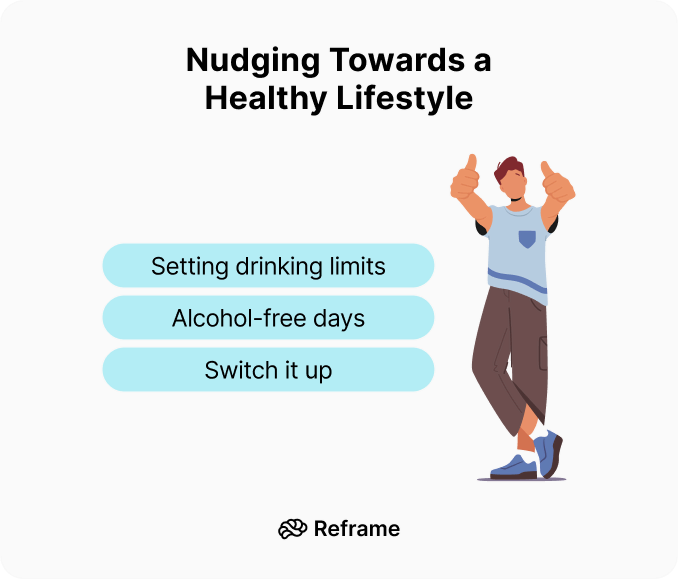
While self-guided strategies are powerful, sometimes you need a little extra backup. Reaching out for professional help is a sign of strength, not weakness. It means you’re serious about making a change and are willing to use every tool available to you. The good news is there are many different paths to getting support, and you can find one that fits your life and your specific needs. From medical assistance to therapy and community groups, building a robust support system can make all the difference in successfully changing your relationship with alcohol for the long term.
Did you know that certain medications can help you on your journey to drink less? Medication-assisted treatment (MAT) involves using FDA-approved medications, in combination with counseling, to help manage alcohol cravings and withdrawal symptoms. According to the National Institute on Alcohol Abuse and Alcoholism (NIAAA), treatment that includes medicine, therapy, or both can be highly effective for people with Alcohol Use Disorder (AUD). These medications aren’t a “magic pill,” but they can give you a significant advantage by easing the physical discomfort that often comes with cutting back, allowing you to focus more on changing your habits. A conversation with your doctor can help you determine if this is a suitable option for you.
Treatment isn’t one-size-fits-all. The right approach depends entirely on your personal situation and how much support you need. For some, a medical detox is the necessary first step to safely manage withdrawal symptoms under medical supervision. Others might find that an inpatient or residential program, where you live at a facility for a period, provides the immersive environment needed for recovery. For many, outpatient programs offer the perfect balance, allowing you to receive treatment while still living at home and managing daily responsibilities. Tools like the Reframe app can be an excellent complement to outpatient care or a primary source of support for those looking for a structured, science-backed program they can follow from anywhere.
Talking it out can be incredibly powerful. Behavioral treatments, like counseling with a therapist, are designed to help you identify and change the thought patterns and behaviors that lead to heavy drinking. You’ll learn new coping skills and strategies for handling triggers in a healthy way. At the same time, connecting with others who understand what you’re going through can be a game-changer. Support groups like Alcoholics Anonymous (AA) provide a space for shared experiences and mutual encouragement. If you're looking for a modern, accessible community, the peer support groups within Reframe offer a welcoming environment where you can connect with thousands of others on the same path, right from your phone.
What if you’re not quite ready to leave booze behind completely, but want to start drinking less? No problem! Here are some tips to start with:
The journey of understanding and changing our drinking habits isn't a straight one, and it's okay to take baby steps. Remember, every small step in the right direction is a victory!
Here's to making better choices and nurturing healthier habits. Until next time, stay curious and keep exploring!
Knowledge is power, especially when it comes to your habits. Simply tracking your drinks can be a game-changer. It’s not about judging yourself; it’s about gathering honest data. When you write down every drink, you start to see the full picture of your consumption. You might be surprised by how much you actually drink on a night out or how often those "occasional" drinks add up. This practice helps you build awareness around your patterns, making it easier to spot the moments that lead to drinking more than you intended. It’s the first, crucial step toward making a conscious change.
If keeping a manual log feels like a chore, technology can help. The Reframe app was designed with this exact challenge in mind. Our personalized drink tracker makes it simple to log your consumption in real-time. The goal isn't to make you feel guilty, but to empower you with information in a supportive, judgment-free space. By seeing your habits laid out clearly, you can connect the dots between your mood, your environment, and your desire to drink. This clarity is often the catalyst for meaningful, lasting change, helping you move forward with intention rather than reacting to old patterns.
Have you ever noticed that you crave a drink after a stressful day at work, or every time you hang out with a certain group of friends? These are called triggers. As the National Institute on Alcohol Abuse and Alcoholism notes, "Triggers — situations, thoughts, or any other cues we associate with drinking — tend to make cravings 'louder.'" Recognizing what sets off your desire to drink is essential. It could be an emotion like boredom or anxiety, a specific time of day, or a particular place. Once you know your triggers, you can create a plan to either avoid them or cope with them in a healthier way, without reaching for alcohol.
Breaking the cycle of binge drinking often means finding new, rewarding activities to fill the space alcohol once occupied. Think about the times you would normally drink and brainstorm other things you could do instead. This could be picking up an old hobby, starting a new fitness class, exploring a nearby park, or diving into a good book. Taking a break from alcohol gives your mind and body a chance to reset. Finding fulfilling alternatives makes that break feel less like a sacrifice and more like an opportunity to rediscover what truly brings you joy and satisfaction, creating new, healthier habits along the way.
I only drink on weekends, but I can't seem to stop once I start. Does this mean I have a problem? It's less about applying a specific label and more about how this pattern makes you feel. The core issue you're describing—intending to have one or two drinks but consistently having more—is a common experience. It points to alcohol's powerful effect on the brain's reward and decision-making centers. If this cycle causes you stress, regret, or negatively impacts your life, then it's a pattern worth addressing. It's not about the frequency of your drinking, but about your loss of control during those occasions.
My friends and I joke about having a high tolerance. Is that actually something to be concerned about? Yes, it's definitely something to pay attention to. While being able to "hold your liquor" might seem like a social advantage, it's actually a sign that your brain and body are adapting to the presence of alcohol. This means you need more of it to get the same effect, which can lead you to drink dangerous amounts without feeling intoxicated. More importantly, a rising tolerance is a key indicator that your body is on the path toward developing a physical dependence on alcohol.
You mentioned the brain's reward system. Does that mean this is all about willpower? Not at all. In fact, understanding the science shows us that it's much more complex than a simple lack of willpower. Alcohol physically changes your brain's chemistry, particularly in the areas that manage pleasure and impulse control. It essentially hijacks your reward system and weakens your decision-making abilities with each drink. Recognizing this isn't an excuse, but an explanation that allows you to stop blaming yourself and start using effective strategies to work with your brain, not against it.
I feel overwhelmed by all the advice. What is the single most effective first step I can take today? The simplest and most powerful first step is to build awareness without judgment. For the next week, try tracking your drinks. Don't set any goals to cut back just yet—simply make a note of when, where, and why you have each drink. This act of observation helps you see your patterns clearly, identify your personal triggers, and understand your relationship with alcohol on a deeper level. This knowledge is the foundation for making any meaningful change.
If alcohol has changed my brain, is the damage permanent? This is a common and understandable fear, but the outlook is incredibly hopeful. The brain has a remarkable ability to heal and rewire itself, a quality known as neuroplasticity. When you reduce or stop drinking, you give your brain the chance to recover. Many people notice significant improvements in their thinking, memory, and mood over time. While some long-term, heavy use can cause more lasting issues, the brain's capacity for repair is truly amazing.
You might go days, even weeks, without a single drink. But when you decide to have one, stopping feels impossible. If you've found yourself asking, "Why can't I stop drinking once I start?", you're not alone. This confusing pattern isn't about drinking every day. It’s about why it’s so hard to stop drinking on certain occasions. Understanding this is the first step to taking back control. We'll explore the real reasons behind this cycle and what you can actually do to change it, without the confusing jargon.
But don't worry! We are here not to frighten you but to help you understand what's going on. Let’s explore the science behind occasional binge drinking, with insights from the latest research to help you manage this potentially unhealthy behavior. It’s all about understanding your brain, your body, and the intriguing relationship they share with alcohol.
Did you know that drinking habits are heavily influenced by the brain's neurochemical activity? When we consume alcohol, it triggers the release of dopamine in this area, which is experienced as pleasure. It's akin to eating a delicious piece of cake or listening to your favorite song. The brain goes, "Hey, that's fun. Let's do it again!" This mechanism can be particularly potent for occasional drinkers, making it hard to stop once they start.
Exciting recent research from scientists at Stanford University clarified how this process works by showing that alcohol affects a specific part of our brain known as the nucleus accumbens, a key player in our reward system. This system evolved to keep necessary habits alive, but, unfortunately, can be easily hijacked by substances such as alcohol.
Over time, the brain begins to see the oversupply of dopamine as the “new normal,” setting off powerful cravings — strong desire for alcohol — when we try to stop. Triggers — situations, thoughts, or any other cues we associate with drinking — tend to make cravings “louder.”
If we’ve been drinking for a long time, we might even form a physical dependence on alcohol, which leads to withdrawal symptoms ranging from irritability, nausea, and shakiness to seizures and delirium tremens when we suddenly stop. (But don’t worry, with some science-backed tools on our side, this neurological wiring can be reversed — we can change our relationship with alcohol!)
That powerful pull you feel isn't just in your head; it's a recognized pattern that neuroscientists call the cycle of addiction. This framework helps explain why a casual drink can sometimes turn into a compulsive habit. It’s not a personal failing, but a powerful loop that rewires the brain’s reward system over time. Understanding these stages can be the first step toward breaking the cycle and regaining control. The cycle consists of three distinct phases that feed into one another, creating a self-reinforcing loop that can be tough to interrupt without the right tools and knowledge.
This is the stage where you’re actively drinking and feeling the pleasant effects. Alcohol triggers a rush of dopamine, making you feel good and temporarily reducing stress. According to the National Institute on Alcohol Abuse and Alcoholism (NIAAA), this initial positive feeling can make you want to drink more and more. The tricky part is that while you might be drinking to cope with stress, over time, this can actually make negative feelings worse. This creates a trap where you reach for another drink to get that initial relief, reinforcing the very behavior you might want to change.
After the buzz wears off, the second stage begins. This is the "crash" where you experience the opposite of alcohol's pleasant effects. The NIAAA explains that when you stop drinking, you can experience withdrawal symptoms that are both physical and emotional. You might have trouble sleeping, feel sick, or notice an increase in sadness, anger, or anxiety. These uncomfortable feelings create a strong motivation to drink again simply to find relief. This isn't about seeking pleasure anymore; it's about escaping discomfort, which makes the cycle even more compelling and difficult to break.
In the final stage, after a period of not drinking, your brain starts thinking about alcohol again. This is the craving phase. You might find yourself planning when and how you can get your next drink. This preoccupation can be triggered by people, places, or feelings you associate with drinking. Your brain is essentially anticipating the reward it remembers from the first stage, and it sends powerful signals to get you to repeat the behavior. This intense focus on alcohol is what drives the cycle forward, leading you right back to the binge and intoxication stage.
Have you ever noticed that you need to drink more now than you used to just to feel the same effects? That’s alcohol tolerance at work. When you drink regularly, your brain adapts to the presence of alcohol. As explained by the health organization Drinkaware, this means you need to consume more alcohol to achieve the initial buzz you’re looking for. While some people might see a high tolerance as a sign they can "handle their liquor," it's actually a red flag. It indicates that your body is changing in response to alcohol, which can have significant health consequences.
A high tolerance can be misleading because you might not feel as intoxicated as you actually are, leading you to drink dangerous amounts without realizing it. More importantly, it’s a key sign that you're at a higher risk of developing an alcohol dependence. Your body is becoming reliant on alcohol to function "normally," and the line between wanting a drink and needing one starts to blur. Recognizing that your tolerance is increasing is a crucial moment of awareness. It’s an opportunity to reassess your habits and consider taking a break to allow your body and brain to reset.
Why can't we just stop drinking after one or two drinks, you might ask? Well, alcohol also impacts the prefrontal cortex, the area of the brain responsible for decision-making and impulse control. As we drink, our ability to make wise decisions gradually decreases, often leading to that "just one more" mindset.
Moreover, there's evidence suggesting that individuals who display intermittent, heavy drinking habits might have a genetic predisposition. A study by the National Institute on Alcohol Abuse and Alcoholism showed that specific genetic variations can make some people more susceptible to binge drinking.
Sometimes, the line between a habit and a problem can feel blurry. If you find yourself consistently drinking more than you intended or continuing to drink despite negative consequences, it might be more than just a pattern. This is where the term Alcohol Use Disorder (AUD) comes in. It’s a medical diagnosis for what many people call alcoholism, and it’s defined by having an impaired ability to stop or control alcohol use despite adverse social, occupational, or health consequences. It’s important to remember that AUD is a recognized medical condition, not a personal failing, and it exists on a spectrum from mild to severe. Understanding where your habits fall on this spectrum can be the first step toward making a change.
Recognizing the signs isn't about labeling yourself; it's about gaining clarity. It’s about understanding the underlying mechanisms that make it so hard to "just stop." The criteria for AUD focus on behaviors and outcomes, like spending a lot of time drinking or recovering from it, developing a tolerance, or experiencing withdrawal. By looking at these signs objectively, you can get a clearer picture of your relationship with alcohol and decide what you want that relationship to look like moving forward. This knowledge empowers you to seek the right kind of support, whether that’s through a community, a program like Reframe, or professional medical advice.
The terms "heavy drinking" or "at-risk" drinking often come up, but what do they actually mean? According to health experts, the thresholds are often lower than people think. The Cleveland Clinic defines heavy drinking "for men, as five or more drinks in one day, or 15 or more drinks in a week. For women, it is four or more drinks in one day, or eight or more drinks in a week." A standard drink might also be smaller than you realize—it’s about 12 ounces of regular beer, 5 ounces of wine, or 1.5 ounces of distilled spirits. Keeping these numbers in mind can provide a helpful benchmark for evaluating your own consumption patterns and understanding potential health risks.
So, how do you know if your drinking patterns might be classified as AUD? The symptoms often involve shifts in your mood and behavior. You might experience strong cravings for alcohol, find yourself drinking even when it’s causing friction in your relationships, or feel withdrawal symptoms like anxiety or shakiness when you’re not drinking. Other signs include wanting to cut down but not being able to, spending a lot of time obtaining and consuming alcohol, or giving up activities you once enjoyed in favor of drinking. It’s less about the exact amount you drink and more about the impact alcohol is having on your life and your ability to control its role.
It's helpful to know that AUD isn't an all-or-nothing diagnosis. Instead, it's classified as "mild, moderate, or severe, depending on the number of symptoms present." This spectrum approach is important because it acknowledges that everyone's experience is different. Someone with a mild AUD might show two or three key symptoms, while someone with a severe case would exhibit six or more. This framework helps healthcare professionals tailor support and treatment to the individual's specific needs. It also means that even if you only identify with a few signs, it’s still a valid reason to explore changing your habits for the better.
Why do some people develop an unhealthy relationship with alcohol while others don't? There’s no single answer, but rather a combination of factors that can increase a person's risk. These can include your genetic makeup, your family history with alcohol, the age you started drinking, and your mental health. Understanding these risk factors isn't about placing blame or feeling doomed by your circumstances. Instead, it’s about recognizing your unique vulnerabilities so you can be more mindful and proactive in managing your relationship with alcohol. It’s about knowing your personal landscape so you can better find your way.
If you’ve ever wondered if alcohol issues run in your family, you’re onto something significant. Research from American Addiction Centers shows that "genetics account for roughly 60% of the risk of developing an AUD." This doesn't mean you're destined to follow the same path, but it does mean you might be more biologically susceptible to alcohol's effects. Having this awareness is a powerful tool. It allows you to be extra vigilant about your habits and make conscious choices that support your long-term well-being, breaking a cycle rather than repeating it.
When you had your first drink matters more than you might think. The adolescent brain is still developing, particularly the parts responsible for judgment and impulse control. Introducing alcohol during this critical period can alter that development. In fact, studies show that "people who start drinking before age 15 are three times more likely to develop an AUD than those who wait until age 21." This highlights the importance of delaying alcohol consumption, as it gives the brain more time to mature, building a stronger foundation for making healthy decisions later in life.
There's a strong link between mental health and alcohol use. Many people turn to alcohol to self-medicate or cope with symptoms of anxiety, depression, or trauma. According to research, "substance misuse is twice as common among adults with mental illness." While alcohol might offer temporary relief, it often worsens these conditions in the long run, creating a challenging cycle that’s hard to break. Addressing both the drinking and the underlying mental health condition at the same time is often the key to making lasting, positive changes and finding healthier coping mechanisms.
While the immediate effects of alcohol are well-known, the cumulative impact of long-term heavy drinking can be profound and affect nearly every system in your body. Over time, excessive alcohol consumption can lead to chronic diseases and serious health complications that significantly impact your quality of life. From your liver and heart to your brain and immune system, no part of the body is truly spared. The good news is that the body has an incredible capacity for healing. By reducing or stopping your alcohol intake, you can often halt or even reverse some of the damage, making a significant investment in your future health.
The liver and heart are two of the organs that bear the brunt of long-term heavy drinking. Your liver works hard to process alcohol, and overworking it can lead to inflammation and damage. As the Cleveland Clinic notes, "heavy, long-term drinking can lead to serious health issues, including liver problems and heart problems." This can manifest as fatty liver disease, alcoholic hepatitis, or even cirrhosis, a severe scarring of the liver. Similarly, alcohol can weaken the heart muscle, leading to conditions like cardiomyopathy, and contribute to high blood pressure and irregular heartbeats, increasing the risk of stroke and heart attack.
The connection between alcohol and cancer is one that often gets overlooked. However, the National Institute on Alcohol Abuse and Alcoholism (NIAAA) is clear that "alcohol use is linked to many health and social problems, including an increased risk of cancers." Alcohol is classified as a known human carcinogen, and it’s associated with a higher risk of developing several types of cancer, including those of the mouth, throat, esophagus, liver, and breast. Even moderate levels of drinking have been shown to increase this risk. Understanding this link is crucial for making informed decisions about your health.
Beyond the short-term impact on judgment and coordination, long-term alcohol use can cause lasting changes to your brain. The NIAAA explains that "regular drinking changes the brain's structure and how it works, making it hard to stop drinking and can lead to relapse." It can shrink brain tissue and interfere with the communication pathways between brain cells, affecting everything from memory and learning to problem-solving and emotional regulation. Fortunately, the brain has a remarkable ability to repair itself. Many people who cut back or quit drinking notice improvements in their cognitive function over time.
Now that we have a better understanding of why we find it difficult to stop drinking once we start, let's talk about what we can do to break this cycle. Here are some tips to get you started.
If you’ve been drinking heavily for a long time (even if you don’t drink every day), make sure to check with a medical professional to make the journey safe and avoid dangerous withdrawal effects. On the other hand, if withdrawal is unlikely and you’re ready to say goodbye to booze for good — go for it!
While self-guided strategies are powerful, sometimes you need a little extra backup. Reaching out for professional help is a sign of strength, not weakness. It means you’re serious about making a change and are willing to use every tool available to you. The good news is there are many different paths to getting support, and you can find one that fits your life and your specific needs. From medical assistance to therapy and community groups, building a robust support system can make all the difference in successfully changing your relationship with alcohol for the long term.
Did you know that certain medications can help you on your journey to drink less? Medication-assisted treatment (MAT) involves using FDA-approved medications, in combination with counseling, to help manage alcohol cravings and withdrawal symptoms. According to the National Institute on Alcohol Abuse and Alcoholism (NIAAA), treatment that includes medicine, therapy, or both can be highly effective for people with Alcohol Use Disorder (AUD). These medications aren’t a “magic pill,” but they can give you a significant advantage by easing the physical discomfort that often comes with cutting back, allowing you to focus more on changing your habits. A conversation with your doctor can help you determine if this is a suitable option for you.
Treatment isn’t one-size-fits-all. The right approach depends entirely on your personal situation and how much support you need. For some, a medical detox is the necessary first step to safely manage withdrawal symptoms under medical supervision. Others might find that an inpatient or residential program, where you live at a facility for a period, provides the immersive environment needed for recovery. For many, outpatient programs offer the perfect balance, allowing you to receive treatment while still living at home and managing daily responsibilities. Tools like the Reframe app can be an excellent complement to outpatient care or a primary source of support for those looking for a structured, science-backed program they can follow from anywhere.
Talking it out can be incredibly powerful. Behavioral treatments, like counseling with a therapist, are designed to help you identify and change the thought patterns and behaviors that lead to heavy drinking. You’ll learn new coping skills and strategies for handling triggers in a healthy way. At the same time, connecting with others who understand what you’re going through can be a game-changer. Support groups like Alcoholics Anonymous (AA) provide a space for shared experiences and mutual encouragement. If you're looking for a modern, accessible community, the peer support groups within Reframe offer a welcoming environment where you can connect with thousands of others on the same path, right from your phone.
What if you’re not quite ready to leave booze behind completely, but want to start drinking less? No problem! Here are some tips to start with:
The journey of understanding and changing our drinking habits isn't a straight one, and it's okay to take baby steps. Remember, every small step in the right direction is a victory!
Here's to making better choices and nurturing healthier habits. Until next time, stay curious and keep exploring!
Knowledge is power, especially when it comes to your habits. Simply tracking your drinks can be a game-changer. It’s not about judging yourself; it’s about gathering honest data. When you write down every drink, you start to see the full picture of your consumption. You might be surprised by how much you actually drink on a night out or how often those "occasional" drinks add up. This practice helps you build awareness around your patterns, making it easier to spot the moments that lead to drinking more than you intended. It’s the first, crucial step toward making a conscious change.
If keeping a manual log feels like a chore, technology can help. The Reframe app was designed with this exact challenge in mind. Our personalized drink tracker makes it simple to log your consumption in real-time. The goal isn't to make you feel guilty, but to empower you with information in a supportive, judgment-free space. By seeing your habits laid out clearly, you can connect the dots between your mood, your environment, and your desire to drink. This clarity is often the catalyst for meaningful, lasting change, helping you move forward with intention rather than reacting to old patterns.
Have you ever noticed that you crave a drink after a stressful day at work, or every time you hang out with a certain group of friends? These are called triggers. As the National Institute on Alcohol Abuse and Alcoholism notes, "Triggers — situations, thoughts, or any other cues we associate with drinking — tend to make cravings 'louder.'" Recognizing what sets off your desire to drink is essential. It could be an emotion like boredom or anxiety, a specific time of day, or a particular place. Once you know your triggers, you can create a plan to either avoid them or cope with them in a healthier way, without reaching for alcohol.
Breaking the cycle of binge drinking often means finding new, rewarding activities to fill the space alcohol once occupied. Think about the times you would normally drink and brainstorm other things you could do instead. This could be picking up an old hobby, starting a new fitness class, exploring a nearby park, or diving into a good book. Taking a break from alcohol gives your mind and body a chance to reset. Finding fulfilling alternatives makes that break feel less like a sacrifice and more like an opportunity to rediscover what truly brings you joy and satisfaction, creating new, healthier habits along the way.
I only drink on weekends, but I can't seem to stop once I start. Does this mean I have a problem? It's less about applying a specific label and more about how this pattern makes you feel. The core issue you're describing—intending to have one or two drinks but consistently having more—is a common experience. It points to alcohol's powerful effect on the brain's reward and decision-making centers. If this cycle causes you stress, regret, or negatively impacts your life, then it's a pattern worth addressing. It's not about the frequency of your drinking, but about your loss of control during those occasions.
My friends and I joke about having a high tolerance. Is that actually something to be concerned about? Yes, it's definitely something to pay attention to. While being able to "hold your liquor" might seem like a social advantage, it's actually a sign that your brain and body are adapting to the presence of alcohol. This means you need more of it to get the same effect, which can lead you to drink dangerous amounts without feeling intoxicated. More importantly, a rising tolerance is a key indicator that your body is on the path toward developing a physical dependence on alcohol.
You mentioned the brain's reward system. Does that mean this is all about willpower? Not at all. In fact, understanding the science shows us that it's much more complex than a simple lack of willpower. Alcohol physically changes your brain's chemistry, particularly in the areas that manage pleasure and impulse control. It essentially hijacks your reward system and weakens your decision-making abilities with each drink. Recognizing this isn't an excuse, but an explanation that allows you to stop blaming yourself and start using effective strategies to work with your brain, not against it.
I feel overwhelmed by all the advice. What is the single most effective first step I can take today? The simplest and most powerful first step is to build awareness without judgment. For the next week, try tracking your drinks. Don't set any goals to cut back just yet—simply make a note of when, where, and why you have each drink. This act of observation helps you see your patterns clearly, identify your personal triggers, and understand your relationship with alcohol on a deeper level. This knowledge is the foundation for making any meaningful change.
If alcohol has changed my brain, is the damage permanent? This is a common and understandable fear, but the outlook is incredibly hopeful. The brain has a remarkable ability to heal and rewire itself, a quality known as neuroplasticity. When you reduce or stop drinking, you give your brain the chance to recover. Many people notice significant improvements in their thinking, memory, and mood over time. While some long-term, heavy use can cause more lasting issues, the brain's capacity for repair is truly amazing.

When we first change our relationship with alcohol, it can feel like a big shift in our lifestyle habits. Perhaps we’re used to going out to the bars or parties a lot with friends or taking clients out to fancy dinners and drinks for work. It can seem like our life is alcohol centric in a lot of different ways and if we’re being honest it probably is because that’s how our society is.
When we first change our relationship with alcohol, it can feel like a big shift in our lifestyle habits. Perhaps we’re used to going out to the bars or parties a lot with friends or taking clients out to fancy dinners and drinks for work. It can seem like our life is alcohol centric in a lot of different ways and if we’re being honest it probably is because that’s how our society is.
This leaves us feeling a bit isolated and maybe even overwhelmed— we ask ourselves “now what?” How do we socialize, participate in our normal activities or handle situations where avoiding alcohol may not be an option? Well this is where it’s important for us to have an open mind and shift perspectives to having a growth mindset. It’s absolutely possible to enjoy life without alcohol, better yet many non-drinkers have expressed how much better their lives are now that they don’t drink! But where do we start?
Well the amazing team here at Reframe has come up with some fun, AF friendly ideas for you to consider while exploring a sober curious or low alcohol lifestyle:

Learn why quitting alcohol cold turkey can be risky, how it compares to nofap cold turkey, and get practical tips for cutting back safely and responsibly.
Although it isn’t a treatment for alcohol use disorder (AUD), the Reframe app can help you cut back on drinking gradually, with the science-backed knowledge to empower you 100% of the way. Our proven program has helped millions of people around the world drink less and live more. And we want to help you get there, too!
The Reframe app equips you with the knowledge and skills you need to not only survive drinking less, but to thrive while you navigate the journey. Our daily research-backed readings teach you the neuroscience of alcohol, and our in-app Toolkit provides the resources and activities you need to navigate each challenge.
You’ll meet millions of fellow Reframers in our 24/7 Forum chat and daily Zoom check-in meetings. Receive encouragement from people worldwide who know exactly what you’re going through! You’ll also have the opportunity to connect with our licensed Reframe coaches for more personalized guidance.
Plus, we’re always introducing new features to optimize your in-app experience. We recently launched our in-app chatbot, Melody, powered by the world’s most powerful AI technology. Melody is here to help as you adjust to a life with less (or no) alcohol.
And that’s not all! Every month, we launch fun challenges, like Dry/Damp January, Mental Health May, and Outdoorsy June. You won’t want to miss out on the chance to participate alongside fellow Reframers (or solo if that’s more your thing!).
The Reframe app is free for 7 days, so you don’t have anything to lose by trying it. Are you ready to feel empowered and discover life beyond alcohol? Then download our app through the App Store or Google Play today!
It’s a Saturday morning, and after another blurry Friday night, you’re telling yourself, "That's it. I'm done." The impulse to quit alcohol cold turkey is a powerful one. It feels like taking back control in a single, decisive moment. This same all-in mentality is why challenges like 'nofap cold turkey' gain so much traction—they promise a hard reset. But when you ask yourself, 'can I stop drinking cold turkey?', the answer isn't so simple. Stopping abruptly isn't just a test of willpower; it's a major shock to your body that can be dangerous.
But wait! Before you declare to the world you're quitting alcohol cold turkey, let's think this through. Why? Because abrupt endings can sometimes lead to unforeseen plot twists.
When we suddenly stop consuming alcohol after habitual drinking, our brain and body can reel due to the rapid withdrawal from a substance they've come to depend on. What does cold turkey mean? Is it possible to quit drinking cold turkey? And if so, should I stop drinking cold turkey? Let’s find out more.

Historical shifts in our understanding of alcohol, its effects on the body, and the consequences of quitting abruptly have transformed throughout history — and so have our approaches to quitting cold turkey:
When it comes to changing your relationship with alcohol, two main paths emerge: stopping all at once or slowly cutting back. There’s no single right answer, and what works for one person might not work for another. Understanding the philosophy behind each approach can help you decide which route feels most aligned with your goals and your life. Let's look at the arguments for both quitting cold turkey and taking a more gradual path to see which one might be the best fit for you.
The idea of quitting cold turkey has a certain appeal. It’s a clean break—a decisive, powerful move that eliminates all the gray areas. For some, an "all or nothing" mindset feels simpler than managing the complexities of moderation. It removes the daily mental gymnastics of deciding if, when, or how much to drink. This approach draws a clear line in the sand, which can feel incredibly motivating at the start. However, this method can be a shock to your system, both physically and mentally. Some online communities report that this approach has a very high failure rate, as it doesn't give your mind and body the chance to adjust. For those with a history of heavy drinking, suddenly stopping can also be dangerous without medical supervision due to the risk of severe withdrawal symptoms.
On the other side of the debate is the gradual reduction method, often called tapering. This approach focuses on making small, sustainable changes over time. Instead of a sudden stop, you slowly decrease your alcohol intake, which gives your body and brain a chance to adapt. This method is less of a shock and can help you build lasting habits. By cutting back incrementally, you create space to learn about your triggers, practice new coping mechanisms, and redefine your relationship with alcohol without the intense pressure of immediate, total abstinence. This journey of mindful drinking is about progress, not perfection, and it’s a core principle behind the neuroscience-backed programs we use in the Reframe app.
When you look for hard data on which method is "better," you'll find the conversation is more about personal fit than universal truth. In one informal online poll, for example, a slight majority of people felt the best approach “depends on the individual,” while a smaller group believed quitting cold turkey was always the way to go. While this is far from a scientific study, it highlights a crucial point: there is no one-size-fits-all solution. True success isn't measured by how you start but by your ability to create lasting change. The most effective method is the one that you can stick with, and that often comes down to personal preference, your drinking history, and the support systems you have in place.
Choosing your path requires honest self-assessment. Start by asking yourself a few key questions: How much and how often have I been drinking? Have I tried to cut back before, and what was that experience like? What is my ultimate goal—complete sobriety or a more mindful, reduced level of consumption? Your answers will help guide your decision. It’s essential to be realistic about what feels manageable for you. For many, a gradual approach provides a safer and more sustainable framework for change. No matter which path you consider, it's always a good idea to consult a healthcare professional, especially if you have been drinking heavily, to ensure you can make changes safely.
Can an alcoholic quit cold turkey? And what does cold turkey mean? Today, we have a more nuanced understanding of what happens when we try. Armed with scientific knowledge, resources, and support, we stand a better chance than ever to navigate the challenges of alcohol cessation with care and success.
Quitting alcohol suddenly after long-term consumption can lead to physical withdrawal symptoms. The body has gotten used to alcohol’s presence, and when it's suddenly gone, chaos ensues. Withdrawal is no picnic, and in some severe cases, the symptoms might require medical attention — if that’s you, it’s best to err on the side of safety!
Here’s the breakdown:

One of the most dangerous potential withdrawal symptoms is important enough that it deserves its own discussion: the delirium tremens, or DTs.
Delirium tremens (DTs) is a severe form of alcohol withdrawal syndrome that can occur when someone who drinks excessively either stops short or significantly reduces their alcohol intake. It's vital to understand the nature of this beast, especially when considering quitting alcohol.
What are the symptoms of DTs?
The risks associated with DTs are serious. They are not just the result of the absence of alcohol in the system — they’re a sign of how dependent the body has become on it. The complications can be quite serious:
The effects can be even worse if nutritional deficiencies are involved, since they’re known to complicate withdrawal.
If someone shows signs of DTs, it's crucial to seek immediate medical attention. There is a wide range of treatment possibilities:
As we can see, going "cold turkey" without understanding or preparing for potential complications can be dangerous. Always consult with healthcare professionals and consider a managed, supervised approach to quitting alcohol, especially if you've been a heavy or long-term drinker.

When it comes to quitting alcohol — especially if you've been partaking for a while — it's not just the body that feels the shift. The mind can also undergo some significant changes. What might you expect on the emotional and psychological front?
The emotional and psychological changes after quitting alcohol cold turkey can feel like a roller coaster. But these shifts are only temporary! As our mind and body find their new equilibrium, many of these symptoms will ease. During this period, leaning on support networks, staying informed, and possibly seeking professional guidance can make the transition smoother and more manageable. Everyone’s path is unique, so recovery looks different from one person to the next. It's all a part of the journey toward a healthier life — and Reframe is here to help!
Changing your relationship with alcohol is a significant accomplishment, but the path isn't always a straight line. It’s normal to encounter a few bumps along the way. Understanding these common challenges ahead of time can help you prepare for them and move through them with confidence. Think of these as predictable hurdles, not impassable walls. Recognizing them for what they are—temporary phases in your brain and body’s healing process—is the first step toward overcoming them. With the right mindset and tools, you can handle these moments and continue building a healthier life for yourself.
After the initial rush of making a positive change, you might enter a phase that feels… well, flat. This is often called the "flatline" period. It’s a common experience where you might feel a lack of motivation, low energy, or emotional numbness. It can be confusing because you’re doing something great for yourself, yet you don’t feel particularly great. This happens because your brain is working hard to recalibrate its reward system. It’s used to getting a big dopamine hit from alcohol, and now it’s learning to find joy and pleasure in other things. This period is not a sign that you’re failing; it’s a sign that your brain is healing. Be patient with yourself, acknowledge that it’s a temporary phase, and focus on small, consistent actions that support your well-being.
Let's say you have a slip-up and have a drink. You might notice a surprisingly strong urge to have another, and then another. This is known as the "chaser effect." It’s the brain's powerful reaction to reintroducing a substance it has been missing. That first drink can reactivate the old reward pathways, creating an intense craving for more. It’s not a reflection of your willpower, but rather a physiological response. The key to managing this is to have a plan. If a slip happens, don’t see it as a reason to give up. Instead, immediately pivot to your support system. Reach out to a friend, engage with a community like the one in the Reframe app, or distract yourself with a pre-planned activity until the intense urge passes.
The word "relapse" can sound scary, like a total failure that sends you back to square one. But it’s important to reframe how you see it. Relapses are a common part of many recovery journeys. They don’t erase all the progress you’ve made or the lessons you’ve learned. Every sober day, every healthy choice, and every new coping mechanism you’ve developed still counts. A relapse is simply a moment where old patterns temporarily resurfaced. It’s an opportunity to gather more information about your triggers and strengthen your strategies for the future. It’s a detour, not a dead end, and it provides valuable insight for the road ahead.
Think of a slip-up not as a failure, but as a data point. It’s often a deliberate action that follows a series of thoughts and choices. By examining what led to that moment, you can learn so much. What were you feeling? Who were you with? What was the environment? Understanding these factors helps you identify vulnerabilities in your plan. Your progress isn't measured by an unbroken streak but by your resilience and your commitment to getting back on track. Every time you choose to continue your journey after a setback, you are reinforcing your strength and dedication to change.
Knowing the challenges is half the battle; the other half is equipping yourself with effective strategies. Success isn’t about having superhuman willpower; it’s about building a toolkit of practical, sustainable habits that support your goals. This means finding what works for you and creating a lifestyle that makes healthier choices feel more natural. It’s about being proactive rather than reactive. By focusing on small, consistent actions, you can build momentum and create lasting change. Let’s explore some actionable steps you can take to set yourself up for success on your journey to drink less and live more.
Motivation is what gets you started. It’s that initial spark—the feeling of being fed up with hangovers or the excitement for a healthier future. But motivation can be fleeting; it comes and goes. That’s where discipline comes in. Discipline is what keeps you going on the days when motivation is low. It’s the commitment you make to yourself to stick with your plan even when it’s hard. It’s about building routines and habits, like planning alcohol-free activities for the weekend or practicing your "no, thank you" ahead of time. Relying on discipline means you’re not leaving your success up to chance or how you feel in the moment.
Quitting cold turkey can feel like an overwhelming, all-or-nothing challenge. A more sustainable path for many is to start small. Instead of vowing to never drink again, focus on one day at a time. Maybe your goal is to simply not drink tonight. Or perhaps you want to try mindful drinking, where you become more intentional about when and why you choose to drink. Breaking your larger goal into manageable steps makes it feel less daunting and helps you build confidence with each small win. This approach allows you to learn and adjust as you go, creating a strategy that truly fits your life and feels sustainable for the long term.
When you reduce or remove alcohol, you need healthy ways to fill that space and manage stress. Exercise is one of the most powerful tools at your disposal. It’s not just about physical health; it’s a game-changer for your mindset. Going for a run, lifting weights, or even taking a brisk walk can help regulate your mood, reduce anxiety, and burn off restless energy that might otherwise lead to cravings. Physical activity provides a natural release of endorphins, improving your sense of well-being and reinforcing your ability to make healthy choices. It’s a positive feedback loop that builds both physical and mental strength.
It can be tempting to try and overhaul your entire life at once, but that can quickly lead to burnout. Instead, focus on one primary change: your relationship with alcohol. Each person’s journey is unique, and you should choose the approach that feels right for you rather than trying to follow a rigid set of rules. Give yourself permission to focus your energy here without adding pressure to also perfect your diet, start a new career, and run a marathon all at once. By concentrating on this one significant change, you give yourself the best chance of success. As you build confidence and new habits around drinking, you can then gradually incorporate other positive changes into your life.
So, should I stop drinking cold turkey? Opting for a more gradual approach, rather than abruptly going abstinent, can be more manageable for your body and brain. Here are some tips to consider:
Making a big change feels much more achievable when you have the right support system. A gradual approach is often more manageable for your body and brain, and using a dedicated tool can make all the difference. This is where a program like Reframe comes in, offering a structured, neuroscience-based path to help you change your habits sustainably. One of the most effective first steps is simply becoming more aware of your current patterns through the practice of mindful drinking. The app encourages you to track your consumption, which helps you see trends and identify areas for change. By keeping a record, you can set realistic goals and gradually reduce your intake over time, putting you in control of your journey without the shock of an abrupt stop.
You also don’t have to do it alone. Sharing your goals and challenges with a supportive group can keep you accountable and remind you that you’re part of something bigger. This is why Reframe provides access to a thriving community of people on the same path, offering a judgment-free space to connect and find encouragement. This peer support is a key part of a larger, holistic approach to change. After all, redefining your relationship with alcohol involves more than just counting drinks; it’s about understanding the physical, emotional, and psychological factors at play. The Reframe program provides daily readings, skill-building exercises, and resources that address the whole picture, giving you the tools to build a healthier, more fulfilling life.
While intending to quit or cut back on alcohol is commendable, it's essential to do it the right way. Theoretically, you can stop drinking cold turkey, but it’s not necessary or recommended. It’s not about speed! Gradual, measured steps can make the process smoother, safer, and more sustainable.
Choosing to quit or reduce alcohol consumption is an investment in your future. In the years to come, your body will thank you. From liver function to heart health, from sleep patterns to energy levels, the long-term physical benefits are numerous. And it's not just about preventing potential harm, but about rejuvenating and rediscovering a vitality that alcohol might have suppressed.
As time goes on, your emotions will stabilize, clarity will return, and mental fog will lift. There's a newfound depth to be explored in the world of feelings and thoughts, unburdened by the effects of alcohol. Personal growth, enhanced emotional intelligence, and a deeper understanding of oneself can flourish in this new space. Without alcohol as an intermediary, connections can be more genuine, conversations more meaningful, and shared moments more memorable.
In sum, while the initial stages of quitting alcohol are fraught with challenges, the big picture is one of hope, renewal, and endless possibilities. It's a journey worth embarking on, with the promise of a brighter, more vibrant tomorrow on the horizon!
Is it ever safe to quit drinking cold turkey? While the impulse for a clean break is understandable, quitting cold turkey is risky, especially if you've been drinking heavily or consistently for a long time. The sudden absence of alcohol can send your body into a state of shock, leading to severe withdrawal symptoms. For lighter or less frequent drinkers, it might not be as physically dangerous, but a gradual approach is almost always a safer and more sustainable way to make a lasting change. The best first step is always to talk with a healthcare professional to assess your personal situation.
How can I tell if my withdrawal symptoms are becoming dangerous? Mild withdrawal can feel like a bad hangover with some anxiety and shakiness. However, you should seek immediate medical attention if you experience more severe symptoms. Warning signs include intense confusion, seeing or hearing things that aren't there (hallucinations), a high fever, or seizures. These can be signs of Delirium Tremens (DTs), a serious medical emergency that requires professional care. It's always better to be safe and get checked out if you're concerned.
I tried to cut back and had a drink. Have I ruined all my progress? Absolutely not. A slip-up doesn't erase every good choice you've made. Think of it as a data point, not a failure. It’s an opportunity to learn more about your triggers and what situations are challenging for you. The most important thing is how you respond. Acknowledge what happened, be kind to yourself, and get right back to your plan. Your journey is measured by your resilience, not by an expectation of perfection.
Why does a gradual approach often work better in the long run? Quitting abruptly can be a major shock to your system, both physically and mentally. A gradual approach, or tapering, gives your brain and body time to adjust to lower amounts of alcohol, which can make withdrawal symptoms less intense. It also gives you the space to build new habits and coping skills to replace drinking. This method focuses on creating sustainable change, helping you learn to manage cravings and social situations without feeling overwhelmed by the pressure of immediate, total abstinence.
I stopped drinking a few weeks ago and now I just feel bored and unmotivated. Is this normal? Yes, this is a very common experience often called the "flatline" period. After the initial high of making a change, your brain's reward system is busy recalibrating. It's learning to find pleasure in everyday things again without the artificial spike from alcohol. It can feel discouraging, but it's a temporary and positive sign that your brain is healing. Try to be patient with yourself and focus on incorporating small, healthy activities you enjoy, like a walk or a hobby, to help your brain rediscover natural sources of joy.
It’s a Saturday morning, and after another blurry Friday night, you’re telling yourself, "That's it. I'm done." The impulse to quit alcohol cold turkey is a powerful one. It feels like taking back control in a single, decisive moment. This same all-in mentality is why challenges like 'nofap cold turkey' gain so much traction—they promise a hard reset. But when you ask yourself, 'can I stop drinking cold turkey?', the answer isn't so simple. Stopping abruptly isn't just a test of willpower; it's a major shock to your body that can be dangerous.
But wait! Before you declare to the world you're quitting alcohol cold turkey, let's think this through. Why? Because abrupt endings can sometimes lead to unforeseen plot twists.
When we suddenly stop consuming alcohol after habitual drinking, our brain and body can reel due to the rapid withdrawal from a substance they've come to depend on. What does cold turkey mean? Is it possible to quit drinking cold turkey? And if so, should I stop drinking cold turkey? Let’s find out more.
Historical shifts in our understanding of alcohol, its effects on the body, and the consequences of quitting abruptly have transformed throughout history — and so have our approaches to quitting cold turkey:
When it comes to changing your relationship with alcohol, two main paths emerge: stopping all at once or slowly cutting back. There’s no single right answer, and what works for one person might not work for another. Understanding the philosophy behind each approach can help you decide which route feels most aligned with your goals and your life. Let's look at the arguments for both quitting cold turkey and taking a more gradual path to see which one might be the best fit for you.
The idea of quitting cold turkey has a certain appeal. It’s a clean break—a decisive, powerful move that eliminates all the gray areas. For some, an "all or nothing" mindset feels simpler than managing the complexities of moderation. It removes the daily mental gymnastics of deciding if, when, or how much to drink. This approach draws a clear line in the sand, which can feel incredibly motivating at the start. However, this method can be a shock to your system, both physically and mentally. Some online communities report that this approach has a very high failure rate, as it doesn't give your mind and body the chance to adjust. For those with a history of heavy drinking, suddenly stopping can also be dangerous without medical supervision due to the risk of severe withdrawal symptoms.
On the other side of the debate is the gradual reduction method, often called tapering. This approach focuses on making small, sustainable changes over time. Instead of a sudden stop, you slowly decrease your alcohol intake, which gives your body and brain a chance to adapt. This method is less of a shock and can help you build lasting habits. By cutting back incrementally, you create space to learn about your triggers, practice new coping mechanisms, and redefine your relationship with alcohol without the intense pressure of immediate, total abstinence. This journey of mindful drinking is about progress, not perfection, and it’s a core principle behind the neuroscience-backed programs we use in the Reframe app.
When you look for hard data on which method is "better," you'll find the conversation is more about personal fit than universal truth. In one informal online poll, for example, a slight majority of people felt the best approach “depends on the individual,” while a smaller group believed quitting cold turkey was always the way to go. While this is far from a scientific study, it highlights a crucial point: there is no one-size-fits-all solution. True success isn't measured by how you start but by your ability to create lasting change. The most effective method is the one that you can stick with, and that often comes down to personal preference, your drinking history, and the support systems you have in place.
Choosing your path requires honest self-assessment. Start by asking yourself a few key questions: How much and how often have I been drinking? Have I tried to cut back before, and what was that experience like? What is my ultimate goal—complete sobriety or a more mindful, reduced level of consumption? Your answers will help guide your decision. It’s essential to be realistic about what feels manageable for you. For many, a gradual approach provides a safer and more sustainable framework for change. No matter which path you consider, it's always a good idea to consult a healthcare professional, especially if you have been drinking heavily, to ensure you can make changes safely.
Can an alcoholic quit cold turkey? And what does cold turkey mean? Today, we have a more nuanced understanding of what happens when we try. Armed with scientific knowledge, resources, and support, we stand a better chance than ever to navigate the challenges of alcohol cessation with care and success.
Quitting alcohol suddenly after long-term consumption can lead to physical withdrawal symptoms. The body has gotten used to alcohol’s presence, and when it's suddenly gone, chaos ensues. Withdrawal is no picnic, and in some severe cases, the symptoms might require medical attention — if that’s you, it’s best to err on the side of safety!
Here’s the breakdown:
One of the most dangerous potential withdrawal symptoms is important enough that it deserves its own discussion: the delirium tremens, or DTs.
Delirium tremens (DTs) is a severe form of alcohol withdrawal syndrome that can occur when someone who drinks excessively either stops short or significantly reduces their alcohol intake. It's vital to understand the nature of this beast, especially when considering quitting alcohol.
What are the symptoms of DTs?
The risks associated with DTs are serious. They are not just the result of the absence of alcohol in the system — they’re a sign of how dependent the body has become on it. The complications can be quite serious:
The effects can be even worse if nutritional deficiencies are involved, since they’re known to complicate withdrawal.
If someone shows signs of DTs, it's crucial to seek immediate medical attention. There is a wide range of treatment possibilities:
As we can see, going "cold turkey" without understanding or preparing for potential complications can be dangerous. Always consult with healthcare professionals and consider a managed, supervised approach to quitting alcohol, especially if you've been a heavy or long-term drinker.
When it comes to quitting alcohol — especially if you've been partaking for a while — it's not just the body that feels the shift. The mind can also undergo some significant changes. What might you expect on the emotional and psychological front?
The emotional and psychological changes after quitting alcohol cold turkey can feel like a roller coaster. But these shifts are only temporary! As our mind and body find their new equilibrium, many of these symptoms will ease. During this period, leaning on support networks, staying informed, and possibly seeking professional guidance can make the transition smoother and more manageable. Everyone’s path is unique, so recovery looks different from one person to the next. It's all a part of the journey toward a healthier life — and Reframe is here to help!
Changing your relationship with alcohol is a significant accomplishment, but the path isn't always a straight line. It’s normal to encounter a few bumps along the way. Understanding these common challenges ahead of time can help you prepare for them and move through them with confidence. Think of these as predictable hurdles, not impassable walls. Recognizing them for what they are—temporary phases in your brain and body’s healing process—is the first step toward overcoming them. With the right mindset and tools, you can handle these moments and continue building a healthier life for yourself.
After the initial rush of making a positive change, you might enter a phase that feels… well, flat. This is often called the "flatline" period. It’s a common experience where you might feel a lack of motivation, low energy, or emotional numbness. It can be confusing because you’re doing something great for yourself, yet you don’t feel particularly great. This happens because your brain is working hard to recalibrate its reward system. It’s used to getting a big dopamine hit from alcohol, and now it’s learning to find joy and pleasure in other things. This period is not a sign that you’re failing; it’s a sign that your brain is healing. Be patient with yourself, acknowledge that it’s a temporary phase, and focus on small, consistent actions that support your well-being.
Let's say you have a slip-up and have a drink. You might notice a surprisingly strong urge to have another, and then another. This is known as the "chaser effect." It’s the brain's powerful reaction to reintroducing a substance it has been missing. That first drink can reactivate the old reward pathways, creating an intense craving for more. It’s not a reflection of your willpower, but rather a physiological response. The key to managing this is to have a plan. If a slip happens, don’t see it as a reason to give up. Instead, immediately pivot to your support system. Reach out to a friend, engage with a community like the one in the Reframe app, or distract yourself with a pre-planned activity until the intense urge passes.
The word "relapse" can sound scary, like a total failure that sends you back to square one. But it’s important to reframe how you see it. Relapses are a common part of many recovery journeys. They don’t erase all the progress you’ve made or the lessons you’ve learned. Every sober day, every healthy choice, and every new coping mechanism you’ve developed still counts. A relapse is simply a moment where old patterns temporarily resurfaced. It’s an opportunity to gather more information about your triggers and strengthen your strategies for the future. It’s a detour, not a dead end, and it provides valuable insight for the road ahead.
Think of a slip-up not as a failure, but as a data point. It’s often a deliberate action that follows a series of thoughts and choices. By examining what led to that moment, you can learn so much. What were you feeling? Who were you with? What was the environment? Understanding these factors helps you identify vulnerabilities in your plan. Your progress isn't measured by an unbroken streak but by your resilience and your commitment to getting back on track. Every time you choose to continue your journey after a setback, you are reinforcing your strength and dedication to change.
Knowing the challenges is half the battle; the other half is equipping yourself with effective strategies. Success isn’t about having superhuman willpower; it’s about building a toolkit of practical, sustainable habits that support your goals. This means finding what works for you and creating a lifestyle that makes healthier choices feel more natural. It’s about being proactive rather than reactive. By focusing on small, consistent actions, you can build momentum and create lasting change. Let’s explore some actionable steps you can take to set yourself up for success on your journey to drink less and live more.
Motivation is what gets you started. It’s that initial spark—the feeling of being fed up with hangovers or the excitement for a healthier future. But motivation can be fleeting; it comes and goes. That’s where discipline comes in. Discipline is what keeps you going on the days when motivation is low. It’s the commitment you make to yourself to stick with your plan even when it’s hard. It’s about building routines and habits, like planning alcohol-free activities for the weekend or practicing your "no, thank you" ahead of time. Relying on discipline means you’re not leaving your success up to chance or how you feel in the moment.
Quitting cold turkey can feel like an overwhelming, all-or-nothing challenge. A more sustainable path for many is to start small. Instead of vowing to never drink again, focus on one day at a time. Maybe your goal is to simply not drink tonight. Or perhaps you want to try mindful drinking, where you become more intentional about when and why you choose to drink. Breaking your larger goal into manageable steps makes it feel less daunting and helps you build confidence with each small win. This approach allows you to learn and adjust as you go, creating a strategy that truly fits your life and feels sustainable for the long term.
When you reduce or remove alcohol, you need healthy ways to fill that space and manage stress. Exercise is one of the most powerful tools at your disposal. It’s not just about physical health; it’s a game-changer for your mindset. Going for a run, lifting weights, or even taking a brisk walk can help regulate your mood, reduce anxiety, and burn off restless energy that might otherwise lead to cravings. Physical activity provides a natural release of endorphins, improving your sense of well-being and reinforcing your ability to make healthy choices. It’s a positive feedback loop that builds both physical and mental strength.
It can be tempting to try and overhaul your entire life at once, but that can quickly lead to burnout. Instead, focus on one primary change: your relationship with alcohol. Each person’s journey is unique, and you should choose the approach that feels right for you rather than trying to follow a rigid set of rules. Give yourself permission to focus your energy here without adding pressure to also perfect your diet, start a new career, and run a marathon all at once. By concentrating on this one significant change, you give yourself the best chance of success. As you build confidence and new habits around drinking, you can then gradually incorporate other positive changes into your life.
So, should I stop drinking cold turkey? Opting for a more gradual approach, rather than abruptly going abstinent, can be more manageable for your body and brain. Here are some tips to consider:
Making a big change feels much more achievable when you have the right support system. A gradual approach is often more manageable for your body and brain, and using a dedicated tool can make all the difference. This is where a program like Reframe comes in, offering a structured, neuroscience-based path to help you change your habits sustainably. One of the most effective first steps is simply becoming more aware of your current patterns through the practice of mindful drinking. The app encourages you to track your consumption, which helps you see trends and identify areas for change. By keeping a record, you can set realistic goals and gradually reduce your intake over time, putting you in control of your journey without the shock of an abrupt stop.
You also don’t have to do it alone. Sharing your goals and challenges with a supportive group can keep you accountable and remind you that you’re part of something bigger. This is why Reframe provides access to a thriving community of people on the same path, offering a judgment-free space to connect and find encouragement. This peer support is a key part of a larger, holistic approach to change. After all, redefining your relationship with alcohol involves more than just counting drinks; it’s about understanding the physical, emotional, and psychological factors at play. The Reframe program provides daily readings, skill-building exercises, and resources that address the whole picture, giving you the tools to build a healthier, more fulfilling life.
While intending to quit or cut back on alcohol is commendable, it's essential to do it the right way. Theoretically, you can stop drinking cold turkey, but it’s not necessary or recommended. It’s not about speed! Gradual, measured steps can make the process smoother, safer, and more sustainable.
Choosing to quit or reduce alcohol consumption is an investment in your future. In the years to come, your body will thank you. From liver function to heart health, from sleep patterns to energy levels, the long-term physical benefits are numerous. And it's not just about preventing potential harm, but about rejuvenating and rediscovering a vitality that alcohol might have suppressed.
As time goes on, your emotions will stabilize, clarity will return, and mental fog will lift. There's a newfound depth to be explored in the world of feelings and thoughts, unburdened by the effects of alcohol. Personal growth, enhanced emotional intelligence, and a deeper understanding of oneself can flourish in this new space. Without alcohol as an intermediary, connections can be more genuine, conversations more meaningful, and shared moments more memorable.
In sum, while the initial stages of quitting alcohol are fraught with challenges, the big picture is one of hope, renewal, and endless possibilities. It's a journey worth embarking on, with the promise of a brighter, more vibrant tomorrow on the horizon!
Is it ever safe to quit drinking cold turkey? While the impulse for a clean break is understandable, quitting cold turkey is risky, especially if you've been drinking heavily or consistently for a long time. The sudden absence of alcohol can send your body into a state of shock, leading to severe withdrawal symptoms. For lighter or less frequent drinkers, it might not be as physically dangerous, but a gradual approach is almost always a safer and more sustainable way to make a lasting change. The best first step is always to talk with a healthcare professional to assess your personal situation.
How can I tell if my withdrawal symptoms are becoming dangerous? Mild withdrawal can feel like a bad hangover with some anxiety and shakiness. However, you should seek immediate medical attention if you experience more severe symptoms. Warning signs include intense confusion, seeing or hearing things that aren't there (hallucinations), a high fever, or seizures. These can be signs of Delirium Tremens (DTs), a serious medical emergency that requires professional care. It's always better to be safe and get checked out if you're concerned.
I tried to cut back and had a drink. Have I ruined all my progress? Absolutely not. A slip-up doesn't erase every good choice you've made. Think of it as a data point, not a failure. It’s an opportunity to learn more about your triggers and what situations are challenging for you. The most important thing is how you respond. Acknowledge what happened, be kind to yourself, and get right back to your plan. Your journey is measured by your resilience, not by an expectation of perfection.
Why does a gradual approach often work better in the long run? Quitting abruptly can be a major shock to your system, both physically and mentally. A gradual approach, or tapering, gives your brain and body time to adjust to lower amounts of alcohol, which can make withdrawal symptoms less intense. It also gives you the space to build new habits and coping skills to replace drinking. This method focuses on creating sustainable change, helping you learn to manage cravings and social situations without feeling overwhelmed by the pressure of immediate, total abstinence.
I stopped drinking a few weeks ago and now I just feel bored and unmotivated. Is this normal? Yes, this is a very common experience often called the "flatline" period. After the initial high of making a change, your brain's reward system is busy recalibrating. It's learning to find pleasure in everyday things again without the artificial spike from alcohol. It can feel discouraging, but it's a temporary and positive sign that your brain is healing. Try to be patient with yourself and focus on incorporating small, healthy activities you enjoy, like a walk or a hobby, to help your brain rediscover natural sources of joy.

Ready to take control and say goodbye to booze? Our latest blog breaks down science-backed steps to wean off alcohol, complete with tips on diet, exercise, and sleep to boost your journey.
Although it isn’t a treatment for alcohol use disorder (AUD), the Reframe app can help you cut back on drinking gradually, with the science-backed knowledge to empower you 100% of the way. Our proven program has helped millions of people around the world drink less and live more. And we want to help you get there, too!
The Reframe app equips you with the knowledge and skills you need to not only survive drinking less, but to thrive while you navigate the journey. Our daily research-backed readings teach you the neuroscience of alcohol, and our in-app Toolkit provides the resources and activities you need to navigate each challenge.
You’ll meet millions of fellow Reframers in our 24/7 Forum chat and daily Zoom check-in meetings. Receive encouragement from people worldwide who know exactly what you’re going through! You’ll also have the opportunity to connect with our licensed Reframe coaches for more personalized guidance.
Plus, we’re always introducing new features to optimize your in-app experience. We recently launched our in-app chatbot, Melody, powered by the world’s most powerful AI technology. Melody is here to help as you adjust to a life with less (or no) alcohol.
And that’s not all! Every month, we launch fun challenges, like Dry/Damp January, Mental Health May, and Outdoorsy June. You won’t want to miss out on the chance to participate alongside fellow Reframers (or solo if that’s more your thing!).
The Reframe app is free for 7 days, so you don’t have anything to lose by trying it. Are you ready to feel empowered and discover life beyond alcohol? Then download our app today!
Picture this: after a long day, you're about to sit down with your friends. Instead of the usual bottle or glass in hand, you’ve got a sparkling water with a hint of lime. There’s laughter, there are stories, and you’re enjoying every moment. But here's the twist — you're fully present, no alcohol needed.
This change didn't happen overnight. Behind this moment is a series of conscious decisions and a commitment to understanding and mitigating the effects of alcohol on the brain and body. Let’s dive into the why and the how of reducing or quitting alcohol and the science behind it.
Here are 4 main benefits of kicking alcohol to the curb:
Reducing or quitting alcohol requires a structured approach. Here's a specific plan to guide you through the initial stages of your journey, helping you take control of your relationship with alcohol.
Note: Always consult with a healthcare professional before beginning any detox plan! The following is a generalized guide.
Throughout this process, a positive mindset is key. Here are some positive psychology-based tips to help you keep going when things get tough:

This is a journey, and you’re in it for the long haul — there’s no need to rush. Unless your drinking has gotten to the point of putting you in immediate danger (in which case, please don’t wait to get medical help!), it can be easier to make lasting changes if you start by observing your drinking habits without judgment, like a scientist gathering data.
For those who've consumed alcohol regularly, a gradual reduction might be safer and more manageable than abrupt cessation. Here's a sample drinking detox plan to help guide the process. Everyone's starting point is different — so adjust as necessary! Stretch this timeframe out as needed; the only goal is to ease your usage down gradually.
Remember, the goal of this plan is to provide a structured approach that can be adjusted based on individual needs. Listen to your body, seek support when needed, and celebrate every step you take towards your goal.
By the end of Week 3, you will have substantially reduced your alcohol intake, and you’ll have experienced how your body feels without alcohol for a short period.
This plan is a starting point, and everyone's journey is unique. Make sure to adjust based on what feels right for your body and lifestyle. Remember, every step you take is a step towards better health and well-being. You've got this!
Embarking on the path to reduce or eliminate alcohol can sometimes lead to withdrawal symptoms, especially for those who've had a long or heavy reliance on alcohol. Understanding and addressing these symptoms can make the transition smoother and safer.
Withdrawal symptoms can vary based on the duration and intensity of alcohol use. These are some of the most common symptoms:
There’s a powerful trifecta waiting to help you along the way: diet, exercise, and sleep. Let's dive in to understand how these three pillars can be your allies in this adventure and ease mild withdrawal symptoms.
If you experience severe withdrawal symptoms or have been a heavy drinker, it's crucial to consult a healthcare professional before making drastic reductions in your alcohol consumption. They can provide guidance on a safe reduction strategy or recommend alcohol detox programs.
Sometimes, the traditional path might feel a bit ... well, traditional. Let's jazz things up a bit by exploring some alternative therapies that others have found handy. Each one is different, so think of this as a fun buffet of options to sample!
While weaning off alcohol is a great start, it’s only the first step. Here are some tips for making the most out of the exciting weeks and months to come as you continue to heal:
Choosing to reduce or quit alcohol is commendable, a journey towards better health, clearer mind, and an enhanced quality of life. And when the journey gets difficult, remember: you're not alone! Communities like Reframe are here, equipped with science-backed methods, ready to support you every step of the way. So, the next time you're sharing the laughter and stories, you'll be there, heart and soul, making memories worth remembering.
Picture this: after a long day, you're about to sit down with your friends. Instead of the usual bottle or glass in hand, you’ve got a sparkling water with a hint of lime. There’s laughter, there are stories, and you’re enjoying every moment. But here's the twist — you're fully present, no alcohol needed.
This change didn't happen overnight. Behind this moment is a series of conscious decisions and a commitment to understanding and mitigating the effects of alcohol on the brain and body. Let’s dive into the why and the how of reducing or quitting alcohol and the science behind it.
Here are 4 main benefits of kicking alcohol to the curb:
Reducing or quitting alcohol requires a structured approach. Here's a specific plan to guide you through the initial stages of your journey, helping you take control of your relationship with alcohol.
Note: Always consult with a healthcare professional before beginning any detox plan! The following is a generalized guide.
Throughout this process, a positive mindset is key. Here are some positive psychology-based tips to help you keep going when things get tough:
This is a journey, and you’re in it for the long haul — there’s no need to rush. Unless your drinking has gotten to the point of putting you in immediate danger (in which case, please don’t wait to get medical help!), it can be easier to make lasting changes if you start by observing your drinking habits without judgment, like a scientist gathering data.
For those who've consumed alcohol regularly, a gradual reduction might be safer and more manageable than abrupt cessation. Here's a sample drinking detox plan to help guide the process. Everyone's starting point is different — so adjust as necessary! Stretch this timeframe out as needed; the only goal is to ease your usage down gradually.
Remember, the goal of this plan is to provide a structured approach that can be adjusted based on individual needs. Listen to your body, seek support when needed, and celebrate every step you take towards your goal.
By the end of Week 3, you will have substantially reduced your alcohol intake, and you’ll have experienced how your body feels without alcohol for a short period.
This plan is a starting point, and everyone's journey is unique. Make sure to adjust based on what feels right for your body and lifestyle. Remember, every step you take is a step towards better health and well-being. You've got this!
Embarking on the path to reduce or eliminate alcohol can sometimes lead to withdrawal symptoms, especially for those who've had a long or heavy reliance on alcohol. Understanding and addressing these symptoms can make the transition smoother and safer.
Withdrawal symptoms can vary based on the duration and intensity of alcohol use. These are some of the most common symptoms:
There’s a powerful trifecta waiting to help you along the way: diet, exercise, and sleep. Let's dive in to understand how these three pillars can be your allies in this adventure and ease mild withdrawal symptoms.
If you experience severe withdrawal symptoms or have been a heavy drinker, it's crucial to consult a healthcare professional before making drastic reductions in your alcohol consumption. They can provide guidance on a safe reduction strategy or recommend alcohol detox programs.
Sometimes, the traditional path might feel a bit ... well, traditional. Let's jazz things up a bit by exploring some alternative therapies that others have found handy. Each one is different, so think of this as a fun buffet of options to sample!
While weaning off alcohol is a great start, it’s only the first step. Here are some tips for making the most out of the exciting weeks and months to come as you continue to heal:
Choosing to reduce or quit alcohol is commendable, a journey towards better health, clearer mind, and an enhanced quality of life. And when the journey gets difficult, remember: you're not alone! Communities like Reframe are here, equipped with science-backed methods, ready to support you every step of the way. So, the next time you're sharing the laughter and stories, you'll be there, heart and soul, making memories worth remembering.
